
智能手机

Search documents
苹果上线新春限时优惠,最高省1000元,“以价换量”也难回中国第一?
3 6 Ke· 2026-01-26 11:40
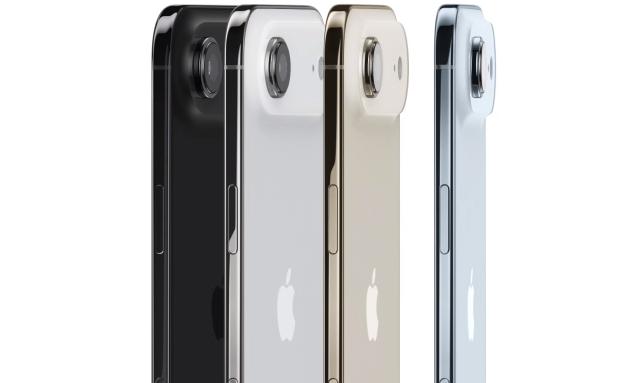
Core Viewpoint - Apple is actively adjusting its pricing strategy in the Chinese market to regain market share amid increasing competition from domestic brands, marking a significant shift from its previous high-price positioning [5][9]. Group 1: Promotional Activities - Apple launched a limited-time Spring Festival promotion from January 24-27, offering discounts on various products, including the iPhone 16 series and iPad, with savings up to 1,000 yuan and interest-free installments for up to 24 months [1]. - The company has conducted multiple promotional activities since 2025, including significant price reductions for the iPhone 16 Pro and iPhone 17 Pro series, with discounts exceeding 25% and additional trade-in subsidies [1][3]. - The iPhone Air, launched only three months prior, saw a price drop of 2,000 yuan, making it the lowest-priced new iPhone model, reflecting a drastic change in Apple's pricing strategy [1][7]. Group 2: Market Competition - In 2025, Apple ranked third in China's smartphone market with an activation volume of 45.21 million units, holding a market share of 16.35%, closely trailing behind Vivo and Xiaomi [3]. - The competitive landscape is characterized by minimal differences in market share among leading brands, with Huawei, Apple, Vivo, and Xiaomi all vying for dominance [4]. - Industry experts note that Apple's sales ceiling is becoming clearer, as it struggles to compete in the mid-range market (4,000-6,000 yuan) where consumers prioritize cost-performance ratios [4][10]. Group 3: Strategic Adjustments - The recent promotional efforts are not merely seasonal sales but represent a strategic shift to increase market share in response to intensified competition from domestic brands [5][9]. - The iPhone Air's price adjustment aims to enhance its appeal and align with the target demographic, indicating a proactive approach to regain lost market segments [7]. - Analysts suggest that Apple's frequent promotions reflect a response to its slower innovation pace and the need to maintain sales volume in a rapidly evolving market [8][10].


高盛:维持小米集团-W“买入”评级 目标价47.5港元
Zhi Tong Cai Jing· 2026-01-26 09:16
Core Viewpoint - Goldman Sachs maintains a "Buy" rating on Xiaomi Group-W (01810) with a target price of HKD 47.5, indicating that despite potential short-term stock price resistance, the risk-reward profile remains attractive over a 12-month investment horizon [1] Group 1: Stock Rating and Price Target - Goldman Sachs updates the optimistic valuation range for Xiaomi, suggesting a potential price of HKD 55, which corresponds to an upside potential of approximately 56% [1] Group 2: Smartphone Pricing and Strategy - The firm forecasts that the average selling price of Xiaomi smartphones will increase by 6% and 4% year-on-year in 2026 and 2027, respectively [1] - In the context of rising memory costs, enhancing the average selling price of smartphones has become a primary operational focus for Xiaomi in 2026 [1] Group 3: Electric Vehicle Business Outlook - Goldman Sachs predicts that Xiaomi's electric vehicle deliveries will reach approximately 670,000 units in 2026, exceeding the company's previous guidance of 550,000 units, driven by the revamped SU7 model, enhanced marketing for the YU7, and the upcoming third SUV model [1] - Despite a moderate overall industry backdrop, Xiaomi's strategy to improve average selling prices through higher-end models is expected to support an improvement in profit structure [1]

高盛:维持小米集团-W(01810)“买入”评级 目标价47.5港元
智通财经网· 2026-01-26 09:15
Core Viewpoint - Goldman Sachs maintains a "Buy" rating on Xiaomi Group-W (01810) with a target price of HKD 47.5, indicating attractive risk-reward potential over a 12-month investment horizon despite short-term stock price resistance [1] Group 1: Financial Projections - Goldman Sachs updates the optimistic valuation range for Xiaomi, suggesting a potential price of HKD 55, which corresponds to approximately a 56% upside potential [1] - The average selling price of Xiaomi smartphones is projected to increase by 6% in 2026 and 4% in 2027 [1] Group 2: Operational Focus - In the context of rising memory costs, increasing the average selling price of smartphones has become a primary operational focus for Xiaomi in 2026 [1] Group 3: Electric Vehicle Business - Goldman Sachs forecasts that Xiaomi's electric vehicle deliveries will reach approximately 670,000 units in 2026, exceeding the company's original guidance of 550,000 units [1] - The increase in delivery volume is expected to be driven by the revamped SU7 model, enhanced marketing for the YU7, and the upcoming launch of a third SUV model [1]
内存价格暴走,高盛下调全球手机销量预期,中低端先扛不住
Hua Er Jie Jian Wen· 2026-01-26 06:45
Group 1 - The core viewpoint of the articles is that rising storage chip prices are negatively impacting the global smartphone market, leading to a downward revision of expected smartphone shipments for 2026 by 6% to 1.19 billion units, indicating a year-on-year decline [1] - The increase in storage chip prices significantly raises the BOM (Bill of Materials) costs, particularly affecting entry-level smartphones, which are highly price-sensitive in emerging markets [2] - High-end smartphones, priced above $600, remain largely unaffected by the cost increases, with expected sales growth of 2% CAGR from 2025 to 2027, contributing to 70% of global smartphone revenue by 2027 [3] Group 2 - The demand for entry-level smartphones (priced below $200) is projected to decline at a CAGR of -4% from 2025 to 2027, with market share dropping from 44% in 2024 to 40% in 2027 due to rising costs [2] - The overall market value of smartphones is expected to maintain slight growth, with a projected increase of 2% to $581 billion in 2026, despite a decrease in shipment volumes [2] - In the hardware market, AI training servers are expected to see a significant increase in sales, with a projected growth of 56% in 2025 and 67% in 2026, while the PC market is expected to decline by 5% in 2026 [4]
中原期货晨会纪要-20260126
Zhong Yuan Qi Huo· 2026-01-26 03:07
中原期货研究咨询部 0371-58620083 晨会纪要 公司官方微信 1 中原期货研究咨询部 | 化工 | 主力合约 | 2026/1/26 | 2026/1/25 | 涨跌 | 涨跌幅/% | | --- | --- | --- | --- | --- | --- | | | | 8:00 | 15:00 | | | | | 焦煤 | 1,143.00 | 1,157.00 | -14.0 | -1.210 | | | 焦炭 | 1,709.50 | 1,722.00 | -12.50 | -0.726 | | | 天然橡胶 | 16,255.00 | 16,315.00 | -60.0 | -0.368 | | | 20号胶 | 13,070.00 | 13,095.00 | -25.0 | -0.191 | | | 塑料 | 6,930.00 | 6,865.00 | 65.0 | 0.947 | | | 聚丙烯PP | 6,718.00 | 6,656.00 | 62.0 | 0.931 | | | (PTA) | 5,410.00 | 5,448.00 | -38.0 | -0.698 | | | ...
徕卡又要出售了,中资买下百年可乐标?
Xin Lang Ke Ji· 2026-01-26 01:20
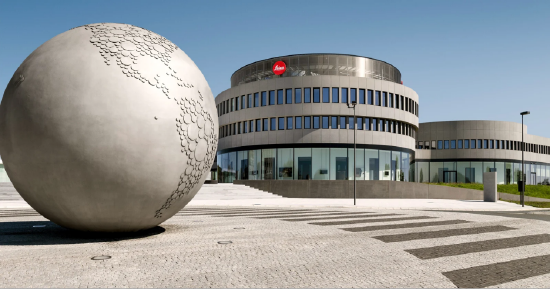
Core Viewpoint - Leica Camera, a century-old iconic brand, is considering a sale of its controlling stake, with an estimated valuation of approximately €10-12 billion ($12-15 billion) [1] Group 1: Company Background - Leica's origins trace back to 1849 when Carl Kellner founded the "Optical Institute" in Germany, which later evolved into the Leica brand [3] - The brand has become synonymous with documentary photography, having been used by renowned photographers throughout the 20th century [5] - Leica has undergone significant transformations, including a near bankruptcy in the digital age, before being rescued by Andreas Kaufmann in 2004 [8] Group 2: Ownership and Financials - The current ownership structure consists of ACM holding 55% and Blackstone holding 45% of Leica [8] - Blackstone's investment in 2011 valued Leica at approximately €278 million, and the firm has since helped elevate Leica into a luxury brand [9][12] - Leica's revenue has seen consistent growth, increasing from €450 million to €596 million over the past four fiscal years, despite a slowdown in growth rate [11][12] Group 3: Strategic Partnerships - Leica has established significant partnerships with Chinese tech giants Huawei and Xiaomi, which have contributed to its revenue growth in the mobile imaging sector [10][18] - The collaboration with Huawei, which began in 2016, significantly boosted Leica's brand exposure and revenue, although it ended in 2022 due to Huawei's market challenges [16][18] - The partnership with Xiaomi, initiated in 2022, aims to enhance Xiaomi's brand positioning in the high-end market, providing Leica with stable returns [19][20] Group 4: Potential Buyers and Market Implications - Potential buyers for Leica include Chinese private equity firm HSG, Nordic private equity fund Altor Equity, and German optics giant Zeiss [1][20] - A successful acquisition by HSG could further enhance Leica's growth in the Chinese market, which has seen a 25% increase in sales [20] - The sale process is being managed by Morgan Stanley, and the outcome will depend on both the bidding price and regulatory considerations [10][21]

早报:苹果2025高端出货占比98%!雷军谈小米造车初心
Sou Hu Cai Jing· 2026-01-26 00:15
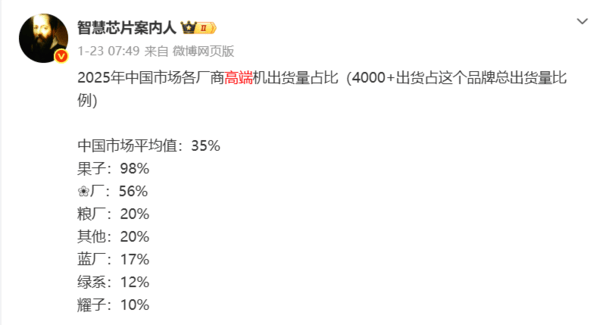
Group 1 - The core viewpoint of the article highlights the competitive landscape of the high-end smartphone market in China, where Apple leads with a 98% market share, followed by Huawei at 56%, and Xiaomi at 20% [1][3] - The average market share of high-end smartphones (priced above 4000 yuan) in China is 35%, indicating significant growth potential for other manufacturers [1][3] - In the domestic SUV quality ranking for Q4 2025, Xiaomi's YU7 achieved a complaint-to-sales ratio of 0.9 per ten thousand, significantly lower than the industry average of 24.8, ranking first among 358 models evaluated [3] Group 2 - Xiaomi's SU7 electric sedan boasts a one-year resale value of 70.22%, leading its segment, with a second-hand car resale rate of 80.1%, reflecting strong consumer recognition and market competitiveness [6] - Samsung's chairman Lee Jae-Yong emphasized the need for the company to avoid complacency despite recent performance improvements, highlighting ongoing structural risks in the competitive landscape [6][8] - The South Korean robotics market ranks fourth globally in installation numbers, with a robot density that is the highest worldwide, but 71.2% of total shipments are for domestic use, indicating a low export ratio compared to Japan [10]
徕卡又要出售了,中资买下百年可乐标?|硅谷观察
Xin Lang Cai Jing· 2026-01-26 00:11
Core Viewpoint - Leica Camera's major shareholders, ACM and Blackstone, are considering selling their controlling stake, with an estimated valuation of €10-12 billion ($12-15 billion) [1][34][35] Group 1: Company Background - Leica's origins trace back to 1849 when Carl Kellner founded the "Optical Institute" in Germany, which later evolved into the Leica brand [2][37] - The first 35mm camera prototype, Ur-Leica, was designed by Oskar Barnack in 1914, marking a significant milestone in photography history [6][39] - Leica has become synonymous with documentary photography, capturing pivotal moments throughout the 20th century [6][39] Group 2: Financial History and Ownership Changes - In 2004, Andreas Kaufmann acquired a majority stake in Leica for approximately €65 million ($82 million), rescuing the company from near bankruptcy [8][41] - Blackstone invested about €130 million ($179 million) in 2011 for a 44% stake, valuing Leica at approximately €278 million [9][42] - Currently, ACM holds 55% and Blackstone holds 45% of Leica's shares [9][42] Group 3: Brand Transformation and Market Performance - Blackstone's involvement has transformed Leica from a traditional workshop into a global luxury brand, positioning it as the "Rolls Royce of imaging" [12][44] - Leica's revenue has grown from €450 million to €596 million over the past four fiscal years, despite a declining traditional camera market [14][45] - The company has successfully diversified its business and adopted a luxury branding strategy, which has significantly increased its profit margins [12][45] Group 4: Exit Strategy and Market Dynamics - Blackstone is looking to exit its investment as it has surpassed the initial 5-7 year exit period agreed upon at the time of investment [15][46] - The potential sale is driven by a slowdown in revenue growth, with the last fiscal year's growth rate dropping to 7.6% [16][46] - The sale process has attracted interest from various potential buyers, including Chinese private equity firm HSG, European funds, and optical groups [1][35][56] Group 5: Strategic Partnerships - Leica has formed strategic partnerships with Huawei and Xiaomi, significantly boosting its presence in the mobile imaging market [14][49][52] - The collaboration with Huawei led to the successful launch of the P9 smartphone, which sold over 12 million units within a year, enhancing both brands' market positions [17][51] - Following the end of the partnership with Huawei, Leica has sought new collaborations, notably with Xiaomi, to maintain its growth trajectory in mobile imaging [20][52] Group 6: Future Prospects and Challenges - The upcoming sale of Leica's controlling stake may lead to significant changes in its operational strategy and market approach [25][56] - Potential buyers like Zeiss and HSG could influence Leica's future direction, particularly in expanding its market share in China, which has seen a 25% increase in sales [25][56] - The need for Leica to maintain brand prestige while increasing sales volume remains a critical challenge for its new ownership [31][62]
8点1氪:永辉学习胖东来后仍每天亏600万,亏损幅度进一步扩大;苹果客服回应iPhone Air降价2000元;贾国龙称将回归一线,不再打造个人IP
36氪· 2026-01-26 00:10
Core Viewpoint - Yonghui Supermarket has reported continuous losses for five consecutive years, with a total loss exceeding 11.6 billion yuan from 2021 to 2025, indicating a significant decline in its financial health and operational efficiency [4][5]. Financial Performance - In 2025, Yonghui is expected to report a net loss of 2.14 billion yuan, compared to a loss of 1.47 billion yuan in the previous year, reflecting an increase in daily losses to approximately 6 million yuan [4]. - Cumulative losses from 2021 to 2025 are as follows: 3.944 billion yuan in 2021, 2.763 billion yuan in 2022, 1.329 billion yuan in 2023, 1.465 billion yuan in 2024, and 2.14 billion yuan in 2025, totaling over 11.6 billion yuan [4]. Strategic Adjustments - Yonghui has attempted various strategies to reverse its declining performance, including launching "Super Species" for fresh food and dining, establishing Yonghui MINI community stores, and exploring warehouse stores and digital transformation, but these efforts have not yielded positive results [4]. - The company has faced increased costs due to store adjustments, supply chain reforms, and asset impairments, which have contributed to the widening losses [5]. Market Reaction - Following the announcement of a support plan from the management of "Fat Donglai," Yonghui's stock price rose over 20% in three consecutive trading days, indicating market optimism regarding the company's transformation efforts [5].

8点1氪丨永辉学习胖东来后仍每天亏600万,亏损幅度进一步扩大;苹果客服回应iPhone Air降价2000元;贾国龙称将回归一线,不再打造个人IP
3 6 Ke· 2026-01-26 00:04
Group 1: Yonghui Supermarket - Yonghui Supermarket (601933.SH) forecasts a net loss of 2.14 billion yuan for 2025, compared to a loss of 1.47 billion yuan in the previous year, indicating a daily loss of nearly 6 million yuan [2][3] - This marks Yonghui's fifth consecutive year of losses, with cumulative losses exceeding 11.6 billion yuan from 2021 to 2025 [2] - The company has attempted various strategies for recovery, including launching "Super Species" and exploring community stores, but these efforts have not reversed the downward trend [2][3] Group 2: Apple - Apple has initiated a promotional campaign for the iPhone Air, reducing its price by 2,000 yuan, with potential total discounts reaching 2,500 yuan [3] - The promotion is limited to approximately 13,000 units available through direct sales channels [3] Group 3: Xiaomi - Xiaomi's founder Lei Jun announced that the new generation SU7 model is expected to have some sample cars available in stores before the Spring Festival [6] Group 4: BYD - BYD plans to export 1.3 million vehicles by 2026, aiming for a nearly 25% increase in deliveries to markets outside China [7] Group 5: NIO - NIO's subsidiary, Leidao, has achieved 91.36% progress towards its goal of doubling the number of battery swap stations, with over 7,309 new batteries invested as of January 24 [7] Group 6: Wuliangye - Wuliangye anticipates that the industry will gradually enter a recovery phase, supported by improving macroeconomic conditions and consumer demand [9] Group 7: Tesla - Tesla has introduced an 8,000 yuan subsidy for certain Model 3 variants, alongside financing options such as a 7-year low-interest plan [16] - The Model 3 rear-wheel drive version starts at 235,500 yuan, with various financing options available [16] Group 8: Leica Camera - Blackstone Group is considering selling its controlling stake in Leica Camera, with an estimated valuation of around 1 billion euros (approximately 8.21 billion yuan) [11] Group 9: Semiconductor Market - Samsung Electronics has raised NAND flash memory prices by over 100% in the first quarter, reflecting severe supply-demand imbalances in the semiconductor market [13]