
服务业

Search documents
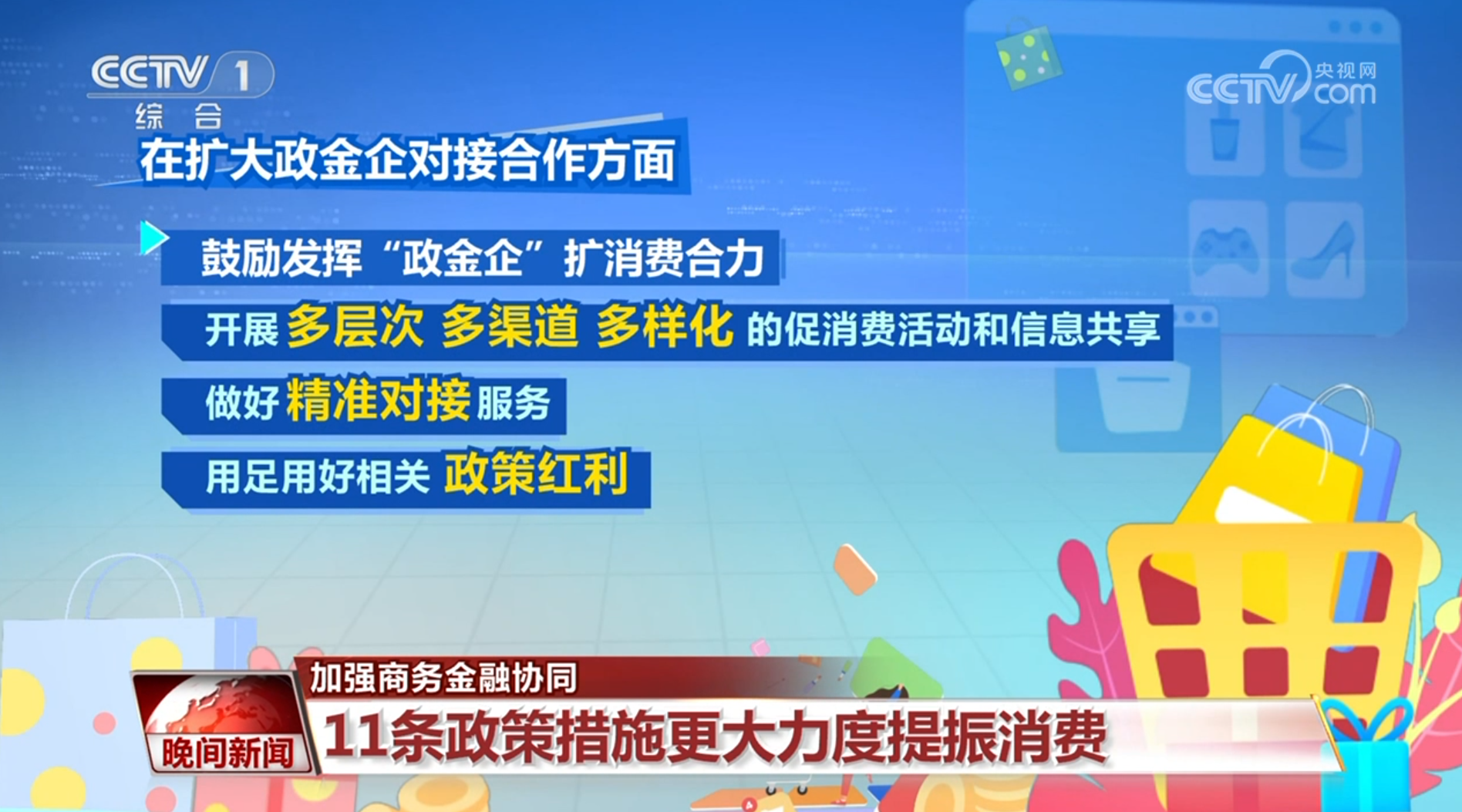
加强商务金融协同 11条政策措施更大力度提振消费
Yang Shi Wang· 2025-12-14 18:06
Core Viewpoint - The Ministry of Commerce, the People's Bank of China, and the Financial Regulatory Bureau have jointly proposed 11 policy measures to enhance business and financial collaboration, aiming to boost consumption significantly [1] Group 1: Financial Support for Consumption - Financial institutions are encouraged to focus on five key areas: upgrading commodity consumption, expanding service consumption, nurturing new types of consumption, innovating diverse consumption scenarios, and assisting consumption support [2] - The new policies emphasize increasing financial support for commodity and service consumption, with specific measures to enhance personal consumption loans and reduce penalties for early loan settlements in vehicle trade-ins [5][9] Group 2: Government and Enterprise Collaboration - The initiative promotes collaboration among government, financial institutions, and enterprises to conduct various consumption promotion activities and share information effectively [4] - Local governments are encouraged to establish communication mechanisms to enhance cooperation between fiscal funds, credit funds, and social capital, aiming for a comprehensive policy approach to support consumer welfare [4] Group 3: Innovation in Consumption - The policies advocate for the innovation of financial products and services that integrate into consumption scenarios, particularly in the service and elderly care sectors [7] - There is a focus on exploring financial support for emerging consumption models such as the sharing economy, green consumption, and AI-driven consumption [7]

焦点访谈|明年经济工作政策取向确立了这八个字!
Yang Shi Wang· 2025-12-14 13:33
央视网消息(焦点访谈):刚刚闭幕的中央经济工作会议,对2026年经济工作进行了部署,明确了明年我国经济工作的方向和重点。良好的开局是成功的一 半。作为"十五五"规划的开局之年,明年的经济工作成色如何,意义重大。在我国经济发展中老问题、新挑战不少,外部环境变化影响加深的当下,明年的 经济工作具体要怎么干,又有哪些重点任务?今天继续聚焦解读。 做好经济工作,要突出重点,把握关键。这次中央经济工作会议为2026年经济工作定下了"稳中求进、提质增效"的总基调,从坚持内需主导、坚持创新驱 动、改革攻坚、对外开放、协调发展、"双碳"引领、民生为大和化解重点领域风险八个方面进行部署,确定了明年经济工作要抓好的八项重点任务。 中国社会科学院经济研究所研究员黄群慧:"稳中求进、提质增效,提质增效核心体现的是我们的高质量发展,我们的各项重点任务围绕高质量发展全面展 开。" 清华大学中国发展规划研究院常务副院长董煜:"今年'八个坚持'的任务,既是对'十五五'规划建议中经济发展任务的细化落实,也是针对年度工作特点所提 出来的,充分考虑了开局之年经济部署的需要。" 八项重点任务中,坚持内需主导,建设强大国内市场被放在了首位。强大国内市 ...
紧跟中央信号!中部多省密集部署
21世纪经济报道· 2025-12-14 10:56
"十四五"即将圆满收官、"十五五"正待开启序幕之际,中央经济工作会议于12月10日至11日在 北京举行。会议明确了2026年经济工作中的八大重点任务,包括坚持内需主导,建设强大国内 市场;坚持创新驱动,加紧培育壮大新动能等。 近日,中部地区湖北、河南、湖南、江西、山西等地均召开相关会议,深入学习贯彻中央经济 工作会议精神。梳理来看, 激发内需潜力、推动科技创新和产业创新深度融合、促进城乡融 合和区域协调发展等方面成为重点,中部省份将力争结合因地制宜的谋划布局,形成更多新增 长点。 围绕贯彻落实中央经济工作会议精神,各地的部署中释放出哪些重要信号? 持续激发内需潜力 记者丨 吴文汐 编辑丨李果 其中,培育服务消费新增长点将成为"十五五"时期的重点,这也与国家层面的导向相契合。 据东方金诚宏观首席分析师王青预计,明年财政促消费资金规模会从今年3000亿上调至5000 亿,支持范围有望从耐用消费品扩大到一般消费品及服务消费,其中服务消费将成为大力提振 消费的重点。 湖北在其"十五五"规划的建议中提出了,扩大服务消费,推动基础型生活服务品质提升,促进 大健康、新文旅、泛娱乐、智能化等改善型生活服务扩量提效;河南提出, ...

刚刚,利好来了!三部门发布
Xin Lang Cai Jing· 2025-12-14 08:37
Core Viewpoint - The document outlines a notification from three Chinese government departments aimed at enhancing collaboration between the business and financial sectors to boost and expand consumer spending [1][3][16]. Group 1: Strengthening Collaboration - The notification emphasizes the need for improved communication and collaboration between local business and financial departments, encouraging the establishment of cooperative mechanisms to address challenges in financial support for consumer expansion [3][5][19]. - It calls for the integration of fiscal funds, credit resources, and social capital to create a synergistic effect in policy implementation [3][16]. - Local authorities are encouraged to utilize digital RMB smart contract red envelopes to enhance the effectiveness of consumer promotion policies [4][17]. Group 2: Financial Support for Key Consumption Areas - Financial institutions are urged to focus on five key areas: upgrading product consumption, expanding service consumption, fostering new types of consumption, innovating diverse consumption scenarios, and supporting consumer assistance [3][16][20]. - The notification highlights the importance of optimizing financial products and services to better align with consumer needs and promote new consumption models [3][20]. - It suggests that financial institutions should enhance consumer finance services for durable goods and digital products, facilitating better access to credit for consumers [8][20]. Group 3: Expanding Government-Financial-Enterprise Cooperation - The document encourages the collaboration of government, financial institutions, and businesses to conduct various consumer promotion activities and share information effectively [3][12][24]. - It promotes the development of tailored financial products and services that meet the specific needs of different consumer scenarios [12][24]. - The notification also emphasizes the importance of sharing information about key consumer projects to facilitate precise financial services [12][25].
超117万人被裁!
Ge Long Hui A P P· 2025-12-14 08:33
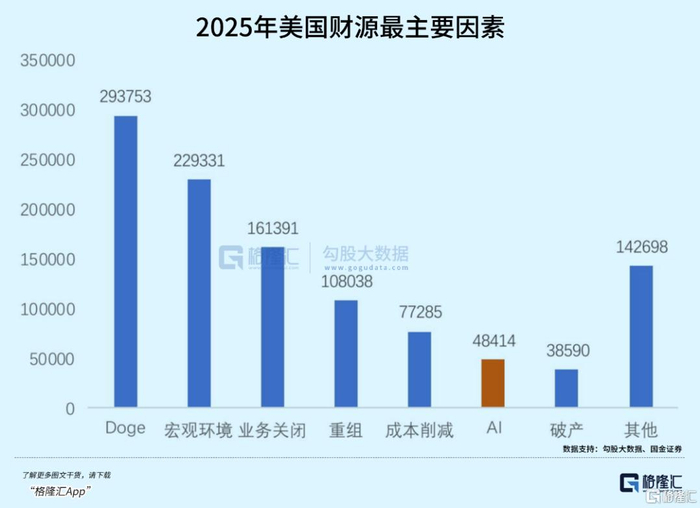
Group 1 - The core issue is the significant increase in layoffs across various sectors, with a total of 1,170,821 employees laid off in the U.S. as of November, marking a 54% increase from the previous year, approaching the levels seen during the 2008-2009 financial crisis [1] - The primary reason for the layoffs is attributed to the impact of the DOGE department led by Elon Musk, which has resulted in 293,753 federal employees and contractors losing their jobs, alongside 20,976 in private and non-profit sectors, an eightfold increase compared to 2024 [4] - The macroeconomic environment, characterized by high costs and tariffs, is also a significant factor contributing to the layoffs [6] Group 2 - The low-interest rate environment has led to a debt hangover, with many companies facing the need to refinance at higher rates, resulting in doubled interest expenses and halved net profits for struggling "zombie companies" [7][8] - The retail sector is the hardest hit, with a notable decline in consumer confidence, as evidenced by the Michigan Consumer Sentiment Index dropping to 51, a more than 20% decrease from the previous year [15] - The service industry has also seen significant layoffs, with 69,089 jobs cut throughout the year, a 64% increase, affecting a wide range of roles from restaurant staff to logistics coordinators [17] Group 3 - The technology sector has been particularly affected, contributing 35% of the layoffs, with a historical high of 28% of layoffs being middle management positions, as AI tools reduce the need for these roles [29][30] - Companies are increasingly using layoffs as a management tool to meet Wall Street's new performance metrics, leading to a culture where reducing headcount is seen as a standard practice rather than a response to crises [31] - The trend of layoffs in the tech industry is expected to continue, with predictions of a peak in cost-cutting benefits in 2026, as operational costs are projected to decrease significantly [37] Group 4 - The layoffs are not only affecting lower-level positions but are also targeting high-salary roles, particularly in finance and technology, indicating a shift in the labor market dynamics [27][28] - The reduction in middle management is leading to immediate operational efficiencies, with companies reporting significant cost savings and improved performance metrics following layoffs [35] - However, the long-term implications of these layoffs may hinder innovation, as a significant portion of laid-off employees hold critical technical expertise, potentially extending product development cycles [41][51]
商务部办公厅 中国人民银行办公厅 金融监管总局办公厅关于加强商务和金融协同 更大力度提振消费的通知
Xin Lang Cai Jing· 2025-12-14 07:42
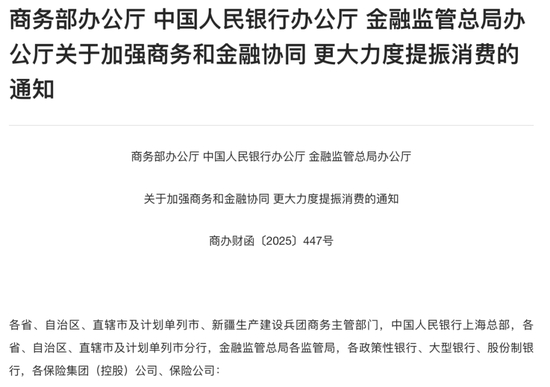
为深入贯彻党中央、国务院决策部署,强化商务和金融系统协作,引导金融机构聚焦消费重点领域加大 支持力度,助力提振和扩大消费,现将有关事项通知如下: 一、深化商务和金融系统协作 (一)完善协作机制。地方商务主管部门与金融管理部门加强沟通交流和分工协作,结合实际情况建立 健全协调工作机制,推动解决金融支持扩消费工作落实中遇到的困难和问题。鼓励有条件的地方与金融 机构健全沟通合作机制、推出专门工作方案等,引导金融机构依据市场化、法治化原则,丰富金融产品 和服务,加大对消费领域的金融供给。 (二)细化落实举措。地方商务主管部门结合扩消费工作,加强与金融管理部门政策衔接、工作对接和 信息共享,推动进一步调动金融资源,抓好相关政策措施落地生效。金融机构按照《关于金融支持提振 和扩大消费的指导意见》《关于发展消费金融助力提振消费的通知》等已出台政策要求,统筹内部资 源,主动靠前服务,制定具体实施细则,开展专项行动等,支持提振和扩大消费。 商务部办公厅 中国人民银行办公厅 金融监管总局办公厅 关于加强商务和金融协同 更大力度提振消费的通知 商办财函〔2025〕447号 各省、自治区、直辖市及计划单列市、新疆生产建设兵团商务主管 ...
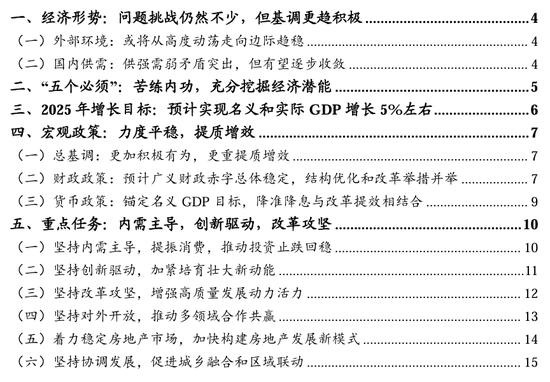
财信研究院宏观团队|目标积极务实,政策提质增效,内需主导强化——2025年中央经济工作会议解读
Xin Lang Cai Jing· 2025-12-13 07:10
Economic Situation - The economic situation is characterized by persistent challenges, but the overall tone is becoming more positive. The external environment is expected to stabilize marginally, while domestic supply-demand imbalances are highlighted as a significant issue [2][10]. - The meeting emphasizes the need to address "development and transformation" issues, indicating that many challenges can be resolved through concerted efforts [10]. Five Musts - The meeting outlines "Five Musts" to enhance economic potential, focusing on internal capacity building to respond to external challenges and the importance of policy support alongside reform innovation [2][18]. - Key strategies include ensuring effective market regulation while promoting investment in both physical and human capital [19]. 2025 Growth Target - The growth target for 2026 is set at approximately 5% for both nominal and real GDP, reflecting a pragmatic approach to align with long-term goals and current economic conditions [3][21]. - The transition of growth drivers is expected, with the "three new economies" projected to surpass the real estate sector historically [21]. Macroeconomic Policy - The macroeconomic policy framework is shifting from "promoting stability through growth" to "enhancing quality and efficiency," indicating a focus on structural optimization rather than mere expansion [4][26]. - Fiscal policy is expected to maintain a deficit rate around 4%, with a focus on improving the efficiency of spending rather than just increasing the scale [30][31]. - Monetary policy will remain moderately accommodative, with expectations for potential rate cuts and targeted support for key sectors [36][40]. Key Tasks - The emphasis on domestic demand is paramount, with strategies to boost consumption and stabilize investment growth projected at 2-3% for 2026 [5][46]. - Innovation-driven growth is prioritized, with plans to strengthen the integration of education, technology, and talent development [6][50]. - Reforms will focus on eliminating barriers to development, enhancing market dynamics, and improving the business environment [7][57]. Real Estate Market - The policy focus is shifting towards stabilizing the real estate market, moving from demand stimulation to a balanced supply-demand approach [8][63].
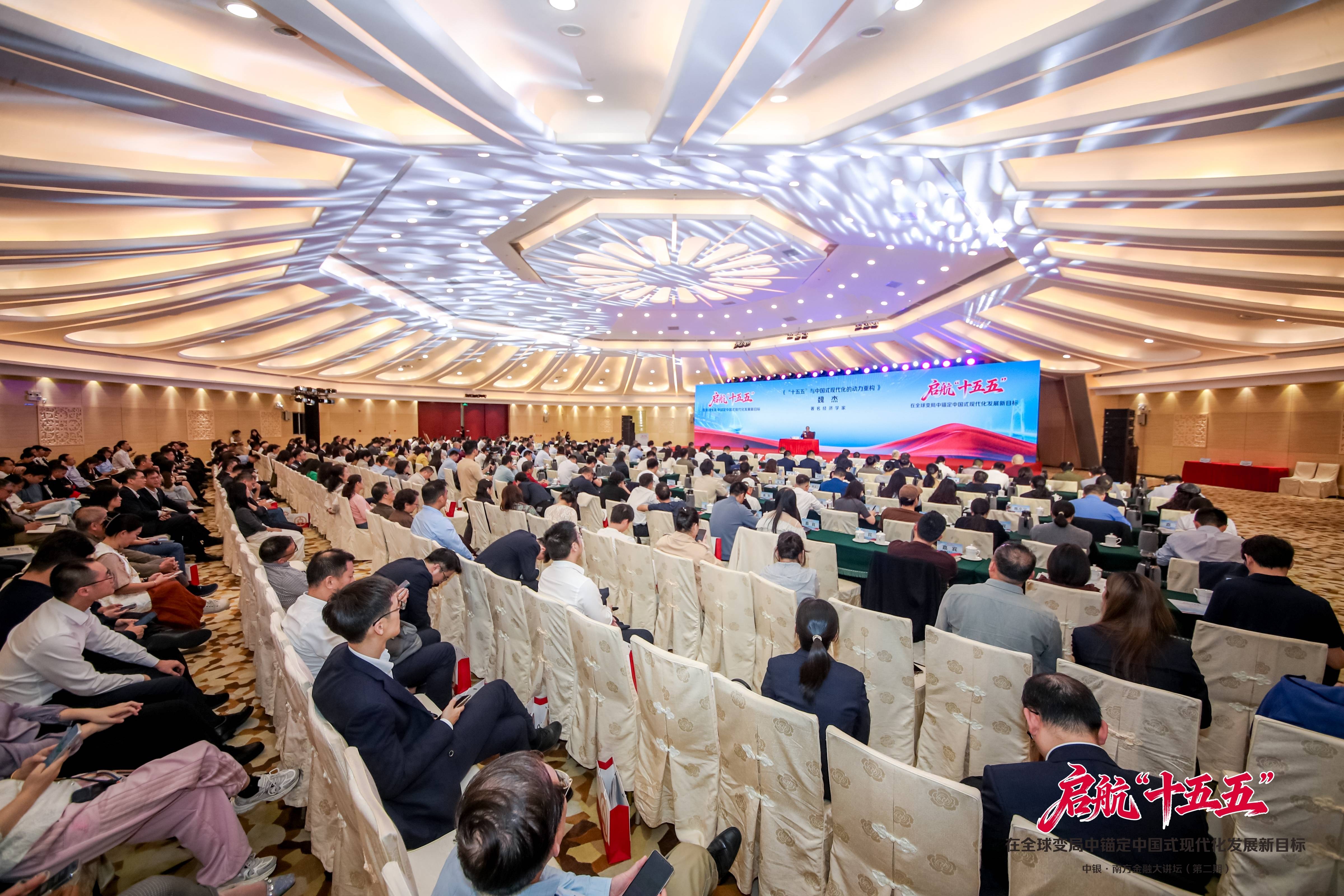
著名经济学家魏杰解码“十五五”动力重构:调整出口、有效投资、启动消费
Sou Hu Cai Jing· 2025-12-13 02:08
Core Viewpoint - The event highlighted the importance of the upcoming "15th Five-Year Plan" (2021-2025) as a critical phase for China's modernization, emphasizing the need for structural adjustments in economic growth drivers, particularly in export, investment, and consumption strategies [4][5]. Group 1: Export Adjustments - The need to reduce reliance on exports is emphasized, suggesting a shift from an export-driven economy to a more balanced approach that mitigates risks associated with global uncertainties [8]. - China should stabilize its trade relationships with ASEAN and the EU while exploring emerging markets in South America, Africa, and Central Asia to diversify export destinations [9]. - The export structure should focus on advanced manufacturing and high-tech industries, increasing the share of service trade, including intellectual property and project consulting [10]. - Future export strategies should prioritize "scarcity" by offering unique products to avoid low-price competition and associated tariff risks [13]. - Promoting the use of the Renminbi in international trade can enhance export security and reduce foreign exchange volatility [14]. - The concept of exporting production capacity is introduced, suggesting that overseas investments can yield economic returns while creating local jobs and tax revenues [15]. Group 2: Effective Investment - Investment quality, efficiency, and structure are crucial for economic growth, with a focus on meeting market demands and aligning with the modern industrial system [16]. - Key investment areas include traditional manufacturing, strategic emerging industries (like renewable energy and biotechnology), advanced manufacturing, future industries (like quantum technology), foundational industries (like agriculture), and services [17][18][22][23][24]. Group 3: Consumption Activation - Consumption is projected to be the main driver of economic growth during the "15th Five-Year Plan," with strategies to stimulate it through fiscal policies, monetary support, and innovation in supply [30][31][34]. - Adjusting housing supply and implementing supportive policies can help release pent-up demand in the real estate sector [36]. - Encouraging service-oriented consumption across various sectors can further activate domestic demand [37]. Group 4: Industry Insights - Companies should avoid low-level competition by understanding industry cycles and technological advantages, ensuring they have a sustainable competitive edge [40]. - Businesses need to interpret the "15th Five-Year Plan" by analyzing the industrial landscape, recognizing shifts in themes towards safety and high-quality development, and assessing social acceptance of their projects [42][43]. - Financial institutions should align funding with industry characteristics, particularly in strategic emerging industries and advanced manufacturing, to support long-term growth [47].
世界银行发布毛里塔尼亚增长与就业国别报告
Shang Wu Bu Wang Zhan· 2025-12-13 01:46
Core Insights - The World Bank's report on Mauritania highlights the need for economic diversification beyond the mining sector to achieve sustainable and inclusive growth, as the current model is insufficient to meet the country's 2050 income aspirations [1] Economic Challenges and Policy Recommendations - Mauritania faces four long-term economic challenges: low labor demand, weak productivity growth, limited investment outside the mining sector, and high volatility in growth and income [2][3][4] - The labor participation rate is low, especially among youth and women, with 30% of the population living in poverty and only 42% of the labor force engaged in economic activities [2] - Recommendations include enhancing skills training, improving basic education, modernizing labor market regulations, and increasing female labor participation [2] - Productivity growth has been stagnant, with only a 26% increase over the past 22 years, primarily in the mining sector, necessitating reforms to stimulate enterprise innovation and competition [2] - Investment in sectors outside mining is limited, with 52.6% of foreign investment directed towards mining, indicating a need for improved business conditions and a more flexible labor market [3] - Economic growth is highly dependent on the mining sector, making it vulnerable to commodity price fluctuations and climate impacts, which necessitates better fiscal management and climate resilience strategies [4] Strategic Priorities for Reform - The report suggests prioritizing reforms based on feasibility, potential leverage, and impact on growth and employment, focusing on education, regulatory modernization, and private sector support [4] - Emphasis is placed on investing in human capital, particularly in STEM education, to facilitate economic diversification and reduce reliance on commodities [4]
厦门信达:12月12日召开董事会会议
Mei Ri Jing Ji Xin Wen· 2025-12-12 12:27
Group 1 - Xiamen Xinda (SZ 000701) announced that its 14th board meeting for the 2025 fiscal year was held on December 12, 2025, via telecommunication, where the proposal for entrusted financial management for 2026 was reviewed [1] - For the first half of 2025, Xiamen Xinda's revenue composition was as follows: 97.7% from commercial activities, 1.73% from industrial activities, and 0.57% from the service sector [1] - As of the report date, Xiamen Xinda's market capitalization stood at 4.6 billion yuan [1]
