卡牌

Search documents
二次元桌面比上海房价贵?ChinaJoy四大消费趋势
3 6 Ke· 2025-08-07 11:21
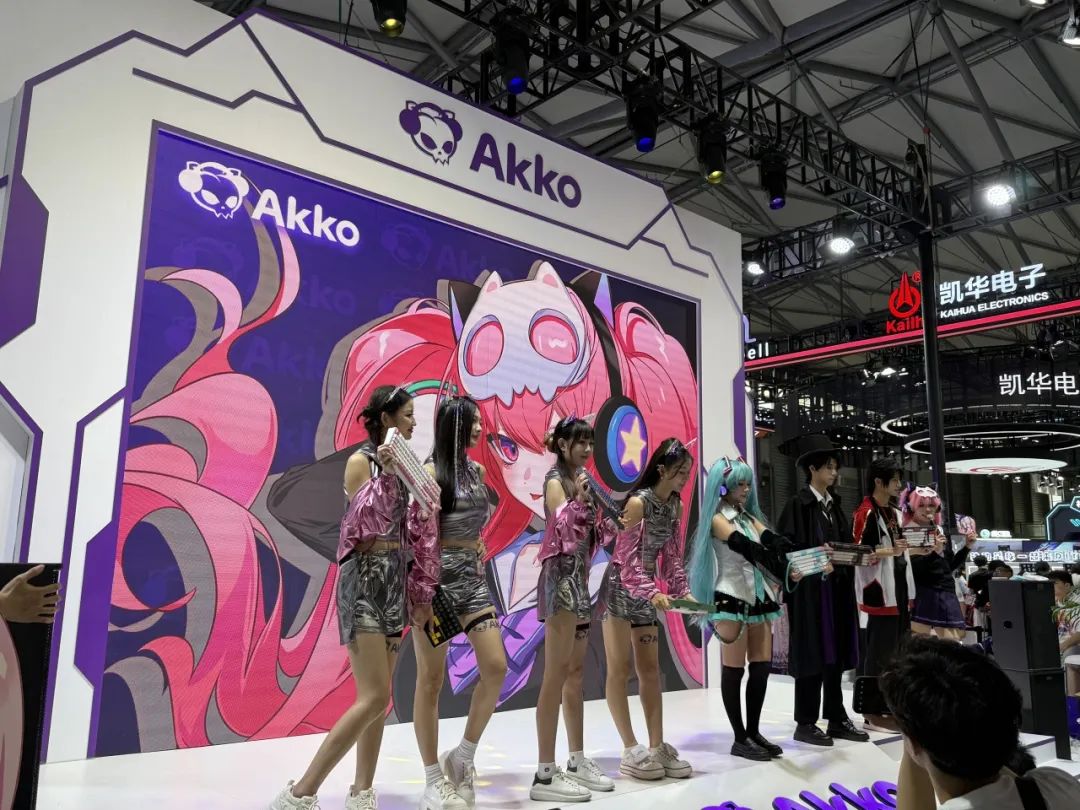
Core Insights - The article highlights the record attendance of 410,300 visitors at ChinaJoy, with a significant portion being young players aged 18-29, making up 64% of the audience [1] - It emphasizes the emerging trends in consumer behavior among young people, particularly in the gaming and digital entertainment sectors, focusing on personalized experiences and emotional value [1][20] Group 1: Emerging Consumer Trends - The "one square meter desktop economy" reflects a trend where young consumers seek to personalize their workspace, transforming it into a healing corner [2] - Brands like AKKO are capitalizing on this trend by offering customizable gaming peripherals that resonate with young people's interests and emotions [2][5] - The demand for personalized products extends to various consumer segments, including female gamers who are increasingly seeking tailored gaming accessories [26][27] Group 2: Brand Collaborations and IP Licensing - Many brands are leveraging game collaborations to attract young consumers, with notable partnerships observed at ChinaJoy, such as Merck's collaboration with "Bai Yao Pu" and "Duo Duo Lemon Tea" with "Identity V" [11][15] - The article discusses the importance of aligning brand image with the chosen IP to ensure resonance with the target audience, as seen in the case of Duo Duo Lemon Tea [15][17] - Creative engagement strategies, such as interactive experiences and unique product designs, are essential for brands to deepen their connection with young consumers [17] Group 3: Niche Market Focus - Companies are increasingly focusing on specific consumer segments rather than trying to appeal to everyone, as demonstrated by brands like Hitcard, which targets adult collectors rather than the younger demographic typically associated with card games [20][22] - The success of brands like Piececool, which offers metal 3D puzzle models, showcases the potential of catering to diverse interests and aesthetics within the consumer base [22] - The article notes that the growing female gamer demographic is prompting brands to create products that cater specifically to their needs, as seen with LAMZU and its mouse designed for smaller hands [26][27] Group 4: Emotional Connection and Brand Identity - The overarching theme of ChinaJoy is the emotional connection brands seek to establish with young consumers, aligning with the event's theme of "Gathering What You Love" [35] - Brands are not just selling products but are also creating identities and experiences that resonate with consumers' passions and interests [35] - The focus on emotional value and personal expression is becoming a key driver in the purchasing decisions of young consumers [35]

中金《秒懂研报》 | 从“小纸片”到“大生意”:卡牌经济如何撬动百亿元大市场?
中金点睛· 2025-07-19 13:14
Group 1 - The rise of card games has transformed them into trendy consumer products, merging elements of collection, social interaction, investment, and competition, thus creating a new category in consumer goods [1][2] - The card industry has seen rapid growth in China, with the collectible card market projected to reach 26.3 billion yuan by 2024, reflecting a compound annual growth rate of 56.6% from 2019 to 2024 [4][5] - Despite the rapid market growth, per capita spending on cards in China is only 15.7% of that in Japan and 29.2% of that in the United States, indicating significant room for growth [5][6] Group 2 - The consumer base for card games is driven by emotional connections to specific IPs, seeking emotional relief and low-barrier social interactions, leading to a lightweight consumption model [8][10] - Card games create diverse consumption scenarios through various gameplay styles, with competitive play providing intellectual satisfaction and collectible aspects appealing to aesthetic desires [10] - The integration of popular IPs significantly boosts consumer engagement, with 71.3% of consumers purchasing products due to beloved IP elements, demonstrating the effectiveness of content-driven marketing [10][15] Group 3 - The card industry is characterized by a collaborative supply chain involving IP owners, design and production entities, and sales channels, which enhances efficiency and reduces risks [11][13] - Recent trends show vertical integration within the card industry, with companies managing the entire supply chain from IP licensing to production and sales, optimizing profitability [13][15] - Approximately 70% of leading domestic IPs have ventured into card games, with a significant portion of sales coming from local IPs, indicating a strong market presence and potential for further growth [15][17]

全面布局IP卡牌-姚记转债近况交流
2025-07-16 06:13
Summary of Conference Call Company and Industry Involved - The conference call primarily discusses a company involved in the gaming and card trading industry, focusing on its business model and market dynamics. Key Points and Arguments 1. **Long Lifecycle of Games**: The company has a long lifecycle for its games, with potential revenue peaks extending beyond 10 to 20 years, combining advantages of both heavy and light games [1] 2. **Internet Marketing Business**: The company has been involved in internet marketing since 1889, assisting major platforms like ByteDance [2] 3. **Profit Sources**: The company’s three main business segments generate annual profits in the range of 500 to 600 million [3] 4. **Growth in Secondary Trading Platform**: The secondary trading platform, 卡陶, reported a Gross Merchandise Volume (GMV) of 3 billion last year, up from 1 billion the previous year, indicating a rapid growth rate of approximately 40% expected this year [4][6] 5. **Commission Model**: The business model involves a 5% commission on transactions within the secondary trading platform, contributing to a few million in annual profits [4][6] 6. **IP Partnerships**: The company has secured partnerships with major football clubs for card issuance in China, including Manchester United and Barcelona [4][7] 7. **Emerging IPs**: The company is expanding into entertainment IPs, with plans to develop cards for popular franchises like Pokémon and Disney [10][11] 8. **Market Dynamics**: The card trading market is maturing, with the company focusing on both sports and entertainment IPs to attract a broader audience [8][16] 9. **Overseas Market Potential**: The company is exploring overseas markets, particularly in the secondary trading space, where eBay holds a 50% market share, representing a potential market size of approximately 150 billion USD [13][14] 10. **Future Plans**: There are no immediate plans for independent listings of subsidiary companies, as the focus remains on business development and IP acquisition [15] 11. **Profit Expectations**: The company anticipates a profit of around 50 million this year, driven by collaborations and a shift towards higher-margin businesses [18] 12. **Challenges in Gaming Revenue**: The gaming segment has faced challenges, with current revenue not meeting expectations, but there is hope for stabilization and growth in the coming months [20] Other Important but Overlooked Content - The company is actively engaging with investors and addressing their concerns regarding market trends and business strategies [3][17] - The call highlighted the importance of adapting to consumer preferences, particularly among younger demographics who are becoming the main consumer force [3] - The company is also considering expanding its card offerings to include more diverse IPs to capture different market segments [10][16]

2025卡牌行业市场深度分析:趋势、机遇与挑战
Sou Hu Cai Jing· 2025-05-31 16:33
Industry Overview - The card industry is a significant part of the broader entertainment product sector, integrating entertainment, collection, competition, and social interaction [3] - The market for collectible card games in China has surged from 700 million to 12.2 billion yuan from 2017 to 2022, increasing its share of the broader entertainment toy market from 2.3% to 17.7% [3] Market Trends - The introduction of global quality IPs like Pokémon and My Little Pony has energized the domestic card industry, while local companies are also developing original IPs to meet cultural demands [5] - Digital transformation is driving innovation in the card industry, with new formats like online tournaments and virtual card games enhancing consumer experiences [6] - The rise of e-commerce platforms has expanded sales opportunities for card products, while offline stores enhance consumer engagement through events [7] Secondary Market and Investment - The domestic secondary card market is becoming more regulated and mature, with platforms like Kato and Jihuan providing robust support for card circulation and value discovery [8] - As consumer awareness of the investment value of cards grows, the prices of rare cards are increasing, stimulating market demand [8] Policy Support - Government support for the cultural industry is creating a favorable environment for the card industry, with measures to protect intellectual property and regulate market order [9] Reports Overview - The first report analyzes the historical evolution and market drivers of the Chinese card industry, highlighting the growth driven by a large user base and the development of an IP matrix [10] - The second report provides a macro perspective on the card industry, detailing its origins, market comparisons across regions, and a comprehensive breakdown of the industry chain [12]

卡游深度解读&如何理解卡牌行业
2025-05-21 15:14
Summary of Key Points from Conference Call Records Company Overview - **Company**: 卡游公司 (KAYOU) - **Industry**: Card Game and Toy Industry Core Insights and Arguments - **Revenue Growth**: KAYOU's revenue is projected to exceed 10 billion RMB in 2024, with net income around 20 billion RMB, driven by the integration of classic anime IPs like Marvel, One Piece, and Ultraman, and expansion into badges and stationery products [1][2] - **Channel Transformation**: The company is shifting from reliance on distributors to a model that includes direct sales and franchise stores, enhancing brand penetration and reaching both youth and adult consumers [1][8] - **IP Strategy**: KAYOU has secured licenses for 70 major IPs, which is a key competitive advantage, and aims to deepen engagement with IP fan communities through unified product displays [1][13][25] - **Production Capacity**: The company possesses its own production capacity, which is rare in the IP derivative industry, allowing for quick market responses and cost reductions [1][11] - **Financial Performance**: As of 2024, KAYOU's gross margin is approximately 67.3%, with a profit margin around 20% [6][31] Industry Dynamics - **Market Growth**: The card game industry, particularly trading card games (TCG) and collectible card games (CCG), is experiencing rapid growth, with KAYOU being a significant player in the market [2][19] - **Competitive Landscape**: KAYOU holds a 70% market share in the domestic TCG sector, facing competition from companies like Jason Animation, Gika, and Pokémon [19] - **Global Benchmarks**: The Pokémon Company is highlighted as a benchmark in the global card industry, with significant revenue and profit figures, indicating the potential for KAYOU to achieve similar success [4][39] Additional Important Insights - **Future Growth Areas**: KAYOU plans to expand its product categories, particularly in stationery, and enhance its TCG business, leveraging its strong IP acquisition capabilities and supply chain advantages [33] - **Production Expansion Plans**: The company is investing heavily in expanding its production capacity, with plans to increase stationery production by over 20 times by the end of 2025 [14][26] - **IP Licensing Trends**: KAYOU has increased its IP portfolio significantly in 2024, with key licenses extending until 2029, which positions it well against competitors [25] - **Consumer Engagement**: The company is focusing on enhancing customer loyalty through brand stores that cater to both youth and adult demographics, improving overall customer satisfaction [8][9] This summary encapsulates the essential insights from the conference call records, highlighting KAYOU's strategic direction, financial performance, and the broader industry context.
从第五消费时代思考到AI应用与可选消费如何布局
2025-05-20 15:24
Summary of Conference Call Notes Industry Overview - The conference call discusses the **Chinese consumer market**, highlighting its transition into a new consumption era characterized by emotional consumption and the integration of AI applications. [1][2][5] Key Insights and Arguments - The **fifth consumption era** in China emphasizes "well-being," which includes both physical and emotional health, leading to a diversification of emotional consumption patterns, especially in first-tier cities. [1][7] - The **media sector** is positioned as a dual attribute of technology and discretionary consumption, benefiting from both new consumer trends and AI applications, which are expected to drive valuation reassessment. [1][6][10] - **Policy support** from the government is crucial in driving market growth, with a focus on urban renewal and the application of new technologies to stimulate economic activity. [1][9] - The **Japanese experience** in transitioning through consumption eras serves as a model for China, particularly in understanding consumer behavior and the importance of emotional value in purchasing decisions. [2][3][6] Emerging Trends - Emotional consumption is gaining traction as it reflects changes in social and economic cycles, aligning with the "well-being" concept introduced in Japan's fifth consumption era. [8] - The **rise of new consumer demands** in sectors such as beauty care, fitness, and card games is noted, particularly in lower-tier markets, indicating potential growth opportunities. [1][5] Important but Overlooked Content - The **impact of AI and new media** on the media sector is highlighted, with a focus on the integration of AI applications in enhancing consumer engagement and content delivery. [3][10] - The **China Securities Regulatory Commission's** policies on mergers and acquisitions are expected to invigorate the market, allowing companies to leverage strategic partnerships for growth. [3][11] - Specific **media sector companies** to watch include cinema chains like Wanda Film and Hengdian Film, as well as companies involved in IP derivatives and digital marketing, indicating a diverse investment landscape. [12][13] Conclusion - The conference call emphasizes the importance of understanding the evolving consumer landscape in China, driven by emotional values and supported by government policies, while also recognizing the potential of AI applications in reshaping the media sector. [1][2][10]




2024年晋江文学收入14.4亿,阅文花10亿投资卡牌等公司
Sou Hu Cai Jing· 2025-04-24 13:04
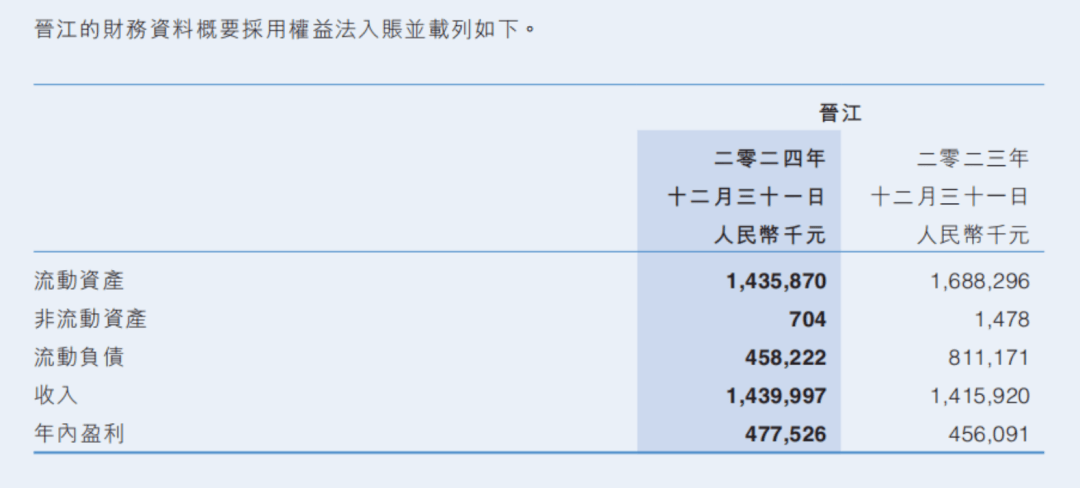
Core Insights - The article discusses the annual performance report of Yuewen Group for the year ending December 31, 2024, highlighting significant business data and investments, including the performance of Jinjiang Literature [1] Group 1: Jinjiang Literature Performance - Jinjiang Literature reported a revenue of 1.44 billion RMB and a profit of 477.5 million RMB for 2024, showing a steady increase in both revenue and profit from previous years [2] - The revenue and profit figures from 2020 to 2024 were 1.036 billion, 1.25 billion, 1.315 billion, 1.416 billion, and 1.44 billion RMB for revenue, and 330 million, 418 million, 452 million, 456 million, and 477.5 million RMB for profit, indicating a consistent upward trend [2] Group 2: Collaborations and Agreements - Jinjiang has a long-term cooperation agreement with Bilibili, covering the period from 2023 to 2025, with a total cost cap of 40 million RMB for the three years, focusing on the adaptation and marketing of female-oriented web literature IPs [3] - The actual transaction amount between Jinjiang and Bilibili for 2024 was 38.9 million RMB [3] - Jinjiang also signed a framework agreement with Ningmeng Film and Television, with a cap of 84 million RMB for the period from September 2022 to August 2024, and a renewed agreement for 53 million RMB from September 2024 to December 2025 [4] Group 3: Investments by Yuewen Group - Yuewen Group invested a total of 1.035 billion RMB in non-listed entities in 2024, which includes the acquisition of Tencent Animation and investments in card game companies Hitcard and Crossing Media, as well as an AI interactive platform, Dream Island [7][8] - The investment in Hitcard, a well-known card culture brand in China, was aimed at leveraging successful IP card products like "Qing Yu Nian" and "Quan Zhi Gao Shou" [9] - Yuewen's overall GMV for derivative products exceeded 500 million RMB in 2024, with card sales contributing over 200 million RMB, particularly from the "Qing Yu Nian" series [9] Group 4: Specific Company Investments - The investment of 600 million USD in Crossing Media, a US-based IP card producer, aims to enhance Yuewen's global reach through a model combining online live streaming and offline sales [13][15] - The investment of 1.5 billion RMB in Dream Island, which focuses on animation and game production, is expected to provide immersive AI interaction experiences, with nearly 5 million registered users by the end of 2024 [18] - Yuewen's acquisition of Tencent Animation was completed on April 30, 2024, for a total consideration of 600 million RMB, which includes the Tencent Animation app platform and a 90% stake in a subsidiary [20][22]
从0到1认识卡牌行业
2025-04-23 01:48
Summary of the Card Game Industry Conference Call Industry Overview - The domestic card game market has experienced a compound annual growth rate (CAGR) of over 50% in the past five years, with card game companies dominating the market, holding a market share of 71.1% and sales reaching 8.2 billion, estimating the total market size at approximately 11.53 billion, with sales potentially reaching 20-23 billion [1][2][12] - The global fantasy trading card game (TCG) market is expected to reach 11.73 billion USD by 2033, with China accounting for nearly half of this market share [1][4] - Domestic collectible card games (CCG) primarily focus on licensed IP production, lacking original content and competitive gameplay, which significantly differs from the three major international TCGs (Pokémon, Magic: The Gathering, Yu-Gi-Oh) [1][6] Key Players and Market Dynamics - Card Game Company (卡游) is the leading domestic TCG developer, possessing 70 licensed IPs, including its own IP (e.g., 卡游三国) and popular international IPs (e.g., My Little Pony) [1][8] - The primary market (wholesalers) and secondary market (player trading) influence each other, where a thriving primary market can stimulate the secondary market and vice versa. However, excessive product issuance may harm the secondary market, leading to a decline in the primary market [1][10][11] - Card Game Company has shown steady growth from 2021 to 2023, with a projected explosive growth in 2024 through My Little Pony, contributing 8.2 billion to total sales of 10 billion [1][12] Market Trends and Future Outlook - The domestic card market has gone through several development stages, with significant growth noted since 2019, particularly with the introduction of popular series like Ultraman and Pokémon [2][12] - The rise of secondary players such as 集卡社, 黑卡, and 闪魂 indicates a competitive landscape, although they still face barriers in channels and production capabilities [3][12] - The successful IPO of Card Game Company is expected to provide growth opportunities for other companies in the industry, reducing barriers to their own listings [2][12] Regulatory and IP Considerations - The domestic IP market is on the rise, with expectations of increased regulation to protect intellectual property rights and ensure quality after-sales service [15] - The process for card companies includes obtaining copyrights, design, production, and marketing, with major distribution channels including self-operated stores, online platforms, and live-streaming sales [17][16] Risks and Challenges - Card Game Company faces risks such as negative public perception regarding high-priced card speculation and potential backlash against perceived exploitation of underage consumers [22][23] - The company also contends with the expiration of IP licenses and the pressure from emerging competitors [22][23] Consumer Behavior and Market Segmentation - Different types of card users exhibit varied spending behaviors, with sports cards attracting high-net-worth individuals, while anime and TCG cards appeal to younger demographics [28][30] - The economic environment significantly impacts consumer purchasing power, which can lead to market downturns during economic declines [30] Conclusion - The card game industry in China is poised for continued growth, driven by strong IP influences and a competitive landscape. However, companies must navigate regulatory challenges and consumer perceptions to sustain this momentum [1][2][15][22]
国产卡牌,离成熟还有多远?
虎嗅APP· 2025-04-02 09:48
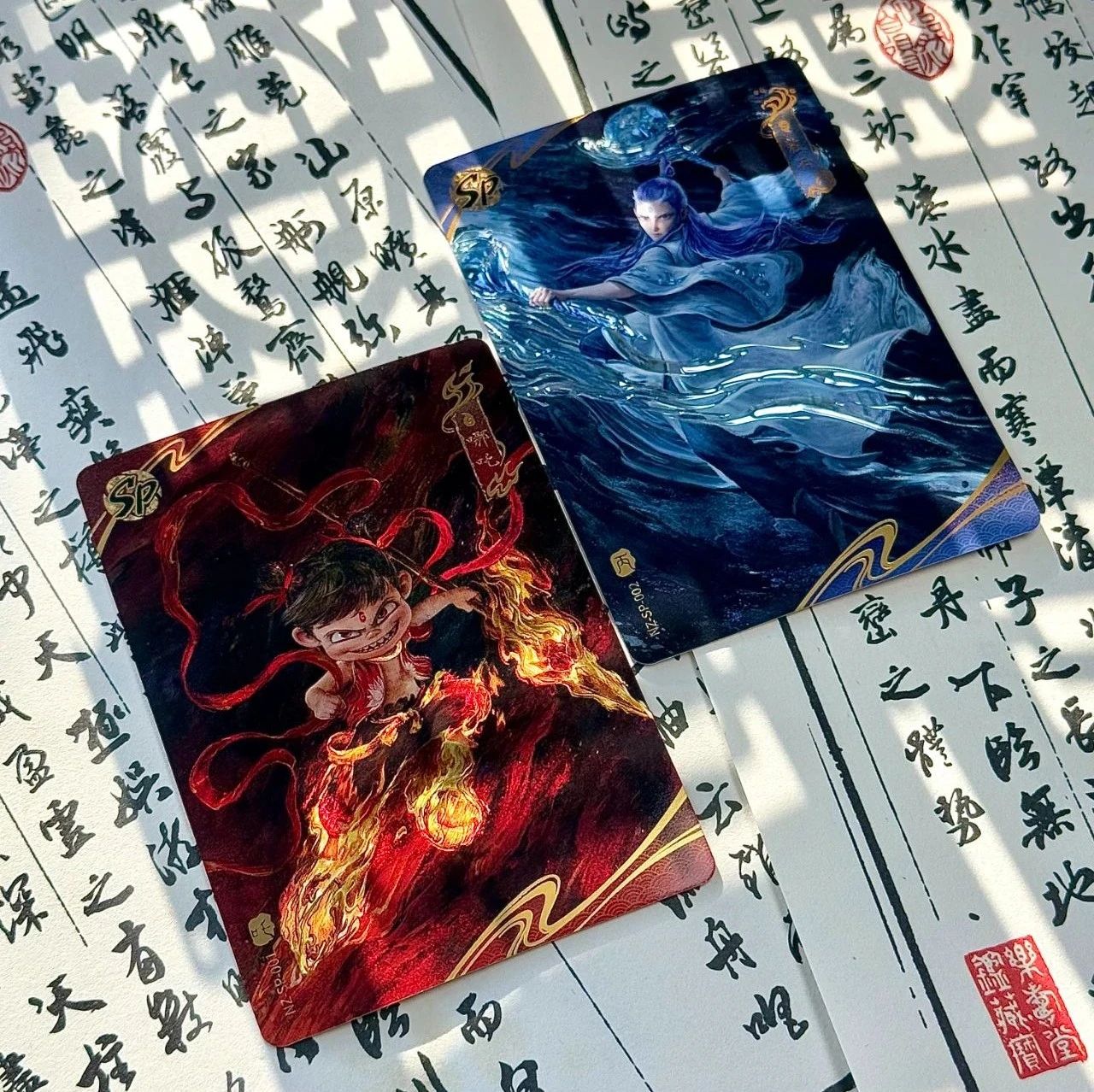
Core Viewpoint - The article discusses the rapid rise of domestic card games in China, particularly focusing on the success of the "Nezha 2" card series, which has sparked a cultural consumption phenomenon and highlighted the potential for the domestic card market to grow and evolve [1][22]. Group 1: Market Performance and Trends - The "Nezha 2" card series has become a phenomenon, with prices reaching as high as 200,000 yuan, creating a "one card hard to find" situation [1] - The secondary market for card trading has seen significant activity, with some cards listed at exorbitant prices, indicating a speculative bubble [3][11] - The domestic card market is still in its early stages, with a lack of public understanding and acceptance, which poses challenges for its growth [12][20] Group 2: Comparison with Global Markets - The global card market, particularly in the U.S. and Japan, has established a robust ecosystem for trading and investment, with high-value transactions becoming commonplace [7][15] - In Japan, the card market reached 277.4 billion yen (approximately 13.9 billion yuan) in 2023, showing an 18.1% year-on-year growth, highlighting the potential for similar growth in China [14] - The U.S. market has seen cards transition from collectibles to investment tools, with platforms like eBay facilitating a more mature trading environment [15][22] Group 3: Cultural and Historical Context - The article emphasizes the historical roots of card games in China, tracing back to ancient times, which suggests a deep cultural connection that could be leveraged for market growth [16][17] - The rise of domestic card games is seen as a way to promote Chinese culture globally, with successful IPs like "Nezha" and "Black Myth: Wukong" paving the way for international recognition [22] Group 4: Challenges and Opportunities - Domestic brands face challenges in international expansion due to cultural differences and lower brand recognition compared to established foreign brands [20] - The article notes that while the domestic card market is still developing, there is a significant opportunity for growth if companies can shift from a manufacturing mindset to an original IP development approach [21] - Companies like 卡游 are already making strides in creating original IPs and expanding their offerings, indicating a positive trend for the future of the domestic card market [21][22]