
存储芯片

Search documents
财信证券宏观策略周报(1.12-1.16):顺势做多,科技优先-20260111
Caixin Securities· 2026-01-11 14:06
Group 1 - The report suggests a bullish outlook for the A-share market, driven by a slow bull market expectation, seasonal market movements, and global market synchronization, indicating a favorable investment window from mid-December 2025 to early March 2026 [4][7] - The report emphasizes the importance of focusing on technology growth sectors, particularly those that have previously underperformed but have catalysts for growth, in light of valuation expansion and liquidity easing [4][7] - Key investment areas include commercial aerospace, satellite industries, AI applications, humanoid robots, domestic AI computing power, and sectors benefiting from price increases such as storage chips, consumer electronics, non-ferrous metals, and chemicals [4][13][15] Group 2 - Recent government policies aimed at boosting domestic demand include optimizing service industry loans and implementing interest subsidies for personal consumption loans, which are expected to significantly enhance consumer demand [7][8] - Domestic prices are showing a mild upward trend, with the Consumer Price Index (CPI) rising by 0.2% month-on-month in December, driven by increased consumer spending during the holiday season [8][9] - The report highlights the distinction between "anti-involution" and monopoly, indicating that price increases and profit margins are key factors in differentiating the two concepts, with ongoing reforms expected to support price recovery in certain industries [10][12] Group 3 - The report notes that the U.S. Federal Reserve's interest rate cut expectations have been compressed, with a low probability of rate cuts in January 2026, but a cumulative reduction of about 50 basis points is anticipated throughout the year [11] - The technology sector is experiencing structural inflation characteristics, with new economic sectors showing price increases while traditional sectors remain weak, indicating a divergence in price trends [12] - The report maintains that the A-share market is likely to enter a new bullish phase, encouraging the acquisition of quality A-share assets, particularly in the non-ferrous metals and technology growth sectors [13][15]
芯天下等待一场翻身仗
Bei Jing Shang Bao· 2026-01-11 11:51
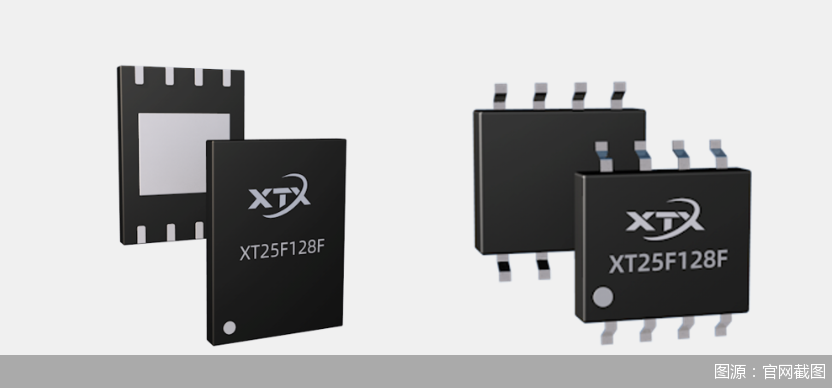
Core Viewpoint - The semiconductor industry is experiencing a recovery, particularly in the memory chip sector, driven by supply-demand imbalances and increased demand from AI and consumer electronics [3][6]. Industry Summary - Global semiconductor sales in October increased by 27.23% year-on-year, with a cumulative growth of 21.19% from January to October [3]. - The price of memory chips, including DRAM and NAND FLASH, is expected to continue rising, with increases ranging from 1.73% to 57.42% by December 2025 [3]. - The recovery in the memory chip market is attributed to both new demand from AI computing and traditional demand from consumer electronics and data centers [3]. Company Summary - Chipmaker "芯天下" (Xinchang) has submitted an IPO application to the Hong Kong Stock Exchange, marking its second attempt to enter the capital market after a previous unsuccessful attempt in 2022 [5][4]. - The company focuses on code-type flash memory chips, which are critical for the operation of smart devices, and is positioned to benefit from the industry's expansion [5]. - Financially, "芯天下" reported revenues of 6.63 billion yuan in 2023, with a gross profit of 1.03 billion yuan and a gross margin of 15.5%, but incurred a net loss of 14 million yuan [5]. - In 2024, the company faced a decline in revenue to 4.42 billion yuan and a net loss of 37.1 million yuan, attributed to operational delays and strategic pricing adjustments [6]. - By 2025, the company saw a turnaround with revenues reaching 3.79 billion yuan and a net profit of 8.4 million yuan, benefiting from the recovery in the global memory chip market and improved customer relationships [6].

喜娜AI速递:今日财经热点要闻回顾|2026年1月11日
Xin Lang Cai Jing· 2026-01-11 11:50
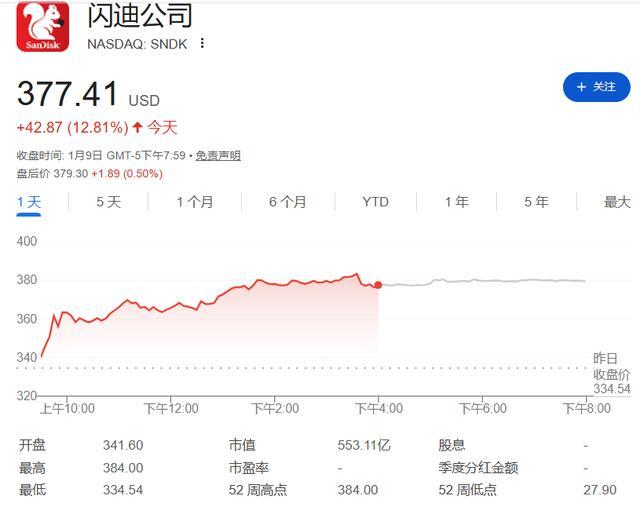
Group 1: Semiconductor Industry - The chairman of Zhongwei Company, Yin Zhiyao, has restored his Chinese nationality and plans to reduce his holdings by no more than 290,000 shares, valued at approximately 97.64 million yuan, to facilitate tax compliance [2] - Zhongwei has become a leading semiconductor equipment company with a market value of 200 billion yuan, achieving an average annual revenue growth of over 35% for 14 consecutive years [2][7] - The U.S. stock market saw a significant rise in semiconductor stocks, with SanDisk's shares increasing by over 12%, driven by expected price hikes in enterprise-level flash memory chips due to server storage demand [3][8] Group 2: Market Trends and Investment Opportunities - Post-holiday, institutions have conducted intensive research on over 110 stocks, with a focus on companies like Entropy Technology and Superjet Co., which are involved in brain-machine technology and commercial rocket components, respectively [2][7] - The average increase in stock prices of companies that were researched by institutions in the past week was nearly 8% [2][7] - New public fund inflows are expected to exceed 45 billion yuan, with a significant portion directed towards ETFs, indicating a trend of capital migration that could activate the market [5][9] Group 3: Regulatory and Policy Changes - The Vice Chairman of the China Securities Regulatory Commission emphasized the need to improve the quality of listed companies to attract investment and create a positive cycle [4][9] - New export tax policies for photovoltaic and battery products have been introduced, which may lead to a short-term surge in exports but could impact long-term demand [4][9]

存储定新锚,债市困“供需”
ZHONGTAI SECURITIES· 2026-01-11 09:03
1. Report's Industry Investment Rating - The industry rating is "Overweight", expecting a gain of over 10% relative to the benchmark index in the next 6 - 12 months [42] 2. Core Viewpoints of the Report - At the beginning of the year, there was a significant divergence in the stock and bond markets, with equities having a "good start" and the bond market facing a "poor start". The "seasonal pattern" of the bond market has shifted to the equity market due to the maturity of various deposit - type institutions' funds from the end of the previous year to the end of the current year. The core driver of the A - share market has fundamentally changed, with the storage industry chain's market value surpassing that of the real estate industry chain. The economic elasticity is now driven by the technology cycle, which determines the new pricing benchmark for long - term interest rates. The bond market's core contradiction is the structural imbalance between supply and demand [2][4][7][10][13] 3. Summary by Relevant Catalogs 3.1 Market Seasonal Pattern Shift - The "seasonal pattern" of the bond market has shifted to the equity market. It's estimated that about 67 trillion and 75 trillion of household time deposits will mature in 2025 and 2026 respectively. Even if only 10% of the funds are reallocated, it will amount to trillions. These funds mainly flow into "fixed - income plus" wealth management products and dividend - type insurance, which intensifies the capital outflow pressure in the bond market [8][10] 3.2 Change in A - share Market Core Driver - Ten years ago (in 2015), the market value of the real estate industry chain was four times that of the storage industry chain. Currently, the market value of the storage industry chain is three times that of the real estate chain. The core indicator for measuring the A - share fundamentals and the Chinese economic cycle has changed from real estate prices to storage chip prices represented by memory. The technology expansion has brought "re - inflation" pressure, and the real estate's contribution to GDP fluctuations has approached zero [10][13] 3.3 Bond Market Supply - Demand Imbalance - The medium - to - long - term supply - demand issues in the bond market have gradually evolved into a systematic framework. There are two main paths: rising equities lead to falling bonds, causing the withdrawal of trading funds with unstable liabilities and the over - limit of banks' EVE indicators after long - term bonds are returned to the balance sheet; and rising equities lead insurance institutions to rebalance towards more stocks and fewer bonds, reducing the demand for long - term bonds. Assuming the treasury bond issuance structure is determined by "stable growth" plans and the proportion of ultra - long - term bonds remains unchanged, the supply and demand of long - term bonds will face an annual - level "imbalance" [16][17] 3.4 Adjustment of Local Bond Maturity - The main pressure in the bond market comes from the issuance inertia of ultra - long - term government bonds. Although there were expectations for the Ministry of Finance to shorten the issuance maturity, the issuance of 30 - year special bonds in Shandong Province in January 2024 somewhat dashed these expectations. General treasury bonds and general local bonds have relatively short maturities with limited compression space. Special bonds and special treasury bonds can effectively shorten the duration, but local governments are less willing to shorten their issuance maturities. Fiscal adjustment may have a strong lag, possibly going through three steps: issuance difficulties with the cost spread exceeding 35BP for several months, seeking policy support from the central bank to buy bonds, and finally being forced to adjust the issuance maturity if support is insufficient [19][20][21] 3.5 Shortening of Insurance Asset Duration - Insurance institutions' liability side has fundamentally changed. To compete for household savings, insurance companies have widely promoted dividend - type insurance to replace traditional life insurance. The average liability duration of dividend - type insurance is only 5 - 7 years. To achieve the promised high returns (about 3.4% - 3.5%), their asset allocation is more aggressive and more inclined to equity assets, and they need less ultra - long - term bonds. Insurance's demand for long - term bonds is shifting from "allocation - based" to "trading - based". In an environment of rising interest rate expectations, insurance institutions will postpone the allocation rhythm. The growth of insurance premiums does not match the supply of ultra - long - term bonds [28][29][30] 3.6 Banks Facing Regulatory Constraints - After banks承接 the long - term bonds sold by public funds and other institutions, the scale of their interest - rate - sensitive assets has increased significantly, causing the EVE indicator to approach or exceed the 15% regulatory red line. In 2026, reducing the shock scenario from 250bps to 225bps will release about 700 billion of EVE allocation space, which is far from enough for the large - scale new supply in the primary market. Due to regulatory requirements on the duration of assets included in the AC account, banks cannot place a large number of newly purchased ultra - long - term bonds in the AC account, further reducing their allocation willingness. The over - limit of the liquidity coverage ratio (LCR) indicator further restricts the buying space [35][36][37] 3.7 Abandoning "Bull - Market Thinking" - In the current non - bullish bond market situation, typical "bull - market thinking" such as absolute interest rate point thinking, the inertial behavior of allocation - based investors, and the "fear of missing out" mentality should be abandoned. Strategies suggest separating the low - duration core position from the trading position. The overall portfolio duration of the core position should be maintained at a moderately low level, mainly allocating short - term, high - liquidity credit bonds or certificates of deposit. The trading position can use a small amount of funds for short - term trading based on oversold rebounds or market sentiment, with strict profit - taking and stop - loss rules. "Less trading" or "no trading" is also a good strategy [38][39] 3.8 Conditions for Bear - to - Bull Transition - The real bear - to - bull transition in the bond market requires two key policy signals: the Ministry of Finance clearly shortening the issuance maturity of special bonds or special treasury bonds in the issuance announcement, and the central bank announcing or implementing a bond - buying program far exceeding the current scale [40]
闪迪:涨价,且必须全款!
美股IPO· 2026-01-11 01:23
Core Viewpoint - The storage market is entering a severe shortage phase driven by the explosive demand for AI servers and manufacturers' capacity shifts, leading to unprecedented contract terms and price increases [1][4]. Group 1: Market Dynamics - SanDisk plans to raise enterprise-grade NAND prices by over 100% month-on-month in March, breaking industry norms by requiring 100% cash prepayment from customers to secure long-term supply contracts [1][2]. - The demand for storage devices is rigid due to AI infrastructure development, prompting some cloud service providers to consider accepting stringent contract terms to avoid supply disruptions [2][6]. - The storage chip market is experiencing a supply-side transformation driven by AI, resulting in a strong seller's market where buyers must accept unprecedented terms [4][6]. Group 2: Price Trends - The price of enterprise-grade NAND is expected to rise sharply, with reports indicating a potential increase of over 100% in March for SSDs [2][7]. - The demand for enterprise storage is significantly influenced by NVIDIA's inference context memory storage platform, which requires substantial amounts of 3D NAND [7]. - There is uncertainty regarding how the doubling of enterprise-grade product prices will affect consumer-grade markets, but typically, consumer prices follow enterprise price trends due to shared production facilities [7]. Group 3: Supply Chain Challenges - Major storage manufacturers (Samsung, SK Hynix, Micron) have shifted their capacity allocation towards higher-margin HBM for AI applications, significantly reducing the production capacity for standard DDR4/DDR5 and NAND [8]. - This structural shortage has led to chaos in the supply chain, with tech giants like Google and Meta restructuring their procurement teams to secure supplies [9]. - Companies are stockpiling inventory to avoid price hikes and shortages, with some PC brands like Lenovo pre-ordering for 2026 [9].
闪迪:涨价,且必须全款
Hua Er Jie Jian Wen· 2026-01-10 23:37
Group 1 - The storage chip market is undergoing a significant transformation driven by AI, leading to a strong seller's market where buyers must accept unprecedented terms [1][3] - SanDisk has introduced a "100% cash prepayment" contract model, requiring clients to pay in full upfront to secure supply quotas for 1 to 3 years, breaking industry norms [3][4] - The demand for storage devices is being fueled by AI infrastructure development, prompting some cloud service providers to consider these stringent terms to avoid supply shortages [1][3] Group 2 - Prices for enterprise-level storage are surging, with SanDisk planning to increase prices for high-capacity 3D NAND flash chips used in enterprise SSDs by over 100% in March [1][4] - The demand for enterprise storage is significantly influenced by NVIDIA's ICMS platform, which requires substantial amounts of 3D NAND, potentially leading to increased consumption [4] - The production capacity of major storage manufacturers has shifted towards higher-margin HBM for AI applications, resulting in a reduction of capacity for standard DDR4/DDR5 and NAND production [4][5] Group 3 - The current supply crisis has led to chaos in the supply chain, with tech giants like Google and Meta seeking additional capacity and hiring specialized procurement managers [5] - Companies are stockpiling inventory to avoid price hikes and shortages, with Lenovo pre-ordering for 2026 to secure future demand [5] - The market is experiencing irregularities, including reports of bribery investigations at Samsung, highlighting unethical profit-seeking behaviors amid severe shortages [5]
喜娜AI速递:昨夜今晨财经热点要闻|2026年1月11日
Sou Hu Cai Jing· 2026-01-10 22:21
Group 1 - China's application for over 200,000 satellite frequency resources to the International Telecommunication Union (ITU) indicates a strategic move to enhance its commercial space industry and compete with SpaceX [2] - Foreign investment in Chinese assets is increasing, with JPMorgan heavily investing in companies like CATL and Innovent Biologics, reflecting confidence in China's economic recovery and the attractiveness of tech stocks [2] - The price surge in storage chips is impacting downstream consumer electronics, leading to price increases from major PC manufacturers and a downward revision of shipment expectations for smartphones and laptops [2] Group 2 - Over 40 banks have issued announcements for large-denomination time deposits, with a clear trend towards shorter maturities and declining interest rates, influenced by factors such as net interest margin pressure and monetary policy [3] - The State Council's investigation into the competitive landscape of food delivery platforms aims to address issues of excessive competition and promote fair practices within the industry [3] - The Ministry of Finance announced the cancellation of VAT export rebates for solar products starting April 1, 2026, which is expected to help eliminate low-quality competition and promote healthy industry development [3] Group 3 - Xiaomi's CEO Lei Jun announced that the Xiaomi SU7 is the only electric sedan to surpass the Tesla Model 3, with ambitious delivery targets set for 2025 and 2026 [4] - Jewelry brands are raising gold prices, with significant increases noted, and analysts predict continued upward movement in gold prices due to geopolitical tensions [5] - Tianpu Co. is under regulatory investigation for stock price manipulation following its ownership change and unclear statements regarding AI business plans, with a stock resumption scheduled [5]



闪迪(SNDK.US):涨价,且必须全款!
智通财经网· 2026-01-10 13:18
Core Viewpoint - The storage chip market is undergoing a significant transformation driven by AI demand, leading to a seller's market where buyers face unprecedented contract terms and price increases [1][4]. Group 1: Contractual Changes - SanDisk has introduced a "100% cash prepayment" requirement for customers to secure supply quotas for 1 to 3 years, breaking industry norms [1][4]. - This unconventional contract form poses significant cash flow challenges for buyers, as traditional payment methods typically involve installment payments or credit terms [4]. Group 2: Price Increases - SanDisk plans to raise prices for enterprise-grade SSDs by over 100% month-on-month in March, driven by short-term supply shortages and increasing mid-term demand from the AI sector [1][5]. - The demand for enterprise storage is significantly influenced by NVIDIA's inference context memory storage platform, which requires substantial amounts of 3D NAND [5]. Group 3: Supply Chain Dynamics - Major storage manufacturers (Samsung, SK Hynix, Micron) have shifted their production capacity towards higher-margin HBM for AI applications, leading to a structural shortage in standard DDR4/DDR5 and NAND production [6]. - Tech giants like Google and Meta are actively seeking additional capacity and hiring specialized procurement managers to strengthen their supply chain relationships [6]. - Panic buying is prevalent, with companies like Lenovo stockpiling inventory and placing orders for future needs to avoid price hikes and shortages [6].
三万亿成交下的百花齐放
Changjiang Securities· 2026-01-10 13:07
- The report does not contain any quantitative models or factors for analysis[1][2][3]
闪迪:涨价,且必须全款!
Hua Er Jie Jian Wen· 2026-01-10 12:09
Core Insights - The storage chip market is undergoing a significant transformation driven by AI, leading to a seller's market where buyers face unprecedented terms [1] - SanDisk has introduced a "100% cash prepayment" contract model to secure supply for 1 to 3 years, which is a departure from traditional payment methods [3][4] - The price of enterprise-grade SSDs is expected to rise dramatically, with SanDisk planning a price increase of over 100% for high-capacity 3D NAND flash memory chips in March [5] Group 1: Contract Changes - SanDisk's new contract requiring full cash prepayment has disrupted industry norms, posing challenges to buyers' cash flow [3] - The demand for AI infrastructure is forcing some cloud service providers to consider accepting these stringent terms to avoid supply shortages [4] Group 2: Price Increases - The enterprise-grade storage segment is experiencing the most aggressive price hikes, with SanDisk's NAND prices projected to increase significantly [5] - NVIDIA's ICMS platform is identified as a key driver of enterprise storage demand, necessitating substantial 3D NAND consumption [5] Group 3: Supply Chain Dynamics - Major storage manufacturers are reallocating production capacity towards higher-margin HBM for AI applications, leading to a structural shortage in standard DDR4/DDR5 and NAND production [6] - This shift has caused chaos in the supply chain, with buyers increasingly willing to accept short contracts and high prices, even adopting a "buy at any price" mentality [6] Group 4: Market Behavior - Tech giants like Google and Meta are actively seeking additional storage capacity and are restructuring their procurement teams to strengthen ties with manufacturers [8] - Companies like Lenovo are stockpiling inventory and placing early orders to mitigate the impact of price increases and shortages [8]