零食

Search documents
食品饮料行业研究方法与框架
2025-09-07 16:19
Summary of Key Points from the Conference Call Industry Overview - The conference call discusses the **food and beverage industry**, focusing on various segments such as **liquor, beer, soft drinks, dairy products, snacks, condiments, and frozen foods** [1][2][3]. Core Insights and Arguments Liquor Market - The **liquor market** is impacted by the downturn in the real estate sector, but the rigid demand leads to relatively small fluctuations. The demand during the Spring Festival supports self-drinking and gifting needs [1][9]. - Investment and collection attributes of liquor have weakened since 2021, leading to risk release. Future growth drivers depend on price increase capabilities, relying on social and investment attributes [1][12]. - The **white liquor market** has a production scale of **800 billion RMB**. The market is characterized by strong price increase potential and a shift towards premiumization [4][10]. Beer Industry - The **beer industry** has seen slow sales growth, with a production scale of **300 billion RMB**. The competition is characterized by multiple strong players, each with their profit pools [4][13]. - The high-end beer segment is growing, but the overall market is experiencing a slow recovery post-pandemic. The immediate consumption market is weak, while instant retail is rising rapidly [14]. Soft Drinks - The **soft drink market** is nearly **700 billion RMB** in size, with a diverse range of products. The market is witnessing a significant health trend, with rapid growth in sugar-free tea and energy drinks [1][17]. - The carbonated beverage market is dominated by **Coca-Cola and Pepsi**, with pricing strategies impacting competition. Coca-Cola plans to increase prices from **3 RMB to 3.5 RMB** [18]. Dairy Products - The **dairy industry** is valued at approximately **300 billion RMB**, with a duopoly between **Yili and Mengniu**. The market for long-life milk and yogurt is saturated, while fresh milk and cheese have growth potential [4][22]. Snacks - The **snack industry** benefits from channel transformations, with increased price sensitivity driving the growth of discount stores and e-commerce. The health trend is significant, with healthier snack options emerging [1][23]. Condiments and Frozen Foods - The **condiment market** is valued at nearly **500 billion RMB**, with soy sauce and pickled vegetables performing well. The market shows high consumer stickiness and pricing power [2][24]. - The **frozen food sector** faced challenges post-pandemic, requiring innovation and new channels for growth [2][24]. Lifecycle Stages of Segments - Different segments are at various lifecycle stages, with craft beer and coconut water in the introduction phase, while high-end liquor and sugar-free tea are in the growth phase [6]. Competitive Landscape - The competitive landscape varies, with some segments dominated by a single player (e.g., high-end liquor) and others exhibiting a more fragmented structure [7][8]. Future Trends and Challenges - The liquor industry faces challenges from the real estate downturn but maintains rigid demand due to its social attributes. Future price increases depend on economic conditions [9][12]. - The beer industry is adapting to changes in consumer behavior and channel dynamics, with a focus on high-end products [14][13]. Conclusion - The food and beverage industry is characterized by diverse segments, each with unique growth drivers, competitive dynamics, and challenges. The focus on health trends, premiumization, and channel innovation will shape the future landscape of the industry [1][2][3].
可选消费W36周度趋势解析:关注消费各板块risk/reward占优的底部机会-20250907
Haitong Securities International· 2025-09-07 13:04
Investment Rating - The report assigns an "Outperform" rating to multiple companies in the discretionary sector, including Nike, Midea Group, JD Group, Haier Smart Home, Anta Sports, Gree Electric, and others [1]. Core Insights - The report emphasizes the focus on consumer sub-sectors with favorable risk/reward ratios, highlighting bottom opportunities in the market [1][4]. - The performance of various consumer sectors is analyzed, with gold and jewelry, overseas cosmetics, and domestic cosmetics showing positive growth, while luxury goods and overseas sportswear sectors experienced declines [4][12]. Sector Performance Review - Weekly performance rankings indicate that the gold and jewelry sector led with a 4.0% increase, followed by overseas cosmetics at 1.7% and domestic cosmetics at 1.4%. In contrast, overseas sportswear saw a significant decline of 4.2% [4][12]. - Monthly performance shows overseas cosmetics leading with an 8.8% increase, while overseas sportswear experienced a decline of 2.9% [12]. - Year-to-date performance highlights gold and jewelry with a remarkable 175.3% increase, while overseas sportswear faced a decline of 12.0% [12][13]. Sector Valuation Analysis - Most sectors are valued below their average over the past five years, with the overseas sportswear sector expected PE at 34.3 times, which is 61% of its historical average. The domestic sportswear sector is expected to have a PE of 14.1 times, 80% of its historical average [9][18]. - The gold and jewelry sector's expected PE is 27.1 times, 48% of its historical average, while the luxury goods sector is expected at 24.3 times, 44% of its historical average [9][18]. - The report indicates that all sectors' expected PE for 2025 is lower than their historical averages, with only the household goods sector's EV/EBITDA exceeding its historical average [18].
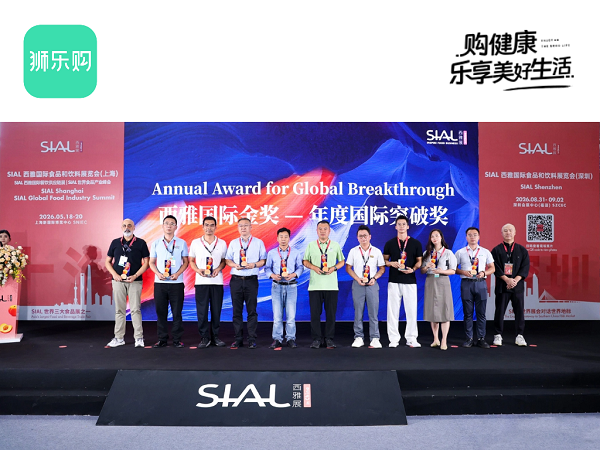
实力圈粉!狮乐购脆享体验馆亮相西雅展 新品斩获国际突破奖,酥脆暴击引发试吃热潮
Zhong Guo Shi Pin Wang· 2025-09-05 07:31
Core Insights - The company Lion Purchase showcased its innovative product "Crispy Beef Strips" at the Shenzhen SIAL International Food and Beverage Exhibition, winning the "International Breakthrough Award" for 2025, highlighting its unique craftsmanship and quality [1][15] Product Highlights - The "Crispy Beef Strips" are made from original Angus beef, utilizing a low-temperature slow-roasting process of approximately 16 hours and precise cutting techniques, resulting in a crispy texture similar to potato chips. The product is high in protein, with about 5 pounds of fresh beef concentrated into 1 pound of beef strips, and is available in two simple flavor options [5] - The classic product "Crispy Beef" continues to be popular, made from selected Angus beef and crafted over 96 hours to ensure a crispy yet tender texture. It is high in protein and made with clean ingredients, providing a satisfying and healthy snack option [7] - Another featured product is "Crispy Cheese," made from high-quality milk sourced from the 47° north latitude, with a milk content of at least 66%. This product is designed in a small bar shape, making it easy for children to hold, and serves as a nutritious snack for all age groups [9] Brand Philosophy - Lion Purchase focuses on health-oriented food products, aiming to provide natural, convenient, and high-nutrition value options for fitness enthusiasts, office workers, and mothers. The brand employs a "self-operated + brand aggregation" model and a multi-channel layout to promote the idea of becoming a healthier choice [11]


农银汇理基金廖凌:内外积极因素共振 基本面投资胜率或提升
Zhong Zheng Wang· 2025-09-04 12:44
Group 1 - The A-share market is experiencing a positive trend driven by both domestic and external factors, leading to a broader range of investment opportunities [1] - The coordination of domestic supply and demand policies is a key variable that maintains high risk appetite, resulting in an upward trend in market indices [1] - The expectation of a Federal Reserve interest rate cut and a weaker dollar is likely to attract global funds towards non-US assets, providing room for valuation recovery in A-share equities [1] Group 2 - Two core investment themes identified are: new consumption and new services, focusing on high-income groups, the elderly, and consumers in lower-tier cities, as well as self-sufficiency sectors like semiconductors and AI computing chips [2] - The investment strategy for the new fund will involve a balanced approach, gradually increasing equity positions while controlling for volatility, aiming to capture opportunities from industry trends and fundamental improvements [2] - The market is expected to show greater breadth and depth in the second half of the year, with a focus on high-quality stocks that have clear fundamental improvements and reasonable valuations [2]
从央视广告到拼多多,晋江制造如何称霸“鞋柜”与“零食柜”
创业邦· 2025-09-04 10:43
Core Viewpoint - The article highlights the unique industrial ecosystem of Jinjiang, a small city in China, which has successfully developed multiple industries, particularly footwear and snacks, through a combination of favorable conditions, entrepreneurial spirit, and supportive policies [6][7][27]. Group 1: Industrial Overview - Jinjiang, covering only 649 square kilometers with a population of over 2 million, hosts 52 listed companies with a total market value of nearly 500 billion yuan [6]. - The city is known as "China's Shoe Capital," producing one in every five pairs of sports shoes in the country, and also as "China's Umbrella Capital," with one in every three umbrellas made there [6][7]. - Jinjiang has established 16 national-level regional brands, with significant industrial clusters including over 300 billion yuan in footwear and apparel, over 100 billion yuan in textiles, and several others in construction materials and food [6][7]. Group 2: Factors for Success - Footwear and snack industries require similar production conditions, relying on craftsmanship, design, and quality control, making them suitable for Jinjiang's labor-intensive environment [9][11]. - The region's rich human resources and historical tradition of handicrafts facilitated the transition from family workshops to modern factories [9][11]. - The local climate and geographical advantages support both footwear manufacturing and snack production, enhancing logistics efficiency [11][12]. Group 3: Entrepreneurial Spirit - Entrepreneurs in Jinjiang, like Anta's founder Ding Shizhong, have demonstrated a keen ability to identify market opportunities and pivot quickly, leading to the establishment of strong brands [12][13]. - The local government has played a crucial role by providing favorable policies for land use, business registration, and tax incentives, fostering a conducive environment for private enterprises [12][13]. Group 4: Branding and Distribution Strategies - In the 1990s, Jinjiang companies faced challenges in brand recognition and distribution networks, leading to a reliance on CCTV advertising as an effective marketing strategy [13][14]. - Anta was a pioneer in using athlete endorsements and mass media advertising, which significantly boosted brand awareness [14][15]. - The establishment of a nationwide distribution network through exclusive regional agents allowed for rapid market penetration, despite the logistical challenges of the time [15][17]. Group 5: Competitive Strategies - Jinjiang companies adopted a strategy of industry chain integration, focusing on key production stages while outsourcing less critical components to maintain flexibility and cost control [17][18]. - The snack industry emphasized protecting proprietary recipes and core technologies while outsourcing distribution to enhance efficiency [18][19]. Group 6: Adaptation to Market Changes - Post-2010, Jinjiang companies have successfully navigated changes in the commercial landscape, such as the rise of e-commerce and consumer preferences, by employing strategies like niche competition and embracing new platforms [20][21]. - Companies like Yake have innovated continuously to avoid direct competition in traditional markets, instead focusing on functional snacks [21][22]. - The integration of traditional manufacturing strengths with new e-commerce efficiencies has allowed Jinjiang brands to thrive in competitive environments [24][25]. Group 7: Lessons and Insights - The success of Jinjiang's industries illustrates the importance of aligning industrial choices with local resources and market demands [27]. - The collaborative growth of footwear and snack sectors has amplified the overall brand influence of "Jinjiang Manufacturing," showcasing the benefits of industrial clusters [27][28]. - Traditional manufacturing can still thrive by adapting to market trends and consumer needs, as demonstrated by Jinjiang's ongoing evolution [27][28].


行业投资策略:中报综述:传统消费微光渐明,新消费繁花正盛
KAIYUAN SECURITIES· 2025-09-04 09:26
Core Insights - The report maintains a positive investment rating for the food and beverage industry, indicating potential recovery and growth opportunities despite current pressures [1] - The food and beverage sector has underperformed the market, with a year-to-date increase of 3.9%, lagging behind the CSI 300 by approximately 17.2 percentage points [4][16] - The snack segment has shown strong performance, with a notable increase of 55.2% from January to August 2025, while other segments like beer and seasoning products have struggled [4][16] Market Performance - The food and beverage sector's performance has been mixed, with snacks, cooked food, and other alcoholic beverages showing positive growth, while beer and seasoning products have declined [4][16] - The overall market sentiment has shifted towards technology themes, leading to weaker performance in traditional food and beverage sectors [4][16] - The report highlights that the snack segment's strong performance is driven by companies like Wancheng Group (+164.7%), Youyou Foods (+40.9%), and Haoxiangni (+36.2%) [4][16] Economic Overview - The macroeconomic environment remains challenging, with China's GDP growth at 5.2% in Q2 2025, slightly down from Q1 [5][49] - Retail sales of consumer goods increased by 5.4% year-on-year in Q2 2025, indicating a slight recovery, but traditional consumption sectors still face pressure [5][49] - The report anticipates a gradual recovery in consumer spending in the second half of 2025 [5][49] Industry Analysis - The food and beverage sector's revenue growth in Q2 2025 was 5.6%, a slight improvement from Q1, but profits declined by 2.1% [6][49] - The report notes a significant decline in the revenue growth of the liquor sector, particularly due to the impact of alcohol bans [6][49] - New consumption trends are emerging, with snack and health product segments showing resilience and growth potential [6][49] Investment Opportunities - The report suggests that the liquor sector is beginning to show signs of recovery, with potential for valuation improvement as the market stabilizes [7] - It recommends focusing on leading companies in the sector, particularly those with strong growth prospects in new consumption categories [7] - Specific companies to watch include Wancheng Group, Xiamen International Trade, and Dongpeng Beverage, which are expected to benefit from emerging trends [7]




食品饮料行业2025年半年度业绩综述:白酒加速出清,大众品结构分化
Dongguan Securities· 2025-09-04 09:15
Investment Rating - The report maintains an "Overweight" rating for the food and beverage industry [1] Core Insights - The food and beverage industry experienced a revenue growth of 2.47% year-on-year in H1 2025, totaling 582.81 billion yuan, while net profit decreased by 0.60% to 127.67 billion yuan [3][11] - The report highlights a significant performance divergence among sub-sectors, with the liquor sector facing challenges while other segments like snacks and soft drinks showed better performance [3][11] Summary by Sections 1. Industry Overview - The food and beverage industry achieved a total revenue of 582.81 billion yuan in H1 2025, with a year-on-year growth of 2.47%, a decline of 2.79 percentage points compared to the previous year [3][11] - The net profit attributable to shareholders was 127.67 billion yuan, down 0.60% year-on-year, with a notable decline in growth rate of 14.64 percentage points [3][11] 2. Liquor Sector - The liquor sector's revenue in H1 2025 was 241.51 billion yuan, a decrease of 0.86% year-on-year, with net profit at 94.56 billion yuan, down 1.18% [24][28] - In Q2 2025, the liquor sector's revenue was 88.09 billion yuan, down 5.01% year-on-year, and net profit decreased by 7.50% to 31.17 billion yuan [24][28] 3. Beer Sector - The beer sector showed a revenue growth of 2.36% in H1 2025, with a double-digit increase in net profit [3][11] - The sector's profitability improved steadily, benefiting from cost reductions and product structure optimization [3][11] 4. Seasoning Sector - The seasoning sector experienced a year-on-year revenue growth in Q2 2025, indicating a recovery in dining consumption [3][11] 5. Dairy Sector - The dairy sector's performance improved in Q2 2025, with growth driven by a low base effect [3][11] 6. Snack Sector - The snack sector showed a mixed performance in Q2 2025, with some companies benefiting from core products and online channels [3][11] 7. Investment Strategy - The report suggests focusing on high-certainty stocks in the liquor sector, such as Kweichow Moutai and Wuliangye, and highlights the potential in the snack and dairy sectors due to improving consumption trends [3][11]



三只松鼠涨2.24%,成交额1.93亿元,主力资金净流入640.39万元
Xin Lang Cai Jing· 2025-09-04 03:30
Company Overview - Three squirrels' stock price increased by 2.24% on September 4, reaching 25.98 CNY per share, with a total market capitalization of 10.435 billion CNY [1] - The company specializes in the research, testing, packaging, and sales of its own brand of snack foods, with main revenue sources being nuts (50.52%), comprehensive snacks (18.99%), baked goods (14.13%), meat products (9.05%), dried fruits (5.48%), and others (1.83%) [1] - The company is categorized under the food and beverage industry, specifically in the snack food sector, and is involved in concepts such as new retail, e-commerce, and influencer economy [1] Financial Performance - As of June 30, 2025, Three Squirrels reported a revenue of 5.478 billion CNY, representing a year-on-year growth of 7.94%, while the net profit attributable to shareholders was 138 million CNY, a decrease of 52.22% compared to the previous period [2] - Cumulative cash dividends since the company's A-share listing amount to 553 million CNY, with 265 million CNY distributed over the past three years [3] Shareholder Information - As of June 30, 2025, the number of shareholders increased to 45,700, with an average of 6,128 circulating shares per person, a decrease of 3.50% from the previous period [2] - The fifth largest circulating shareholder is Hong Kong Central Clearing Limited, holding 3.7173 million shares, an increase of 1.9353 million shares from the previous period [3]
从央视广告到拼多多,晋江制造如何称霸“鞋柜”与“零食柜”
3 6 Ke· 2025-09-04 01:25
Core Insights - Jinjiang is a small city in China with a significant concentration of businesses, housing 52 listed companies and a total market value of nearly 500 billion yuan [1] - The city is known for its diverse manufacturing capabilities, producing a wide range of products including sports shoes, umbrellas, zippers, and more, with notable brands like Anta and Yake [1][2] - The success of the shoe and snack industries in Jinjiang can be attributed to a combination of suitable industrial conditions, entrepreneurial spirit, and supportive government policies [11][12] Industry Overview - Jinjiang is recognized as "China's Shoe Capital," producing one in every five pairs of sports shoes in the country, and also as "China's Umbrella Capital," with one in every three umbrellas made there [1] - The city boasts 16 national-level regional brands and has formed industrial clusters with annual outputs exceeding 300 billion yuan in footwear and apparel, over 100 billion yuan in textiles, and significant outputs in building materials and food [1][11] Entrepreneurial Dynamics - Entrepreneurs in Jinjiang have demonstrated a keen ability to identify market opportunities and pivot quickly, as seen in the founding stories of Anta and Yake [9][10] - The local workforce is characterized by a strong work ethic and adaptability, which has facilitated the transition from traditional craftsmanship to modern manufacturing [6][11] Market Strategies - Jinjiang companies have effectively utilized CCTV advertising to build brand recognition, with Anta being a pioneer in leveraging sports endorsements [13][14] - A robust distribution network has been established through exclusive regional agents, allowing for rapid national expansion while maintaining brand standards [15][18] Competitive Positioning - Jinjiang firms have adopted a strategy of industry chain integration, focusing on critical production processes while outsourcing less critical components to maintain flexibility and cost control [19] - The approach of "grabbing both ends and letting go of the middle" has been employed by snack companies to control R&D and quality while outsourcing distribution [19] Adaptation to Market Changes - Post-2010, Jinjiang companies have embraced new sales channels and platforms, adapting to the rise of e-commerce and changing consumer behaviors [20][21] - Strategies such as seeking blue ocean markets and leveraging new platforms like Pinduoduo have allowed these companies to find growth opportunities amidst fierce competition [22][30] Conclusion - The success of Jinjiang's shoe and snack industries serves as a microcosm of China's manufacturing transformation, highlighting the importance of aligning industry choices with local resources, adapting to market trends, and fostering collaborative industrial clusters [33][34] - The story of Jinjiang illustrates that traditional manufacturing can thrive through innovation and responsiveness to consumer needs, emphasizing the significance of finding suitable development paths rather than merely replicating successful models from other regions [34][35]
三只松鼠上半年遇“盈利坎”:线上引擎增长放缓
凤凰网财经· 2025-09-03 13:58
Core Viewpoint - The company, Three Squirrels, reported a revenue increase of 7.94% year-on-year to 5.478 billion yuan in the first half of 2025, but faced significant profit pressure, with net profit and net profit excluding non-recurring items down 52.22% and 77.75% respectively compared to the previous year [1] Group 1: Financial Performance - In Q2 2025, the company experienced net losses of 1.01 billion yuan and 1.12 billion yuan for net profit and net profit excluding non-recurring items, respectively, with losses widening year-on-year [1] - The core product, nuts, generated revenue of 2.731 billion yuan in the first half of 2025, accounting for nearly 50% of total revenue, but saw a negative growth rate of 1.03% [2][3] - The overall gross margin for nut products decreased by 2.64% compared to the previous year, indicating pressure on profitability [3] Group 2: Strategic Initiatives - The company has shifted its slogan to "Let good products be popular among the public," indicating a focus on building a comprehensive product matrix and continuing the "high-end cost performance strategy" [2] - The company aims to reverse the revenue decline experienced over the past four years and has successfully returned to a revenue scale of over 10 billion yuan [1] Group 3: Cost and Procurement Challenges - Rising raw material costs for nuts and increased operational costs for both online and offline channels have significantly impacted profit margins [1][4] - The company reported a substantial increase in OEM product procurement, reaching 2.020 billion yuan in the first half of 2025, which is significantly higher than the 455 million yuan spent on raw material procurement [4][5] Group 4: E-commerce and Distribution - The traditional e-commerce platform has seen a slowdown in growth, with increased customer acquisition costs and market expenses impacting profitability [6][7] - Revenue from third-party e-commerce platforms grew by approximately 5.01% year-on-year, with Douyin contributing 1.478 billion yuan, representing 26.98% of total revenue [7][8] - The distribution business achieved a revenue of 938 million yuan, a year-on-year increase of 40.21%, but this growth is accompanied by increased market expenses [10]