稀土加工

Search documents
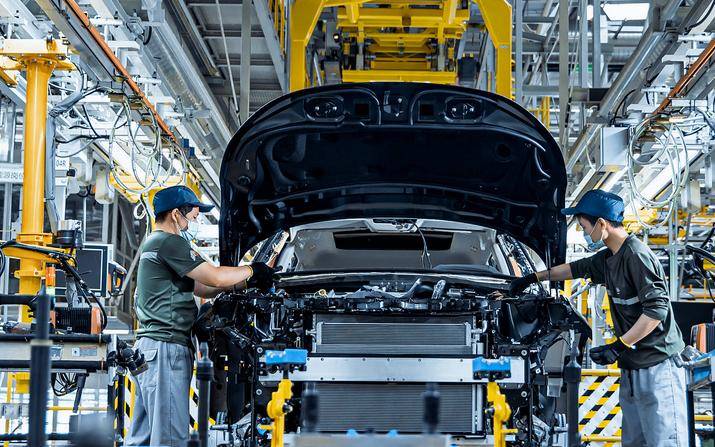
想动手又怕中国“断稀土”,欧盟向中国提了个“不情之请”
Sou Hu Cai Jing· 2025-09-19 15:19
Core Insights - China's rare earth export control measures have unexpectedly impacted the EU market, leading to a severe supply chain crisis in the European automotive industry, with several car manufacturers facing inventory shortages and some production lines forced to halt [1][3] - The EU has requested China to restore regular supplies, but this request has been rejected, highlighting the geopolitical tensions and the interconnectedness of US and EU businesses [1][3] - The EU is considering sanctions against Chinese and Indian companies under pressure from the Trump administration, but is likely to adopt a cautious approach to avoid significant conflict with China [1][3] Group 1: Impact on European Automotive Industry - The ongoing rare earth export controls from China have put European companies at risk of prolonged production halts, with the EU expressing concerns over the necessity of China's control measures [1][3] - The EU has reached a consensus with the US to invest in developing rare earth supply sources outside of China, but currently, only one Australian company has the capacity to export, which is significantly lower than China's output, especially in heavy rare earths critical for the automotive industry [1][3] Group 2: Dependency on Chinese Rare Earths - The EU's rare earth imports are entirely dependent on China, with significant reliance on imports for key metals like lithium, copper, and nickel, which are essential for modern industrial applications [3] - China's rare earth production accounts for 95% of the global supply and controls about 90% of the refining capacity, creating a dependency that complicates the EU's ability to take a hard stance against China [3]

为啥对印度而不是中方动手?白宫特使一句话,听证会现场骚动起来!
Sou Hu Cai Jing· 2025-09-16 09:41
Group 1 - The U.S. has imposed a 50% tariff on Indian goods, effective August 27, 2025, consisting of a 25% "reciprocal tariff" and a 25% "punitive tariff" [1] - The U.S. maintains a cautious approach towards China due to three strategic advantages held by China: control over 90% of global rare earth processing capacity, a complete manufacturing supply chain, and a diversified market strategy [1] - China's exports to emerging markets have surged despite a 15% decline in exports to the U.S. in the first half of 2025, indicating a shift in trade dynamics [1] Group 2 - The escalating tariffs have resulted in a significant increase in U.S. import costs, exceeding $320 billion, which is $130 billion higher than initial estimates, ultimately impacting U.S. businesses and consumers [2] - In contrast, the tariff increase on India has had minimal impact, highlighting the structural differences in the trade relationship between the U.S. and India compared to that with China [2]

金十数据全球财经早餐 | 2025年9月4日
Jin Shi Shu Ju· 2025-09-03 23:09
Group 1: Economic Indicators - The Federal Reserve officials are paving the way for interest rate cuts, with the Beige Book indicating that economic activity is largely flat [3][10] - The number of job openings in the U.S. unexpectedly fell to its lowest level in nearly a year, dropping to 7.18 million from a revised 7.36 million in June [10] - The U.S. Treasury yields fell across the board, with the 10-year Treasury yield closing at 4.221% and the 2-year yield at 3.625% [3] Group 2: Commodity Markets - Spot gold prices rose for seven consecutive days, reaching a record high of $3,580 per ounce before closing at $3,559.13, up 0.73% [3][7] - Spot silver prices surpassed $41 per ounce, marking a new high since 2011, closing at $41.22, up 0.81% [3][7] - International crude oil prices fell sharply, with WTI crude dropping 2.78% to $63.55 per barrel and Brent crude down 2.49% to $67.28 per barrel [3][7] Group 3: Stock Market Performance - U.S. stock indices showed mixed results, with the Dow Jones down 0.05%, S&P 500 down 0.5%, and Nasdaq up 1% [4] - The Hang Seng Index in Hong Kong fell 0.6% to 25,343.43 points, with significant declines in technology and military stocks [5] - A-share indices also displayed divergence, with the Shanghai Composite Index down 1.16% and the ChiNext Index up 0.95% [6] Group 4: Corporate Developments - The FTSE China A50 Index will include four new stocks: BeiGene, WuXi AppTec, NewEase Technology, and Zhongji Xuchuang [10][15] - American Bitcoin, a cryptocurrency mining company linked to the Trump family, saw its stock rise by 16% after listing on Nasdaq [10]

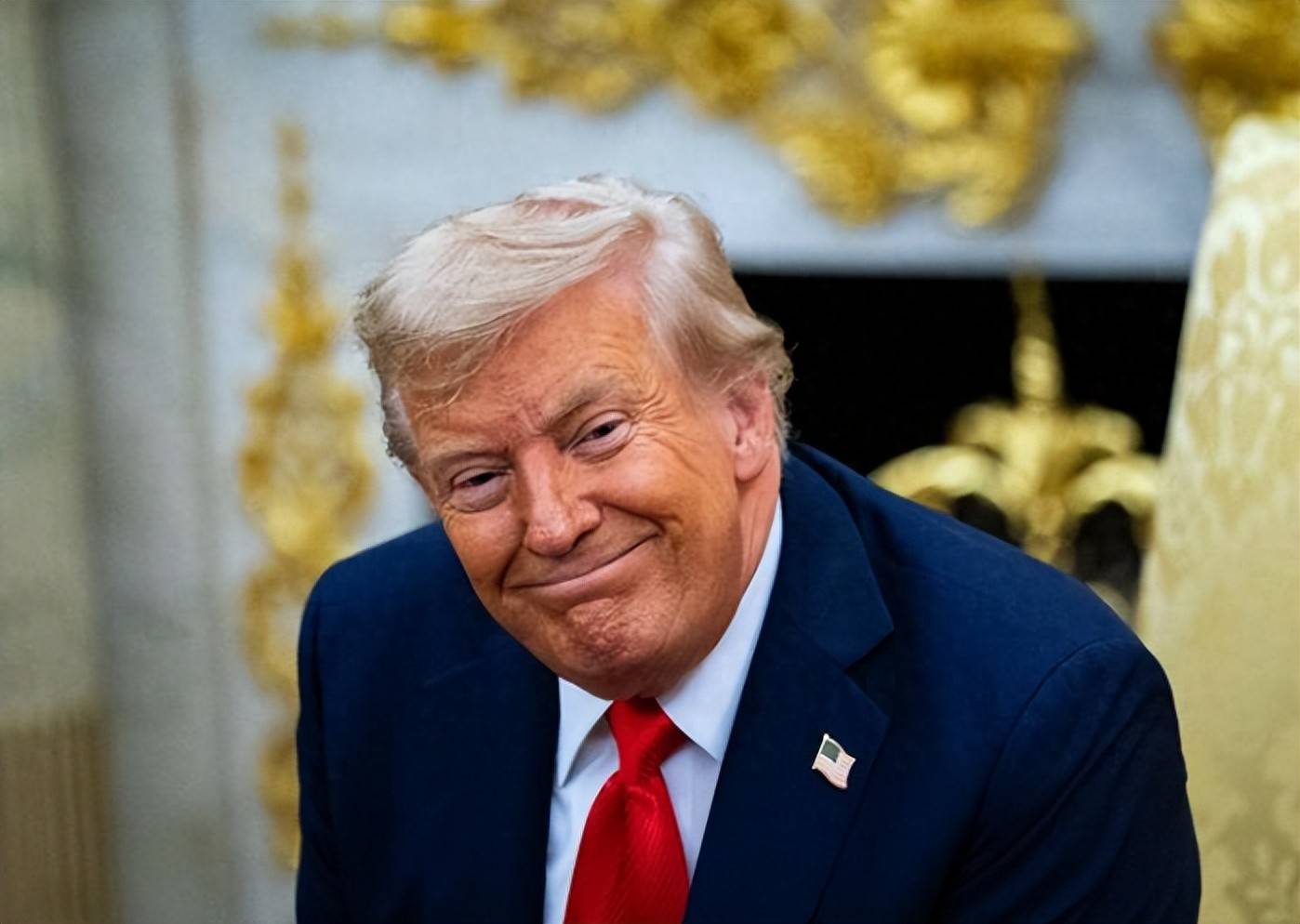
特朗普:美国手里有王牌没打,或对华加税200%,除非满足一个要求
Sou Hu Cai Jing· 2025-09-01 03:01
Group 1 - The core issue revolves around the U.S. reliance on China for rare earth magnets, with China controlling 90% of global rare earth processing capabilities, which is critical for U.S. defense technology [1][3] - President Trump’s threat of a 200% tariff on Chinese rare earth magnets highlights the vulnerability of the U.S. defense industry, as a complete cutoff from China could set back U.S. defense technology by several years [1][3] - The U.S. is facing a supply chain crisis, with production lines for fifth-generation fighter jets and missile factories at risk due to rare earth shortages [3] Group 2 - China has included rare earth magnets in its export control list as a countermeasure to U.S. tariffs, indicating a strategic move to leverage its position in the rare earth market [3] - The U.S. Department of Homeland Security announced a 50% tariff on Indian goods, reflecting a broader strategy to exert pressure on countries that engage in trade practices deemed unacceptable [3][5] - The U.S. is experiencing economic pressures, with national debt exceeding $36 trillion and a need to stabilize its economy, which may drive Trump to seek a trade agreement with China [5] Group 3 - Trump's potential visit to China is motivated by the need to address economic challenges and improve his approval ratings ahead of the 2026 midterm elections [5][7] - The U.S. is attempting to negotiate with China using various leverage points, such as Boeing orders and student visas, to secure stable rare earth supplies [7] - China's strategy involves accelerating technological independence and reducing reliance on the U.S. dollar, which could undermine U.S. negotiating power in the long run [7]
特朗普摊牌,再威胁要对华征200%关税,除非中方答应美国一个条件
Sou Hu Cai Jing· 2025-08-27 11:10
Group 1 - The core issue of the trade tensions between the US and China revolves around the strategic importance of rare earth materials, particularly magnets, which are crucial for various high-tech applications [1][5][19] - Trump's recent threat to impose a 200% tariff on Chinese magnets highlights the US's reliance on China for these critical resources, as the US lacks domestic processing capabilities for rare earths [5][12][19] - The US government is considering special tariffs on key products like rare earth permanent magnets, electric vehicle batteries, and solar panels, where China holds a dominant position [5][10] Group 2 - The US has been attempting to reduce its dependence on Chinese rare earths but has faced significant challenges, including failed domestic mining efforts and unsuccessful partnerships with other countries [10][12] - The trade war has led to increased costs for US consumers and businesses, with estimates suggesting that tariffs have raised import costs by over $320 billion [8][10] - Despite the tensions, American companies, particularly in the tech sector, continue to seek opportunities in the Chinese market, indicating the complexity of the economic relationship [17][19] Group 3 - The ongoing trade dispute has entered its sixth year, with both countries adjusting their strategies, and Trump's recent statements may serve as a political maneuver ahead of upcoming high-level talks [15][19] - China's trade diversification strategy is evident, as it has seen a decline in exports to the US while increasing exports to emerging markets [13][19] - The interdependence between the US and China in the rare earth sector underscores the need for both nations to navigate their economic relationship carefully to avoid mutual harm [19]
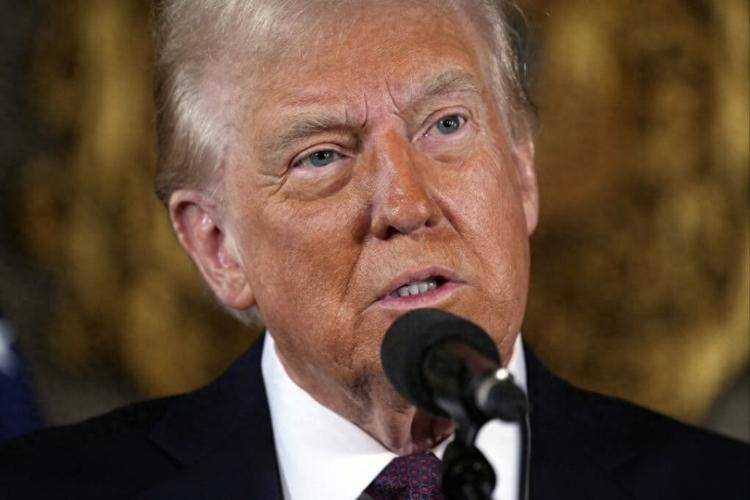
美国提出的3个要求,中国全部拒绝!美财长对华摊牌,特朗普总统还没答应访华
Sou Hu Cai Jing· 2025-08-18 07:02
Group 1 - The core issue between China and the US revolves around trade negotiations, with recent developments indicating a lack of genuine willingness to compromise from the US side [1][11] - The US Treasury Secretary's comments suggest a strong stance on trade negotiations, reflecting internal economic pressures in the US, including a record national debt exceeding $37 trillion [1][9] - The US's demands, particularly regarding fentanyl smuggling and rare earth exports, highlight a one-sided approach that fails to acknowledge China's existing regulatory measures and market dominance [3][4] Group 2 - China's response to US demands has been firm, with significant increases in the crackdown on illegal trade and a clear stance on protecting its resource sovereignty [4][8] - The trade dynamics for soybeans show a decrease in imports from the US, as China diversifies its sources, indicating a shift in purchasing strategies [4][6] - Energy cooperation between China and Russia is emphasized, with China increasing its oil imports from Russia, contrasting with US pressure to halt such purchases [5][8] Group 3 - The upcoming 90 days are seen as a critical period for both nations, with China showing resilience and strategic planning in its trade relationships, particularly with emerging markets [9][11] - The overall competition between China and the US is framed as a struggle for control over global supply chains, with China leveraging its market size and industrial capabilities [11] - The rejection of US demands by China signifies a broader resistance to the politicization of trade issues and unilateral sanctions, advocating for a more balanced approach to negotiations [11]

特朗普通牒已下,不许中俄做生意,美国表决结果出炉,26票对3票
Sou Hu Cai Jing· 2025-08-12 06:45
Group 1 - The core message of the articles revolves around the escalating tensions between the US and China, particularly in the context of trade and military cooperation with Russia and Iran. Trump's warning of imposing a 500% tariff on Chinese companies is seen as a strategic pressure tactic [1][6][11] - China's significant demand for oil, exceeding 10 million barrels per day, is crucial for its industrial sector. However, since March, China has not imported any oil from the US, instead deepening its energy cooperation with Russia, including the "Power of Siberia" gas pipeline [2][4] - The increase in China's rare earth exports to the US, from 35 tons in May to 353 tons in June, highlights China's control over critical materials for high-tech industries, raising concerns in the US military and technology sectors [4][9] Group 2 - The geopolitical landscape is shifting as China and Russia conduct joint military exercises, signaling their commitment to energy security amidst US pressures. China's response to US threats emphasizes its national interests [8][11] - The EU's reluctance to support secondary sanctions against Russia and the growing skepticism among European nations regarding the costs of supporting Ukraine indicate a division within the Western alliance [9][11] - The rapid growth of the China-Europe Railway Express, which has now surpassed 20,000 trips, reflects the strengthening trade ties between China and Europe, moving beyond low-value goods to high-value products like electric vehicles [4][11]
股市必读:8月5日科恒股份现1笔折价18.76%的大宗交易 合计成交235.62万元
Sou Hu Cai Jing· 2025-08-05 19:48
Core Viewpoint - The company, Keheng Co., Ltd. (科恒股份), is actively engaged in the development of solid-state battery cathode materials and intelligent equipment, emphasizing a strategy of "technological breakthroughs + ecological collaboration" to align with industry trends and policy directions [3]. Group 1: Stock Performance - As of August 5, 2025, Keheng Co., Ltd. closed at 17.06 yuan, down 1.56%, with a turnover rate of 5.94%, a trading volume of 162,500 shares, and a transaction value of 278 million yuan [1]. - On the same day, a significant block trade occurred at a discount of 18.76%, totaling 2.3562 million yuan [2]. Group 2: Capital Flow - On August 5, the capital flow for Keheng Co., Ltd. indicated a net outflow of 8.6414 million yuan from institutional investors, a net outflow of 7.8357 million yuan from retail investors, while individual investors saw a net inflow of 16.4772 million yuan [3]. Group 3: Company Developments - The company is focusing on the research and development of solid-state battery cathode materials and intelligent equipment, with updates to be provided through official announcements [3]. - Keheng Co., Ltd. has a subsidiary, Shenzhen Haoneng Technology Co., Ltd., which specializes in lithium-ion battery production equipment and has established partnerships with major clients in the industry [3]. - The company has a robust presence in the rare earth materials sector, particularly in rare earth luminescent materials and storage materials, contributing to environmental applications [3]. Group 4: Market Conditions - The price of lithium carbonate futures has rebounded from over 50,000 to nearly 80,000, raising questions about its impact on the company's operations and the progress of its hedging strategies in the futures market [4].

印度稀土储量全球第3,为啥还被中国“卡脖子”?这1致命短板太扎心!
Sou Hu Cai Jing· 2025-07-13 02:26
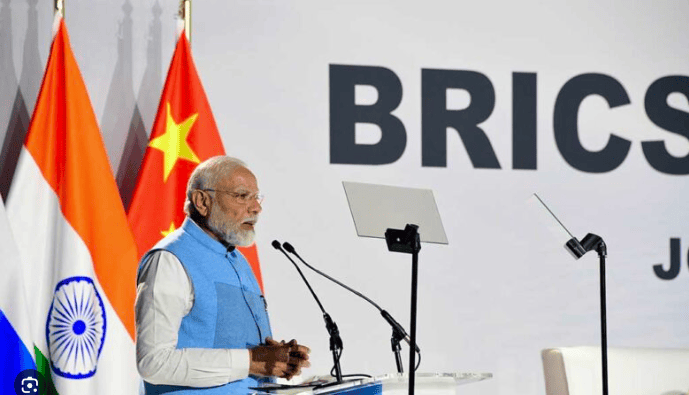
Group 1 - The article discusses India's dependency on China for critical resources, particularly in the context of Prime Minister Modi's statements at the BRICS summit, highlighting the contradiction between India's desire for self-sufficiency and its reliance on Chinese supply chains [1][10] - India ranks third globally in rare earth reserves, with over 9 million tons, but lacks the infrastructure to extract and process these resources, making it reliant on China for processing capabilities [6][8] - The demand for rare earth materials, especially in the electric vehicle sector, is increasing significantly, yet India continues to depend on China for refined materials, creating a diplomatic tension between the two nations [10][12] Group 2 - Modi's diplomatic approach is characterized by a desire for cooperation while maintaining a tough public stance, reflecting India's cultural emphasis on national pride and self-respect [12][15] - The article suggests that India is attempting to leverage multilateral platforms like BRICS to exert pressure on China rather than engaging in direct negotiations, which may not be an effective strategy [12][15] - The need for India to balance its aspirations of becoming a major power with the reality of its industrial dependencies on China is emphasized, indicating that true independence in industry cannot be achieved without cooperation from China [13][15]
阅峰 | 光大研究热门研报阅读榜 20250706-20250712
光大证券研究· 2025-07-12 13:27
Group 1 - The market trend has shifted from policy-driven to fundamental and liquidity-driven since September last year, with expectations for a new upward phase in the second half of the year, potentially surpassing the peak in the second half of 2024 [4] - The U.S. is accelerating the Section 232 investigation, with a high likelihood of imposing tariffs on copper, while the feasibility of drug tariffs remains low; results are expected to be announced in the second half of the year [10] - The net profit forecast for Qiu Tai Technology has been raised by 20%/31%/40% for 2025/2026/2027, driven by the strong growth in IoT module shipments and product specification upgrades [14] Group 2 - Northern Rare Earth expects a net profit of 900 million to 960 million yuan for the first half of 2025, representing a year-on-year increase of 1882.54% to 2014.71%, supported by rising prices and reduced processing costs [20] - Juhua Co. anticipates significant profit growth due to the ongoing high demand for refrigerants, with net profit forecasts for 2025-2027 adjusted upwards by 11%/10%/8% [24] - Miao Ke Lan Duo expects a net profit of 120 million to 145 million yuan for the first half of 2025, reflecting a year-on-year growth of 68.1% to 103.1%, driven by strong market positioning in cheese [31] Group 3 - Tesla's global delivery volume showed a recovery in Q2 2025, while domestic new energy vehicle brands are intensifying competition, indicating potential shifts in consumer behavior [36] - China Hongqiao expects a net profit increase of approximately 35% for the first half of 2025, reaching about 12.36 billion yuan, supported by stable aluminum prices and resource availability [42] - Honglu Steel Structure reported double-digit growth in order volume and production in Q2 2025, with ongoing improvements in smart manufacturing processes enhancing competitive advantages [46]