创新药

Search documents
“双抗”56亿美元“出海” 荣昌生物资金压力缓解
Bei Jing Shang Bao· 2026-01-13 15:42
Core Viewpoint - Rongchang Biologics has signed an exclusive licensing agreement with AbbVie for the dual-specific antibody drug RC148, valued at approximately $5.6 billion (about 39.06 billion RMB), marking a significant milestone in the company's business development efforts [1][3]. Group 1: Business Development Transactions - The agreement with AbbVie includes an upfront payment of $650 million (about 4.53 billion RMB) and potential milestone payments of up to $4.95 billion (about 34.53 billion RMB) based on development, regulatory, and commercialization achievements [3]. - This transaction is noted as the highest upfront payment recorded in the innovative drug sector for business development (BD) transactions at the start of the year [3]. - Since 2025, Rongchang Biologics has completed three BD transactions, including the recent agreement with AbbVie, indicating a strategic push for international expansion [5][6]. Group 2: Financial Performance - For the first three quarters of 2025, Rongchang Biologics reported revenue of approximately 1.72 billion RMB, a year-on-year increase of 42.27%, while the net loss narrowed to 551 million RMB [7]. - The company’s cash reserves reached 1.07 billion RMB by the end of Q3 2025, an increase from 743 million RMB and 763 million RMB at the end of 2023 and 2024, respectively [7]. - Despite the increase in cash reserves, the company still faces a high debt ratio of 61.18% as of Q3 2025, indicating ongoing financial pressure [7]. Group 3: Market Reaction - On January 13, following the announcement of the AbbVie deal, Rongchang Biologics' A-shares hit the daily limit, closing at a 20% increase, with a total trading volume of 2.369 billion RMB [2]. - The H-shares also experienced a significant rise, closing up 7.87% [2]. - The market's positive response reflects investor confidence in the potential of the RC148 drug and the strategic partnership with AbbVie [6][8].

ETF日报:多个区域的地缘政治风险上升,推升了黄金的风险溢价
Xin Lang Cai Jing· 2026-01-13 13:06
Market Overview - The three major indices collectively adjusted, with the Shenzhen Component Index falling over 1% and the ChiNext Index dropping nearly 2%. The trading volume in the Shanghai and Shenzhen markets reached 3.65 trillion yuan, an increase of 49.6 billion yuan from the previous trading day [1][9]. - A-share market has shown strong performance since the beginning of the year, with abundant liquidity and record-high trading volumes. Investor optimism for the first half of 2026 is supported by frequent catalysts in the technology sector, including IPOs in AI and semiconductors, and innovations in AI applications [10]. Sector Performance - The pharmaceutical sector led the gains today, with the Innovation Drug ETF (517110) rising by 2.69% and the Biopharmaceutical ETF (512290) increasing by 1.57%. This is attributed to several overseas innovative drug collaborations and catalysts [13][14]. - AI healthcare is experiencing global catalysts, with OpenAI integrating health dialogue features into ChatGPT, enhancing user access to health data [14]. Gold Market Insights - Spot gold prices in London surpassed $4,600 per ounce, with Citigroup raising its 0-3 month target price to $5,000 per ounce. State Street indicated a greater than 30% chance of gold hitting this target this year [11]. - Geopolitical risks have increased, driving up gold's risk premium. The U.S. administration is discussing potential interventions in Iran, which could escalate conflicts in the Middle East [12][11]. Electricity and Infrastructure - The electricity sector showed relative strength, driven by the upcoming National Grid meetings and ongoing power supply issues in North America. The approval of high-voltage direct current projects has accelerated since mid-2025, indicating strong demand for electricity infrastructure [15][6]. - The global energy transition is creating a need for enhanced electricity grid construction to support renewable energy integration, particularly in underdeveloped regions [15]. Investment Recommendations - Investors are advised to consider the China Securities A500 ETF (159338) for broad exposure to leading companies across various sectors, and to adopt a "dumbbell" strategy focusing on technology and dividends to balance growth and volatility [10]. - For gold investments, options include direct investment in physical gold and gold ETFs that cover the entire industry chain [12]. Future Outlook - The market is expected to continue its upward trend due to ample liquidity and high demand in the AI sector. However, a potential phase of correction may occur following rapid market gains [10]. - The pharmaceutical sector's global competitiveness is strengthening, with upcoming earnings announcements from innovative drug companies anticipated to act as catalysts [14].

青侨阳光25年度总结及展望
青侨阳光投资交流· 2026-01-13 11:56
Core Viewpoint - The article emphasizes the investment potential in the domestic high-value medical consumables and innovative pharmaceuticals sectors, highlighting significant growth opportunities and market undervaluation in these areas [1][6][34]. Group 1: Investment Logic of Core Assets - The primary investment direction for the fund is domestic high-value medical consumables, which have substantial growth potential and are currently undervalued in the market. The market capitalization disparity between domestic and international players is significant, with domestic high-value consumables having a maximum market cap of over 30 billion RMB compared to nearly 1 trillion RMB for their international counterparts [1][3]. - The penetration rate of high-value consumables in China is still low, indicating a potential for significant growth as domestic adoption increases and international markets are explored [3]. - The "innovation + internationalization" logic driving the revaluation of innovative drugs also applies to domestic high-value consumables, with rapid growth in overseas revenues for listed cardiovascular high-value consumables companies, indicating increasing international recognition [4]. Group 2: Domestic Innovative Pharmaceuticals - Domestic innovative pharmaceuticals represent the second major investment direction, driven by strong market momentum. The revenue for Hong Kong-listed innovative drugs is expected to grow from less than 10 billion RMB in 2020 to nearly 100 billion RMB by 2026 [6]. - The deep medical reform initiated in China since 2015 is expected to create a long-term growth cycle for innovative pharmaceuticals, similar to the one experienced in the U.S. after its reforms in the 1980s [6][8]. - The transition from the first half of the cycle (2015-2025) to the second half (2025-2035) will require identifying underpriced potential blockbuster products to sustain excess returns in innovative drug investments [7][8]. Group 3: U.S. Biotechnology - The third major investment direction is U.S. biotechnology, where many early-stage biotech companies have not yet been fully valued despite their significant growth potential. The focus is particularly on intracellular therapies, which have seen dramatic price fluctuations [10][11]. - The fund prioritizes liver-targeted siRNA and gene editing technologies, with the former showing clearer commercialization prospects and rapid valuation recovery [11]. Group 4: Undervalued/Barrier Assets - The fourth major investment direction is undervalued barrier assets, which are currently less popular compared to innovative pharmaceuticals. These assets are expected to experience a trend of recovery in the next three years, making them attractive for investment [13][14]. - The fund has adjusted its structure to focus on undervalued assets in the pharmaceutical distribution sector, which are expected to have clear value propositions due to anticipated performance acceleration [14]. Group 5: Investment Review and Reflection - In 2025, the fund underestimated the revenue growth pressures on non-innovative pharmaceutical assets and the scale of innovative drug licensing deals [16]. - The fund's performance was impacted by lower-than-expected revenue growth in domestic high-value consumables, highlighting the need for better research efficiency and timely coverage of promising stocks [20][21]. Group 6: Industry Trends and Outlook - The pharmaceutical industry's profitability is expected to restart rapid growth, with current market valuations not reflecting this potential, indicating possible investment opportunities [34]. - The overall pharmaceutical sector may shift from being dominated by innovative drugs to a more balanced growth model that includes a wider range of pharmaceutical assets [34][31].


谨慎补仓?
第一财经· 2026-01-13 11:42
Core Viewpoint - The A-share market is experiencing a collective pullback, with the ChiNext index leading the decline, indicating increased short-term adjustment pressure and a shift in market sentiment towards defensive sectors [5][7]. Market Performance - The Shanghai Composite Index is at 4138.76, with 1619 stocks rising and 3726 stocks falling, reflecting a poor profit-making effect in the market [9][5]. - The trading volume in both markets has exceeded 3 trillion yuan for three consecutive days, marking a historical high, supported by both incremental and existing capital adjustments [5]. Capital Flow - There is a net outflow of 805.56 billion yuan from institutional funds, while retail investors are showing a net inflow [6]. - Institutions are exhibiting a "risk-averse and divergent strategy," reallocating funds from high-growth sectors like commercial aerospace and AI applications to undervalued defensive stocks such as banks and pharmaceuticals [7]. Investor Sentiment - Retail investor sentiment shows that 75.85% are cautious, with 36.99% increasing their positions and 19.78% reducing them, indicating a shift towards more defensive strategies [8][11].

再度签订重磅BD!荣昌生物双抗药物56亿美元出海,能否实现资金“突围”
Bei Jing Shang Bao· 2026-01-13 11:42
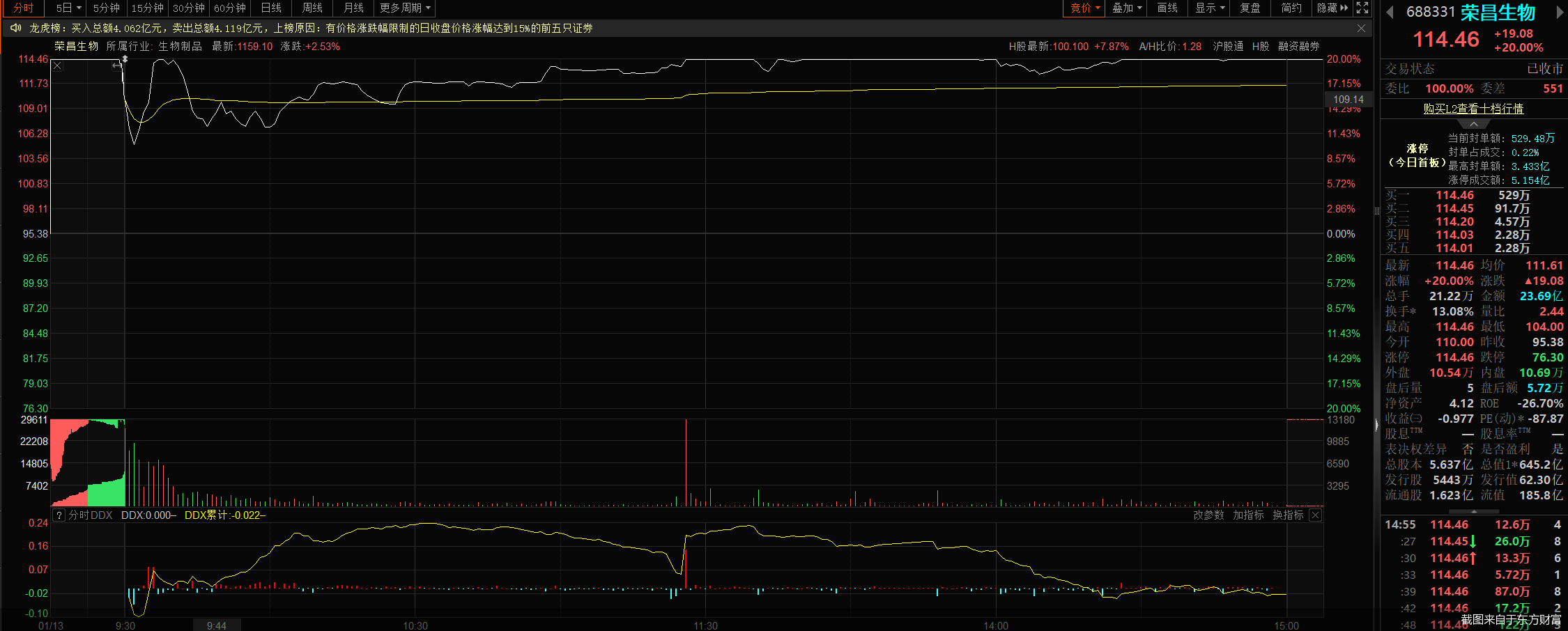
Core Viewpoint - Rongchang Biologics has signed a significant exclusive licensing agreement with AbbVie for the dual-specific antibody drug RC148, with an upfront payment of $650 million and potential milestone payments up to $4.95 billion, totaling approximately $5.6 billion. This deal has led to a substantial increase in the company's stock prices, with A-shares hitting the daily limit and H-shares also experiencing significant gains [1][3][4]. Financial Impact - On January 13, Rongchang Biologics' A-shares opened 15.33% higher and closed at the daily limit of 114.46 yuan per share, marking a 20% increase and a total market capitalization of 645.2 billion yuan. The trading volume reached 2.369 billion yuan with a turnover rate of 13.08% [3]. - The H-shares also saw a rise, closing at 100.1 HKD per share, up 7.87% [4]. - The $650 million upfront payment from AbbVie is expected to alleviate the company's short-term cash flow issues, which have been a concern due to a high debt ratio of 61.18% and cash reserves of 1.07 billion yuan as of Q3 2025 [10][13]. Business Development Transactions - Since 2025, Rongchang Biologics has completed three major business development (BD) transactions, including the recent agreement with AbbVie. Previous deals included licensing agreements with Vor Bio and Santen Pharmaceutical, which also involved significant upfront and milestone payments [8][9]. - The RC148 drug targets PD-1 and VEGF pathways, aiming to enhance anti-tumor immune responses while inhibiting tumor-driven angiogenesis. Clinical studies are ongoing in China for various advanced malignancies [6][9]. Market Position and Future Outlook - The dual-target PD-1/VEGF antibody has become a popular target among multinational pharmaceutical companies, indicating a competitive landscape for such innovative therapies [7]. - The company aims to balance external licensing ("authorized blood transfusion") with internal development ("self-blood production") to ensure sustainable growth and enhance long-term value [14][15].
翻倍基“出现又离开”!港股基金突围
券商中国· 2026-01-13 10:48
Core Viewpoint - The Hong Kong stock market has been underperforming compared to the A-share market since Q4 2025, with liquidity issues and a lack of strong rebounds in key sectors like innovative drugs and technology being significant factors [1][2]. Group 1: Market Performance - The Hong Kong stock market has seen a correction trend since Q4 2025, with previously leading sectors like innovative drugs and technology struggling to rebound [1]. - By the end of last year, the Hang Seng Innovation Drug Index experienced a pullback, resulting in a lack of performance from related thematic funds, with only one fund, Huatai-PineBridge Hong Kong Advantage Selection, rising over 112% [2]. - The Hang Seng Technology Index also faced a high-level pullback, dropping approximately 15% in a single quarter, leading to an overall annual increase of only about 20% [2]. Group 2: Liquidity Issues - Liquidity has been identified as a core factor suppressing Hong Kong stock valuations, with many fundamentally strong stocks experiencing significant price drops due to low trading volumes [1][4]. - In 2025, the total fundraising amount from IPOs in Hong Kong reached approximately HKD 280 billion, with predictions of over HKD 300 billion in 2026, posing a challenge to market liquidity [4]. - The net inflow of southbound funds significantly slowed in December, with only HKD 23 billion entering the market, which is substantially lower than previous months [4]. Group 3: Investment Strategies - Fund managers emphasize the importance of prioritizing "win rate over odds" in Hong Kong stock investments, advocating for value investing and diversification to mitigate liquidity risks [7][8]. - Investors are advised to focus on the fundamentals and quality of companies, as historical integrity issues can significantly impact valuations [8]. - The current trend of RMB appreciation may provide a buffer against liquidity concerns, potentially attracting more capital into the Hong Kong market [6]. Group 4: Sector Focus - Fund managers are increasingly optimistic about the value proposition of Hong Kong stocks, particularly in technology and high-end manufacturing sectors, which are seen as having significant growth potential [9][10]. - There is a growing interest in consumer sectors, particularly in high-quality cultural products and competitive tea beverage companies, which are expected to achieve stable long-term growth [10].

港股科技ETF(513020)涨超2%,估值优势引关注
Mei Ri Jing Ji Xin Wen· 2026-01-13 10:35
Group 1 - The core viewpoint indicates that Hong Kong stocks are expected to outperform A-shares in 2025, but may show relative weakness in the second half of the year due to a stronger US dollar, slowing southbound capital inflows, and marginal deterioration in fundamentals [1] - In 2026, three factors are anticipated to drive a rebound in Hong Kong stocks: a return to a weaker US dollar encouraging international capital allocation to Hong Kong, appreciation of the RMB attracting Chinese capital back to Hong Kong, and a recovery in inflation alongside potential debt restructuring policies supporting the Chinese economy [1] - The technology sector in Hong Kong is projected to lag in 2025 but is expected to have high upside potential in 2026, with the possibility of a "Davis Triple Play," making it one of the most elastic sectors [1] Group 2 - The Hong Kong Stock Connect Technology Index has significantly outperformed the Hang Seng Technology Index, with a cumulative return of 256.46% from the end of 2014 to October 2025, exceeding the Hang Seng Technology Index's return of 96.94% by nearly 160% [2] - The index has consistently outperformed other similar indices, including the Hang Seng Internet Index, the Hang Seng Internet Technology Index, and the Hang Seng Healthcare Index [2] - The Hong Kong technology ETF (513020) tracks the Hong Kong Stock Connect Technology Index (931573), which covers core assets in sectors such as internet, innovative pharmaceuticals, and new energy vehicles, reflecting the diversified characteristics of the technology industry in Hong Kong [1]
A股,今日回调!603598,7天6板,提示GEO业务风险
Xin Lang Cai Jing· 2026-01-13 10:24
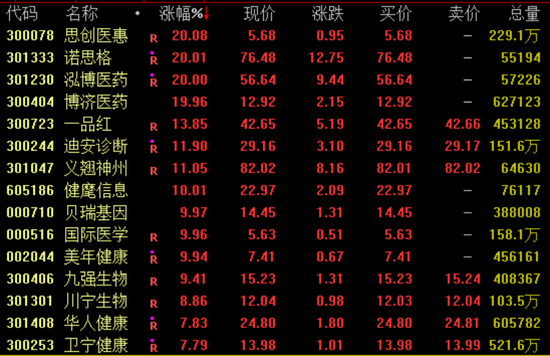
Market Overview - The A-share market experienced a pullback on January 13, with the Shanghai Composite Index dropping nearly 1% and the ChiNext Index falling over 2% [1][14] - The total trading volume across all A-shares reached approximately 3.7 trillion yuan, setting a new historical record and surpassing 3 trillion yuan for three consecutive trading days [1][14] - The Shanghai Composite Index closed down 0.64% at 4138.76 points, while the Shenzhen Component Index fell 1.37% and the ChiNext Index decreased by 1.96% [1][14] Sector Performance - The commercial aerospace sector saw a significant decline, with stocks like Aerospace Huanyu dropping over 18% and Shaoyang Hydraulic falling more than 13% [8][22] - The semiconductor sector also faced losses, with companies like Changguang Huaxin and Saiwei Microelectronics dropping over 10% [15] - Conversely, the insurance and banking sectors performed well, with Xinhua Insurance rising over 4% to reach a new historical high and China Life increasing by more than 3% [15] AI Medical Sector - The AI medical concept saw strong performance, with stocks such as Nossger and Hongbo Pharmaceutical hitting the daily limit, and Di'an Diagnostics rising nearly 12% [2][16] - OpenAI's recent launch of ChatGPT Health aims to integrate multi-source health data, marking a significant advancement in AI's penetration into the healthcare sector [18] - The domestic AI medical application is accelerating, with Ant Group's AI medical product achieving over 15 million monthly active users, indicating a deepening integration of internet healthcare and AI [18] Innovative Drug Sector - The innovative drug concept also gained traction, with stocks like Rongchang Bio and Puris reaching the daily limit of 20% [5][19] - The National Medical Products Administration (NMPA) plans to implement precise policies to support innovative drugs, including establishing a market exclusivity system for pediatric and rare disease medications by 2026 [19] - Several new drugs have been approved for market release in early 2026, indicating a recovery trend in the biopharmaceutical sector [19] GEO Concept - The GEO (Generative Engine Optimization) concept became active, with Tianlong Group hitting the daily limit and stocks like Zhidema and Yidian Tianxia rising over 10% [20][21] - The GEO business of Yingu Media is still in the planning stage and has not yet formed a mature business model, indicating uncertainty in market recognition and profitability [21] Commercial Aerospace Sector Risks - The commercial aerospace sector is facing significant volatility, with companies like Aerospace Huanyu and Shaoyang Hydraulic issuing warnings about high speculative risks due to their stock prices deviating significantly from market trends [10][24] - Companies in this sector have reported that their products are primarily used in industries like metallurgy and hydropower, rather than directly serving the commercial aerospace sector [24][25]

A股回调!603598,7天6板,提示GEO业务风险
Zheng Quan Shi Bao· 2026-01-13 10:20
Market Overview - The A-share market experienced a broad decline on January 13, with the Shanghai Composite Index dropping nearly 1% and the ChiNext Index falling over 2% [1] - The total trading volume across all A-shares reached approximately 3.7 trillion yuan, setting a new historical record and surpassing 3 trillion yuan for three consecutive trading days [1] - The Shanghai Composite Index closed down 0.64% at 4138.76 points, while the Shenzhen Component Index fell 1.37% and the ChiNext Index decreased by 1.96% [1] Sector Performance - The commercial aerospace sector saw significant declines, with stocks like Aerospace Huanyu dropping over 18% and Shaoyang Hydraulic falling more than 13% [8] - In contrast, the insurance and banking sectors performed well, with New China Life Insurance rising over 4% and China Life Insurance increasing by more than 3% [1] - The AI medical concept stocks were active, with companies like NuoSiGe and HongBo Pharmaceutical hitting the daily limit [2][4] AI Medical Sector - The AI medical sector is experiencing rapid development, with OpenAI launching ChatGPT Health to integrate multi-source health data and provide personalized health recommendations [2][4] - Major domestic players like Ant Group and ByteDance are increasingly investing in AI medical applications, indicating a trend towards deeper integration of AI in healthcare [4] - Analysts predict that by 2025, AI medical applications will see significant advancements across various areas, including medical device functionality and clinical decision support [4] Innovative Drug Sector - The innovative drug sector is gaining momentum, with companies like Rongchang Bio and Puris hitting the daily limit, and WuXi AppTec rising by 6% [4] - The National Medical Products Administration is set to implement policies to support innovative drugs, including data protection and market exclusivity for pediatric and rare disease medications [5] - The overall sentiment in the biopharmaceutical market is improving, with increased attention on AI drug development technologies and a resurgence in investment [5] GEO Concept - The GEO (Generative Engine Optimization) concept stocks are also active, with Tianlong Group and Yidian Tianxia seeing significant gains [6] - The market is recognizing the potential of GEO technology, which aims to enhance information presentation in generative AI engines [6] Commercial Aerospace Concerns - Companies in the commercial aerospace sector, such as Aerospace Huanyu and Shaoyang Hydraulic, have issued warnings about the volatility of their stock prices and the risks of speculative trading [9][10] - These companies have noted that their stock prices have significantly deviated from market trends and their fundamental business performance [10][11]
A股,今日回调!603598,7天6板,提示GEO业务风险
证券时报· 2026-01-13 10:10
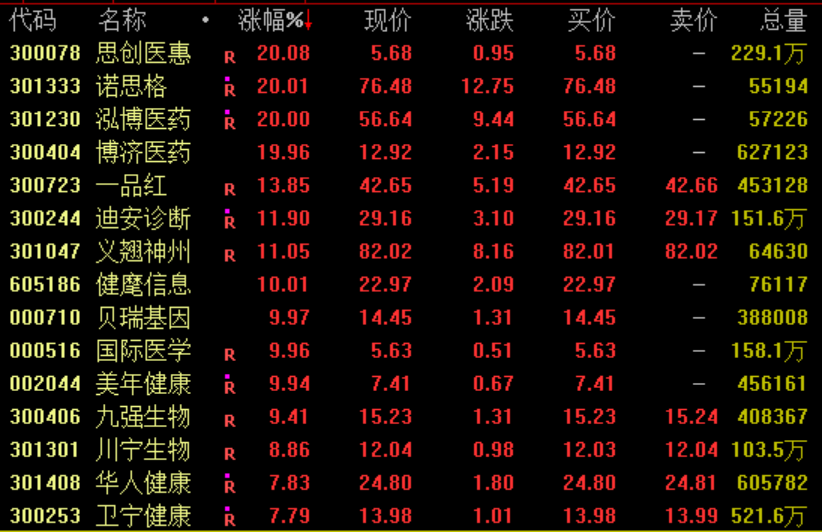
Market Overview - A-shares experienced a broad pullback on January 13, with the Shanghai Composite Index dropping nearly 1% and the ChiNext Index falling over 2%. The total trading volume across A-shares reached approximately 3.7 trillion yuan, setting a new historical record and surpassing 3 trillion yuan for three consecutive trading days [1] - The Shanghai Composite Index closed down 0.64% at 4138.76 points, while the Shenzhen Component Index fell 1.37% and the ChiNext Index declined 1.96% [1] Sector Performance - The commercial aerospace sector saw significant declines, with stocks like Aerospace Huanyu dropping over 18% and Shaoyang Hydraulic falling more than 13%. Other companies in this sector also faced substantial losses [11][13] - Conversely, the insurance and banking sectors performed well, with New China Life Insurance rising over 4% to reach a new historical high [1] AI Healthcare Sector - The AI healthcare concept showed strong performance, with stocks such as NuoSiGe and Hongbo Pharmaceutical hitting the daily limit. Di'an Diagnostics rose nearly 12% and achieved three consecutive limit-ups [3][5] - OpenAI's launch of ChatGPT Health, which integrates various health data sources, signifies a rapid penetration of general models into the healthcare sector. Domestic AI healthcare applications are also accelerating, with Ant Group's AI healthcare product surpassing 15 million monthly active users [5] Innovative Drug Sector - The innovative drug concept gained traction, with companies like Rongchang Bio and Puris hitting the daily limit. Other notable performers included Yue Wannianqing and Yipin Hong, which saw significant price increases [5][6] - The National Medical Products Administration (NMPA) plans to implement policies to support innovative drugs, including establishing exclusive periods for pediatric and rare disease medications [5] GEO Concept - The GEO (Generative Engine Optimization) concept became active, with Tianlong Group hitting the daily limit and other companies like ZhiDeYao and YiDianTianXia also seeing substantial gains [8] - However, companies like Yingli Media have cautioned that their GEO business is still in the planning stage and has not yet formed a mature business model, indicating potential risks for investors [8] Summary of Key Stocks - Notable stock performances included: - NuoSiGe: +20.01% to 76.48 yuan - Di'an Diagnostics: +11.90% to 29.16 yuan - Tianlong Group: +19.97% to 15.62 yuan - Aerospace Huanyu: -18.33% to 74.12 yuan [4][12]