高端制造

Search documents
大摩Robin闭门会:中美协议加更版
2025-05-15 02:01
Summary of Conference Call Industry or Company Involved - The conference call primarily discusses the macroeconomic implications of the recent U.S.-China trade negotiations and their impact on both economies. Core Points and Arguments 1. The recent U.S.-China trade negotiations resulted in a significant reduction in tariffs, exceeding market expectations, indicating a de-escalation of the trade war [1][2][3] 2. The tariffs imposed by the U.S. had reached over 100%, which acted as a supply shock for the U.S. and a demand shock for China, affecting consumer confidence and import costs [2][3] 3. The cancellation of tariffs was described as a major shift from a tit-for-tat approach to a more manageable negotiation process, suggesting a potential for ongoing economic discussions [5][6] 4. The U.S. average tariff on Chinese goods is currently around 40%, which aligns with previous forecasts for the end of the year [5][9] 5. The economic growth outlook for China has improved slightly, with GDP growth expected to stabilize around 4.5% for Q2 and potentially higher for Q3, benefiting both economies [9][10] 6. Structural adjustments in the global economic order are underway, with a potential rebalancing of investments away from U.S. assets towards Chinese and European assets [10][11] 7. The Chinese government is expected to focus on domestic consumption and social security reforms to stimulate economic growth, rather than relying solely on supply-side measures [12][13] 8. The potential for a gradual recovery in consumer spending is noted, but significant structural reforms are required for long-term stability [13][14] 9. The Chinese stock market is viewed as undervalued compared to global peers, presenting an opportunity for investors to increase their allocations [18][19] 10. Concerns remain regarding the potential for U.S. restrictions on Chinese companies, particularly in sensitive industries, which could impact market sentiment [20][21] 11. The call highlighted the importance of focusing on the fundamentals of companies and long-term growth potential amidst ongoing geopolitical tensions [22][23] 12. The real estate sector in China faces challenges, with limited immediate impact from recent government measures aimed at stabilizing the market [24][25] Other Important but Possibly Overlooked Content - The discussion emphasized the need for a stable macroeconomic environment to support investment and growth, with a focus on the evolving dynamics of U.S.-China relations [10][11] - The potential for technological advancements in China, particularly in AI and robotics, was highlighted as a key area of growth, attracting interest from global investors [23][24] - The call concluded with a note on the importance of monitoring the implementation of policies and their effects on the market, suggesting a cautious but optimistic outlook for future developments [25]
淡水泉投资:部分科技龙头企业具备较大投资机会
Zheng Quan Ri Bao· 2025-05-14 09:06
淡水泉投资表示,中国科技企业具有基本面持续成长潜力,以及抵御国际基本面风险的实力,具体来 看:一是企业与材料、高端制造紧密相关的产业,未来两三年有望广泛受益于AI应用、算力链、汽车 智能化等行业的发展,且深度参与到上下游的产品创新和价值创造。二是国产替代、自主可控方向产 业,例如国产算力和设备供应商,主要靠内需驱动,受宏观经济影响比较小,可能会受益。三是继续看 好电力设备领域,未来有望受益于行业需求回暖、企业产能利用率提高,甚至扩产等景气周期向上的机 会。"后续将持续关注企业中期盈利、市场风险偏好等因素,做好投资评估和预案。" (文章来源:证券日报) 本报讯 (记者王宁)近期,国际贸易形势引发全球股票市场动荡,受此影响,A股和港股整体保持宽幅 震荡态势。近日,淡水泉(北京)投资管理有限公司(以下简称"淡水泉投资")发布最新研报表示,近 期A股市场呈现出两个特征:一是内需与自主可控类资产获得资金青睐,公用事业、农林牧渔等防御性 品种表现好于大盘。二是多数上市公司股价得到修复,反映出市场已在理性区分"情绪影响"与"基本面 实质影响"的差异。 淡水泉投资认为,当前中国完备的工业体系与高效的供应链,不仅具备成本优势, ...
淡水泉4月月度观点:美国政府关税政策引发全球市场动荡
Xin Lang Zheng Quan· 2025-05-14 07:05
Group 1 - The U.S. government's tariff policy has caused global market turmoil, with A-shares and Hong Kong stocks showing signs of a rebound after initial declines, while the Shanghai Composite Index fell by 1.7% and the Hang Seng Index dropped by 4.33% [1] - The core factor affecting the market in April was the U.S. tariff policy, particularly aimed at China, with President Trump attempting to achieve multiple goals through comprehensive tariff increases, but facing significant uncertainty due to conflicting objectives [1] - The ongoing U.S.-China trade tensions have led to a stalemate, with both sides likely to seek negotiation opportunities in the near future, especially given the upcoming inflation pressures and debt maturities in the U.S. [1] Group 2 - China's robust industrial system and efficient supply chain provide cost advantages and a strong defense against decoupling risks, as highlighted in the recent political bureau meeting emphasizing long-term strategies and economic stability measures [2] - In response to tariff impacts, the market has shown a preference for domestic demand and self-sufficient assets, with defensive sectors like utilities and agriculture performing better than the broader market [2] - Companies with exposure to U.S. or global markets have experienced indiscriminate declines but have largely recovered, indicating a market differentiation between emotional impacts and fundamental realities [2] Group 3 - There are significant investment opportunities in the technology sector, particularly for quality leaders with reasonable valuations that are either irreplaceable in global supply chains or strong in self-sufficiency [3] - Companies closely related to materials and high-end manufacturing are expected to benefit from developments in AI applications and automotive intelligence over the next two to three years, provided that extreme confrontations in U.S.-China tariffs do not occur [3] - The domestic demand-driven companies, especially in the computing power and equipment supply sectors, are likely to be less affected by the economic environment and may even benefit from external tariff pressures [3]
五部门:支持政府引导基金聚焦南沙重点产业及重点制造产业的关键共性技术清单
news flash· 2025-05-12 09:06
Core Viewpoint - The central government, along with four departments, has issued guidelines to enhance financial support for the high-end manufacturing industry in Nansha, Guangzhou, promoting comprehensive cooperation within the Guangdong-Hong Kong-Macau Greater Bay Area [1] Group 1: Financial Support Initiatives - The guidelines support the development of high-end manufacturing industries [1] - Government-led funds will focus on key industries and common technology lists in Nansha, guiding social capital for precise investment [1] - Financial institutions and core enterprises in the manufacturing supply chain are encouraged to access the credit financing service platform for accounts receivable [1] Group 2: Financing Mechanisms - The initiative supports eligible manufacturing and technology innovation enterprises in issuing innovation bonds and notes [1] - There is an exploration of mixed financing models combining equity and debt for these enterprises [1] - The guidelines promote the listing and financing of qualified key manufacturing enterprises both domestically and internationally [1]
机构研究周报:聚焦三大不变趋势,债牛仍在途
Wind万得· 2025-05-11 22:39
Core Viewpoints - The article emphasizes the importance of macroeconomic policies and market trends, suggesting a focus on three major trends for investment strategies [3][5][9]. Monetary Policy and Economic Outlook - On May 7, three departments announced a series of financial policies aimed at stabilizing market expectations, including a 0.5% reduction in the reserve requirement ratio and a 0.1% cut in policy interest rates [3]. - The current macroeconomic environment faces risks from domestic policy changes and economic fluctuations, particularly in the context of unclear Sino-US trade relations [3]. Equity Market Insights - CITIC Securities recommends focusing on three enduring trends: the enhancement of China's independent technological capabilities, Europe's reconstruction of defense and energy sectors, and the acceleration of domestic demand through improved social security [5]. - According to Zhongtai Securities, A-share earnings showed a recovery in Q1 2025, with a 5.13% year-on-year increase in net profit for the non-financial oil and petrochemical sector [6]. - Galaxy Securities highlights multiple pressures on the US stock market, including aggressive tariff policies and potential stagflation due to conflicting economic indicators [7]. Fixed Income Market Analysis - In the wake of recent monetary easing, Invesco Great Wall Fund favors short- to medium-term credit bonds, anticipating a decline in yields due to increased liquidity [13]. - Bosera Fund predicts a new round of interest rate cuts in the money market, driven by the central bank's policies aimed at stabilizing market confidence [14]. - CICC forecasts that the yield on 10-year government bonds may drop to 1.3%-1.4% as a result of easing monetary conditions [15]. Asset Allocation Strategies - Founder Securities suggests that new regulations for public funds present a favorable opportunity for dividend assets, which have shown higher long-term success rates compared to mainstream indices [17].





再配置瞄准科技成长与内需消费各路资金演练“攻防易位”
Zhong Guo Zheng Quan Bao· 2025-05-11 21:10
Group 1 - A-shares market rebounded after the "May Day" holiday, with a significant increase in leveraged funds, ending a six-week decline in financing balance [1][2] - As of May 8, the financing balance in the A-share market reached 1.797145 trillion yuan, an increase of over 20 billion yuan compared to April 30 [1] - The recent financial policies aimed at stabilizing the market have rekindled institutional interest in Chinese assets, indicating a shift from risk aversion to asset reallocation opportunities [1][4] Group 2 - Since February, leveraged funds have shown renewed enthusiasm, with financing balance peaking at 1.940256 trillion yuan on March 20, the highest level in nearly a decade [2] - The recent financial policies, including interest rate cuts and reserve requirement ratio reductions, are expected to provide approximately 1 trillion yuan in long-term liquidity to the financial market [4][5] - The influx of new funds and self-purchases by fund companies has been significant, with 103 public fund institutions collectively purchasing over 8 billion yuan in net subscriptions this year [3] Group 3 - The offshore RMB and Hong Kong dollar have appreciated significantly, indicating strong foreign capital interest in Chinese assets [3][4] - The recent policies have enhanced market confidence, with expectations of further supportive measures to boost corporate performance and market sentiment [6][7] - Institutional focus has shifted towards sectors like TMT and high-end manufacturing, with significant net inflows observed in these areas despite recent market volatility [7][8] Group 4 - Public fund institutions have increased their research activities, with 162 institutions conducting 9,796 surveys on A-share companies in April, a 129.47% increase from March [8] - The electronics and biopharmaceutical sectors have emerged as key areas of interest, with significant attention from both public and private funds [8]
(经济观察)“金三银四”显新意 中国持续发力稳就业
Zhong Guo Xin Wen Wang· 2025-05-10 11:54
Group 1 - The peak recruitment period in China occurs in March and April, with significant changes observed this year due to advancements in artificial intelligence (AI) technology [1] - Major companies such as Huawei, ByteDance, and Alibaba are actively seeking AI talent, with job postings for positions like algorithm engineers and AI product managers [1] - The average monthly salary for AI engineers reached 21,319 RMB, with robot algorithm engineers earning the highest at 26,231 RMB [1] Group 2 - In the traditional manufacturing sector, there is a growing demand for high-end manufacturing talent, with job postings for mechanical and automation engineers increasing by 40% and 10% year-on-year, respectively [2] - The overall employment market is stabilizing, with the urban unemployment rate averaging 5.2% from January to April, a decrease of 0.2 percentage points from the previous year [2] - Various local governments have introduced initiatives to support job seekers, such as free accommodation for students during their job search [2] Group 3 - The Chinese government has announced a series of measures to stabilize employment and the economy, including financial support and incentives for companies to retain and hire employees [3] - A total of 667 billion RMB in central employment subsidy funds has been allocated, with plans for further incentives and enhanced vocational training [3] - The government is prepared to adapt its employment policies based on changing circumstances to support job creation and skill development [3]
江苏出台稳外资若干措施,多维度发力吸引优质外资
Sou Hu Cai Jing· 2025-05-10 04:33
Touch JiangsuNowto follow 近日,为贯彻落实《国务院办公厅关于转发商务部、国家发展改革委〈2025年稳外资行动方案〉的通知》,切实做好2025年稳外资工作,加大引资稳资力 度,江苏省正式出台一系列稳外资若干措施,从深化重点领域开放、提高投资促进水平、提升开放平台效能、加大服务保障力度等多个维度精准发力,为 吸引优质外资注入强劲动力。 图源:视觉中国 在深化重点领域开放方面,江苏积极吸引外资深度参与重点产业集群建设。依据"1650"产业体系制定招商图谱,全力招引高质量制造业项目,推动外资企 业融入新型工业化进程,助力产业强链补链延链。同时,提升服务业领域开放水平,加快推进南京服务业扩大开放综合试点,研究制定苏州试点方案,扩 大独资医院领域开放试点,鼓励外资布局养老、文旅等多元服务业态。生物医药领域,积极争取国家支持开展全产业链开放创新试点,扩大研发用物品进 口"白名单",推进多项创新政策落地,优化采购环境。此外,还出台政策鼓励外资开展股权投资,支持境外资本扩大境内投资规模。 图源:江苏商务 在投资促进工作上,江苏大力加强投资江苏品牌建设,通过举办"跨国公司江苏行"系列活动、企业家太湖论坛 ...

安永李康:科技企业并购重组市场有望继续保持活跃
Bei Jing Shang Bao· 2025-05-09 13:13
Group 1 - The core viewpoint is that the M&A market for technology companies is expected to remain active, driven by continuous policy support, market demand, and the need for companies to enhance competitiveness through mergers and acquisitions [1][2] - In 2024, the A-share market saw a significant increase in M&A activities, with 1,423 announcements made, representing a 2.2% year-on-year growth, and a total transaction value of 820.15 billion yuan, which is a substantial increase of 62.4% year-on-year [1] - As of May 7, 2025, over 70 listed companies have disclosed M&A activities, surpassing the 30+ companies from the previous year, indicating a continuation of this trend [1] Group 2 - M&A activities in the technology sector are primarily focused on key industries such as semiconductors, artificial intelligence, biomedicine, and high-end manufacturing, with a strategy of vertical extension and horizontal integration to acquire key technologies, market channels, and talent resources [2] - Challenges in M&A include increased regulatory requirements, as the active M&A market has led to stricter review standards, necessitating compliance from companies [2] - The outlook for technology companies going public is positive, supported by policies and market demand, although they face risks such as market volatility and the need for robust technology development and compliance [2]
基金经理说 | 泉果基金孙伟:关税扰动外需,提振内需重要性凸显
Sou Hu Cai Jing· 2025-05-09 06:40
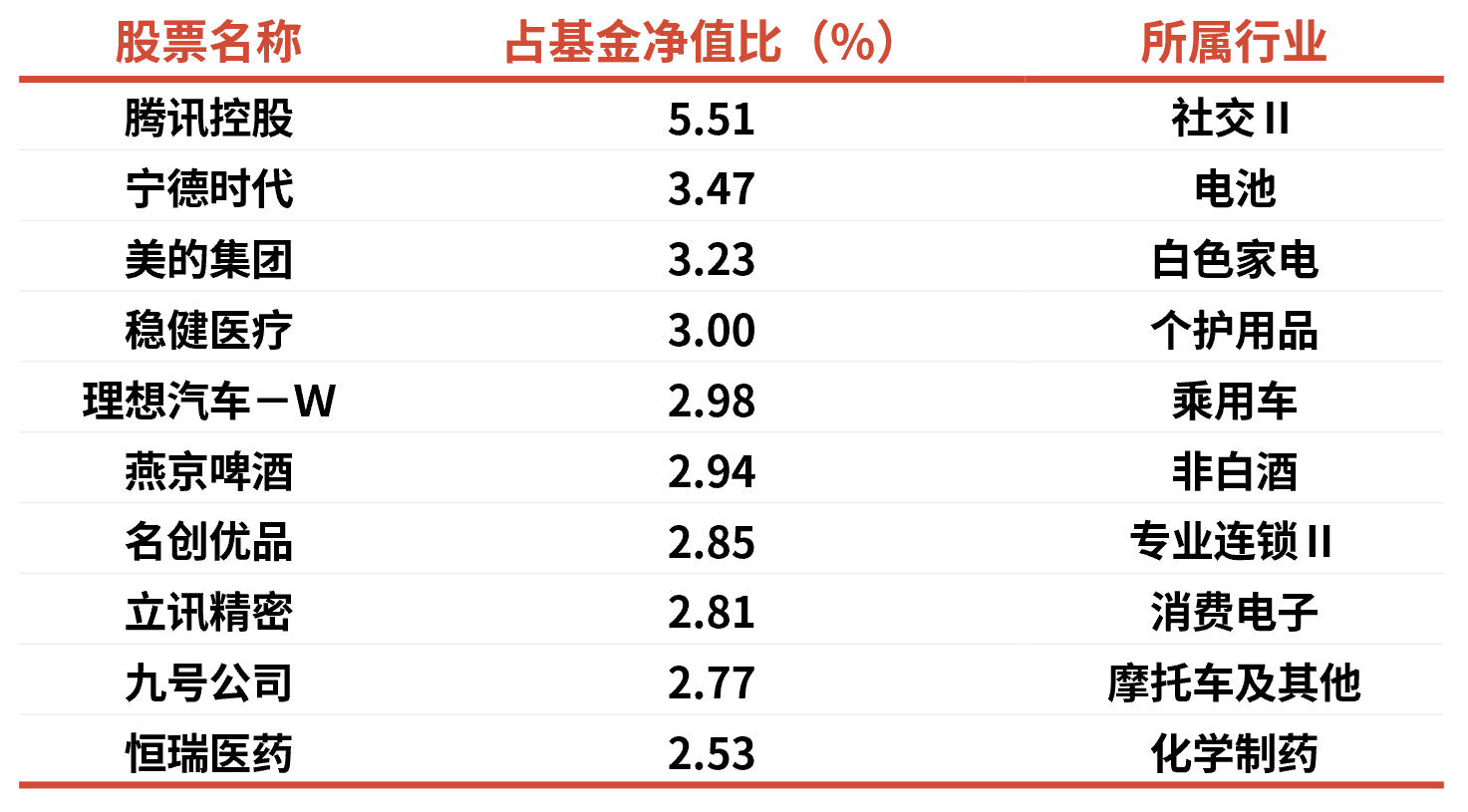
『产品运作』 内需板块占比提升 Q:泉果消费机遇整体运作情况如何? 孙伟: 北京大学经济学学士、金融学硕士,14年证券从业经验,8年投资管理经验。目前管理产品为泉果消费机遇混合型证券投资基金(以下简称"泉果消费机 遇",代码:022223)。 前言: 经历了2025年4月美国"对等关税"风波引发的市场剧烈震荡后,在出口等外需方面持续博弈承压的背景下,强化内循环、扩容内需消费市场的重要性愈发凸 显。在提振内需的政策预期下,消费板块是否有望迎来新行情?当下消费行业有哪些新变化? 让我们一起回顾2025年一季度泉果消费机遇的产品运作,听听基金经理孙伟如何看待关税冲击下,大消费板块的投资机遇。 泉果消费机遇成立于2024年9月27日,考虑到基金成立时间还不长,以及经济复苏进程和国际形势的复杂,本季度股票仓位并没有明显上升。截至2025年3月 31日,泉果消费机遇组合股票仓位占基金资产净值的72.86%,基本与上季度末持平,其中港股占基金资产净值比例为15.83%。 具体到行业层面,消费中内需板块的占比有所提升,比如整车、啤酒、医药等子行业,原有的互联网、高端制造业以及部分新质生产力的方向基本维持此前 的配置,同时还布 ...