
电子信息制造业

Search documents
【锋行链盟】2025年9月中国及31省市数字经济政策汇编及解读|附下载
Sou Hu Cai Jing· 2025-10-09 16:27
National Policy Core Directions - The core focus of the policies is on industrial upgrading and technological innovation, emphasizing the importance of data elements and digital transformation [1][6] - There is a strategic emphasis on emerging field layouts and the construction of safety and standards [1][6] Local Policy Features and Highlights - Local policies showcase regional differentiated development, highlighting collaborative innovation across industrial chains [2][8] - Infrastructure and ecosystem cultivation are prioritized in various regions, with specific initiatives tailored to local strengths [2][8] Policy Trends and Impacts - The policies indicate a trend towards "stabilizing growth + deep integration," with a strong emphasis on core technology autonomy and digital transformation across key industries [7][8] - The integration of AI with various sectors, such as energy and manufacturing, is expected to enhance industrial resilience and innovation [2][8] Corporate Action Recommendations - Companies are advised to seize policy dividends by accelerating digital transformation and enhancing innovation capabilities [1][6] - There is a call for businesses to explore data assetization and engage in compliance trading to unlock the value of data elements [2][8] - Firms should respond to local subsidy policies and participate in industry standard formulation to strengthen ecological cooperation [2][8]

新一轮十大行业稳增长方案发布,有哪些新亮点?
Di Yi Cai Jing· 2025-10-08 12:58
Core Viewpoint - The new round of growth stabilization plans for ten key industries aims to enhance quality supply capabilities and optimize the development environment, significantly impacting the stability of the industrial economy [1][2]. Group 1: Industry Overview - The ten key industries include steel, non-ferrous metals, petrochemicals, chemicals, building materials, machinery, automotive, power equipment, light industry, and electronic information manufacturing, collectively accounting for about 70% of the industrial output above a designated size [1]. - The new plans focus on both supply and demand sides, emphasizing coordinated efforts to stimulate industry growth and address structural challenges [1][3]. Group 2: Quantitative Goals - Specific growth targets have been set for various industries, such as a 5% annual increase in value-added for petrochemical and non-ferrous metal industries by 2025-2026 [2]. - The automotive industry aims for approximately 32.3 million vehicle sales in 2025, a year-on-year increase of about 3%, with new energy vehicle sales projected at around 15.5 million, reflecting a 20% growth [2]. Group 3: Policy Focus - The current stabilization policies shift from "quantity growth" to a focus on "quality and efficiency," prioritizing structural optimization and long-term high-quality development [3]. - The plans emphasize expanding demand and optimizing supply, with specific initiatives in the power equipment sector to enhance international market participation and domestic consumption [4]. Group 4: Industry Challenges and Solutions - The petrochemical industry faces intensified competition in basic organic raw materials and insufficient supply of high-end fine chemicals, prompting support for key product development and innovation centers [5]. - The machinery sector is tasked with enhancing innovation capabilities and supply chain resilience, focusing on the development of smart equipment and quality brand building [5]. Group 5: Competition Regulation - A notable aspect of the new plans is the emphasis on strengthening industry governance and regulating competitive order, particularly in the steel and non-ferrous metals sectors [6][7]. - The steel industry will implement precise capacity and output controls, while the non-ferrous metals sector will focus on avoiding redundant low-level construction and promoting self-regulation [6][7].
江苏 4个上榜!首批制造业数字化转型促进中心建设主体名单公布
Yang Zi Wan Bao Wang· 2025-09-30 11:34
Group 1 - The Ministry of Industry and Information Technology announced the first batch of 62 manufacturing digital transformation promotion centers, with four from Jiangsu province [1][2] - The listed entities from Jiangsu include the East China Branch of the Ministry of Industry and Information Technology's Electronic Fifth Research Institute, Jiangsu Jinheng Information Technology Co., Ltd., Wuxi Internet of Things Innovation Promotion Center, and China Electric Hongxin Information Technology Co., Ltd. [1][3] - The industries represented by these entities include electronic information manufacturing, machinery, automotive, and steel [1][3] Group 2 - The Ministry of Industry and Information Technology emphasized the need for local departments to provide guidance and support for the construction of these promotion centers [2] - A comprehensive information service platform will be established to facilitate demand release and feedback evaluation mechanisms [2] - Regular assessments of service capabilities and effectiveness of the promotion centers will be conducted to optimize the system dynamically [2]

跨境运营:2025年中国企业出海风险观察报告
Sou Hu Cai Jing· 2025-09-25 14:18
Group 1 - The report titled "Cross-Border Operations: 2025 Risk Observation Report for Chinese Enterprises Going Abroad" focuses on the global risk environment, overseas market risks, and domestic industry operations for Chinese enterprises venturing abroad [1][4][6] - From 2021 to the first half of 2025, Chinese mainland enterprises established 35,893 subsidiaries overseas, with 2,292 new establishments in the first half of 2025, primarily in Hong Kong (47.8%) and the United States (10.7%) [1][26][30] - The export value reached 13 trillion yuan in the first half of 2025, a year-on-year increase of 7.2%, with electrical and mechanical equipment accounting for 42.2% of the total exports [1][42][45] Group 2 - The report highlights significant bankruptcy risks for enterprises, with a notable increase in bankruptcies in the Asia-Pacific region, particularly in Australia and Singapore, which saw increases of 37% and 40% respectively in 2024 [1][53][54] - Payment risks vary significantly by region, with timely payment rates improving in most Asia-Pacific markets, while declining in several European and American countries [1][61][62] - In the domestic context, industries such as electronic information manufacturing and electrical machinery showed leading revenue growth, while sectors like metal products and textiles experienced sluggish growth [1][15][42] Group 3 - The report emphasizes the need for enterprises to enhance risk assessment of overseas partners using data and to manage domestic payment risks effectively to navigate the complex environment of going abroad [1][10][14] - The majority of new Chinese enterprises established abroad are concentrated in wholesale and retail (34.1%) and commercial services (21.6%) [1][36][40] - The report indicates that despite challenges such as trade wars and economic slowdowns, the number of Chinese enterprises going abroad remains significant, with a focus on understanding the risks associated with different markets [1][13][25]

东莞前8月外贸破万亿,新动能投资保持近50%增长
2 1 Shi Ji Jing Ji Bao Dao· 2025-09-25 06:52
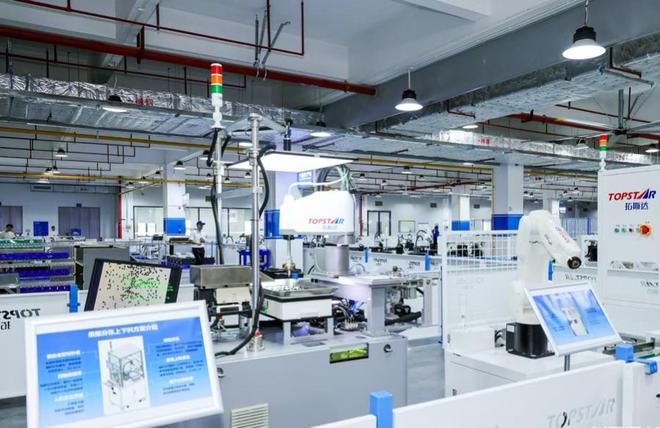
Economic Overview - Dongguan's economy showed stable growth in the first eight months of 2025, with industrial production and foreign trade maintaining a robust performance [1][3] - The total industrial added value for Dongguan increased by 4.8% year-on-year [1] Industrial Performance - The electronic information manufacturing sector saw a significant increase in added value, growing by 9.0% year-on-year [1] - The electrical machinery and equipment manufacturing sector also performed well, with a growth of 8.5% [1] - The chemical manufacturing industry experienced the highest growth rate at 11.6% [1] - Advanced manufacturing and high-tech manufacturing added value increased by 7.6% and 9.0% respectively [1] Foreign Trade - Dongguan's total foreign trade import and export value reached 10,256.1 billion yuan, marking a year-on-year increase of 14.6% [1][3] - Imports totaled 3,959.2 billion yuan, up 24.9% year-on-year, while exports reached 6,296.8 billion yuan, growing by 9.0% [3] - In August alone, foreign trade totalled a year-on-year growth of 8.5%, with imports increasing by 16.8% and exports by 4.3% [3] Investment Trends - Fixed asset investment in Dongguan decreased by 6.1% year-on-year, although the decline was less severe than in previous months [3] - Excluding real estate development, fixed asset investment grew by 14.6%, with advanced manufacturing investment surging by 45.8% and high-tech manufacturing investment by 54.3% [3] - Infrastructure investment rose by 7.2%, while real estate development investment saw a significant decline of 49.9% [3] Consumer Market - The total retail sales of consumer goods in Dongguan reached 2,838.35 billion yuan, reflecting a year-on-year growth of 2.5% [3] - The "old for new" policy positively impacted sales in categories such as communication equipment, furniture, and building materials, with respective growth rates of 71.7%, 71.4%, and 33.4% [3] - Online retail sales through public networks increased by 22.6% year-on-year [3]
外贸同比增长14.6%!东莞最新经济数据出炉
Nan Fang Du Shi Bao· 2025-09-25 03:44
Economic Overview - Dongguan's economy maintained overall stability in the first eight months of 2025, adhering to a work guideline focused on steady progress and high-quality development [2] Industrial Production - The industrial added value of enterprises above designated size increased by 4.8% year-on-year. Key industries showed rapid growth, with electronic information manufacturing up by 9.0%, electrical machinery and equipment manufacturing by 8.5%, and chemical manufacturing by 11.6% [3] - New momentum industries performed well, with advanced manufacturing and high-tech manufacturing added value growing by 7.6% and 9.0% respectively. High-tech product output saw significant increases, with integrated circuits up by 82.7%, servers by 62.7%, smartwatches by 42.4%, and electronic components by 11.3% [3] Foreign Trade - The total foreign trade import and export volume reached 1,025.61 billion yuan, a year-on-year increase of 14.6%. Imports were 395.92 billion yuan, up 24.9%, while exports were 629.68 billion yuan, up 9.0%. In August, the total foreign trade volume grew by 8.5% year-on-year, with imports increasing by 16.8% and exports by 4.3% [4] Consumer Market - The total retail sales of social consumer goods amounted to 283.835 billion yuan, reflecting a year-on-year growth of 2.5%. Dining revenue and commodity retail both increased by 2.5%. The effects of the old-for-new consumption policy were evident, with significant growth in retail sales of communication equipment, furniture, and building materials [5] - Online consumption grew rapidly, with retail sales through public networks increasing by 22.6% year-on-year [5] Fixed Asset Investment - Total fixed asset investment decreased by 6.1% year-on-year, but the decline narrowed by 2.7 percentage points compared to the first seven months. Excluding real estate development investment, fixed asset investment grew by 14.6%, an increase of 4.2 percentage points from the previous period [6] - Investment in new momentum industries saw substantial growth, with advanced manufacturing investment up by 45.8% and high-tech manufacturing investment up by 54.3%. Infrastructure investment increased by 7.2%, while real estate development investment fell by 49.9% [7] Fiscal and Financial Performance - General public budget revenue reached 55.318 billion yuan, a year-on-year increase of 2.3%, while expenditure remained stable at 60.868 billion yuan. By the end of August, the balance of financial institution deposits was 2,879.389 billion yuan, up 4.6% year-on-year [8] Consumer Price Index - The Consumer Price Index (CPI) decreased by 1.0% year-on-year, with prices of eight major categories showing a trend of "six declines and two increases." Notable declines were seen in transportation and communication prices by 3.1% and clothing prices by 2.6% [9]

活力中国调研行:重庆持续提升工业“含绿量”
Ren Min Ri Bao· 2025-09-21 02:18
Core Viewpoint - Chongqing is focusing on green and high-quality development by optimizing industrial structure, promoting green benchmarks, and enhancing resource recycling to build a modern industrial system with advanced manufacturing as the backbone [1][2][3][4][5][6] Group 1: Industrial Structure Optimization - Chongqing aims to increase the proportion of low-energy consumption and high-output industries while expanding new growth areas, with a focus on hydrogen energy and high-end equipment manufacturing [1][2] - In the first eight months of this year, Chongqing produced 690,000 electric vehicles, a year-on-year increase of 31.4%, and the integrated circuit output reached 7.6 billion pieces, up 65.6% [2] Group 2: Green Benchmark Leadership - Companies like Huafeng Chemical have made significant advancements in energy conservation and circular economy, achieving over 96% carbon utilization rate in their production processes [4] - Chongqing has established 170 national-level green factories and 16 national-level green industrial parks, with the output of green factories accounting for 29.5% of the city's total industrial output [4] Group 3: Resource Recycling and Ecological Circle - Chongqing has developed a resource recycling ecosystem, achieving a recycling capacity of 4.5 million tons of scrap steel and maintaining a comprehensive utilization rate of industrial solid waste above 70% [6] - The city has implemented projects for wastewater recycling and solar energy utilization, with a water reuse rate exceeding 97% for three consecutive years [5][6]
8月经济总体平稳,四季度稳增长政策需提前谋划
2 1 Shi Ji Jing Ji Bao Dao· 2025-09-16 13:30
Group 1 - The core task remains to boost effective demand, highlighting the increasing necessity for stable growth policies in the fourth quarter [1][8] - The economic growth rate for China in the first half of the year was 5.3%, achieved amidst challenges such as global trade uncertainties and the transition of economic drivers [1][2] - The August data from the National Bureau of Statistics indicates a narrowing decline in various economic indicators compared to July, suggesting a potential for policy intervention [2][3] Group 2 - The social financing scale increased by 25,693 billion yuan in August, but this represents a year-on-year decrease of 4,630 billion yuan, indicating weak credit demand [3][4] - Government bond financing has decreased, and the effectiveness of proactive fiscal policies needs to be supported in key quarters and months [5][6] - Fixed asset investment growth was only 0.5% year-on-year from January to August, with infrastructure investment growing by 2% and real estate investment declining by 12.9% [6][7] Group 3 - The investment sentiment among enterprises remains subdued, correlating with the slow growth in fixed asset investment observed this year [4][6] - The retail sales of consumer goods in August reached 39,668 billion yuan, growing by 3.4% year-on-year, with certain sectors like sports and home appliances performing well [7][8] - The necessity for structural monetary policies is increasing, with potential measures including the restart of government bond purchases to inject medium to long-term liquidity [8]
8月经济总体平稳,四季度稳增长政策需提前谋划 | 宏观月报
2 1 Shi Ji Jing Ji Bao Dao· 2025-09-16 13:28
Economic Overview - China's economy achieved a growth rate of 5.3% in the first half of the year, despite challenges from global trade uncertainties and the transition of economic drivers [1] - The necessity for stable growth policies in the fourth quarter is increasing, as indicated by the recent economic data [2] Financing and Credit - The growth rate of social financing decreased in August, with a total increment of 25,693 billion yuan, which is a year-on-year decrease of 4,630 billion yuan [3] - The demand for credit remains weak, with new loans amounting to 6,233 billion yuan in August, down by 4,178 billion yuan year-on-year [3][4] - Government bond financing has also seen a decline, indicating that the effectiveness of active fiscal policies needs to be supported in key quarters [5] Investment Trends - Fixed asset investment growth was only 0.5% year-on-year from January to August, with infrastructure investment growing by 2% and manufacturing investment by 5.1%, while real estate investment fell by 12.9% [6][7] - The government is focusing on stabilizing investment in key industries, particularly manufacturing, to support economic recovery [7] Consumption Patterns - In August, the total retail sales of consumer goods reached 39,668 billion yuan, with a year-on-year growth of 3.4%, although certain sectors like dining faced challenges [7][8] - The recovery in consumption is expected to take time, and effective demand needs to be stimulated [8] Policy Recommendations - There is a growing need for the introduction of stable growth policies in the fourth quarter, with potential measures including the issuance of special government bonds and the use of policy financial tools [2][8] - Structural policy tools may be accelerated to support key industries and foreign trade, while fiscal policies may need to be intensified [8]
不止稳增长:新一轮十大行业政策发布,背后是国家战略的深刻转变
21世纪经济报道· 2025-09-16 11:40
Core Viewpoint - The new round of ten key industries' steady growth plans aims to stabilize the industrial economy amidst external uncertainties and internal structural adjustments, focusing on maintaining reasonable growth rates to support the overall economy [1][2]. Group 1: Key Industries and Their Importance - The ten key industries targeted include steel, non-ferrous metals, petrochemicals, chemicals, building materials, machinery, automobiles, power equipment, light industry, and electronic information manufacturing, which collectively account for about 70% of the industrial economy [4][6]. - These industries are characterized by long industrial chains, high interconnectivity, and strong driving effects, making them crucial for the overall stability of the industrial economy [6]. Group 2: Policy Differences and Focus - The current steady growth policies differ fundamentally from those in 2023, shifting from "quantitative growth" to "quality and efficiency" [2][10]. - The new policies emphasize structural optimization and long-term high-quality development, focusing on both supply and demand sides [2][11]. - On the supply side, the emphasis is on technological innovation to optimize supply, while on the demand side, the focus is on creating new demand and exploring new markets [11][12]. Group 3: Specific Industry Goals - The automotive sector aims for annual sales of approximately 32.3 million vehicles by 2025, with a 3% year-on-year growth, and a target of 15.5 million new energy vehicles, representing a 20% increase [6]. - The power equipment sector targets an average revenue growth of around 6% for traditional power equipment and aims to enhance the export volume of new energy equipment [7]. - The electronic information manufacturing sector aims for an average growth rate of 7% in value-added output, with a revenue growth target of over 5% for the sector as a whole [7][8].
