
电动汽车

Search documents
“十四五”期间江苏全面深化改革开放,电动汽车等“新三样”出口规模均为全国首位
Yang Zi Wan Bao Wang· 2025-12-23 14:57
Group 1: Economic Development and Business Environment - Jiangsu Province has strengthened its domestic circulation development foundation during the "14th Five-Year Plan" period, enhancing economic growth support significantly [2] - The province has been recognized as having the best business environment for five consecutive years, with over 14.6 million business entities, including more than 10 million registered individual businesses [2] - The total assets of provincial state-owned enterprises have increased by nearly 600 billion yuan compared to the end of the "13th Five-Year Plan" [2] Group 2: Foreign Investment and Trade - Jiangsu Province has utilized over 119 billion USD in foreign investment over the past five years, maintaining the top position in the country [3] - The province's total import and export volume reached 26.9 trillion yuan, accounting for more than 1/8 of the national total, with electric passenger vehicles, lithium batteries, and solar cells leading in exports [3] - The province has seen a 10% annual growth in imports and exports with countries involved in the Belt and Road Initiative, increasing their share from 42.9% in 2023 to 50% [3] Group 3: Data and Capital Market Development - Jiangsu Province has established a unified data trading system, with 1,977 data merchants and service institutions and a cumulative trading volume of 213 million yuan [4] - The province has actively participated in multi-level capital market reforms, with over 450 companies in the listing reserve database and 26 new domestic listed companies this year, ranking first in the country [4] - The total number of domestic listed companies in Jiangsu has reached 720, with the highest number of companies listed on the Sci-Tech Innovation Board and the Beijing Stock Exchange [4]
十年前马斯克拍板设计,消息称特斯拉电动车门过去十年导致美国 15 人葬身火海
Xin Lang Cai Jing· 2025-12-23 12:20
IT之家 12 月 23 日消息,据彭博社报道,由于担忧部分电动车门设计存在故障隐患,可能导致车主无法开门或乘员被困车内,三大洲的监管机构正对此类车 门的安全性展开审查,特斯拉公司也因此开始直面其近十年前一项决策所引发的后果。 2016 年初,特斯拉的设计与工程团队正全力冲刺,敲定 Model 3 车型的最终方案。这款面向大众市场的轿车,本有望助力特斯拉从一家小众高端电动汽车 制造商,蜕变为全球市值最高的车企。但在研发过程中,车门的开启方式却始终是悬而未决的难题。 据多位参与相关讨论的知情人士透露,当时团队在加州帕洛阿尔托市以及洛杉矶郊区霍桑市召开了一系列会议,部分会议甚至有首席执行官埃隆・马斯克出 席。会上,一些工程师主张采用机械式车门把手,他们担忧电动控制系统存在潜在安全风险。彼时,特斯拉刚推出的 Model X SUV 就因车门传感器故障问 题,收到了大量消费者投诉 【下载黑猫投诉客户端】。 这些知情人士表示,马斯克的指示十分明确:新车上几乎所有部件 —— 包括车门在内,都应通过按键或触控屏幕操作来实现电动控制。这位首席执行官十 分推崇苹果公司打造的简洁、软件驱动的触屏交互界面,认为其比按键繁多的黑莓智 ...



中央经济工作会议:坚持内需主导指引资本布局
Xin Lang Cai Jing· 2025-12-23 12:14
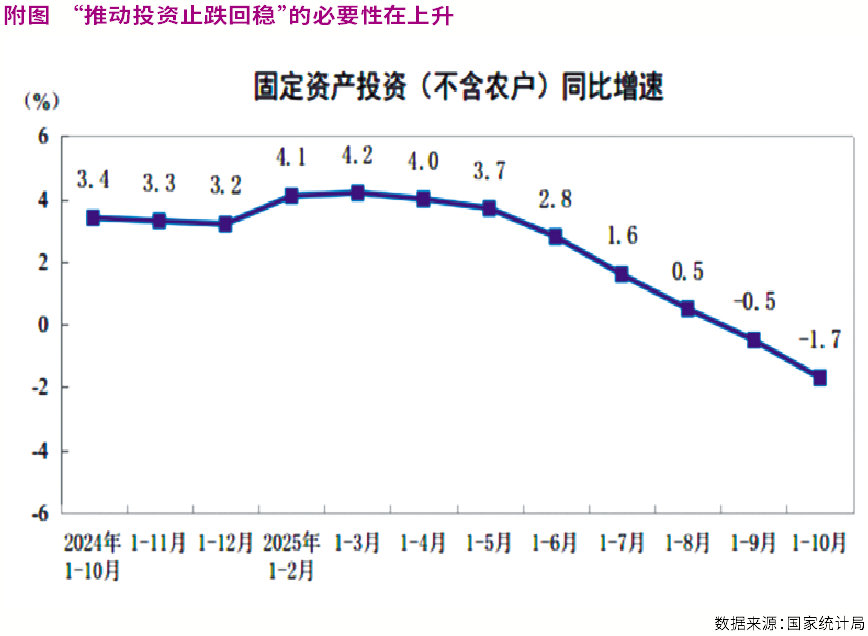
Core Viewpoint - The Central Economic Work Conference has outlined a comprehensive plan for economic work in 2026, emphasizing the implementation of more proactive macro policies and detailing eight key areas of focus, including building a strong domestic market and fostering new growth drivers [2][22]. Group 1: Methodology and Policy Direction - The conference introduced the "Five Musts" methodology, which includes fully tapping economic potential, integrating policy support with reform innovation, balancing market freedom with effective governance, combining investments in physical and human capital, and honing internal capabilities to face external challenges [3][24][26]. - The policy tone for 2026 is set to be "more proactive and effective," with a focus on maintaining continuity in fiscal and monetary policies, which is crucial for stabilizing market expectations and enhancing confidence [7][27]. Group 2: Key Focus Areas - The conference highlighted the importance of expanding domestic demand as a primary economic task, addressing the challenges posed by external uncertainties and the imbalance between supply and demand [9][29]. - Specific measures to boost consumption include implementing special actions to stimulate consumption, developing urban and rural income increase plans, and enhancing the supply of quality goods and services [10][30][31]. Group 3: Investment Strategies - The conference aims to stabilize investment by increasing central budget investments, optimizing local government bond management, and leveraging new policy financial tools to invigorate private investment [12][33][34]. - Emphasis is placed on high-quality urban renewal as a dual approach to stabilize investment and improve living conditions [15][34]. Group 4: Innovation and New Growth Drivers - The conference stresses the need for innovation-driven growth, focusing on establishing international technology innovation centers in key regions and enhancing the role of enterprises in innovation [16][35]. - It also calls for the development of key manufacturing industry chains and the expansion of "Artificial Intelligence +" initiatives, indicating a shift towards a more supportive environment for technological advancements [17][36]. Group 5: Market Outlook and Capital Allocation - The market is expected to experience a structural shift, with a focus on technology, consumer sectors, and financial services as key areas for investment [18][39]. - Analysts suggest that the upcoming year may see a resurgence in growth-oriented stocks, particularly in sectors like AI applications, semiconductors, and renewable energy [19][38].
毕马威:超九成跨国企业继续投资中国,电动汽车等领域是并购重点
Guan Cha Zhe Wang· 2025-12-23 09:33
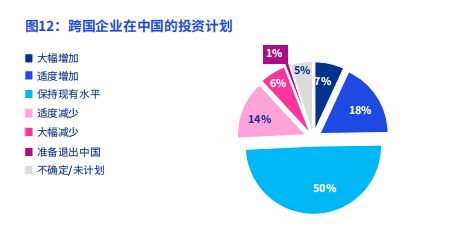
Core Insights - The report by KPMG indicates that multinational companies are optimistic about revenue growth in China over the next three to five years, with 94% continuing to invest in the market and 75% planning to maintain or increase their investments by 2025 [1][3] Investment Plans - There has been a significant increase in mergers and acquisitions (M&A) by multinational companies in China, driven by two key strategies: acquiring companies in advanced sectors like electric vehicles and healthcare, and vertical integration through acquiring distributors and manufacturers to better serve Chinese consumers [3] - 64% of multinational companies plan to increase investments to maintain competitiveness in China, while 36% aim to enhance production capacity and another 36% focus on improving local R&D capabilities [3] Shift in Focus - 61% of multinational companies have shifted their focus from growth to profitability over the past three years, although 36% have not made this transition [4] - Among those prioritizing profitability, 49% are focusing on improving operational efficiency, 34% on pricing strategies to enhance profit margins, and 30% on reallocating resources to high-margin products or services [6] Localization Efforts - 83% of multinational companies have partially localized their operations in China, with 54% prioritizing localization in manufacturing, 50% in supply chain/logistics, and 40% in R&D [6][8] Digital Transformation - Over 90% of surveyed companies plan or have already begun digital investments, with 52% focusing on enhancing data analytics capabilities, 46% on upgrading IT infrastructure, and 36% on investing in emerging technologies [8] - 58% of multinational companies are utilizing artificial intelligence tools in their operations [8] Strategic Reassessment - Multinational companies are reassessing their strategies in China, shifting from mere expansion to focusing on profitable business models through localization and digital investments to enhance operational efficiency and pricing strategies [9]
财政部原副部长朱光耀:中国在人工智能方面有明显优势
2 1 Shi Ji Jing Ji Bao Dao· 2025-12-23 04:09
Economic Position and Growth - China's GDP is projected to be $18.27 trillion in 2024, maintaining its position as the second-largest economy globally, following the U.S. with a GDP of $110 trillion [3] - Germany ranks third with a GDP of $4.73 trillion, while India, as a BRICS nation, has a GDP of $3.98 trillion, making it the fifth-largest economy [3] High-Income Status and Future Goals - The World Bank adjusted the high-income threshold for GNI per capita to $14,005, with China's projected GNI per capita for 2024 at $13,660, indicating a shortfall of $275 to achieve high-income status [4] - China aims to transition into a high-income country by 2025 or 2026, focusing on the "14th Five-Year Plan" and "15th Five-Year Plan" to build a modern socialist nation [4] Development in AI and Renewable Energy - China's advancements in artificial intelligence and new energy sectors are seen as foundational for future economic growth, with a significant increase in power generation expected [5] - In 2024, China's total power generation is expected to exceed 10 trillion kilowatt-hours, more than double that of the U.S. [5] - China leads globally in renewable energy, with over 1 billion kilowatts of installed solar capacity, accounting for more than 50% of the world's total [5] Competitive Landscape in AI - Both China and the U.S. are leaders in AI, but China faces challenges in advanced chip production compared to the U.S. [6] - U.S. restrictions on chip exports to China may ultimately harm U.S. market share, as noted by industry leaders [6] - China's strengths in electricity production and vast application scenarios provide a solid foundation for AI development [7] Strategic Opportunities and Challenges - China is encouraged to leverage its advantages in AI while addressing its weaknesses through innovation and government support [7] - The competitive landscape is expected to remain intense during the "14th Five-Year Plan" period, necessitating a cautious approach [8] - The goal is to ensure a strong start for the "15th Five-Year Plan" in 2026, laying the groundwork for achieving socialist modernization by 2035 [8]
AI交易回暖,特斯拉股价创新高,纳斯达克中国金龙指数3连阳,贵金属大爆发
Mei Ri Jing Ji Xin Wen· 2025-12-23 01:29
Group 1 - The U.S. stock market saw all three major indices rise, with the Nasdaq increasing by 0.52% to 23,428.83 points, indicating a recovery in AI trading [1] - Major U.S. tech companies mostly experienced gains, with Tesla reaching a historic high of $498.82 per share, nearing the $500 mark, while Nvidia rose by 1.49% and Google by 0.85%. However, Apple and Microsoft saw declines of -1.04% and -0.25% respectively [1] - Chinese concept stocks also showed positive performance, with the Nasdaq Golden Dragon China Index achieving three consecutive days of gains, and notable increases in stocks such as Canadian Solar by nearly 11%, Alibaba, JD Group, and Baidu Group each rising by nearly 1% [1] Group 2 - The Hang Seng Internet ETF (513330.SH) tracks the Hang Seng Internet Technology Index, covering stocks like Alibaba, JD Group, and Baidu Group that are listed in Hong Kong [2] - The Huaxia Gold ETF (518850.SH) tracks the Shanghai Gold Exchange's spot gold contract price index, showing strong correlation with international gold prices [2] Group 3 - Precious metals experienced a significant surge, with spot gold prices reaching a record high of $4,470 per ounce, and spot silver prices surpassing $69 per ounce for the first time [1]
中国市场简报 | 全球CEO关于中国市场的4个问题
麦肯锡· 2025-12-23 00:52
Core Insights - China remains the largest single growth engine globally, driven by a growing middle class and strong consumer demand, prompting global CEOs to consider strategic areas for investment and competition in the new development phase of China [1][2]. Economic Performance - China's economy contributes approximately one-third of global GDP growth, with an expected growth rate of around 5% this year, which, while lower than historical expectations, is still notable given the economic scale and global context [2]. - The trade surplus in China has increased by 22%, becoming a key driver for GDP growth by 2025 [2]. Consumer Confidence and Spending - Despite a decline in consumer confidence, which remains at historical lows, there are signs of gradual improvement in consumer willingness to spend, although youth unemployment remains a significant concern [8]. - Retail sales are projected to grow by about 4% for the year, driven by strong demand and new consumption models, particularly in home appliances and electric vehicles [12]. Key Questions from Global CEOs - **Question 1:** Why are some businesses declining despite overall retail growth of 4%-5%? The consumer landscape in China is highly fragmented, with significant disparities across segments, product categories, channels, and city tiers [17][18]. - **Question 2:** What does the declining and aging population mean for the consumer sector? Although the birth rate is low, the next decade may still see favorable demographic trends, with urbanization continuing to drive growth in middle and high-income households [21]. - **Question 3:** What does the sharp decline in foreign direct investment (FDI) signify? FDI has dropped significantly, reflecting multinational companies' cautious attitudes, but its impact on overall investment levels in China is limited [25]. - **Question 4:** How is the public capital market recovering, and what is the future of private equity? The public capital market is rebounding, particularly in Hong Kong, while private equity activity remains below historical peaks, indicating a cautious outlook for mid-term growth [30]. Conclusion - Although China's economic growth has decreased from historical highs, the underlying fundamentals, especially in the consumer market, show resilience. Achieving a 5% growth in consumption is noteworthy, supported by continuous innovation in products, channels, and business models [34]. - For multinational companies, success in China now hinges on precise market positioning, focusing on niche segments, optimizing channel strategies, and refining value propositions to leverage the unique opportunities presented by the Chinese market [34].

英伟达,大涨!
Xin Lang Cai Jing· 2025-12-22 23:59
展望未来,特斯拉股东11月份还批准了一个1万亿美元薪酬方案,这是有史以来最大的企业薪酬方案, 因为投资者支持他将这家电动汽车制造商转型为人工智能和机器人巨头的愿景。 美联储理事斯蒂芬·米兰(Stephen Miran)最新表示,除非美联储明年继续降低利率,否则美国将面临 经济衰退的风险。米兰在接受采访时说道:"如果我们不下调政策立场,我认为确实会面临风险。"并补 充称,他并不预期短期内会出现经济下行,但失业率上升应当促使美联储官员继续降息。 美光科技、特斯拉创历史新高 大型科技股涨跌不一,美光科技涨超4%创历史新高,安森美半导体涨超2%,特斯拉、英伟达涨超1%, 谷歌、亚马逊、Meta小幅上涨;英特尔、奈飞跌超1%,苹果、微软小幅下跌。 特斯拉收高1.56%。周一盘中,特斯拉股价一度上涨至498.83美元,创盘中历史新高。分析认为,特斯 拉股价近期飙升的部分原因是该公司CEO马斯克取得了一项重大的法律胜利。 特拉华州最高法院上周恢复了马斯克2018年的薪酬方案,该薪酬方案一度价值560亿美元。该法院表 示,2024年驳回该薪酬方案的裁决并不恰当,对马斯克来说是不公平的。叠加近几年特斯拉股价的上 涨,此次裁决直 ...

英伟达,大涨!
证券时报· 2025-12-22 23:50
美光科技、特斯拉创历史新高 大型科技股涨跌不一,美光科技涨超4%创历史新高,安森美半导体涨超2%,特斯拉、英伟达涨超1%,谷歌、亚马逊、Meta小幅上涨;英特尔、奈飞跌 超1%,苹果、微软小幅下跌。 当地时间12月22日(周一),降息预期提振市场,美股三大指数集体收涨,标普500指数涨0.64%,抹去12月以来的跌幅,有望连续第八 个月上涨,势创2018年以来最长月度连涨纪录,纳指涨0.52%,道指涨0.47%。 美联储理事斯蒂芬·米兰(Stephen Miran)最新表示,除非美联储明年继续降低利率,否则美国将面临经济衰退的风险。米兰在接受采访时说道:"如果我 们不下调政策立场,我认为确实会面临风险。"并补充称,他并不预期短期内会出现经济下行,但失业率上升应当促使美联储官员继续降息。 特斯拉收高1.56%。周一盘中,特斯拉股价一度上涨至498.83美元,创盘中历史新高。分析认为,特斯拉股价近期飙升的部分原因是该公司CEO马斯克取 得了一项重大的法律胜利。 特拉华州最高法院上周恢复了马斯克2018年的薪酬方案,该薪酬方案一度价值560亿美元。该法院表示,2024年驳回该薪酬方案的裁决并不恰当,对马斯 克来说是 ...

中国泰国商会庄派吉:中泰合作提质升级,共拓新能源、数字新机遇
2 1 Shi Ji Jing Ji Bao Dao· 2025-12-22 23:46
Core Insights - China is promoting high-quality development focusing on new productive forces in key areas such as biotechnology, new energy, and artificial intelligence, which aligns well with Thailand's "Industry 4.0" strategy, laying a foundation for cooperation between the two countries [1] - The bilateral trade between China and Thailand reached $76.1 billion in the first half of this year, marking a 17% year-on-year increase, with China being Thailand's largest trading partner for 12 consecutive years [1] - The Thai government is enhancing infrastructure and workforce skills to better attract investments from China and other countries, as China expands domestic demand, providing opportunities for Thai products to enter the Chinese market [2][4] Investment Trends - Thai companies have a long history of investing in China, with Charoen Pokphand Group being a notable example, operating over 600 enterprises in China with direct investments ranging from 120 billion to 180 billion RMB [2] - Investment from Thai companies in China is concentrated, with a significant focus on traditional sectors like agriculture, now diversifying into high-tech and high-quality sectors such as food processing, services, finance, logistics, and bioenergy [3] - Chinese enterprises are accelerating their investments in Thailand, particularly in emerging industries like electric vehicles, digital infrastructure, new materials, and biotechnology, aligning with Thailand's development strategies [6][7] Economic Cooperation - The recent visit of the Thai King to China marks a milestone in bilateral relations, enhancing cooperation and mutual understanding between the two nations [1][10] - Thailand is positioned as a production hub for Chinese companies, allowing them to export products to broader markets, including ASEAN, Australia, and New Zealand, leveraging Thailand's strategic location [7] - The Thai government is committed to maintaining a stable investment environment, ensuring that foreign investment policies remain consistent regardless of political changes [10] Future Opportunities - The "14th Five-Year Plan" of China emphasizes high-level opening up and green development, which is expected to create new opportunities for international investors, including those from Thailand [5] - The focus on innovation and technology in China's future development is anticipated to lead to significant advancements that will benefit both China and the global market [5] - Thai enterprises are encouraged to establish local R&D centers in China to develop products that cater to regional characteristics, enhancing their competitiveness [13]