证券业

Search documents
央行双支柱调控框架方向渐明 潘功胜详解我国宏观审慎管理体系
2 1 Shi Ji Jing Ji Bao Dao· 2025-10-27 23:13
Core Points - The 2025 Financial Street Forum focused on "Innovation, Transformation, and Reshaping Global Financial Development" and highlighted the importance of establishing a comprehensive macro-prudential management system [1] - The People's Bank of China (PBOC) emphasized the need for a robust macro-prudential management framework to address systemic financial risks and improve the correlation between macroeconomic operations and financial risks [1][3] - Key initiatives announced include the resumption of open market operations for government bonds, optimization of the digital RMB management system, and measures to support personal credit recovery [2][6] Group 1: Macro-Prudential Management - The PBOC's focus on enhancing the macro-prudential management system includes better coverage of macroeconomic operations, financial market dynamics, systemically important financial institutions, and international economic risks [1][3] - The PBOC plans to strengthen additional supervision for systemically important banks and insurance companies, and will publish a list of such institutions to facilitate targeted regulatory measures [2][5] - The macro-prudential assessment (MPA) will be split into two parts: one focusing on monetary policy execution and the other on macro-prudential and financial stability assessments [3][4] Group 2: Open Market Operations and Digital Currency - The PBOC announced the resumption of open market operations for government bonds, which had been suspended due to market imbalances earlier in the year [6][7] - The resumption aims to stabilize bond market interest rates and enhance the effectiveness of monetary policy transmission [6][7] - The establishment of a digital RMB management center in Beijing is intended to support the development and operational management of digital currency, with a focus on optimizing its role within the monetary system [8]
超级央行周来袭! 美联储、加拿大央行料再降息
Sou Hu Cai Jing· 2025-10-27 16:43
Group 1: Federal Reserve Policy - The Federal Reserve is expected to lower the benchmark interest rate by 25 basis points, bringing it to a range of 3.75% to 4.00% due to recent lower-than-expected inflation data [1][2] - The Fed had previously maintained a wait-and-see approach for the first eight months of the year, assessing the impact of tariffs and other policy adjustments on the economy [1][2] - In September, the Fed decided to cut the benchmark rate by 25 basis points and projected two more rate cuts by the end of the year [1][3] Group 2: Economic Indicators and Market Reactions - Despite concerns about tariffs potentially increasing inflation, the labor market in the U.S. shows signs of weakness, leading the market to fully price in expectations for a Fed rate cut [2][3] - The upcoming consumer confidence index for October is highly anticipated due to delays in economic data releases caused by the federal government shutdown [2] - The market is also focused on the Fed's language following the rate decision to gauge future rate cut magnitude and speed [2][3] Group 3: Diverging Views within the Fed - There are internal divisions within the Fed regarding the outlook for rate cuts, with some officials expressing concerns about inflation rising again [3][4] - The September rate forecast indicated that among 19 Fed decision-makers, 9 supported one more rate cut this year, while 7 preferred no further cuts [3][4] - Concerns about rising service sector prices and the stability of long-term inflation expectations are influencing the Fed's cautious approach to rate cuts [4] Group 4: Bank of Japan's Stance - The Bank of Japan is expected to maintain its current policy but may signal a hawkish stance, with potential conditions for a rate hike forming by December [5][6] - The new Prime Minister's administration complicates the decision-making process for the Bank of Japan, as they seek to raise borrowing costs to the highest level since 1995 [5][6] - There is speculation that the Bank of Japan may issue hawkish signals to prevent further depreciation of the yen, which has recently hit an eight-month low against the dollar [6][7]
信息量巨大!潘功胜金融街论坛演讲全文来了
Sou Hu Cai Jing· 2025-10-27 15:08
Core Viewpoint - The speech by the Governor of the People's Bank of China emphasizes the importance of establishing a comprehensive macro-prudential management system to enhance financial stability and prevent systemic risks in the financial sector [9][10]. Monetary Policy - The People's Bank of China has maintained a supportive monetary policy stance, with key indicators reflecting this approach: as of September, the social financing scale grew by 8.7% year-on-year, M2 increased by 8.4%, and loans rose by 6.6% [4]. - The central bank plans to continue implementing an appropriately loose monetary policy, utilizing various tools to ensure liquidity remains ample [4]. Government Bonds and Market Operations - The People's Bank of China has engaged in buying and selling government bonds in the secondary market to enhance monetary policy tools and support the bond market's development [5]. - Operations were paused earlier this year due to market imbalances but are set to resume as the bond market stabilizes [5]. Digital Currency and Virtual Currencies - The digital yuan, a legal digital currency issued by the People's Bank of China, has seen the establishment of an initial ecosystem, with plans for further optimization and support for more commercial banks to operate in this space [6]. - The central bank remains cautious about the development of virtual currencies, particularly stablecoins, due to their potential financial risks and regulatory challenges [7]. Credit Repair Policies - The People's Bank of China is researching policies to support individuals in repairing their credit records, particularly for those who have defaulted due to the pandemic but have since repaid their debts [8]. Macro-Prudential Management Framework - China has made significant progress in establishing a macro-prudential management framework since the 2008 financial crisis, focusing on systemic risk prevention and enhancing financial stability [10][12]. - The framework includes various measures such as differentiated reserve requirements and a macro-prudential assessment (MPA) system to link credit growth with financial stability [13]. Future Directions - The People's Bank of China aims to enhance the macro-prudential management system by improving the monitoring of systemic financial risks, reinforcing regulations for systemically important financial institutions, and addressing international financial market risks [14][15][16]. - The central bank plans to expand its toolkit for macro-prudential management, ensuring a comprehensive approach to financial stability [18]. Governance and Coordination - A macro-prudential and financial stability committee has been established to enhance coordination among various financial regulatory bodies, ensuring a unified approach to managing financial risks [19].


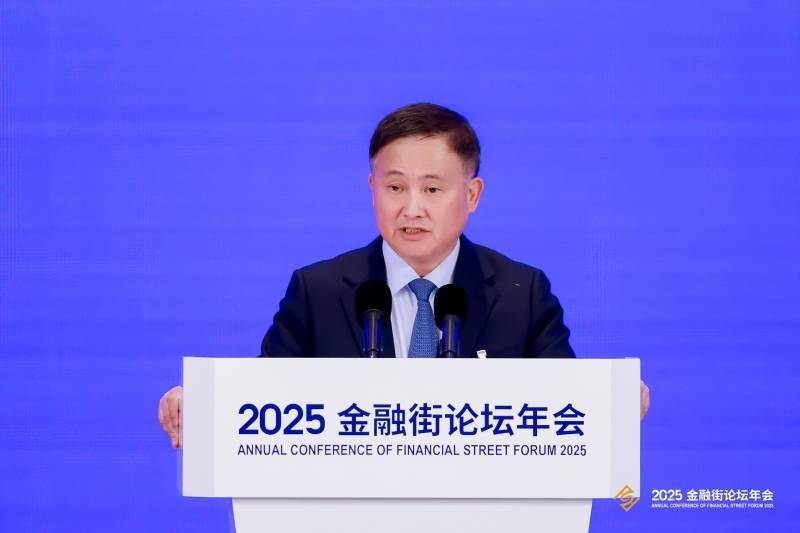
2025金融街论坛|重启国债买卖、打击虚拟货币炒作,潘功胜最新发声信息量巨大
Bei Jing Shang Bao· 2025-10-27 14:44
Core Viewpoint - The People's Bank of China (PBOC) is set to resume open market operations for government bonds, which is seen as a significant step to enhance monetary policy tools and stabilize the bond market, while also addressing various recent market concerns [1][5][6]. Monetary Policy and Financial Stability - The PBOC has maintained a supportive monetary policy stance, with key macro-financial indicators reflecting a moderately loose monetary environment, including an 8.7% year-on-year increase in social financing scale and an 8.4% increase in M2 as of September [3][4]. - The resumption of government bond trading is expected to alleviate supply-demand imbalances in the bond market and lower financing costs for the real economy [4][6]. Credit Repair Policies - The PBOC is researching policies to support personal credit repair, particularly for individuals who have defaulted due to the pandemic but have since repaid their debts [7][8]. - This initiative aims to improve the credit ecosystem, reduce friction costs between consumers and financial institutions, and promote economic recovery by restoring credit eligibility for affected individuals [9]. Virtual Currency Regulation - The PBOC reiterated its commitment to combat the operation and speculation of virtual currencies, emphasizing the need for strict regulation to maintain financial order and mitigate risks associated with stablecoins and other digital currencies [10][11]. - The central bank's stance reflects a long-standing high-pressure regulatory environment against virtual currencies, aiming to prevent potential financial risks and maintain monetary sovereignty [12]. Macro-Prudential Management Framework - The PBOC outlined its focus on building a comprehensive macro-prudential management system, which includes monitoring systemic financial risks and enhancing the regulatory framework for key financial institutions [13][14]. - Future efforts will involve improving the assessment of macro-prudential policies and ensuring better coordination between monetary policy and fiscal measures to strengthen financial stability [15][16].
全会公报之外的“新信息”
一瑜中的· 2025-10-27 14:42
Core Viewpoint - The article emphasizes the strategic goals and initiatives outlined in the recent 20th Central Committee's Fourth Plenary Session, focusing on high-quality development, technological self-reliance, and comprehensive reforms during the 14th Five-Year Plan period [2][12][21]. Economic and Social Development Goals - The main objectives for the 14th Five-Year Plan include achieving significant results in high-quality development, maintaining reasonable economic growth, and significantly improving the resident consumption rate [21]. - Other goals include enhancing technological self-reliance, deepening reforms, improving social civilization, increasing the quality of life, advancing ecological progress, and strengthening national security [21]. Consumption and Livelihood - The National Development and Reform Commission highlighted the potential for significant expansion and quality improvement in the service sector, emphasizing the need to boost consumption and increase government investment in livelihood-related areas [3]. Investment - Infrastructure investment will focus on comprehensive planning and the construction of new infrastructure, with an estimated investment demand exceeding 5 trillion yuan for the renovation of over 700,000 kilometers of underground pipelines during the 14th Five-Year Plan [3]. - The plan aims to establish around 100 national-level zero-carbon parks and optimize the layout of strategic industries and resource bases [3]. Financial Sector - The financial sector is urged to prioritize risk prevention and regulatory strength while promoting high-quality development, with a focus on maintaining stability in financial markets [4][26]. - The People's Bank of China emphasized the importance of centralized leadership in financial work and the need for a robust financial stability guarantee system [4][26]. Technology and Industry Deployment - The strategy includes building a modern industrial system and enhancing the competitiveness of traditional industries while fostering emerging industries such as renewable energy and advanced manufacturing [5][22]. - Key technological advancements will focus on critical core technologies and the integration of technology with industry [5][22]. Foreign Trade and Investment - The plan aims to promote the internationalization of the renminbi and expand high-standard free trade agreements, particularly in the service sector [6][24]. - Efforts will be made to enhance trade innovation and expand bilateral investment cooperation [24]. Market Unification and Anti-Competition Measures - The strategy includes unifying market regulations to eliminate local protectionism and market fragmentation, addressing "involution" competition [6][24]. Anti-Corruption Efforts - The article outlines ongoing efforts to combat corruption and improve the supervision system within the party and state, emphasizing the importance of maintaining a clean political environment [7][25]. Upcoming Events - The upcoming release of the 14th Five-Year Plan recommendations and the APEC summit in South Korea are highlighted as significant events to watch [8].

力挺实体经济新兴产业,金融多项新政齐发提振信心
Di Yi Cai Jing Zi Xun· 2025-10-27 13:57
Group 1: Monetary Policy and Market Stability - The People's Bank of China (PBOC) announced the resumption of public market treasury bond trading to enhance monetary policy coordination with fiscal policy and stabilize financial markets [1][2] - PBOC's implementation of moderately loose monetary policy aims to manage market expectations and maintain stability in stock, bond, and foreign exchange markets [1][3] - The resumption of treasury bond trading is expected to inject long-term liquidity into the banking system, guiding financial institutions to increase credit issuance [2][3] Group 2: Capital Market Reforms - The China Securities Regulatory Commission (CSRC) plans to deepen reforms in the capital market to enhance its inclusiveness, adaptability, and competitiveness [5][6] - The CSRC will implement a refinancing framework and promote mergers and acquisitions to strengthen listed companies and improve shareholder returns [6][7] - New policies will optimize the Qualified Foreign Institutional Investor (QFII) system and enhance protections for small and medium investors [6][7] Group 3: Foreign Exchange and Trade Policies - The State Administration of Foreign Exchange (SAFE) will introduce nine new policies to enhance trade facilitation and expand high-level openness in cross-border trade [8][9] - The focus will be on optimizing foreign exchange fund settlement for new trade entities and managing funds for domestic companies listed overseas [8][9] - The reforms aim to promote the internationalization of the Renminbi and high-quality opening of capital projects, enhancing China's financial ecosystem [9][10]
10月27日重要资讯一览
Sou Hu Cai Jing· 2025-10-27 13:46
New Stock Offerings - Delijia has a subscription code of 732092 with an issue price of 46.68 yuan per share and a subscription limit of 0.95 million shares [1] - Zhongcheng Consulting has a subscription code of 920003 with an issue price of 14.27 yuan per share and a subscription limit of 630,000 shares [1] Financial Market Updates - The People's Bank of China has suspended government bond trading due to market risk accumulation but plans to resume operations as the bond market stabilizes [2] - The China Securities Regulatory Commission (CSRC) will implement reforms for the Growth Enterprise Market to better serve emerging industries and innovative enterprises [2] - The Financial Regulatory Bureau emphasizes its commitment to preventing systemic financial risks and improving the efficiency of financial regulation [2][3] Economic Indicators - From January to September, profits of large-scale industrial enterprises reached 53,732 billion yuan, a year-on-year increase of 3.2% [4] - State-owned enterprises reported profits of 17,021.8 billion yuan, a slight decline of 0.3%, while private enterprises saw a profit increase of 5.1% to 15,131.7 billion yuan [4] Corporate News - Guizhou Moutai's chairman Zhang Deqin has resigned due to work adjustments [8] - Hongwei Technology's subsidiary signed a parts procurement contract with a leading domestic electric vehicle client [8] - Sichuan Gold reported a net profit of 160 million yuan for Q3, a year-on-year increase of 184.38% [8] - North Rare Earth reported a Q3 net profit of 610 million yuan, up 69.48% year-on-year [8] - Postal Savings Bank has been approved to establish a financial asset investment company with a registered capital of 10 billion yuan [8]
金融街论坛再吹政策暖风,金融重磅新政齐发
Di Yi Cai Jing· 2025-10-27 12:54
Group 1: Monetary Policy and Economic Support - The People's Bank of China (PBOC) announced the implementation of a moderately loose monetary policy and the resumption of public market government bond trading to strengthen the coordination between monetary and fiscal policies [1][2] - Recent economic data indicates that while China's economy has been stable overall this year, there has been a notable decline in consumption and investment since the third quarter, highlighting insufficient endogenous growth momentum [1][2] - The PBOC's resumption of government bond trading is seen as a key measure to enhance the financial functions of government bonds and improve the pricing benchmark role of the yield curve [3][4] Group 2: Financial Market Developments - The resumption of government bond trading is expected to stabilize bond market interest rates and reduce financing costs for the real economy [4][5] - The PBOC plans to continue providing liquidity arrangements across short, medium, and long terms while maintaining relatively loose social financing conditions [5] - A series of new policies in the foreign exchange sector are set to be implemented to enhance trade facilitation and promote high-level opening-up [5][6] Group 3: Risk Management and Regulatory Measures - Financial regulatory authorities emphasized the importance of preventing and mitigating financial risks, particularly in light of global economic challenges [7][8] - The PBOC and other regulatory bodies are focusing on a comprehensive risk prevention strategy that includes macro-prudential management and micro-prudential regulation [7][8] - There is a strong regulatory stance on emerging financial areas, particularly concerning the risks associated with virtual currencies and stablecoins [8]
央行、证监会,系列重要消息发布
Yang Shi Xin Wen· 2025-10-27 10:56
Core Points - The 2025 Financial Street Forum Annual Meeting was held in Beijing, with key announcements from the People's Bank of China (PBOC) and the China Securities Regulatory Commission (CSRC) [1] Group 1: People's Bank of China Announcements - The PBOC will resume open market operations for government bonds, indicating a stable performance in the bond market [2] - The PBOC is researching policies to support personal credit repair, including a one-time credit relief policy for individuals who have defaulted on loans below a certain amount during the pandemic, which will not be displayed in credit reports if the loans have been repaid [4] - The PBOC plans to further optimize the management system for digital currency, aiming to enhance its positioning and support more commercial banks in becoming operational entities for digital currency [5] - The PBOC will continue to combat domestic virtual currency operations and speculation, maintaining existing policies since 2017 and closely monitoring the development of overseas stablecoins [6] Group 2: China Securities Regulatory Commission Announcements - The CSRC will initiate reforms to the ChiNext board, establishing listing standards that better align with the characteristics of emerging industries and innovative enterprises [8] - The CSRC has launched a new plan to optimize the Qualified Foreign Institutional Investor (QFII) system, which includes improving access management, enhancing investment operation efficiency, and expanding investment scope to create a more transparent and efficient environment for foreign investors [10]
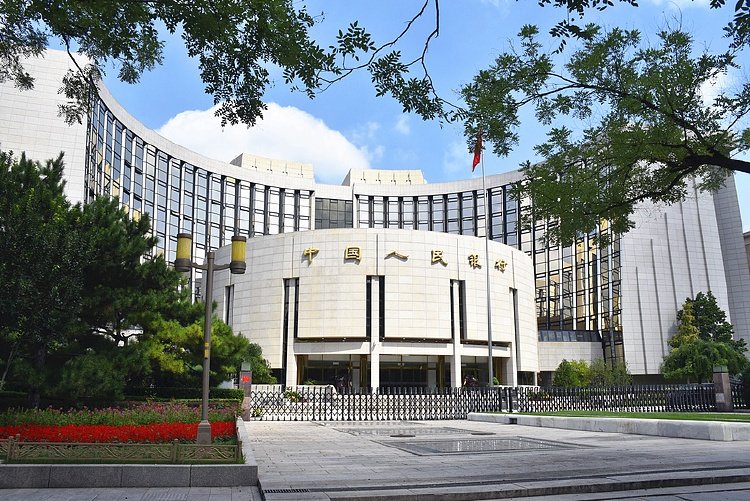
重磅!2025金融街论坛年会召开,央行、金融监管总局、证监会、外汇局发声
新浪财经· 2025-10-27 10:52
Core Viewpoint - The 2025 Financial Street Forum Annual Meeting is being held in Beijing, focusing on "Global Financial Development under Innovation, Transformation, and Restructuring" [2] Group 1: Central Bank Policies - The People's Bank of China (PBOC) will resume open market operations for government bonds, which is crucial for enhancing monetary policy tools and supporting bond market reforms [3] - The PBOC plans to further optimize the digital RMB management system, supporting more commercial banks to operate digital RMB services [4] - The PBOC will explore mechanisms to provide liquidity to non-bank institutions under specific circumstances, balancing market stability and risk prevention [5] Group 2: Credit Repair and Risk Management - The PBOC is researching policies to support personal credit repair, particularly for individuals who have defaulted due to uncontrollable circumstances like the pandemic [7] - The PBOC will continue to combat the operation and speculation of virtual currencies to maintain economic and financial order [8] Group 3: Financial Regulatory Reforms - The Financial Regulatory Administration will deepen supply-side structural reforms in finance, promoting a more reasonable institutional layout and enhancing the quality and resilience of development [9] - The administration will increase efforts in disposing of non-performing assets and capital replenishment, ensuring the stability of the financial system [10][13] - The administration aims to correct disorderly competition and maintain a healthy and fair financial order [11][12] Group 4: Investor Protection and Market Stability - The China Securities Regulatory Commission (CSRC) will release opinions to strengthen the protection of small and medium investors in the capital market, introducing 23 practical measures [15] - The CSRC will optimize the interconnection mechanism to enhance the quality of overseas listing filings and deepen cooperation between mainland and Hong Kong markets [16] Group 5: International Financial Cooperation - The National Foreign Exchange Administration will introduce policies to facilitate trade and enhance the management of cross-border capital flows, focusing on high-level openness [22][24] - The administration reported that the scale of foreign-related receipts and payments reached $11.6 trillion in the first three quarters, a historical high for the same period [22]