
美容护理

Search documents
刚刚,突然猛拉!见证历史
Zhong Guo Ji Jin Bao· 2025-06-03 04:54
Market Overview - The consumer sector is showing signs of recovery, leading to a strong rally in bank stocks, with the Shanghai Composite Index rising by 0.48% and the Shenzhen Component Index increasing by 0.35% on the first trading day of June [2][5] - The total market turnover for the half-day session was 763.9 billion CNY, slightly down from the previous day, with 3,437 stocks rising, 241 unchanged, and 1,734 declining [5] Consumer Sector - The consumer sector is rebounding, with significant gains in gold and jewelry, medical beauty, online gaming, and innovative drug concepts [5][12] - Notable stocks in the beauty and healthcare sector include Water Sheep Co. and Beitaini, which saw increases of over 10% [9] - The gold and jewelry concept stocks surged, with Man Ka Long hitting the daily limit and West Gold also reaching the limit [14][15] Bank Sector - Bank stocks experienced a strong surge, with Shanghai Rural Commercial Bank hitting the daily limit and reaching a new high of 9.86 CNY per share, bringing its total market value to 95.1 billion CNY [18] - Other banks such as Chongqing Rural Commercial Bank and Industrial Bank also saw significant increases, with some stocks reaching historical highs [19] - The inclusion of Shanghai Rural Commercial Bank in major indices like the CSI 300 and SSE 180 is expected to enhance its market visibility and investor interest [18] Gold Market - COMEX gold futures rose by 2.74% to 3,406.4 USD per ounce, supported by concerns over trade uncertainties [15] - The gold jewelry sector is expected to continue its growth trajectory, driven by consumer demand for fashionable and meaningful products [17]


今日68只A股封板 美容护理行业涨幅最大
Zheng Quan Shi Bao Wang· 2025-06-03 03:56
(原标题:今日68只A股封板 美容护理行业涨幅最大) 证券时报•数据宝统计,截至上午收盘,今日沪指涨0.48%,A股成交量636.80亿股,成交金额7638.85亿元,比上一个交易日减少0.93%。个股方 面,3437只个股上涨,其中涨停68只,1735只个股下跌,其中跌停5只。从申万行业来看,美容护理、综合、纺织服饰等涨幅最大,涨幅分别为 3.61%、2.25%、1.73%;钢铁、家用电器、煤炭等跌幅最大,跌幅分别为1.50%、1.48%、0.88%。(数据宝) 今日各行业表现(截至上午收盘) | 申万行业 | 行业 | 成交额 | 比上日 | | 涨跌幅 | | --- | --- | --- | --- | --- | --- | | | 涨跌 | (亿元) | (%) | 领涨(跌)股 | (%) | | | (%) | | | | | | 美容护理 | 3.61 | 81.35 24.94 | | 水羊股份 | 12.61 | | 综合 | 2.25 | 17.50 | 5.79 | 特力A | 4.95 | | 纺织服饰 | 1.73 | 109.34 | 9.09 | 曼卡龙 | 19.98 | ...
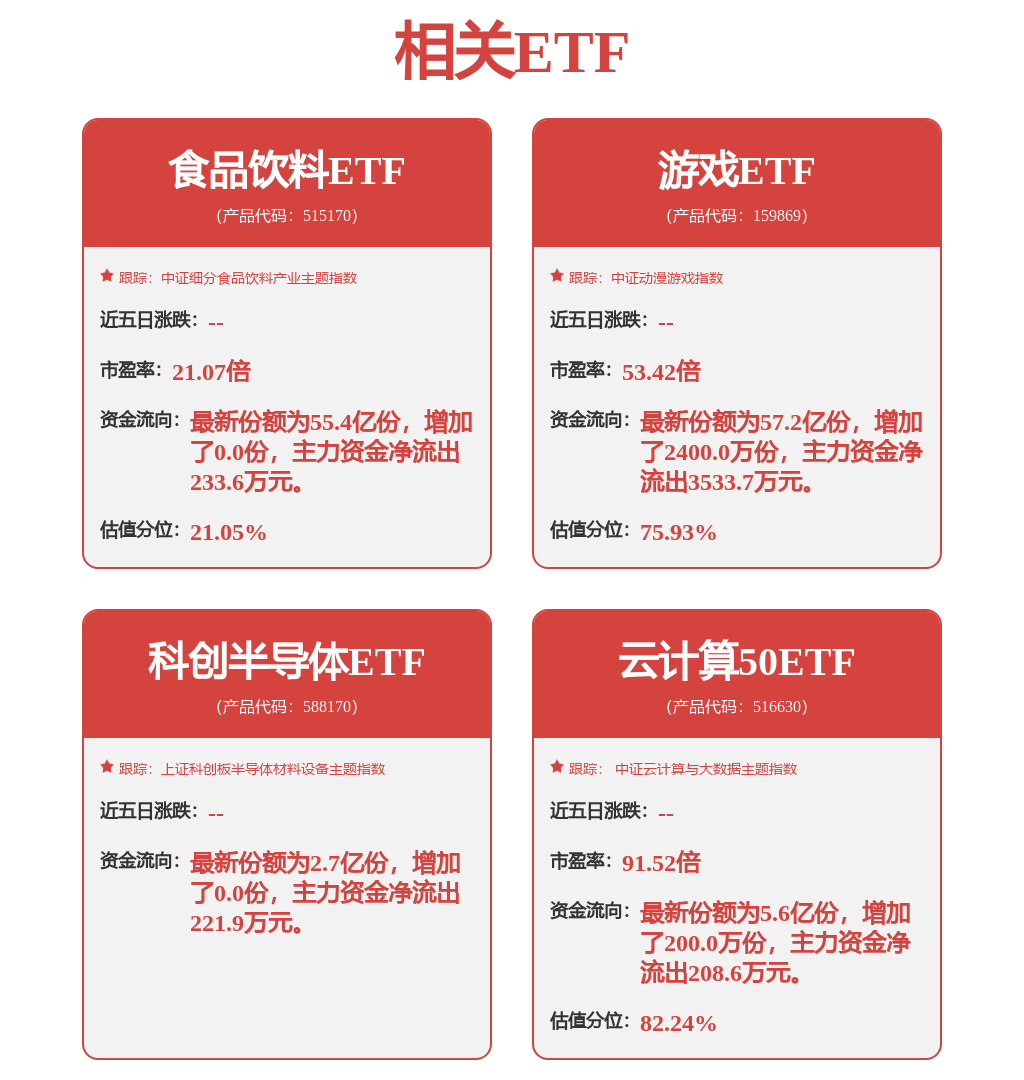
【盘中播报】55只A股封板 美容护理行业涨幅最大
Zheng Quan Shi Bao Wang· 2025-06-03 02:55
Market Overview - The Shanghai Composite Index increased by 0.14% as of 10:28 AM, with a trading volume of 470.90 billion shares and a turnover of 564.58 billion yuan, a decrease of 4.56% compared to the previous trading day [1] Industry Performance - The top-performing industries included: - Beauty Care: Increased by 3.21% with a transaction amount of 60.32 billion yuan, up 14.82% from the previous day, led by Beitaini with a rise of 12.83% [1] - Comprehensive: Increased by 1.90% with a transaction amount of 13.55 billion yuan, up 3.98%, led by Zhangzhou Development with a rise of 4.98% [1] - Non-ferrous Metals: Increased by 1.68% with a transaction amount of 203.46 billion yuan, up 42.48%, led by Western Gold with a rise of 10.03% [1] - The worst-performing industries included: - Household Appliances: Decreased by 1.57% with a transaction amount of 86.91 billion yuan, up 13.63%, led by Gree Electric with a decline of 3.02% [2] - Steel: Decreased by 1.55% with a transaction amount of 28.09 billion yuan, up 41.91%, led by Benxi Steel with a decline of 7.23% [2] - Coal: Decreased by 1.17% with a transaction amount of 30.97 billion yuan, up 49.83%, led by China Coal Energy with a decline of 3.27% [2] Stock Performance - A total of 3,065 stocks rose, with 55 hitting the daily limit up, while 2,094 stocks fell, with 5 hitting the daily limit down [1]


科创生物医药ETF(588250)涨1.23%,创新药合作利好催化板块行情
Xin Lang Cai Jing· 2025-06-03 02:00
Group 1 - The core viewpoint highlights the positive market reaction to the collaboration between Bristol-Myers Squibb and BioNTech regarding the new cancer drug BNT327, with milestone payments potentially reaching $11.1 billion, which has boosted the performance of innovative drug concept stocks [1] - The performance of the Kexin Biopharmaceutical ETF (588250.SH) increased by 1.23%, with its associated index Kexin Biopharmaceutical (000683.SH) rising by 0.96%, indicating a favorable market sentiment towards the biopharmaceutical sector [1] - Notable increases in major component stocks include Microchip Biotech rising by 9.44%, Huaxi Biotech by 7.63%, and Rongchang Biotech by 4.92%, reflecting strong investor interest in innovative drug companies [1] Group 2 - Guosen Securities reported significant advancements in domestic innovative drugs, particularly focusing on bispecific antibodies and ADC technologies, with promising clinical data from Innovent Biologics and Mingji Biotech in pancreatic cancer treatments [2] - Shenwan Hongyuan highlighted Huaxi Biotech as a key player in the recombinant collagen market, benefiting from the domestic beauty trend and strong brand recognition, suggesting potential for consumer recovery [2] - Both research institutions' insights align with the performance of innovative drug and medical beauty leading companies within the Kexin Biopharmaceutical ETF [2]



【十大券商一周策略】市场调整空间有限,科技成长已到左侧关注时
券商中国· 2025-06-02 15:02
Group 1 - The article emphasizes the resilience of domestic demand in China, which is expected to provide a bottom support for the market despite short-term tariff concerns [1] - The manufacturing PMI showed signs of recovery in May, with improved export orders and strong performance in new consumption and consumer goods [1] - The focus for investment should be on sectors that benefit from domestic demand, including beauty care, agriculture, defense, non-ferrous metals, pharmaceuticals, and retail [1] Group 2 - The market is currently experiencing a limited adjustment space due to a lack of significant external volatility and ongoing domestic policy support [2] - Key investment themes include high-margin assets, technology sector opportunities, and consumer sectors boosted by policy incentives [2] - The article suggests that the technology sector remains a long-term investment focus, with short-term attention on undervalued segments [2] Group 3 - A-share market is currently insulated from macroeconomic disturbances, with policies in place to manage risks and support market stability [3] - The technology sector is expected to be a key driver for a structural bull market in the medium term, despite short-term adjustments [3] - There is a continued focus on sectors like pharmaceuticals and precious metals, as well as opportunities in the automotive supply chain [3] Group 4 - Three potential triggers could help A-shares escape the current narrow trading range: developments in US-China relations, increased fiscal spending, and advancements in the technology sector [4] - The article highlights the importance of maintaining strong financing levels in local and national debt to support market activity [4] - The technology sector, particularly AI-related stocks, is seen as having the potential for a rebound after recent adjustments [4] Group 5 - The market is expected to experience a period of index fluctuation, with a focus on quality indices due to stable economic fundamentals [5] - The article notes that the current funding environment is less favorable for high-concentration small-cap stocks, suggesting a preference for larger, quality stocks [5] - Overall, the market is likely to remain in a state of fluctuation, with a bias towards larger, more stable investments [5] Group 6 - The technology growth style is now considered to be at a favorable entry point after recent adjustments, with a focus on sectors like military and innovative pharmaceuticals [6] - The article indicates that the market's trading characteristics are heavily influenced by external uncertainties, particularly regarding tariffs [6] - Emphasis is placed on the importance of trading indicators in navigating the current market environment [6] Group 7 - The article suggests that external risks have lessened but warns of potential volatility from US policy changes [7] - Domestic policies are expected to continue supporting the market, with consumption remaining a key driver of economic recovery [7] - Investment themes include domestic consumption, domestic substitution, and low allocation funds, with a defensive market style anticipated [7] Group 8 - The market is currently in a repair phase, with trading sentiment affected by fluctuating US tariff policies and slow trade negotiations [8] - The article highlights the growing influence of long-term capital and regulatory support in stabilizing the A-share market [8] - Recommended sectors for investment include precious metals, public utilities, new consumption, and AI applications [8] Group 9 - Recent high-frequency economic data indicates a weakening trend, which may limit stock market gains [9] - The article notes that certain commodity prices have fallen below last year's levels, and there is a decline in retail financing activity [9] - Despite short-term fluctuations, the long-term outlook remains positive, driven by policy support and changes in the AI and new consumption sectors [9] Group 10 - The article discusses the potential for a new "East rises, West falls" trading strategy, driven by a weakening dollar and favorable conditions for non-US assets [10] - It emphasizes that the technology growth sector, particularly AI and related innovations, will be a key focus for upcoming trading opportunities [10] - The article suggests that the upcoming months will see significant developments in technology sectors, which could catalyze market movements [10]

量化资产配置月报:经济指标继续转弱,配置风格仍偏成长-20250602
Shenwan Hongyuan Securities· 2025-06-02 14:13
Group 1 - Economic indicators continue to weaken, and the allocation style remains growth-oriented. The quantitative indicators suggest that the economy is declining, liquidity is neutral to loose, and credit indicators are improving. The micro mapping shows that economic (profit expectations) continues to be weak, while credit is improving. The revised direction indicates economic downturn, tight liquidity, and improved credit, consistent with the previous period. Due to the significant divergence between liquidity and credit, the focus is on factors that are insensitive to the economy but sensitive to credit, maintaining a growth-oriented stock pool allocation style [4][7][9] - The macro asset allocation viewpoint suggests increasing bond positions. Given the current indicators, with the economy declining, liquidity tightening, and credit remaining favorable, the outlook for equities is slightly bearish, leading to a minor reduction in A-share positions. The trend for bonds has improved, with an increase in government bond positions and a reduction in US stock positions to zero [4][31] - The economic leading indicators are entering a declining phase. The updated economic leading indicator model indicates that June 2025 is at the beginning of a decline cycle, which is expected to continue [13][15] Group 2 - Liquidity is showing signs of recovery. In May, interest rates remained stable, with short-term rates slightly exceeding the 12-month average, while long-term rates are still significantly distant from the average. The monetary supply data has rebounded, signaling a return to a neutral stance, although the excess reserve ratio remains low, indicating that overall liquidity has returned to a slightly loose state [24][28][26] - Credit indicators are weak across various dimensions. In the second half of 2024, credit indicators are expected to remain low, with the total social financing stock showing a year-on-year increase for five consecutive months, maintaining a high level of comprehensive credit indicators [29] - The market focus remains on liquidity. Since 2023, credit and inflation have garnered significant attention, but recently liquidity has become the most scrutinized variable, particularly following the market rally at the end of September, indicating that the current market is heavily driven by liquidity [33] Group 3 - In terms of industry selection from a macro perspective, the report indicates a preference for industries that are insensitive to economic fluctuations but sensitive to credit conditions. The analysis suggests that these industries possess growth attributes, leading to a higher overall growth characteristic in the selected industries [34] - The report identifies the top industries based on their sensitivity to economic and credit conditions. The industries with the highest scores for being economically insensitive and credit-sensitive include electronics, media, and personal care, among others [34]
最牛,狂赚近70%!
Zhong Guo Ji Jin Bao· 2025-05-31 07:10
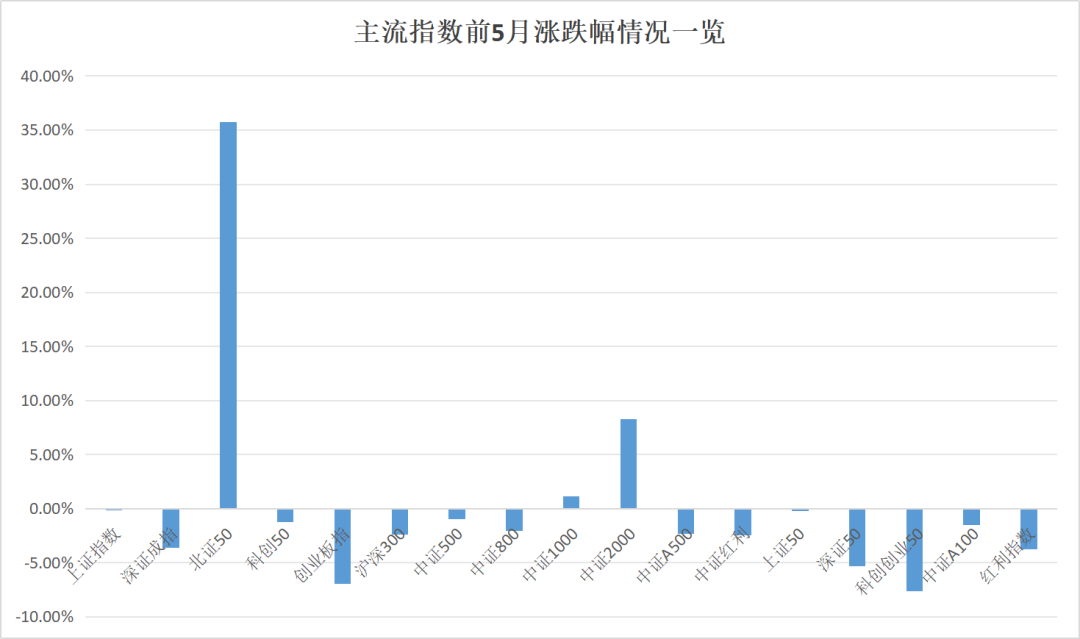
【导读】前5月主动权益类基金平均净值增长率为2.43%,最牛业绩逼近70% 中国基金报记者 方丽 曹雯璟 随着端午小长假的正式开启,又到了总结前5月权益基金业绩时刻。 在去年"9·24"政策暖风刺激之下,A股市场出现震荡回暖行情,一直延续到2025年。尤其是春节之后,科技股表现神勇,港股市场明显回暖,领涨全球。 然而,受海外因素影响,二季度A股市场震荡,不过,整体主动权益类基金仍显示出一定的赚钱效应。 前5月净值增长率为2.43% 5月最后一个交易日沪指以0.47%的下跌结束,也是近期市场震荡起伏态势的一个缩影。 从沪指来看,自去年9月底以来,随着稳增长政策的不断推出和增量资金的入场,市场出现了快速反弹。不过,随后市场又出现震荡,尤其是1月初沪指一 度跌至3140.98点。然而,在春节之后,受益于AI、人形机器人等赛道的强势表现,推升市场成交金额,沪指一度达到年内新高3439.05点。 然而,受美国贸易政策影响,4月7日A股市场出现大幅下挫,当天沪指跌幅达到7.34%,收于3040.69点。随后几天市场出现强势反弹,不断收复失地。不 过,近一个月也在不断震荡之中,最终在5月30日沪指收于3347.49点。 从 ...
5月29日医药生物、有色金属、通信等行业融资净卖出额居前
Zheng Quan Shi Bao Wang· 2025-05-30 03:15
Core Insights - As of May 29, the latest market financing balance is 1,797.58 billion yuan, showing a decrease of 1.13 billion yuan compared to the previous trading day [1][2] Industry Summary - **Industries with Increased Financing Balance**: - The computer industry saw the largest increase, with a financing balance up by 0.406 billion yuan, totaling 134.234 billion yuan [1] - Other industries with notable increases include banking (up 0.276 billion yuan), food and beverage (up 0.158 billion yuan), and retail (up 0.071 billion yuan) [1] - **Industries with Decreased Financing Balance**: - The pharmaceutical and biological sector experienced the largest decrease, down by 4.44 billion yuan, totaling 123.887 billion yuan [2] - Other sectors with significant declines include non-ferrous metals (down 3.22 billion yuan), telecommunications (down 2.43 billion yuan), and coal (down 1.53 billion yuan) [2] - **Financing Balance Growth Rates**: - The comprehensive industry recorded the highest growth rate at 1.26%, with a latest financing balance of 30.97 billion yuan [1] - Other industries with notable growth rates include beauty care (1.13%), banking (0.52%), and environmental protection (0.46%) [1] - **Financing Balance Decline Rates**: - The coal industry had the highest decline rate at 0.96%, with a financing balance of 15.766 billion yuan [2] - Other industries with significant declines include non-ferrous metals (0.41%), real estate (0.40%), and telecommunications (0.40%) [2]
机构策略:短期市场或以稳步震荡上行为主 关注软件开发、互联网服务等
Zheng Quan Shi Bao Wang· 2025-05-30 01:13
渤海证券指出,指数持续在合理水平震荡。未来,市场的机会将取决于市场的增量性变化,市场如因外 部风险、基本面、投资者情绪等因素导致意外下行,则从"稳定"的维度看,维稳资金的呵护将有助于市 场阶段性底部的形成,市场也将由此呈现下有底的特征。如果市场延续震荡特征,则应结合高质量发展 的内涵,进行结构性布局,等待板块层面的增量性催化。行业方面,延续哑铃型配置策略,一方面可关 注管理层多措并举推动险资入市以及公募新规长期影响尚待明朗下,股息率较高且属于相对低配板块的 银行行业;另一方面,可关注短期迎来增量信息催化下新消费领域的主题性投资机会。 光大证券认为,政策的持续支持以及中长期资金积极流入背景下,A股市场有望震荡上行。当前A股市 场的估值处于2010年以来的均值附近,而随着政策的积极发力,中长期资金带来的增量资金或将持续流 入市场,对资本市场形成托底,A股市场有望震荡上行。配置方向上,关注三类资产。方向一:稳定类 资产,如高股息、黄金。稳定类资产能够在市场面临不确定时提供确定性。方向二:产业链自主可控。 在"双循环"新发展格局和全球产业链重构的双重驱动下,国产替代相关机会也值得关注。方向三:内需 消费。海外政策可能 ...
普涨,科技主线全面爆发,原因找到了!
Sou Hu Cai Jing· 2025-05-29 13:20
Group 1 - The A-share market experienced a significant rally, with all major indices rising, particularly the ChiNext Index, which surged 1.37% to reclaim the 2000-point mark [1] - The rally was driven by three main factors: the global AI boom fueled by Nvidia's strong earnings report, improved policy environment attracting foreign investment, and a U.S. court decision easing trade tensions [1][2] - The Shanghai Composite Index rose by 0.7% to 3363.45 points, while the Shenzhen Component and ChiNext Index increased by 1.24% and 1.37%, respectively, indicating a clear shift in market sentiment [1] Group 2 - The technology sector led the market, with significant gains in computer, pharmaceutical, and electronic communication industries, while defensive sectors like gold and consumer goods faced declines [2][3] - The healthcare sector outperformed with a 4.09% increase, driven by innovative drug companies and positive developments from the ASCO annual meeting [3] - The stablecoin concept saw a surge due to the implementation of Hong Kong's stablecoin regulations, significantly boosting the fintech sector by over 30% [3]