家电

Search documents
告别冬日养宠焦虑!大金中央空气系统为爱宠打造温暖洁净的家
Jin Tou Wang· 2026-01-30 07:28
Core Insights - The article emphasizes the importance of creating a warm and clean indoor environment for pets, especially during cold winter months, to ensure their health and comfort [1][2][4] Industry Overview - The pet consumption market in urban China is projected to reach 312.6 billion yuan by 2025 and exceed 400 billion yuan by 2028, which is nearly eight times the total box office of Chinese films in 2025 [1] - Pets have become integral members of many families, shifting from mere companions to beloved family members [1] Company Solutions - Daikin offers a comprehensive central air system that integrates heating, ventilation, and air conditioning (HVAC) to create a stable and comfortable environment for pets [1][4] - The system maintains indoor temperatures between 20-25°C and humidity levels between 40%-60%, which are optimal for pet health [4][5] - Daikin's "Pet Protection" smart mode coordinates various air quality controls to ensure a stable, clean, and warm environment for pets [5][6] Product Features - The air system includes multiple smart modes such as "Pet Protection Mode," "Power Odor Removal Mode," and "Moisture Care Mode," each designed to address specific pet care needs [5][6][8] - The system actively monitors and reminds users about filter maintenance, ensuring optimal air quality [8] - Daikin provides a knowledge base and community platform for pet owners to access expert advice and share experiences [8][10] Long-term Investment - Investing in a professional air system is portrayed as a long-term commitment to the health and well-being of pets, enhancing the quality of life for both pets and their owners [10]


又一家日本“电视大王”,黯然退场卖身中国
投中网· 2026-01-30 07:12
Core Viewpoint - The collaboration between TCL and Sony marks a significant shift in the television industry, with Sony transferring its television business to TCL, allowing both companies to leverage their strengths for mutual benefit [5][6][24]. Group 1: TCL and Sony Collaboration - TCL and Sony signed a memorandum to establish a joint venture for Sony's home entertainment business, with TCL holding 51% and Sony 49% [5]. - The new company will manage the entire value chain from development to sales and service globally [6]. - This partnership allows Sony to focus on its core competencies in creative entertainment while TCL gains access to the high-end home audio-visual market [24]. Group 2: Decline of Japanese Television Brands - Japanese brands like Sony, Panasonic, Toshiba, and Sharp, once dominant in the television market, have seen a decline due to the rise of Chinese competitors [11][12]. - By 2025, Sony's market share in China is projected to drop below 2%, while TCL, Hisense, and Xiaomi will collectively hold 31.3% of the global television market [14]. - The shift in consumer preferences towards lower-priced, technologically advanced products from Chinese brands has contributed to the decline of Japanese television manufacturers [12][13]. Group 3: Sony's Strategic Shift - Sony has been transitioning from a hardware-centric company to a creative entertainment powerhouse, with over 60% of its revenue coming from entertainment sectors like gaming, music, and film by 2025 [21][23]. - The company has not made significant investments in panel manufacturing since 2011, opting instead to focus on its profitable entertainment divisions [21][22]. - Sony's decision to sell its television business aligns with its strategy to maintain brand influence while outsourcing manufacturing to more efficient partners [24]. Group 4: TCL's Leadership Change - TCL's founder, Li Dongsheng, stepped down as CEO but remains as chairman, while Wang Cheng, a veteran from the multimedia overseas business, takes over as CEO [26][28]. - This leadership transition is seen as a move to enhance global management perspectives and streamline strategic execution as TCL expands its business [28]. Group 5: The Future of Chinese Home Appliances - Chinese home appliance brands have gained a 45% share of global manufacturing but hold less than 20% of retail market share, indicating a gap in brand recognition and pricing power [31]. - The industry is shifting from hardware sales to ecosystem services, requiring brands to enhance their software capabilities alongside hardware [33]. - The collaboration between TCL and Sony exemplifies a new paradigm for Chinese appliance companies, emphasizing the importance of strategic partnerships in achieving global competitiveness [34].

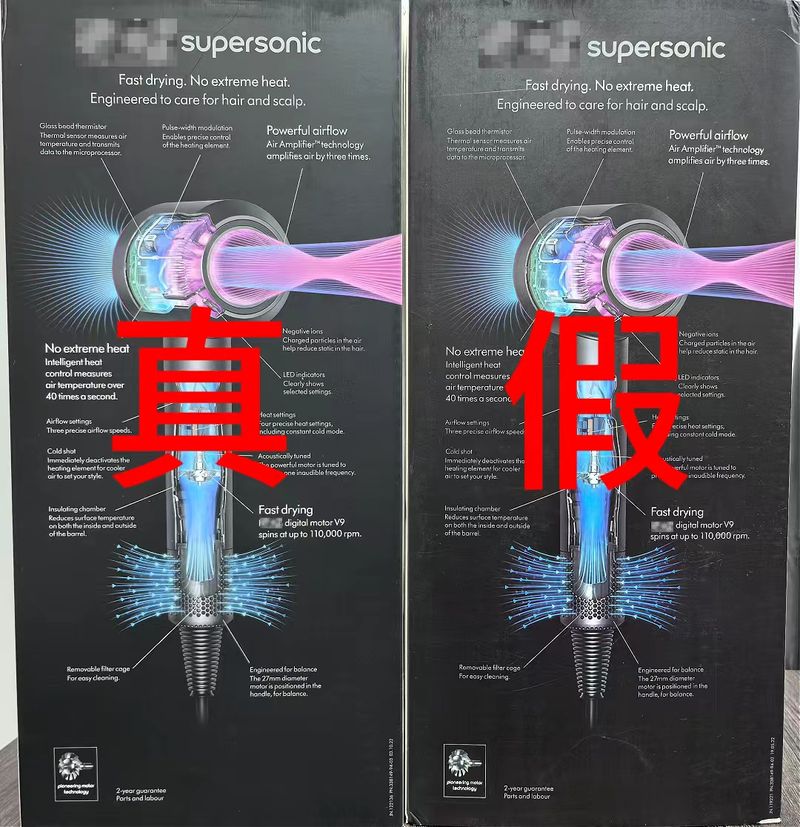
成本150元卖2400元 上海警方打掉一“戴森吹风机”造假团伙
Zhong Guo Xin Wen Wang· 2026-01-30 06:31
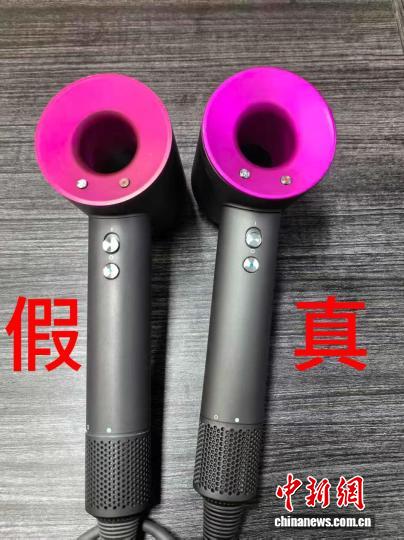
Group 1 - A counterfeit gang was dismantled by Shanghai police, selling fake Dyson hair dryers at a price of 2400 yuan, while the production cost was only 150 yuan [1][3] - The counterfeit products went through four layers of distribution, with prices escalating from 220 yuan to 500 yuan, then 1100 yuan, and finally sold at 2400 yuan [3] - The total amount involved in the case exceeded 3 million yuan, with 19 suspects arrested, including key figures in the production and distribution chain [1][4] Group 2 - The police, in collaboration with market regulatory authorities, identified a company in Jinshan District selling a large quantity of substandard hair dryers, leading to the discovery of a counterfeit production and sales network [3] - Evidence collected during the investigation confirmed that all products were counterfeit, with the production process involving fake branding and packaging materials [3] - The suspects face charges of trademark infringement and selling counterfeit goods, with legal actions currently underway [4]
以AI应用为牵引 广东全面启动制造业赋能体系建设
Zhong Guo Xin Wen Wang· 2026-01-30 06:00
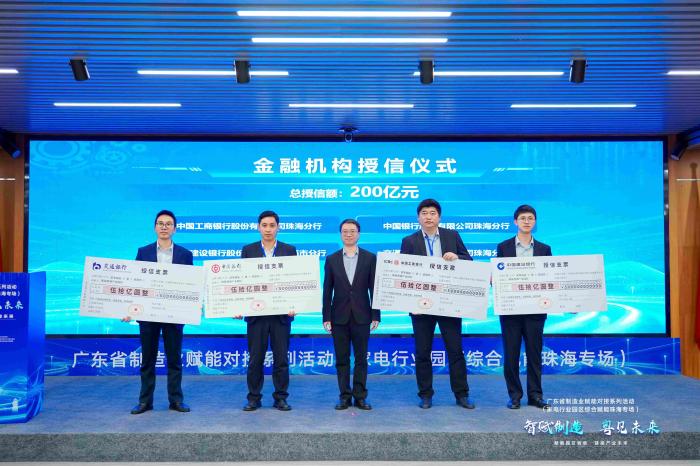
29日的活动由广东省工业和信息化厅主办,珠海香洲产业园区、珠海市工业和信息化局、广东省产业园 区高质量发展专家咨询委员会秘书处(中国联通(广东)新型工业化研究院)共同承办。 中新网珠海1月30日电 (记者 许青青)记者从29日在珠海市举行的广东省制造业赋能对接系列活动(家电行 业园区赋能珠海专场)获悉,广东省已全面启动制造业赋能体系建设,以AI应用为牵引,整合国内外各 类优质资源,围绕"研发创新-制造生产-品牌建设-市场销售"微笑曲线开展全链条精准赋能对接,推动制 造业高质量发展。 4家金融机构向珠海香洲产业园区授信共200亿元。广东省工业和信息化厅 供图 目前,广东已组建近300家优质赋能主体构成的资源库,涵盖全能型、专业型、资源整合型、平台型四 类国内外优质赋能资源,探索地市分行业专题赋能、AI领军企业点对点赋能、平台机构定向赋能、园 区整体赋能、链主企业链式赋能等五种赋能模式。第一批12场赋能对接活动重点聚焦手机、家电、汽车 等10个重点产品(行业),吸引620余家企业及机构参与,现场达成合作意向43个。 本次活动中,格力电器、华为等单位代表,围绕智能制造、AI技术应用、市场拓展等主题进行分享。 中国联 ...



MOVA 2026 中国区经销商大会召开
Jing Ji Guan Cha Wang· 2026-01-30 05:08
现场,品牌方与经销商围绕渠道升级、服务优化等核心议题深度研讨、高效对接,进一步打破合作壁 垒,筑牢互利共赢的命运共同体根基。此次大会的召开,为MOVA与经销商伙伴注入强劲发展动能,双 方将同心聚力深耕高端智能清洁市场,携手共启高质量发展新征程。 "行无止境"既承载着MOVA与经销商伙伴永不止步的奋斗信念,更彰显双方持续迭代、追求卓越的发展 初心。大会紧扣深化战略共识、明晰年度方向、赋能伙伴成长、凝聚合力拓市的核心目标,全面部署 2026年家电业务核心规划,同步分享前沿市场洞察与专项赋能举措。 经济观察网1月29日,全球科技品牌MOVA在苏州举办2026中国区经销商大会。本次大会汇聚全国40余 家核心经销商代表,MOVA全球清洁线负责人、各业务板块负责人及核心业务骨干悉数出席,以"行无 止境"为主题,共商发展大计,凝聚合作共识。 ...
汉沽盐场受邀参加“CCIC 2025中国消费创新大会暨2025第四届国际品质节”并斩获四项重磅荣誉
Zhong Guo Shi Pin Wang· 2026-01-30 03:39
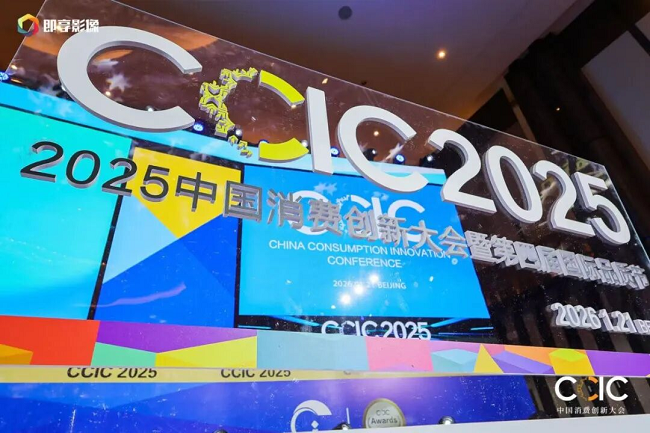
Core Insights - The CCIC 2025 China Consumption Innovation Conference and the 2025 Fourth International Quality Festival were held in Beijing, focusing on "Innovation Leading a New Era of Consumption" [2][7] - Tianjin Changlu Han Gu Salt Field Co., Ltd. received four significant awards, including the 2025 Industry Leading Brand and two Industry Leaders, highlighting its brand strength and product innovation [2][7] Industry Overview - The conference featured over 530 participating companies across more than 20 sectors, including food, home appliances, technology, fashion, and health, indicating a strong consensus on innovation and quality upgrades in the consumption industry [7] - The event adopted a multi-faceted approach with thematic speeches, professional forums, and unique activities, establishing a comprehensive platform for industry exchange and collaboration [8] Company Highlights - Tianjin Changlu Han Gu Salt Field has a rich history dating back to 925 AD, recognized for its high-quality sea salt, which was historically a royal tribute [10] - The company is a state-recognized "001" designated salt production enterprise and holds the title of "China Time-honored Brand," ensuring product quality through stringent standards [10] - Recently, the company has focused on a strategy of diversified development while enhancing its traditional salt production, investing in various projects to optimize its industrial structure [12] Future Outlook - The company aims to leverage its recent awards to continue its innovation-driven development, preserving the essence of its thousand-year salt-making culture while contributing to the high-quality development of China's consumption industry [16]
成本150卖2400,“戴森吹风机”造假团伙浮出水面
Xin Jing Bao· 2026-01-30 03:34
Core Viewpoint - A significant counterfeit operation involving fake Dyson hair dryers has been uncovered, with a total of 19 suspects arrested and over 3 million yuan involved in the case, highlighting serious consumer and brand rights violations [1][5][6]. Group 1: Counterfeit Operation Details - The counterfeit Dyson hair dryers, produced at a cost of only 150 yuan, were sold through a four-tier distribution system, ultimately reaching a retail price of 2400 yuan [1][6]. - The operation involved a network of production, packaging, wholesale, and sales, with all identified products confirmed as counterfeit by the police and brand representatives [5][6]. - The suspects included individuals operating an electrical manufacturing factory and others providing counterfeit branding materials, leading to significant financial gains from the sale of these fake products [6]. Group 2: Law Enforcement Actions - The Shanghai Jinshan police, in collaboration with market regulatory authorities, conducted thorough investigations that led to the identification of the counterfeit production site and distribution network [5][6]. - A total of 130,000 counterfeit hair dryer components were seized during the operation, and the suspects are facing charges related to trademark infringement and the sale of counterfeit goods [6]. - The police have committed to maintaining a strong stance against intellectual property crimes and encouraging public participation in reporting counterfeit activities [6]. Group 3: Company Background - Dyson, founded in 1983 by James Dyson, is a UK-based international company specializing in the production and research of household appliances, with genuine Dyson hair dryers retailing around 2600 yuan on e-commerce platforms [6].
顺周期回暖+内需消费分层,现金流ETF嘉实(159221)备受市场关注
Xin Lang Cai Jing· 2026-01-30 03:25
Group 1 - The Guozheng Free Cash Flow Index fell by 2.86% as of January 30, 2026, with mixed performance among constituent stocks, led by Fostar, while Nanshan Aluminum experienced the largest decline [1] - CICC pointed out that the supply-demand gap for electrolytic aluminum continues to widen, and with global fiscal and monetary policies resonating, aluminum prices are expected to reach new highs, with profit per ton of aluminum likely to expand as prices rise [1] - Guotai Junan Securities noted that while copper prices are currently affected by macro sentiment and AI-related demand adjustments, the long-term outlook remains strong due to ongoing tight supply of copper mines and declining spot processing fees [1] Group 2 - The National Grid's fixed asset investment for the "14th Five-Year Plan" is expected to reach 4 trillion yuan, a 40% increase compared to the previous plan, which supports the copper price outlook [1] - Yingda Securities emphasized the importance of following the "14th Five-Year Plan" and subsequent policy directions, suggesting a focus on technology growth stocks with earnings support, as well as cyclical varieties, domestic consumption, dividend stocks, and sectors with improving economic conditions [1] - The top ten weighted stocks in the Guozheng Free Cash Flow Index as of December 31, 2025, include China National Offshore Oil Corporation, SAIC Motor, Gree Electric Appliances, and others, accounting for 51.95% of the index [2]



消费专场-追寻结构性增量
2026-01-30 03:11
Summary of Key Points from Conference Call Records Industry Overview 1. Baijiu Industry - The baijiu industry is experiencing cautious expectations for sales during the Spring Festival, with a decrease in the willingness of distributors to collect payments. However, Moutai shows strong demand resilience, with its price rebounding. The misalignment of the Spring Festival holiday is expected to benefit Q1 2026, and policies to stimulate domestic demand may be implemented, leading to increased dividend yields for leading companies and maintaining strong profitability [1][3][5]. 2. Paper Industry - The profitability in the paper industry is shifting towards upstream sectors due to high pulp prices and weak downstream consumption, resulting in narrowed profits for midstream operations. It is anticipated that wood chip and pulp prices will continue to rise in Q1, driving up paper prices. Companies with their own pulp production capacity are expected to see sustained profitability [1][7][8]. 3. Forestry Carbon Sink - China is actively promoting forestry carbon sinks as part of its national climate strategy. Companies capable of developing forestry carbon sinks and possessing forestry resources are worth attention, as the cost-effectiveness of forestry carbon sinks is the highest [1][9]. 4. New Consumption Sector - Leading companies in the new consumption sector, such as Laopu Gold, are currently undervalued with strong performance expectations. The rise in gold prices and discount promotions are driving sales growth. Laopu Gold significantly raised prices in the second half of last year, and substantial growth is expected this year [1][10][11]. 5. Home Appliance Industry - The home appliance industry is showing signs of bottoming out, with expectations for a reversal post-Spring Festival. The implementation of trade-in subsidies is expected to improve retail performance. TCL Electronics is integrating Sony's TV business, opening up profitability potential, and is currently undervalued [1][17][19]. Company-Specific Insights 1. Moutai and Other Baijiu Brands - Moutai is recommended as a key investment due to its undeniable competitiveness. Other notable brands include Luzhou Laojiao, Gujing Gongjiu, and Shanxi Fenjiu, which have significant advantages in competitiveness and operational capabilities, with opportunities to increase market share [1][6]. 2. Paper Companies - Recommended paper companies include Nine Dragons Paper, Sun Paper, and Yueyang Forest Paper, which are expected to see continuous profit improvements due to their upstream integration [1][7][8]. 3. New Consumption Leaders - Key investment opportunities in the new consumption sector include Laopu Gold, which is expected to achieve a performance of 7 to 8 billion yuan in 2026, corresponding to a P/E ratio of about 16 times, reflecting a 50% growth compared to 2025 [1][11][12]. 4. Gold and Jewelry Sector - The gold and jewelry sector is entering a bull market, with companies like Taibai Gang showing significant profit growth and low P/E ratios, indicating substantial potential. The sector is expected to benefit from promotional activities during Valentine's Day and the Spring Festival [1][13]. 5. Livestock and Meat Industry - The livestock sector, particularly beef and pork, is facing supply pressures, with pig prices in a downward cycle. However, the beef market is expected to see price support due to tight supply conditions [1][20][21][23][22]. 6. Pharmaceutical Manufacturing - The CRO, raw materials, and intermediates sectors in pharmaceutical manufacturing are poised for growth in 2026, driven by changes in supply and demand dynamics. Companies like WuXi AppTec and Junshi Biosciences are highlighted as key players in this space [1][24][25]. Additional Insights - The overall sentiment in the market indicates a cautious but optimistic outlook for various sectors, with specific companies showing strong potential for growth and profitability amidst changing market conditions [1][2][4][10][18].

行业首个!海尔智家获评IDC中国AI数字工厂领导者
Sou Hu Wang· 2026-01-30 02:20
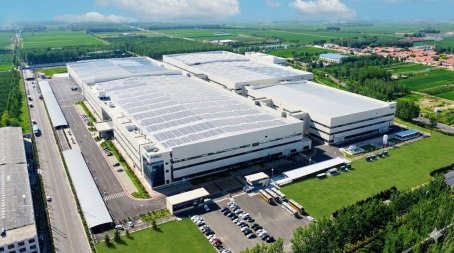
Core Viewpoint - Artificial intelligence is reshaping the manufacturing landscape, with AI digital factories becoming a key driver of quality and efficiency transformation in enterprises [1] Group 1: AI Digital Factory Recognition - Haier Smart Home's Qingdao Central Air Conditioning Connected Factory was recognized in the IDC report as a leader in AI digital factory implementation, marking it as the first home appliance company to gain global recognition for large-scale AI agent technology application [1][3] - The IDC evaluation focused on AI digital factory projects that had been operational for at least three months and demonstrated value, highlighting the rigorous requirements for AI technology implementation [3] Group 2: AI Technology Integration - The Qingdao factory integrates AI technology throughout the manufacturing process, addressing issues such as independent system operations, inconsistent data standards, and low production line efficiency [3] - The factory employs AI models and digital twin technology to create AI agents suitable for various processes, enhancing production efficiency and product quality while promoting a sustainable manufacturing ecosystem [3][5] Group 3: Production Efficiency Improvements - The factory has achieved significant production optimization, reducing order changeover time from 30 minutes to 5 minutes and compressing order response cycles to 7 days [6] - The deployment of a 3D vision and collaborative robot system in the assembly workshop has led to a 60% automation rate in the outdoor unit workshop and a 30% increase in per capita efficiency [6] Group 4: Future Directions - Haier Smart Home aims to deepen the integration of AI in smart manufacturing, continuously improving its smart manufacturing system to drive high-quality industry development and enhance user experience [6]