
银行业

Search documents
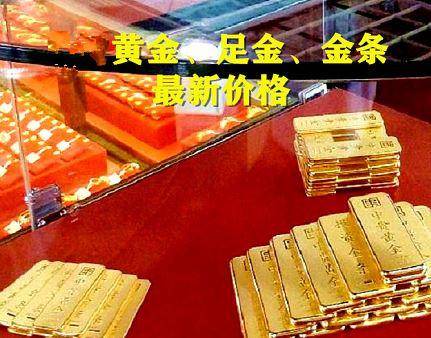
黄金跌价,金条降价,2026年02月10日,国内黄金,足金、金条最新价格
Sou Hu Cai Jing· 2026-02-15 06:32
Core Insights - The recent fluctuations in the gold market have led to a decline in gold prices, prompting adjustments in gold bar prices, which are crucial for both investment and consumption [1] Group 1: Gold Purity Differences - The key indicators of gold value are purity levels, with common types being 999 (thousand-foot gold) and 9999 (ten-thousand-foot gold), where 999 has a gold content of 99.9% and 9999 has a higher content of 99.99% [2] - Higher purity gold, such as 9999, is generally softer than 999 gold due to its composition [3] - The price of 9999 gold is typically higher than that of 999 gold due to its greater gold content [4] Group 2: Latest Gold Prices - As of February 10, 2026, the domestic gold prices are as follows: - 999 gold: approximately RMB 1125.86 per gram - 9995 gold: approximately RMB 1123.50 per gram - 9999 gold: approximately RMB 1119.00 per gram [6] - The latest bank gold bar prices include: - Minsheng Bank: approximately RMB 1131.50 per gram - China Construction Bank: approximately RMB 1136.00 per gram - Agricultural Bank of China: approximately RMB 1147.05 per gram [7]

资金大撤离!美国关税,突生变数!140万亿资产承压,下一个风口在哪?
券商中国· 2026-02-15 05:56
Core Viewpoint - The narrative shift in the market is driven by Trump's "affordability" politics, which is reallocating funds from "Wall Street elites" to "ordinary people," leading to a rise in small-cap value stocks while tech giants face pressure [1][3]. Group 1: Economic Policies and Market Impact - Trump's administration plans to reduce certain tariffs, which have exacerbated the "affordability crisis" for American consumers and complicated cost calculations for businesses [2][3]. - The affordability crisis is causing a change in market narrative, with small-cap value stocks gaining traction and the narrative around artificial intelligence shifting from "awe" to "poverty," resulting in increased related debt [3]. Group 2: International Market Dynamics - According to a report by EPFR Global, international developed markets, including Europe and Japan, have attracted $104 billion this year, significantly surpassing the $25 billion inflow into U.S. funds, indicating a shift in investor focus [3]. - The U.S. trade policy is creating a "new world order," prompting investors to exchange U.S. assets for international ones, suggesting a transition from U.S. exceptionalism to global rebalancing [3]. Group 3: Stock Market Trends - Despite tax cuts, the S&P 500 index has lagged behind international peers, with the dollar index dropping over 10% since the end of 2024 [4]. - The current market environment is characterized by significant volatility due to the "AI disruption" affecting various sectors, including software services and logistics [4]. - The upcoming leaders in the market are expected to be emerging markets and small-cap stocks as U.S. exceptionalism gives way to global rebalancing [4]. Group 4: Investment Opportunities - After a period of intense selling, the valuation of internet companies is becoming increasingly attractive, suggesting potential investment opportunities as the market returns to a more rational pricing logic [5].


黄金涨3.98%、白银9.7%同步走高,这波行情背后透露了什么市场玄机?
Sou Hu Cai Jing· 2026-02-15 05:54
Group 1: Market Movements - Silver surged by 9.7% and gold by 3.98% on February 7, just a week after experiencing significant declines of 36% and over 12% respectively on January 31 [1][3] - The volatility in precious metals was not merely a technical adjustment but was triggered by the nomination of Kevin Warsh as the new Federal Reserve Chairman, leading to global liquidity fears [3][4] - The extreme price fluctuations caused chaos in the physical market, with some jewelry stores halting sales of investment silver bars due to drastic price changes [3][4] Group 2: Economic Implications - Warsh's nomination raised concerns about monetary tightening, as he advocates for both interest rate cuts and balance sheet reduction, creating a paradox in market expectations [4][9] - The narrative of "de-dollarization" has been sharply corrected, with central banks increasing gold purchases, particularly China, which bought gold for 13 consecutive months [6][11] - The silver market is facing a supply shortage, with COMEX registered inventories dropping to 103 million ounces while open interest reached 429 million ounces, indicating a mismatch that could lead to forced liquidations [6][11] Group 3: Investor Behavior - There is a sharp division in market sentiment regarding future trends, with some analysts believing in the long-term decline of U.S. debt sustainability and dollar credibility, while others see potential recovery if Warsh successfully implements his policies [8][13] - The volatility has led to significant movements in funds, with some capital flowing from precious metals to U.S. Treasuries as investors reassess liquidity risks [11][13] - The current market conditions have made it difficult for ordinary investors to navigate, with high volatility and uncertainty dominating trading strategies [13]
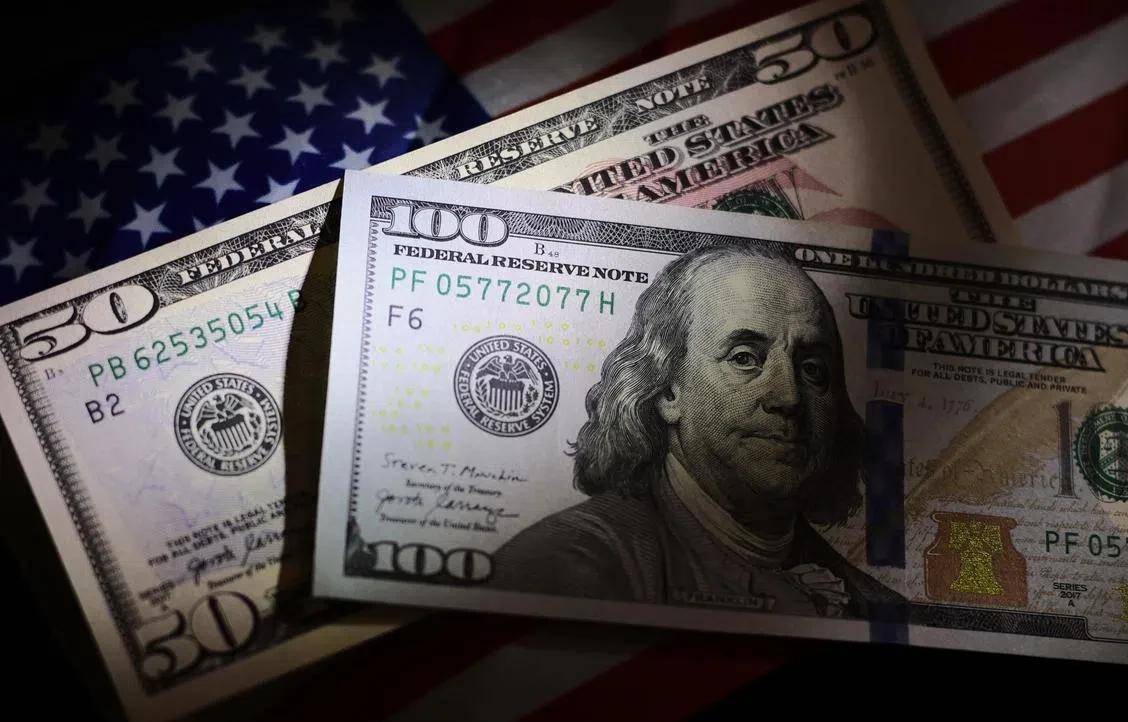
不救美元,中国抛售美债加持黄金,不到72小时,美财长紧喊不脱钩
Sou Hu Cai Jing· 2026-02-15 05:43
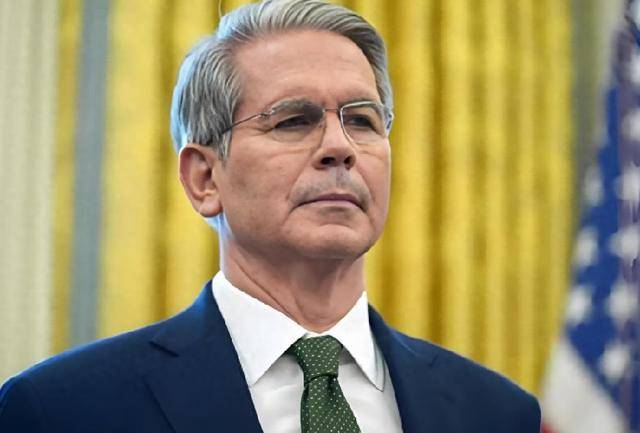
Group 1 - China has significantly reduced its holdings of U.S. Treasury bonds, bringing its position down to $682.6 billion, nearly halving from a peak of $1.3 trillion in 2013, marking the lowest level since 2007 [5][7] - The reduction in U.S. Treasury holdings is a strategic, gradual process, with China net selling bonds for nine consecutive months, including a notable reduction of $11.8 billion in October alone [7][8] - In contrast, China has been increasing its gold reserves, accumulating 139 million ounces over 15 months, reaching a historical high of 74.19 million ounces (approximately 2,308 tons) [10] Group 2 - The increase in gold reserves reflects a strategic shift to mitigate credit risk associated with U.S. debt, as the U.S. debt has surpassed $38 trillion, with interest payments exceeding $1.2 trillion annually [14] - The move also aims to prevent the "weaponization" of the dollar, as seen in the freezing of Russian assets, prompting China to secure its assets in gold [16] - China's strategy includes diversifying investments beyond U.S. debt, with funds allocated to gold, high-rated Eurozone bonds, and ASEAN infrastructure equity investments [18] Group 3 - The U.S. has reacted to China's actions with urgency, as evidenced by Treasury Secretary Yellen's rapid shift from a confrontational stance to a more conciliatory approach, emphasizing the importance of maintaining ties with China [21][23] - The U.S. economy's reliance on China is evident, as the U.S. debt market is significantly impacted by China's actions, with concerns over liquidity and potential systemic financial risks if other countries follow suit in selling U.S. bonds [25][27] - The U.S. acknowledges its dependence on China in critical supply chains, which complicates any potential decoupling, especially with upcoming midterm elections influencing policy decisions [29][31] Group 4 - The ongoing financial dynamics between China and the U.S. are reshaping global financial structures, with a noticeable trend towards de-dollarization as more countries follow China's lead in reducing U.S. bond holdings and increasing gold reserves [33][35] - Countries like Poland and Russia are also increasing their gold reserves significantly, indicating a broader shift away from dollar dependency [36][38] - The rise of local currency settlements among oil-rich nations and the expansion of China's CIPS system further illustrate the diminishing dominance of the dollar in global trade [40][41] Group 5 - The U.S. faces a dilemma in maintaining dollar hegemony amidst a growing debt crisis, with the current debt level posing significant challenges to its financial stability [43] - The interdependence between the U.S. and China complicates the situation, as both economies rely on each other for stability and growth, making a complete decoupling impractical [45][46] - The future of U.S.-China financial relations is likely to evolve into a prolonged contest, with the trend towards a more balanced global financial system becoming increasingly apparent [48]
今日金价:大家要有心理准备了,2月15日,金价或将重现15年历史
Sou Hu Cai Jing· 2026-02-15 05:06
Group 1 - The current gold price is experiencing high volatility, with the London gold price at $5038.52 per ounce, up $117.71 from the previous day, indicating a "rise followed by consolidation" trend [1] - The Shanghai gold price (AU9999) is at 1108.5 yuan per gram, down 15.1 yuan, showing a "same high level, different rhythm" phenomenon compared to the international market, reflecting intense short-term capital speculation [1] - The price of gold jewelry in stores ranges from 1300 to 1548 yuan per gram, with significant brand premium differences [2] Group 2 - The highest price for 999 pure gold from Lao Feng Xiang is 1548 yuan per gram, while other brands like Chow Sang Sang and Xie Rui Lin are priced at 1534 yuan and 1529 yuan per gram respectively [2] - The more affordable options from Cai Bai and China Gold are priced at 1528 yuan per gram, with price differences of 10 to 20 yuan per gram for 99.9% pure gold being common [3] Group 3 - Bank gold bars are priced between 1130 to 1145 yuan per gram, with various banks like ICBC, ABC, CCB, and BOC offering products within this range [5][6] - Craft gold bars from brands like Chow Tai Fook and Lao Feng Xiang have more noticeable premiums and lower buyback prices [7] Group 4 - The average buyback price for national 999 gold is 1067 yuan per gram, with recent fluctuations between 1030 to 1090 yuan per gram [8] - Buyback prices can vary by region, with brand store official buyback prices typically 15 to 40 yuan lower than market averages [9] Group 5 - Online platforms generally offer buyback prices between 1050 to 1073 yuan per gram, with actual received prices subject to deductions for testing [12] - Price differences exist between cities, with first-tier cities having faster updates and more transparent buyback processes compared to third and fourth-tier cities, which may be lower by 10 to 25 yuan per gram [14] Group 6 - Recommendations for consumers include comparing prices at multiple stores for jewelry purchases, prioritizing bank investment gold bars for investment, and comparing prices across different platforms for selling gold to maximize returns [15]
微信宣布拜年新玩法:春节期间,可用自己的声音AI制作拜年歌
新华网财经· 2026-02-15 04:41
Group 1 - The article introduces a new feature on WeChat that allows users to create personalized New Year songs using AI technology during the Spring Festival [1][6]. - Users can access this feature by navigating to "Discover" and then "Listen" to produce their own New Year songs, enhancing the festive experience [6][8]. - The feature aims to make the traditional practice of sending New Year greetings more engaging and entertaining by incorporating music [1][9]. Group 2 - The article highlights the cultural significance of using songs for New Year greetings, suggesting that it adds a lively and joyful element to the celebrations [9]. - It mentions that even those who may not have singing talent can participate, as the AI-generated songs can help overcome any concerns about vocal ability [9]. - The feature is expected to resonate well with users, as it aligns with the festive spirit and the desire for unique expressions of well-wishing during the holiday [1][8].


全球抛售,中国现有美国国债仅剩6826亿美元,美债光环正在消失
Sou Hu Cai Jing· 2026-02-15 04:30
Core Viewpoint - The U.S. Treasury bonds, once considered a safe haven for global investors, are currently facing an unprecedented trust crisis, marked by significant sell-offs and rising yields, indicating a shift in market perception towards U.S. assets [1][3]. Group 1: Market Dynamics - In April 2025, the U.S. stock market experienced a notable decline, while U.S. Treasury bonds, typically seen as safe assets, faced historic sell-offs, with the 10-year Treasury yield rising from below 3.9% to 4.51% and the 30-year yield surpassing 5% [1]. - The sell-off is attributed to high uncertainty in U.S. policies, particularly threats of "reciprocal tariffs," which have eroded the global credibility of the dollar and U.S. government [3]. - Analysts from Citigroup and Deutsche Bank suggest that this situation indicates a transformation in market dynamics, with U.S. Treasury bonds losing their traditional status as a safe haven during turbulent times [3]. Group 2: U.S. Debt Concerns - The U.S. federal government debt has exceeded $38 trillion and continues to grow rapidly, with net interest payments expected to surpass defense spending by 2025, becoming the third-largest budget item [3]. - The International Institute of Finance (IIF) reported that global debt reached $345.7 trillion by September 2025, with developed markets' outstanding debt hitting a historical peak of $230.6 trillion, largely driven by the U.S. [3]. - The Congressional Budget Office (CBO) projects that the fiscal deficit will expand from $1.9 trillion in 2025 to $2.5 trillion by 2035, raising concerns about the sustainability of U.S. debt [3]. Group 3: Dollar's Erosion - The credibility of the dollar as the world's primary currency is being undermined due to the U.S. government's frequent use of financial sanctions, which has prompted countries to recognize the risks of over-reliance on the dollar [5]. - The political polarization within the U.S. has hindered fiscal reforms, further shaking international investors' long-term confidence in dollar-denominated assets [5]. Group 4: Shift to Gold - A significant shift towards "de-dollarization" is underway, as evidenced by the decline of the dollar's share in global foreign exchange reserves to 56.32% by Q2 2025, the lowest in 30 years, while gold's share has risen to 20% [6]. - The World Gold Council reported that global central banks have purchased over 1,000 tons of gold annually from 2022 to 2024, with 634 tons acquired in the first three quarters of 2025 alone, indicating strong official demand for gold [8]. - Gold prices surged from approximately $2,600 per ounce at the beginning of 2025 to $4,500 per ounce by year-end, marking a cumulative increase of over 70% [8]. Group 5: International Trade and Currency Diversification - Efforts to reduce dependence on the dollar in trade settlements are gaining momentum, with ASEAN countries agreeing to enhance local currency usage in cross-border trade [9]. - China is actively promoting the internationalization of the yuan while reducing its holdings of U.S. Treasury bonds, employing strategies that include providing low-interest loans to high-debt countries to facilitate trade in yuan [9]. - As of November 2025, China's holdings of U.S. Treasury bonds have decreased to $682.6 billion, nearly half of the peak level of approximately $1.32 trillion in 2013, reflecting a tactical reduction in response to U.S. policy unpredictability [12]. Group 6: Global Monetary System Transformation - The international monetary system is undergoing profound changes, with a gradual decline in the dollar's dominance and a shift towards a diversified reserve system involving the dollar, euro, yuan, and gold [14]. - A survey by the World Gold Council indicated that 95% of central banks expect to continue increasing their gold reserves, with many anticipating a moderate to significant decline in the dollar's share of global reserves over the next five years [14]. - The current dynamics reflect a fundamental shift in reserve management logic, prioritizing security, liquidity, and geopolitical risk diversification over mere yield [14].
盛松成:降准优于降息,货币政策宜采取“小步走”模式
Shang Hai Zheng Quan Bao· 2026-02-15 03:43
Core Viewpoint - The current economic environment is characterized by a transition period, with a stable economic foundation but challenges in domestic demand, real estate adjustments, and bank net interest margins. The focus is on leveraging economic potential through policy support and reform innovation [1]. Group 1: Monetary and Fiscal Policy Coordination - The preference for "reducing reserve requirements over lowering interest rates" is based on the current low net interest margins of commercial banks, which makes significant interest rate cuts less feasible. This approach aligns with China's macroeconomic governance, where fiscal policy plays a leading role and monetary policy acts in support [2][3]. - The "gradual reduction in reserve requirements and interest rates" approach is recommended due to high uncertainty, allowing for a more measured monetary policy implementation that considers market feedback [3]. - China's average reserve requirement ratio is approximately 6.3%, indicating significant room for reduction compared to Western countries, where reserve requirements have been largely eliminated [4]. Group 2: Real Estate Market Stability - Recent policies aimed at stabilizing the real estate market include adjustments to housing purchase restrictions and lowering housing fund loan interest rates, resulting in a narrowing decline in key real estate indicators such as sales and funding [6][7]. - The key to stabilizing expectations in the real estate market lies in improving liquidity and addressing employment and income expectations, which are critical for demand recovery [7]. Group 3: Investment in Human Capital - The shift from "investment in physical assets" to "investment in human capital" is emphasized, with a focus on enhancing public services in education, healthcare, and social security to drive economic growth [8][9]. - The government aims to increase fiscal spending on social welfare, which currently accounts for less than 10% of GDP, compared to 10-20% in developed countries, indicating room for growth [10]. Group 4: Consumption Activation - Short-term measures such as fiscal transfer payments (e.g., consumption vouchers) are deemed more urgent and effective for boosting consumer spending, especially for low-income groups [11][12]. - Long-term strategies should include tax reforms and targeted subsidies to stimulate demand in service sectors like elder care and childcare, which have significant growth potential [13][14][16].
一夜暴涨超百美元!黄金市场大反转,5000关口轻松破,后续走势
Sou Hu Cai Jing· 2026-02-15 03:30
Core Viewpoint - The gold market has experienced extreme volatility in early 2026, with significant price fluctuations driven by macroeconomic factors and central bank activities [1][3][14]. Group 1: Market Dynamics - On February 14, 2026, gold prices saw a dramatic "V" reversal, dropping to $4877.75 before rebounding to over $5040, marking a daily increase of over 2.47% [1]. - The gold price had previously reached a historic peak of $5598.75 on January 29, 2026, followed by a sharp decline of over $1100, the largest single-day drop in 40 years [1][3]. - The volatility was exacerbated by the release of U.S. non-farm payroll data, which exceeded expectations, dampening market hopes for an imminent interest rate cut by the Federal Reserve [3]. Group 2: Central Bank Activities - As of January 2026, China's gold reserves reached 74.19 million ounces, marking the 15th consecutive month of increases [5]. - Global central banks are expected to maintain high levels of gold purchases, with an estimated 755 tons in 2026, significantly above historical averages prior to 2022 [5]. - Central banks have shifted from being net sellers to net buyers of gold, indicating a strategic long-term approach to gold accumulation as a defense against potential risks associated with the U.S. dollar [5][14]. Group 3: Investment Trends - The current gold market is characterized by a dual role: as a consumer good for jewelry and as an investment asset, with significant price discrepancies observed between retail gold jewelry and investment gold bars [11]. - Financial institutions are tightening regulations on gold investments to protect inexperienced investors from market volatility, raising the minimum investment amounts and risk assessment requirements [9]. - Analysts predict that gold prices will likely fluctuate within a range of $4900 to $5100 in the coming weeks, with the $5000 mark serving as a critical battleground for market participants [8]. Group 4: Long-term Outlook - The gold bull market, which began in September 2022, has seen a cumulative increase of over 246%, with 2025 being a pivotal year for price acceleration [14]. - The driving forces behind the current gold price dynamics have shifted from real interest rates to geopolitical tensions and a reassessment of the existing monetary credit system [14]. - Major financial institutions maintain a bullish long-term outlook for gold, with target prices ranging from $6100 to $6300 per ounce, driven by ongoing central bank demand and the anticipated easing of U.S. monetary policy [15].

惠州送“春节置业政策礼包”,支持银行按县区认定住房套数
Bei Ke Cai Jing· 2026-02-15 03:09
新京报贝壳财经讯 2月14日晚间,也就是在春节假期的前一天,惠州发布了楼市新政,送出"春节置业 政策礼包"。 据惠州市住房和城乡建设局发布的《关于促进我市房地产市场平稳健康发展的若干措施》(下称《措 施》),包括公积金支持力度、住房套数信贷认定标准、住宅专项维修资金缴存、房源信息发布等关键 领域推出8项精准措施。 同时,加大住房公积金贷款支持力度。《措施》明确,首套房个人最高贷款额度从40万元提升至50万 元、家庭(夫妻双方)最高贷款额度从60万元提升至90万元;二套房个人最高贷款额度从30万元提升至 40万元、家庭(夫妻双方)最高贷款额度从50万元提升至70万元。 此外,惠州新政还涉及住宅品质、金融支持、房源监管等方面,为春节假期置业"保驾护航"。 编辑 徐倩 在住房套数信贷政策认定上,惠州此次新政打破以往以全市统一认定的模式,支持银行业金融机构按县 (区)认定住房套数。此次《措施》明确,居民家庭成员在拟购房屋所在县(区)名下无住房的,申请 商业住房贷款购买新建商品住房时,可按首套认定;多子女、赡养老人的家庭,若在拟购房屋所在县 (区)已有成套住房,套数认定可核减1套,银行业金融机构按照优化后的套数认定标准 ...