
存储

Search documents
价值投资的对立面不是“小登科技”
Sou Hu Cai Jing· 2025-11-10 12:54
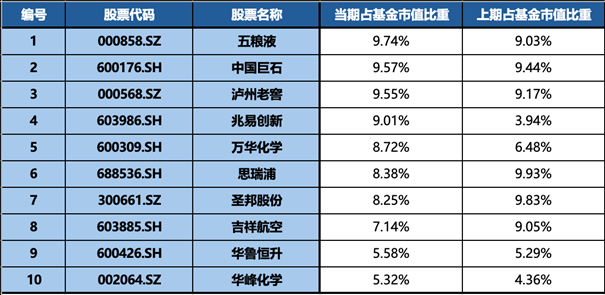
Core Viewpoint - The article discusses the evolving landscape of value investing in the context of emerging technologies like AI, emphasizing that value investing is not opposed to technology investment but rather encompasses it as part of a broader investment strategy [1][16]. Group 1: Value Investing and AI - Value investors can participate in the AI era without abandoning their principles, as value investing is fundamentally about assessing long-term cash flows rather than being confined to specific industries [1][16]. - Tian Yu, a representative value investor, has been early in researching AI and integrates it into his investment evaluations without distinguishing between emerging and traditional industries [2][3]. Group 2: Investment Framework - Tian Yu employs a consistent framework for evaluating all types of companies, focusing on three criteria: clear demand limits, assessable business models, and identifiable economic moats [3][11]. - His analysis of the semiconductor industry, particularly wafer foundries, highlights the importance of understanding the physical and economic principles that govern these businesses [4][5]. Group 3: Case Studies and Insights - The analysis of advanced process wafer foundries reveals that the business model is characterized by high economies of scale and steep learning curves, making it a niche market that can support only a few dominant players [4][5]. - Tian Yu's investment in a specific analog chip company illustrates the importance of looking beyond static financial metrics, focusing instead on long-term cash flow potential [6][7]. Group 4: Market Perceptions and Misconceptions - There is a common misconception that value investors only buy currently profitable companies, but Tian Yu argues that future profitability is equally important, as long as the business can generate cash flow over time [6][11]. - The article emphasizes that value investing is not synonymous with investing in traditional industries; it can also encompass high-tech sectors as long as the underlying business logic is sound [16][18]. Group 5: Portfolio Management - Tian Yu maintains a concentrated portfolio, with over 80% of his holdings in the top ten positions, reflecting a strategy of focusing on high-quality companies across various sectors [13][14]. - His approach to portfolio management balances exposure across different market segments, adapting to changing market conditions while maintaining a focus on companies with strong economic moats [13][14].

价值投资的对立面不是“小登科技”
点拾投资· 2025-11-10 11:00
Core Viewpoint - The article discusses the relationship between value investing and technology investment, emphasizing that they are not opposites. Value investors can participate in the benefits of the AI era by applying their investment principles to technology sectors [1][20]. Group 1: Value Investing Principles - Value investing is defined as earning returns from the long-term cash flows of companies, without being restricted to specific industries [1][20]. - The core of value investing is to avoid permanent loss of capital, and careful evaluation may lead to missed opportunities, but value investors can still act decisively when confident [2][20]. - Value investors like Tian Yu focus on long holding periods, high concentration in a few stocks, and the importance of a company's competitive advantages [1][2]. Group 2: Technology Investment Insights - Tian Yu has been researching AI and its implications for value assessment early on, indicating that value assessment does not differentiate between emerging and traditional industries [2][4]. - The evaluation framework for technology companies includes understanding demand limits, assessable business models, and identifiable competitive advantages [4][6]. - The semiconductor industry, particularly wafer foundries, is analyzed through a physical perspective, highlighting the challenges and opportunities in advanced process technologies [5][10]. Group 3: Market Dynamics and Investment Strategy - The demand for AI has increased the value of competitive advantages in technology sectors, as performance differences become more significant [6][10]. - Tian Yu's investment strategy involves a dynamic view of future cash flows rather than static earnings, allowing for investments in companies that may not currently be profitable but have strong long-term potential [7][8]. - The article highlights the importance of understanding the underlying business models and competitive dynamics in technology sectors, which can be complex and require specialized knowledge [6][11]. Group 4: Portfolio Management - Tian Yu maintains a concentrated portfolio with a high percentage of top holdings, reflecting a strategy of focusing on quality investments [16][17]. - The portfolio is diversified across different sectors, including technology and chemicals, to mitigate systemic risks while maintaining a focus on companies with strong supply-side competitive advantages [17][18]. - The article emphasizes that value investing is not limited to traditional industries and can adapt to modern technological advancements, allowing investors to benefit from current market trends [20][22].

龙虎榜复盘 | 锂电迎机构资金热捧,大消费强势,存储持续
Xuan Gu Bao· 2025-11-10 10:59
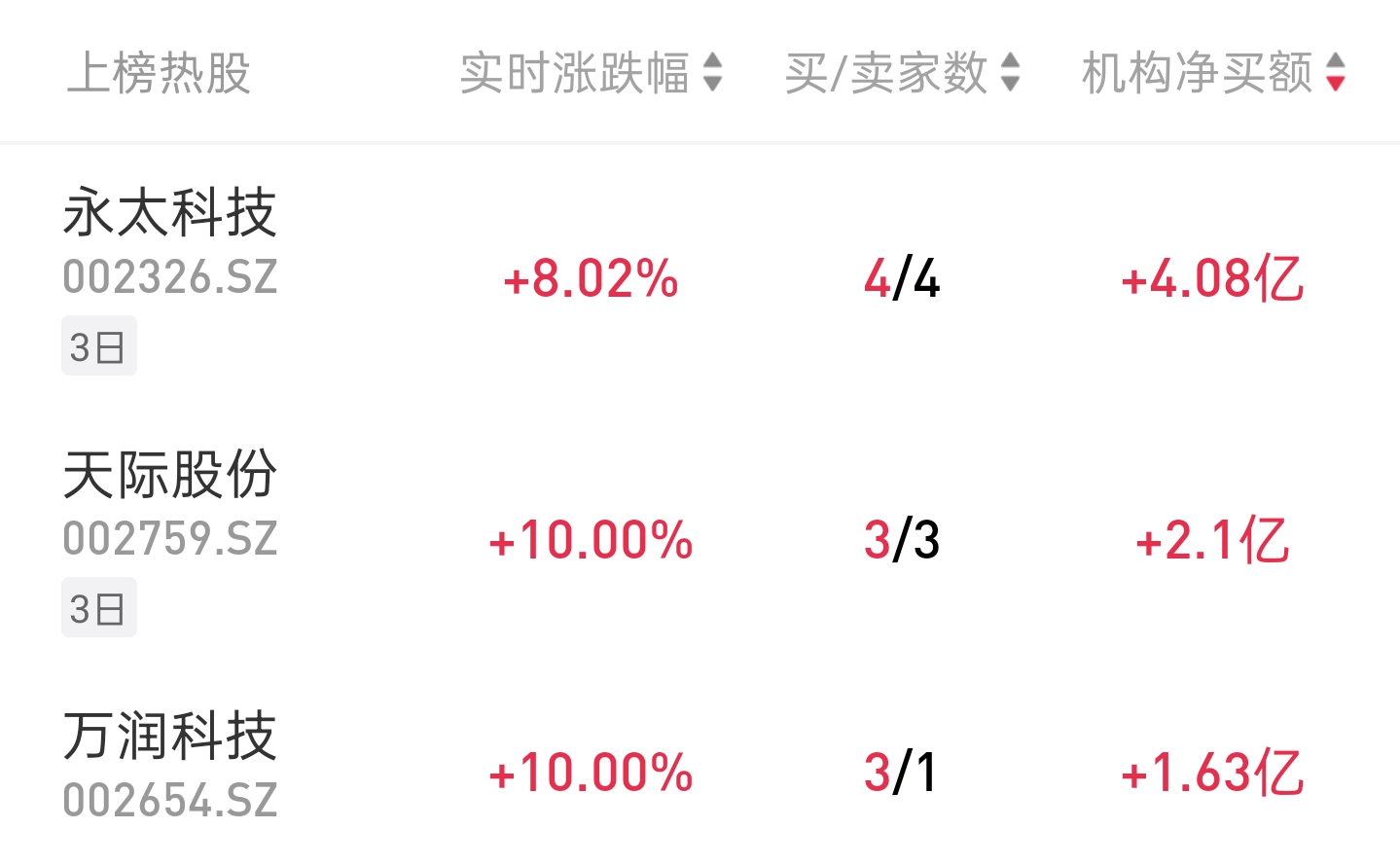
Group 1: Stock Market Activity - 35 stocks were listed on the institutional leaderboard today, with 15 stocks seeing net buying and 20 stocks experiencing net selling [1] - The top three stocks with the highest net buying by institutions were Yongtai Technology (CNY 438 million), Tianji Shares (CNY 210 million), and Wanrun Technology (CNY 163 million) [1] Group 2: Storage Industry Insights - NAND flash contract prices surged by 50% in November, driven by SanDisk's price increase, causing disruptions in the storage supply chain [3] - Major manufacturers like Transcend and Apacer have paused shipments to reassess pricing due to expectations of further price increases [3] - The global NAND Flash bit demand is projected to exceed 200EB by 2026, with AI driving increased storage needs across various data types [3] Group 3: Consumer Sector Trends - The popularity of "milk skin candy hawthorn" has surged, leading to long queues and high prices in cities like Shanghai, indicating a trend in consumer behavior [5] - The National Bureau of Statistics reported a 0.2% year-on-year increase in CPI for October, with core CPI rising to its highest level since March 2024 [5] - Analysts suggest that the need to expand domestic demand is becoming more critical, with expectations for increased fiscal measures to boost consumption and investment in 2026 [5]


全球股市狂欢能否跨年?游学重庆与付鹏、郁乐畅聊2026资产风向
华尔街见闻· 2025-11-10 10:24
Group 1 - The core concern in the market as 2025 ends is whether the "celebration" of global risk assets can continue into 2026 [1] - The Federal Reserve announced a 25 basis point rate cut and will end its "balance sheet reduction" process on December 1, which has contributed to the rise of the US stock market, reaching a historical high of 6920 points, up over 40% since April [1] - The A-share market also experienced a bull market in 2025, with the Shanghai Composite Index surpassing 4000 points, driven by strong performances in technology and innovative pharmaceutical sectors, with some tech stocks rising over 500% this year [3] Group 2 - Gold has seen rapid price increases, breaking through the $3000 and $4000 per ounce marks, but recently experienced a significant 10% pullback, raising questions about whether this is a temporary technical correction or a shift in its long-term bullish trend [3] - Japan's stock market has surged, with the Nikkei 225 index rising over 70% since April, influenced by political changes and monetary easing policies introduced by the new Prime Minister, who announced a 14 trillion yen stimulus plan [4][7] - The upcoming APEC summit in South Korea is expected to impact global economic and financial market trends, with significant events in the political and economic landscape anticipated in the next two months [8]

涨幅高达50%,闪存龙头最新合约价暴涨
3 6 Ke· 2025-11-10 09:55
Group 1 - The storage industry is experiencing significant price increases, with SanDisk raising NAND flash contract prices by 50% in November, marking at least the third price hike this year [2] - The demand for AI data centers is surging, coupled with limited wafer supply, leading to a widening supply-demand gap in the storage sector [1][2] - NAND flash market demand is expected to exceed supply capabilities, with projections indicating that data centers will become the largest demand source for NAND flash by 2026 [2][3] Group 2 - The current storage shortage is described as the most severe in 30 years, driven by AI demand and increasing SSD requirements [3] - TrendForce reports that NAND flash spot prices are rising significantly due to the release of high contract prices, while suppliers are holding back inventory in anticipation of further price increases [3][4] - Major DRAM manufacturers, including Samsung, have paused contract pricing, leading to a 25% surge in DDR5 spot prices within a week [4]
第一创业晨会纪要-20251110
First Capital Securities· 2025-11-10 08:12
Macroeconomic Group - In October, China's export growth rate decreased by 0.8% year-on-year in RMB terms, down from 8.4% in September, while import growth was 1.4%, down from 7.5% [4] - The trade surplus for October was $90.1 billion, lower than the expected $113.7 billion and slightly down from $90.4 billion in September [4] - The decline in export growth is attributed to several factors, including fewer working days, a high base from last year, weakening manufacturing PMI in major Western economies, and increased tariffs from the U.S. [5] Industry Comprehensive Group - SanDisk has significantly raised the contract prices for NAND flash memory by up to 50% in November, marking the third price increase this year [10] - The demand for AI computing power is strong, suggesting that the current round of storage price increases may persist for a longer duration [10] Advanced Manufacturing Group - Tianqi Lithium announced long-term supply agreements with two battery companies, covering approximately 40% of their electrolyte demand for the next three years, totaling 1.595 million tons [13] - This move is aimed at mitigating price volatility risks of upstream raw materials, indicating potential price pressures for key upstream materials in 2026 [13] Consumer Group - The packaging paper market is experiencing a price increase trend, with major companies like Nine Dragons Paper and Shanying Paper raising prices by 30 to 150 RMB per ton [15] - The market average price for boxboard and corrugated paper has risen by 40 RMB per ton, driven by strong demand during the Double Eleven shopping festival [15][16] - The pulp market is seeing a decrease in both inventory and prices, alleviating cost pressures for paper manufacturers [16]


MTS议题公布|价格疯涨?供需博弈?大咖共探2026年存储产业趋势
TrendForce集邦· 2025-11-10 07:09
Core Viewpoint - The article highlights the upcoming MTS2026 Storage Industry Trend Seminar, focusing on the transformation of the storage industry driven by AI technology and the restructuring of the global ecosystem [2]. Event Details - The seminar is scheduled for November 27, 2025, from 9:00 AM to 5:30 PM at the Shenzhen St. Regis Hotel [5][20]. - The agenda includes keynote speeches, a TechFuture Awards ceremony, and networking opportunities [18][19]. Keynote Speakers and Topics - The opening remarks will be delivered by the Chairman of TrendForce, Dong Yunchang, discussing the impact of AI and supply-demand variables on wafer foundries [5]. - Senior Research Vice President Guo Zuorong will analyze the capacity competition and price trends in the memory market for 2026 [5]. - Other notable speakers include: - Ni Jinfeng from Solidigm, discussing innovations in storage that support AI breakthroughs [7]. - Huang Shaowa from Qianxing Technology, focusing on collaborative innovations in storage and computing to promote AI applications [10]. - Chen Baoli from Intel, presenting on the role of Xeon 6 in empowering the cloud intelligence era [11]. - Zhaoming from Oconno, addressing the dual drivers of traditional and AI technologies in the server market for 2026 [14]. Industry Insights - The seminar aims to gather industry leaders to discuss the future of storage technology and its integration with AI, highlighting the importance of innovation in driving industry growth [16].

研报掘金丨平安证券:维持江波龙“推荐”评级,盈利水平有望迎来持续改善
Ge Long Hui· 2025-11-10 06:22
Core Viewpoint - The report from Ping An Securities indicates that Jiangbolong achieved a net profit attributable to shareholders of 713 million yuan in the first three quarters of 2025, representing a year-on-year increase of 27.95% [1] - In Q3, the company reported a net profit of 698 million yuan, showing a remarkable year-on-year growth of 1994.42% and a quarter-on-quarter increase of 318.94% [1] Financial Performance - For the first three quarters of 2025, Jiangbolong's net profit reached 713 million yuan, up 27.95% year-on-year [1] - In Q3 alone, the net profit was 698 million yuan, reflecting a significant year-on-year increase of 1994.42% and a quarter-on-quarter rise of 318.94% [1] Business Trends - The company has continued the improvement trend observed since Q2 2025, with multiple business areas achieving sustained breakthroughs and significant operational performance improvements [1] - The ongoing high demand for AI is driving storage needs, and the successful inventory digestion in the industry has led to a rebound in storage prices since Q2 2025 [1] Market Outlook - Given the current favorable market supply and demand conditions, the upward cycle in storage is expected to continue [1] - As a leading storage manufacturer in China, the company is well-positioned to benefit from this upward industry cycle, with expectations for continued improvement in profitability [1]
全球AI季报总结展望
2025-11-10 03:34
Summary of Key Points from Conference Call Records Industry Overview - **AI Industry Growth**: The AI industry is experiencing significant growth, particularly among North American tech giants like Google, Microsoft, and Meta, which reported better-than-expected earnings, especially in capital expenditures. These companies are leveraging AI for revenue growth and cost optimization, with Google specifically noting a return on overall investment through AI initiatives [2][17][18]. Company-Specific Insights - **Lumileds Performance**: Lumileds reported earnings that exceeded expectations, with the industry gap widening from 20% to 25%-30%, indicating strong demand in the optical module market [1][2]. - **Storage Industry Trends**: Companies like Western Digital, Micron, and SanDisk reported earnings per share (EPS) that surpassed market expectations, driven by AI data center demand, leading to rising storage prices and creating a second and third wave of market activity [15][40]. - **Domestic Companies**: Domestic firms such as Xuchuang and New Yisheng are also showing strong performance, with optimistic outlooks for the optical communication sector, particularly in 400G and 800G products [2][12][25]. Market Demand and Trends - **Strong Demand for Computing Power**: The domestic computing power market is robust, with companies like Tencent, Alibaba, and ByteDance increasing investments in Kubernetes (K8S) despite GPU shortages. This trend is expected to continue, driven by China's large population base [4][28]. - **AI Application Growth**: Areas such as AI education, customer service, and programming are showing significant growth potential, with domestic companies poised to capitalize on this trend [6]. Future Outlook - **2026 Demand Projections**: The demand for 800G and 1.6T products is expected to rise significantly, with projections for 800G demand increasing from 20 million units to 45-50 million units, and 1.6T demand from 2 million to 20 million units [24]. - **Investment Opportunities**: Companies with high certainty in performance and relatively low valuations, such as Yuanjie Technology and Huamao Technology, are highlighted as potential investment opportunities in the North American computing power supply chain [26][27]. Additional Insights - **Collaboration in Mining and Power Supply**: Recent contracts signed by mining companies with major players like Amazon and Microsoft indicate a growing trend in securing power supply and GPU contracts, which has positively impacted stock prices [10]. - **Technological Advancements**: The transition from training to inference in AI requires a dual focus on Tensor, token, and internet traffic, creating new opportunities for companies in the industry [9]. Conclusion The AI and related industries are poised for significant growth, driven by technological advancements and increasing demand for computing power. Companies that adapt to these trends and invest in the right technologies are likely to see substantial benefits in the coming years.





海外存储大厂业绩超预期,AI驱动存储需求高增
2025-11-10 03:34
Summary of Conference Call on the Storage Industry Industry Overview - The storage industry is experiencing significant growth driven by AI demand, particularly in training and inference processes, leading to increased requirements for computing power and storage [1][2] - The overall market is currently in a high prosperity phase, with storage chip prices rising significantly since September 2025, with average price increases of 20% to 30% expected to continue [2] Key Company Performances - **SanDisk**: Reported $2.3 billion in revenue for Q1 of fiscal year 2026, with a gross margin of approximately 30%. The outlook for the next quarter is optimistic, with expected revenue between $2.55 billion and $2.65 billion and a gross margin increase to 41% to 43% [1][3] - **Western Digital**: Achieved $2.8 billion in revenue with a gross margin of 44%, with 90% of its business coming from cloud services. The company is optimizing costs, indicating strong profitability and a solid business structure [1][4] - **Micron**: Reported nearly 80% of its revenue from DRAM and 20% from NAND during the June to August period, with optimistic expectations for the next quarter [4] - **Seagate**: Generated $2.6 billion in revenue with a gross margin of 40%, and its data center revenue grew over 30% year-on-year [4] Supply and Demand Dynamics - The storage industry is currently facing a severe supply-demand imbalance, expected to last at least until mid-2026 or even throughout the year [3][6] - Major manufacturers are cautious about expanding production capacity, opting instead to adjust product structures to increase high-capacity offerings to meet demand [6] - The operating rates of major overseas manufacturers like Samsung, SK Hynix, and Micron are currently low, around 85% to 90%, with production cuts of 10% to 20% planned for Q4 2024 [1][2] Domestic Market Insights - Domestic module manufacturers such as Demingli are noted for their inventory levels and procurement capabilities, having supply agreements with overseas suppliers and domestic companies like Longhua, allowing them to secure more capacity during shortages [5] - If Demingli's inventory of 10 billion with a 50% price increase is considered, it could lead to profits of approximately 5 billion, suggesting a potential market capitalization of 100 billion at a 20x P/E ratio [5] Future Outlook - The storage industry's prosperity is expected to continue, with manufacturers' performances projected to grow quarter-on-quarter. However, potential impacts from future capacity releases should be monitored [3][6]