茶饮

Search documents
甜啦啦谢观海:我们出海踩了4个坑
3 6 Ke· 2025-09-19 06:46
Core Insights - The overseas market presents significant opportunities for tea brands, with many brands actively expanding their presence internationally, including notable players like Mixue Ice City and Heytea [1][5] - However, entering new markets comes with unique challenges, including high operational costs, supply chain issues, and cultural differences [2][4][21] Market Expansion - As of September 2025, over 45 tea brands have opened nearly 15,000 stores overseas, with Mixue Ice City planning to reach 4,733 stores by June 2025 and Heytea surpassing 100 overseas locations [1] - Sweetlala has shown impressive performance with over 8,000 signed stores globally, including more than 200 overseas, particularly in Indonesia [5] Operational Challenges - High costs are a significant barrier, with the average opening cost for a single store in the U.S. Bay Area reaching $1 million, including $600,000 for renovations and equipment [2] - Supply chain stability is a concern, as many materials still rely on domestic production, complicating logistics and cost management [2] Cultural and Regulatory Considerations - Brands face challenges related to complex regulations, diverse beliefs, and varying taste preferences in different markets, which test their adaptability and strategic patience [4][21] - Cultural differences can create hidden barriers, as seen in Indonesia where local management has diverse religious beliefs impacting team dynamics [5][18] Consumer Preferences - Overseas consumers exhibit different preferences, such as a greater inclination towards sweeter drinks and iced beverages compared to Chinese consumers [11][12] - The demand for local adaptation is crucial, as brands must align their offerings with local tastes and consumption habits to succeed [9][10] Strategic Recommendations - Companies should focus on localizing their teams and marketing strategies to better understand and cater to local consumer behavior [16][17] - A dual approach of maintaining brand standards while adapting to local preferences is essential for successful market entry [21][22]


华为徐直军:明年Q1推出昇腾950PR芯片;三星集团计划五年内新招6万人 | 早资道
Sou Hu Cai Jing· 2025-09-19 01:20
Group 1 - Huawei plans to launch the Ascend 950PR chip in Q1 2026, with subsequent releases of Ascend 950DT in Q4 2026, Ascend 960 in Q4 2027, and Ascend 970 in Q4 2028, emphasizing the importance of computing power in artificial intelligence [2] Group 2 - Yonghui Supermarket appointed Wang Shoucheng as the new CEO, who previously led the operational standard system construction for the company's reform project [3] Group 3 - Bawang Tea Ji opened its second store in North America in Torrance, California, and appointed new executives, including Emily Chang as Chief Business Officer and Aaron Harris as Chief Development Officer [4] Group 4 - Samsung Group announced plans to hire 60,000 new employees over the next five years, focusing on semiconductor, biotechnology, and artificial intelligence sectors [5] Group 5 - Uber partnered with Flytrex to launch a drone delivery service, marking Uber's first investment in the drone delivery sector, expected to start in pilot markets in the U.S. by the end of the year [6]



“一杯奶茶”搅热秋季茶饮消费市场
Sou Hu Cai Jing· 2025-09-18 23:17
Core Insights - The announcement of autumn in Liaoning has sparked a consumption boom in the tea beverage market, particularly among young consumers who are shifting from summer drinks to traditional Chinese health teas [3][4] Group 1: Market Trends - This year's autumn officially began on September 15, which is 17 days later than usual, making it the latest recorded autumn start [4] - The "first cup of milk tea in autumn" has become a significant marketing event since its inception in 2020, demonstrating strong market vitality [4] - On September 15, sales at a major tea brand's chain stores increased by over 30% compared to previous days, indicating a surge in consumer demand [4] Group 2: Product Innovation - Tea brands in Shenyang have launched new seasonal products such as osmanthus wine and chestnut tea, catering to the growing preference for health-oriented beverages among young consumers [5] - Traditional health ingredients are becoming the new focal point in the tea beverage market this autumn, with products like osmanthus, gardenia tea, and pear syrup gaining popularity [5] Group 3: Consumer Behavior - The "first cup of milk tea in autumn" is seen as a way for young consumers to express their emotions and celebrate seasonal changes, reflecting a desire for ritualistic consumption [7] - Young consumers view the purchase of seasonal beverages as a small luxury that enhances their everyday lives, indicating a trend towards emotional and experiential spending [7] - The concept of "emotional consumption" is emerging as a new growth point in traditional consumer sectors, with the autumn milk tea phenomenon exemplifying this shift [7]
东方贡茶回应“拖鞋放进配料盆”:非本品牌,食安问题是底线
Bei Ke Cai Jing· 2025-09-18 23:16
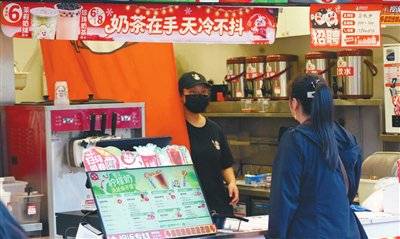
Core Viewpoint - The tea brand Dongfang Gongcha clarified that the incident involving a staff member placing slippers in a bowl of ingredients did not occur at their store, and there are no franchise locations in Guangdong. The brand strongly condemns any actions that jeopardize food safety [1][2]. Group 1: Incident Details - A staff member at a tea shop was reported to have placed slippers into a bowl containing ingredients for pearl milk tea, and subsequently handled the ingredients with bare hands [1]. - The store manager stated that the location has been closed, all tea materials disposed of, and the staff member involved has been taken for investigation [2]. - The local market regulatory authority is aware of the incident and will verify and handle the situation accordingly [2]. Group 2: Brand Clarification - Dongfang Gongcha emphasized that their full brand name is "Dongfang Gongcha" and "Juanliao Gongcha," and that "Gongcha" is a generic term, not a trademark [1]. - The brand urged consumers to recognize the official "Dongfang Gongcha" logo to avoid confusion with other similarly named tea brands [2]. - There are multiple brands using the term "Gongcha," with 32 entries found in a restaurant data query platform, including names like Gu Yu Gongcha and San Pin San Gongcha [2].
在茶饮红海中破局,益禾堂以500店齐开书写“韧性增长”新叙事
2 1 Shi Ji Jing Ji Bao Dao· 2025-09-18 16:10
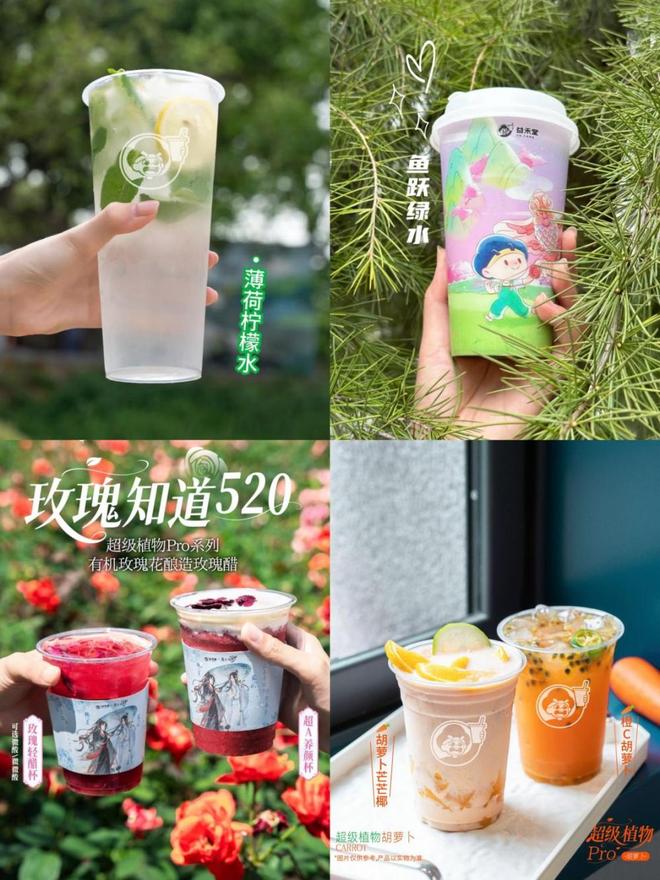
Core Viewpoint - Yihuo Tang's recent achievement of opening 500 stores has positioned it as a focal point in the new tea beverage sector, demonstrating strong market appeal and operational capabilities amidst an overall industry slowdown [1][15][19] Group 1: System Foundation - Yihuo Tang's successful opening of 500 stores is rooted in its long-term systematic capabilities, showcasing a modern restaurant operation model through comprehensive management from site selection to supply chain collaboration and digital management [1][2] - The brand employs a data-driven site selection model to assess commercial potential and customer matching, laying a foundation for store profitability and sustainable operations [1][2] - The supply chain system reflects Yihuo Tang's lean operational advantages, utilizing a "five fixed" management system to ensure precise logistics control and product quality consistency [2] Group 2: Marketing and Consumer Engagement - Yihuo Tang's core strategy, "Yiqu Dongfang Jing Nianqing," focuses on product innovation and targeted marketing to convert scale advantages into brand loyalty [3][6] - The brand has successfully launched a series of innovative products, including the Mint series and Super Plant Pro series, which have resonated well with health-conscious consumers [3][4] - Innovative marketing strategies, including collaborations with popular media and events, have effectively enhanced brand exposure and emotional connection with younger consumers [6][9][10] Group 3: Value Transition and Long-term Strategy - The opening of 500 stores signifies a milestone in Yihuo Tang's high-quality development, emphasizing its "franchisee-first" philosophy and commitment to creating shared value with partners [15][16] - The strategic timing of the expansion during the school season aims to establish early connections with core consumers, ensuring long-term customer loyalty [16][19] - Yihuo Tang's approach focuses on product innovation, systematic capabilities, and emotional connections with consumers, establishing a robust growth model that transcends market fluctuations [15][19]
从孤儿到30亿美元CEO,一位90后富豪的爽文逆袭路
36氪· 2025-09-18 13:35
Core Viewpoint - The article highlights the remarkable journey of Li Fashun, the founder of Flash Express, showcasing his rise from a challenging childhood to building a billion-dollar logistics company in Thailand, emphasizing the importance of understanding local markets and the integration of Chinese efficiency with local flexibility [5][6][8]. Group 1: Company Overview - Flash Express was founded in 2017 and has quickly become Thailand's first unicorn with a valuation of $2.1 billion, delivering 700 million packages annually and employing 100,000 staff [7][8]. - The company disrupted the traditional logistics market in Thailand by offering free pick-up services and operating 365 days a year, which helped it capture the largest market share [18][19]. Group 2: Growth and Expansion - In recent years, Flash Express has expanded its business model beyond logistics into marketing and financial services, collaborating with Chinese brands to penetrate the Thai market [8][26]. - The company has invested approximately 300 to 400 million USD annually in technology to enhance operational efficiency and standardization [16]. Group 3: Challenges and Resilience - During the COVID-19 pandemic, Flash Express faced significant operational challenges, including high costs for health and safety measures and a workforce crisis due to infections, leading to a temporary shutdown of a major distribution center [21][22]. - Despite these challenges, the company managed to rebound, achieving a revenue of 17 billion Thai Baht in 2021, with a significant increase in business volume post-recovery [23]. Group 4: Strategic Insights - Li Fashun emphasizes the importance of local understanding in business operations, advocating for a hybrid management approach that combines local talent with Chinese operational efficiency [12][15]. - The company aims to serve as a bridge for Chinese brands entering Southeast Asia, leveraging its established local networks and expertise [26][27]. Group 5: Future Outlook - The company is focused on expanding its ecosystem beyond logistics, including warehousing and financial services, to create a comprehensive supply chain solution across Southeast Asia [30]. - Li Fashun believes that the next decade will be crucial for Chinese brands entering Southeast Asia, with a vision to incubate 100 successful Chinese brands in the region [26][27].

餐饮加盟商,不再为“大牌”买单?
虎嗅APP· 2025-09-18 13:21
Core Viewpoint - The article discusses the current trends in the franchise market, highlighting a shift from rapid expansion to a focus on sustainability and profitability in the food and beverage industry, particularly in the context of the recent franchise exhibition [5]. Group 1: Decline in Beverage Franchise Participation - The number of beverage brands, particularly tea and coffee, participating in exhibitions has significantly decreased, with only four tea brands present compared to nearly fifteen in previous events [7]. - This decline reflects the tea industry's transition from rapid growth to a phase of deep adjustment, as competition intensifies and market saturation increases [8]. - Franchisees are facing challenges such as reduced customer dine-in rates and increased operational costs, leading some to exit the tea beverage sector altogether [10][11]. Group 2: Stability in Snack and Fast Food Franchises - In contrast to the beverage sector, snack and fast food franchises remain dominant, accounting for over 50% of exhibitors, with average customer prices between 15-30 yuan and investment returns expected within 12-18 months [13]. - The snack and fast food sector is characterized by its essential demand and high cost-effectiveness, with a market size projected to exceed one trillion yuan in 2024, growing by 7.5% year-on-year [13]. - Many franchisees are shifting from high-investment sectors like hot pot and barbecue to snack and fast food for more stable returns [16]. Group 3: Rise of Affordable Self-Service Barbecue - A noticeable trend is the emergence of affordable self-service barbecue brands, which have gained popularity due to the rising "value-for-money" consumption mindset [18][19]. - Despite the growing interest, self-service barbecue faces operational challenges, including limited profit margins and high demands for effective cost management [20][21]. Group 4: Decreasing Brand Worship - There is a diminishing trend of franchisees being attracted solely by well-known brands, as the perception that a big brand guarantees success is being challenged [24][25]. - Higher initial investments associated with top brands are leading franchisees to consider alternative, less costly options that offer quicker returns and greater operational flexibility [26]. Group 5: Cost Reduction Strategies - Many brands are adopting strategies to lower initial investment costs for franchisees, such as allowing self-renovation and reusing equipment, which can save over 200,000 yuan in setup costs [27][29]. - The traditional model of high upfront franchise fees is being replaced by more flexible arrangements, focusing on revenue sharing and stable supply chain profits [29]. Conclusion - The franchise market is shifting towards a more calculated approach, prioritizing the sustainability of individual stores and realistic return timelines over impulsive investments and rapid expansion [31].
海外布局提速 霸王茶姬即将在马来西亚开出第200家门店
Zheng Quan Ri Bao Wang· 2025-09-18 11:15
Core Insights - Bawang Chaji is set to open its 200th store in Malaysia, expanding its presence in major cities across the country [1] - The company's overseas market GMV reached RMB 235.2 million, showing a year-on-year growth of 77.4% and a quarter-on-quarter growth of 31.8% [1] - The launch of "Hojicha Genmai Milk Tea" in Southeast Asia has become a phenomenon, significantly boosting the brand's visibility and sales in the region [1] Expansion Strategy - Bawang Chaji has established a strong foothold in Southeast Asia, entering markets such as Malaysia, Singapore, Thailand, Indonesia, Vietnam, and the Philippines [1] - The company has also made its first entry into the North American market, opening its first store in Los Angeles, with a second store recently launched in Torrance, California [1]
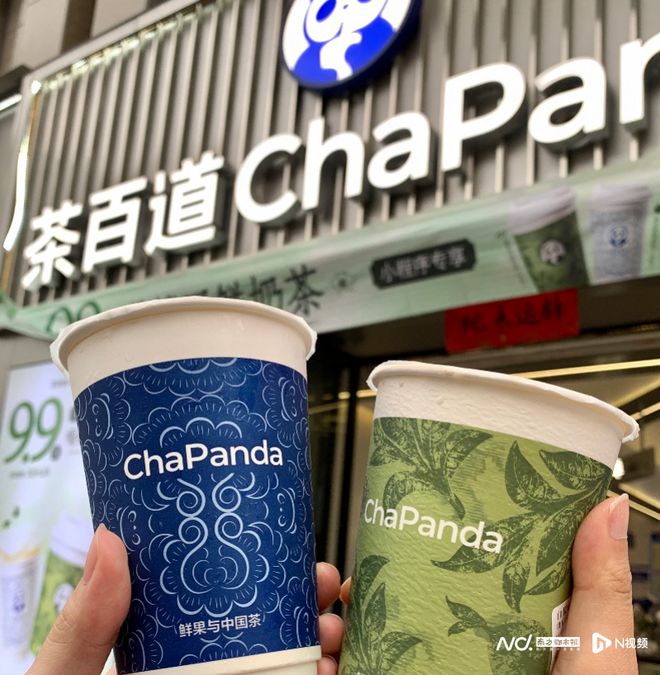
4块9!茶饮企业掀咖啡价格战,古茗、茶百道击穿9块9底价
Nan Fang Du Shi Bao· 2025-09-18 11:13
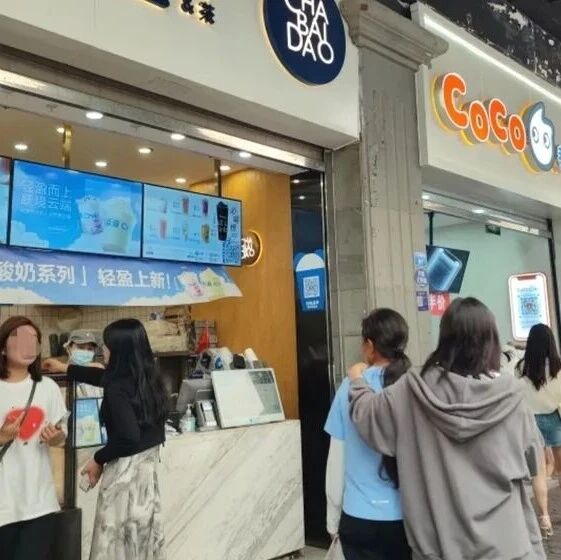
Core Viewpoint - The entry of tea beverage companies into the coffee market has intensified the price war, with prices for coffee products being significantly lowered, indicating a shift in consumer perception of coffee from a premium product to an everyday beverage [1][3][14] Group 1: Market Dynamics - Tea beverage companies like Cha Bai Dao and Gu Ming have launched coffee products at prices as low as 4.9 yuan, breaking the previous price floor of 9.9 yuan [1][3] - The coffee market is experiencing a price war as major brands adopt aggressive pricing strategies to capture market share [3][14] - The introduction of coffee by tea brands is seen as a response to declining profit margins in the tea beverage sector, with companies seeking new growth avenues [11][12] Group 2: Pricing Strategies - Cha Bai Dao's coffee products are priced at a minimum of 6.9 yuan, while Gu Ming offers coffee starting at 4.9 yuan, showcasing a significant reduction in prices [1][7] - The pricing strategies of both companies are supported by substantial promotional discounts, with Cha Bai Dao offering 19.1 billion yuan in limited-time coupons [4][12] - The competitive pricing is further enhanced by external factors such as delivery platform subsidies, making coffee even more accessible to consumers [13][14] Group 3: Industry Trends - The rapid expansion of coffee offerings by tea brands is part of a broader trend where companies are diversifying their product lines to include coffee, driven by the need to adapt to changing consumer preferences [11][12] - The coffee market in China is still growing, with per capita coffee consumption increasing from 7 cups five years ago to approximately 22 cups currently, indicating significant potential for further growth [12] - The entry of tea brands into the coffee market is expected to reshape consumer expectations and redefine the acceptable price range for coffee products [14][15]
亚洲茶饮消费新趋势:体验、功能、情绪成新亮点
Zhong Guo Shi Pin Wang· 2025-09-18 09:35
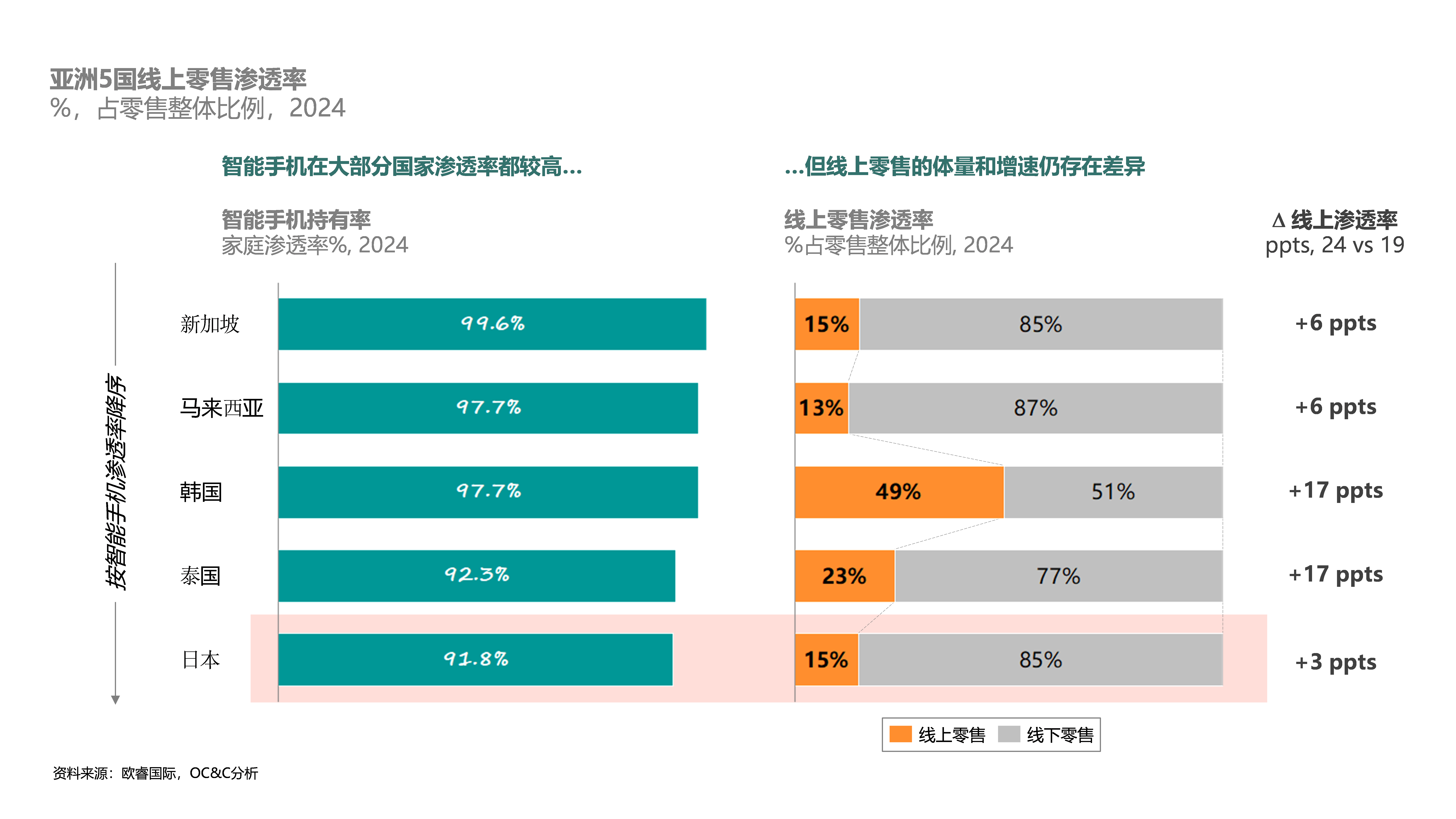
Core Insights - The competition in the Chinese tea beverage market is intensifying, with brands facing the common challenge of seeking new growth opportunities amidst a multi-dimensional competitive landscape in terms of taste, variety, and marketing strategies [1] - Asian consumers are increasingly looking for a more comprehensive value proposition beyond just taste, including multi-dimensional experiences, health benefits, functional advantages, and emotional resonance [1] Group 1: Experience Upgrade - Consumers are now prioritizing the entire experience from discovery to consumption, rather than just the product itself [2] - In Japan, offline retail provides an unparalleled experience, contributing to a lower e-commerce penetration rate of about 15%, which is slowing down [2][9] - South Korean consumers heavily rely on social media, with a projected penetration rate of 94% by 2025, making products that are visually appealing and shareable more likely to gain exposure [9][10] - Southeast Asian consumers are open to new ideas and willing to spend on innovative products, creating a favorable environment for market entry [10] Group 2: Health-Conscious Consumption - The demand for healthier beverage options is rising, with "good taste without burden" becoming a crucial decision factor for consumers [11] - The share of sugar-free carbonated drinks is increasing across countries, with Singapore leading at 60%, while Japan and South Korea exceed 40% [11] - Governments in countries like Thailand and Malaysia are implementing "sugar taxes" to encourage the development of low-sugar and low-calorie products [19] Group 3: Functional Benefits - Asian consumers are increasingly seeking beverages with additional functional benefits [20] - Japan leads in the functional beverage sector, with a government initiative allowing brands to claim health benefits without extensive approval, significantly shortening product launch times [20] - In South Korea, the energy drink market has seen an annual growth rate of 18% over the past five years, driven by high demand for energy-boosting products [30] Group 4: Emotional Value - The need for emotional management is growing, with many consumers seeking beverages that provide comfort and relaxation [31] - Low-alcohol beverages are gaining popularity in Japan and South Korea as a means to alleviate stress, while drinks containing calming ingredients like GABA are increasingly available [31][38] Group 5: Cultural Roots - Different Asian countries have distinct tea drinking traditions that shape consumer preferences [39] - Japanese consumers prefer pure teas with no additives, while consumers in Southeast Asia favor sweeter, richer flavored teas [39] - Understanding and respecting local tea culture differences is essential for product development [39] Conclusion - The Asian beverage market is complex, exhibiting both common trends and significant local differences. Brands must deeply understand cultural nuances and consumer mindsets to identify strategic entry points that align with local demands [40]