
新能源车

Search documents
十年新高之下的“投资焦虑”怎么破?聊聊ETF这剂良方
Sou Hu Cai Jing· 2025-08-18 10:15
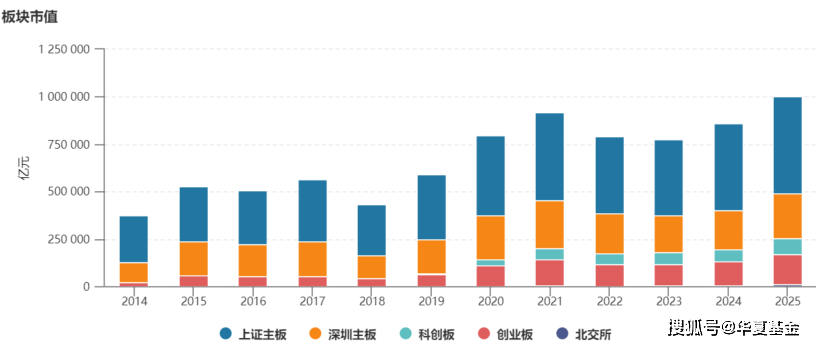
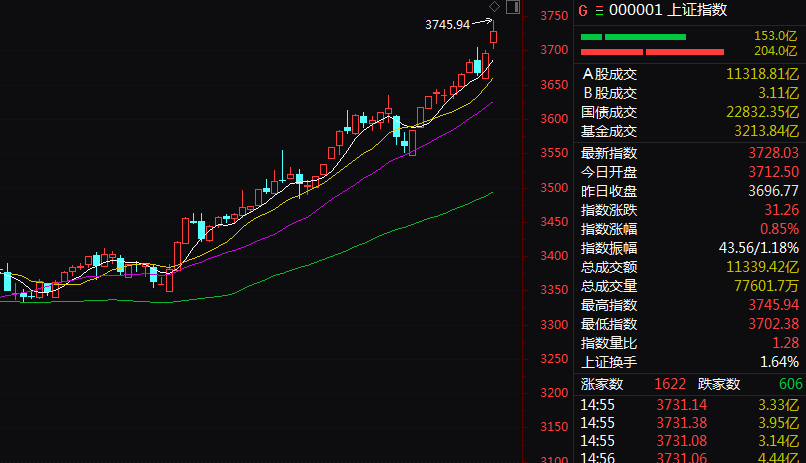
Core Viewpoint - The A-share market is experiencing significant highs, with major indices reaching new peaks, yet investor anxiety is rising due to differing positions in the market [1][2][4]. Group 1: Market Performance - The Shanghai Composite Index has surpassed 3731 points, marking a ten-year high, while the North Stock 50 Index has reached an all-time high, and the ChiNext Index has hit its highest level since February 2023 [2]. - Despite the market's upward trend, there is a growing sense of anxiety among investors, with some feeling left out and others frustrated by stagnant holdings [3][4]. Group 2: Investor Sentiment - The anxiety among investors stems from a psychological phenomenon known as the "anchoring effect," where the historical context of the 3700-point level creates a fear of heights [6]. - The current market structure has evolved significantly since 2015, with the number of listed companies increasing from approximately 2800 to over 5400 and total market capitalization rising from around 50 trillion to over 100 trillion [7]. Group 3: Valuation Insights - The current TTM price-to-earnings ratio for the entire A-share market is 21 times, placing it in the 83rd percentile over the past decade, indicating a balanced valuation rather than extreme highs or lows [9]. - The equity risk premium is currently around 2.95%, suggesting that the market has not yet entered a phase of excessive enthusiasm [9]. Group 4: ETF as a Solution - ETFs are presented as a potential solution to alleviate investor anxiety, as they can track indices and provide exposure to market movements without the need for individual stock selection [5][19]. - ETFs can help investors avoid the pitfalls of "chasing highs" and provide a diversified investment approach, reducing the risk of missing out on market trends [20][21]. Group 5: Strategic ETF Allocation - A balanced ETF strategy should focus on growth potential while maintaining defensive positions, with an emphasis on core broad-based ETFs that are currently undervalued [24][25]. - The construction of an "anti-anxiety" ETF portfolio should consider both growth sectors, such as technology and healthcare, and defensive assets like dividend-paying stocks [27][28].

满屏涨停,A股超级赛道,近50股涨超10%
Zheng Quan Shi Bao· 2025-08-18 09:40
Market Overview - A-shares experienced a strong rally, with the Shanghai Composite Index reaching a 10-year high before undergoing some fluctuations [1] - The North Stock 50 surged over 7%, setting a historical peak, while the Shenzhen Component Index and ChiNext Index also hit multi-year highs [1] - Over 4,100 stocks rose, with total trading volume expanding to 2.81 trillion yuan, marking a near 10-month high [1] Sector Performance - The computer industry saw a net inflow of over 20.7 billion yuan, while the communication and electronics sectors each received over 10 billion yuan in net inflows [3] - Active sectors included liquid cooling servers, ground equipment, new energy vehicles, and short drama games, while industrial metals, precious metals, oil service engineering, and real estate faced declines [2][3] - The new energy vehicle sector also experienced a surge, with the index reaching a 3.5-year high and trading volume hitting 648.3 billion yuan [6] Investment Insights - Huatai Securities noted that the A-share market's volume and new highs indicate active trading funds, with ample liquidity driving the market [3] - Strategic focus areas for investment include AI chains, innovative pharmaceuticals, military industry, and large financial sectors, with specific attention to domestic computing power and AI applications [3] - The artificial intelligence sector saw significant activity, with multiple stocks hitting the daily limit up, including Shuguang Technology and Xiangming Intelligent [5] Policy Impact - The return of national consumption subsidies in August, with 69 billion yuan allocated across various sectors, is expected to support the domestic passenger vehicle market [8][11] - Several regions have introduced consumption subsidy policies for new energy vehicles and used cars, with individual buyers eligible for up to 5,000 yuan in subsidies [9][10]
机构:2025年第二季度新能源车销量年增30%
Zheng Quan Shi Bao Wang· 2025-08-18 05:22
Group 1 - The core viewpoint of the article indicates that global sales of new energy vehicles (NEVs), including battery electric vehicles (BEVs), plug-in hybrid electric vehicles (PHEVs), and hydrogen fuel cell vehicles, are projected to reach 4.868 million units in Q2 2025, representing a 30% year-on-year increase [1] - When including hybrid electric vehicles (HEVs), total electric vehicle (EV) sales are expected to reach 6.456 million units in Q2 2025, accounting for 29% of total global automobile sales [1] - BYD maintains its position as the largest BEV brand with an 18.3% market share, showing a remarkable year-on-year sales growth rate of 43% [1] Group 2 - Overall, it is estimated that global NEV sales will reach 19.7 million units in 2025, reflecting a 21% year-on-year increase [1] - The growth rate for NEV sales is expected to slow down to 14% in 2026 [1]

研报 | 2025年第二季度新能源车销量年增30%
TrendForce集邦· 2025-08-18 04:08
Core Insights - The article highlights the significant growth in global new energy vehicle (NEV) sales, with a 30% year-on-year increase in Q2 2025, reaching 4.868 million units sold [2][8] - The market share of electric vehicles (EVs), including battery electric vehicles (BEVs) and plug-in hybrid electric vehicles (PHEVs), is expanding, accounting for 29% of total global car sales in the same period [2] BEV Market Summary - BEV sales reached 3.28 million units, marking a 39% year-on-year growth [5] - BYD leads the BEV market with an 18.3% market share and a 43% increase in sales [6] - Tesla, while maintaining second place, experienced a 14% decline in overall sales due to underperformance in key markets [6] - Geely holds the third position with a 6.4% market share, while Leapmotor and XPeng both surpassed 100,000 units in quarterly sales for the first time [6] PHEV Market Summary - PHEV sales totaled 1.587 million units, reflecting a 15% year-on-year increase [7] - BYD remains the leader in the PHEV segment but saw a 12% decline in sales, reducing its market share to 28.9% [7] - Li Auto and AITO have increased their market shares to 7.4% and 6.2%, respectively, indicating strong competition [7] - The introduction of new models by BYD's sub-brand Denza has led to a 41% increase in sales, allowing it to enter the top ten for the first time [7] Market Outlook - The global NEV sales forecast for 2025 is projected at 19.7 million units, a 21% increase, with growth expected to slow to 14% in 2026 [8] - In the U.S. market, the expiration of EV subsidies by September 30 may hinder future growth prospects for the electric vehicle industry [8]




北汽蓝谷半年亏23亿负债率80.26% 新能源车前7月销量7.74万增98.6%
Chang Jiang Shang Bao· 2025-08-18 00:30
Core Viewpoint - Despite a significant increase in sales, Beiqi Blue Valley (600733.SH) continues to operate at a loss, although the loss has narrowed compared to the previous year [2][5]. Financial Performance - In the first half of 2025, Beiqi Blue Valley reported revenue of 9.517 billion yuan, a year-on-year increase of 154.38% [5][6]. - The net loss for the same period was 2.308 billion yuan, compared to a loss of 2.571 billion yuan in the previous year, indicating a reduction in losses [5][6]. - Research and development expenses reached 1.07 billion yuan, up 62.94% year-on-year, while sales expenses were 856 million yuan, an increase of 10.51% [6]. Sales and Market Position - Beiqi Blue Valley's subsidiary, Beijing New Energy, achieved sales of 77,400 vehicles in the first seven months of 2025, representing a year-on-year growth of 98.58% [3][13]. - The Xiangjie S9 model saw significant sales growth, with 4,154 units delivered in June, a month-on-month increase of 94.7%, making it the top-selling model in the 300,000 yuan and above new energy vehicle category [3][11]. Debt and Financial Health - As of the end of the first half of 2025, the company's asset-liability ratio rose to 80.26% [4][9]. - The asset-liability ratios from 2020 to 2024 were 73.91%, 70.10%, 79.89%, 77.41%, and 75.33%, respectively, indicating a trend of increasing leverage [8][9]. Strategic Focus - The company is focusing on enhancing product layout and increasing R&D investment to cope with intense competition in the new energy vehicle sector [5][6]. - Beiqi Blue Valley aims to strengthen its brand presence and product differentiation, particularly through its Xiangjie and Extreme Fox brands, while expanding its dealer network [13][14].


A股分析师前瞻:风险偏好明显提升,中期A股仍有充足空间和机会
Xuan Gu Bao· 2025-08-17 13:37
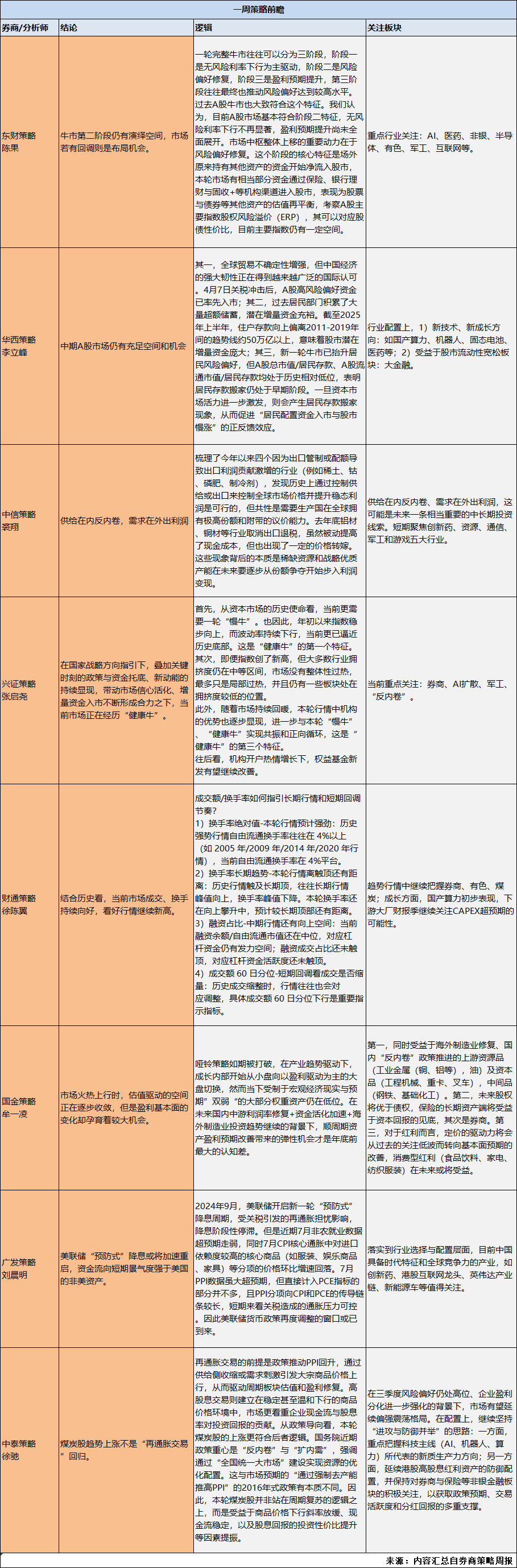
Group 1 - The core viewpoint is that the current A-share market is in the second phase of a bull market, characterized by risk preference recovery, and any market pullback presents a buying opportunity [2][4] - The second phase of a bull market typically sees funds from other asset classes flowing into the stock market, indicating a rebalancing of valuations between stocks and bonds [2][4] - The overall market sentiment is improving, with significant capital inflows from institutional channels such as insurance and bank wealth management products [2][4] Group 2 - The market is expected to have ample space and opportunities in the medium term, with indicators showing that household deposits are still in the early stages of moving into the stock market [2][4] - The total market value of A-shares relative to household deposits is at a historically low level, suggesting potential for further capital inflow as market vitality increases [2][4] - The focus for investment should include sectors like AI, pharmaceuticals, non-bank financials, and military industries, which are expected to benefit from the current market dynamics [3][4] Group 3 - The "healthy bull" market trend is characterized by a stable upward movement of indices and a decline in volatility, indicating a positive market environment [5] - Key sectors to watch include brokerage firms, AI expansion, military, and "anti-involution" strategies, which are expected to perform well in the current market context [3][5] - The market is experiencing a shift towards larger-cap stocks driven by profitability, as smaller-cap stocks face challenges in the current economic environment [5][6]
电新周报:美国光伏迎利好,AIDC不惧高,风机中标价维持强势-20250817
SINOLINK SECURITIES· 2025-08-17 10:49
Investment Rating - The report maintains a positive outlook on the wind power sector, particularly on the complete machine segment, indicating a long-term recovery in the industry [7][9][16]. Core Insights - The AIDC sector shows strong performance with significant revenue growth from key players like Chi-Hong and Hon Hai Precision, indicating a robust market sentiment [5][6]. - The wind power sector is expected to see sustained price increases for wind turbines, driven by both demand and strategic pricing from manufacturers [9][10]. - The solar and energy storage sectors are benefiting from updated IRS guidelines in the US, which are expected to boost project demand and positively impact related stocks [17][19][22]. - The hydrogen and fuel cell market is entering a significant growth phase, with SOFC technology showing promising economic viability and potential market size [26][27]. AIDC Sector Summary - Chi-Hong reported a record high revenue of 52.93 billion NTD for Q2 2025, with a 66% year-on-year increase, and a net profit of 7.78 billion NTD, up 115% [5]. - Hon Hai Precision's Q2 2025 revenue reached 3.4 trillion NTD, a 20% increase year-on-year, with a net profit of 95.37 billion NTD, reflecting a 49% growth [6]. Wind Power Sector Summary - The average bid price for the 1.65GW project by Datang remains high, reinforcing the expectation of continued price increases in the wind turbine market [9][10]. - Datang's project bidding results indicate a strong market for wind power, with expectations for sustained growth in demand through 2026 [8][9]. Solar & Energy Storage Summary - The updated IRS guidelines have relaxed the requirements for clean energy tax credits, positively impacting the solar project market in the US [17][19]. - China Huadian's upcoming 20GW component procurement is anticipated to set a precedent for pricing stability in the solar component market [22]. Hydrogen & Fuel Cell Summary - The SOFC market is projected to reach a trillion-dollar scale, with significant orders from data center projects indicating a strong demand for this technology [26][27]. - Companies like Bloom Energy are leading the charge in SOFC applications, with substantial contracts in place for powering AI data centers [26][27]. Lithium Battery Summary - The solid-state battery sector is advancing, with companies like Penghui Energy and Royal International making significant strides in production and technology [30][31]. - The global largest semi-solid battery storage project has been signed by Nandu Power, marking a key milestone in the commercialization of solid-state battery technology [31]. New Energy Vehicles Summary - Geely's Q2 2025 performance reflects resilience in a competitive market, with a total vehicle sales increase of 47.2% year-on-year [34][35]. - The company reported a net profit of 6.66 billion CNY for H1 2025, indicating strong operational performance despite challenges in the electric vehicle segment [34][35].
电力设备行业周报:发改委提到“十五五”海上风电将获大力发展,隔膜企业达成五项反内卷共识-20250817
GOLDEN SUN SECURITIES· 2025-08-17 09:24
Investment Rating - The report indicates a positive outlook for the renewable energy sector, particularly in solar and wind energy, with specific companies highlighted for potential investment opportunities [1][2][3]. Core Insights - The report emphasizes the strong growth potential in offshore wind energy, with the "14th Five-Year Plan" supporting significant development in this area, projecting an average annual installation of 20GW [2][16]. - In the solar sector, prices for photovoltaic glass are expected to continue rising due to decreasing inventory levels, with key companies identified for investment [1][15]. - The hydrogen energy sector is highlighted by the launch of a green methanol project by Longi Green Energy, which is expected to produce 400,000 tons annually and significantly reduce carbon emissions [3][19]. - The energy storage market is also showing promising growth, with a focus on large-scale storage solutions and competitive bidding prices for storage systems [4][20]. Summary by Sections 1. New Energy Generation - **Solar Energy**: Prices for photovoltaic glass are anticipated to rise, with key companies such as GCL-Poly, Tongwei, and JA Solar recommended for investment [1][15]. - **Wind Energy**: The report highlights the development of offshore wind projects, with companies like Goldwind and Mingyang Smart Energy suggested for potential investment [2][16][18]. - **Hydrogen Energy**: Longi Green Energy's green methanol project is set to produce 400,000 tons annually, contributing to carbon reduction and job creation [3][19]. 2. Energy Storage - The report notes a competitive bidding environment for energy storage systems, with average prices ranging from 0.37 to 0.89 RMB/Wh, and suggests companies like Sungrow and Kehua Tech for investment [4][20][26]. 3. New Energy Vehicles - A closed-door meeting among lithium battery separator companies resulted in five consensus points aimed at stabilizing prices and managing production capacity, with companies like CATL and LG Chem highlighted for their market positions [5][27][28].
新华社权威快报|税收数据显示:“两新”政策带动企业采购与居民消费明显增长
Sou Hu Cai Jing· 2025-08-17 08:35
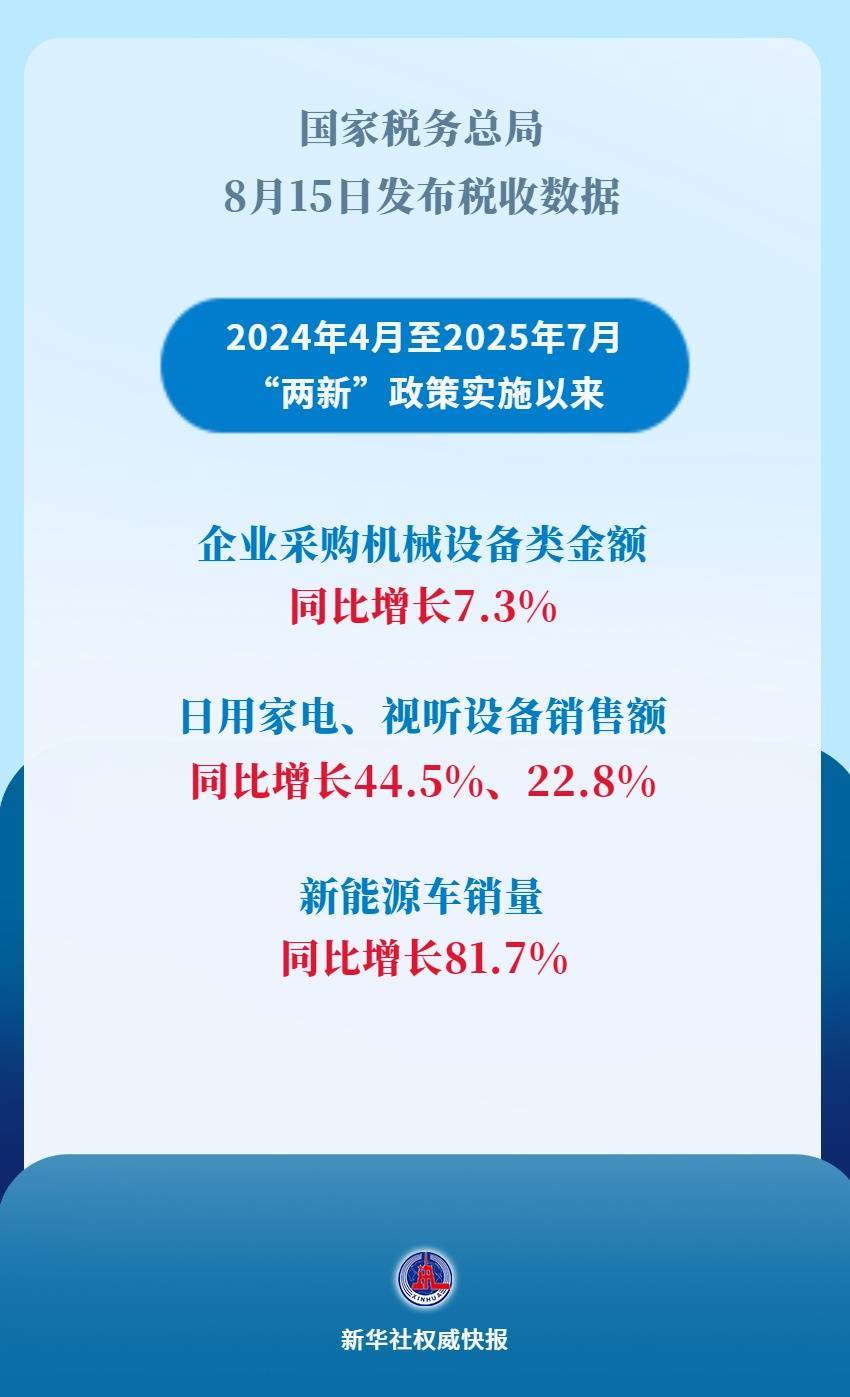
Core Insights - The latest tax data from the National Taxation Administration indicates significant growth in various sectors due to the implementation of the "Two New" policy [1][2] Group 1: Equipment and Consumer Goods - Corporate procurement of machinery and equipment increased by 7.3% year-on-year from April 2024 to July 2025 [1][2] - Sales of daily household appliances rose by 44.5% year-on-year, while audiovisual equipment sales increased by 22.8% during the same period [1][2] Group 2: New Energy Vehicles - Sales of new energy vehicles experienced a remarkable growth of 81.7% year-on-year from April 2024 to July 2025 [1][2] Group 3: Policy Impact - The "Two New" policy has fostered a positive interaction characterized by "policy-driven demand release and industrial upgrading" over the past year [2]
税收数据显示:“两新”政策效果持续显现 呈现三方面亮点
Sou Hu Cai Jing· 2025-08-15 08:51
Group 1 - The implementation of large-scale equipment renewal and the "trade-in" policy has shown positive effects in promoting industrial transformation, boosting consumer demand, and facilitating economic circulation [1][2] - From April 2024 to July 2025, the procurement amount of machinery and equipment by enterprises nationwide increased by 7.3% year-on-year, with industrial enterprises seeing a 9.8% increase [1] - The procurement amount for information transmission software and technology service industries grew by 27.8% and 28.3% year-on-year, respectively, indicating strong support for industrial upgrades [1] Group 2 - The "trade-in" policy has stimulated diverse consumer demand, with sales of daily household appliances and audio-visual equipment increasing by 44.5% and 22.8% year-on-year, respectively [1] - The retail sales of furniture and sanitary ware grew by 30.1% and 13.6% year-on-year, while the sales of service robots surged by 51.1% [1] - The sales of new energy vehicles increased by 81.7% year-on-year, reflecting the policy's positive impact on the automotive industry [1] Group 3 - The policies have created a virtuous cycle of "policy-driven - demand release - industrial upgrade," leading to a 5.8% year-on-year increase in manufacturing sales revenue [2] - The tax authorities are committed to enhancing the "policy + service" dual-drive approach to ensure the continued effectiveness of the "two new" policies [2]