饮料

Search documents
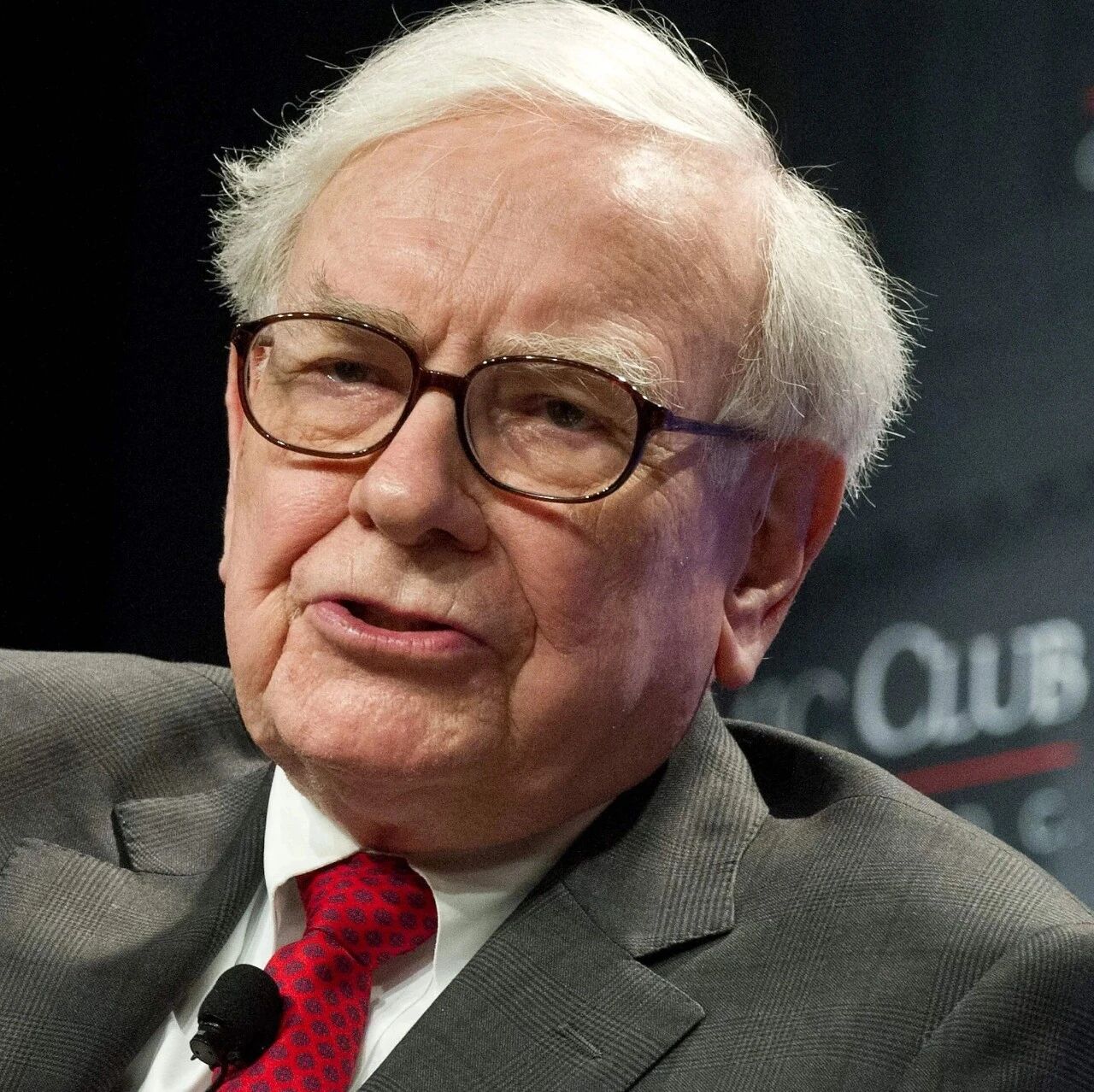
巴菲特的时代结束了
虎嗅APP· 2025-11-14 12:04
Core Viewpoint - Warren Buffett announced he will no longer write Berkshire Hathaway's annual report or give long speeches at the annual shareholder meeting, indicating a transition to a quieter phase in his career [2][3]. Group 1: Transition of Leadership - Buffett will step down as CEO at the end of the year, with Greg Abel set to take over, while Buffett will remain as chairman and retain a significant number of shares [3]. - At 95 years old, Buffett acknowledges his declining physical abilities but continues to work five days a week at the office [4][5]. Group 2: Investment Philosophy and Achievements - Buffett's investment philosophy has evolved from the "cigar butt" approach, focusing on undervalued companies, to a "moat" strategy, emphasizing companies with sustainable competitive advantages [10][11][14]. - Berkshire Hathaway's annualized return from 1965 to 2024 is 19.9%, significantly outperforming the S&P 500's 10.4% during the same period, showcasing Buffett's successful investment strategies [5][16]. Group 3: Notable Investments - Buffett's investment in PetroChina during the SARS outbreak in 2003 yielded approximately 7 times the return, demonstrating his ability to identify undervalued opportunities [6]. - His investment in BYD, initiated during the 2008 financial crisis, resulted in a return of over 600 billion HKD from an initial investment of 1.8 billion HKD [6]. Group 4: Business Structure of Berkshire Hathaway - Berkshire Hathaway's business model is characterized by a foundation in insurance, stable cash flow from various businesses, and stock investments for capital appreciation [18][19]. - The insurance segment, including GEICO and Berkshire Hathaway Reinsurance Group, provides low-cost float capital for investments [18]. Group 5: Challenges and Future Outlook - The investment landscape has changed, making it difficult to replicate Buffett's past successes due to market efficiency and the evolution of investment opportunities [22][24]. - Buffett predicts that in the next decade, many companies may outperform Berkshire Hathaway, indicating the challenges of maintaining growth at scale [30]. Group 6: Comparison with Chinese Investors - The article discusses the absence of a "Chinese Buffett," attributing it to the relatively short history of the Chinese capital market and the lack of long-term investment culture [38][40]. - However, it notes that as the Chinese market matures and improves in governance, there may emerge unique investment legends in the future [42][43].

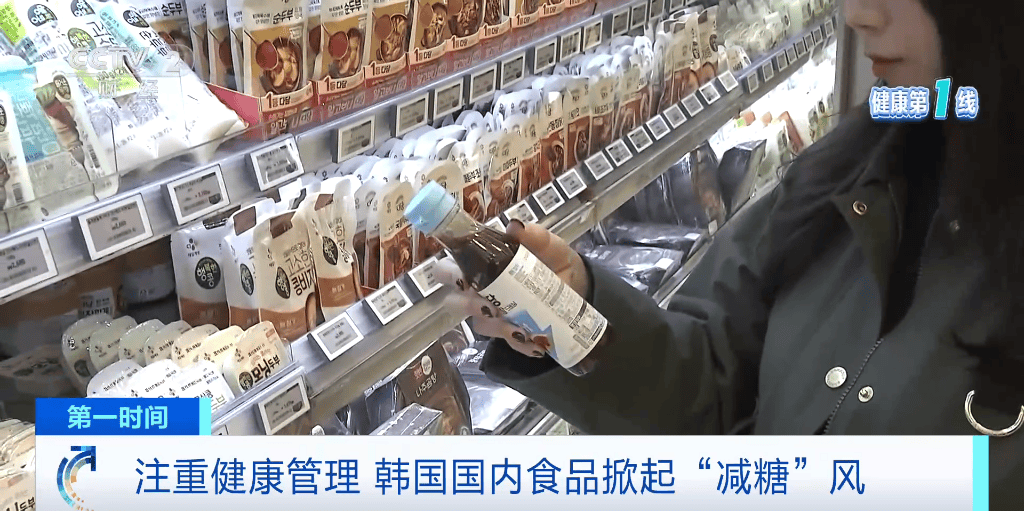
注重健康管理!韩国国内食品掀起“减糖”风
Sou Hu Cai Jing· 2025-11-14 08:50
Group 1 - The number of diabetes patients in South Korea has significantly increased over the past decade, with a rise of approximately 57% [7] - There is a growing trend towards low-sugar and sugar-free products in the South Korean food industry, with sales of sugar-free carbonated drinks increasing from 89 billion KRW in 2021 to 273 billion KRW in 2023, more than doubling [5] - The South Korean government is discussing the introduction of a "sugar tax" aimed at high-sugar beverages and processed foods to encourage the food industry to reduce added sugar usage, with 58.9% of respondents in a poll supporting this initiative [7] Group 2 - Consumers are increasingly prioritizing health-conscious choices, as evidenced by individuals carefully selecting low-sugar or high-protein products while shopping [3] - The trend towards low-sugar products is extending beyond food to other sectors, including the pharmaceutical industry, which has introduced sugar-free cold medicine [5] - There is a public concern regarding the potential impact of the "sugar tax" on business costs and food prices, despite the majority supporting the tax [7]
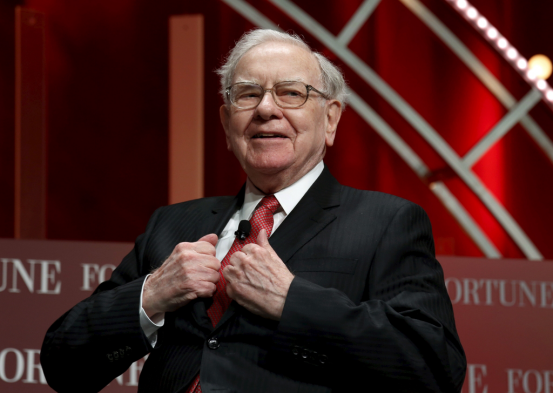
传奇落幕,巴菲特“最后一课”:那些穿越周期的智慧永不过时
Huan Qiu Wang· 2025-11-14 07:46
Core Insights - Warren Buffett's decision to "quietly exit" marks the end of an era in the investment world, having transformed Berkshire Hathaway from a struggling textile company into a multi-billion dollar investment empire over 60 years [1] - His investment philosophy emphasizes value, patience, and respect, rather than short-term speculation [1] Investment Philosophy - The concept of "circle of competence" is central to Buffett's investment strategy, focusing only on areas he understands, avoiding blind diversification [2] - Buffett's significant investments, such as the $13 billion purchase of Coca-Cola stock in 1988, were based on the company's strong brand and consumer loyalty rather than just financial metrics [2] - His investment in Apple was driven by observing consumer behavior rather than technical details, highlighting the importance of user engagement [2] Risk Management - Buffett's principle of "circle of competence" reflects a clear understanding of "unknown risks," emphasizing that many investment losses stem from overestimating one's judgment in unfamiliar areas [3] - His approach to investing during market crises, such as the 2008 financial crisis, showcases his ability to act decisively while maintaining a strong cash reserve, which amounted to $189 billion as of Q1 2024 [4] Long-Term Investment Strategy - The power of compounding is evident in Buffett's wealth accumulation, with 90% of his fortune made after age 60, demonstrating the effectiveness of long-term holding [5] - Buffett's investment returns have significantly outperformed the S&P 500, with a nearly 20% annualized return since 1965, turning an initial $1,000 investment into $44.7 million [5] - His philosophy of holding stocks for the long term is exemplified by his investments in American Express and Coca-Cola, which he has held for over 30 years [5] Personal Philosophy and Legacy - Buffett's personal life reflects simplicity and discipline, living in the same house since 1958 and maintaining a modest lifestyle despite immense wealth [8] - His commitment to philanthropy is evident in his plan to donate 99.5% of his wealth, leaving only enough for his children to lead fulfilling lives [8] - The wisdom he imparts emphasizes rationality, patience, and responsibility in both investing and life, encouraging individuals to adopt a straightforward investment approach [8]


前福建首富许世辉交棒,80后女儿成新“零食大王”,宗馥莉该羡慕了
Sou Hu Cai Jing· 2025-11-13 23:53
Core Viewpoint - Dali Food Group has successfully transitioned leadership to the second generation, with Xu Yangyang, daughter of founder Xu Shihui, officially taking over as president, marking a significant milestone for the company established over 30 years ago [1] Company Overview - Dali Food Group was founded in 1989 by Xu Shihui in Quanzhou, Fujian, and has developed into a major player in the food and beverage industry with brands like "Dali Garden," "Haochidian," "Kebike," "Hezheng," "Lehu," and "Douben Dou" [1][3] - The company achieved annual revenues exceeding 20 billion yuan from 2018 to 2021, and the Xu family was recognized as the richest in Fujian from 2016 to 2019 [1][5] Leadership Transition - Xu Yangyang, born in 1983, has been with Dali Food since 2008, starting from the production line and working her way up through various roles, including executive director and vice president [1][6] - The leadership transition is compared to that of Zong Fuli of Wahaha, highlighting the similarities in their paths as second-generation leaders in their respective companies [1][6][7] Business Strategy and Growth - Dali Food's growth strategy involved launching competitive products at lower prices than established brands, which helped the company capture significant market share [3][4] - The company entered the 100 billion yuan revenue club in 2012, with revenues of 108.12 billion yuan, 128.27 billion yuan, and 148.94 billion yuan from 2012 to 2014, alongside increasing net profit margins [4] Recent Challenges - From 2020 to 2022, Dali Food faced declining revenues and profits due to reliance on offline distribution channels and signs of brand aging, with revenues of 209.62 billion yuan, 222.94 billion yuan, and 199.57 billion yuan during these years [5] - In June 2023, the company announced plans for privatization due to long-term stock price underperformance, leading to its delisting from the Hong Kong Stock Exchange in September 2023 [5] Future Directions - Xu Yangyang is expected to focus on revitalizing aging brands and exploring overseas markets as part of the company's growth strategy moving forward [8]
从“适配需求”到“创造需求” 机构投资消费逻辑生变
Shang Hai Zheng Quan Bao· 2025-11-13 17:55
Group 1 - The consumer sector is showing signs of stabilization and rebound, with significant capital inflow through ETFs, indicating a potential turning point for the sector [1][2] - Fund companies are shifting their investment logic from "adapting to demand" to "creating demand," focusing on companies that emphasize innovation and consumer experience [1][4] - Several consumer-themed ETFs have reached new highs in terms of shares, reflecting increased investor interest and confidence in the sector [2] Group 2 - The recent performance of the consumer sector is supported by a combination of policy, capital, industry fundamentals, and consumption trends, suggesting a structural recovery after a deep adjustment [1][3] - The third-quarter earnings reports indicate that many segments within the consumer sector are still struggling, with net profits not yet turning positive, highlighting a potential mismatch between valuation and earnings [3] - New consumption trends are emerging, where consumption is seen as a form of self-expression, prompting supply-side upgrades that align with the core demands of the new generation of consumers [4]
福建前首富退场,女儿接棒百亿食品帝国!
Sou Hu Cai Jing· 2025-11-13 13:23
Core Viewpoint - Xu Yangyang has officially taken over as the president of Dali Foods Group, marking a significant transition in leadership from her father, Xu Shihui, who founded the company and built it into a food giant with annual revenue exceeding 20 billion [1][8]. Group 1: Leadership Transition - Xu Yangyang joined Dali Foods in 2008 and has worked her way up through various roles, gaining comprehensive operational experience [1][8]. - Xu Shihui's careful planning for the succession reflects a thoughtful approach to family business continuity [1][8]. - In 2014, Xu Yangyang became an executive director and vice president, entering the core decision-making team [8]. Group 2: Financial Performance - Dali Foods achieved a historical revenue peak of 22.29 billion in 2021, but growth has since stagnated [4]. - In 2022, the company's revenue declined by 10.5% to 19.96 billion, with net profit dropping by 19.4% to 2.99 billion [4]. - The company's stock price has nearly returned to its original listing point following disappointing performance [5]. Group 3: Market Challenges - Dali Foods faces significant challenges in its beverage segment, with competition from brands like Dongpeng Special Tea [12]. - The snack segment is under pressure from major competitors such as PepsiCo and Mondelez [13]. - Innovative brands like "Douben Dou" and "Meibeichen" are growing but still contribute limited overall revenue [14]. Group 4: International Expansion - Under Xu Yangyang's leadership, Dali Foods is focusing on international expansion, establishing production bases in Indonesia, Thailand, Vietnam, and Saudi Arabia [19][20]. - The Indonesian base is set to begin production in October 2025, aiming to cover major channels in Indonesia and surrounding countries [20]. - Dali Foods adopts a "local-to-local" operational model, integrating local resources for effective market penetration [20]. Group 5: Legacy and Future - Xu Shihui's legacy includes transforming Dali Foods from a small biscuit factory into a major food conglomerate with seven national brands and extensive production capabilities [22][23]. - The company is now positioned to leverage its established infrastructure and brand recognition to navigate both domestic and international markets [25]. - Xu Yangyang's challenge lies in proving her ability to not only maintain the business but also to innovate and expand into new markets [25].

香飘飘:公司主营杯装饮料研发及销售
Zheng Quan Ri Bao· 2025-11-13 11:43
Core Insights - The company, Xiangpiaopiao, is focusing on the development and sales of cup beverages, actively promoting the health upgrade of its brewing products and creating a "second growth curve" for its ready-to-drink business [2] Group 1 - The company is engaged in the research and sales of cup beverages [2] - The company is advancing the health upgrade of its brewing products [2] - The company is developing its ready-to-drink business as a new growth avenue [2]


香飘飘(603711.SH):未涉及互联网金融业务
Ge Long Hui· 2025-11-13 11:42
Core Viewpoint - The company, Xiangpiaopiao (603711.SH), focuses on the research and sales of cup beverages and is actively promoting the health upgrade of its brewing products while developing a "second growth curve" in its ready-to-drink business. The company has not engaged in internet financial services [1]. Group 1 - The company specializes in the development and sales of cup beverages [1] - The company is working on health upgrades for its brewing products [1] - The company is developing a second growth curve in its ready-to-drink business [1] Group 2 - The company has confirmed that it is not involved in internet financial services [1]
香飘飘:11月12日接受机构调研,国盛证券、华夏基金参与
Sou Hu Cai Jing· 2025-11-13 09:48
Core Insights - The company has launched a new health-oriented product called "Gu Fang Wu Hong" warm milk tea, developed in collaboration with Zhejiang Chinese Medical University, which is currently in trial sales [2] - The "Yuan Ye Xian Pao" series, including milk tea and light milk tea, has achieved over 100 million in sales within a year, indicating strong market potential [3] - The company is actively managing channel inventory and preparing for peak season sales, ensuring healthy stock levels and positive feedback from distributors [4] Product Development - The "Gu Fang Wu Hong" warm milk tea is based on traditional Chinese health concepts and utilizes a non-heritage "Five Red Formula" [2] - The "Yuan Ye Xian Pao" series has received positive consumer feedback and aligns with the company's product development strategy [3] Channel Strategy - The company has expanded its presence in the snack wholesale channel, collaborating with over 30,000 stores and introducing customized products for this market [5] - The restaurant channel is a focus area, with the company testing customized Meco fruit tea products in select locations [6] Performance Outlook - The company maintains a cautious outlook for the year due to external uncertainties, with performance heavily influenced by the short peak season before the Spring Festival [7] - The company is actively working to ensure orderly sales during the peak season [7] Cost Management - The company employs a fiscal year price-locking model for procurement and is closely monitoring raw material price trends for 2026 [8] - Efforts are being made to optimize costs through packaging updates and lean production methods [8] Financial Performance - For the first three quarters of 2025, the company reported a revenue of 1.684 billion, a year-on-year decrease of 13.12%, and a net loss of 89.21 million, a decline of 603.07% [9] - The gross margin stands at 32.91%, with a debt ratio of 30.1% [10]

食品饮料行业周度市场观察-20251113
Ai Rui Zi Xun· 2025-11-13 07:14
Investment Rating - The report does not explicitly provide an investment rating for the food and beverage industry Core Insights - The food and beverage industry is experiencing significant innovation and market shifts, particularly in health-oriented products and consumer preferences for low-sugar and functional beverages Industry Trends - Japanese market innovation in products like liquid ice cream and gout-relief yogurt highlights the importance of consumer-driven product development and emotional marketing, which can serve as a model for the Chinese market [2] - The Chinese medicinal food industry has surpassed 370 billion yuan, with a total industry valuation exceeding 2 trillion yuan, driven by health awareness and innovative product offerings [2] - The plant-based protein beverage market is seeing improved performance among leading companies, with notable revenue growth reported by Yangyuan Beverage and Chengde Lulu [4] - The emergence of HPP cold brew tea products is gaining traction among young consumers, despite high costs and niche market positioning [4] - A resurgence of sugary beverages is noted, with brands like Yuanqi Forest and Wahaha reintroducing sugar in their products, reflecting consumer preferences for taste alongside health [5] - The bottled water market is shifting from price competition to value competition, with brands like Nongfu Spring leveraging product innovation and channel expansion [6][7] - The market for sugar-free tea is evolving, with a growing demand for flavored and quality products among younger consumers [7] - The pet food market is expanding, with new brands entering the space and established companies diversifying their offerings to include fresh food options [8] - The plant milk market is projected to exceed 100 billion yuan, with B2B channels becoming crucial for growth [9] - New retail strategies are driving beverage innovation, with companies focusing on health, functionality, and emotional engagement [10] Brand Dynamics - Mondelez International reported a 5.9% revenue increase, but faced challenges in the Chinese market due to consumer confidence issues [14] - Xu Fu Ji's sports scene marketing has led to the success of its Meilu energy biscuits, tapping into the growing demand for sports nutrition [15] - Coca-Cola's third-quarter results showed a 5% revenue increase, driven by the popularity of sugar-free products [16] - Yangyuan Beverage is enhancing its leadership in the plant-based protein beverage sector through product innovation and channel restructuring [17] - The introduction of low-sugar snacks by brands like Holley has responded to rising health consciousness among consumers [18] - Mengniu's milk powder business has achieved double-digit growth by addressing diverse consumer needs across different age groups [19] - Chengde Lulu is pivoting towards herbal water products to counteract declining revenues in the plant-based beverage market [20] - New麦食品 is leveraging digital transformation to become a benchmark in the baking industry, focusing on fresh, preservative-free products [21] - The entry of brands like Guozi Shule into the craft beer market reflects a trend of category fusion in the beverage industry [22] - Dongpeng's electrolyte drink brand "Buhua" is rapidly growing, posing competition to established brands like Yuanqi Forest [23]