汽车

Search documents
报告:中国品牌汽车2025年在南非销量增速迅猛
Zhong Guo Xin Wen Wang· 2026-02-28 02:28
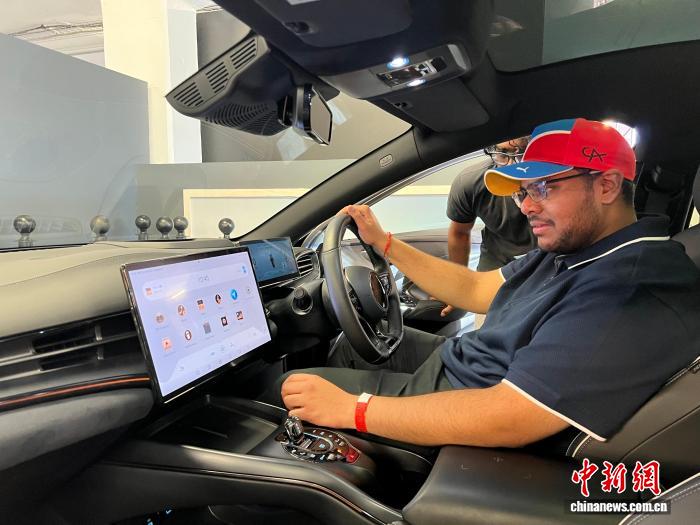
Core Insights - Chinese automotive brands are rapidly reshaping the South African market, with a projected 48% increase in search volume, 74% rise in inquiries, and 49% growth in sales by 2025 [1] Group 1: Market Trends - The CEO of AutoTrader, George Mienie, highlighted that Chinese manufacturers have effectively captured consumer sensitivity to the "price-value gap," contrasting with traditional automakers that rely on brand history and reputation [1] - South African car buyers have evolved into "value maximizers," demanding high-tech features, comfort, and design within affordable price ranges, which aligns with the strengths of Chinese brands [2] Group 2: Performance in Specific Segments - In the emerging new energy vehicle segment, Chinese brands have shown strong performance, with three models from Great Wall Motors ranking in the top ten hybrid vehicle sales: Haval H6 at fourth, Haval Jolion at seventh, and GWM Tank 300 at ninth [4] - In the pure electric vehicle category, BYD Dolphin has entered the sales ranking at ninth place [4] - Key brands driving increased search interest include SAIC LDV, SAIC MG, GAC, BYD, and Jetour [4]


德国总理默茨为何在北京写下《孔夫子的箴言》
Xin Lang Cai Jing· 2026-02-28 02:11
Group 1 - The visit of German Chancellor Merz to China highlights a shift in industrial power dynamics, emphasizing the emergence of new industries in the intelligent world [1][29] - The relationship between China and Germany, as well as Europe, is evolving, moving away from competition and towards cooperation, as indicated by Merz's visit and the signing of multiple commercial agreements [15][43] - The economic vitality of Eastern European countries is outpacing that of Western Europe, with many Eastern EU member states experiencing GDP growth rates above 2%, while Germany and France are projected to grow at 0.2% and 0.7% respectively by 2025 [7][35] Group 2 - The trade relationship between China and Europe is becoming increasingly intertwined, with approximately 20 EU countries seeing a rise in their supply chain connections with China despite previous calls for "decoupling" [17][45] - Key categories of imports and exports between China and Europe by 2025 include electric machinery, nuclear reactors, and vehicles, indicating a strong reliance of European high-end manufacturing on Chinese raw materials and components [19][47] - Germany's need for advanced technologies, such as AI and humanoid robots, is becoming a national strategic priority, with China positioned as a crucial partner in achieving these technological advancements [23][51] Group 3 - The internal political dynamics in Germany show a split between those advocating for a tougher stance on China and those urging for cooperation, ultimately leading Merz to adopt a collaborative approach during his visit [12][41] - The decline of traditional manufacturing in Western Europe, coupled with the rise of Eastern European manufacturing, reflects a broader trend of industrial hollowing out in the West, necessitating a shift in strategy towards more dynamic partnerships [14][42] - The urgency for Germany to engage with China is underscored by internal pressures such as labor shortages and declining industrial output, with the automotive sector expected to see a 1.7% drop in production by 2025 [24][52]

马斯克:特斯拉将在20年内上月球建厂;此前称要在2027年实现无人登月,并表示SpaceX计划在月球上建造城市
Sou Hu Cai Jing· 2026-02-28 02:08
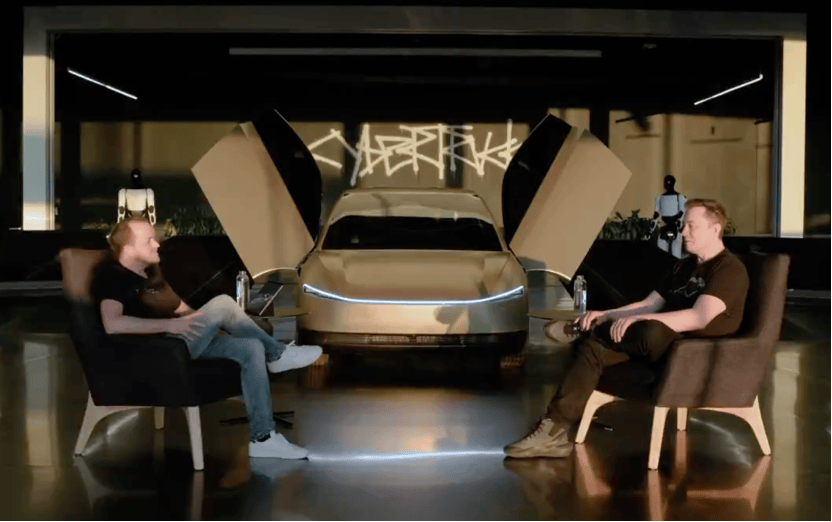
Group 1 - The core idea presented by Musk is that Tesla plans to build a factory on the Moon within the next 20 years, indicating a long-term vision for the company [2][3][5] - Musk encourages investors to hold Tesla stock for the long term, suggesting that the company's future value will be significant [4] - The discussion also highlights Tesla's ongoing focus on autonomous driving technology, with plans for the Cybercab, a fully autonomous taxi, to begin mass production in April [6][7] Group 2 - Musk's comments reflect a strategic outlook rather than a detailed implementation plan, emphasizing the company's ambitious goals in space and technology [5][6] - The conversation touched on external challenges facing the Berlin factory's expansion, with Musk indicating that external organizations could complicate matters [7] - Musk criticized the European automotive industry for resisting the transition to electric vehicles and autonomous driving, suggesting it is regressing to a "dinosaur era" [8]

雷军马年首播
Sou Hu Cai Jing· 2026-02-28 01:46
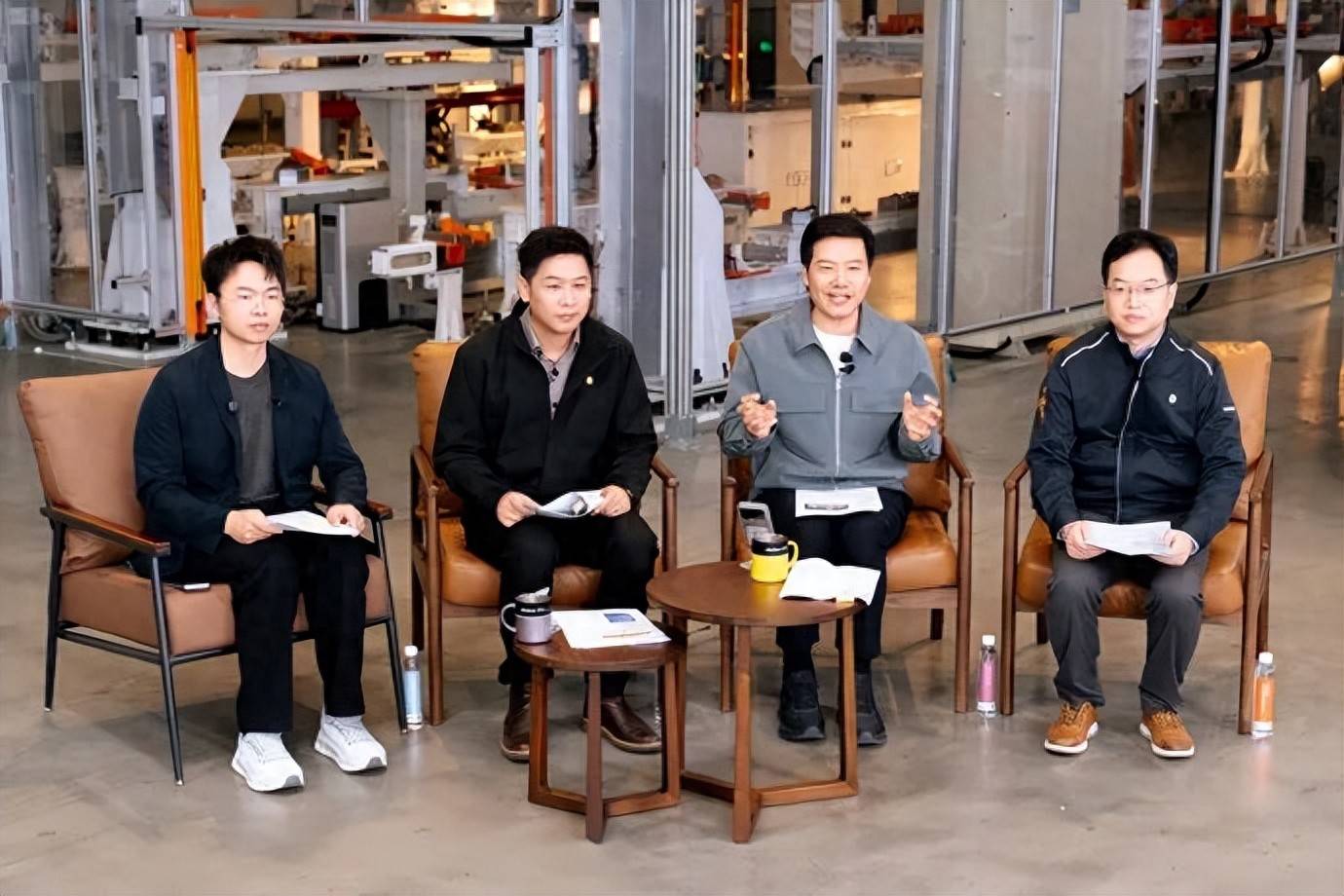
Core Viewpoint - Xiaomi Group emphasizes the importance of safety in its automotive division, showcasing its safety system during a live broadcast led by Chairman Lei Jun, which included expert insights and plans for future safety initiatives [1][3][5]. Group 1: Safety System Presentation - Lei Jun hosted a live broadcast discussing Xiaomi's automotive safety system, highlighting the company's commitment to safety since its entry into the automotive industry [1][3]. - The broadcast featured four industry experts who elaborated on the construction of Xiaomi's automotive safety system and battery safety [3]. - Experts explained the investigation process following traffic accidents, detailing the steps taken by regulatory authorities and the restrictions on companies regarding information disclosure during investigations [3]. Group 2: Future Safety Initiatives - Xiaomi plans to rebuild its Automotive Safety Advisory Committee, inviting vehicle safety experts from universities and research institutions to evaluate and oversee safety measures [5]. - The company aims to establish an automotive safety alliance under the guidance of national associations to regularly share safety progress and address safety issues collaboratively [5]. Group 3: Company Updates - Lei Jun shared personal updates, including his skiing experience during the holiday and the distribution of "opening day" red envelopes to employees, wishing them a prosperous new year [8]. - The company announced the new color for its next-generation SU7 model, named "Chixia Red," which is expected to be a highly anticipated vehicle for the year [8].

聚焦科技创新,武汉“新春第一会”释放哪些“车”信号
Zhong Guo Qi Che Bao Wang· 2026-02-28 01:40
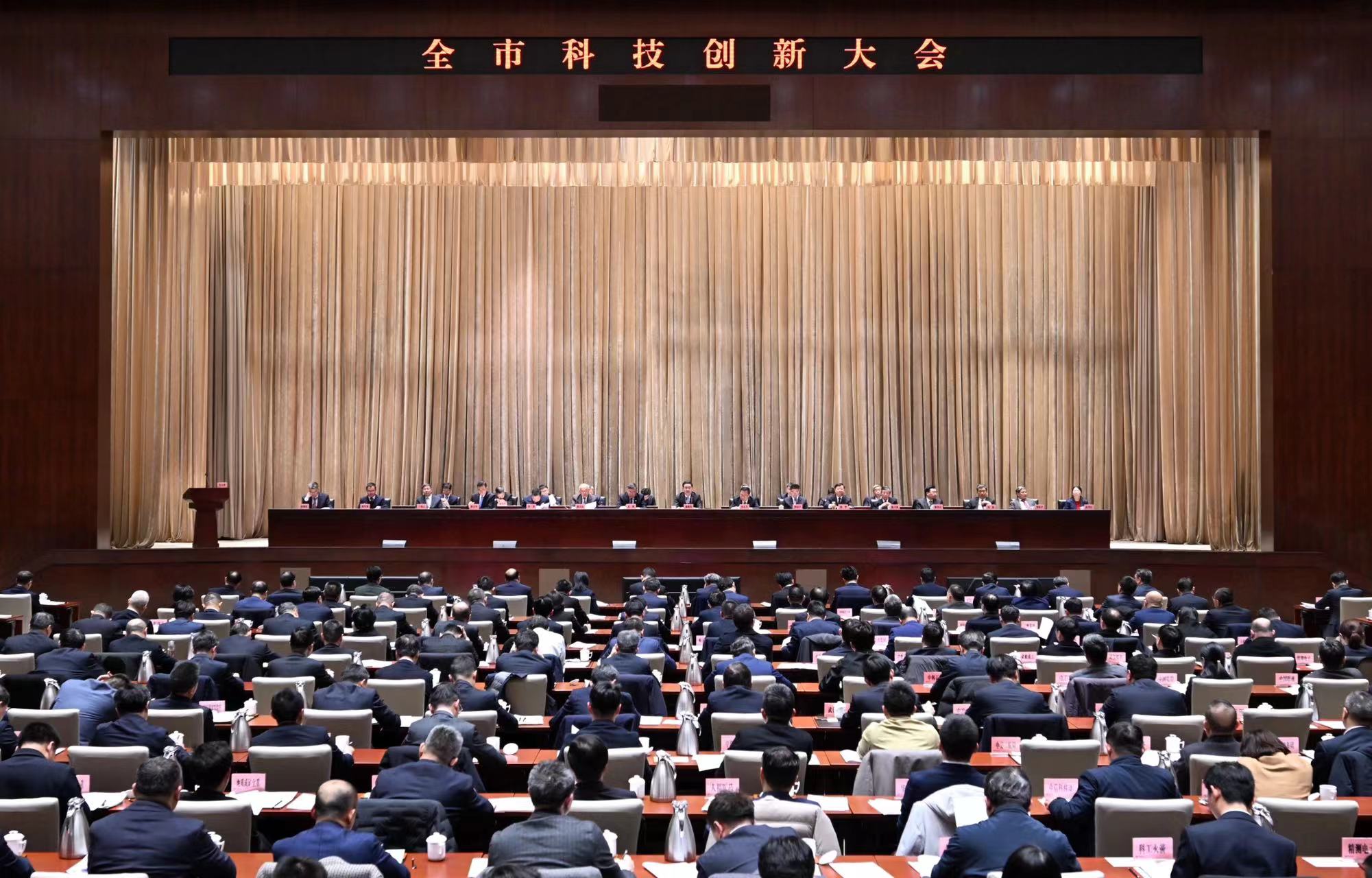
Core Viewpoint - The 2026 Wuhan Science and Technology Innovation Conference highlighted the city's commitment to becoming a nationally influential technology innovation center, focusing on the integration of technological and industrial innovation through the "One City, Three Corridors, Multiple Belts" development strategy [2][8]. Group 1: Innovation Development Strategy - Wuhan has unveiled multiple five-year action plans, including the East Lake Science City and the Vehicle Valley Industrial Innovation Corridor, to promote a comprehensive innovation ecosystem that integrates basic research, technology breakthroughs, and industrial application [2][4]. - The "One City, Three Corridors, Multiple Belts" layout emphasizes a systematic approach to solving innovation challenges and aims to enhance the core competitiveness of Wuhan's high-quality development [4][5]. Group 2: Vehicle Valley Industrial Innovation Corridor - The "Vehicle Valley Industrial Innovation Corridor" is a key component of the "Three Corridors" strategy, aiming to elevate the automotive industry from a focus on vehicles to a more diversified ecosystem [4][5]. - The "Action Plan for the Construction of the Vehicle Valley Industrial Innovation Corridor (2026-2030)" was released, outlining ten major actions to enhance the automotive sector, including the elevation of vehicle capabilities and the promotion of collaborative innovation [5][6]. Group 3: Ten Major Actions - The first action focuses on enhancing vehicle capabilities, with a goal to cultivate six automotive enterprises with over 100 billion yuan in revenue by 2030, producing over 2 million vehicles, including 1.5 million new energy vehicles [5][6]. - The second action aims to rejuvenate joint venture brands, encouraging local R&D and differentiated competition to stabilize market share [5][6]. - The third action promotes collaboration between vehicle manufacturers and parts suppliers to enhance the supply chain resilience and increase the local parts production rate [5][6]. Group 4: Technological and Industrial Integration - The initiative aims to create a comprehensive ecosystem covering chips, software, and AI, positioning Wuhan as a leading city in smart technology [6][8]. - The plan includes the establishment of high-level laboratories and innovation platforms to support the automotive industry and enhance R&D investment intensity to 5% of GDP [6][8]. Group 5: Economic Impact and Future Outlook - By 2025, the Wuhan Economic Development Zone is projected to exceed a GDP of 230 billion yuan, with a significant increase in high-tech enterprises and a focus on innovation-driven growth [9][18]. - The automotive production in Wuhan is expected to reach 945,000 units by 2025, with a notable increase in new energy vehicles, reflecting a shift towards a more diversified automotive industry [17][20].

财经视角解读德国总理访华,五大看点背后有哪些深意?
Huan Qiu Wang· 2026-02-28 01:31
Group 1 - The core message of the news is that German Chancellor Merz's visit to China signifies a renewed commitment to the comprehensive strategic partnership between China and Germany, emphasizing mutual benefits and deepening cooperation [1][2][3] - The visit is marked by the largest business delegation since Merkel's era, indicating Germany's urgent need to explore the Chinese market amid economic pressures [2][3] - The bilateral trade volume between China and Germany reached 251.8 billion euros in 2025, with China surpassing the US as Germany's largest trading partner [2][6] Group 2 - Merz's delegation includes executives from about 30 leading German companies, such as Volkswagen, BMW, and Siemens, focusing on sectors like automotive, chemicals, and machinery [2][3] - The visit aims to strengthen ties between high-level officials, businesses, and civil society, providing new ideas for future cooperation and better trade conditions for German companies [2][3] - The emphasis on cooperation in emerging fields like AI, digital economy, and green technology reflects a shift in focus from traditional manufacturing to innovative sectors [5][9] Group 3 - German companies view China as a stable investment opportunity, with a significant increase in direct investments exceeding 7 billion euros in the previous year, marking a 50% growth compared to 2024 [6][7] - A survey indicated that 93% of German companies operating in China have no plans to withdraw from the market, with 53% planning to increase investments in the next two years [7][8] - The collaboration between Chinese and German industries is characterized by high complementarity, creating substantial commercial value and contributing to global supply chain stability [8][10] Group 4 - The visit included discussions on maintaining global supply chain stability and exploring new trade policies, including the China-EU Free Trade Agreement [3][11] - The presence of high-profile executives from various sectors indicates a strategic shift towards local production in China to serve both domestic and global markets [6][7] - The partnership is expected to foster new job opportunities in high-end manufacturing and cross-border project management, enhancing the talent landscape in both countries [11]
中国国际贸易学会常务理事何伟文:在多边舞台上深化中德协作
Huan Qiu Wang· 2026-02-28 01:23
Core Insights - The visit of German Chancellor Merz, accompanied by executives from 30 leading German companies, aims to strengthen high-level communication and practical cooperation between China and Germany amidst complex international circumstances [1][2] - The stability and development of Sino-German relations are crucial not only for the two countries but also for maintaining the global multilateral trade system and supply chain security [1][2] Political Trust Enhancement - Understanding Sino-German economic relations requires a political perspective, with Merz's visit reaffirming the cooperative tone of the comprehensive strategic partnership [2] - Despite existing differences, the primary focus remains on maintaining multilateralism and international order, with the visit solidifying this political foundation [2] Economic Cooperation - The delegation included executives from major German companies such as Volkswagen, BMW, Siemens, and Bayer, indicating significant economic discussions and potential outcomes [2] - The bilateral trade volume between China and Germany is projected to reach €251.8 billion by 2025, with China surpassing the U.S. as Germany's largest trading partner [3] Industry Collaboration - Sino-German industrial cooperation has evolved into a deep integration phase, characterized by mutual dependency and collaboration across various sectors, including automotive, chemicals, and machinery [3][4] - German companies like Merck have established R&D centers in China, contributing to a robust global supply chain and enhancing the interconnectedness of both countries' industries [4] Practical Cooperation Pathways - There is a strong cooperative atmosphere, with local leaders showing respect and willingness to collaborate with German enterprises [4] - Suggestions for enhancing service to German companies include dedicated project tracking and support mechanisms, as demonstrated by successful practices in Anhui province [4] Global Governance and Multilateral Cooperation - The cooperation between China and Germany extends to global governance, emphasizing the importance of supporting the multilateral trade system centered around the WTO [5][6] - There is significant potential for collaboration in climate change and green transition, as well as in the digital economy, where both countries can jointly establish international rules [6][7] Conclusion - Merz's visit represents a significant diplomatic action amidst rising protectionism, highlighting the deepening and broadening of Sino-German cooperation across multiple dimensions, including political trust, economic integration, and global governance [7]


有色再度大涨!如何布局周期板块?这个基金经理值得关注!
Xin Lang Cai Jing· 2026-02-28 01:22
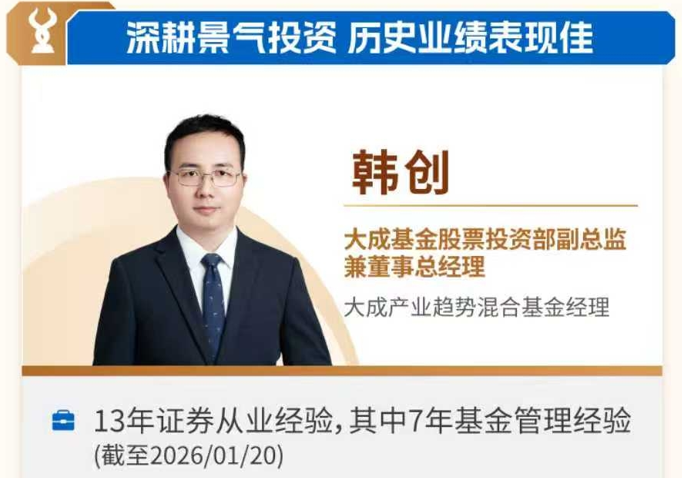
Core Viewpoint - The article highlights Han Chuang as a prominent fund manager in the public fund industry, known for his unique investment logic of "cyclical + growth" and his successful management of the Dachen Industry Trend Mixed Fund, which has shown significant performance despite market fluctuations [1][22]. Group 1: Fund Manager Profile - Han Chuang has 13 years of experience in the securities industry, including 7 years in fund management, and is recognized for his keen insight into industry trends and abundant resources [2][23]. - He joined Dachen Fund Management in June 2015 and currently serves as the Deputy Director and Managing Director of the Equity Investment Department [2][23]. Group 2: Investment Strategy - Han specializes in selecting industries with beta and identifying companies with alpha, while ensuring reasonable valuations, covering sectors such as finance, real estate, non-ferrous metals, chemicals, and high-end manufacturing [4][25]. - His investment framework focuses on "hard assets," which are scarce and irreplaceable, emphasizing supply constraints rather than demand [11][31]. Group 3: Fund Performance - The Dachen Industry Trend Fund has achieved a cumulative return of 127.85% since its inception, significantly outperforming its benchmark and the CSI 300 index [7][27]. - The fund ranks in the top 3% of its category over the past four years, demonstrating strong historical performance [27][38]. Group 4: Portfolio Composition - As of the fourth quarter of 2025, the fund's top holdings include companies in the non-ferrous metals sector, such as Xinyi Silver Tin and Shandong Gold, with significant allocations to financial and transportation sectors as well [33][39].






科技资讯AI速递:昨夜今晨科技热点一览 丨2026年2月28日
Xin Lang Cai Jing· 2026-02-28 01:21
Group 1 - Tesla plans to build a factory on the Moon within 20 years and encourages investors to hold Tesla stock long-term [1] - Tesla is pushing for the approval of its Full Self-Driving (FSD) technology in Europe, with expectations for Dutch authorities to approve it by March 20 [1] - The automotive industry is facing a new "chip shortage" due to rising DRAM chip prices, with some models seeing price increases of up to 300% [1] Group 2 - OpenAI has completed a $110 billion financing round, achieving a pre-money valuation of $730 billion, with funds aimed at enhancing computing infrastructure and expanding global AI applications [1] - OpenAI's user growth is significant, with over 900 million weekly users of ChatGPT, indicating a shift from research to everyday applications [1] - Miro, the largest online whiteboard company, has seen its valuation drop over 80% but maintains a 33% growth in annual recurring revenue (ARR) through AI integration [1] Group 3 - Kazakhstan media highlights that technology innovation is a core strategy in China's 14th Five-Year Plan, focusing on self-reliance in technology and high-quality economic growth [1] - Chinese open-source AI models have surpassed U.S. models in usage on the OpenRouter platform, driven by cost advantages and optimization for agent scenarios [1] - A new neural network framework, CATS Net, developed by a collaboration between the Chinese Academy of Sciences and Peking University, enables AI to form human-like concepts from sensory experiences [2]

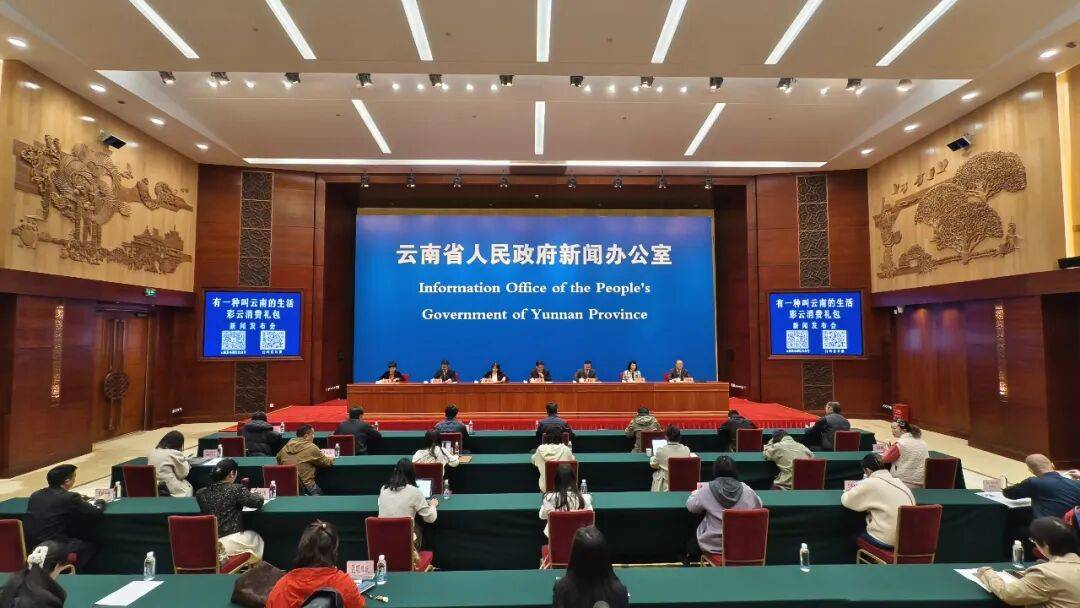
新闻发布会丨10亿元!云南启动新一轮“彩云消费礼包”发放活动
Sou Hu Cai Jing· 2026-02-28 01:13
Core Viewpoint - Yunnan Province is launching a new round of "Colorful Cloud Consumption Package" to stimulate consumer spending and enhance market vitality, with a focus on key sectors such as commerce, sports, and tourism [2][3] Group 1: Overall Considerations - The province will allocate 1 billion yuan for the distribution of consumption vouchers, which is expected to directly drive consumption exceeding 65 billion yuan by 2025 [2] - Online retail sales in the province increased by 14.2% year-on-year, surpassing the national average of 5.6% [2] - Restaurant revenue grew by 4.2% year-on-year, exceeding the national growth rate of 1% [2] Group 2: Policy Arrangements - In 2026, the "Colorful Cloud Consumption Package" will focus on four main support areas: issuing consumption vouchers, promoting retail innovation, optimizing supply chain systems, and cultivating new consumption models [4] - A budget of 820 million yuan is allocated for various consumption vouchers across nine categories, including automotive, e-commerce, and tourism [4] - 65 million yuan is designated for retail innovation, supporting digital transformation and supply chain enhancements [4] Group 3: New Consumption Models - 57 million yuan will be used to promote new consumption scenarios such as night markets and cultural performances, aligning with evolving consumer demands [5] - The initiative aims to enhance traditional sectors like automotive and retail while also expanding into high-demand areas such as entertainment and e-commerce [5] Group 4: Consumption Voucher Distribution - Over 1.5 million consumption vouchers will be issued, with significant discounts available, including 3,000 yuan automotive vouchers and 100 yuan seafood festival vouchers [7] - The distribution will cover a wide range of consumption scenarios, providing a comprehensive consumer experience [7] Group 5: Tourism and Cultural Consumption - In 2025, Yunnan Province expects to receive 782 million tourists, with a total tourism expenditure of 1.27 trillion yuan, reflecting a year-on-year growth of 11.5% [8] - The province will implement a "Hundred Cities, Hundred Districts" action plan to enhance cultural tourism consumption, including support for innovative performance arts and the development of local souvenirs [10]