石油

Search documents
卡塔尔警告:原油价格可能在两到三周内飙升至150美元/桶
财联社· 2026-03-06 10:10
Core Viewpoint - The article highlights a significant increase in oil prices due to geopolitical tensions in the Middle East, with predictions of further price surges in the near future [1]. Group 1: Oil Price Movements - WTI crude oil has risen by 4.06%, reaching $84.297 per barrel, marking the highest level since July 2024 [1]. - Brent crude oil has increased by 1.76%, now priced at $86.911 per barrel [1]. Group 2: Geopolitical Impact - Qatar has warned that ongoing conflicts in the Middle East may lead to a halt in energy exports from the Gulf region within weeks [1]. - Qatar's Energy Minister, Saad al-Kaabi, stated that even if the conflict were to end immediately, it would take "weeks to months" to restore normal delivery cycles [1]. Group 3: Future Price Predictions - The Energy Minister anticipates that crude oil prices could soar to $150 per barrel within two to three weeks [1]. - Natural gas prices are expected to rise to $40 per million British thermal units [1].

股指3月仍可乐观
Ge Lin Qi Huo· 2026-03-06 09:52
证监许可【2011】1288号 经济增长4.5%—5%; 城镇新增就业1200万人以上 居民消费价格涨幅2%左右 赤字率拟按4%左右安排,赤字规模比上年增加2300亿元 报告 股指3月仍可乐观 2026年3月6日 更多精彩内容 请关注 格林大华期货 官方微信 研究员:于军礼 联系邮箱:yujunli@greendh.com 期货从业资格证号:F0247894 期货交易咨询号:Z0000112 政府工作报告2026年经济社会发展主要目标 一般公共预算支出规模将首次达到30万亿元 拟发行超长期特别国债1.3万亿元;拟安排地方政府专项债券4.4万亿元 增收:制定实施城乡居民增收计划,在促进低收入群体增收、增加居民财产性收入、完善薪酬和社保制度等 方面推出一批务实举措 就业:构建就业友好型发展方式。实施稳岗扩容提质行动 数据来源:WIND,格林大华期货 2026年部分工作任务 新质生产力:打造集成电路、航空航天、生物医药、低空经济等新兴支柱产业。 培育发展未来能源、量子科技、具身智能、脑机接口、6G等未来产业。 深化拓展"人工智能+" 绿色发展:设立国家低碳转型基金,培育氢能、绿色燃料等新增长点 房地产:因城施策控增 ...
若美伊冲突长期化,对全球资产有何影响?
李迅雷金融与投资· 2026-03-06 07:09
Core Viewpoint - The article discusses the implications of the recent US-Israel military actions against Iran, highlighting the potential for prolonged conflict and its impact on global geopolitical dynamics and asset pricing. Group 1: Reasons for Prolonged Conflict - The current military actions represent a shift in US strategy from targeting Iran's nuclear capabilities to regime change, indicating a fundamental change in the nature of the conflict [1]. - The timing of the military strikes coincided with negotiations, eliminating any potential for diplomatic resolution and escalating the conflict into a civilizational clash [2]. - Unlike Syria and Libya, Iran's regime is supported by a strong military foundation, making rapid regime change unlikely [3]. Group 2: Iran's Military Capabilities - Iran has developed a self-sufficient defense industry due to decades of sanctions, making it difficult for external forces to dismantle its military capabilities [4]. - The cost-effectiveness of Iran's military assets, such as drones, allows it to sustain prolonged conflict at a lower financial burden compared to its adversaries [4]. Group 3: Political Dynamics in the US - The Trump administration faces internal pressures regarding the legitimacy of military actions without Congressional approval, complicating the conflict's management [5]. - There is a growing divide within Trump's support base regarding the military actions, with some allies opposing the conflict as contrary to "America First" principles [5]. Group 4: Global Economic Implications - The conflict is expected to reshape global economic models, with a potential shift in how national power is assessed, moving away from traditional economic indicators to military and strategic capabilities [10][25]. - China's strategic position is likely to strengthen as it remains militarily unengaged while being a major manufacturing power, similar to the US during World War II [11]. Group 5: Asset Pricing Impact - The conflict has already led to significant volatility in energy prices, with Brent crude oil experiencing sharp increases due to supply fears [13]. - Global stock markets have reacted negatively, particularly in regions heavily reliant on energy imports, with notable declines in indices such as Japan's Nikkei and South Korea's KOSPI [15]. - Gold prices have shown unusual behavior, initially rising but then experiencing a pullback due to liquidity issues and market dynamics [20][21]. Group 6: Investment Recommendations - There is an anticipated increase in demand for resources and energy infrastructure, suggesting a favorable outlook for commodities like copper and rare earths [27]. - The military and technological sectors, particularly AI and drone technology, are expected to see growth as the conflict continues [28]. - Hong Kong's position as a financial hub may be re-evaluated, with potential for valuation recovery as it serves as a bridge between Chinese manufacturing and global capital [28].

美国缓和油价系列措施杯水车薪
Hua Tai Qi Huo· 2026-03-06 06:41
Report Industry Investment Rating - Not provided in the documents Core Viewpoints - The measures taken by the US government to ease oil prices are ineffective in offsetting the large volume of oil and gas exports from the Strait of Hormuz. Only the full resumption of navigation in the Strait can completely alleviate the current supply shortage [2] - Oil prices are at high risk of rising in the short - term due to the Strait's disruption, and also face significant downward risk if the Strait resumes navigation. The market is volatile, and it is recommended to wait and see [4] Summary by Relevant Catalogs Market News and Important Data - On March 5th, international oil prices rose significantly. The April - delivery light crude oil futures price on the New York Mercantile Exchange rose $6.35 to $81.01 per barrel, a gain of 8.51%. The May - delivery Brent crude oil futures price rose $4.01 to $85.41 per barrel, a gain of 4.93%. The SC crude oil main contract rose 1.25% to 674 yuan per barrel [1] - US President Trump said he would take further measures to ease pressure on the oil market. He also called on Iranian diplomats around the world to seek asylum [1] - US Interior Secretary Bergum said the Trump administration was considering a series of measures to deal with rising oil and gasoline prices caused by the Iran war, including releasing the US emergency oil reserve, but no action has been taken so far [1] - The CEO of Colombia's state - owned oil company Ecopetrol said there were multiple energy trading cooperation opportunities with Venezuela and requested the US Office of Foreign Assets Control to lift restrictions on negotiations with Venezuela [1] - The US Treasury has issued a license for the transactions of the German branch of Rosneft, effective today [1] - Hungarian Prime Minister Orban said Hungary would not compromise with Ukraine and would force Ukraine to resume oil transportation from Russia through the "Friendship" pipeline [1] - Due to the Middle East conflict, Kuwait's Mina Abdullah refinery with a daily processing capacity of 454,000 barrels was shut down on March 3rd and is expected to resume operation by March 15th. Kuwait's Zour refinery with a daily refining capacity of 615,000 barrels has reduced its operating load by about 25%. Bahrain's Sitra refinery with a daily processing capacity of 448,000 barrels has shut down two crude oil units [1] Investment Logic - The current throughput of tankers in the Strait is still low. US government measures such as providing insurance and naval escort, releasing strategic reserves, and relaxing sanctions on Russia cannot offset the large volume of oil and gas exports from the Strait, especially for refined oil and natural gas. The shortage in the natural gas and refined oil markets cannot be solved [2] Strategy - It is recommended to wait and see as the oil price is volatile, with high upward risk in the short - term due to the Strait's disruption and high downward risk if the Strait resumes navigation [4]
霍尔木兹再关3天,中东就要有330万桶原油被迫停产,伊拉克首当其冲
华尔街见闻· 2026-03-06 05:44
Core Insights - Morgan Stanley's chief commodity strategist Natasha Kaneva indicates that due to varying storage capacities among Middle Eastern oil-producing countries, the process of mandatory oil production cuts will significantly accelerate in the next three days, with cumulative cuts approaching 3.3 million barrels per day, far exceeding previous market expectations [1] Group 1: Storage Capacity and Production Cuts - Iraq's storage capacity is estimated to last about two days, while Kuwait's is around 13 days; once these limits are reached, forced production cuts will be necessary [1] - If the blockade continues, Morgan Stanley predicts that by the eighth day, mandatory production cuts will reach approximately 3.3 million barrels per day, increasing to 3.8 million barrels per day by the fifteenth day, and further expanding to 4.7 million barrels per day by the eighteenth day; these figures only account for crude oil, excluding refined products [1] - The initial estimate of a 25-day buffer for Middle Eastern oil-producing countries has been revised to a mere three days due to actual storage capacity checks [3] Group 2: Regional Challenges and Infrastructure - Iraq has already cut approximately 1.5 million barrels per day, affecting major oil fields such as Rumaila, West Qurna 2, and Majnoon [4] - Saudi Arabia is also under pressure, with storage space at the Juaymah terminal rapidly diminishing; four out of six tanks at the Ras Tanura refinery are already full [4] - The disparity in storage capacity among countries is critical, with some having ample facilities while others are nearly at capacity, masking the urgent pressures faced by individual nations [4] Group 3: Transportation and Geopolitical Risks - The Strait of Hormuz is nearly at a standstill, with no confirmed oil tankers completing transit through the strait, although some vessels are suspected of passing while turning off their transponders [5] - Only 6 to 12 Very Large Crude Carriers (VLCCs) are available for booking, indicating limited options for maritime storage capacity [6] - The UAE's Fujairah port has experienced infrastructure damage following a drone interception, raising concerns about the security of oil storage and refining facilities [7] Group 4: Potential Mitigating Factors - Saudi Arabia is reportedly working to reactivate east-west pipelines to bypass the Strait of Hormuz, with a theoretical capacity of 7 million barrels per day, although actual usage has been less than half [8] - Analysts believe that even if the pipeline operates at full capacity, it will not effectively compensate for the supply gap caused by a blockade of the Strait of Hormuz [9] - There is a possibility of intervention from the Trump administration to provide naval escorts for transiting vessels, which could mitigate physical and financial risks associated with shipping [9] Group 5: Urgency of Action - Morgan Stanley emphasizes that speed and decisiveness are crucial; as storage capacities continue to tighten, any delays will quickly lead to irreversible mandatory production cuts [10]
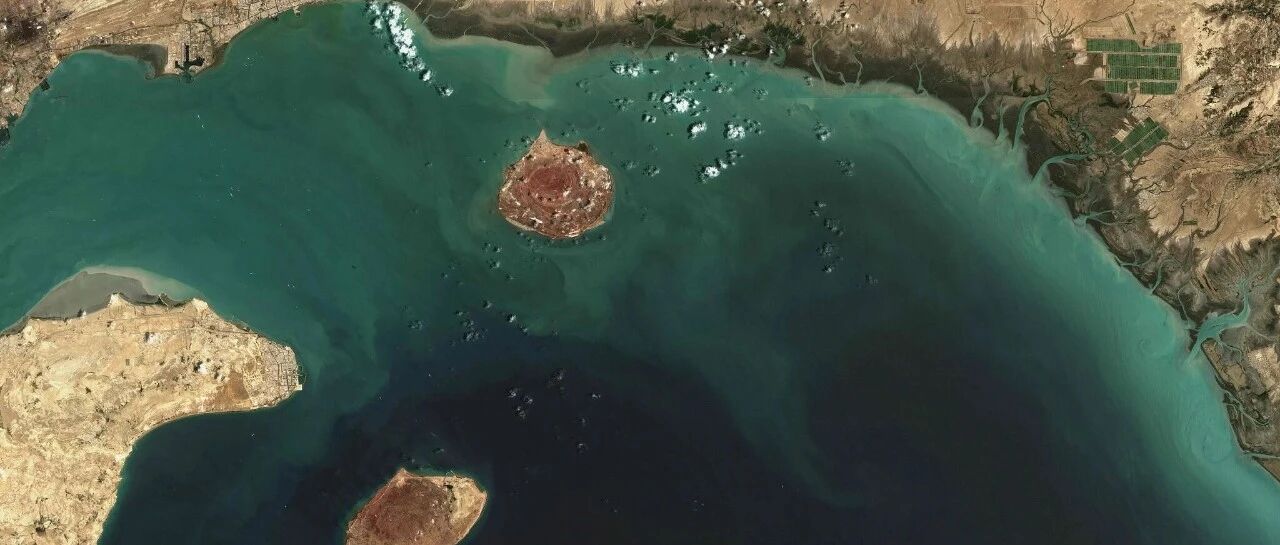
霍尔木兹海峡局势变化,十大产业链危机脉络梳理
财联社· 2026-03-06 05:33
Core Viewpoint - The modern world order is built around efficiency and minimal costs, creating a highly interdependent system that can lead to widespread crises from localized disruptions, particularly in energy supplies like oil and LNG, which can trigger inflation and food shortages [1] Group 1: Supply Chain Vulnerabilities - The global polyester supply chain starts with petrochemical products, and disruptions in raw materials like naphtha or PTA can lead to significant reductions in polyester production, affecting the apparel industry [2][3] - The nitrogen fertilizer chain begins with natural gas; interruptions can lead to increased costs for farming inputs and pressure on the food system within a single planting cycle [3] - The extraction of copper and cobalt relies on sulfuric acid, which is dependent on the supply of sulfur; any disruption can halt copper extraction operations, impacting electrical and automotive sectors [4] - The polypropylene supply chain, starting from propylene, faces shortages in packaging and medical supplies if propylene supply is interrupted [5] - The chlor-alkali industry, reliant on salt and electricity, will see immediate pressure on water treatment and PVC production if disrupted [6] - The tire industry, starting from natural and synthetic rubber, will face production cuts and extended replacement cycles due to supply interruptions [7] - The steel industry, dependent on iron ore and metallurgical coal, will experience production cuts and delays in construction and manufacturing if raw materials are restricted [8] - The aluminum supply chain, starting from bauxite and requiring significant electricity, will see reduced smelting capacity affecting packaging and transportation sectors [9] - The flat glass supply chain, reliant on soda ash and natural gas, will face production challenges impacting construction and solar energy sectors if inputs are disrupted [10] - The semiconductor supply chain, starting from ultra-pure gases and stable electricity, will see yield issues and delivery delays if these inputs are affected [11] Group 2: Impact Timeline - The first level of impact involves disruptions in maritime energy transport, with significant daily oil and LNG logistics bottlenecks [13] - The second level involves shortages in refining and industrial chemicals due to the depletion of sour crude oil, leading to immediate sulfur shortages [15] - The third level sees mining and metal extraction affected by sulfur shortages, halting copper and cobalt extraction processes [17] - The fourth level indicates a worsening copper shortage affecting power transformers and electrical hardware, leading to extended delivery times [19] - The fifth level highlights semiconductor supply chain disruptions due to LNG shortages in Taiwan, causing voltage drops in manufacturing equipment [21] - The sixth level indicates a freeze in data center expansion due to silicon supply constraints and transformer unavailability [23] - The seventh level focuses on capital markets, where raw material cost inflation leads to severe profit compression and stock revaluation [25] - The eighth level discusses national responses involving strategic oil reserves, constrained by physical limitations [27] - The ninth level addresses the restructuring of trade frameworks, marked by a shift towards non-dollar energy settlements [29] - The tenth level emphasizes social stability, where energy and fertilizer inflation leads to structural food crises in emerging markets [30] - The eleventh level indicates a shift in industrial structure, with aluminum replacing copper facing engineering limits [31] - The twelfth level represents a long-term redesign of social civilization, prioritizing resource security over economic efficiency [33]
国投期货综合晨报-20260306
Guo Tou Qi Huo· 2026-03-06 05:25
Report Industry Investment Ratings No relevant information provided. Core Views of the Report - The military conflict persists, leading to significant fluctuations in the prices of various commodities. Geopolitical factors, especially the situation in the Middle East and the status of the Strait of Hormuz, have a substantial impact on the prices of energy, metals, and agricultural products. - The market is highly sensitive to geopolitical news, and investors need to closely monitor relevant information and control risks. - Different commodities have different supply - demand situations and price trends, and specific analysis is required for each commodity. Summary by Commodity Categories Energy - **Crude Oil**: WTI crude futures reached $80 per barrel, while SC crude had a relatively looser upward trend, with its premium over Brent still significant. The situation in the Strait of Hormuz significantly affects SC premiums, and China is sending an envoy to the Middle East to cool the situation [1]. - **Fuel Oil & Low - Sulfur Fuel Oil**: After consecutive days of gains, they are oscillating. Although there are signals of "geopolitical easing," the de facto "soft closure" of the Strait of Hormuz is likely to continue to affect energy products, and fuel oil will mainly fluctuate with crude oil [21]. - **Asphalt**: Driven by rising crude oil prices, asphalt prices are strengthening, but due to its own characteristics, the increase is milder. It is in a pattern of "strong cost, weak supply - demand," and will mainly follow cost - side fluctuations in the short term [22]. Metals - **Precious Metals**: Overnight, precious metals declined slightly. The US weekly initial jobless claims were 213,000, in line with expectations. The market is focused on US non - farm payrolls and retail sales data [2]. - **Copper**: Overnight, Shanghai copper showed a tenacious struggle around 100,000. High inventories and uncertainties may drag down copper prices to test the moving average support [3]. - **Aluminum**: Overnight, Shanghai aluminum declined. Aluminum ingot social inventories increased, while aluminum rod inventories decreased. The reduction of production by Qatar Aluminum has increased supply concerns, and the aluminum price is volatile at a historical high [4]. - **Zinc**: The geopolitical situation in the Middle East is tense, and the trading of the non - ferrous sector is dull. Zinc fundamentals are improving, but the actual destocking rhythm needs attention, and it is advisable to wait and see for now [7]. - **Lead**: High inventories lead to low - level narrow - range fluctuations in lead prices. The supply - side pressure has slightly decreased, and attention should be paid to the domestic lead destocking rhythm after full resumption of production [8]. - **Nickel and Stainless Steel**: Shanghai nickel oscillated downward. Nickel inventories increased, and nickel lacks independent driving factors in the short term, following external sentiment and gradually weakening [9]. - **Tin**: Overnight, tin prices oscillated downward. The supply side is slowly changing, and attention should be paid to the MA60 moving average [10]. - **Carbonate Lithium**: It oscillated and corrected. The total market inventory decreased, but the destocking speed slowed down. The futures price correction has high short - term uncertainty [11]. Chemicals - **Polysilicon**: The importance of new energy is emphasized, and there are expectations for capacity governance. The downstream demand is expected to increase, and there is an expectation of destocking. The market is in a game between expectations and reality, and it is expected to remain in a low - level oscillation in the short term [12]. - **Organic Silicon**: Affected by electricity price increase expectations and environmental protection news, the market expects supply to tighten. However, with increased supply and weak demand, there is an expectation of inventory accumulation in March, and the price increase space is limited [13]. - **Urea**: The market is in an oscillating adjustment. With the improvement of industrial and agricultural demand in mid - and early March, production enterprise inventories are expected to decrease, but the price increase may be limited, and it is expected to oscillate within a range [23]. - **Methanol**: The liquid market is weakly oscillating. The overseas device start - up is at a low level, and the supply is expected to shrink. Coastal demand is weak, and attention should be paid to the development of the conflict and the possibility of inland supply replenishment [24]. - **Pure Benzene**: The futures market is strong. Due to the geopolitical conflict, the supply of raw materials is expected to decrease, and the downstream capacity utilization rate has increased. The short - term cost support is obvious, and the market is expected to be strong [25]. - **Styrene**: Due to the geopolitical problem in the Middle East, the export of styrene from the Middle East may be blocked, creating gaps in India and Southeast Asia [26]. - **Polypropylene, Plastic, and Propylene**: Propylene has strong cost support, and production enterprises have a willingness to support prices. Polyethylene has strong cost support, but downstream procurement has slowed down. Polypropylene supply is expected to shrink, and the market price is rising [27]. - **PVC and Caustic Soda**: Affected by the geopolitical conflict, PVC is oscillating strongly. The industry inventory is high, and the cost of ethylene - based PVC may increase. Caustic soda is strongly affected by news, and the industry profit has been significantly repaired [28]. - **PX and PTA**: The Middle East situation affects them through crude oil. The absolute price and monthly spread are strengthening, but the downstream polyester recovery may be delayed, and the processing margin is under pressure [29]. - **Ethylene Glycol**: New capacity has long - term pressure, but there is a possibility of phased improvement in supply - demand in the second quarter. The Iranian situation has multiple positive effects, and attention should be paid to the development of the situation [30]. Building Materials - **Glass**: It is oscillating. The industry is accumulating inventory, and the downstream recovery is slow. The current valuation is low, and attention should be paid to the post - holiday demand recovery [32]. - **Soda Ash**: It is oscillating strongly. The industry is accumulating inventory, and there are rumors of alkali plant maintenance. In the short term, attention should be paid to the maintenance situation, and in the long term, it faces oversupply pressure [34]. Agricultural Products - **Soybeans, Soybean Meal, and Rapeseed Meal**: The predicted soybean yields of Argentina and Brazil in the 2025/26 season are slightly different from the USDA's February report. Domestic soybean and soybean meal inventories have increased, and the situation of "strong oil, weak meal" may continue [35]. - **Vegetable Oils**: Domestic vegetable oils are strong, following energy prices. The supply - demand pattern of agricultural products is not tight, and short - term attention should be paid to the Middle East situation [36]. - **Corn**: Dalian corn is trending strongly. North Port prices are rising, and Northeast and Shandong acquisition prices are also increasing. Attention should be paid to the Northeast grain sales progress, state reserve auction information, and futures capital trends [38]. - **Hogs**: The far - month futures price is strong, and the spot price is oscillating at a low level. The industry needs to reduce production capacity, and long positions in far - month contracts can be considered after the premium narrows [39]. - **Eggs**: The egg futures market rebounded slightly, and the spot price is slightly weak. In the long term, the inventory is decreasing, and long positions can be considered at low levels [40]. - **Cotton**: Zhengzhou cotton is oscillating. The commercial inventory is being digested well, and the supply is expected to be tight. The short - term demand feedback is average, and attention should be paid to the "Golden March and Silver April" demand [41]. - **Sugar**: Overnight, US sugar oscillated. India's sugar production is increasing, while Thailand's is slower. In China, the production in Guangxi is slow, but there is an expectation of increased production in the 25/26 season, and the short - term price faces pressure [42]. - **Apples**: The futures price is rising. The demand in the Northwest is good, but the quality in Shandong is poor, and the inventory is high. Attention should be paid to the later demand [43]. - **Timber**: The futures price is oscillating. The supply is expected to decrease in the short term, the demand is gradually recovering, and the low inventory supports the price. It is advisable to wait and see [44]. - **Pulp**: The domestic port inventory is at a high level. The overseas quotation is strong, and there is long - term cost support. The downstream demand is average, and the medium - term trend may be range - bound [45]. Financial Products - **Stock Index**: A - shares rebounded, and the Shanghai Composite Index regained 4100 points. The futures index contracts all rose, with IF leading. The RMB exchange rate is relatively strong, which may support the A - share market. Attention should be paid to the rotation to stable and financial sectors [46]. - **Treasury Bonds**: Treasury bond futures adjusted slightly, and the curve flattened slightly. The market risk preference increased, and the government work report did not exceed expectations. The curve may oscillate in the short term and flatten in the medium term [47].
刚刚!集体暴涨,美国突传重磅消息!
天天基金网· 2026-03-06 05:12
Group 1 - The article highlights signs of improving liquidity in the market, with significant gains in the metals sector, including gold rising over 1% and silver over 2.3% [2][5] - A rebound in major stock indices was observed, with the Shanghai Composite Index up 0.25%, the Shenzhen Component up 0.8%, and the ChiNext Index up 0.85% [2] - The U.S. market also showed positive signals, with the leveraged loan index rising for two consecutive days and a notable increase in the overnight reverse repo scale by nearly $2 billion [3][5] Group 2 - The Federal Reserve's total assets expanded to $6.6289 trillion, an increase of $15 billion from the previous day, indicating a potential improvement in dollar liquidity [3] - Despite a gradual decline in the dollar's reserve share (approximately 57%), it remains the primary source of liquidity during crises, with recent geopolitical tensions in the Middle East reinforcing its safe-haven status [7] - International oil prices experienced a significant pullback after a recent surge, with WTI crude oil dropping nearly 3% [8]

U.S. offers India a 30-day waiver for buying Russian oil as Iran war deepens energy supply worries
CNBC· 2026-03-06 04:29
Core Insights - The U.S. has issued a 30-day waiver to India for purchasing Russian crude oil amid concerns over energy supply shocks due to the ongoing conflict in the Middle East [1][2][6] Group 1: Oil Market Dynamics - West Texas Intermediate oil surged 8.51%, closing at $81.01 per barrel, marking the largest single-day gain since May 2020, while Brent crude rose 4.93% to $85.41 per barrel [2] - The waiver for Russian oil purchases is expected to alleviate global supply concerns, as India is a significant player in the oil refining and export market [2][3] - Indian refiners have reportedly been seeking Russian crude supplies, with estimates suggesting they may have purchased 6-8 million barrels in the past few days [4] Group 2: U.S. Government Actions - The U.S. Secretary of the Treasury indicated that the waiver would not provide substantial financial benefits to Russia, as it only permits transactions of oil already stranded at sea [5] - The U.S. is implementing measures to control rising oil prices, including offering political risk insurance for tankers in the Gulf [5] - U.S. crude prices have increased by approximately 20% this week due to escalating tensions in the Middle East [6] Group 3: Regional Supply Concerns - The waiver is viewed as a temporary relief amid a significant loss of nearly 20 million barrels per day from Gulf producers, although experts believe it is insufficient [6] - Traffic in the Strait of Hormuz, a critical waterway for global oil flows, has been halted following Iranian warnings and increased insurance costs for shippers [7][8]

以史为鉴 | 历次中东战争中的油价演绎与当前推演
对冲研投· 2026-03-06 03:32
Core Viewpoint - The article discusses the recent military conflict between the US and Israel against Iran, highlighting its impact on the geopolitical landscape and oil prices, particularly focusing on the strategic importance of the Strait of Hormuz and historical precedents of oil price reactions during past Middle Eastern conflicts [1][2]. Historical Context of Oil Price Reactions - The article outlines the historical instances of oil price reactions during major Middle Eastern conflicts, emphasizing that the scale of supply disruption, availability of alternative production capacity, and duration of the conflict are critical factors influencing oil prices [21]. 1. 1973 Fourth Middle East War - The war marked the first use of oil as a weapon, leading to a supply reduction of 4.4 million barrels per day and causing oil prices to surge from $3 to $13 per barrel, a rise of over 300% [7]. 2. 1979 Iranian Revolution - The revolution resulted in a production halt of 4.8 million barrels per day, pushing oil prices from $13 to between $34 and $41 per barrel, a 150-200% increase, highlighting the importance of political stability in oil-producing countries [8]. 3. 1980-1988 Iran-Iraq War - The conflict led to a combined production drop of 5-6 million barrels per day, but oil prices did not sustain high levels due to OPEC's increased production and weak global demand, peaking at $41 per barrel before falling below $30 [9]. 4. 1990 Gulf War - Iraq's invasion of Kuwait caused a supply disruption of 4-4.3 million barrels per day, with oil prices rising from $20 to $40 per barrel, but prices quickly fell back due to OPEC's response and strategic reserve releases [10]. 5. 2003 Iraq War - Anticipation of conflict led to a price increase from $25-30 to $30-40 per barrel, but post-war recovery of production saw prices return to fundamentals [11]. 6. 2025 Israel-Iran Conflict - This conflict was characterized by limited strikes and did not significantly disrupt oil supply, resulting in only an 8% price increase, demonstrating that substantial and sustained threats to key transport routes are necessary for significant price reactions [12]. Current Conflict Analysis - The article presents three potential scenarios for the ongoing conflict and their implications for oil prices: Scenario 1: Short-term, localized conflict - If the conflict de-escalates within two weeks, oil prices may stabilize between $65 and $75 per barrel, reflecting a return to risk premium adjustments [16]. Scenario 2: Mid-term, asymmetric attacks - Should the conflict persist for over a month, with continued disruptions in the Strait of Hormuz, oil prices could rise to $80-95 per barrel due to sustained geopolitical uncertainty [17]. Scenario 3: Long-term, expanded conflict - If the conflict escalates to involve Iranian oil fields or other regional players, oil prices could reach $100 per barrel, reminiscent of past oil crises, with significant implications for global economic stability [18]. Market Dynamics and Price Mechanisms - The article notes that the current commodity market is influenced by "supply chain security" logic, which complicates the price recovery process even if the conflict eases. Factors such as shipping costs, insurance, and financing are creating a feedback loop that may amplify supply shocks [20]. - Additionally, mechanisms exist to suppress rapid oil price increases, including strategic reserves held by IEA member countries and reduced US dependence on Middle Eastern oil compared to the 1970s [20]. Conclusion - The article emphasizes the high uncertainty surrounding the current conflict and its potential impact on oil prices, urging market participants to remain vigilant and adaptable to changing conditions [21].