咖啡

Search documents
茶咖日报|12306回应推出“高铁奶茶”,此前曾因26元/杯售价遭质疑
Guan Cha Zhe Wang· 2025-08-18 12:53
Group 1: Railway Catering Innovations - The introduction of high-speed train milk tea and ice cream has been noted, with daily sales exceeding 6,000 cups for the milk tea series [1][3] - Seasonal offerings such as ice cream have been made available on certain routes, enhancing the dining experience for travelers [1] - The railway catering service has expanded its menu to include light meal packages and regional specialties, catering to diverse passenger preferences [1] Group 2: Bawang Tea Season and Pet-Friendly Initiatives - Bawang Tea has launched its "Pet-Friendly Season," offering limited edition pet cream and engaging customers with interactive store features [4] - The company reported cumulative sales of over 1.25 billion cups of its signature product, indicating strong market demand [4] - Bawang Tea is collaborating with animal protection organizations to support stray animal rescue efforts, promoting social responsibility [5] Group 3: Expansion of Tea Brands - Cha Baidao has announced the opening of its first North American store in New York, targeting the largest Chinese community in the U.S. [6] - The brand's international expansion strategy has been positively received by analysts, highlighting its potential for dual growth in domestic and overseas markets [6] - The company has previously entered markets in Singapore and France, demonstrating a rapid international growth trajectory [6] Group 4: He Tea's E-commerce Strategy - He Tea is set to fully launch on Taobao Flash Sale, with over 4,000 stores expected to be online soon [7] Group 5: Costa Rican Coffee Export Challenges - Costa Rica's coffee industry faces challenges due to a 15% tariff imposed by the U.S., which has historically been its largest export market [8][9] - Local coffee producers are actively seeking to diversify their export markets in response to the tariff [9]


2025上半年咖啡市场复苏,平价品牌加速布局一线城市
Sou Hu Cai Jing· 2025-08-18 11:11
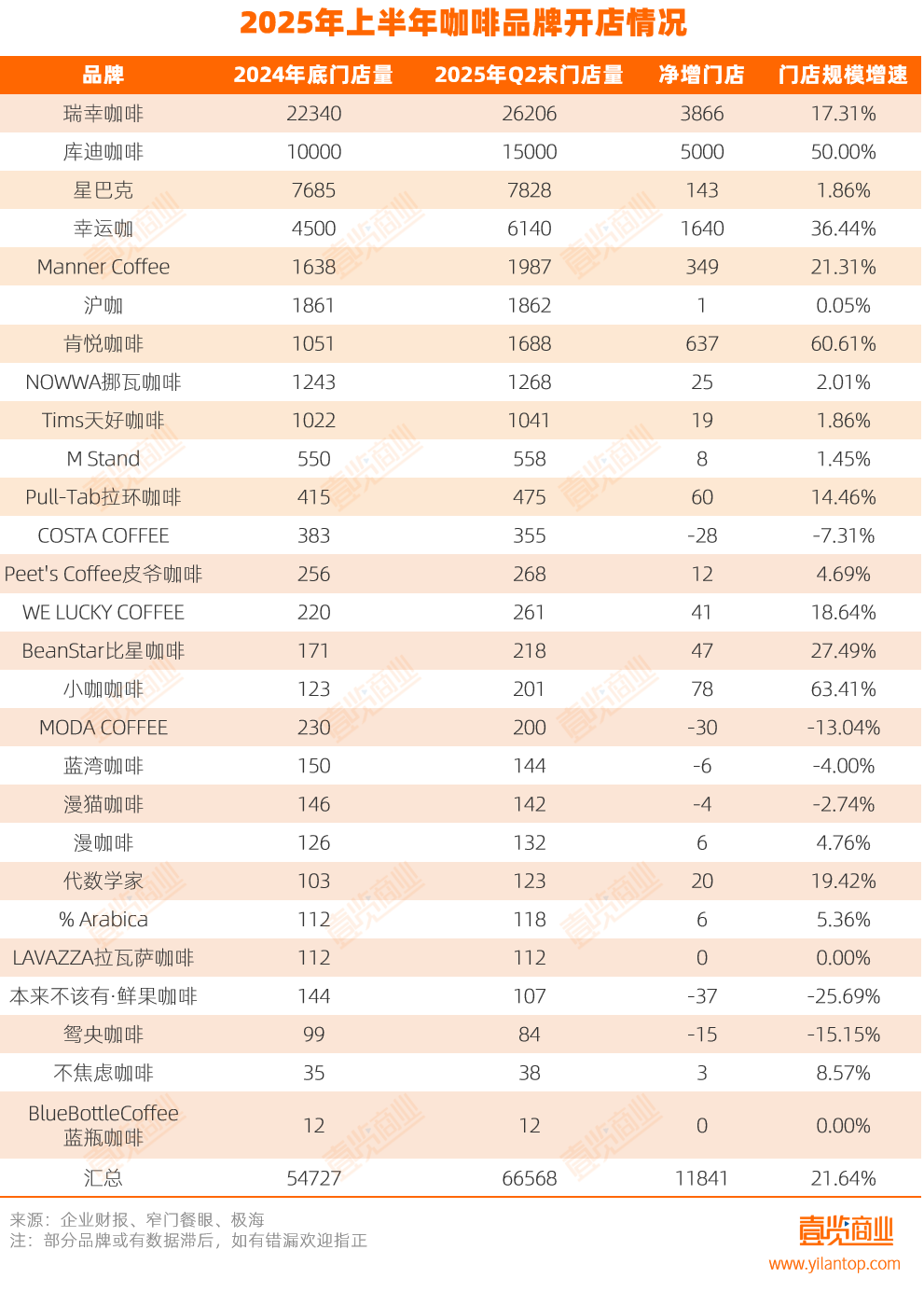
| 品牌 | 2024年底门店量 | 2025年Q2末门店量 | 净增门店 | 门店规模增速 | | --- | --- | --- | --- | --- | | 瑞幸咖啡 | 22340 | 26206 | 3866 | 17.31% | | 库迪咖啡 | 10000 | 15000 | 5000 | 50.00% | | 星巴克 | 7685 | 7828 | 143 | 1.86% | | 幸运咖 | 4500 | 6140 | 1640 | 36.44% | | Manner Coffee | 1638 | 1987 | 349 | 21.31% | | 沪咖 | 1861 | 1862 | 1 | 0.05% | | 肯悦咖啡 | 1021 | 1 ୧88 | 637 | 60.61% | | NOWWA挪瓦咖啡 | 1243 | 1268 | 25 | 2.01% | | Tims天好咖啡 | 1022 | 1041 | 19 | 1.86% | | M Stand | 550 | રેરક | 8 | 1.45% | | Pull-Tab拉环咖啡 | 415 | 475 | 60 | 14.4 ...

一杯“村咖”解锁乡村旅游“流量密码” 农文旅融合书写乡村振兴“夏日答卷”
Yang Shi Wang· 2025-08-18 09:53
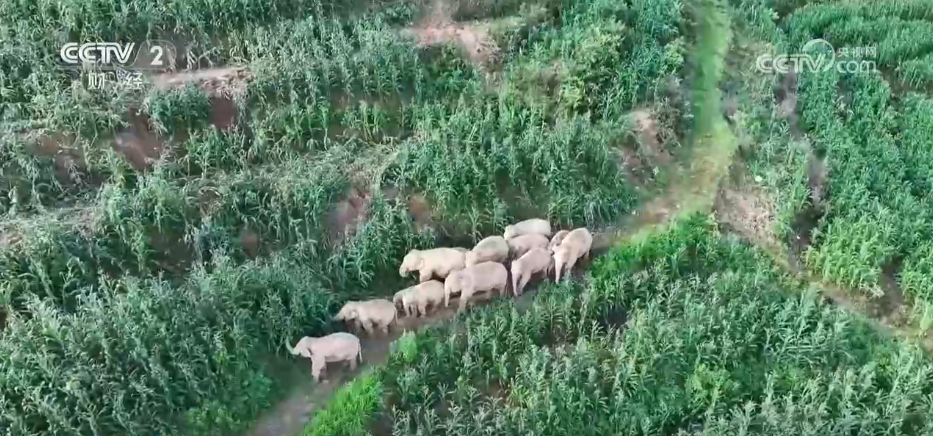
Group 1 - The core viewpoint is that Yunnan Pu'er is leveraging its unique natural scenery and status as a major coffee production area to enhance the "coffee + cultural tourism" consumption scene, attracting a large number of tourists during the summer travel peak [1][9] Group 2 - In the rainforest of Pu'er, there is a coffee plantation where visitors can interact with elephants while enjoying coffee, providing a unique experience [3] - Visitors to the coffee plantation can not only taste organic coffee but also participate in the coffee-making process under the guidance of baristas, with the plantation receiving over 200 visitors daily since summer, 60% of whom are family visitors [5] - The increase in visitor numbers has led to a significant rise in overall revenue, including dining, accommodation, and coffee sales [9] Group 3 - Coffee shop operators in Yunnan Pu'er are incorporating local seasonal flowers and fruits into their coffee, creating many unique beverages [10][14] - In the Shimao District of Yunnan Pu'er, there is a coffee shop approximately every 50 meters, with sales of beverages made from locally sourced coffee beans continuously increasing [12] Group 4 - Yunnan Pu'er has nearly 700,000 acres of coffee plantations with an annual production of 60,000 tons, and in recent years, it has developed coffee shops and plantations that allow tourists to experience the coffee-making process from seed to cup, continuously creating new business models that integrate coffee and tourism [16]
合伙人反目,瑞幸董事长黎辉再陷股权争议
Sou Hu Cai Jing· 2025-08-18 09:25
Core Viewpoint - The ongoing dispute between Luckin Coffee's chairman, Li Hui, and former chairman of Taibang Biologic, Zhou Fan, centers around the ownership of shares following the privatization of Taibang Biologic, with allegations of misleading investors and harming shareholder interests [2][5][11]. Group 1: Shareholder Dispute - Zhou Fan accuses Li Hui of unilaterally canceling the original management team's co-investment shares and redistributing them after the privatization of Taibang Biologic [2][3]. - Zhou Fan holds approximately 534,010 shares of Taibang Biologic, representing about 13.77% of the company, valued at over $656 million (approximately 4.6 billion RMB) based on a $4.76 billion valuation during privatization [4][6]. - The conflict escalates as both parties assert differing claims regarding the ownership of Zhou Fan's shares, with Taibang Biologic's management stating that Zhou is merely exercising voting rights on behalf of the platform [5][12]. Group 2: Company Background and Investment Strategy - Taibang Biologic, previously a publicly listed company, specializes in blood products and has been undervalued in the market [16][20]. - The investment strategy of Dazhong Capital, which includes high equity stakes and active involvement in management, is exemplified by its handling of both Luckin Coffee and Taibang Biologic [10][19]. - Dazhong Capital's approach contrasts with typical private equity firms, as it often seeks to gain control during governance crises, as seen in the cases of both companies [19][20]. Group 3: Market Context and Implications - The public conflict between partners in a private equity firm is unusual and suggests that internal resolutions have failed, potentially impacting the stability and long-term commitment of the management team [11][12]. - The management team at Taibang Biologic is currently in a precarious position, with the new management having already made decisions regarding share distribution, raising legal and regulatory concerns [12][20]. - The situation reflects broader implications for investor confidence and governance practices within the private equity sector, particularly in the context of management buyouts and share distribution disputes [11][20].

贵阳锚定“咖啡之城”新坐标 打造文旅消费新场景
Sou Hu Cai Jing· 2025-08-18 03:11
来自国内外的咖啡界高手同台竞技,咖啡的香气在空气中弥漫,五十余家头部品牌展位前人流如织。8月16日至17日,在2025"爽爽贵阳·世界风味嘉年 华"暨"爽爽贵阳·咖啡飘香"系列活动现场,一杯杯精品咖啡正调制出贵阳产业转型的新味道。 在活动开幕式上,贵阳市宣布:以"贵人服务"为核心抓手,全方位、多层次、立体化支持咖啡产业发展,着力将贵阳市打造成具有全国影响力的咖啡消费目 的地和咖啡文化体验城市。 这一举措的推出恰逢其时。数据显示,贵阳市咖啡消费年均增长18%,是全国增速最快的城市之一。截至目前,贵阳经营咖啡品类店的数量为3000余家,咖 啡产业活力蓬勃。 布局:将咖啡打造成城市新名片 "你们也是来喝咖啡的?有一家'乔治队长'咖啡很火,最近都需要排队……"一名贵阳出租车司机在省外游客乘车时询问,平时不喝咖啡的他,现在聊到贵阳 咖啡也是侃侃而谈。 今年5月,贵阳本土咖啡品牌"乔治队长"主理人彭近洋在2025年世界冲煮咖啡比赛中夺冠。这让大家开始重新认识贵阳咖啡。 由于有"世界冠军"头衔加持,彭近洋的咖啡店有很多省外游客慕名而来,排队一小时就为了尝上一口"贵阳咖啡"。 咖啡代表了年轻、时尚、活力,是推动城市文旅消费升 ...


GPT5的认错了,每个产品经理都是在迭代中试错
3 6 Ke· 2025-08-18 02:23
Group 1 - The core viewpoint of the article is that the upcoming launch of vivo's vision MR glasses will mark a significant shift towards spatial computing, potentially leading to the obsolescence of traditional mobile app product managers [1][2][18] - The vivo vision MR glasses are expected to be significantly lighter than Apple's vision Pro, being half the weight, and will utilize gesture and eye-tracking technology based on the Android system [1][18] Group 2 - The evolution of product managers over the past decade has been marked by various phases, starting from the mobile internet boom in 2016, where entry-level positions were accessible regardless of educational background [3][6] - The emergence of different types of product managers, including C-end and B-end product managers, has led to a more specialized skill set and differentiated performance metrics [8][9] - The rise of data product managers has been driven by the increasing reliance on data for app iteration and optimization, highlighting the importance of data analysis in product development [9][10] - The introduction of AI product managers has transformed the landscape, with a focus on leveraging AI capabilities for application development, particularly in the context of large language models [15][16] - The anticipated growth of brain-computer interfaces and spatial computing is expected to further revolutionize the role of product managers, shifting from traditional interfaces to immersive experiences [16][18]

2025年暑期档票房破95亿元;7月民航运输规模创历史新高
Mei Ri Jing Ji Xin Wen· 2025-08-17 23:25
Group 1 - The summer box office in 2025 has surpassed 9.5 billion yuan, indicating strong resilience in the domestic film consumption market [1] - The animated film "Wang Wang Mountain Little Monster" has achieved a cumulative box office of over 900 million yuan, becoming the highest-grossing 2D animated film in Chinese history [1] - The success of films like "Wang Wang Mountain Little Monster" reflects content innovation and the release of family viewing demand [1] Group 2 - In July, China's civil aviation transportation scale reached a historical high, with a total turnover of 14.8 billion ton-kilometers, a year-on-year increase of 8.6% [2] - Domestic airlines transported 64.73 million passengers in July, marking a 2.7% year-on-year growth, with international passenger transport showing a significant increase of 15.7% [2] - The growth in international passenger volume indicates a full recovery in tourism and business travel, which will drive profitability recovery for airlines [2] Group 3 - Rumors about Dong Yuhui's annual income exceeding 2 to 3 billion yuan after leaving Dongfang Zhenxuan have sparked significant attention, highlighting the influence of live-streaming e-commerce [3] - The response from Huixing Hangxing denied the accuracy of the income claims, indicating potential volatility in the live-streaming market [3] - The sustainability of the live-streaming sales model may depend on its ability to move away from reliance on celebrity endorsements [3] Group 4 - Costa Rica's coffee exports are under pressure due to a 15% tariff imposed by the U.S., which has historically been its largest export market [4] - The local coffee industry is actively seeking to expand into other overseas markets to mitigate the impact of the tariff [4] - Successfully diversifying into emerging markets in Europe and Asia could lead to supply chain diversification and industry upgrades [4]
2025年暑期档票房破95亿元;7月民航运输规模创历史新高丨消费早参
Mei Ri Jing Ji Xin Wen· 2025-08-17 23:24
Group 1 - The summer box office in China has surpassed 9.5 billion yuan, indicating strong resilience in the domestic film consumption market [1] - The animated film "Wang Wang Mountain Little Monster" has achieved over 900 million yuan in cumulative box office, becoming the highest-grossing 2D animated film in Chinese history [1] Group 2 - In July, China's civil aviation transportation scale reached a historical high, with a total turnover of 148 billion ton-kilometers, reflecting an 8.6% year-on-year growth [2] - Domestic passenger transport reached 64.73 million, a 2.7% increase, while international passenger transport saw a significant rise of 15.7% to 7.09 million [2] Group 3 - Rumors about Dong Yuhui's annual income exceeding 2 to 3 billion yuan after leaving the company have sparked interest in the live-streaming e-commerce sector [3] - The response from the company "Hui Tongxing" indicates that the income claims are not accurate, highlighting the volatility of income in the live-streaming industry [3] Group 4 - Costa Rican coffee exports are under pressure due to a 15% tariff imposed by the U.S., which has historically been its largest export market [4] - The local coffee industry is looking to expand into other overseas markets to mitigate the risks associated with reliance on a single market [4]
星巴克中国“卖身”,现在是最好的时机
虎嗅APP· 2025-08-17 10:23
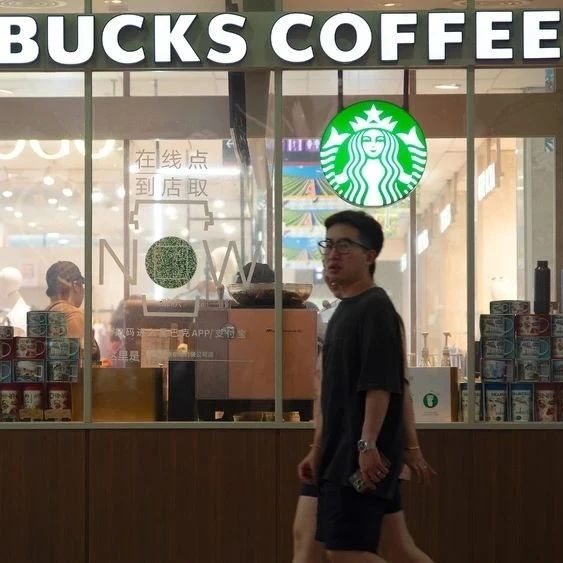
Core Viewpoint - Starbucks China is reportedly in talks to sell its business, with a valuation between $5 billion to $10 billion, amid increasing competition and declining price competitiveness in the market [5][14]. Group 1: Current Challenges - Starbucks China faces a significant crisis due to low product cost-performance, which has become increasingly evident over the past two years [6]. - The rise of competitors like Luckin Coffee and Kudi, which have engaged in aggressive price wars, has made Starbucks' pricing appear unreasonable [7][10]. - The introduction of lower-priced options by competitors has shifted consumer price expectations, making it difficult for Starbucks to maintain its premium pricing strategy [10][11]. Group 2: Self-Rescue Strategies - Starbucks has initiated its first official price reduction in 25 years, lowering prices on several non-coffee beverages by 2 to 6 yuan [9]. - The company has also focused on launching new products, particularly in the non-coffee category, to attract consumers [12]. - Despite these efforts, the new product offerings have not matched the popularity of competitors' successful launches, indicating a struggle to innovate effectively [12][13]. Group 3: Value Proposition - Despite current challenges, Starbucks China still possesses significant value, including approximately 8,000 stores, which are considered high-quality assets [15][16]. - The company reported a net revenue of $730 million for Q2 of fiscal year 2025, with a year-on-year growth of 5%, although the average transaction value per order has decreased by 4% [16][17]. - Starbucks maintains a strong presence in social and business gathering spaces, which continues to provide it with a competitive edge [18]. Group 4: Market Position and Future Outlook - Starbucks retains significant bargaining power with shopping malls, having established favorable lease agreements in the past [21][22]. - The brand's presence is still seen as a marker of quality for shopping centers, although this could change with the rise of new domestic brands [23][24]. - The timing of the potential sale is viewed as optimal, as the company still holds considerable value, but future market conditions remain uncertain [14][24].

皮爷咖啡大规模关店,“星巴克之父”怎么了?
Xin Lang Cai Jing· 2025-08-17 08:41
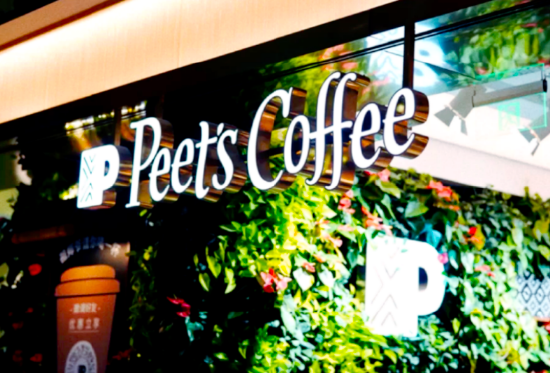
Core Viewpoint - Peet's Coffee, often referred to as the "father of Starbucks," has closed its first store in South China due to low profitability and high operational costs, reflecting broader challenges faced by premium coffee brands in a competitive market [1][7][10]. Group 1: Store Closures and Financial Performance - Peet's Coffee has closed multiple locations in major cities, including its first store in Guangzhou and several others in core business districts, indicating a strategic shift in response to profitability issues [1][10]. - The monthly operating cost for a single store in high-end malls is estimated at approximately 300,000 yuan, requiring sales of around 450 cups daily to break even, which has become increasingly difficult in the current market [6][11]. - The closure of the South China flagship store has sparked public interest and concern, with customers expressing surprise at the sudden decision despite the store's seemingly good business [2][10]. Group 2: Market Trends and Consumer Preferences - A significant shift in consumer preferences has been noted, with nearly 80% of consumers now favoring drinks priced between 10-20 yuan, while only 4% are willing to pay over 25 yuan for a single cup [11][12]. - The premium coffee market in China is experiencing saturation, with independent coffee shops offering better value and quality, posing a challenge to established brands like Peet's and Starbucks [11][13]. - The competitive landscape has intensified, with low-cost coffee brands like Luckin and Kudi disrupting traditional pricing models, further squeezing the market for premium coffee retailers [12][13]. Group 3: Strategic Adjustments and Future Outlook - Peet's Coffee is adjusting its strategy by testing a new brand, Ora Coffee, which offers products at a more accessible price point of 15-25 yuan, aiming to attract a broader customer base [13]. - The company is also implementing operational changes, such as a "consumption seating" policy in some locations to optimize resource utilization and address long-standing issues of seat occupancy without purchase [13]. - Despite the challenges, Peet's Coffee continues to expand its store network, albeit at a slower pace, with plans to open 51 new stores in 2024 compared to 98 in 2023 [10][11].