基金

Search documents
红利板块本周震荡分化,恒生红利低波ETF易方达(159545)标的指数周线“六连阳”
Mei Ri Jing Ji Xin Wen· 2026-02-13 09:47
Core Viewpoint - The Hang Seng High Dividend Low Volatility Index increased by 0.6% this week, marking a six-week consecutive rise, while the CSI Dividend Index, CSI Dividend Value Index, and CSI Dividend Low Volatility Index experienced declines of 0.1%, 0.5%, and 1.0% respectively [1]. Group 1: Index Performance - The CSI Dividend Index has a dividend yield of 4.8% and a rolling P/E ratio of 8.3 times, with a historical P/E ratio percentile of 72.3% [3]. - The CSI Dividend Low Volatility Index has a dividend yield of 4.6% and a rolling P/E ratio of 8.1 times, with a historical P/E ratio percentile of 73.3% [3]. - The Hang Seng High Dividend Low Volatility Index has a dividend yield of 5.6% and a rolling P/E ratio of 7.9 times, with a historical P/E ratio percentile of 91.2% [3]. - The CSI Dividend Value Index has a dividend yield of 4.6% and a rolling P/E ratio of 7.7 times, with a historical P/E ratio percentile of 71.7% [3]. Group 2: Future Investment Trends - According to Huatai Securities, it is estimated that insurance capital's secondary equity investment could reach 1 trillion yuan in 2025, with a secondary equity position of around 16%, becoming a significant source of funds for the stock market [1]. - In 2026, the overall new investable funds for insurance capital are expected to reach 3.1 trillion yuan, with secondary equity investment potentially reaching 900 billion yuan [1]. - Dividend stocks are increasingly important for insurance capital allocation, as the importance of cash dividend income rises and the need to reduce the volatility of equity assets becomes necessary [1]. Group 3: ETF Management Fees - E Fund is currently the only fund company that implements low fees for all dividend ETFs, with management fees for its products set at 0.15% per year [1].


超万亿!北京亦庄放大招,母基金体系重磅出炉
母基金研究中心· 2026-02-13 09:36
Core Viewpoint - The Beijing Economic and Technological Development Zone (Beijing E-Town) is establishing a comprehensive fund ecosystem to support high-quality development, with a focus on attracting innovative enterprises and resources through a multi-layered financing approach [2][3]. Group 1: Fund Ecosystem and Investment Strategies - The fund ecosystem includes a government investment guidance fund with a total scale of 20 billion yuan, focusing on key industries such as new-generation information technology and general artificial intelligence [2]. - A mother fund system exceeding 1 trillion yuan is being developed to enhance the region's production capacity and support the growth of innovative enterprises [3]. - The establishment of various funds, including a 170 billion yuan technology industry fund and six AIC funds totaling 31 billion yuan, aims to attract social capital for early-stage and technology investments [2][3]. Group 2: Government Initiatives and Support - The Beijing government has been active in establishing district-level mother funds, with over 50 mother funds currently in operation, showcasing significant clustering effects [4]. - Recent initiatives include the launch of the Shunyi District Equity Investment Guidance Fund with a target scale of 100 billion yuan, and the expansion of the Haidian District government investment fund to 200 billion yuan [5][6]. - The Beijing government is also focusing on a "Beijing model" for industry funds, with eight major funds targeting sectors like robotics, artificial intelligence, and healthcare, collectively amounting to 1 trillion yuan [6][7]. Group 3: Policy Framework and Future Outlook - The "Implementation Plan" issued by eight departments in Beijing aims to introduce over 1 trillion yuan in long-term capital for technology innovation by the end of 2027 [8]. - Key measures include enhancing venture capital's role in supporting technological innovation and improving exit channels for venture investments [8][9]. - The recent developments in the fund landscape are expected to trigger a new wave of investment enthusiasm in Beijing, fostering early-stage and innovative investments [9].

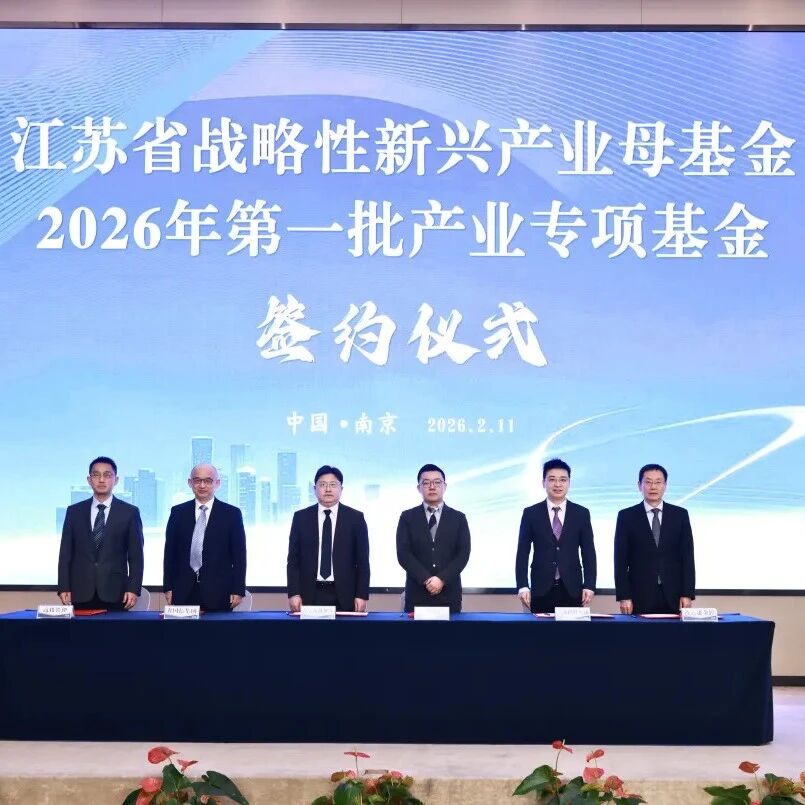
691亿,江苏超级母基金签约了
母基金研究中心· 2026-02-13 09:36
Summary of Key Points Core Viewpoint The article discusses the recent developments in China's mother fund industry, highlighting the total management scale of 1161.5 billion yuan, with investments spanning various sectors such as artificial intelligence, new production capacity, and integrated circuits. The article provides insights into fund management recruitment, fund establishment, and LP contributions across different provinces. Fund Management Recruitment - Hebei Province is seeking GP for its Science and Technology Investment Guidance Fund to support strategic and future industries [7] - Sichuan Province is recruiting GP for the Cultural Tourism New Quality Productivity Industry Fund [15] - Chongqing is looking for GP for the Rongchang Mother Fund [17] - Gansu Province is inviting GP for the Jiuquan Science and Technology and Industry Development Fund [20] - Other provinces such as Guangdong, Yunnan, Jiangsu, and Hubei are also actively recruiting GPs for various funds [5][6][43] Fund Establishment - The Jiangsu Super Mother Fund has signed agreements totaling 691 billion yuan, focusing on strategic emerging industries [33][36] - The Yunnan Advanced Manufacturing Equity Investment Mother Fund aims to enhance industrial competitiveness and promote high-quality development [28] - The Shanghai Integrated Circuit Industry Investment Fund has increased its capital to 60.3 billion yuan, marking a significant growth of approximately 1038% [55] LP Contributions - Watson Bio has initiated the establishment of the Yunnan Chuangwo Biological Industry Investment Fund with a target size of 1 billion yuan, contributing 450 million yuan [44] - Jinzhitech plans to invest 240 million yuan to establish an industrial fund in collaboration with local partners [46] - The establishment of the Hohhot Zhongjin Qixin Equity Investment Fund has been announced, with a total investment of 10 billion yuan [51] Other Developments - The establishment of the Ezhou Intelligent Development Equity Investment Fund with a total scale of 30 billion yuan aims to support the AI industry [43] - The Jiangsu Province has successfully registered two industry mother funds with a total scale of 6.5 billion yuan, focusing on smart manufacturing and industrial development [41]




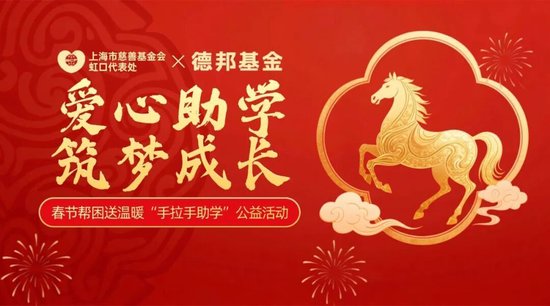
温暖身边人 | 德邦基金携手上海市慈善基金会虹口区代表处、虹口区北外滩街道开展“手拉手助学”公益
Xin Lang Cai Jing· 2026-02-13 09:34
Core Viewpoint - The company actively participates in social responsibility initiatives, specifically through the "Hand in Hand" educational support project, demonstrating its commitment to high-quality development in the public fund industry and its mission of "finance for the people" [1][8]. Group 1: Event Overview - On February 12, the company collaborated with the Shanghai Charity Foundation and local representatives to host a charity seminar aimed at providing targeted assistance to three academically excellent but financially disadvantaged students [1][11]. - The event took place at the Binfen Space, a multifunctional public area that facilitates cultural experiences, leisure interactions, and community governance, effectively connecting corporate goodwill with community needs [1][11]. Group 2: Support for Students - During the seminar, company representatives learned about the students' living and learning conditions and presented each with a "New Year Warmth Gift Package," which included educational supplies and financial aid, encouraging them to maintain a positive attitude and strive for success [3][13]. - A representative from the charity expressed gratitude for the company's contributions and presented a donation certificate, while a student representative acknowledged the importance of the support received and committed to giving back to society [5][15]. Group 3: Future Commitment - The event reflects the company's adherence to the culture of the public fund industry and its response to the Shanghai Fund Industry Association's initiative to "warm those around us" [7][17]. - The company plans to continue its focus on educational philanthropy, aiming to support student growth and contribute to social progress and common prosperity [7][17][18].
招商局中国基金1月末每股资产净值为5.495美元
Zhi Tong Cai Jing· 2026-02-13 08:48
Core Viewpoint - China Merchants China Fund (00133) announced that its unaudited net asset value per share as of January 31, 2026, is $5.495 (42.96 HKD) [1] Summary by Category - **Company Performance** - The unaudited net asset value per share is reported at $5.495 [1] - The equivalent value in Hong Kong dollars is 42.96 HKD [1]
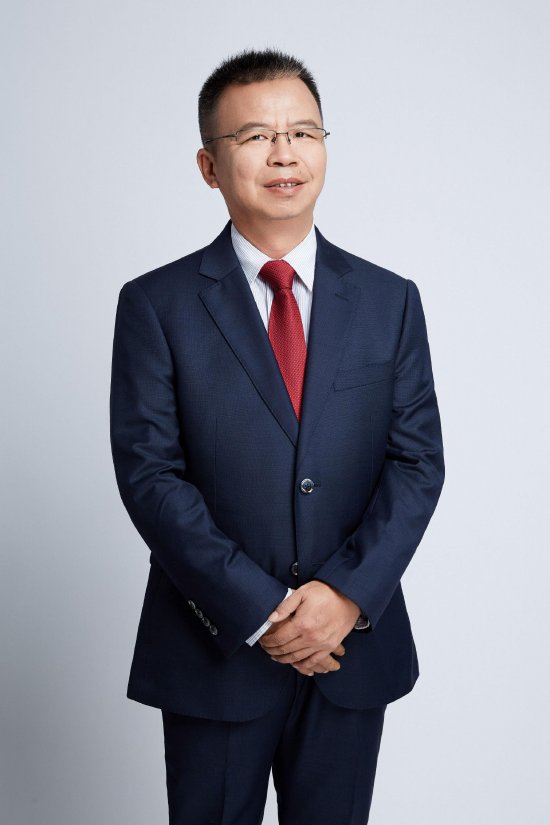
2026新年献词|睿远基金总经理饶刚:紧扣行业高质量发展主线 力争为每一份托付创造可持续长期回报
Xin Lang Cai Jing· 2026-02-13 08:31
Core Viewpoint - The company expresses confidence in economic development for 2026, noting that while market valuations have significantly increased, they remain within a reasonable range, supported by the fundamentals of the Chinese economy [1][3][4] Economic Outlook - The company acknowledges the uncertain international macro environment but emphasizes that risks and opportunities coexist [1][3][4] - The fundamentals of the Chinese economy are seen as a solid foundation for long-term investment [1][3][4] Investment Strategy - The company plans to focus on high-quality industry development, continuously refine its research and investment capabilities, and deepen the construction of its research and investment system [1][4][6][7] - The goal is to create sustainable long-term returns for every entrusted investment [1][4][6][7] Market Performance - Reflecting on 2025, the company notes that the market has emerged from a low point, although investments faced fluctuations and structural differentiation [3][6] - The company's products have demonstrated good adaptability in a complex environment, adhering to a value investment philosophy [3][6]
跨境ETF规模重返万亿元;博道基金自购旗下新基金800万元|天赐良基日
Mei Ri Jing Ji Xin Wen· 2026-02-13 08:22
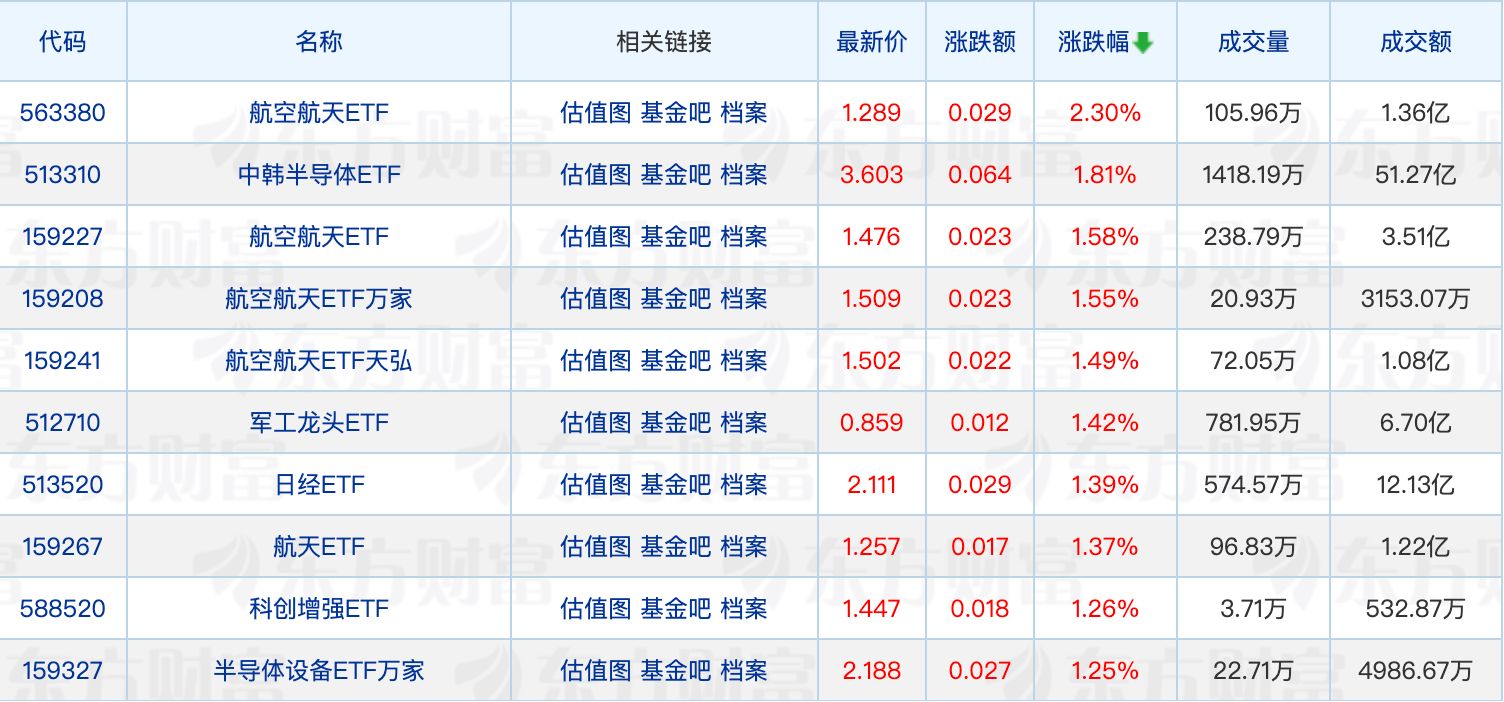
Group 1 - The scale of cross-border ETFs has returned to 1 trillion yuan, reaching 1 trillion yuan again as of February 11, with Hong Kong stock-themed ETFs totaling 822.45 billion yuan [1] - Baodao Fund announced the establishment of the Baodao Xinghang Mixed Fund, with the company investing 8 million yuan of its own funds during the fundraising period [2] - A total of 12 commercial real estate REITs have been filed and accepted since the pilot program began on December 31, 2025, with 11 in the Shanghai market and 1 in the Shenzhen market [3] Group 2 - Ren Xiangdong has reduced holdings in Dalian Technology, with the number of shares held by his managed funds decreasing by 119,400 shares and 63,800 shares respectively as of February 6 [4] - Yan Siqian has been appointed as the new fund manager for the Penghua Fengsheng Bond Fund, marking her first management role in a bond fund [5] Group 3 - The ETF market experienced a day of volatility, with all three major indices declining, while the aerospace sector showed strength with the aerospace ETF rising by 2.30% [6] - Oil and gas-related ETFs saw a collective decline, with the largest drop being 4.21% for the Boshi Oil and Gas ETF [7] Group 4 - The global semiconductor materials market is characterized by "long-term growth and cyclical fluctuations," with a restructuring of the regional landscape accelerated by domestic production trends [8] - Recent government policies have provided robust support for the development of the semiconductor materials industry, creating a comprehensive empowerment system [8]
红利衔春至,骏程启新章,易方达两只红利ETF派送新春贺礼
Xin Lang Cai Jing· 2026-02-13 07:56
Core Viewpoint - E Fund's two dividend ETFs, the Hang Seng Low Volatility Dividend ETF (159545) and the Hong Kong Stock Connect Dividend ETF (520810), are set to distribute dividends, providing investors with a festive financial boost for the Lunar New Year [1][4]. Group 1: Dividend Distribution Details - The Hang Seng Low Volatility Dividend ETF (159545) will distribute a dividend of 0.15 CNY per 10 fund shares, with the record date on February 10, ex-dividend date on February 11, and payment date on February 13, coinciding with the Lunar New Year [1][4]. - The Hong Kong Stock Connect Dividend ETF (520810) will distribute a dividend of 0.02 CNY per 10 fund shares, with the record date on February 11, ex-dividend date on February 12, and payment date on February 25, providing a post-festival financial benefit [1][4]. Group 2: Fund Management and Fee Structure - The Hang Seng Low Volatility Dividend ETF (159545) follows a quarterly dividend evaluation mechanism, distributing dividends in January, April, July, and October, and has successfully distributed dividends for seven consecutive quarters since Q3 2024 [2][5]. - The Hong Kong Stock Connect Dividend ETF (520810) operates on a monthly evaluation cycle, allowing for more frequent dividend distributions [2][5]. - E Fund is noted for being the only fund company in the industry to implement low fee rates across all its dividend ETFs, with management fees as low as 0.15% per year, facilitating cost-effective dividend investment for investors [2][5].
红利贺春,骏启新程,易方达两只ETF联接基金派送新春红利
Xin Lang Cai Jing· 2026-02-13 07:56
Group 1 - The core message highlights the launch of two dividend ETF funds by E Fund, aimed at providing investors with a "New Year bonus" through dividend distributions [1][4]. - E Fund's Hang Seng Stock Connect High Dividend Low Volatility ETF will distribute a dividend of 0.09 yuan per 10 fund shares, with the record and ex-dividend dates set for February 12, and cash distribution on February 13 [1][4]. - The E Fund CSI Stock Connect High Dividend Investment ETF has already completed its dividend distribution of 0.02 yuan per 10 fund shares, with record and ex-dividend dates on February 10, and cash distribution on February 11 [1][4]. Group 2 - The two funds have different dividend evaluation rhythms: the Hang Seng ETF follows a quarterly evaluation mechanism, distributing dividends in January, April, July, and October, and has distributed dividends for six consecutive quarters since Q4 2024 [2][5]. - The CSI ETF operates on a monthly evaluation cycle, having distributed dividends for eight consecutive months since July 2025 [2][5]. - Both funds maintain a low management fee rate of 0.15% per year, which supports investors in pursuing dividend investments at a lower cost [6].
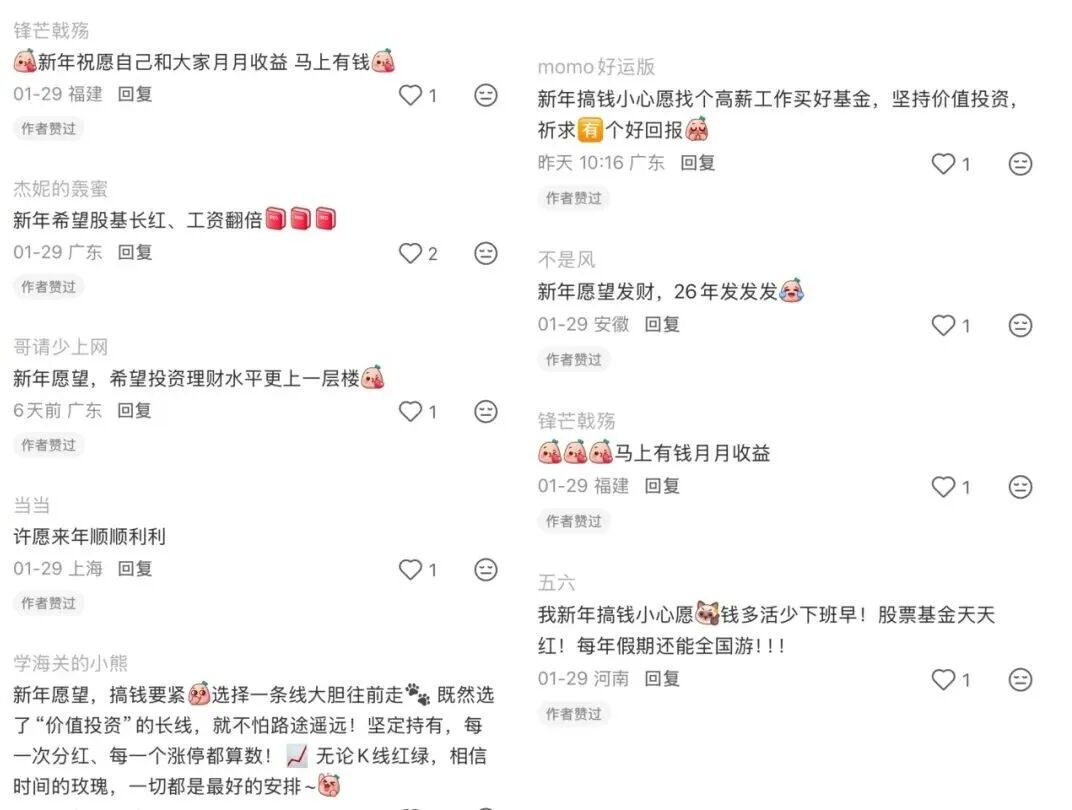
马年开好“投”:市场震荡,如何配置资产? | 2026“马上发财”书店许愿局
Zhong Guo Ji Jin Bao· 2026-02-13 07:32
Core Insights - The event "马上发财书店许愿局" organized by China Fund News in collaboration with Southern Fund and Bosera Fund aimed to integrate financial literacy with reading culture, providing an immersive experience for investors to learn about asset allocation for 2026 [1][9] Group 1: Event Overview - The event featured a blend of online and offline interactions, including a wish wall where investors expressed their financial aspirations, highlighting the public's urgent need for scientific financial management [2] - The event's theme focused on guiding investors on how to effectively allocate their assets in the new year, transforming abstract investment concepts into tangible learning experiences [1][2] Group 2: Professional Insights - Two fund managers provided in-depth market analysis, discussing domestic economic outlooks and industry opportunities, emphasizing a positive trend in corporate profits and inflation for 2026, particularly in the consumer sector [3][4] - The fund managers also cautioned investors about the volatility associated with hot assets like AI and gold, advising a rational approach to market sentiment and the importance of diversified asset allocation [4][5] Group 3: Educational Resources - A new reading list was introduced to bridge investment education and reading, featuring books suitable for both novice and advanced investors, thereby fostering a culture of continuous learning [6] - The reading list included titles that cover fundamental investment strategies and classic investment philosophies, aiming to enrich investors' understanding of market dynamics [6] Group 4: Investor Education Initiatives - The China Fund News Investor Education Base was introduced as a public, open platform aimed at enhancing financial literacy and promoting rational investment concepts, with over 14 million followers across its platforms [7] - The education base collaborates with over 180 financial institutions to conduct public educational activities, reaching more than 10 million users and focusing on the needs of younger investors [7] Group 5: Interactive Engagement - The event included a Q&A session where fund managers addressed specific investor queries, enhancing the relevance of the educational content and correcting common misconceptions about investment strategies [8] - This interactive format allowed for a direct connection between fund managers and investors, facilitating a better understanding of market dynamics and investment decision-making [8]