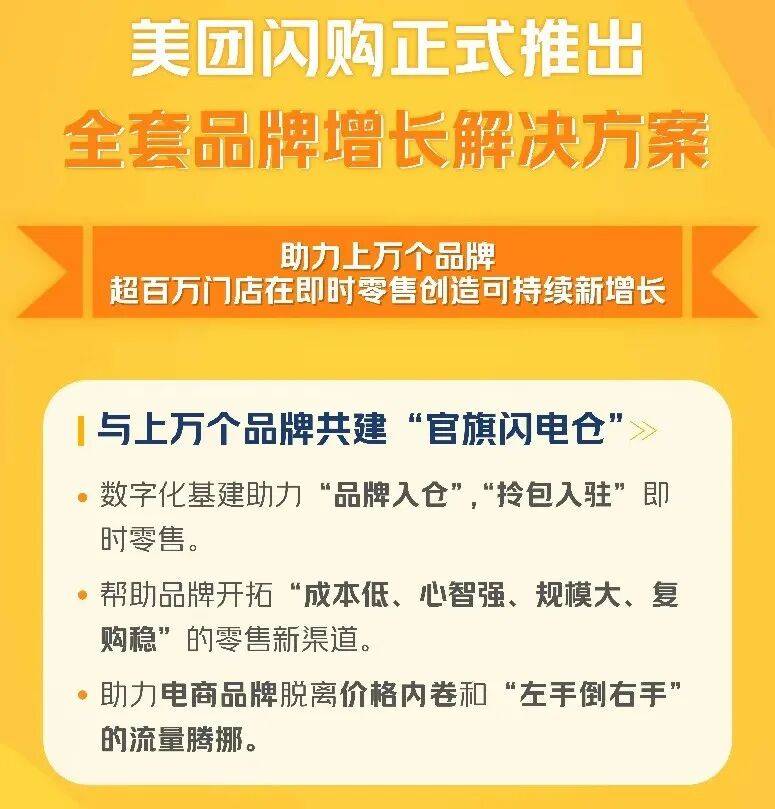
品牌官旗闪电仓

Search documents
美团-W(03690)发布年度业绩,收入同比增长8.1%至3649 亿元
智通财经网· 2026-03-26 09:51
Core Viewpoint - Meituan-W (03690) reported a revenue of RMB 364.85 billion for the year ending December 31, 2025, reflecting an 8.1% year-on-year increase, but faced a significant net loss of RMB 233.54 billion, compared to a profit of RMB 35.8 billion in 2024 [1] Financial Performance - Revenue increased from RMB 337.6 billion in 2024 to RMB 364.9 billion in 2025, marking an 8.1% growth [1] - Gross profit decreased by 14.47% to RMB 111.01 billion [1] - The adjusted net loss for the year was RMB 186.48 billion, with an adjusted EBITDA of negative RMB 138 billion [1] - The total operating profit for the company's segments fell from a profit of RMB 45.1 billion to a loss of RMB 17 billion [1] Business Strategy and Operations - The company focused on enhancing its supply chain and innovating on the supply side to meet consumer demands in food delivery, instant retail, and service retail [2] - Meituan expanded partnerships with over 1,000 brands through its "Brand Satellite Store" initiative, facilitating efficient brand expansion [2] - The "Raccoon Canteen" has grown to cover over 500 brands and stores, establishing a traceable food delivery model [2] Supply Chain Innovations - The company introduced innovative supply models such as "Meituan Lightning Warehouse" and "Brand Officer Flag Lightning Warehouse," which have become crucial for instant retail [3] - The "Yima Send Wine" service has seen strong growth, successfully creating popular products with leading wine brands [3] - Meituan is enhancing its healthcare supply capabilities by increasing the availability of common medications and medical devices through front warehouses [3] User Experience and Membership - The company is improving its comprehensive service capabilities by optimizing products and upgrading its membership system to enhance user experience [4] - New services like "On-Time Treasure" and "1-on-1 Urgent Delivery" have been expanded to provide stable and high-quality fulfillment services [4] - The upgraded "Meituan Membership" offers various exclusive benefits across multiple consumption scenarios, significantly increasing user engagement and transaction frequency [5] Social Responsibility and International Expansion - Meituan is supporting small and medium-sized merchants through initiatives like the "Assistance Fund" and the "Bright Kitchen Bright Stove" program, helping over 500,000 restaurants [6] - The company has implemented a nationwide pension insurance plan for riders, covering over 16 million individuals [7] - Internationally, Keeta has accelerated its global expansion, achieving positive economic benefits in Hong Kong and significant order growth in Saudi Arabia [7] AI Integration - The company is driving AI transformation in the physical world by integrating AI innovations with its established service advantages [8] - Meituan has developed the "Xiao Mei" smart life assistant app and the embedded AI assistant "Xiao Tuan" within the Meituan app, enhancing user interaction and experience [8]

美团没有被彻底拖住
36氪· 2025-11-30 23:53
Core Insights - The article discusses the intense competition in the food delivery market, highlighting that there are no clear winners in the ongoing battle, particularly in Q3 2025, where both Alibaba and Meituan faced significant losses [4][10]. - Meituan's core local business segment reported a revenue decline of 2.8% year-on-year, resulting in an operating loss of 14.1 billion yuan, marking its first loss since Q4 2022 [4][9]. - Alibaba's aggressive strategy led to a profit drop of approximately 30 billion yuan, with significant investments in subsidies that have nearly exhausted their planned 50 billion yuan budget [10]. Meituan's Performance - Meituan's operating profit for its core local business was 14.6 billion yuan in Q3 2024, contrasting sharply with a loss of 14.1 billion yuan in the same period this year, indicating a significant shift in financial performance [9]. - The increase in sales and marketing expenses by 90.9% to 35.9% of revenue reflects the high cost of maintaining market share amid fierce competition [9][10]. - Despite the losses, Meituan's average order value (AOV) remains significantly higher than competitors, with over 70% market share in orders above 30 yuan [10]. Competitive Landscape - The competition has intensified with new entrants and existing players like Alibaba and JD.com increasing their efforts in the food delivery and local services market [13]. - Douyin (TikTok) is emerging as a formidable competitor, with its life services projected to exceed 800 billion yuan in GTV by 2025, narrowing the gap with Meituan [13]. - The article notes that both Alibaba and Meituan are still in the process of optimizing their user experience (UE) and expanding their instant retail offerings [11][12]. New Business Developments - Meituan's new business segment saw a revenue increase of 15.9% year-on-year to 28 billion yuan, although operating losses increased by 24.5% to 1.3 billion yuan [17]. - The company is expanding its offline retail efforts, with initiatives like the "Happy Monkey" discount supermarket and "Little Elephant" supermarket gaining traction [18]. - Meituan's overseas business, particularly in Brazil, is set to launch in December, with significant investments aimed at capturing market share in a competitive landscape dominated by iFood [19][20]. Future Outlook - Meituan's management expresses confidence in maintaining efficiency and market share despite ongoing losses, emphasizing the importance of patience and strategic focus [7][15]. - The company aims to leverage its strengths in high-value orders and continue exploring new opportunities in both domestic and international markets [10][20].


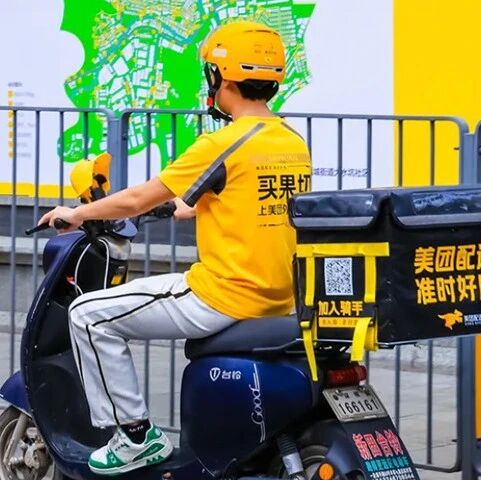
美团-W(03690):业绩简评经营分析
SINOLINK SECURITIES· 2025-11-30 12:39
Investment Rating - The report maintains a "Buy" rating for the company, expecting a price increase of over 15% in the next 6-12 months [5][12]. Core Insights - In Q3 2025, the company reported revenue of 95.5 billion yuan, a year-on-year increase of 2%. However, it faced a Non-IFRS net loss of 16 billion yuan, marking a shift from profit to loss compared to the previous year [2]. - The local core business revenue was 67.4 billion yuan, down 2.8% year-on-year, with an operating loss of 14.1 billion yuan, indicating a significant decline in profitability [3]. - New business revenue reached 28 billion yuan, reflecting a robust growth of 15.9% year-on-year, although it still incurred an operating loss of 1.3 billion yuan [4]. Financial Performance Summary - The company’s projected revenues for 2025, 2026, and 2027 are 364.1 billion yuan, 419.9 billion yuan, and 486.7 billion yuan, respectively. The Non-IFRS net profits are expected to be -18.1 billion yuan in 2025, 16.6 billion yuan in 2026, and 48.2 billion yuan in 2027 [5][10]. - The operating income growth rate is projected to be 7.88% in 2025, followed by 15.31% in 2026 and 15.91% in 2027 [10]. - The report indicates a significant improvement in operating efficiency and user engagement in the new business segments, particularly in grocery retail and international expansion [4].
美团没有被彻底拖住
36氪未来消费· 2025-11-29 12:23
Core Insights - The article highlights the intense competition in the food delivery sector, indicating that there are no clear winners in the ongoing battle, particularly in Q3 2025, where major players like Alibaba, Meituan, and JD.com are facing significant challenges and losses [3][5][8]. Summary by Sections Food Delivery Battle - Alibaba's aggressive strategy led to a profit drop of approximately 30 billion yuan, gaining market share but lacking evidence of successful e-commerce synergy [3][8]. - Meituan experienced a decline in market share and reported an operating loss of 14.1 billion yuan, marking its first loss since Q4 2022 [3][5]. - JD.com has reduced its investment in food delivery, focusing on user experience optimization instead [3]. Financial Performance - Meituan's core local business saw a significant shift, with operating profit dropping from 14.6 billion yuan to a loss of 14.1 billion yuan due to increased user incentives and marketing expenses [7]. - Meituan's sales costs rose by 23.7%, and marketing expenses surged by 90.9%, indicating a heavy reliance on subsidies to maintain market share [7]. - Alibaba's total profit dropped by 30 billion yuan in Q3, with a substantial portion of its planned 50 billion yuan subsidy nearly exhausted [8]. Market Dynamics - The competition has led to a significant change in market dynamics, with Alibaba and Meituan nearly equal in market share, while JD.com has lost about 8% [8]. - Both platforms are now focusing on high-value orders, with Meituan holding over 70% market share for orders above 30 yuan [8]. - The article notes that the intense competition has led to a temporary decrease in subsidy levels, allowing Meituan to regain some market share [8]. New Business Ventures - Meituan's new business segment reported a 15.9% revenue increase to 28 billion yuan, despite a 24.5% rise in operating losses [15]. - The company is expanding its offline retail efforts, with new stores like Xiaoxiang Supermarket and the discount store Happy Monkey [15]. - Meituan's overseas expansion continues, with Keeta achieving profitability in Hong Kong and launching operations in Brazil [16][18]. Future Outlook - Meituan's management expresses confidence in maintaining efficiency and market share despite ongoing losses [5][13]. - The company is preparing for a winter campaign to boost various metrics, including new store openings and promotional activities [12]. - The article concludes that while the core local business faces challenges, Meituan is committed to exploring new opportunities and maintaining its operational rhythm [18].

美团发布2025年Q3财报:季度营收955亿元,年交易用户数破8亿
中国基金报· 2025-11-28 09:22
Core Viewpoint - Meituan reported a revenue of 95.5 billion RMB for Q3 2025, showing a year-on-year growth of 2%, but faced a core local business operating loss of 14.1 billion RMB due to intensified industry competition [1][2] Group 1: Financial Performance - The core local business segment generated a revenue of 67.4 billion RMB, with a significant operating loss of 14.1 billion RMB attributed to direct subsidies in the food delivery sector [2] - The new business segment achieved a revenue of 28 billion RMB, marking a year-on-year growth of 15.9%, with losses narrowing to 1.3 billion RMB quarter-on-quarter [2] - The adjusted net loss for Q3 was 16 billion RMB [2] Group 2: User Engagement and Growth - Daily active users (DAU) of the Meituan app increased by over 20% year-on-year, with the monthly transaction user count for food delivery reaching a historical high [1] - The platform accumulated over 25 billion genuine user reviews, with 3.5 billion added in the past 12 months, solidifying its position as a preferred local service platform [3] Group 3: Strategic Initiatives - Meituan is focusing on a "retail + technology" strategy to enhance product and service offerings, aiming for sustainable industry growth [1] - The company is investing in ecological construction and technology innovation, with R&D expenditure reaching 6.9 billion RMB, a 31% increase year-on-year [6] - Initiatives to support riders include nationwide pension insurance subsidies and a multi-tiered welfare system, benefiting over a million riders and their families [5] Group 4: New Business Developments - The instant retail segment, particularly Meituan Flash Purchase, is leading the industry with significant user growth and transaction frequency [2] - The Keeta grocery retail business is expanding globally, with operations launched in Qatar, Kuwait, UAE, and Brazil [3]

美团-W发布第三季度业绩 收入约955亿元 同比增长约2% 闪购与全球化布局亮点突出
Zhi Tong Cai Jing· 2025-11-28 08:54
Core Insights - The company reported a revenue increase of 2.0% year-on-year for Q3 2025, reaching RMB 955 billion, despite facing significant losses in its core local business segment due to intensified competition in the food delivery industry [1] - The company continues to enhance operational efficiency and consumer experience, focusing on service quality and market adaptability, which has led to record high daily active users and monthly transaction users in the food delivery sector [2] - The new business segment, including "Meituan Flash Purchase," is experiencing rapid growth, with increased user acquisition and transaction frequency, while expanding its supply capabilities and partnerships with leading brands [3] - The grocery retail business, including "Little Elephant Supermarket" and "Fast Donkey," is showing strong growth, and the company is exploring offline models to enhance supply chain capabilities [4] Financial Performance - For Q3 2025, the company's adjusted EBITDA and adjusted net profit both declined to negative RMB 148 billion and negative RMB 160 billion, respectively [1] - The core local business segment reported an operating loss of RMB 141 billion, while the new business segment's operating loss widened to RMB 13 billion [1] - As of September 30, 2025, the company held cash and cash equivalents of RMB 992 billion and short-term investments of RMB 421 billion [1] Business Strategy - The company is accelerating supply-side innovation and improving service quality to maintain its competitive edge in the food delivery market [2] - New supply models such as "Pin Hao Fan," "Shen Qiang Shou," and "Brand Satellite Stores" are being implemented to enhance collaboration with quality merchants and expand high-quality product coverage [2] - The launch of "Brand Officer Flag Flash Warehouse" aims to provide comprehensive instant retail infrastructure for retail brands, enhancing user growth and sales [3] Market Expansion - The company is expanding its global footprint with Keeta, which is seeing steady growth in markets like Hong Kong, Saudi Arabia, Qatar, Kuwait, UAE, and Brazil [4] - The company is focusing on improving consumer and delivery experiences in various regions through its product, technology, and operational advantages [4]
仓店成为新终端,品牌必须提前占位
3 6 Ke· 2025-11-28 01:03
Core Insights - The core argument presented is that the industry is transitioning from a "traffic war" to a "supply war" in the context of instant retail, emphasizing the need for brands to adapt to the oversupply era to achieve growth [1][4][6]. Group 1: Industry Trends - Instant retail is experiencing a shift where major platforms are investing heavily in supply-side capabilities, moving away from consumer subsidies to focus on supply chain efficiency [1][2]. - The number of Meituan's "Lightning Warehouses" has surpassed 50,000 as of September 2025, with plans to expand to 100,000 by 2027, indicating a significant increase in supply infrastructure [2]. - The competition in instant retail is evolving into a marathon that tests comprehensive capabilities rather than a sprint focused solely on traffic [4]. Group 2: Supply and Demand Dynamics - The logic of instant retail development is centered around supply-demand matching, which is crucial for growth in an oversupply era [10][12]. - Demand can be categorized into general and situational types, while supply can be either standardized or flexible, highlighting the need for brands to adapt their strategies accordingly [12][15]. - The concept of matching is identified as the primary growth principle in an oversupply era, where understanding consumer needs is more critical than merely competing for market share [16][18]. Group 3: Strategic Recommendations - Brands should focus on establishing warehouses as new strategic sales channels, akin to the evolution of traditional retail and e-commerce [7][22]. - A successful strategy involves aligning product offerings with consumer scenarios, ensuring that the right products are available for the right situations [23][24]. - Companies are encouraged to build dedicated teams to manage the unique challenges of instant retail, shifting focus from traditional metrics to warehouse sales [31][32].
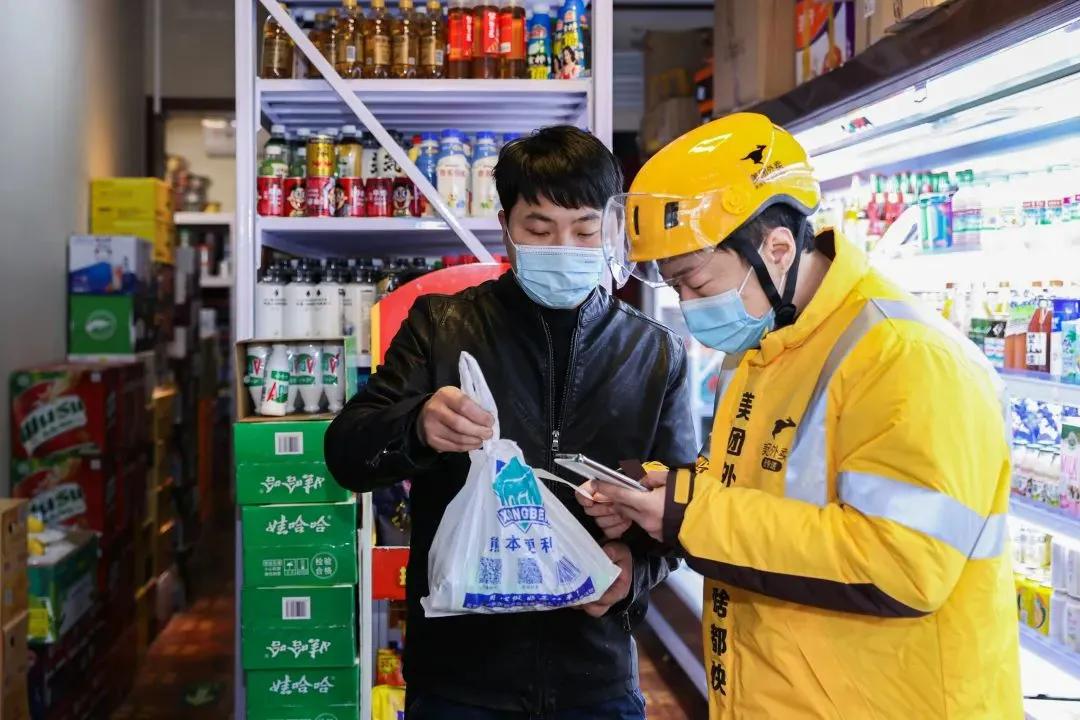
电商品牌非做即时零售不可?
雷峰网· 2025-11-27 07:59
Core Viewpoint - The article discusses the transformation of supply chains in the e-commerce sector, particularly focusing on the rise of instant retail and the establishment of "brand official flagship lightning warehouses" by Meituan, which allows brands to quickly enter the instant retail market with minimal investment [2][3][8]. Group 1: Instant Retail Trends - Brandization is becoming a core trend in the instant retail sector, with many brands establishing official flagship stores on platforms like Meituan's flash purchase service [2]. - Since October, hundreds of brands, including Sony PlayStation and L'Oreal, have entered Meituan's instant retail channel, indicating a shift towards closer consumer engagement [3][6]. Group 2: Sales Performance - During this year's Double 11 shopping festival, brands that joined Meituan's "brand official flagship lightning warehouse" saw sales increase by nearly 400% compared to before the event, with some brands experiencing over tenfold growth [6][11]. - Over 800 brands, including Apple and Huawei, reported sales growth exceeding 100% year-on-year during the same period, highlighting the effectiveness of instant retail channels [6][11]. Group 3: Supply Chain Innovation - Meituan's lightning warehouse model has evolved to support brands in quickly entering the instant retail market without the need for self-built storage facilities, thus reducing entry costs [8][19]. - The "brand official flagship lightning warehouse" model allows brands to maintain their independent identity while benefiting from shared logistics and digital systems provided by Meituan [8][19]. Group 4: Market Potential - The instant retail market is projected to exceed 2 trillion yuan by 2030, indicating significant growth potential as traditional e-commerce channels face stagnation [11][12]. - Instant retail offers high repurchase rates and low return rates, making it an attractive channel for brands seeking growth [12][14]. Group 5: Quality Assurance - Meituan has implemented policies to ensure product quality, including a comprehensive service guarantee plan that covers authenticity and return services for high-value items [19]. - The shift from merely providing products to ensuring quality reflects the evolving consumer expectations in the instant retail space [18][19].

美团闪购,明抢电商?
远川研究所· 2025-11-06 13:07
Core Viewpoint - The article discusses the evolution of the e-commerce industry, particularly focusing on the rise of instant retail as a new growth area amidst increasing competition and changing consumer preferences. Group 1: Instant Retail Growth - The first day of this year's Double Eleven event saw Meituan's instant retail platform achieve over 300% year-on-year growth in transaction volume across more than 300 categories, with specific categories like milk powder, mobile phones, and liquor seeing increases of 152%, 189%, and 562% respectively [2][40] - Instant retail is becoming a significant market, with projections indicating that by 2030, the scale of instant retail in China could exceed 2 trillion yuan, with Meituan's flash delivery service emerging as a typical model [12][45] - Meituan's flash delivery has become the largest instant retail platform globally, with peak daily orders exceeding 27 million this year [28] Group 2: Brand Adaptation to New Channels - Many brands that traditionally operated online are now exploring offline channels, realizing that proximity to consumers is more complex and crucial than anticipated [6][34] - The rising customer acquisition costs for online platforms have led brands to seek new channels, with Alibaba's customer acquisition costs increasing twelvefold from 2017 to 2023 [11] - The "official flag flash warehouse" model introduced by Meituan aims to lower the costs for brands entering instant retail, allowing them to operate with minimal investment while maintaining proximity to consumers [36][37] Group 3: Competitive Landscape - The competition among major players like Meituan, JD, and Alibaba in the instant retail space is intense, with each platform striving to enhance supply chain efficiency and consumer experience [3][39] - The shift in retail dynamics has led to a re-evaluation of traditional retail strategies, with brands needing to adapt to a new environment where efficiency and direct consumer engagement are paramount [34][46] - The article highlights that the instant retail model is not entirely new but is an evolution of previous retail experiments, emphasizing the need for platforms to innovate continuously [25][45]

AI、闪购、造车…双十一的第十七年,京东、阿里、美团还有“新活”
3 6 Ke· 2025-11-06 09:26
Core Insights - The 2025 Double Eleven event marks the 17th anniversary of the shopping festival, with significant sales growth across platforms like Tmall, Douyin, and JD.com, indicating a continued competitive landscape in e-commerce [1][2] - This year's event emphasizes innovation and new experiences, with platforms exploring new boundaries, such as JD.com venturing into automotive sales and Tmall expanding globally with substantial marketing investments [1][2] - The integration of AI models into e-commerce operations is becoming standard, enhancing supply chain efficiency and consumer experience, thus transforming the operational landscape of the industry [11][13] Group 1: Sales Performance - In the first hour of Tmall's sales, 80 brands quickly surpassed 100 million in transactions, and 30,516 brands saw their sales double [1] - Douyin's e-commerce live streaming saw a 900% year-on-year increase in the number of merchants achieving over 100 million in sales [1] - JD.com reported over 117% growth in the number of users placing orders and over 125% growth in order volume compared to the previous year [1] Group 2: Strategic Innovations - JD.com is launching a customized car in collaboration with CATL and GAC Group, showcasing a significant expansion of its product offerings beyond traditional categories [1] - Tmall is investing 1 billion yuan in marketing to promote its global expansion, targeting consumers in over 20 countries and regions [1] - The widespread application of AI models in e-commerce is expected to reshape consumer habits and enhance operational efficiency [11][12] Group 3: Instant Retail Developments - Major players like Alibaba, JD.com, and Meituan are fully participating in instant retail for the first time during Double Eleven, marking a significant shift in their operational strategies [3][10] - Meituan's new "Brand Officer Flagship Lightning Warehouse" model aims to enhance its instant retail capabilities, covering multiple cities and product categories [3][5] - Taobao's instant retail has become a key source of traffic growth, with significant increases in daily active users since its launch [6][7] Group 4: AI Integration - JD.com plans to deploy a large-scale "Super Brain + Wolf Pack" intelligent device cluster to improve frontline efficiency by nearly 20% during Double Eleven [11] - AI models are enhancing merchant operational efficiency and consumer experience, with significant improvements in product recommendation conversion rates [12][14] - The integration of AI into e-commerce platforms is seen as a critical tool for optimizing various operational aspects, from supply chain management to consumer engagement [13][14] Group 5: E-commerce Normalization - The excitement surrounding Double Eleven is diminishing as e-commerce competition shifts towards a focus on optimizing existing resources and enhancing user experience [15][16] - The trend of "every day is Double Eleven" reflects a normalization of promotional events, with platforms increasingly focusing on sustainable growth rather than one-off sales spikes [20] - The overall retail share of e-commerce remains stable, with online retail sales reaching 13.08 trillion yuan in 2024, reflecting a 6.5% year-on-year growth [19]