
供需匹配

Search documents
楼市要变天?上海“国家队”正式下场收购二手房
Sou Hu Cai Jing· 2026-02-03 20:25
Core Viewpoint - The Shanghai government has initiated a program to acquire second-hand homes for the purpose of providing affordable rental housing, targeting new residents, young people, and various talents in the city [1][12]. Funding Sources - The funding for the home acquisition will not come from a government bailout but will be sourced from a combination of local government finances, banks, enterprises, and developers [3]. - For example, the Xuhui District government will contribute part of its budget as initial funding, while the Shanghai branch of China Construction Bank will provide specialized financing through a partnership with the housing security company [3]. - The diverse funding sources ensure the sustainability of the acquisition process and prevent stagnation due to funding shortages [3]. Target Properties - The program will focus on acquiring "old, broken, and small" properties, particularly those built before 2000, with a maximum area of 70 square meters and a total price not exceeding 4 million yuan [5]. - The initiative aims to restructure the housing market by utilizing market-oriented methods to redistribute housing resources, rather than merely acting as a market rescue [5][7]. Market Impact - This initiative is not a broad stimulus but a targeted structural adjustment, aimed at alleviating liquidity issues in the "old, broken, and small" property segment [7]. - By acquiring specific second-hand homes, the government aims to prevent a price collapse while activating the "sell old and buy new" improvement chain [7]. - The program signals a shift in the housing market's stability, moving away from reliance on developer leverage and high household debt towards a model that emphasizes rental and purchase options, revitalization of existing stock, and supply-demand matching [7]. Value Reassessment - The previously undervalued "old, broken, and small" properties are now presented with an opportunity for value reassessment due to government intervention [9][10]. - The initiative provides a pathway for property owners to exit and realize asset value, which was previously hindered by market conditions [10]. Benefits for Young People - The program offers tangible benefits for young individuals, providing access to affordable housing in prime locations, which were previously out of reach due to high market prices [12]. - The government will renovate these acquired properties and rent them out at below-market rates, facilitating a more dignified living situation for young residents [12]. - The rental contracts will allow for residency permits, children's school enrollment, and healthcare settlement, effectively achieving "equal rights for renting and purchasing" [12]. Shift in Development Paradigm - The era driven by skyrocketing property prices is coming to an end, as the focus shifts from wealth accumulation through real estate to ensuring that ordinary citizens can live and work comfortably [14]. - The Shanghai initiative represents a departure from outdated development models, emphasizing the importance of affordable living conditions over high property values [14].


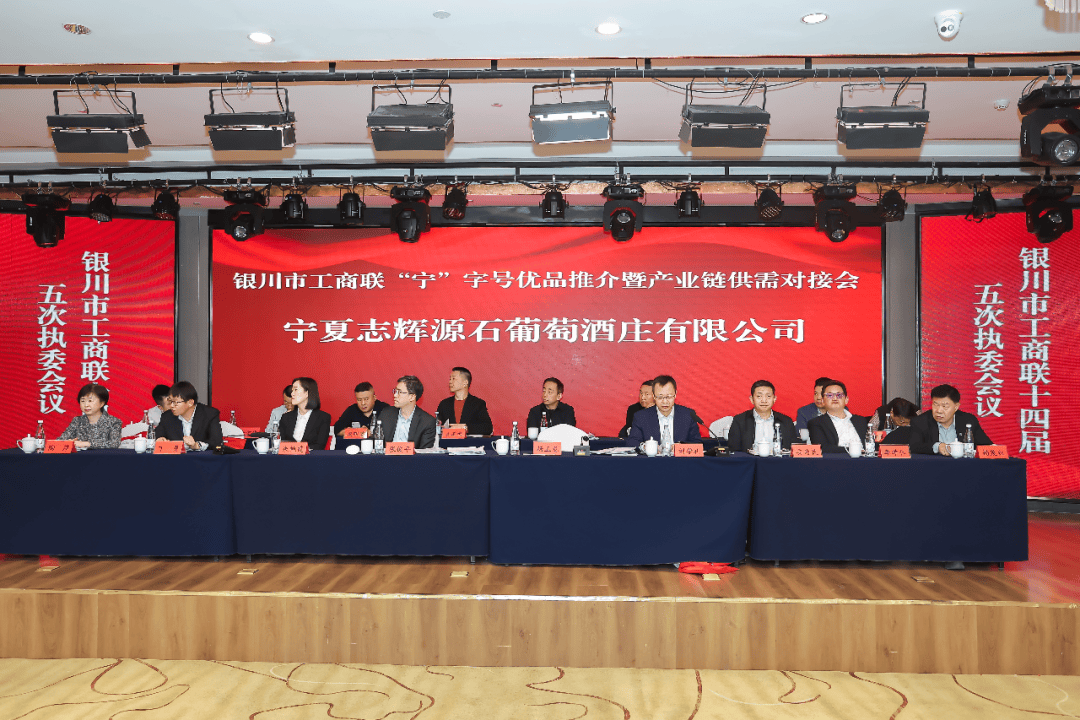
银川市工商联举办“宁”字号优品推介暨产业链供需对接活动 赋能民营经济高质量发展
Sou Hu Cai Jing· 2026-01-28 11:59
Core Insights - The event aims to enhance the local economy by facilitating production and sales connections among enterprises, thereby supporting the development of the "Yishang Yinchuan" initiative [1] Group 1: Event Overview - The Yinchuan Municipal Federation of Industry and Commerce organized a promotional event focused on the "Ning" brand products, emphasizing the theme "Linking Enterprises to Promote Production and Sales, Chain Movement for Common Development" [1] - The event included the release of a supply-demand list, enterprise presentations, and product tasting discussions to create an efficient platform for production and sales connections [1] Group 2: Supply-Demand List - A supply-demand list was published, compiled from feedback from over 60 enterprises, covering more than 200 products and 22 service and technology needs [3] - The list includes information on "six special + N" advantageous industries and cooperation needs in "four new" fields, detailing product specifications, service standards, and supply cycles [3] Group 3: Enterprise Presentations - Eleven representative enterprises showcased their products, including wine, goji berries, and smart casting, highlighting the quality and innovation of "Ning" brand products [5] - The presentations allowed attendees to understand the core competitiveness and cooperation potential of each enterprise, fostering direct communication for technical cooperation and resource sharing [5] Group 4: Future Initiatives - The Federation plans to innovate the "Linking Enterprises to Promote Production and Sales, Chain Movement for Common Development" initiative, establishing a three-tier service model to enhance supply-demand connections [6] - A mechanism for regular supply-demand information collection and dynamic updates will be implemented, utilizing convenient channels for enterprises to report their needs [6] - The Federation will also organize outbound activities for enterprises to engage in trade exchanges and promote local quality products as "national goods" [6]
食品饮料行业:2026年白酒经销商大会跟踪
GF SECURITIES· 2026-01-04 13:44
Core Insights - The report emphasizes the need for major liquor companies to focus on supply-demand matching and price-volume balance, especially in light of the weak demand and inventory reduction strategies being adopted by distributors [8][15][16] - The overall investment recommendation for the liquor sector remains "Buy," with a focus on companies that are expected to achieve a dual bottom in valuation and performance [8][9] Group 1: Industry Overview - The 2026 liquor distributor conference highlighted that major liquor companies like Kweichow Moutai and Wuliangye are setting more pragmatic growth targets for 2026, with a general trend of lower revenue growth expectations compared to previous years [8][15] - The report notes that the liquor industry is increasingly emphasizing the importance of core products within various price segments, with clearer distinctions between product price bands [16][19] - Companies are prioritizing the interests of distributors, focusing on price order reinforcement and inventory management, while also exploring new sales models such as consignment and instant retail [16][19] Group 2: Company-Specific Strategies - Kweichow Moutai is focusing on market-oriented reforms to ensure consumers can access its products fairly and quickly, while also maintaining a stable supply of its flagship products [19][20] - Wuliangye aims to achieve high-quality sales through a focus on core products and enhancing brand value, with a strategy that includes performance evaluations and a mechanism for eliminating underperforming distributors [22][23] - Shanxi Fenjiu is pursuing a dual strategy of national expansion and targeting younger consumers, while also enhancing its brand collaboration across its product lines [24][25] Group 3: Market Performance and Valuation - The food and beverage sector experienced a decline of 0.6% in the week of December 29 to January 2, underperforming the CSI 300 index by 1.7 percentage points [31][34] - As of January 2, the food and beverage sector's PE-TTM valuation stands at 21.1X, while the liquor sector's PE-TTM is at 18.3X, indicating a relative valuation of 1.49 and 1.29 times compared to the CSI 300 [47][52] - The report tracks the pricing of key liquor products, noting a decrease in the price of Moutai and an increase in the price of Wuliangye, reflecting market dynamics [53]




仓店成为新终端,品牌必须提前占位
3 6 Ke· 2025-11-28 01:03
Core Insights - The core argument presented is that the industry is transitioning from a "traffic war" to a "supply war" in the context of instant retail, emphasizing the need for brands to adapt to the oversupply era to achieve growth [1][4][6]. Group 1: Industry Trends - Instant retail is experiencing a shift where major platforms are investing heavily in supply-side capabilities, moving away from consumer subsidies to focus on supply chain efficiency [1][2]. - The number of Meituan's "Lightning Warehouses" has surpassed 50,000 as of September 2025, with plans to expand to 100,000 by 2027, indicating a significant increase in supply infrastructure [2]. - The competition in instant retail is evolving into a marathon that tests comprehensive capabilities rather than a sprint focused solely on traffic [4]. Group 2: Supply and Demand Dynamics - The logic of instant retail development is centered around supply-demand matching, which is crucial for growth in an oversupply era [10][12]. - Demand can be categorized into general and situational types, while supply can be either standardized or flexible, highlighting the need for brands to adapt their strategies accordingly [12][15]. - The concept of matching is identified as the primary growth principle in an oversupply era, where understanding consumer needs is more critical than merely competing for market share [16][18]. Group 3: Strategic Recommendations - Brands should focus on establishing warehouses as new strategic sales channels, akin to the evolution of traditional retail and e-commerce [7][22]. - A successful strategy involves aligning product offerings with consumer scenarios, ensuring that the right products are available for the right situations [23][24]. - Companies are encouraged to build dedicated teams to manage the unique challenges of instant retail, shifting focus from traditional metrics to warehouse sales [31][32].


粤黔双向奔赴!“媒体+”助力贵州小黄牛“卖爆”大湾区|潮汕牛肉火锅文化节
Nan Fang Nong Cun Bao· 2025-11-07 15:34
Core Viewpoint - The collaboration between Guangdong and Guizhou provinces is enhancing the market presence of Guizhou's small yellow cattle in the Guangdong-Hong Kong-Macao Greater Bay Area, driven by a strong demand for high-quality beef and supported by media initiatives [7][31][70]. Group 1: Market Demand and Supply - The Greater Bay Area is a key beef consumption region in China, with an annual beef consumption exceeding 800,000 tons, and the Chaozhou beef hotpot segment holds two-thirds of the market share [13][14]. - In 2024, Guangdong's beef production is projected to be only 45,000 tons, with a self-sufficiency rate below 6%, leading to a reliance on imports for 65% of its beef supply [19][21]. - Guizhou, as a major beef-producing province, has a cattle inventory of 4.6916 million heads and a beef output of 228,900 tons in 2024, reflecting a year-on-year growth of 3.3% [22][23]. Group 2: Quality and Competitive Advantage - Guizhou's small yellow cattle are recognized for their ecological farming characteristics, offering high amino acid, high protein, and low-fat advantages, making them ideal for the fresh-cut requirements of Chaozhou hotpot [28][30]. - The geographical advantages of Guizhou, including its high forest coverage and natural pastures, contribute to the optimal growth conditions for small yellow cattle [25][27]. Group 3: Collaborative Initiatives - The "Media+" initiative is facilitating the integration of production and sales between Guangdong and Guizhou, enhancing the branding and market reach of Guizhou's beef products [9][56]. - The upcoming Guangdong Chaozhou Beef Hotpot Cultural Festival aims to further elevate the brand recognition of Guizhou beef and streamline sales channels in the Greater Bay Area [33][65]. - A recent collaboration resulted in a signing of cooperation agreements worth approximately 400 million yuan during the "Qian Niu Ben Yue" production and sales connection conference [39][40]. Group 4: Future Prospects - The ongoing collaboration is expected to expand Guizhou's small yellow cattle market from the Greater Bay Area to the national level, establishing a replicable model for "Media+Industry" integration [70][72].

专访阿里国际站总裁张阔:给AI时代生意人的9条启示。
数字生命卡兹克· 2025-08-22 02:37
Core Insights - The article discusses the transformative impact of AI on international trade, particularly through Alibaba's international platform, emphasizing a shift from traditional SEO to AI-driven search optimization [8][9][12]. Group 1: Embracing AI in Business - The transition to AI search signifies a major product upgrade for Alibaba's international platform, moving from traditional SEO to generative search optimization [8][9]. - Businesses must abandon traffic anxiety and focus on demand-driven thinking, emphasizing clear and structured product descriptions to align with AI's capabilities [15][18]. - The AI revolution necessitates a fundamental shift in how businesses approach their operations, moving away from keyword stuffing to a more holistic view of product quality and service [19][24]. Group 2: AI as a Partner - AI should be viewed as a partner rather than just a tool, enabling small and medium enterprises to enhance their capabilities and compete effectively against larger firms [31][32]. - The flexibility of smaller companies allows them to adapt quickly to AI-driven changes, leveraging AI to fill gaps in their operations [30][31]. Group 3: New Skills for the AI Era - In the AI era, essential skills will include aesthetic judgment and the ability to ask the right questions, which are crucial for effective supply-demand matching [34][37]. - The ability to discover and define market needs will become increasingly important, with AI assisting in identifying and fulfilling these demands [35][36]. Group 4: Human-Machine Collaboration - Establishing a human-machine collaborative workflow is vital, where AI handles preliminary communications while humans make final decisions [42][46]. - Businesses should focus on optimizing their knowledge bases to enhance AI's effectiveness and ensure a clear division of responsibilities between humans and machines [45][46]. Group 5: Organizational Transformation - AI will not lead to job losses but will enable existing employees to accomplish more, necessitating a restructuring of organizational roles to maximize AI's potential [49][51]. - The emergence of new roles, such as AI trainers, will be essential as companies adapt to AI-driven workflows [51]. Group 6: B2B vs. B2C AI Adoption - The B2B sector is experiencing a more rapid and profound AI transformation compared to B2C, due to the complexity and high stakes involved in B2B transactions [56][59]. - AI's ability to streamline complex processes in B2B trade makes it a revolutionary force, addressing significant pain points in the industry [58][59]. Group 7: AI as an Accelerator - AI serves as an accelerator for business growth but is not a magic solution; the fundamental quality of products and services remains crucial [63][66]. - The effectiveness of AI in enhancing business operations ultimately depends on the underlying business model and product quality [68][70]. Group 8: Historical Context and Future Outlook - The current era is marked by a significant shift towards AI-driven productivity, comparable to previous technological transitions [71][74]. - Businesses must decide whether to cling to outdated practices or embrace the changes brought by AI, which presents unprecedented opportunities for growth [77][83].


加钱都打不到车,为什么没人在这开滴滴?
3 6 Ke· 2025-07-30 08:38
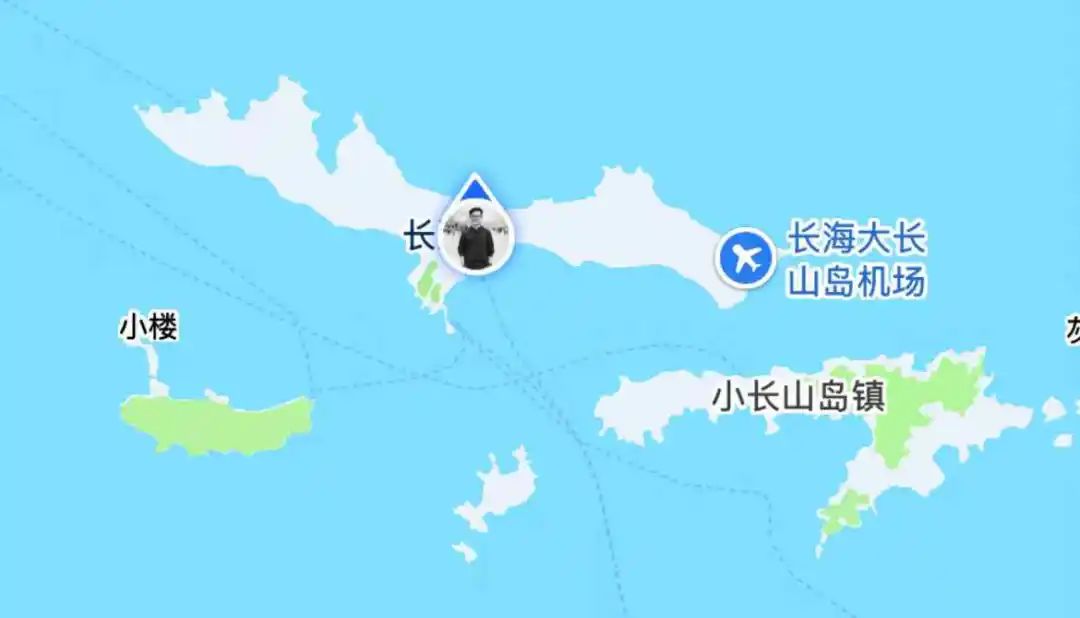
Core Insights - The article discusses the failure of the Didi ride-hailing service on the Daqingshan Island due to a mismatch between supply and demand in the local transportation market [4][15][18] Group 1: Market Dynamics - The local taxi drivers prefer not to use Didi because the platform takes a service fee, reducing their earnings significantly compared to direct fares [6][7] - The supply of taxis on the island exceeds the demand for rides, leading to an oversaturated market where drivers can easily find passengers without needing a platform [7][8] - In larger cities, Didi provides value by optimizing ride allocation and reducing idle time for drivers, which is not applicable in smaller markets like Daqingshan Island [8][18] Group 2: Consumer Behavior - Local taxi drivers have a strong understanding of the island's geography and typical fares, allowing them to negotiate flat rates directly with passengers [9][10] - Many drivers promote their services through personal contact information, making it easy for potential customers to reach them directly [11][12] - The local culture and market conditions encourage drivers to accept direct calls for rides, even if it means driving empty to pick up passengers [13][14] Group 3: Business Model Viability - The article emphasizes that successful business models must be validated against real market conditions, particularly in terms of supply and demand [17][18] - The failure of Didi on the island illustrates that having a product or service does not guarantee market success without proper alignment of supply and demand [15][18] - The insights suggest that understanding local market dynamics is crucial for the success of any business model [19][20]

拼多多:把“消费降级”倒过来
雪豹财经社· 2025-06-15 11:54
Core Viewpoint - The article emphasizes that homogeneous competition leads to inefficiency and does not create new demand, highlighting the need for businesses to adapt to changing consumer preferences rather than relying on price competition [2][4][5]. Group 1: Homogeneous Competition and Market Dynamics - Homogeneous competition arises when businesses lower costs to compete on price, leading to a mismatch between supply and demand [2][4]. - The growth of online shopping in China has plateaued, with the penetration rate only increasing by about 2% from 2020 to 2024, indicating that the e-commerce sector has reached its demographic dividend peak [5]. - The overall growth rate of online retail has slowed, with a reported 8.3% year-on-year increase in physical goods online retail sales for the first ten months of 2024, marking a historical low [5][8]. Group 2: Successful Case Studies - Brands like "大黄蜂" and "缺牙齿" have found growth opportunities by aligning their products with consumer needs rather than competing solely on price, achieving significant sales increases [11][12]. - "缺牙齿" has seen an average annual sales growth of over 50%, demonstrating that understanding consumer demand can lead to success even in a slowing market [12]. Group 3: E-commerce Platform Dynamics - Pinduoduo excels at matching supply and demand, which is crucial for its success in the competitive e-commerce landscape [15][27]. - The platform has shifted from being a hub for white-label products to a space that accommodates brands positioned between white-label and well-known brands, creating a new market segment [19][21][27]. - Pinduoduo's initiatives, such as the "千亿扶持" plan, aim to support new quality merchants who can adapt to changing consumer trends and provide competitive products [26][27]. Group 4: Consumer Behavior and Market Opportunities - There is a growing demand for personalized products, and consumers are willing to pay a reasonable premium for items that meet their specific needs [21][25]. - The article suggests that businesses that can identify and respond to these evolving consumer preferences will find opportunities for growth in the current market environment [21][27].


如何把资本主义倒过来?复盘拼多多的需求共同体和最大公约数
乱翻书· 2025-04-10 06:43
36氪周一发了一条视频,《从年赚百万到清仓求生,一件衣服背后的工厂寒冬》。内容说的是服装行业死于内卷,今年基本没有生意,赚钱几乎不可能, 从微观视角看中国的工厂、供应链的阶段和问题。视频里面的工厂、商铺老板一直在提的都是可以牺牲利润,能卖就卖,但一定要有确定性回款的诉求, 因为能在现状下生存下去就很不错了。 非常契合我们前段时间做的一期直播,如何把资本主义倒过来,用产品机制解决销售确定性的问题。 2014年阿里巴巴和京东上市时,市场普遍认为电商格局已定,但后来的发展证明零售市场实际上是一个"万米长跑"而非"千米赛跑 "。传统电商未能满足 多元化的消费需求,特别是低价和下沉市场的巨大潜力。 当拼多多、抖音、微信等电商新势力以满足不同需求为切入点,直接导致了中国零售市场多元化格局的演变。本期主题是讨论电商新势力,尤其是拼多多 崛起。 几位参与讨论的嘉宾分别是:对拼多多有非常深刻研究的姚凯飞、曾经在阿里工作多年的戴某DEMO和科技自媒体阑夕。 讨论要点包括: 关键要点包括: 当电商生态从"打着望远镜也找不到对手 "走向"各自为战 ",差异化竞争成为常态。电商领域的竞争本质是供需匹配,消费者根据不同需求在不同平台间 ...