
道琼斯工业平均指数

Search documents
日本股市创历史新高
财联社· 2026-02-09 01:10
Core Viewpoint - The recent election results in Japan indicate that the ruling coalition led by Prime Minister Kishi Sanae has maintained control over the House of Representatives, which is expected to influence the financial markets positively, particularly in terms of the yen, Japanese stocks, and bonds [1][2]. Currency Market Impact - Following the election results, the yen experienced a short-term sell-off, dropping approximately 0.3% to 157.76 yen per dollar, marking its lowest level in over two weeks [3]. - The rise of Kishi Sanae as Japan's first female Prime Minister has previously led to significant stock market gains but also substantial sell-offs in Japanese bonds and the yen [2]. Economic Policy Expectations - Kishi has promised to implement aggressive fiscal and monetary policies to stimulate economic growth, raising concerns about potential overspending and increasing Japan's already high debt burden [4]. - Analysts predict that her decisive election victory will likely reinforce expectations for aggressive fiscal policies, leading to further short-term depreciation of the yen [5]. Stock Market Reaction - The Japanese stock market opened significantly higher, with the Nikkei 225 index reaching a new historical intraday high, reflecting strong investor confidence in Kishi's government [6][7]. - The recent performance of the Japanese stock market has been bolstered not only by domestic political developments but also by a rebound in U.S. stock markets, which saw significant gains [8]. Bond Market Concerns - The potential for increased government spending under Kishi's administration raises concerns among bond investors, particularly given Japan's already substantial debt load [9]. - Analysts suggest that Kishi's election victory could lead to upward pressure on Japanese government bond yields, as the market anticipates a revival of "Kishi trading" [10]. Balancing Fiscal Policies - Experts believe that Kishi will need to maintain a delicate balance between aggressive fiscal policies and fiscal discipline to manage the rising bond yields effectively [11].


TradeMax:美联储动向不明 美元指数小幅回落
Sou Hu Cai Jing· 2026-01-13 06:46
Group 1 - The US dollar index has significantly declined, ending its upward trend since the beginning of the year, primarily driven by uncertainties surrounding the Federal Reserve and upcoming Supreme Court policy decisions [1] - The US Department of Justice has accused Federal Reserve Chairman Jerome Powell of construction cost issues, escalating the controversy and raising concerns about the Fed's independence [1] - The market is focused on the upcoming US CPI data for December, with expectations of a year-on-year growth rate of 2.7% and core CPI rising from 2.6% to 2.7% [4] Group 2 - Non-US currencies have generally rebounded against the weakening dollar, with the euro ending a four-day decline, while the Japanese yen has fallen to a one-year low amid political developments [2] - Precious metals have shown active performance, with gold reaching $4600 before retreating, and silver rising by 6.6% to surpass $85 [2] - Global stock markets have continued their strong performance, with major US and European indices reaching historical highs, particularly in defensive sectors [2] Group 3 - The euro has faced resistance at 1.1695, and if the US CPI data is lower than expected, it may support a short-term rebound for the euro [5] - The Nikkei 225 index has shown signs of overbought correction after reaching historical highs, with key support levels identified [6]
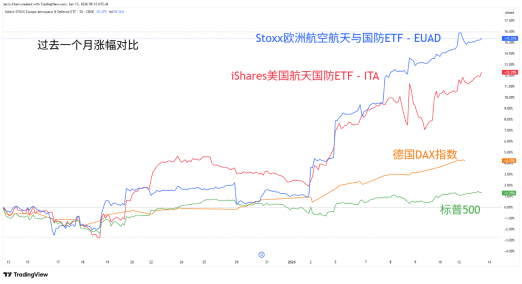
【首席观察】2025年预测错了多少?2026年资本风口在哪里?
经济观察报· 2025-12-30 09:55
Core Viewpoint - The market is not afraid but transforms fear into pricing, which is crucial for investors to grasp the "capital wind" of 2026 [2][3] Group 1: Market Performance in 2025 - The year 2025 exhibited a significant disconnect between predictions and reality, with silver leading gains at 173.13%, followed by gold at 73.91% and copper at 32.92% [5] - Major indices like the S&P 500 and the Hang Seng Index saw increases of 17.26% and 28.61% respectively, while light crude oil dropped by 19.63% [5][6] - The S&P 500 index, despite conservative forecasts, achieved a year-to-date increase of over 17%, nearing historical highs [6] Group 2: Key Variables Influencing the Market - Five key variables explain the market dynamics of 2025: 1. The repricing of dollar credit and institutional risk premiums due to uncertainties in fiscal sustainability and central bank independence [10] 2. The rise of real assets' "non-sovereign premium," with gold reaching $4500 per ounce as a response to geopolitical and fiscal uncertainties [10] 3. The collision of demand and supply pricing in energy markets, reflecting concerns over inflation expectations [11] 4. Global liquidity mechanisms affecting financing costs and volatility, leading to a dual structure in market transactions [11] 5. The concentration of growth narratives around AI, with capital increasingly focused on profitability and productivity verification [11][12] Group 3: Outlook for 2026 - The asset pricing logic for 2026 shifts from "explaining the world" to "pricing the discount rate," emphasizing the importance of financial conditions and narrative realization [15] - The focus will be on "infrastructure 2.0," where the emphasis is on building sustainable computing power rather than merely acquiring GPUs [15][16] - Key factors determining the transition from thematic trading to trend markets include financial conditions, visibility of returns, supply-side engineering, and regulatory certainty [16] Group 4: Investment Strategies and Risks - The potential for gold to reflect "institutional premiums" remains, but the impact of the dollar and real interest rates may lead to sharper corrections [17] - The outlook for oil prices suggests prolonged low levels with potential spikes, while the yield curve may split between short-term central bank paths and long-term fiscal pressures [17] - The volatility of assets will be influenced by the overall market structure rather than directional trading, as investors adapt to frequent but manageable events [17]


2026年卸任前,鲍威尔留给华尔街的一句话:美股价格已很昂贵
智通财经网· 2025-12-29 01:32
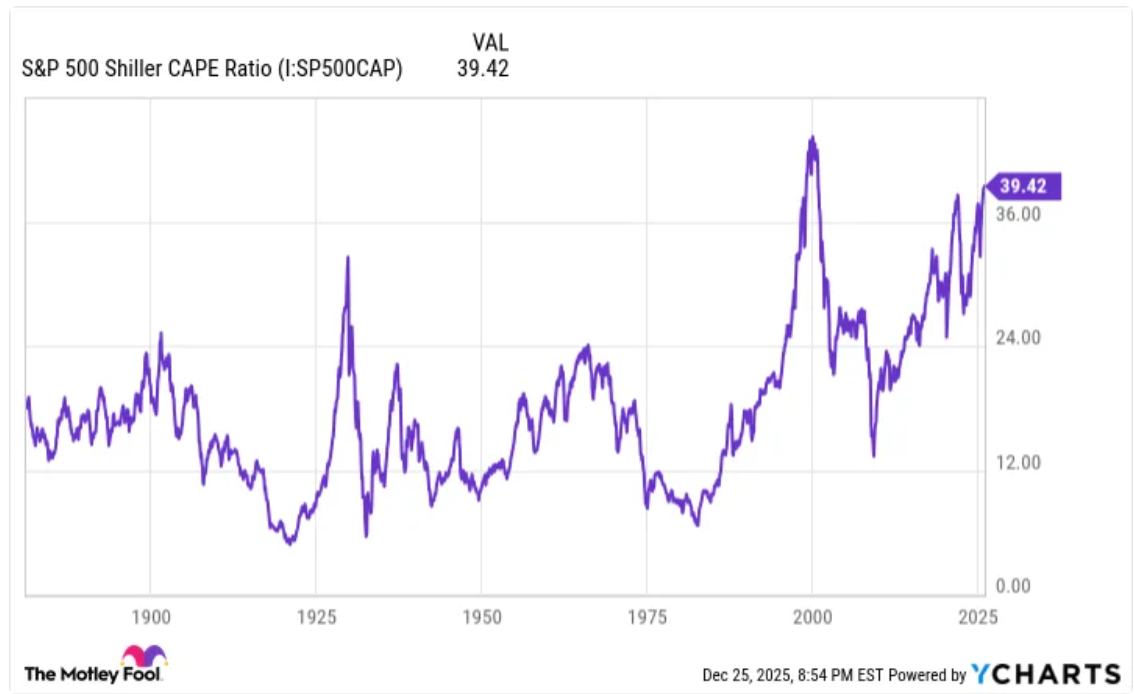
Core Viewpoint - The stock market has shown significant gains in 2025, with the Dow Jones Industrial Average, S&P 500, and Nasdaq Composite rising by 15%, 18%, and 22% respectively as of December 24. However, not all analysts share this optimism, particularly Federal Reserve Chairman Jerome Powell, who has highlighted the risks associated with high stock valuations [1][2]. Group 1: Stock Market Performance - As of December 24, 2025, the Dow Jones Industrial Average, S&P 500, and Nasdaq Composite have increased by 15%, 18%, and 22% respectively [1]. - Powell's comments suggest that the Federal Reserve is aware of the potential impact of stock market valuations on monetary policy [2]. Group 2: Valuation Concerns - Powell indicated that stock prices are at "quite high valuation levels," referencing the Shiller P/E ratio, which has reached 40.74, nearing historical highs [2][5]. - The Shiller P/E ratio has an average of 17.32 over 155 years, and the current level is close to the peak of 41.20 during the recent bull market and the 44.19 peak before the 1999 internet bubble [5]. Group 3: Historical Context - Historical data shows that the Shiller P/E ratio exceeding 30 has only occurred six times in 155 years, with subsequent declines in major indices ranging from 20% to 89% [5]. - The average bear market since 1929 lasts about 286 days, while bull markets average 1,011 days, indicating that markets spend more time in an upward trend [11].
IC平台:数据喜忧参半+停摆延迟披露,美国劳动力市场已现松动?
Sou Hu Cai Jing· 2025-12-17 10:29
Economic Indicators - The US non-farm payroll report for November showed an increase of 64,000 jobs, exceeding market expectations of 50,000, but the October data was revised down to a decrease of 105,000 jobs, primarily due to significant cuts in government employment [3] - The US unemployment rate rose to 4.6%, higher than the expected 4.4% and above the Federal Reserve's forecast of 4.5% for the year [3] - The market currently anticipates a 6 basis point rate cut in January and a 50% probability of a 13 basis point cut in March [3] Market Reactions - The US stock market exhibited mixed reactions, with the S&P 500 and Dow Jones Industrial Average declining by 0.2% and 0.6% respectively, while the Nasdaq 100 rose by 0.3%, supported by strong performances from major tech stocks [1] - The US dollar index increased by 0.3% during European trading hours, particularly against the Japanese yen [1] - US Treasury yields rose, with the 10-year yield increasing by over 2 basis points to 4.17% [1] Commodity Market - The commodity market saw a boost, with WTI crude oil prices rising by 1.4% due to a directive from the Trump administration to block Venezuelan oil tanker transport, potentially ending a four-day decline [1] - Precious metals continued their strong performance, with gold prices nearing a historical high of $4,381 and silver prices reaching a record peak of approximately $66, reflecting a year-to-date increase of 130% [1] UK Economic Outlook - The Bank of England is expected to lower the benchmark interest rate by 25 basis points from 4.00% to 3.75%, with a high probability of a 92% for this cut [4] - The UK's unemployment rate rose to 5.1%, the highest level since early 2021, and the October wage growth also showed signs of cooling [5] - The November CPI inflation data in the UK was significantly below expectations, likely solidifying the case for a rate cut in the upcoming decision [5] European Central Bank - The European Central Bank is not expected to provide significant new signals in its upcoming meeting, with President Lagarde likely to reiterate that current monetary policy is appropriate and will not commit to a specific rate path [6]

Johnson: I think the market is looking for more stimulus
Youtube· 2025-12-10 12:23
Market Outlook - The market is anticipating more stimulus, and a hawkish cut could lead to disappointment if no further cuts are indicated for early 2024 [1][2] - The overall popular averages, including the Dow and S&P, may not see significant gains, particularly in mega-cap stocks [2][3] Stock Performance - A hawkish message from the Fed could result in mid and small-cap stocks performing better, while MAG7 stocks are expected to lag [4] - The S&P 500 price target for 2026 is set at 7150, reflecting a 4% increase from current levels, despite historical trends suggesting lower returns after three consecutive years of gains [5][6] Volatility and Market Trends - Historical data indicates that after three years of strong returns, the fourth year typically experiences consolidation or pullbacks [6][7] - 2026 is projected to be a year of higher volatility, with potential strength in the first half and a significant drawdown expected in Q3 due to midterm elections [8][10] Catalysts for Market Movements - A potential 20% drawdown could occur around Q2 or Q3, driven by midterm elections and possible shifts in congressional control [9][10] - Following the elections, additional Fed cuts may serve as a catalyst for market recovery, although the path forward will differ from previous years [11]

分析:美股股指势将结束连胜势头,罕见在11月收跌
Ge Long Hui A P P· 2025-11-28 10:00
Core Viewpoint - The U.S. stock market is expected to end November with declines, marking a deviation from historical trends, particularly in presidential election years [1] Market Performance - As of Wednesday's close, the S&P 500 index has decreased by 0.4%, the Dow Jones by 0.29%, and the Nasdaq by 2.15% [1] - The S&P 500 and Dow Jones have experienced six consecutive months of gains, while the Nasdaq has seen seven months of increases [1] Historical Context - Historically, the average gain for the S&P 500 in November since 1950 is 1.8% [1] - In presidential election years, the S&P 500 typically rises by 1.6% [1] - This year is noted as atypical for a presidential election year, suggesting future market movements may not follow historical patterns [1]
股债“冰火两重天”!一个创新高 另一个却发出经济预警信号
Zhi Tong Cai Jing· 2025-09-11 22:33
Group 1 - The U.S. stock market reached new historical highs driven by optimistic expectations of an upcoming interest rate cut by the Federal Reserve, with the S&P 500, Dow Jones Industrial Average, and Nasdaq Composite all setting closing records [1][4] - The bond market, in contrast, is signaling growing concerns about the economic outlook, as indicated by the drop in the 10-year Treasury yield, which fell below 4% for the first time since early April [4][5] - The August Consumer Price Index (CPI) showed an increase in goods prices due to tariff impacts, while service sector inflation remains above the Federal Reserve's ideal level, yet overall inflation is not expected to prevent a rate cut [4][5] Group 2 - The S&P 500 rose by 0.85%, the Dow increased by 1.36%, and the Nasdaq gained 0.72%, indicating strong market momentum despite expectations of a potential market correction [5] - The labor market is showing signs of weakness, with only 22,000 jobs added in August, and recent data revisions indicating a more challenging employment situation over the past year, which is a core reason for the Fed's potential rate cuts [5][6] - The actual tariff burden on U.S. consumers reached 17.7% in August, the highest level since 1934, posing challenges for the Federal Reserve in controlling inflation [5][6]
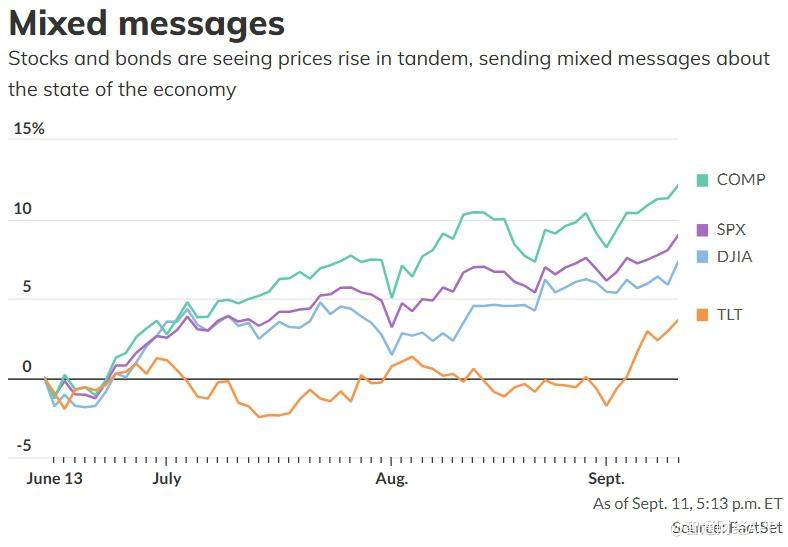
The S&P 500, Dow And Nasdaq Since 2000 Highs As Of August 2025
Seeking Alpha· 2025-09-06 06:10
Core Viewpoint - The S&P 500, Dow Jones Industrial Average, and Nasdaq Composite are key stock market indexes that reflect the performance of the U.S. stock market, typically moving in tandem but with varying degrees of fluctuation [2] Group 1 - The S&P 500 index is designed to represent the performance of 500 large companies listed on stock exchanges in the United States [2] - The Dow Jones Industrial Average is a price-weighted index that includes 30 significant publicly traded companies [2] - The Nasdaq Composite index is heavily weighted towards technology and growth stocks, making it distinct from the other two indexes [2]
美股重要指数及成分股表现分析
Xin Lang Cai Jing· 2025-08-19 04:03
Group 1 - The S&P 500 Index has an average annual return of 10.26% since its inception in 1957, covering approximately 83% of the total market capitalization in the U.S. and over 50% of the global stock market [1] - The Nasdaq-100 Index has grown approximately 194 times since its launch in 1985, with an annualized return of 13.7%, and has shown a 30-year annualized return of 13.44% and an 18.56% return over the past 10 years [2] - The Dow Jones Industrial Average serves as a key indicator of the overall health of the economy and the market, comprising 30 large industrial companies from various sectors [2] Group 2 - The performance of the U.S. stock market in 2025 shows strong upward momentum, particularly among the top 30 stocks that have gained the most, which include companies with high market capitalization and dividend yields [3] - Investors are advised to focus on a diversified asset allocation strategy to maximize returns, with professional wealth management services available to assist in navigating market changes [3] - Rational investment and scientific decision-making are emphasized as crucial for future success in a complex and changing market environment [3]