
Xin Hua Cai Jing

Search documents
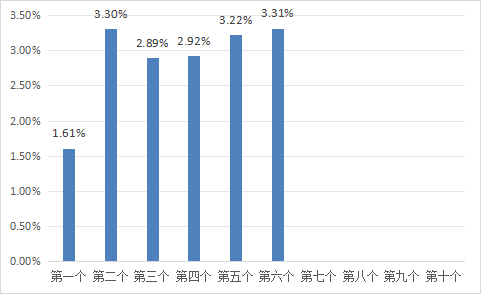
2月10日一揽子原油平均价格变化率为3.31%
Xin Hua Cai Jing· 2026-02-11 03:05
Group 1 - The average price change rate of a basket of crude oil was reported at 3.31% on February 10 [1] - According to the Oil Price Management Measures, domestic gasoline and diesel prices are adjusted based on international crude oil price changes every 10 working days, with the adjustment taking effect at 24:00 on the announcement date [3] - The adjustment window for this pricing cycle will open at 24:00 on February 24, marking the sixth working day of the current pricing cycle [3]

【新华解读】央行货币政策执行报告“上新” 流动性总量宜从多元视角观察
Xin Hua Cai Jing· 2026-02-11 02:38
Core Viewpoint - The People's Bank of China has indicated that the effects of moderately loose monetary policy are gradually becoming evident, supporting the achievement of key economic and social development goals for the year 2025 [1][2]. Monetary Policy and Economic Support - The report highlights that the cumulative effects of previous policies will continue to manifest, with ongoing implementation of moderately loose monetary policy and collaboration between monetary and fiscal policies expected to enhance financial support for the real economy [1][2]. - As of the end of last year, various types of loans, including technology loans (up 11.5%), green loans (up 20.2%), and loans for the digital economy (up 14.1%), have consistently outpaced overall loan growth [2]. Direct Financing and Market Development - Direct financing is accelerating and diversifying, with significant increases in government bond financing, corporate bond financing, and domestic equity financing for non-financial enterprises in 2025 [2]. - The introduction of the "Technology Board" in the bond market has led to the issuance of over 1.5 trillion yuan in technology innovation bonds, contributing to a new ecosystem for capital market investment [2]. Price Trends and Economic Structure - The Consumer Price Index (CPI) for 2025 is expected to remain stable compared to the previous year, with core CPI (excluding food and energy) rising by 0.7% [3]. - The Producer Price Index (PPI) has shown a decreasing trend, with the year-on-year decline narrowing from 3.6% in June to 1.9% in December [3]. Fiscal and Monetary Policy Coordination - The State Council has emphasized the need for stronger coordination between fiscal and monetary policies to enhance policy effectiveness and support domestic demand growth [5][6]. - The collaboration includes creating a conducive monetary environment for government bond issuance and combining central bank re-lending tools with fiscal subsidy policies to optimize economic structure [6]. Asset Allocation and Liquidity - Recent trends indicate a shift in asset allocation among residents and enterprises, with a notable increase in total assets under management reaching 120 trillion yuan, up 13.1% year-on-year [7]. - The overall liquidity can be better assessed by combining bank deposits with wealth management products, indicating a stable growth trend in total liquidity despite structural changes in deposits [8].
可口可乐公司2025年四季度营收118.22亿美元 低于市场预期
Xin Hua Cai Jing· 2026-02-11 02:29
Core Insights - Coca-Cola reported a net operating revenue of $11.822 billion for Q4 2025, a 2% year-over-year increase, which fell short of market consensus expectations of $12.03 billion [2] - The company's net profit attributable to shareholders for the quarter was $2.271 billion, a 3% increase year-over-year, with adjusted earnings per share of $0.58, exceeding market expectations of $0.56 [2] - Organic revenue growth for the quarter was 5%, driven by a 4% contribution from concentrate sales and a 1% contribution from price increases [2] - Operating profit margin decreased from 23.5% in the same quarter last year to 15.6%, but comparable operating profit margin improved to 28.7% from 21.2% year-over-year [2] - For the full year 2025, Coca-Cola reported total revenue of $47.941 billion, a 2% increase year-over-year, and a net profit of $13.107 billion, a 23% increase year-over-year [2] Future Outlook - Coca-Cola expects organic revenue growth of 4% to 5% for 2026, with comparable earnings per share projected to grow by 7% to 8% [3] - The CEO, James Quincey, emphasized the resilience and momentum of the company's performance in 2025, indicating a focus on better execution of strategies for long-term success [3]

国家统计局:输入性因素影响国内有色金属和石油相关行业价格走势分化
Xin Hua Cai Jing· 2026-02-11 02:13
Group 1 - In January, the Producer Price Index (PPI) increased by 0.4% month-on-month, marking the fourth consecutive month of growth, with the growth rate expanding by 0.2 percentage points compared to the previous month [1] - The construction of a unified national market has driven price increases in certain industries, with prices in cement manufacturing and lithium-ion battery manufacturing rising by 0.1% month-on-month, both continuing their upward trend for four months [1] - The demand increase has led to price rises in related industries, with prices in the computer communication and other electronic equipment manufacturing sector rising by 0.5% month-on-month, driven by the growth in computing power demand [1] Group 2 - Year-on-year, the PPI decreased by 1.4%, with the decline narrowing by 0.5 percentage points compared to the previous month [2] - The non-ferrous metal mining sector saw a price increase of 22.7%, while the cultural, educational, and sports goods manufacturing sector experienced a 21.2% rise [2] - Energy-related industries continued to see price declines, with the oil and gas extraction sector's prices dropping by 16.7% [2]
美国零售销售数据意外弱于预期 经济利空提振美债上涨
Xin Hua Cai Jing· 2026-02-11 02:10
Group 1 - The core retail sales in the US for December 2025 showed no month-on-month growth at $735 billion, significantly below the expected 0.4% increase and a sharp decline from the previous month's 0.6% growth [1] - Year-on-year, retail and food service sales increased by 2.4%, which is lower than the consumer price index's 2.7% increase during the same period [1] - Sales in categories such as automobiles, furniture, electronics, clothing, and personal care products decreased month-on-month, while sales in building materials, gasoline, food and beverages, and sporting goods increased [1] Group 2 - The disappointing retail data has raised concerns about consumer spending, a key driver of US economic growth, leading to a reassessment of economic growth, inflation, and interest rate paths for the year [2] - Economists predict that consumer spending in January 2026 may be weak due to extreme winter weather, resulting in a significant slowdown in consumption growth for the first quarter of 2026 [2] - Following the data release, the probability of the Federal Reserve lowering interest rates in March increased by about 2 percentage points to 19.6%, with a nearly 5 percentage point rise for April [2] Group 3 - Federal Reserve officials emphasize that inflation remains a primary concern, with Dallas Fed President Lori Logan expressing cautious optimism about current policy rates achieving the 2% inflation target while maintaining labor market stability [3] - Logan indicated that upcoming economic data will be crucial in determining whether inflation has reached target levels and if the labor market remains stable, which could influence future interest rate decisions [3] - Cleveland Fed President Beth Hammack echoed similar sentiments, suggesting that current monetary policy is well-positioned to maintain rates, with inflation expected to remain around 3% this year [3]
春节错月叠加能源价格下行 1月CPI同比涨幅回落
Xin Hua Cai Jing· 2026-02-11 02:08
Core Viewpoint - The Consumer Price Index (CPI) has shown a year-on-year decline in January 2026, primarily due to the impact of the Spring Festival timing and changes in international oil prices [1] Group 1: CPI Analysis - The year-on-year increase in CPI has decreased due to two main reasons: the high base effect from last year's Spring Festival and changes in food and service prices [1] - Food prices decreased by 0.7%, contributing approximately 0.11 percentage points to the decline in CPI year-on-year, while last month, food prices had a positive impact of about 0.21 percentage points [1] - Fresh vegetable prices increased by 6.9%, but the growth rate fell by 11.3 percentage points compared to the previous month, reducing its positive impact on CPI by approximately 0.27 percentage points [1] - Fresh fruit prices rose by 3.2%, with a decrease in growth rate of 1.2 percentage points from the previous month [1] - Pork and egg prices fell by 13.7% and 10.6%, respectively [1] - Service prices increased by 0.1%, contributing about 0.05 percentage points to the CPI year-on-year increase, but this was a reduction of approximately 0.20 percentage points compared to the previous month [1] - The prices of airline tickets, travel agency fees, and housekeeping services decreased by 14.3%, 7.7%, and 3.5%, respectively, collectively impacting CPI by approximately -0.16 percentage points [1] Group 2: Energy Price Impact - Energy prices fell by 5.0% in January, contributing approximately 0.34 percentage points to the decline in CPI year-on-year, with this downward impact increasing by about 0.06 percentage points compared to the previous month [1] - Gasoline prices decreased by 11.4%, with the decline rate expanding by 3.0 percentage points from the previous month [1]
【财经分析】理财净值化转型步入深水区:债券多估值源应用成行业共识 精细化管理将重塑市场
Xin Hua Cai Jing· 2026-02-11 01:58
Core Viewpoint - The banking wealth management industry is transitioning towards a "true net value" model by the end of 2025, moving away from reliance on techniques like "closing price adjustments" and "smoothing valuations" due to regulatory requirements [1][2] Group 1: Valuation System Reconstruction - The previous reliance on specific accounting treatments and valuation techniques to smooth net value curves has been eliminated, revealing the true risks of underlying assets [2][3] - The shift towards transparent and fair valuations is an irreversible regulatory direction and industry baseline, essential for building trust in asset management products [2][4] - The introduction of multiple valuation sources for cross-validation is becoming a key practice in the industry, encouraged by regulatory guidelines to enhance valuation quality and transparency [2][3] Group 2: Industry Capability Restructuring - The wealth management industry must strengthen its internal capabilities, moving away from dependence on "technical shortcuts" and focusing on genuine active management abilities [5][6] - Developing multi-asset allocation capabilities is crucial for achieving excess returns and effectively diversifying risks in a low-interest-rate environment [6][7] - Fine-tuning liability management is essential to reduce redemption pressures, as clients are sensitive to market fluctuations, which can lead to negative feedback loops [6][7] Group 3: Future Outlook - The coexistence of multiple valuation sources is expected to become the norm, leading to a more structured and differentiated valuation service system [4][7] - The reconstruction of the valuation system and the reshaping of industry capabilities signify a shift from scale expansion to a focus on professionalism, transparency, and stability [7][8] - Ultimately, the ability of institutions to navigate through cycles and provide customer-centric services will determine their long-term success in the market [7]
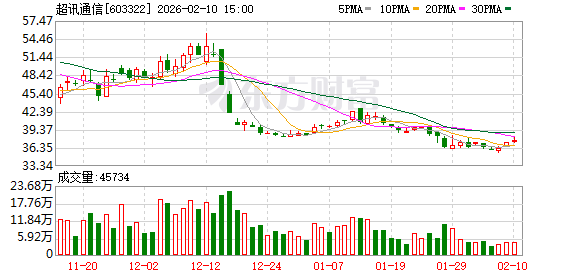
超讯通信董事长梁建华:考虑参股智能器件等智算相关企业
Xin Hua Cai Jing· 2026-02-11 00:57
Group 1 - The core viewpoint of the article is that ChaoXun Communication is intensifying its investment in the intelligent computing sector, planning to invest in platform software and smart devices to create a more complete industrial ecosystem [2] - ChaoXun Communication has been the national general agent for MuXi Co., a domestic GPU manufacturer, and has shifted its business focus to intelligent computing since 2019, with this segment now accounting for 80% of its revenue [2] - The company has established collaborations with state-owned enterprises and research institutions, leading to a strong demand for its services, with sufficient orders and potential orders in line with expectations [2] Group 2 - The company's performance forecast for 2025 indicates a turnaround, with a projected net profit attributable to shareholders ranging from 36 million to 54 million yuan, and a net profit excluding non-recurring gains and losses between 21 million and 31 million yuan [2] - The expected profitability is attributed to the recognition of revenue and profits from its computing power business, which has met acceptance conditions during the reporting period, along with improved collection efforts on accounts receivable, reducing the impact of impairment losses compared to the same period last year [2] - Regarding the concerns of investors about the reduction of shareholding by the controlling shareholder, it was explained that the shareholder had previously pledged shares to support business development, with the pledge ratio reaching as high as 70%, and the reduction aims to address this high pledge issue, with expectations to lower the pledge ratio to around 20% [2]

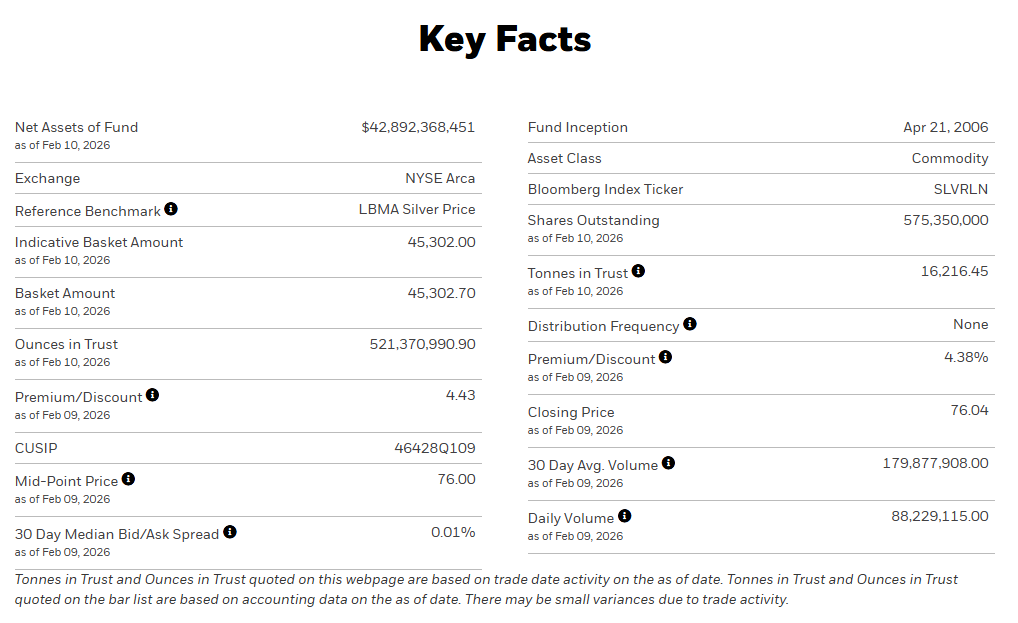
2月10日iShares白银持仓量较前一交易日增加25.36吨
Xin Hua Cai Jing· 2026-02-11 00:55
Group 1 - The fund has net assets amounting to $42.89 billion as of February 10, 2026 [2] - The fund was established on April 21, 2006, and is classified under the commodity asset class [2] - The fund is traded on the NYSE Arca and its reference benchmark is the LBMA Silver Price [2] Group 2 - As of February 10, 2026, the fund has 575.35 million shares outstanding and holds 16,216.45 tonnes of silver in trust [2] - The indicative basket amount is $45,302.00, with a closing price of $76.04 as of February 9, 2026 [2] - The fund's premium/discount was recorded at 4.38% as of February 10, 2026, slightly down from 4.43% on February 9, 2026 [2] Group 3 - The fund's daily trading volume was 88,229,115 as of February 9, 2026, with a 30-day average volume of 179,877,908 [2] - The 30-day median bid/ask spread was 0.01% as of February 9, 2026 [2]
四大证券报精华摘要:2月11日
Xin Hua Cai Jing· 2026-02-11 00:55
Group 1: Insurance and Investment - Insurance capital is increasingly participating in private equity funds, with companies like Tianjin Lanqin Equity Investment Partnership being established and major insurers like Taikang Life involved as partners [1] - Since 2026, leading insurers such as China Life and Xinhua Insurance have launched new projects in private equity, driven by a policy environment encouraging long-term investments [1] - The need for asset-liability matching in a low-interest-rate environment is pushing insurers to seek private equity investments to enhance long-term returns [1] Group 2: Market Trends and Investor Sentiment - Over 60% of private equity firms plan to heavily invest in A-shares as the Spring Festival approaches, with an average estimated position of 75.68% during the holiday [2] - Public funds are increasingly accumulating positions in the consumer sector, with notable fund managers investing significantly in leading pet companies, indicating a rebound in consumer stocks [3] Group 3: Bond Market Developments - The yield on 10-year government bonds has fallen below 1.8%, indicating a return of the bond market's safe-haven attributes amid improved liquidity and insurance capital allocation [4] - The bond market is experiencing a structural recovery, with differing opinions on the potential for further interest rate declines [4] Group 4: Private Equity Growth - The number of private equity firms managing over 10 billion yuan has reached a record high of 122, with 10 new firms entering this category since December 2025 [5] Group 5: Monetary Policy and Financing - The People's Bank of China emphasizes the continued implementation of a moderately loose monetary policy, utilizing various tools to maintain liquidity and favorable financing conditions [6] Group 6: Corporate Financing and Regulations - New refinancing regulations have been introduced to support quality listed companies and enhance the flexibility of financing for technology innovation enterprises [7] - Many listed companies are actively exploring refinancing opportunities to strengthen their core competitiveness [7] Group 7: Local Government Debt Management - Local governments are making significant progress in clearing hidden debts, with at least 34 cities reporting advancements in their debt clearance tasks since 2026 [8] Group 8: IPO Market Improvements - The quality of IPO applications in the A-share market has improved significantly, with stricter regulations leading to better compliance and transparency among applicants [9] Group 9: Robotics Industry Developments - The humanoid robotics sector is accelerating its capital market activities, with several companies initiating IPO processes as the industry transitions from technology validation to commercialization [10] Group 10: Housing Market Policies - Various cities, including Chongqing, are implementing policies to stimulate housing consumption, such as providing subsidies and enhancing loan support for homebuyers [11] Group 11: Telecommunications Infrastructure - The Ministry of Industry and Information Technology has set a timeline for enhancing low-altitude communication networks, with major telecom companies actively preparing for this development [12][13]