Workflow
Zhong Guo Qi Che Bao Wang
icon
Search documents
潍柴动力:SOFC业务斩获多家头部企业意向合作
Core Insights - Weichai Power is making significant advancements in the Solid Oxide Fuel Cell (SOFC) sector, achieving breakthroughs in technology and establishing partnerships with leading companies both domestically and internationally [1][2] - The sales of products related to data centers have increased over threefold year-on-year in the first three quarters, showcasing strong performance in both emerging industries and traditional business sectors [1][2] - The company has fully mastered core technologies across the entire value chain of SOFC, including battery, stack, system, and power station, which positions it well for future commercialization [1] Group 1: SOFC Developments - Weichai Power has signed a technology licensing agreement with Xilis in November 2025, indicating comprehensive mastery of SOFC technology [1] - The company is focusing on key applications such as AI data centers and industrial parks, launching new high-power metal-supported commercial products with significant improvements in efficiency and performance metrics [1] - Partnerships with major enterprises have been established to lay a solid market foundation for future large-scale commercialization of SOFC [1] Group 2: Traditional Business Performance - The sales of M-series large-bore engines exceeded 7,700 units in the first three quarters of 2025, reflecting a year-on-year growth of over 30% [2] - Products aimed at the data center market saw sales surpassing 900 units, marking an increase of over threefold, contributing significantly to overall performance [2] - The rapid growth in the data center industry has driven demand for energy supply upgrades, highlighting the company's competitive advantages in reliability and efficiency [2] Group 3: Strategic Outlook - Weichai Power is committed to a development strategy that combines upgrading traditional businesses with breakthroughs in emerging sectors [2] - The successful implementation of SOFC technology and market expansion, along with explosive growth in the data center market, underscores the company's forward-looking positioning in the new energy sector [2] - As SOFC commercialization progresses and core market demands continue to grow, Weichai Power is expected to strengthen its leading position in the industry, contributing to energy structure transformation and high-end manufacturing upgrades [2]
观车 · 论势 || 从2025车展收官管窥汽车业一年之变
当然,车展展馆内喧嚣渐悄,是笔者亲历展会的最直观的感受。曾经人潮涌动的小米汽车展台,本届广州车展已无需排队,略显寂寥。然而,声量回 落并非负面信号,反而标志着"流量至上"的营销逻辑正被时代所抛弃,所谓的"掌门人IP化"也在回归以往从用户需求出发、聚焦产品本身的务实营销路 径。这些变化表面看来是营销策略的调整,实则反映出行业对市场竞争理性认知与回应——在产品同质化日益明显的背景下,构建用户认同感远比追逐短 期热度更为重要。 在技术演进层面,"智驾平权"无疑是今年车展最引人瞩目的主线之一。自年初比亚迪喊出这一口号后,无论自主品牌还是合资车企,新势力抑或传统 厂商,纷纷在组合驾驶辅助领域加足马力。以城市NOA为代表的高阶组合驾驶辅助功能正快速普及,并随着成本下降持续向更低价位和更细分市场渗 透。至年底的广州车展,原先属于中高端车型配置的城市NOA等组合驾驶辅助功能,已进一步下放至15万元级别车型。例如,在广州车展前夕上市的深 蓝L06,全系标配激光雷达,搭载深蓝与地平线共同研发的全域一段式端到端辅助驾驶系统DEEPAL AD MAX,支持高速NOA、城市NOA等功能,而其售 价区间仅为13.49万~15.69万元。 ...
智能驾驶双轨演进:政策“破冰”激活技术“竞速”
Core Insights - The integration of intelligent driving technology is reshaping lifestyles at an unprecedented pace, driven by advancements in artificial intelligence and a unique market environment in China [1][3] - The Chinese intelligent driving industry is transitioning from a phase of rapid growth to one of high-quality development, with regulatory frameworks being strengthened alongside pilot programs for higher-level autonomous driving [3][4] - The rapid adoption of electric vehicles is providing an optimal platform for intelligent driving technologies, creating a virtuous cycle between electrification and intelligence [4][6] Industry Trends - The emergence of cognitive intelligence technologies is transforming intelligent driving from a rule-based tool to a cognitive-driven entity, with new architectures like end-to-end and VLA opening new possibilities for high-level autonomous driving [3][5] - The intelligent driving sector is witnessing a clear focus on L4-level scenario-based applications, with significant investments directed towards areas like unmanned delivery and logistics [6][7] - Key components of the supply chain, such as sensor manufacturers and chip companies, are receiving substantial funding, highlighting their foundational role in the development of autonomous driving [7] Regulatory Environment - The regulatory landscape is evolving, with policies being introduced to facilitate the testing and commercialization of L3-level and above autonomous driving technologies in multiple cities [3][4] - The dual approach of relaxing pilot programs while simultaneously enhancing regulatory frameworks is creating clearer competitive advantages for companies with core competencies [3][4] Investment Landscape - Investment activities in the intelligent driving sector are increasingly concentrated in later-stage financing, indicating a shift from technology validation to large-scale commercial applications [7] - Traditional automotive companies are actively participating in investments to address technological gaps, while collaborations within the supply chain are emerging to build ecological advantages [7] Future Outlook - The competition in intelligent driving is entering a new phase where success will depend on the ability to integrate technology, compliance, and commercialization effectively [9] - The industry is at a historical turning point, with the potential for new industry giants to emerge from the convergence of technology, policy, and market dynamics [8][9]
华为再添“界”系新成员;公安部将限制汽车百公里加速小于5秒 | 11月车事月报
Policy and Regulation - Six departments issued a plan to expand automotive aftermarket consumption, focusing on areas like vehicle modification and RV camping, aiming for significant optimization of consumer goods supply structure by 2027 [2][3] - The Ministry of Industry and Information Technology (MIIT) announced the creation of demonstration bases for emerging industries, targeting new technologies and industries, with plans to establish around 100 park-type and 1,000 enterprise-type bases by 2035 [4] - A UN global technical regulation on electric heavy vehicle battery durability was passed, which will standardize testing methods and requirements for battery performance, supporting the global electric truck industry [5] - A new group standard for automotive data export safety assessment was approved, providing clear guidelines for data compliance in the automotive sector [6] - The Ministry of Public Security proposed a standard limiting passenger cars' acceleration to 100 km/h in no less than 5 seconds, promoting safety in vehicle performance [7][8] - The Ministry of Commerce and other departments announced stricter controls on new cars being exported as used cars, aiming to address the issue of "zero-kilometer used cars" [9] - MIIT set new credit ratio requirements for new energy vehicles for 2026 and 2027, mandating 48% and 58% respectively, to encourage investment in new energy [10][11] Industry Information - The automotive industry donated over 80 million HKD to support Hong Kong after a severe fire incident, showcasing corporate social responsibility [13][14] - Two new academicians from the automotive industry were elected, indicating a boost in innovation and research capabilities within China's new energy vehicle sector [15][16] - At the Guangzhou Auto Show, nearly 60% of the displayed vehicles were new energy vehicles, marking a significant shift towards electric and intelligent vehicles [17] - In the first ten months of the year, China's new energy vehicle exports exceeded 2 million units, highlighting the sector's growth and importance in the global market [18][19] - China's combined driving assistance technology has reached an international leading level, with a market penetration rate of 62.58% [20][21] - The 8th China International Import Expo showcased advancements in the automotive ecosystem, emphasizing electric, intelligent, and low-carbon technologies [22][23] International News - In Europe, new car sales increased by 4.9% in October, with electric vehicle registrations surpassing gasoline and diesel vehicles, although overall sales remain below pre-pandemic levels [25] - The UK government announced an additional £1.3 billion in electric vehicle subsidies and £200 million for charging infrastructure, reinforcing its commitment to zero-emission vehicles [26][27] - Japan's exports to the US have declined for seven consecutive months, with a 7.5% drop in automotive exports, reflecting the impact of external trade policies [28] - The Eurasian Economic Union initiated an anti-dumping investigation on Chinese heavy-duty tires, indicating potential challenges for Chinese exports [29] - In the US, electric vehicle sales dropped significantly in October following the expiration of federal subsidies, highlighting the importance of policy support for market growth [30][31] Company Information - NIO reported a significant increase in gross margin and revenue for Q3 2025, with a revenue of 21.79 billion CNY, and expressed confidence in achieving profitability in Q4 [33] - GAC Group announced the completion of a pilot production line for solid-state batteries, marking a key step towards mass production [34] - Huawei applied for the "Qijie" trademark, indicating its ongoing commitment to the smart automotive sector [35] - The Aion UT super electric vehicle was launched exclusively on JD.com, aiming to invigorate the small electric car market [37] - Seres completed its IPO on the Hong Kong Stock Exchange, raising 14.016 billion HKD, marking the largest IPO for a Chinese car company to date [39] - Geely and Renault signed a strategic cooperation agreement in Brazil, with plans to invest 3.8 billion BRL in new energy technology [41][42]
上汽集团纳入上证50透露出什么信号
Core Viewpoint - The Shanghai Stock Exchange and China Securities Index Co., Ltd. announced adjustments to several indices, including the re-inclusion of SAIC Motor Corporation Limited in the SSE 50 Index, indicating a significant improvement in the company's fundamentals and recognition by the index expert committee [1]. Company Performance - SAIC Motor's core indicators such as revenue and profit margin for the first three quarters of 2025 exceeded those of the same period last year, with R&D expenses reaching 12.61 billion yuan, a year-on-year increase of 9.4% [4]. - The company has focused its investments on electric and intelligent vehicle technologies, achieving a thermal efficiency of 46.3% for its DMH hybrid engine and a low fuel consumption of 2.5 L/100 km for the Roewe M7 DMH [4]. - In the first ten months of 2025, SAIC's cumulative sales of new energy vehicles reached 1.29 million units, a year-on-year increase of 42.5%, outperforming the industry growth rate [4]. Product Strategy - The launch of popular models has significantly supported sales, with the Roewe M7 DMH achieving over threefold sales growth in October compared to the previous month [5]. - The MG4 model has maintained strong sales in both domestic and European markets, while the collaboration with Huawei on the Jiangjie H5 has resulted in rapid sales growth, with over 10,000 units delivered within 43 days of launch [5]. Market Position and Future Outlook - The re-inclusion in the SSE 50 Index is seen as a validation of SAIC's operational quality and profit expectations, which is expected to stabilize its valuation and attract long-term investment [6]. - The competitive landscape in electric and intelligent vehicle sectors remains intense, and the company's ability to maintain its recovery momentum will depend on its continued innovation and product offerings that meet consumer demands [6].
二手车出口: 要从车辆“搬运工”变身生态服务商
Core Insights - The recent issuance of the "Notice on Further Strengthening the Management of Used Car Exports" aims to regulate the used car export industry in China, promoting healthy and orderly development [2][3][4] Group 1: Industry Context - The used car export market in China has been experiencing rapid growth, with expectations for the total export volume to exceed 436,000 units in 2024, representing a year-on-year increase of 46.5% [5] - The market is shifting from traditional fuel vehicles to used electric vehicles, particularly in Southeast Asia and the Middle East, where acceptance of such vehicles is increasing [6][12] Group 2: Regulatory Impact - The new regulations are expected to curb the export of "zero-kilometer used cars," which have been a source of market distortion and could lead to a temporary adjustment in the market [7][12] - The regulations will enhance the credibility of Chinese used cars in international markets, particularly those that meet standardized testing and transparency requirements [7][12] Group 3: Challenges and Opportunities - The industry faces challenges such as the need for standardized vehicle condition assessments and the establishment of a comprehensive after-sales service network [6][9] - Companies that comply with the new regulations and can adapt to international standards are likely to benefit, particularly those with stable vehicle sources and robust overseas channels [12] Group 4: Future Directions - The government will support enterprises in enhancing their international operational capabilities and establishing a complete export support system, including after-sales services and logistics [8][9] - The combination of large auction platforms and export service providers is becoming the mainstream model for used car exports, with over 70% of used car exports in developed countries facilitated through such platforms [4]
专家热议新政,二手车出口如何行稳致远
11月14日,商务部、工信部、公安部、海关总署联合发布《关于进一步加强二手车出口管理工作的通知》(以下简称《通知》),进一步规范汽车产业 竞争秩序,促进我国二手车出口健康有序发展。 2019年我国试点二手车出口以来,随着政策不断优化,二手车出口迅速升温,行业规模持续扩大,逐渐成为我国汽车产业"走出去"的重要组成部分,为汽车 产业发展注入了新动能。但与此同时,部分以二手车名义出口的新车(零公里二手车)以及通过虚假改装再出口的现象扰乱了市场秩序。 针对上述情况,《通知》提出将严控新车以二手车名义出口。自2026年1月1日起,对申请出口距注册登记日期不满180天(含180天)的车辆,各地商务主管 部门应指导本地企业补充提交该车辆生产企业出具的《售后维修服务确认书》,内容包括出口国别、车辆信息、提供售后服务的网点信息等,并加盖生产企 业公章,对无法提供上述材料的车辆,不予发放出口许可证。对于《通知》实施日前已办理转让登记待出口手续的车辆,要指导企业做好合同履约并有序出 口。 同时,要进一步加强合规审查。严格以改装车名义出口车辆的许可证申领条件。各地商务主管部门要指导改装车出口企业准确填写车辆底盘品牌、改装车品 牌、车 ...
从强制生产到警惕过剩 泰国变了
而今,随着车企,尤其是中国汽车品牌在当地陆续投产,本土产能逐渐形成,但泰国国内市场需求跟不上 产能增长。为此,泰国通过政策调整,重点激励车企增加出口,同时解决国内市场供应过剩的问题。通过 引导车企开拓海外市场,也可助力泰国从单纯的本土生产基地向区域出口基地转型。就在今年7月,泰国 投资促进委员会已对该国电动汽车政策进行过修订,为车企满足生产要求、扩大出口提供更大灵活性。 中国车企主导市场 近日,泰国投资促进委员会(BOI)表示,该国已对电动汽车激励政策做出调整,如今车企每生产一辆用 于出口的电动汽车,将按1.5辆计入泰国本土生产义务额度。BOI在声明中指出:"此举旨在激励汽车制造 商增加出口,防止泰国国内市场供应过剩。" 平衡出口与本土供应 作为丰田、本田等日系车企在东南亚的生产及出口基地,泰国近年来全力推进汽车产业电动化转型,先后 出台税收减免、价格补贴、企业所得税豁免等一系列扶持政策,成功吸引数十亿美元投资,其中不乏比亚 迪、长城汽车等中国龙头企业的重磅布局。数据显示,中国品牌已在泰国电动汽车市场占据主导地位,合 计市场份额超70%,成为当地电动化转型的核心推动力。 不过,随着中国车企加速在泰本土化生产, ...
2025商用车产业合作发展大会在京举行
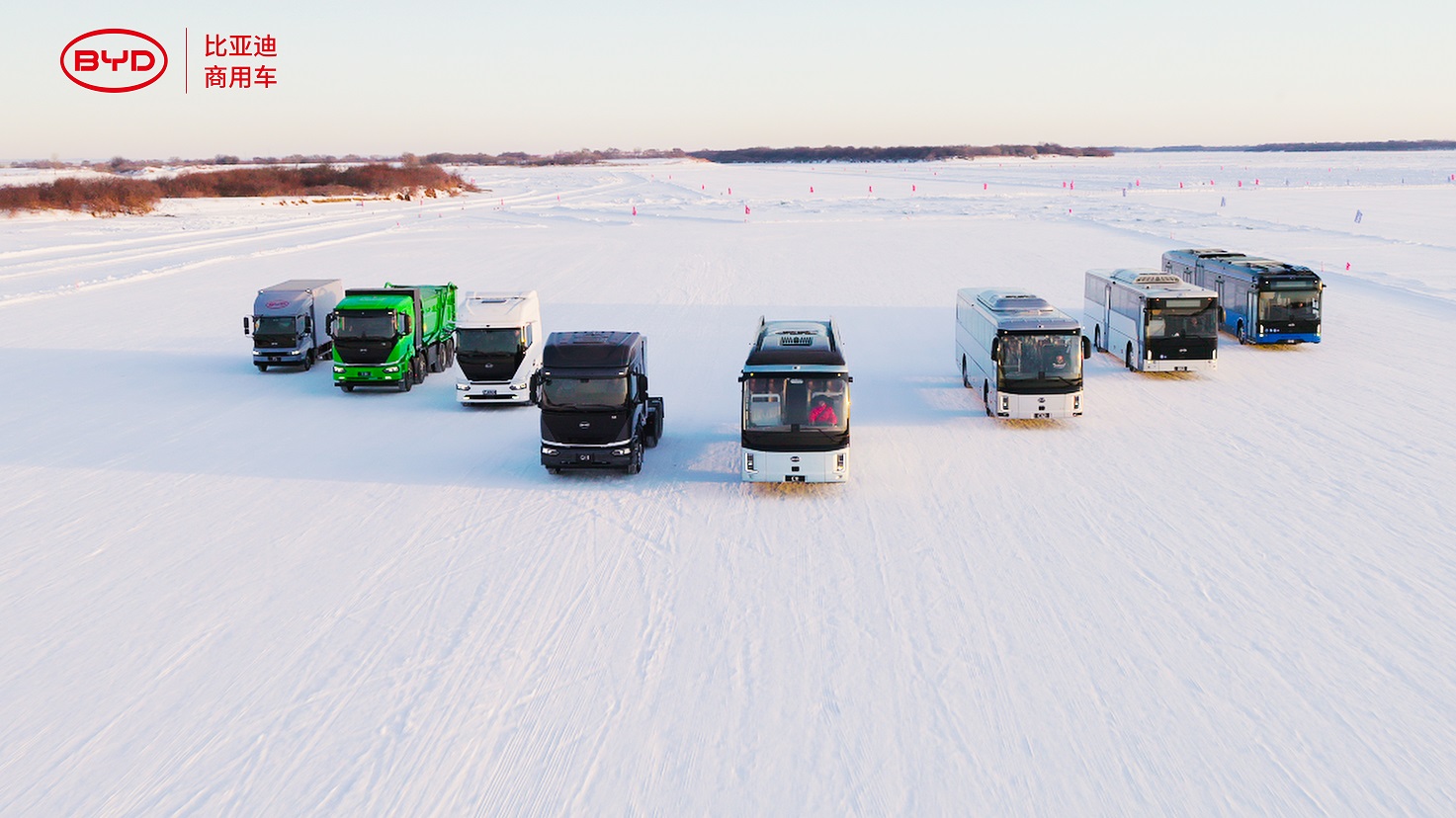
Core Viewpoint - The "2025 Commercial Vehicle Industry Cooperation Development Conference" held in Beijing emphasizes the achievements and future strategies of China's commercial vehicle industry, highlighting the importance of green transformation, intelligent upgrades, and global expansion [3][4]. Group 1: Industry Achievements and Future Directions - The commercial vehicle industry is a crucial pillar of the national economy, showcasing unprecedented vitality and resilience in green transformation and intelligent upgrades [4]. - During the "14th Five-Year Plan" period, the industry achieved breakthroughs in production and sales scale, technology level, product structure, and international competitiveness, indicating a positive development trend [4]. - The next five years are seen as a critical period for consolidating and innovating the industry, aiming for higher quality, efficiency, and sustainability [4]. Group 2: Green Development and Technological Integration - The "15th Five-Year Plan" will see deep integration of new energy technologies, with continuous cost optimization and comprehensive infrastructure improvement [4]. - A multi-faceted zero-carbon transportation system will be established, with hydrogen, pure electric, and hybrid technologies playing significant roles [4]. - The green transformation of the commercial vehicle industry will closely align with energy, transportation, and urban development, becoming a core force in achieving China's "dual carbon" goals [4]. Group 3: Intelligent Development and Globalization - The industry will transition from "point breakthroughs" to "overall intelligent governance," integrating single vehicle intelligence with smart traffic systems [5]. - The commercialization of autonomous driving technology is expected to transform logistics and business models significantly [5]. - Chinese commercial vehicle enterprises will shift from merely exporting products to promoting technology standards and solutions globally, aiming for a leap from "global sales" to "global operations" [5]. Group 4: Market Trends and Competitive Landscape - Current annual sales of Chinese vehicles are approximately 33 million, with the domestic market expected to reach around 40 million [6]. - It is anticipated that Chinese brands will capture 50% of the global market share, reflecting the industry's competitive mission [6]. - The industry is expected to consolidate into about 15 globally competitive enterprise groups, with others potentially exiting the market through mergers or restructuring [6]. Group 5: Strategic Focus Areas - The future five years will focus on five strategic areas: domestic demand, manufacturing, technology, safety, and green initiatives, with an increased emphasis on domestic demand compared to the "14th Five-Year Plan" [7]. - The balance between supply and demand in transportation is expected to improve, with short to medium-distance transport demand showing better prospects than long-distance [7]. - The implementation of AI in transportation is projected to lead to a golden development period for smart logistics in the next 5 to 10 years [7]. Group 6: International Strategies and Market Position - New energy commercial vehicles are crucial for promoting energy conservation and carbon reduction in transportation, with significant opportunities for coordinated development in technology, market, and policy during the "15th Five-Year Plan" [8]. - Chinese electric buses have established a strong international competitive advantage, particularly in the European zero-emission bus market [8]. - The industry has reached an international leading level in new energy and related technologies, with a robust industrial chain supporting electric bus solutions [8]. Group 7: Industry Events and Networking - The "2026 Shenzhen International Commercial Vehicle Eco-Expo" aims to enhance the commercial vehicle industry's ecosystem and upgrade its development [9]. - The expo will serve as a professional platform covering the entire commercial vehicle industry chain, facilitating market transactions and brand promotion [9]. - A salon discussion on high-quality development paths for the commercial vehicle industry will be held, focusing on technological innovation and application [10].
腾势落子巴西,以腾飞之势开启全球化新篇章
Core Insights - The 31st São Paulo International Motor Show has highlighted Chinese automotive brands, particularly the luxury electric vehicle brand, Tengshi, which officially announced its entry into the Brazilian market [1][3] - Brazil, as the largest automotive market in Latin America and the sixth largest globally, is experiencing significant growth in the electric vehicle sector, with a reported 219.2% year-on-year increase in pure electric vehicle sales for 2024 [3][5] Company Strategy - Tengshi has introduced two flagship models in Brazil: the Tengshi Z9GT and the Tengshi D9, with pre-sale prices reaching 650,000 Brazilian Reais (approximately 855,000 RMB) and 800,000 Brazilian Reais (approximately 1,050,000 RMB) respectively [5][7] - The brand's first showroom is located on Avenida Europa in São Paulo, a renowned luxury automotive center, indicating Tengshi's confidence in competing with established international luxury brands [5][8] Technological Advancements - The Tengshi Z9GT features advanced technologies such as independent drive technology, dual-motor independent steering, and integrated battery chassis technology, aiming to redefine the luxury automotive market in Brazil [7][8] - The Tengshi D9 is equipped with a cloud-based intelligent body control system and advanced driver assistance systems, boasting a comprehensive range of 1,100 km for its hybrid version [7][12] Market Positioning - Tengshi's entry into Brazil is part of a broader strategy to establish a presence across three continents, marking it as the first Chinese luxury brand to achieve such a global footprint [10][12] - The brand has already seen success in other international markets, including Thailand, Indonesia, and Malaysia, where it has topped luxury MPV sales charts and received multiple international awards [12]