Zhong Guo Huan Jing Bao

Search documents
攻坚筑牢生态支点美丽湖北厚植发展“含绿量”
Zhong Guo Huan Jing Bao· 2025-08-18 01:43
Core Viewpoint - Hubei Province is committed to ecological priority and green development, aiming to enhance its ecological carrying capacity while achieving economic growth, with a focus on pollution prevention and environmental protection [2][15]. Group 1: Ecological Protection and Development - Hubei Province has established a long-term mechanism for ecological environment protection, ensuring high-level protection and high-quality development [6][18]. - The province has implemented the "Ten Major Actions for High-Quality Protection of the Yangtze River," prioritizing ecological restoration [18]. - Hubei's economic output surpassed 6 trillion yuan in 2024, with a growth rate of 5.8%, supported by a focus on green and low-carbon development [21]. Group 2: Pollution Prevention Efforts - Hubei has made significant progress in pollution prevention, with continuous improvement in ecological quality and the establishment of a comprehensive water pollution prevention strategy [11][20]. - The province has achieved 100% compliance in drinking water source protection at the county level, with overall water quality in major rivers rated as good [11][20]. - Air quality has improved significantly over the past three years, with collaborative efforts in air pollution control across provinces [20]. Group 3: Community Engagement and Volunteerism - Hubei has seen a rise in environmental volunteerism, with over 24,000 volunteers participating in various ecological protection activities [13]. - The province has developed a robust volunteer service mechanism, enhancing community involvement in environmental protection [13][14]. - The spirit of volunteerism is becoming a cultural norm in Hubei, contributing to the overall ecological conservation efforts [14]. Group 4: Innovative Financial Solutions for Green Development - Hubei has pioneered the integration of carbon trading with financial services, allowing companies to use carbon credits as collateral for loans to purchase green electricity [23]. - The province's carbon market has achieved a transaction volume exceeding 10 billion yuan, facilitating the transition from ecological benefits to economic gains [23]. - Innovative projects, such as the collaboration between the Wuhan Carbon-Financial Service Center and local companies, are driving energy efficiency improvements and carbon reduction [21][23].


从“生态佳”到“生态+”——湖北探索多元化“两山”转化路径
Zhong Guo Huan Jing Bao· 2025-08-18 01:43
Group 1 - Hubei Province is committed to the concept of "Lucid waters and lush mountains are invaluable assets," focusing on ecological priority and green development, aiming to transition from an ecological province to an ecological strong province [1] - The province has created 32 ecological civilization demonstration zones and 9 "Lucid waters and lush mountains" practice innovation bases, exploring a unique transformation path for ecological advantages into economic development [1] - The ecological compensation model in Hubei encourages regions with good ecological conditions to provide high-quality ecological products, promoting the idea that those who protect the environment can benefit economically [2][3] Group 2 - The city of Shishou, Danjiangkou, and Yunyang District in Hubei have been recognized for their ecological compensation capabilities, enhancing green industry upgrades and supporting the South-to-North Water Diversion Project [2] - Ezhou City has implemented a natural resource asset balance sheet and various practices to explore the realization of ecological product value, achieving significant results [2][3] - The city of Yichang has developed a "beautiful economy" through green transformation of its mining industry, becoming a model for ecological protection and economic development [5] Group 3 - Enshi Prefecture has been recognized as a "natural oxygen bar" and is focusing on developing a green low-carbon economy through ecological tourism and agriculture [6] - The "ecological finance" model in Shiyan City includes market operations for energy rights, carbon emissions rights, and pollution discharge rights, establishing a trading platform for ecological products [7][8] - Financial institutions in Shiyan are encouraged to innovate green financial products, such as "carbon forest loans" and "photovoltaic loans," to support the development of green agricultural products [8]

用志愿红守护生态绿——湖北生态环境志愿服务蓬勃发展
Zhong Guo Huan Jing Bao· 2025-08-18 01:43
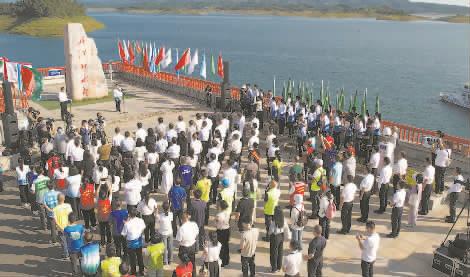
Core Viewpoint - The "Beautiful China, Volunteer with Me" initiative for ecological environment volunteer services has been launched across nine provinces (cities) related to the South-to-North Water Diversion project, emphasizing the importance of protecting water source ecological environments for sustainable water supply [2][3]. Group 1: Ecological Importance and Economic Development - Hubei Province is a significant ecological area and a crucial water source for the South-to-North Water Diversion project, with a strong commitment to ecological protection and green development [3]. - In 2024, Hubei's economic output is expected to exceed 6 trillion yuan, achieving a dual goal of high-level ecological protection and high-quality economic growth, supported by an average energy consumption growth rate of 3% and an average economic growth rate of 6% [3]. Group 2: Volunteer Engagement and Initiatives - The establishment of the "Wuhan Ecological Environment Volunteer Service Team" has led to over 110 active teams and more than 24,000 volunteers, marking a significant shift from niche actions to widespread participation in environmental protection [4]. - The "Little Water Droplet" volunteer group, consisting of 162,000 members, actively engages in water protection activities, contributing significantly to the safeguarding of water resources [4]. Group 3: Recognition and Impact of Volunteer Services - Numerous volunteers and organizations have been recognized for their contributions, including the "Little Love for Dolphins" project and individual volunteers who have received national accolades for their environmental efforts [6]. - Hubei Province is expanding the influence of ecological environment volunteer services through various educational initiatives and platforms, engaging thousands of students and youth volunteers in environmental awareness [6].
企业如何更好地参与生物多样性治理?|生物多样性治理系列解读④
Zhong Guo Huan Jing Bao· 2025-08-18 00:25
Group 1 - Biodiversity provides the fundamental material basis and ecological security for human survival, with global economic activities relying on nature for $58 trillion, which is over half of the global annual GDP [1] - The theme for the 2025 International Day for Biological Diversity emphasizes the relationship between biodiversity protection and the achievement of the United Nations Sustainable Development Goals, highlighting the need for participation from the business sector [1] - Enterprises are key stakeholders in biodiversity governance, with their operations deeply intertwined with biodiversity, affecting industries such as agriculture, food and beverage, infrastructure, and pharmaceuticals [2][3] Group 2 - China, as one of the richest countries in biodiversity, has initiated mechanisms to encourage corporate participation in global biodiversity governance, including joining the Global Partnership for Business and Biodiversity (GPBB) [3][4] - The establishment of the Corporate Partnership for Biodiversity (CPBB) aims to create a long-term mechanism for corporate involvement in biodiversity protection, enhancing collaboration among government, industry, and the public [3][5] - The CPBB has significantly raised awareness and participation in biodiversity protection among enterprises, providing platforms for policy dialogue, best practice sharing, and technical support [5] Group 3 - Despite progress, challenges remain in corporate participation in biodiversity governance, including limited understanding of the relationship between business operations and biodiversity risks [6][7] - There is a lack of unified standards and norms for assessing the impact of industries on biodiversity, with over 60% of companies facing difficulties in disclosing biodiversity-related information [6][7] - To deepen corporate roles in biodiversity governance, a multi-faceted approach involving policy development, public engagement, and corporate responsibility is necessary [8][9] Group 4 - Companies should develop strategies that promote biodiversity protection and sustainable use, integrating biodiversity management throughout their value chains [9] - Establishing a social responsibility reporting system to disclose actions and outcomes related to biodiversity protection is essential for transparency [9] - The collaboration of government, enterprises, social organizations, and the public is crucial for effective biodiversity protection, aiming for a harmonious coexistence between humans and nature [9]
“十五五”时期,如何推动生态环境重大工程体系建设?
Zhong Guo Huan Jing Bao· 2025-08-17 23:20
Core Viewpoint - The major ecological and environmental projects are crucial for supporting the construction of a beautiful China and the "14th Five-Year Plan" for ecological and environmental protection, playing a strategic, leading, and supportive role in improving the ecological environment [1] Group 1: Project Structure and Planning - A unified structural framework for major ecological and environmental projects should be established, consisting of a progressive hierarchical structure that includes various types of projects [2] - The framework should encompass five primary areas: pollution reduction and carbon reduction, environmental quality improvement, ecological protection and restoration, ecological risk prevention, and modern ecological infrastructure construction [2] Group 2: Organizational Management and Technical Methods - Strengthening organizational management and technical methods for project planning is essential to address issues such as planning difficulties and low-quality outcomes [3] - A project planning guide should be developed based on a "five-guidance" approach, focusing on problem orientation, goal orientation, demand orientation, positioning orientation, and funding orientation [3] Group 3: Process Management and Innovation - The establishment of a comprehensive management system for major projects is necessary, incorporating top-level design and a structured approach to project management [4] - Emphasis should be placed on technological innovation throughout the project lifecycle, integrating innovative solutions into project design and implementation [5] Group 4: Financing Mechanisms - Innovative financing mechanisms for regional ecological and environmental projects should be explored, optimizing existing financial support structures to meet new project demands [7] - Increased support from financial institutions for green credit initiatives is recommended, particularly for comprehensive projects that integrate various ecological and environmental elements [7] Group 5: Capacity Building and Support - Enhancing the management support capabilities for major ecological and environmental projects is vital, including the establishment of specialized technical support teams and expert databases [8] - The development of a smart management platform for major projects is suggested, utilizing IoT and AI technologies for dynamic monitoring and risk warning [8]
科技重塑产业 绿色定义未来
Zhong Guo Huan Jing Bao· 2025-08-15 11:50
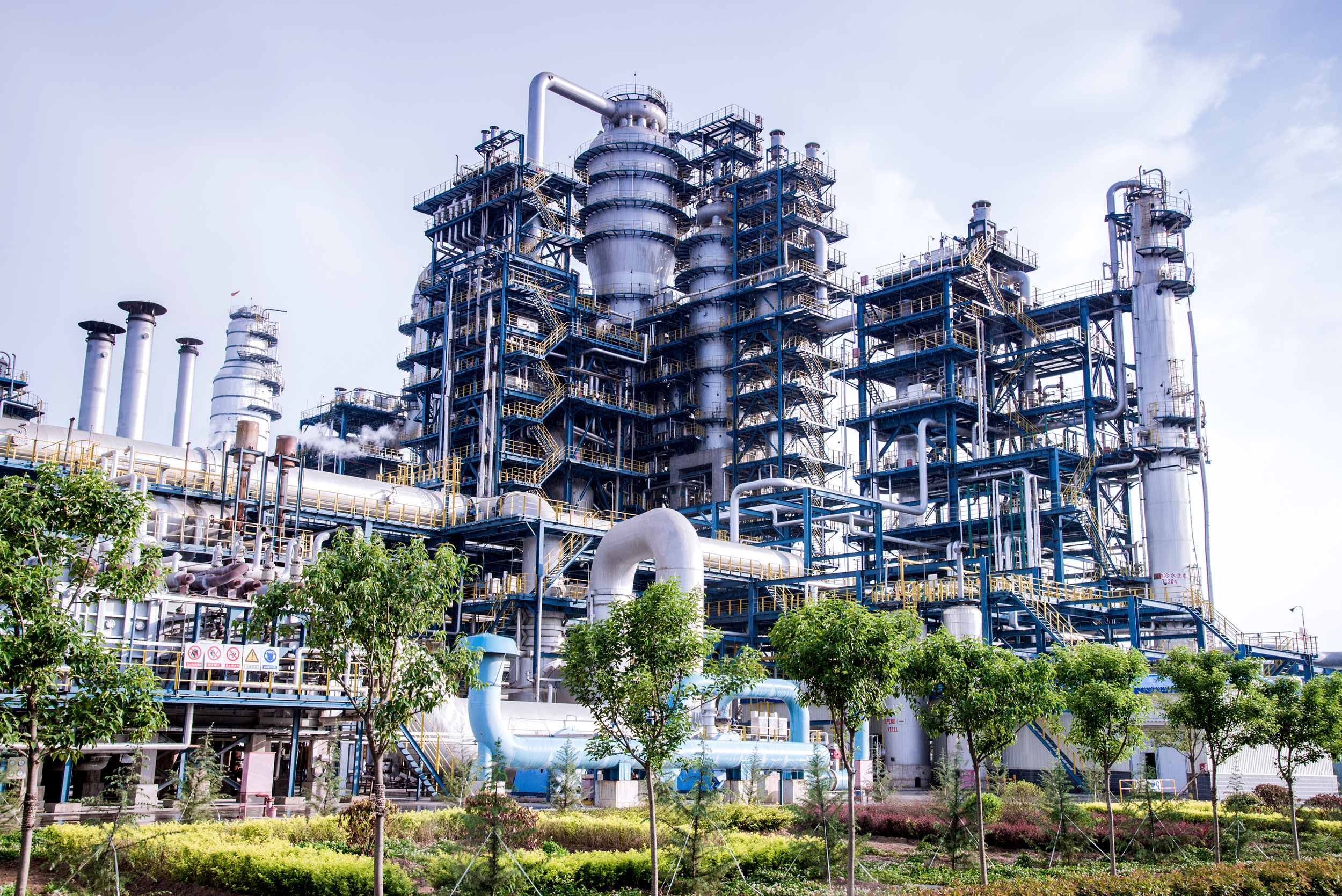
Core Viewpoint - The company, Pucheng Clean Energy Chemical Co., Ltd., exemplifies the green development concept in modern coal chemical industry through innovative practices and significant environmental investments, achieving notable environmental performance and industry recognition [1][3]. Environmental Investment and Management - Pucheng Clean Energy has invested a total of 1.77 billion yuan in environmental protection, establishing a comprehensive environmental management system that serves as a model for industry transformation [1]. - The company has achieved a leap from standard emissions to ultra-low emissions, with its four 240t/h coal-fired boilers consistently outperforming national standards in emissions of particulate matter, sulfur dioxide, and nitrogen oxides [1]. Emission Control and Efficiency - The company has implemented a desulfurization and denitrification system with an investment of 4 million yuan, successfully controlling sulfur dioxide emissions to below 20 mg/m³ and achieving a sulfur recovery efficiency of 99.8% [1]. - Pucheng Clean Energy has constructed a differentiated treatment network for volatile organic compounds, effectively recovering methanol and controlling odors within the plant [2]. Energy Utilization and Production Efficiency - The company has saved over 10,000 tons of standard coal annually through intelligent boiler optimization and burner modifications, while also generating over 400 million kilowatt-hours of electricity from waste heat and pressure [2]. - In 2023, Pucheng Clean Energy achieved an energy consumption index of 2358 kg of standard coal per ton of ethylene and propylene, ranking among the industry's leaders and earning the title of "Benchmark Enterprise" for coal-to-olefins energy efficiency [2]. Water and Waste Management - The company has optimized its water system operations, achieving a water resource reuse rate of over 98%, with all discharged water meeting the standards of the Shaanxi Province Yellow River Basin [2]. - Pucheng Clean Energy innovatively converts gasification fine slag into usable resources, recovering 50,000 tons of premium coal annually, equivalent to saving 43,000 tons of standard coal, while ensuring 100% compliant disposal of hazardous waste [2]. Industry Recognition and Future Initiatives - The company has received multiple industry certifications for its outstanding environmental performance, including an A-level production line rating for its polyolefin unit in 2023 [2]. - Pucheng Clean Energy is actively pursuing energy-saving and emission reduction projects, such as high flash gas energy conservation and CO2 purification, contributing to sustainable development and setting a precedent for the coal chemical industry [3].
赓续红色基因 逐绿黄河“几字弯”
Zhong Guo Huan Jing Bao· 2025-08-15 11:47
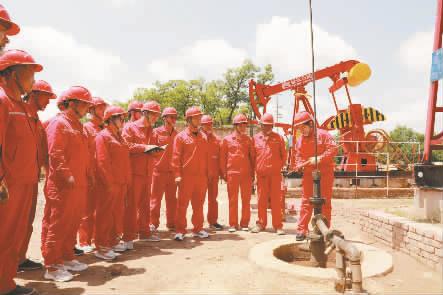
Core Viewpoint - The article highlights the historical significance and ongoing commitment of Yanchang Oilfield to green development and ecological protection while continuing to extract and utilize valuable oil resources [1][2]. Group 1: Historical Background - Yanchang Oilfield has a rich history dating back to the Northern Song Dynasty, with the first oil well drilled in 1907, marking the beginning of China's oil industry [1]. - The establishment of the first party branch in the oil industry in 1935 and the reorganization into Yanchang Petroleum Group in 2005 are key milestones in its development [1]. Group 2: Green Development Initiatives - Yanchang Oilfield is actively implementing green development strategies in line with national ecological civilization goals, focusing on harmonious coexistence between industrial development and ecological protection [2]. - The company has adopted a dual approach of "investigation and remediation + technological innovation" to strengthen ecological defenses in the Yellow River basin [3]. Group 3: Carbon Capture and Utilization - The CCUS project at Yanchang Oilfield aims to capture and store 300,000 tons of CO2 annually, enhancing oil recovery efficiency by 8.1% and providing carbon sequestration equivalent to 12,000 acres of broadleaf forest [3][6]. - The CO2 injection project at the Anxichuan Oilfield is expected to achieve significant carbon reduction, equivalent to planting 3.24 million trees and saving 1.08 million cubic meters of water annually [6][8]. Group 4: Water Resource Management - Yanchang Oilfield has implemented a comprehensive wastewater treatment process, achieving zero discharge of wastewater and ensuring that all produced water meets industry standards [9]. - The company has constructed 213 wastewater treatment points, processing 1,060 cubic meters of domestic wastewater daily, contributing to improved water quality in oil-affected areas [9]. Group 5: Ecological Restoration and Green Infrastructure - The company has invested 25.87 million yuan in ecological construction, planting over 1.51 million trees and upgrading 256 clean well sites [12]. - Yanchang Oilfield has adopted a "one well, a hundred trees" approach, enhancing the ecological landscape around its operations and promoting a cleaner environment [10][12].
从生态“痛点”到滨海“明珠”,广西犀丽湾生态修复成果丰硕
Zhong Guo Huan Jing Bao· 2025-08-15 09:14
Core Insights - The article highlights the successful ecological restoration of Xili Bay in Qinzhou, Guangxi, transforming it from an environmentally degraded area into a thriving tourist destination [1][5] Group 1: Historical Context - Xili Bay, located in Qinzhou, faced severe ecological challenges due to climate change, overdevelopment, and pollution, leading to significant coastal erosion and a decline in marine biodiversity [2][3] - Prior to 2019, the area was characterized by illegal constructions and overfishing, resulting in a drastic reduction of marine life and threatening the livelihoods of local fishermen [2][3] Group 2: Restoration Efforts - Starting in 2019, Qinzhou initiated a systematic ecological restoration project for Xili Bay, focusing on comprehensive management strategies rather than temporary fixes [3][4] - The restoration involved three phases: removal of illegal structures, beach restoration, and the establishment of marine protected areas with artificial reefs [3][4] Group 3: Results and Achievements - By 2022, the restoration efforts led to significant improvements, including a 63.38% increase in coastal erosion protection efficiency and a substantial rise in biodiversity, with the number of marine species recorded increasing from 37 to 89 [4][6] - Xili Bay was recognized as a national AAA-level tourist attraction in 2023, attracting over 800,000 visitors and generating more than 30 million yuan in revenue for local businesses [5][6] Group 4: Socioeconomic Impact - The ecological restoration has not only improved the environment but also created new economic opportunities, allowing former fishermen to transition into tourism-related businesses [5][6] - The integration of ecological protection with tourism has led to the creation of over 100 direct jobs and has indirectly benefited more than 2,000 fishermen through the shift to eco-tourism [6]
我国湿地保护获世界点赞有哪些秘诀?
Zhong Guo Huan Jing Bao· 2025-08-15 05:22
Group 1 - The core viewpoint of the articles emphasizes the importance of wetland protection and restoration, highlighting China's leadership in international wetland cities and the implementation of the Wetland Protection Law [1][2] - China has achieved the certification of "International Wetland Cities" for 9 cities, bringing the total to 22, showcasing its global leadership in wetland conservation [1] - The implementation of the Wetland Protection Law in 2022 marks a significant step in integrating wetland protection into the legal framework, reflecting the increasing policy emphasis on ecosystem maintenance [1] Group 2 - The approach to mangrove restoration should focus on selecting suitable tree species based on specific environmental conditions rather than merely expanding planting areas [2] - Effective management of invasive species like Spartina alterniflora requires a principle-based approach to restore biodiversity and ecological service functions in coastal areas [2] - The transformation of ecological resources into economic value is a key topic in wetland governance, with various local initiatives developing tailored models for ecological agriculture, tourism, and carbon trading [2]
青岛向美而行开展美丽城市建设创新实践
Zhong Guo Huan Jing Bao· 2025-08-15 02:52
青岛即墨区墨水河。 在黄海之滨,山东省青岛市正以生态为笔、以绿色为墨,在美丽中国建设的画卷上书写着浓墨重彩的生态蝶变故事。近年来,青岛市始终牢记"国之大者", 立足"山海岛城湾、田园林水乡"的生态基底,紧扣"八美之城"重点任务,在污染防治攻坚、绿色低碳转型等方面持续发力。从陆海统筹的生态治理到产业转 型的绿色实践,从生物多样性的蓬勃生机到城乡交融的宜居图景,这座城市正以系统性思维绘就人与自然和谐共生的现代化图景,让生态文明建设成果惠及 公众。 海陆共治绘就生态新画卷 站在浮山之巅远眺,目之所及皆是"天空蓝"与"生态绿",印证着青岛生态文明建设的"成绩单":空气主要污染物年均浓度连续5年达到国家二级标准,蓝天 白云、繁星闪烁成为常态;20个国控、省控断面全面达标,近岸海域水质优良面积比率达到99%,水清岸绿、鱼翔浅底美景常在。从"治气"到"治水", 从"护蓝"到"增绿",青岛用系统治理的智慧,让碧海蓝天成为城市最动人的底色。 产业转型激活低碳新动能 蓝天碧水,踏歌而行。伴随着生态环境持续向好,青岛市坚定不移地推进区域全面绿色转型。 在青岛莱西市海尔智家再循环互联工厂车间里,一台台废旧冰箱被缓缓推到上料口,经过预 ...