3 6 Ke

Search documents
AI空调卷疯了:格力、美的、海尔集体押注,核心价值是「省钱省电」?
3 6 Ke· 2026-02-05 04:13
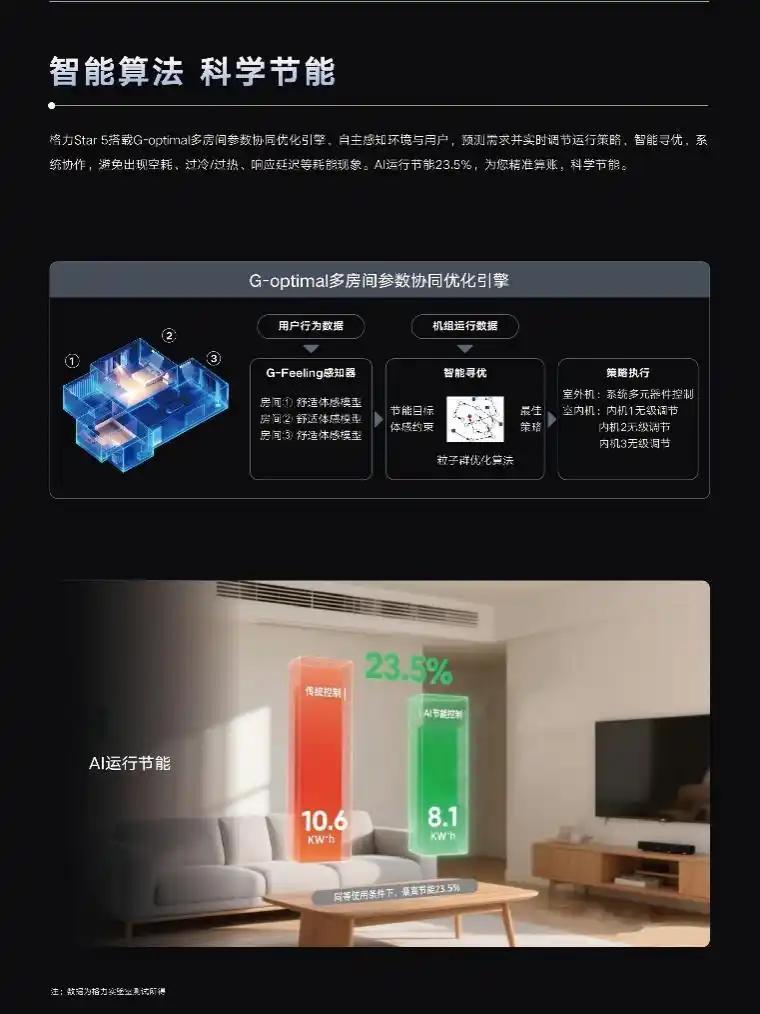
Core Viewpoint - The air conditioning industry is rapidly evolving with the integration of AI technology, moving from traditional cooling and heating systems to more intelligent solutions that focus on user comfort and energy efficiency [1][3][12]. Group 1: AI Integration in Air Conditioning - AI air conditioners, such as Gree's Star 5 AI, aim to enhance user experience by maintaining optimal comfort levels rather than just achieving set temperatures [3][4]. - Traditional air conditioning systems often waste energy and respond slowly to changes in user needs, while AI systems optimize energy use and adjust dynamically based on real-time conditions [4][6]. - Gree's Star 5 AI claims to achieve energy savings of up to 23.5% under ideal conditions, although actual performance may vary based on individual household factors [6][12]. Group 2: Competitive Landscape - Major appliance manufacturers, including Gree, Midea, and Haier, are heavily investing in AI technology, indicating a shift in the market towards algorithm-driven air conditioning solutions [12][15]. - The introduction of AI in air conditioning is expected to create a competitive divide, favoring companies with established data and technology capabilities, while smaller firms may struggle to keep up [16]. - As the market for household air conditioning approaches saturation, consumers are likely to prioritize smart features over cost when upgrading their systems [16].




第一批对 ChatGPT 广告的吐槽来了,竟然来自死对头
3 6 Ke· 2026-02-05 04:11
Core Insights - Anthropic launched a series of advertisements during the Super Bowl, directly targeting OpenAI's ChatGPT, indicating a competitive stance in the AI market [1][3] - OpenAI is transitioning from a subscription model to an ad-supported model, driven by high operational costs and the need for sustainable revenue [5][7] Financial Overview - OpenAI raised $40 billion at a valuation of $260 billion, with annual recurring revenue (ARR) expected to reach $200 billion by the end of 2025, while facing operational costs between $8 billion to $12 billion annually [5] - The appointment of Fidji Simo as CEO of Applications signals a strategic shift towards monetization through advertising [7] Advertising Models - The article contrasts three advertising models: Meta's attention economy, Google's intent economy, and OpenAI's emerging action economy [8][10][13] - OpenAI aims to create an "action economy" where advertisements are integrated into user interactions, allowing for direct transactions rather than simple ad clicks [13][15] Competitive Landscape - OpenAI's model seeks to monetize user decision-making, contrasting with Meta's focus on attention and Google's focus on intent [16] - The potential for OpenAI to achieve an average revenue per user (ARPU) of $50 by 2029 could challenge Google's dominance in the advertising space [15][21] User Engagement - OpenAI's strategy involves creating a closed-loop economic system where users can complete purchases directly through AI interactions, enhancing user engagement and monetization [17] - The integration of advertisements into AI responses may lead to subtle and less noticeable advertising, potentially bypassing traditional user defenses against ads [19][21]

三星 S26 爆料汇总:新年第一位「机皇」,最大升级却是「防偷窥」?
3 6 Ke· 2026-02-05 04:07
刚刚过去的 2025 年对于三星来说,估计是挺不好过的。 不仅三折叠首发遇冷,更是整个三四季度都深陷内存涨价的泥潭—— 生产内存颗粒的 DS 部门给造手机的 MX 部门断供,也算是韩剧不得不品的经典桥段。 好在消息还是有一些的。 非常好笑的是,三星手机刚刚经历了一段最艰难的日子,三星集团的股价反而在 25-26 财年持续向好: 根据外媒 GSMArena 收到的爆料,三星 Galaxy S26 系列新品发布会将于 2 月 25 日召开,国行发布会则有可能在三月初: 因此要说 2026 年三星躺赢也没错——但和手机没关系,完全是闪存拉动的。 S26 系列的发布延期就是最直观的例子:往年在二月初举行的三星 S 系列发布会,直到现在都没什么动静。 图|GSMArena 结合已有的爆料和行业趋势来看,S26 这一代的主要升级点仍然是偏软件的 Galaxy AI,以及更多智能的「软硬件结合」式进步。 但和 S25 系列全都在讲 AI 不同,今年的三星,还真拿出来了几个许久未见的硬件大更新。 图|Samsung Newsroom 从现有的爆料信息和官方演示来看,S26 Ultra 上面的隐私屏幕或许可以称得上是近年来三星 ...

「非洲手机之王」传音即将退位?利润腰斩,50元手机扛不住存储涨价
3 6 Ke· 2026-02-05 03:57
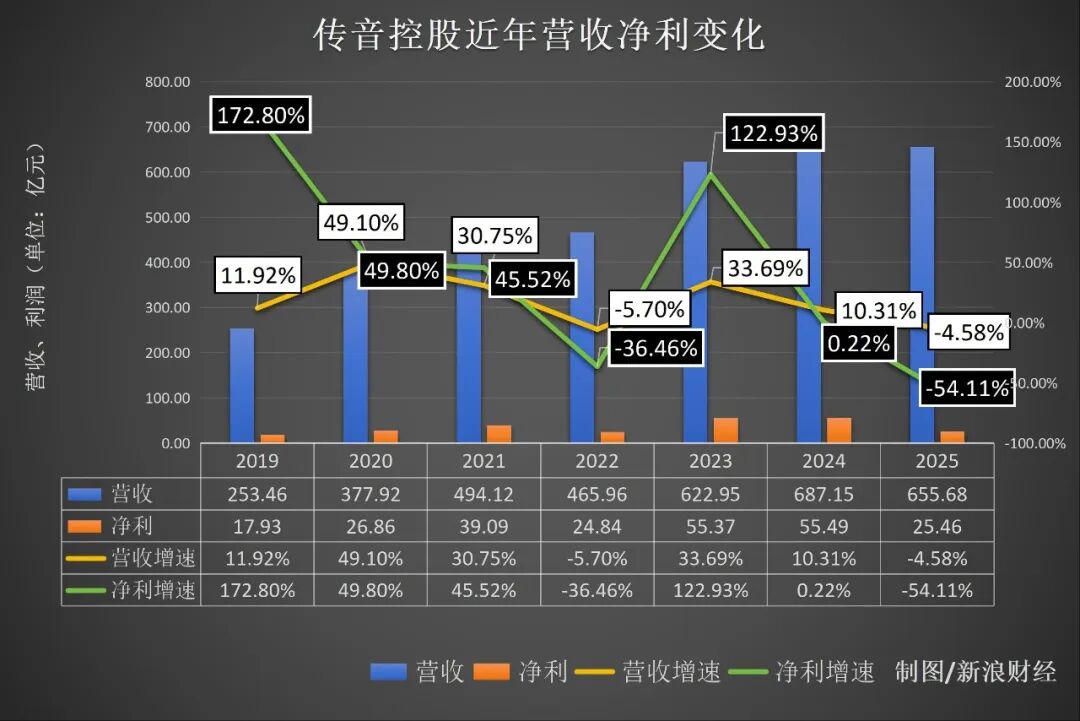
Core Viewpoint - Transsion Holdings is expected to experience a decline in both revenue and net profit in 2025, with net profit projected to be halved, marking the worst performance since its IPO in 2019 [1][2][4]. Financial Performance - The company forecasts a revenue of approximately 65.568 billion yuan for 2025, a decrease of about 31.47 billion yuan or 4.58% year-on-year [2]. - The net profit attributable to shareholders is expected to be around 2.546 billion yuan, down by approximately 30.03 billion yuan or 54.11% year-on-year [2][4]. - In the first half of 2025, Transsion reported a revenue of 29.077 billion yuan, a decline of 15.86% compared to the same period last year, with net profit dropping by 57.48% [5]. Market Competition - Transsion's market share remains the largest in Africa, but competition is intensifying, particularly from Xiaomi and Honor, which have shown growth rates of 34% and 158% respectively [1][8]. - The global smartphone market is experiencing sluggish growth, with a projected increase of only 2% in 2025, leading to increased pressure on low-cost manufacturers like Transsion [8]. Cost and Supply Chain Issues - The company attributes its poor performance to rising storage prices, which have significantly impacted product costs and gross margins [4][6]. - The global storage market has seen prices increase by over 40% due to high demand from AI data centers, further straining the cost structure for smartphone manufacturers [7][8]. Diversification Efforts - To mitigate risks, Transsion is exploring new business areas such as mobility and energy storage, although these segments currently contribute only 8.8% to total revenue [10][12]. - The company has established multiple brands and is attempting to expand into electric vehicles and energy storage products, but these initiatives have yet to generate significant revenue [10][12].

软件会不值钱吗?黄仁勋在思科一句反问:谁会从零做工具
3 6 Ke· 2026-02-05 03:53
Core Viewpoint - The recent decline in global software stocks is driven by fears that AI will replace existing software tools, particularly following the release of Anthropic's Claude update, which showcases unprecedented automation capabilities [1][5] Group 1: AI's Role in Software - Huang Renxun asserts that AI will not reinvent tools but will utilize existing, proven software through APIs and functional combinations [2][4] - The fundamental change is not the replacement of software but the transformation of users from humans to AI [3][6] - AI's ability to perform tasks autonomously, such as filling forms and writing code, marks a significant advancement in technology [8] Group 2: Software as a Learning Platform - Future software will evolve from being mere tools to becoming platforms for AI's continuous learning, accumulating experience with each use [10][13] - Software must adapt to real-time generation based on AI's intentions, moving away from pre-recorded actions [11] - The most valuable aspect for companies will be the questions posed by AI, representing their challenges and strategic directions [12] Group 3: Software Requirements for AI Integration - Software suitable for AI must be capable of high-frequency calls and have API interfaces for programmatic access [15][17] - The shift in software value standards emphasizes the need for tools that can be easily integrated into AI workflows [16][19] - Companies are encouraged to assess their existing tools for API capabilities and consider enhancing those that lack such features [17]

人工智能在数据管理中的投资回报率:炒作与可衡量的结果
3 6 Ke· 2026-02-05 03:53
Core Insights - The article discusses the ambitious promises made by AI vendors in the data management field, emphasizing the need for a realistic evaluation of the actual return on investment (ROI) from these technologies [1][2] - It highlights the gap between the technical feasibility demonstrated in controlled environments and the practical implementation challenges faced in complex enterprise settings [2] Group 1: AI's Promises and Realities - AI in data management is marketed as capable of creating "autonomous data platforms" with minimal human intervention, promising "zero-touch data quality" [1] - Despite the optimism surrounding AI's capabilities in pattern recognition and anomaly detection, significant challenges remain in real-world applications due to legacy systems and organizational politics [2] Group 2: Tangible Benefits of AI in Data Management - AI can significantly enhance metadata tagging and enrichment, achieving 60% to 80% automation coverage compared to nearly zero with manual methods, leading to improved data catalog integrity [4] - Machine learning methods for data quality anomaly detection can reduce data quality incidents by 30% to 50%, enabling earlier detection of issues and enhancing confidence in data-driven decisions [6] - AI classifiers can effectively identify and classify personally identifiable information (PII), improving compliance and reducing data breach risks [7] - Machine learning-based entity resolution can increase matching accuracy by 20% to 40%, leading to more reliable master data and better customer insights [8] Group 3: Overhyped Aspects of AI - Natural language processing for SQL generation remains weak, as it struggles with complex queries and often requires experienced analysts for validation [10][11] - The notion of fully automated data governance is a misconception, as human judgment is essential for making governance decisions [12] - The belief that AI can autonomously develop data strategies oversimplifies the complexities involved in strategic decision-making [13] Group 4: Hidden Costs of AI Implementation - The importance of preparing training data and context is often underestimated, requiring significant effort to create high-quality datasets [14] - Continuous AI tuning and performance management are necessary, as data and business rules evolve over time [14] - Integration complexities with existing tools and workflows can increase implementation costs and maintenance burdens [14] Group 5: Measuring ROI from AI Investments - Organizations should establish clear baseline metrics before deployment to effectively measure improvements in data management [16] - Success metrics should be directly related to business value rather than technical performance, focusing on tangible outcomes like reduced time to find relevant data [16] - AI applications in data management typically require 6 to 12 months to demonstrate significant ROI, necessitating patience and ongoing user adoption efforts [16] Group 6: Practical Path Forward - Organizations should focus on specific problems rather than just the technology itself, ensuring that AI initiatives are aligned with clear objectives [19] - A realistic timeline and expectations are crucial, as AI can improve data management outcomes but requires effort and investment in foundational practices [19] - AI should be viewed as a tool to enhance human capabilities rather than a replacement, emphasizing the importance of governance and data literacy [19]
中国中免短线拉升涨超2%
3 6 Ke· 2026-02-05 03:49
36氪获悉,中国中免短线拉升涨超2%;消息面上,财政部发布关于海南自由贸易港岛内居民消费的进 境商品"零关税"政策的通知。 ...

拌饭品类报告:24亿人次热捧,却是创业“修罗场”
3 6 Ke· 2026-02-05 03:47
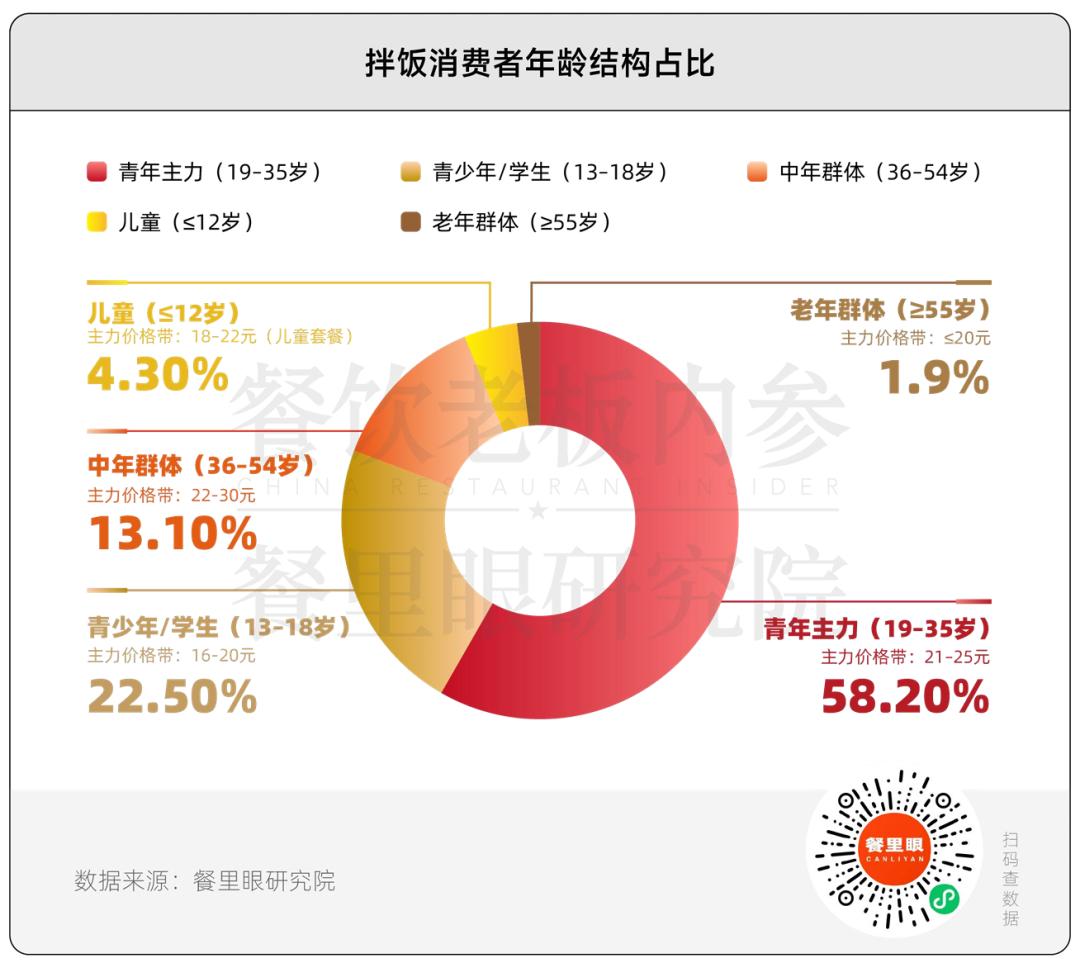
Core Insights - The article highlights the growth trajectory of the rice bowl category in the Chinese fast food market, which has seen continuous growth over the past decade, reaching a market size of over 120 billion yuan by 2025 with a year-on-year growth rate of 7.1% [3][4] - The rice bowl category is at a critical juncture as leading brands are beginning to slow down their expansion after a period of rapid growth, indicating potential challenges ahead [1][18] Market Growth - The rice bowl category has achieved a significant scale-up, with 62,000 stores projected by 2025, driven by the essential demand for rice-based meals and the synergy of dine-in and takeout channels [3][4] - The consumer base has expanded dramatically, with the number of consumers rising from 850 million to 2.4 billion in the last five years, indicating a nearly threefold increase [6] Consumer Demographics - The primary consumer demographic for rice bowls is the young population aged 19-35, which constitutes 58.2% of the market, reflecting a trend towards high-quality, affordable meals [7][10] - The rice bowl category aligns well with the preferences of this demographic, emphasizing value for money, quick service, and health-conscious options [7][10] Competitive Landscape - The competitive landscape features two leading brands, Mi Village and Uncle Park, with over 1,900 and 1,200 stores respectively, while several smaller brands are also establishing their presence [5][18] - The market is characterized by regional competition, with a lack of truly national chains, leading to a fragmented market structure [18][19] Store Distribution - The majority of rice bowl stores are located in third-tier cities, which account for 15,500 stores and 25% of the market share, highlighting a shift from traditional urban centers [4][15] - Small to medium-sized stores (≤50㎡) dominate the market, making up 65% of the total, which aligns with the fast food model of high efficiency and low cost [15] Consumer Preferences - Price sensitivity and quality are the top factors influencing consumer choices, with 28.6% prioritizing price-performance ratio, indicating a strong demand for affordable yet satisfying meals [17] - The rice bowl category is perceived as a "top choice for workers," emphasizing its role as a staple in the fast food segment [17] Challenges Ahead - Despite the growth, the rice bowl category faces challenges such as high closure rates, regional fragmentation, and product homogenization, which could threaten the sustainability of smaller brands [18][19] - The market is described as a "fast-growing, fast-dying" environment, where many small brands struggle to survive beyond six months due to intense competition [19]

茅台的第三个周期,与一场关键的消费转身
3 6 Ke· 2026-02-05 03:36
Core Viewpoint - The article discusses the significant changes in the Moutai market, highlighting a shift from a high-demand, investment-driven model to a more consumer-oriented approach, driven by evolving market dynamics and consumer preferences [1][18][26]. Group 1: Market Changes - Moutai's revenue growth rate fell to 6.3% in Q3 2025, marking the lowest in a decade, with the market price of its flagship product dropping below the official price of 1499 yuan per bottle [2][11]. - The company is undergoing its fourth leadership change in five years, with new strategies emphasizing performance-based operations for distributors [2][5]. - Moutai has announced the launch of all mainstream products on its direct e-commerce platform, iMoutai, including the popular 53-degree flying Moutai at a price of 1499 yuan per bottle [3]. Group 2: Distributor Reforms - Distributors are now limited to purchasing a maximum of five bottles of the 2026 flying Moutai at the new price, reflecting the company's push for price consistency across channels [4]. - A comprehensive market operation plan for 2026 was released, indicating significant adjustments in product, operation, pricing, and distribution strategies [5][22]. - The traditional profit model based on relationships and quotas is being dismantled, with Moutai lowering the purchase prices of non-standard products and eliminating the quota system [5][6]. Group 3: Consumer Engagement - Distributors are adapting by enhancing their marketing capabilities, transitioning from mere sales roles to "beverage consultants" who provide tailored recommendations based on consumer scenarios [6][8]. - The company is focusing on creating a more engaging consumer experience, including hosting tasting events and developing new products to meet changing consumer preferences [8][20]. Group 4: Industry Context - The article notes that the overall Chinese liquor industry is facing long-term demand challenges due to younger consumers' preferences for healthier options and changing consumption patterns [26]. - Moutai's historical reliance on speculative investment and financialization is being challenged, with a need to redefine its brand value in a more consumer-centric market [24][25].


工作狂自救指南:6个策略,夺回你的生活主动权
3 6 Ke· 2026-02-05 03:24
"工作狂"指的是一种无法脱离工作的有害状态。当工作主宰了你的思想和活动、损害了生活、人际关系和健康时,你就表现出了工作狂的倾 向。工作狂对人们和所在组织都是有害的。通常情况下,公司在不知不觉中助长了"工作狂"文化。虽然很多文章已经谈到了公司该如何扭转这 种文化,但仅靠公司的努力是不够的。你自己也必须改变,而且必须是一种个人意义上的改变。 在这篇文章中,我将引导你进行一些练习,这些练习可以让你识别工作狂的行为,并减轻这种行为的发生。我发现这些练习特别有效,尤其对那些感觉自 己有问题,但又不知从何下手的人。我还发现,即使是最微小的进步,也会对人们产生巨大而持久的影响。 我们将重点关注六项战略: 重新定义何为"紧急" 对于工作狂来说,所有与工作相关的事情都是高度优先的事项。《匿名工作狂的自我发现之书》(Workaholics Anonymous's Book of Discovery)将这种状 态称为"疯狂的多任务处理"。接受采访的许多人都谈到,当他们处于这种模式时,几乎会对肾上腺素上瘾:把所有事情都归为紧急任务,是一种制造微小 但长期的危机的方法。这意味着,我们将自己和身体置于持续战斗的状态,这大大增加了我们的压 ...