
3 6 Ke

Search documents
欧洲汽车巨头终于开窍了
3 6 Ke· 2026-02-05 04:52
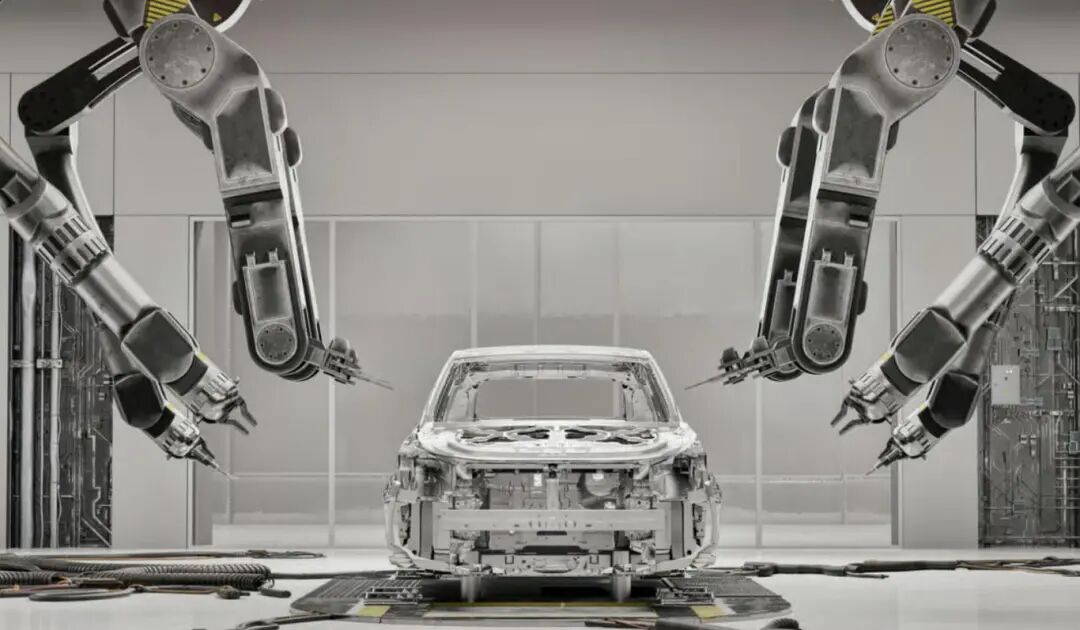
曾几何时,德国工艺、意大利设计、英国血统等,是欧洲汽车工业引以为傲的标签,更是其构筑行业壁垒的护城河。在燃油车时代,这些由百年积淀形成 的专有技术与品牌光环,确实让欧洲车企稳坐全球汽车产业的高端王座。 然而,当汽车的灵魂从发动机与底盘悄然转向芯片与算力,一场深刻的危机早已降临。固执于一切自研的欧洲巨头们,在软件定义汽车的浪潮中频频触 礁,比如项目延期、成本失控、系统失灵成为常态。 直到如今,他们终于放下身段,将目光投向东方,尤其是那些在智能电动车赛道上疾驰的中国企业,才恍然发觉,闭门造车的时代已经终结,开放与合作 才是通向未来的钥匙。 从大众携手小鹏、到Stellantis寻求外部技术输血,一场由痛苦教训催生的觉醒正在欧洲汽车业蔓延。他们终于明白,在软件这场高投入、快迭代的竞赛 中,单打独斗不仅无法赢得优势,反而可能拖垮整个帝国。 欧洲车企的挫折、醒悟 欧洲汽车制造商曾深信,竞争优势源自对核心技术的绝对掌控。这种根植于工业时代的信念,驱使它们在面对软件定义汽车的变革时,第一反应是建立庞 大的内部软件部门,试图将软件能力完全内化。 比如大众集团于2020年高调成立的Cariad软件公司,便是这一思维的典型代表。 ...


“GEO”到底是不是AI版的竞价排名?
3 6 Ke· 2026-02-05 04:52
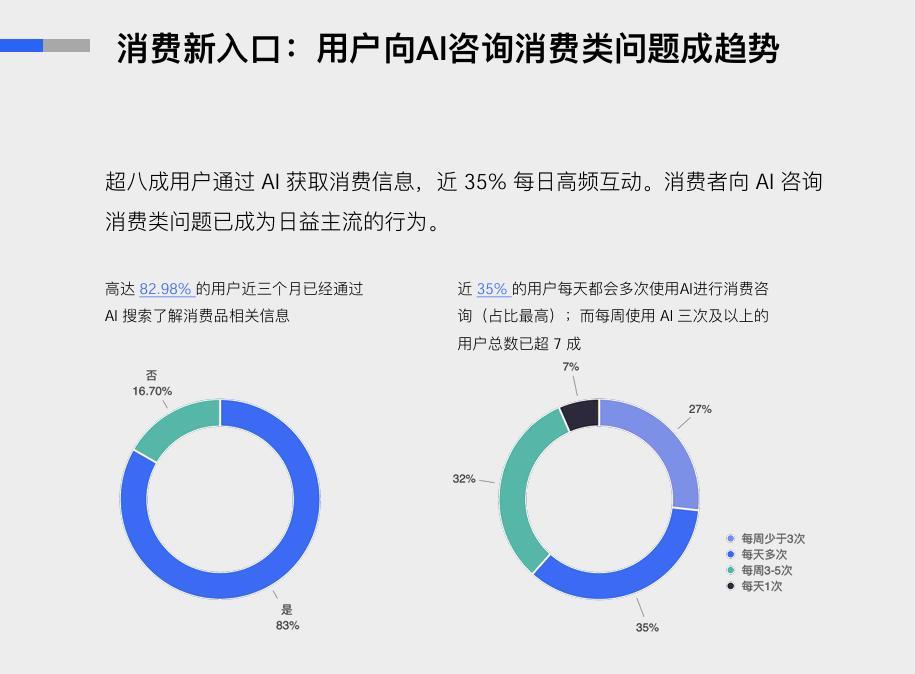
Core Insights - The announcement by OpenAI's CEO Sam Altman to introduce ads in the free version of ChatGPT signifies a shift in AI's role from providing answers to becoming a marketing tool [1] - The concept of GEO (Generative Engine Optimization) is emerging as a significant strategy in the AI advertising landscape, raising concerns about the influence of commercial interests on AI-generated responses [2][19] Group A: Evolution of Internet and AI - The competition for online traffic has been a constant theme in internet history, with SEO (Search Engine Optimization) previously dominating the landscape [3] - User behavior has shifted from traditional search engines to AI assistants, which now play a crucial role in influencing consumer decisions [5][6] Group B: Impact of GEO on AI Responses - AI-generated answers are increasingly affecting consumer decision-making, with projections indicating that by June 2025, there will be 515 million generative AI users in China, doubling from the end of 2024 [7] - Concerns about the quality of AI responses arise from practices like "AI poisoning," where low-quality content is fed into AI models, potentially diluting content value [10][11] Group C: Market Potential and Growth of GEO - GEO is expected to create new traffic channels and could significantly alter the commercial landscape of AI, with the global GEO market projected to reach $12 billion by 2025, growing at a compound annual growth rate of 37.1% [22] - The Chinese GEO market is anticipated to experience explosive growth, potentially reaching 850 billion yuan by 2025 and 5.5 trillion yuan by 2030 [22] Group D: Current Players and Market Dynamics - Companies like Yidian Tianxia, Zhongwen Online, and Tianlong Group have seen significant stock price increases, indicating a growing interest in GEO-related stocks [25] - Despite the hype, many companies are currently reporting losses, highlighting the lack of a scalable GEO profit model [27][28] Group E: China's Position in the GEO Landscape - China possesses structural advantages in AI development due to its large population, advanced internet infrastructure, and high-density digital behaviors [30] - The country is positioned to leverage its strong manufacturing capabilities and market size to potentially lead in the GEO sector, despite the U.S. maintaining an edge in foundational research [31]
太空数据中心,如何散热?
3 6 Ke· 2026-02-05 04:47
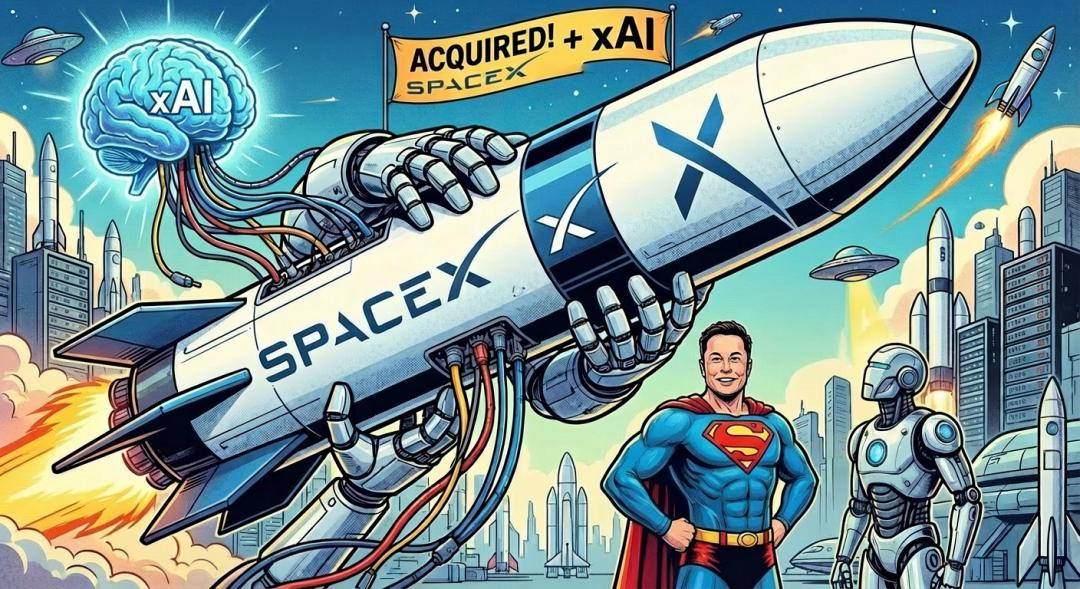
Core Viewpoint - Elon Musk's plan to integrate SpaceX, Tesla, and xAI to deploy one million satellites for a "orbital data center system" aims to provide computational power for future artificial intelligence [1][3]. Group 1: Feasibility and Challenges - The concept of space computing is not new, with similar projects proposed in the US, Europe, and China, but Musk's plan is significantly larger in scale [3]. - Space data centers can utilize solar energy, greatly reducing energy costs, but face numerous engineering and commercialization challenges, including rocket launch capabilities, satellite lifespan (approximately 5 years), radiation issues, on-orbit maintenance, communication bandwidth, and business model concerns [3][19]. - A critical challenge is heat dissipation, as a large-scale data center will generate substantial heat, requiring advanced thermal management solutions [3][5]. Group 2: Thermal Management Techniques - Heat collection at the chip level involves using high-performance thermal interface materials and microchannel liquid cooling to efficiently transfer heat away from chips [6][10]. - Internal heat transfer can utilize heat pipes for passive heat transfer, while active thermal control systems like mechanical pump fluid loops (MPFL) are necessary for managing large thermal loads [11][13]. - Heat radiation is the final method for heat dissipation, relying on radiators that emit heat as infrared electromagnetic waves, with efficiency dependent on the radiator's area and surface properties [14][16]. Group 3: Innovative Cooling Solutions - New thermal management technologies proposed for space data centers include phase change materials for thermal buffering, spectrally selective radiators to enhance radiation efficiency, and evaporative cooling methods for extreme conditions [20][21][22]. - AI-driven systems can optimize thermal management by predicting heat loads and dynamically adjusting cooling mechanisms [23]. - The potential scale of Musk's space data center could provide 100 gigawatts (GW) of AI computing power, equivalent to the capacity of approximately 4.5 Three Gorges Dam power stations, presenting significant engineering challenges for heat dissipation [19]. Group 4: Industry Implications - As space computing becomes a trending topic, thermal control technologies for space data centers are expected to gain more attention, leading to accelerated innovation and development in this field [30].
暴涨超215%,太空光伏龙头钧达股份,被马斯克带上“天”
3 6 Ke· 2026-02-05 04:39
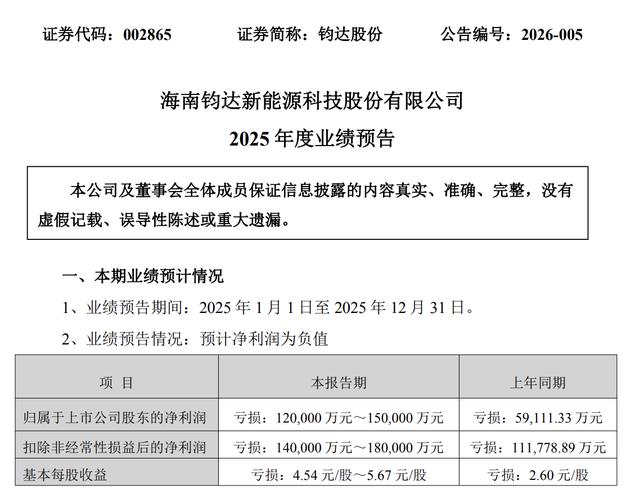
Core Viewpoint - The narrative of space photovoltaics is being validated by Elon Musk, providing a potential solution to the challenges faced by the photovoltaic industry, with practical applications becoming more feasible as Musk's vision unfolds [1][2]. Group 1: Space Photovoltaics Concept - Space photovoltaics aims to establish solar power stations in Earth's orbit for uninterrupted clean energy collection, with reduced launch costs from companies like SpaceX accelerating this "sci-fi" concept towards reality [3]. - The photovoltaic equipment sector has seen a nearly 30% increase in stock prices this year, with leading companies like Junda Co. experiencing over 100% growth, and Junda's market capitalization surpassing 35 billion yuan [3]. Group 2: Junda Co. Financial Performance - Junda Co. is projected to incur a net loss of 1.2 billion to 1.5 billion yuan in 2025, worsening from a loss of 591 million yuan in 2024, with non-recurring losses expected to reach 1.4 billion to 1.8 billion yuan [4][6]. - Despite the stock price surge, Junda Co. has acknowledged that its recent ventures are still in the exploratory phase, with significant uncertainties regarding market expansion and competition [6]. Group 3: Junda Co.'s Transformation and Market Position - Junda Co. transitioned from manufacturing automotive parts to the photovoltaic sector, acquiring Jietai Technology for over 1.4 billion yuan to facilitate this shift, which has been described as a gamble [14]. - After completing its transformation in 2022, Junda Co. reported a revenue of 11.595 billion yuan, a 304.95% increase from the previous year, and turned a profit of 711.69 million yuan, reversing a prior loss [15]. Group 4: Technological Advancements and Market Share - Junda Co. has established a leading position in the N-type TOPCon battery market, achieving a global market share of approximately 46.5% by 2023, with plans to reach a production capacity of 44 GW by the end of 2024 [16]. - The company is betting on perovskite technology, which is seen as a disruptive next-generation photovoltaic technology, offering higher efficiency and lower production costs compared to traditional silicon batteries [19]. Group 5: Future Prospects and Challenges - The narrative of space photovoltaics is gaining traction, with Musk announcing plans for 200 GW of solar capacity in the U.S. within three years, which could benefit Junda Co. [17]. - However, the actual conversion of space photovoltaic orders into revenue remains uncertain, as large-scale procurement is still in the early stages of technological exploration [20].

42岁的旺旺集团到了最危急时刻?
3 6 Ke· 2026-02-05 04:35
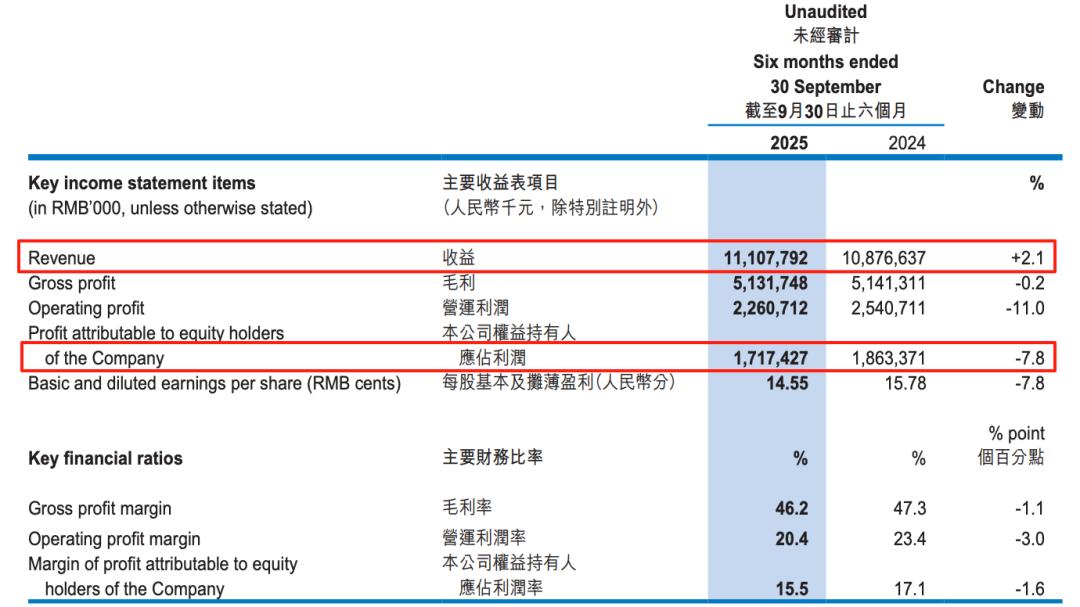
Core Viewpoint - The company is facing significant challenges as its revenue growth is stagnating and net profit has sharply declined, indicating a potential crisis for the once-popular brand [1][2]. Financial Performance - For the first half of the 2025 fiscal year, revenue reached RMB 11.11 billion, a modest increase of 2.1% compared to RMB 10.88 billion in the same period of 2024 [1]. - Net profit fell by 7.8% to RMB 1.72 billion from RMB 1.86 billion year-on-year [1]. - Gross profit margin decreased to 46.2% from 47.3%, and operating profit margin dropped to 20.4% from 23.4% [1]. Market Challenges - The company is struggling with rising costs and high expenses while its core products are losing market traction, leading to a mid-life crisis for the once-dominant snack brand [2]. - The nostalgic marketing strategy is failing to resonate with younger consumers who prefer new flavors and innovative products [1][2]. Strategic Shifts - The company is attempting a "second entrepreneurship" by focusing on two new areas: bulk snack channels and OEM (Original Equipment Manufacturer) business [3][7]. - The bulk snack channel has seen rapid growth, with the number of stores reaching 56,000 and the industry scale surpassing RMB 220 billion [3]. - The OEM business is being promoted as a new growth engine, with significant growth reported in the first half of 2025 [7][8]. Risks in New Strategies - The bulk snack channel, while appearing to grow, is highly competitive and may lead to reduced profit margins due to price wars [9][10]. - The OEM strategy risks diluting brand value, as consumers may perceive the brand as merely a processing factory rather than a premium product provider [12][13]. Core Issues - The company's core product categories, including rice snacks, dairy products, and beverages, continue to decline, with only minor growth in snack foods [10]. - Traditional sales channels still account for 65% of revenue but have been declining for two consecutive fiscal years [10]. - The reliance on low-price strategies in new channels conflicts with the company's historical high-margin business model [10]. Conclusion - The company is at a crossroads, facing a mid-life crisis with declining traditional products and uncertain new ventures. Without significant innovation and a shift in strategy, the brand risks losing its market position [14][17].

世界模型,是自动驾驶的终极答案吗?
3 6 Ke· 2026-02-05 04:30
Core Insights - The concept of "world model" has become a trendy term in the intelligent driving sector, with various companies like Xpeng, NIO, and Huawei adopting different terminologies for similar technologies [2][3][4] - World models are seen as a crucial component in the development of "physical world AI," enabling artificial intelligence to understand and replicate real-world dynamics [3][4] - The current application of world models in the intelligent driving industry is primarily cloud-based, with no direct implementation in vehicles yet [6] Group 1: Industry Trends - The shift from rule-based systems to AI-driven models in intelligent driving has led to a unified approach, where perception, prediction, and planning are integrated into a single network [7] - Despite the advancements, the transition to end-to-end models has revealed shortcomings in traditional simulation tools, necessitating the development of more sophisticated simulation environments [10][11] - The introduction of world models aims to address the limitations of existing simulators by providing a more comprehensive and realistic virtual environment for testing and validation [10][11] Group 2: Technical Challenges - The effectiveness of AI-driven models is hindered by the "black box" nature of end-to-end systems, making it difficult to diagnose errors and ensure reliability [9][10] - Current world models in the industry are still in the early stages, with limitations in generating realistic and diverse scenarios for training purposes [16][18] - The challenge lies in ensuring that generated scenarios accurately reflect real-world conditions, as inaccuracies can lead to poor model performance in practical applications [17][18] Group 3: Future Directions - Companies are exploring various approaches to enhance world models, with some opting for more controllable methods like 3D Gaussian reconstruction [14][15] - The ultimate goal is to develop world models that can support decision-making processes in vehicles, moving beyond their current use as training and validation tools [19] - Achieving a high level of accuracy and reliability in world models is essential for their deployment in real-world driving scenarios, which remains a significant hurdle for the industry [19]

为何死磕EUV光刻?
3 6 Ke· 2026-02-05 04:29
过去两年是高数值孔径极紫外光刻技术发展的重要篇章。随着首批系统交付客户,以及ASML与imec联 合成立的高数值孔径极紫外光刻实验室的启动——这为整个生态系统提供了早期探索其潜力的机会—— 这项技术正获得真正的发展动力。目前,高数值孔径极紫外光刻技术展现出巨大的潜力,有望实现其在 尺寸微缩、工艺简化和设计灵活性方面的承诺。 2024年,imec在ASML-imec高数值孔径EUV光刻实验室中,利用0.55NA EUV光刻扫描仪(TWINSCAN EXE:5000)实现了16nm间距线/空的单次打印图像,创造了世界纪录。这些图像打印在专为高数值孔径 EUV光刻优化的金属氧化物光刻胶(MOR)上。同样,接触孔(打印在化学放大光刻胶(CAR)上) 和柱状结构(打印在MOR上)也展现了令人瞩目的24nm间距(中心距)分辨率。 然而,最终分辨率仅仅是一个"光学"上的承诺,它反映的是图像在照射到晶圆之前空中成像的质量。在 晶圆曝光过程中,空中成像会在光刻胶中形成图案,这些图案在显影后会被进一步蚀刻到下层材料中。 因此,最终图案化结构的分辨率也取决于图案化过程中使用的材料(光刻胶、下层材料、硬掩模等)和 蚀刻工艺的性能。工 ...


一个医疗IPO今天暴涨200%
3 6 Ke· 2026-02-05 04:29
今年科创板首个医疗IPO诞生了。 今日(2月5日),深圳北芯生命科技股份有限公司(简称"北芯生命")正式在科创板上市。本次IPO发行价为17.52元/ 股,开盘后大涨超200%,市值超200亿元。 公司掌舵人是80后博士宋亮。早年毕业于武汉大学,后弃理从医赴美留学。回国后,他敏锐识别出心血管精准诊疗领 域的关键技术空白,毅然辞职创业。十年历程,北芯生命身后集结了一支长长的投资人队伍,颇为壮观。 自科创板第五套上市标准重启后,北芯生命成为首家成功登陆的医疗器械企业,也是2024年以来首家在科创板敲钟的 国产高端医疗器械公司。今天这声钟响不只属于北芯生命,也像是在提醒市场:"医疗IPO的节奏回来了"。 始于深圳,200亿,武大校友敲钟 宋亮,1982年出生于湖南,17岁时考入武汉大学。原本他计划专注于物理学,但一次偶然的机会接触到了生命科学。 后来赴美深造,并在华盛顿大学获得生物医学工程博士学位。 2011年,宋亮回国后来到深圳,加入中国科学院深圳先进技术研究院。在院方支持下,短短两三年的时间,他从零开 始组建了生物医学光学与分子影像研究室。 转折发生在与医院的深度合作中。宋亮开始"倒着思考":临床医生是如何想的 ...
极兔中国悄然转向,为何最先崩塌的是口碑?
3 6 Ke· 2026-02-05 04:24
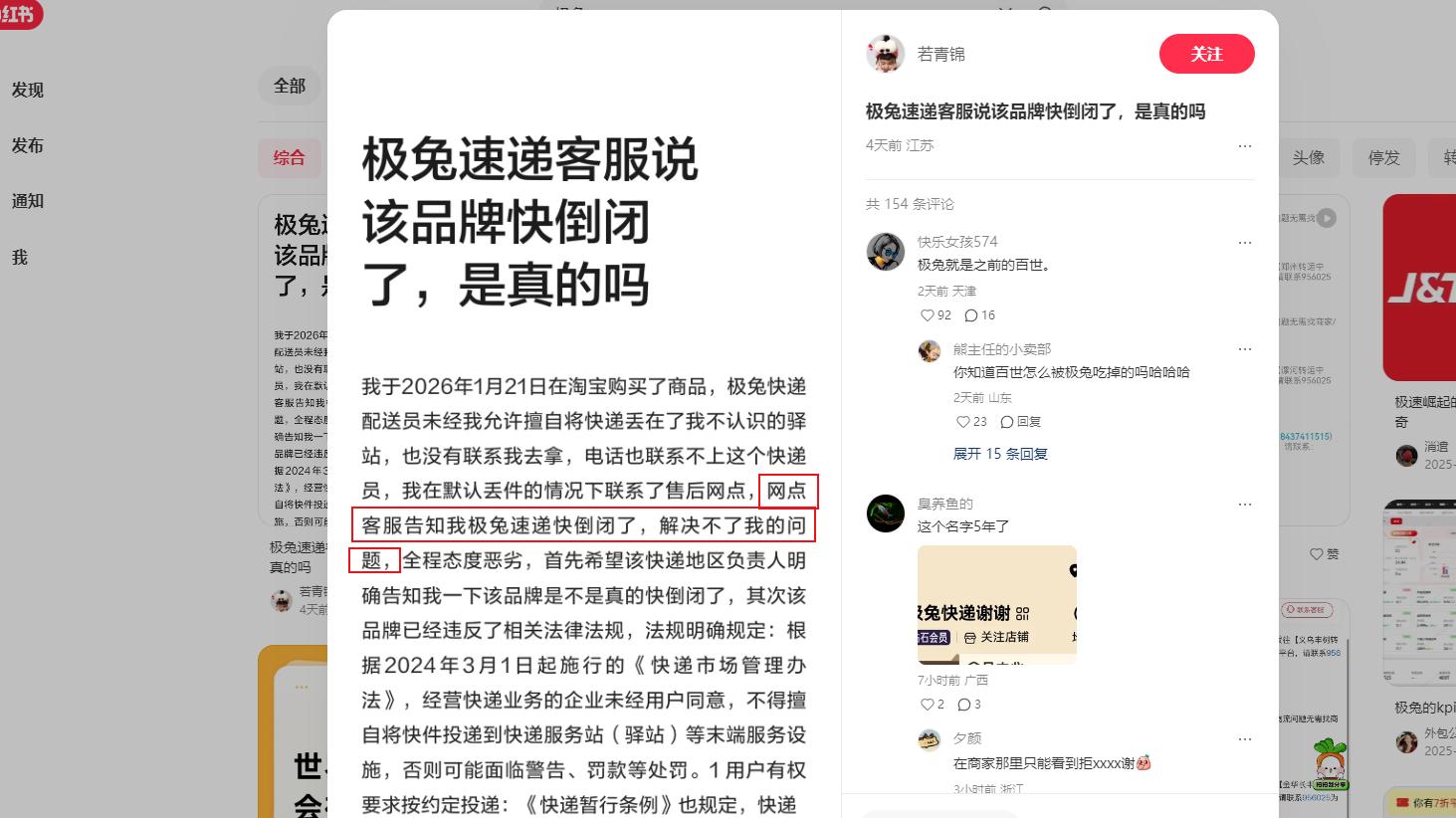
"极兔快倒闭了,你的问题解决不了。"2026年1月,有小红书网友称,从极兔速递的售后网点得到了如此回复。 不知道大家有没有类似的感觉,近两年,极兔在国内保持"静悄悄"的状态很久了。若去搜索"极兔"相关动态,抛却极兔偶尔传出的合作或融资的消息外,绝 大多数的公众讨论和舆论印象,停留在几年前。 如今,在小红书等社交媒体上,与极兔关联较多的最新内容,是消费者对极兔服务的吐槽。 那个曾以黑马之姿搅动行业格局的极兔,是在默默调整、蓄势待发,还是在悄然退出中国市场? 一、从狂飙到收缩:极兔中国战略转向 可以肯定的是,从公开信息来看,目前,极兔并没有退出中国市场,它依然在网络覆盖、电商合作与日常物流中保持着存在感。 它的存在感从其在中国市场的基建投入可以窥见。 据《财经网科技》2026年2月2日报道,在郑州新郑国际机场旁,占地面积19.87万平方米的极兔速递郑州转运中心,2025年完成新一轮智能设备升级。 2026年1月13日,极兔速递柳州智慧分拨中心二期项目启动仪式在柳江区长乐物流园隆重举行。 但不可否认,与早期狂飙突进的扩张相比,如今的极兔已进入深刻的战略调整期。这种调整,根源在于其赖以崛起模式的难以为继。 众所周知, ...
李佳琪带货的新疆网红奶,要破产了
3 6 Ke· 2026-02-05 04:17
Core Viewpoint - The article discusses the dramatic fall of Maqiu'er, a once-prominent dairy company in China, which faced bankruptcy due to a small debt of 595.49 million yuan, exposing deeper financial issues and mismanagement within the company [1][7][12]. Company Overview - Maqiu'er was celebrated for its high-quality dairy products, often referred to as "the Moutai of milk" and "the light of Xinjiang" [1]. - The company reached a market value of 50 billion yuan at its peak, but has now faced severe financial distress [1][15]. Financial Crisis - A recent court application for bankruptcy was triggered by a 595.49 million yuan equipment payment dispute, revealing the company's precarious financial state [7][8]. - As of September 2025, Maqiu'er had only 19 million yuan in cash, a significant drop from 370 million yuan, and an alarming debt ratio of 83%, far exceeding the industry average [8][14]. Historical Context - Founded by Li Yuhu, Maqiu'er began as a small food workshop in 1988 and grew into a major player in the dairy industry, capitalizing on Xinjiang's advantageous geographical conditions for dairy production [2][4]. - The company achieved rapid growth, becoming the first dairy company in Xinjiang to earn the "China Famous Brand" title by 2005 [5]. Marketing and Brand Development - Maqiu'er gained significant market presence through innovative marketing strategies, including a partnership with singer Dao Lang for advertising [3][5]. - The brand was propelled to fame in the late 2010s, becoming a "internet celebrity milk" through social media and influencer marketing [9][10]. Decline Factors - The company's decline began with a food safety scandal in 2022, where its products were found to contain prohibited substances, leading to substantial fines and loss of consumer trust [10][13]. - Financial mismanagement, including excessive marketing spending and neglect of product quality, contributed to its downfall [12][16]. Legacy and Lessons - The story of Maqiu'er serves as a cautionary tale about the risks of aggressive expansion and the importance of maintaining quality and financial prudence in business [15][16].
