3 6 Ke

Search documents
宇树对手都要IPO了
3 6 Ke· 2026-02-01 08:00
这是当下火热一幕:近日,星海图、众擎机器人相继完成股改。同一天,魔法原子也宣布正推进上市进 程。 一天时间,三个具身智能IPO浮现。 更早之前,宇树科技已经完成上市辅导,还有乐聚智能、云深处等明星企业均已向IPO发起冲刺。经历 一级市场火热融资阶段,上市开始成为大家抢占先机的关键筹码。目之所及,大家开始抢占上市先机。 另一边,半个月后的春晚舞台,将成为宇树们一个"超级路演舞台"。2026年,热闹就这样开始了。 2026,具身排队IPO 与星海图不同,众擎机器人聚焦双足机器人。年初,众擎机器人完成全球首例人形机器人前空翻,打破 了人们对机器人"僵硬"的刻板印象。此前自家"T800机器人踹翻创始人"的视频在网络走红,更是直接让 众擎机器人火出圈。 相比之下,同样传出IPO消息的魔法原子低调得多。官网显示,魔法原子成立于2024年1月,来自无 锡,创始人吴长征,正是前小米机器人负责人。1月23日,中央广播电视总台与魔法原子联合宣布,后 者成为总台《2026年春节联欢晚会》智能机器人战略合作伙伴,旗下机器人将登上春晚舞台。很快,魔 法原子联合创始人顾诗韬也明确对外表示,公司上市进程正加速推进。 不过,最受关注的IPO ...
智能手机2026:变局中的挑战与曙光
3 6 Ke· 2026-02-01 06:26
Core Insights - The smartphone industry is experiencing a significant downturn in expected shipments for 2026, with major manufacturers like Xiaomi and OPPO reducing their forecasts by over 20% [1][2] - The decline in shipments is primarily attributed to rising storage chip prices and supply shortages, leading to a strategic shift towards higher-value products [2][6] Group 1: Industry Dynamics - In 2025, the global smartphone shipment reached 1.26 billion units, with a 1.9% year-on-year growth, while China's market saw a slight decline of 0.6% [3] - Huawei regained its position as the leading smartphone manufacturer in China with a shipment of 46.7 million units, capturing a market share of 16.4% [3] - Apple and Vivo closely followed Huawei, with shipments of 46.2 million and 46.1 million units, respectively, indicating a highly competitive landscape [3][4] Group 2: Market Challenges - The price of storage chips is expected to rise significantly, with a projected increase of 40% to 50% in Q1 2026, further impacting manufacturers' cost structures [6][8] - The cost increase is particularly pronounced in low-end models, which may deter price-sensitive consumers from upgrading their devices [7][8] Group 3: Future Trends - The integration of AI into smartphones is anticipated to be a major trend, with new AI-enabled smartphone shipments expected to reach 147 million units in China, accounting for over 50% of the market [9] - The development and application of 2nm chips are also on the horizon, promising enhanced performance and efficiency for future smartphones [10]



李亚鹏一夜卖了1.6亿元普洱茶
3 6 Ke· 2026-02-01 06:02
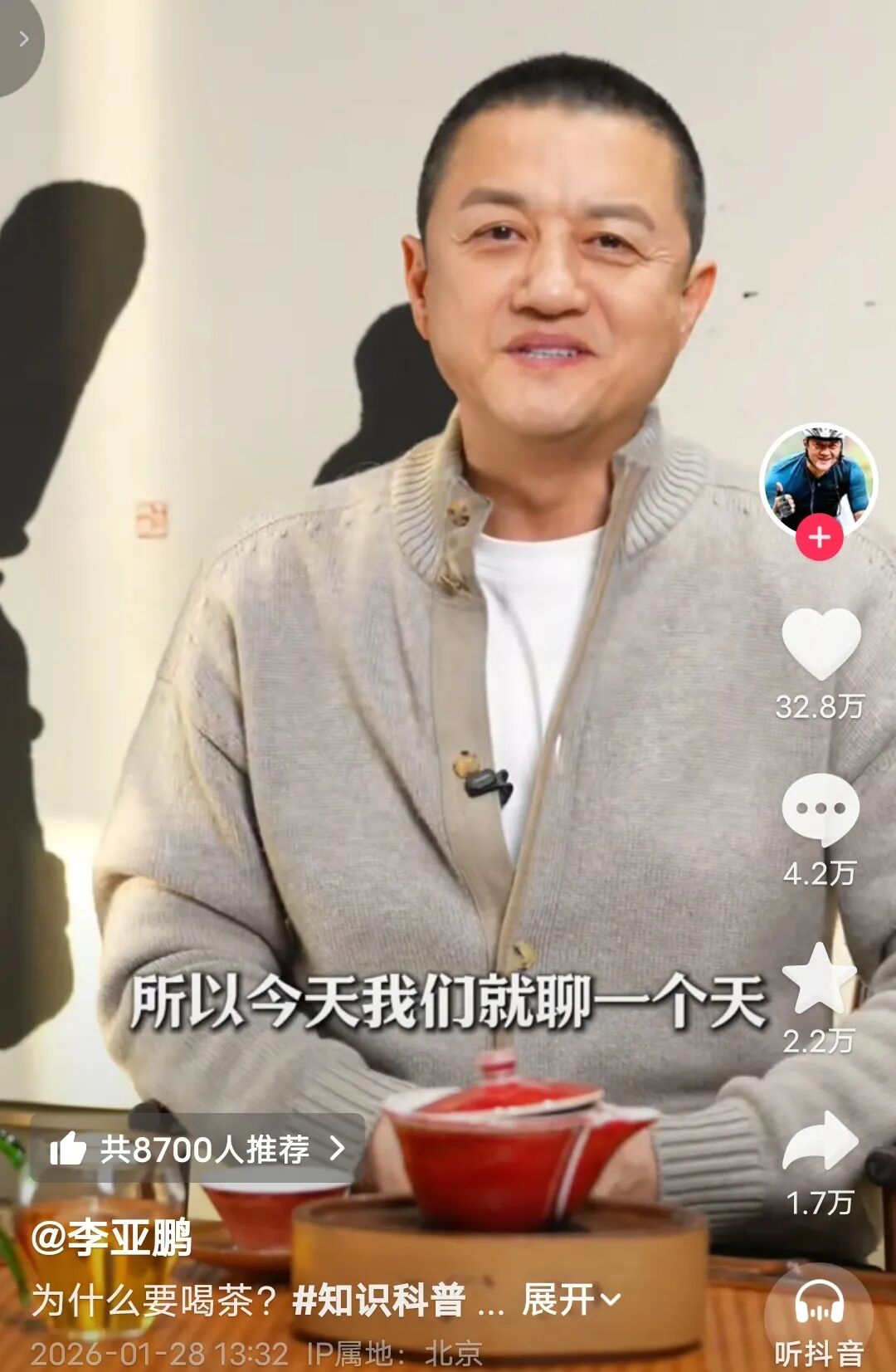
Core Insights - Li Yapeng has achieved a record-breaking sales figure of 1.62 billion yuan during a live-streaming event on Douyin, surpassing his previous record of 1 billion yuan just a week prior [1] - The surge in sales and popularity is attributed to the emotional appeal surrounding the impending closure of the Beijing Yanran Angel Children's Hospital, which Li Yapeng publicly addressed [5][6] - The hospital, founded to provide medical assistance to underprivileged children, is facing financial difficulties, with debts exceeding 30 million yuan [10][12] Group 1: Sales Performance - During a 6-hour live-stream, Li Yapeng's sales reached 1.62 billion yuan, with over 40.28 million viewers [1] - High-end tea products sold out rapidly, including a single product that generated over 12 million yuan in sales within 12 seconds [1] - Following the announcement of the hospital's financial struggles, Li Yapeng's personal Douyin account gained over 1.3 million new followers in just a week [7] Group 2: Hospital Financial Struggles - Yanran Hospital has accumulated debts of 30 million yuan, primarily due to unpaid rent and rising operational costs [10][12] - The hospital's patient volume has significantly declined, with a drop from 63,600 visits in 2018 to just 27,900 in 2020, representing a 58% decrease [9] - Despite the hospital's charitable mission, it has struggled to maintain financial sustainability, highlighting the challenges faced by non-profit medical institutions in China [12][14] Group 3: Public Perception and Image Transformation - Li Yapeng's image has shifted from a "discredited" figure to a "philanthropist" as public sentiment has turned in his favor due to his charitable efforts [6][7] - The emotional narrative surrounding the hospital's plight has resonated with the public, leading to increased donations and support for both Li Yapeng and the hospital [7][18] - However, there are concerns about the sustainability of this goodwill and whether it can translate into long-term financial stability for the hospital [18]

282亿,欧洲AI赛道最大的一轮融资诞生了
3 6 Ke· 2026-02-01 03:37
欧洲今年AI赛道最大的融资出现了。 近日,伦敦人工智能公司Synthesia宣布完成2亿美元E轮融资,估值达40亿美元。 与多数追逐通用大模型的初创公司不同,Synthesia专注企业级AI视频生成,帮助全球组织将文本知识高 效转化为多语言培训与沟通视频。 换句话说,Synthesia的核心价值在于帮助企业将已有的文本类知识资产——如操作手册、合规指南或培 训材料——高效转化为视频形式。对于跨国企业而言,传统视频制作流程复杂,涉及脚本、配音、拍摄 与后期,且每增加一种语言往往意味着重复投入。而Synthesia允许用户通过输入文本,在短时间内生成 由数字人主讲的多语言视频,大幅简化内容生产链条。 根据公司官网披露的信息,其客户包括可口可乐、辉瑞、埃森哲、摩根大通、联合利华和西门子等全球 性企业。这些客户主要将平台用于内部场景,如员工入职培训、产品知识传递和合规宣导,而非对外营 销。这种聚焦企业内部沟通的定位,使Synthesia避开了C端AI应用的激烈竞争,转而深耕高门槛、高留 存的市场。 从早期被近百家风投拒绝,到如今成为欧洲AI应用层的标杆,Synthesia的路径印证了一个趋势:在AI狂 热中,真正赢得 ...
Kimi K2.5成为OpenClaw首个宣布免费使用的主力模型
3 6 Ke· 2026-02-01 03:10
Core Viewpoint - OpenClaw, an AI intelligent agent, has announced that users can experience the Kimi K2.5 model and Kimi Coding capabilities for free, marking the first time a major model has been made available for free since OpenClaw gained popularity [1] Group 1 - OpenClaw has rebranded its AI intelligent agent from Clawdbot to OpenClaw [1] - The Kimi K2.5 model is now officially available for users to access without charge [1] - This initiative aims to enhance user engagement and broaden the accessibility of AI capabilities [1]
“不务正业”的半导体巨头
3 6 Ke· 2026-02-01 02:51
Group 1 - The core idea of the article is that several companies have successfully transitioned from their original industries to become key players in the semiconductor sector by leveraging their existing technologies and expertise [24][26][28] - Ajinomoto, originally a seasoning company, developed a thermosetting film called ABF from by-products, which now dominates 99% of the high-end CPU and GPU packaging market [1] - Donaldson, initially focused on tractor air filters, adapted its technology to create chemical air filtration systems for semiconductor clean rooms, ensuring high purity levels essential for chip manufacturing [4][19] - DISCO, which started as a manufacturer of grinding wheels, innovated ultra-thin cutting blades and specialized cutting machines, leading to a dominant market share in wafer cutting and grinding equipment [5][9][20] - Fujifilm transformed from a film company to a diversified high-tech group, successfully entering the semiconductor materials market by applying its expertise in photosensitive materials to photoresists [10][14][24] - Gore, known for its waterproof fabric, developed specialized cables for EUV lithography machines, showcasing the versatility of its ePTFE technology [15][17] - TOTO, a toilet manufacturer, leveraged its ceramic technology to produce components for semiconductor equipment, achieving significant profitability in this new sector [19] - JSR transitioned from synthetic rubber to become a leading supplier of photoresists, capitalizing on its polymer chemistry expertise [20] - HOYA, originally a glassware manufacturer, now plays a crucial role in the semiconductor industry by providing high-precision EUV mask substrates [21] - Henkel evolved from a detergent company to a major player in advanced packaging materials for semiconductors, utilizing its knowledge of surface chemistry [22] Group 2 - The common thread among these companies is their ability to understand the essence of their technologies and apply them creatively in new fields, demonstrating a long-term commitment to research and development [24][25][26] - The competition in semiconductor materials is fundamentally about "tacit knowledge," which cannot be easily transferred and requires years of experience to achieve high yield and consistency [25] - These companies often target niche markets rather than competing in larger, more saturated markets, allowing them to establish strong positions and maintain technological and profit barriers [25][26] - Japanese companies tend to rely on the chemical similarities of materials for their transitions, while Western companies focus on pushing existing processes to their limits in new applications [26]

中国公司全球化周报|安踏斥资123亿成为彪马最大股东/TikTok Shop 东南亚跨境电商推出春节专项激励政策
3 6 Ke· 2026-02-01 02:36
Group 1: Events and Collaborations - The "Dubai Business Forum - China" will take place in Shenzhen on May 14, 2026, focusing on economic growth opportunities and strategic investments between China and Dubai [2] - Anta Sports has acquired a 29.06% stake in Puma SE for €1.506 billion (approximately RMB 12.3 billion), becoming Puma's largest shareholder, aiming to enhance global collaboration [3] - Kimi's overseas revenue has surpassed domestic revenue, with a fourfold increase in global paid users following the launch of the K2.5 model [4] - Fengwu Technology and Zhongqing Robotics have formed a strategic partnership to promote their solutions in overseas markets [4] - Xiaomi launched the Redmi Note 15 series in Qatar, reinforcing its retail partnership with Intertec Group [4] Group 2: Market Developments and Investments - Ninebot's RoboVan has commenced regular operations in the UAE, with a new smart warehouse opening in Abu Dhabi [5] - AliExpress has become one of the fastest-growing platforms in the U.S. with an 18.7% increase in website visits in 2025 [6] - BYD is collaborating with Vietnam's Kim Long Motor to build a $130 million electric vehicle battery factory [6] - Winona, a brand under Betaini Group, has officially entered the Middle Eastern market with its first offline store in Qatar [6] - Chinese companies are experiencing a resurgence in building battery storage factories overseas, with significant investments in Egypt and the U.S. [7] Group 3: Financing and Growth - Qatar Investment Authority led a $150 million investment in Dongpeng Beverage, marking its first significant investment in the Chinese consumer sector [8] - Jumpshot Star has completed over RMB 5 billion in Series B+ financing to accelerate its AI terminal strategy [8] - Inge Smart has secured several million yuan in financing to expand its global market presence [8] - Future Robotics has completed several hundred million yuan in Series B financing, with products sold in dozens of countries [8] - Yinghansi Power has raised over RMB 100 million in multiple financing rounds to enhance its global market expansion [8] Group 4: Policy and Market Trends - The Ministry of Commerce in China plans to launch a national-level overseas comprehensive service platform to support businesses going abroad [9] - The Latin American e-commerce market is projected to reach $215.3 billion by 2026, growing at 1.5 times the global rate [10] - Russia is planning to impose new taxes on goods imported through cross-border e-commerce platforms to address tax discrepancies [11]


一家深低温技术公司完成近5亿元融资,已获得核聚变等领域客户数亿元订单|硬氪首发
3 6 Ke· 2026-02-01 01:32
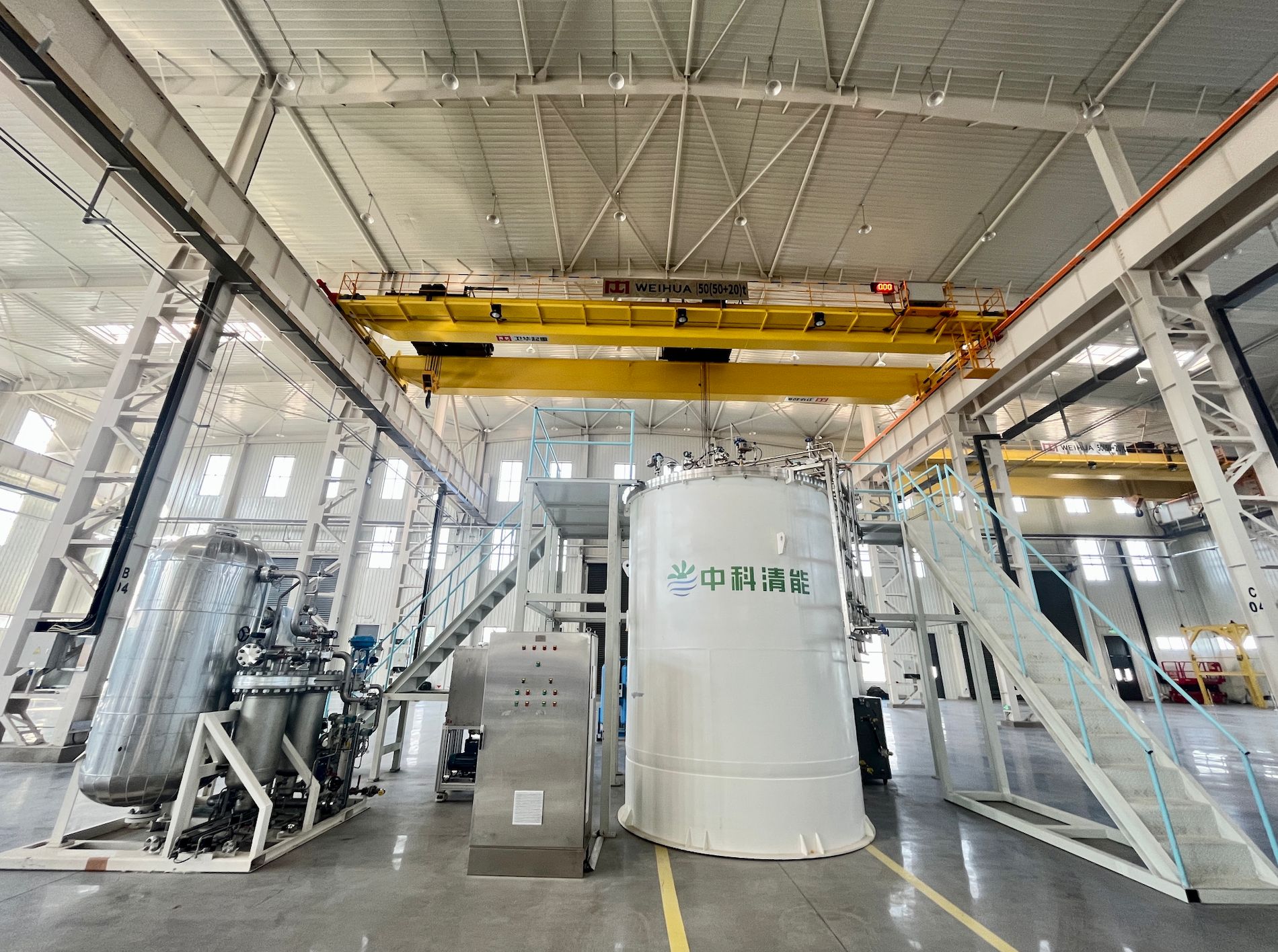
Financing Information - Henan Zhongke Qingneng Technology Co., Ltd. has completed nearly 500 million yuan in PreA++ round financing [1] - The financing round was led by Dinghui Baifu, with participation from multiple well-known investment institutions including NIO Capital, Guoxin Fund, and Kunpeng Capital [1] - The funds will primarily be used for the development and engineering delivery of large-scale liquid hydrogen systems, the largest domestic nuclear fusion refrigeration systems, and the construction of the second manufacturing center [1] Company Overview - Zhongke Qingneng was established in June 2022 and is located in Gongyi City, Henan Province [3] - The company focuses on deep low-temperature technology below 20K, specializing in the research, manufacturing, and operation of equipment in the fields of hydrogen liquefaction, helium liquefaction, and low-temperature sensing systems [4] Technological Highlights - The company has achieved several core breakthroughs in the field of deep low-temperature equipment, including a 3kW@4.5K helium refrigerator, which is the largest operating helium refrigeration system in the domestic nuclear fusion field [5] - The delivered 1 ton/day hydrogen liquefaction equipment is the first domestically produced liquid hydrogen equipment in the aerospace field, supporting the launch of the "Long March 8" rocket [5] - A 5 tons/day hydrogen liquefaction equipment has been successfully developed, with the related liquid hydrogen plant expected to be operational by September 2026, becoming China's first commercial 5 tons/day liquid hydrogen plant [5] Market Potential - The global deep cooling equipment market is projected to reach $25 billion by 2024, with China's low-temperature equipment industry expected to grow to 48.76 billion yuan in 2024, reflecting an 8.3% year-on-year increase [8] - By 2025, the market size is anticipated to reach 52.98 billion yuan, and it is expected to exceed 80 billion yuan by 2030, maintaining a long-term compound annual growth rate of 8%-9% [8] Team Background - The core technology system is derived from years of research in low-temperature magnetic confinement nuclear fusion at the Hefei Institute of Physical Science [9] - The CEO, Pan Weiwei, has extensive management experience and a solid research foundation, having previously served as the director of the China General Nuclear Power Group Research Institute [9] Strategic Focus - The company aims to address critical challenges in various industries, including quantum computing, medical accelerators, and aerospace, by providing essential low-temperature technology [10][12][13] - The focus on deep low-temperature technology is seen as a foundational infrastructure that supports many cutting-edge scientific endeavors [10][15]
汇川技术董事长朱兴明3小时深度反省:我们这两年最大的问题,不是战略,而是“人”
3 6 Ke· 2026-02-01 01:13
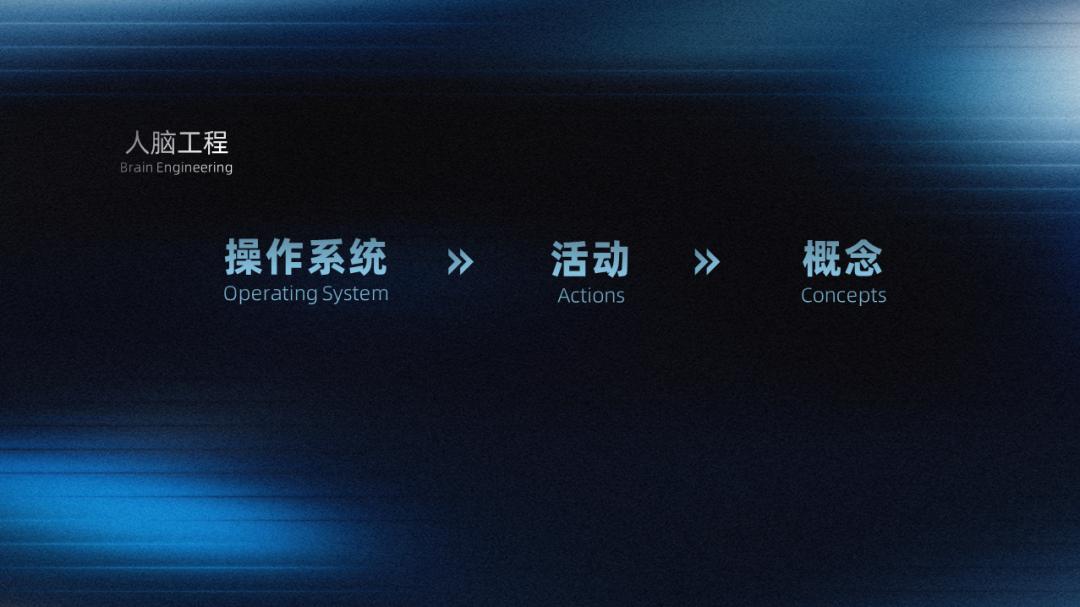
Core Insights - The speech by the chairman of Huichuan Technology, Zhu Xingming, focused on the company's evolution and the challenges faced in the past two years, particularly the stagnation in growth despite the booming new energy vehicle sector [1][5][6] - Zhu emphasized that the core issue lies not in strategy or products, but in the "human" aspect, specifically in cognition and the operational system within the organization [1][6] Group 1: Key Judgments - Stagnation in corporate growth is often due to reaching a "cognitive ceiling" rather than strategic errors [2] - Future competitiveness is determined more by "scenario capability" than by products [2] - Failures in strategic execution stem from a lack of precision rather than insufficient effort [2] - AI represents a "gray rhino-level" structural impact on industries [2] - Organizational issues ultimately relate back to "people" and "willpower" [2] Group 2: Human Brain Engineering - The company has initiated a "human brain engineering" project aimed at upgrading the cognitive operational system of employees [3][6] - Zhu has led the team in studying two books, "I Ching" and "The Power of Logic," to enhance cognitive frameworks [6][9] - Four key initiatives have been implemented: digital transformation, explosive product strategy, customer operation roadmaps, and cost reduction efforts [9][10] Group 3: Scenario and Ecosystem - The concept of "scenario" is emphasized as a competitive edge, moving beyond traditional product competition to focus on creating and reconstructing scenarios [13][15] - The company is working on creating new scenarios through digitalization and innovative products [15][17] - Understanding the ecosystem and its construction is crucial for future competitiveness [12][29] Group 4: Precision in Execution - The company has faced challenges in executing strategies due to a lack of consensus and precision in performance metrics [32][33] - The concept of "meta" is introduced to enhance organizational digitalization and management precision [35][36] - Emphasis is placed on managing value rather than just numerical performance indicators [38][40] Group 5: Willpower and Employee Engagement - The importance of willpower is highlighted as a driving force for employees to transform reluctance into willingness [53][54] - The company aims to create an environment that fosters independent thinking and personal growth among employees [57][58] - Time management and personal planning are essential for enhancing employee engagement and productivity [60][62]

专家预计房地产投资降幅将显著收窄,但仍待需求端支持措施加码
3 6 Ke· 2026-01-31 13:09
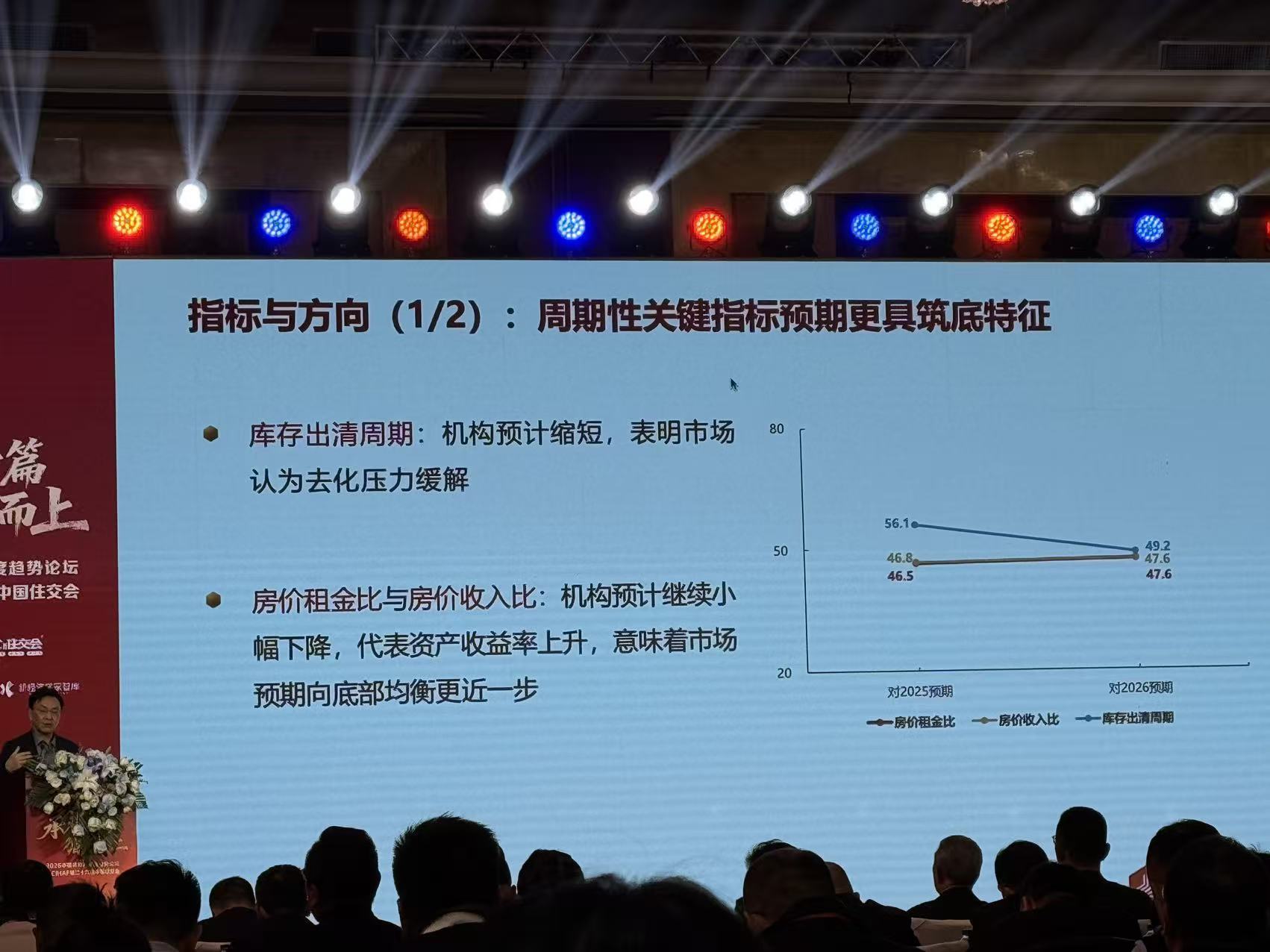
Core Insights - The forum held on January 29, 2026, focused on the future of China's real estate industry amidst macroeconomic changes and urban development strategies [1] - The real estate sector is transitioning from a phase of large-scale expansion to one of quality improvement and structural optimization, facing both challenges and opportunities [2] Group 1: Economic Outlook - 2026 marks the beginning of the "14th Five-Year Plan" and is seen as a critical transition period for the real estate industry towards high-quality development [2] - The industry has moved past large-scale expansion and is now in a phase of optimizing existing stock and improving quality, with a focus on stabilizing market confidence and addressing supply-demand imbalances [2] Group 2: Consumer Demand and Market Dynamics - Stable growth in consumer demand is essential for revitalizing the real estate market, which relies on improved employment, income, and asset stability [3] - Demand in 2026 is expected to improve, with a projected growth rate of 4%-5%, supported by ongoing consumer policies and recovery in employment and income [3] Group 3: Urban Renewal and Quality Housing - Urban renewal and the construction of quality housing are identified as key drivers for the industry's transformation, emphasizing the need for new supply rather than just new developments [4] - Policies related to urban renewal have been implemented frequently, with significant examples demonstrating successful revitalization and demand stimulation [4] Group 4: Market Predictions and Trends - The overall real estate market in 2026 is anticipated to exhibit an "L-shaped bottoming" pattern, with new residential prices expected to decline by 1% to 0%, indicating a gradual stabilization rather than a full recovery [5] - Core cities are expected to see moderate price increases of 2%-3%, while weaker cities may continue to struggle with high inventory and population outflows [7] Group 5: Policy Recommendations - Recommendations for 2026 include enhancing demand-side support through measures such as lifting purchase restrictions, increasing mortgage tax deductions, and optimizing housing fund policies to lower purchasing costs [7]