
Hu Xiu

Search documents
OpenAI想杀入苹果“腹地”
Hu Xiu· 2025-09-20 10:35
Core Insights - OpenAI is actively recruiting key talent from Apple, including hardware engineers and design experts, indicating a strategic shift towards hardware development [1][6][7] - The company has made significant moves to establish a hardware supply chain, including acquiring a hardware startup founded by Apple's former chief designer and collaborating with major suppliers [4][8] - OpenAI's ambition to enter the hardware market could redefine the AI industry's business models and create new competitive dynamics with established players like Apple [2][21] Group 1: OpenAI's Hardware Strategy - OpenAI's hardware ambitions can be traced back to a 2018 paper on robotic hands, but the focus on commercialization has intensified recently [2][4] - The acquisition of Jony Ive's hardware startup for approximately $6.5 billion enhances OpenAI's design capabilities and signifies a shift from a software-only model to a combined hardware-software approach [4][5] - OpenAI's recruitment of Apple employees with expertise in audio and wearable technology suggests a targeted strategy to build a competitive hardware portfolio [6][7] Group 2: Competitive Landscape - OpenAI's entry into hardware could disrupt Apple's dominance in the smart device market, particularly if OpenAI successfully launches innovative products like AI-powered smart glasses [11][12] - The potential for OpenAI to create an AI-native ecosystem may challenge Apple's tightly integrated iOS ecosystem, which has been a cornerstone of its competitive advantage [13][14] - OpenAI's strategy to develop its own AI chips, similar to Google's TPU and Apple's M-series, indicates a desire for comprehensive control over its hardware and software integration [8][21] Group 3: Market Implications - If OpenAI's hardware initiatives succeed, it could lead to a new revenue model combining hardware sales with subscription services, akin to Apple's business model [21] - The competitive pressure from OpenAI's hardware strategy may force Apple to innovate further to maintain its market position [9][10] - OpenAI's approach may serve as a blueprint for other AI companies, particularly in markets where hardware integration is less common [22][25]



看空“易中天”,怕高就是苦命人
Hu Xiu· 2025-09-20 09:50
Core Viewpoint - The article discusses the current state of the A-share market, particularly focusing on the "Yizhongtian" stocks, which are heavily influenced by AI computing power and have seen significant price increases. The article raises questions about whether these stocks are overvalued or undervalued and how investors should respond to the high valuations [1][2]. Industry Trends - The competition in AI computing power is not only about GPU capabilities but also about data transmission efficiency, where optical modules play a crucial role. The article compares GPUs to top chefs and optical modules to waitstaff, emphasizing the importance of efficient data transfer [2]. - The demand for optical modules is expected to rise due to the rapid development of AI, leading to upgrades in transmission speeds. The transition from 400Gb/s to 800Gb/s optical modules is already reflected in the performance of "Yizhongtian" stocks [3][5]. Performance Metrics - In the first half of 2025, the revenue and profit growth of key companies in the optical module sector were significant. For instance, Xinyi Sheng reported a revenue of 10.44 billion yuan, a year-on-year increase of 282.64%, while Zhongji Xuchuang's revenue was 14.79 billion yuan, up 36.95% [4]. - The sales volume of optical modules also showed strong growth, with Zhongji Xuchuang selling 9.05 million units, a 45.96% increase, and Xinyi Sheng selling 6.95 million units, a 112.53% increase [9]. Capital Expenditure Trends - Major tech companies are significantly increasing their capital expenditures, with a 69% year-on-year increase in Q2 2025, totaling $87.4 billion. This trend is expected to continue, with projected capital expenditures for major cloud providers reaching $333.8 billion in 2025 [10][11]. - Chinese internet giants are also ramping up their capital expenditures, with a 99.38% year-on-year increase in Q1 2025, totaling 55.01 billion yuan [11]. Future Projections - The market for 800G and 1.6T optical modules is expected to grow rapidly, with predictions indicating that the overall market size will exceed $22 billion by 2030 [5]. - By 2026, the performance of 1.6T optical modules is anticipated to start reflecting in the financial results of companies in the sector [8]. Valuation Considerations - Analysts have incorporated the expected performance from 1.6T optical modules and increased capital expenditures into their 2026 earnings forecasts, predicting significant profit growth for companies like Zhongji Xuchuang and Xinyi Sheng [16]. - The article suggests that the current market environment may allow for higher valuations, with a reasonable price-to-earnings (P/E) ratio for "Yizhongtian" stocks estimated between 30-40 times, potentially increasing to 40-50 times if liquidity improves [18][19].



现在的雨水不一样了,该为此担忧吗?
Hu Xiu· 2025-09-20 09:38
Core Insights - The article discusses the increasing presence of trifluoroacetic acid (TFA) in various environmental samples, including rainwater, lakes, rivers, and even human blood and urine, indicating a global trend of rising TFA concentrations [1][2][3]. Group 1: Environmental Impact - TFA levels in the leaves and needles of various tree species in Germany have increased by 5 to 10 times over the past 40 years [2]. - TFA is classified as a "forever chemical" due to its strong carbon-fluorine bonds, which make it resistant to natural degradation [3]. - The United Nations Environment Programme (UNEP) has assessed TFA's risk since 1998, concluding that its current risk is minimal, at least until 2100, although this assessment may be re-evaluated in 2024 [7][10]. Group 2: Regulatory Actions - Germany has proposed to classify TFA as a reproductive toxin and a highly stable substance, with public consultations ending on July 25, 2024 [10]. - European environmental scientists have expressed concerns that rising TFA levels could pose irreversible harm and have called for a broad ban on all PFAS, including TFA [11]. - Some countries, including Denmark and Minnesota, have begun to take action against pesticides that generate TFA, with Denmark announcing a ban on such pesticides by July 2025 [57]. Group 3: Sources of TFA - TFA enters the environment through various pathways, including the use of TFA in biological research and its release from industrial processes in agriculture, pharmaceuticals, and precision chemicals [15][16]. - The primary source of TFA in rainwater is attributed to the release of fluorinated gases, such as refrigerants, which can decompose and produce TFA [17][20]. - Research indicates that TFA may also be naturally generated in the ocean, with estimates suggesting that oceanic TFA could range from 60 million to 200 million tons [25][26]. Group 4: Health Concerns - Current studies suggest that TFA does not exhibit acute toxicity, with some researchers comparing its toxicity to that of table salt [39]. - However, there is growing evidence that TFA may have biological effects, including lowering lipid and cholesterol levels in mice [41]. - Concerns have been raised about TFA's potential impact on ecosystems, with studies indicating that TFA can accumulate in plants and affect soil pH levels [44][50]. Group 5: Future Directions - Researchers agree that more long-term toxicological data on TFA is needed to understand its effects fully and to identify all sources of TFA [52]. - The introduction of new fluorinated gases, such as HFOs, may lead to increased TFA production, prompting calls for the rapid phase-out of these substances [54][56]. - Ongoing debates among researchers and regulatory bodies highlight the urgency of addressing TFA emissions and their potential environmental and health impacts [59].
鲍威尔“大战”特朗普,11:1赢得一场独立性之战
Hu Xiu· 2025-09-20 09:00
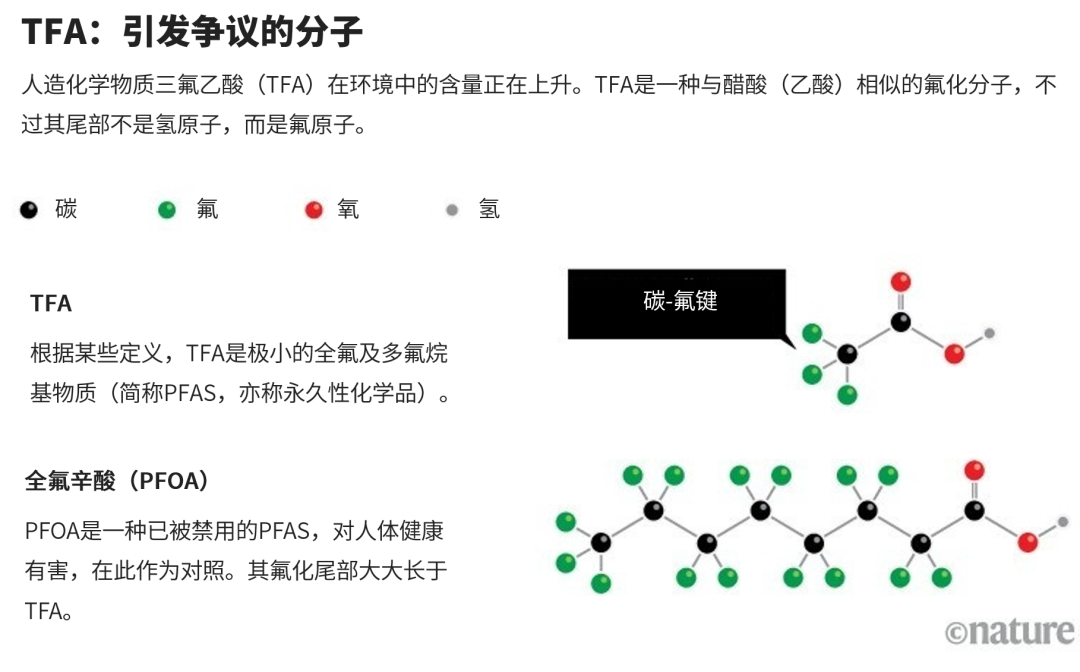
Core Viewpoint - The Federal Reserve has initiated a rate cut, reflecting its "survival wisdom" under political pressure from the White House, particularly from Trump, who has remained unusually silent on the matter [1][4][6]. Group 1: Federal Reserve's Decision - The Federal Reserve's decision to cut rates by 25 basis points was passed with a surprising 11-1 vote, showcasing unexpected unity within the institution despite external pressures [2][10]. - Powell characterized the rate cut as a "risk management decision," indicating that the Fed believes its policies have been on the right track this year [6][19]. - The recent adjustment comes amid a backdrop of significant downward revisions in non-farm employment data, with a reduction of 910,000 jobs, highlighting the economic challenges faced [7][19]. Group 2: Political Dynamics - The meeting was described as a "showdown" between the Federal Reserve and the White House, with Powell managing to maintain internal unity despite the political climate [9][10]. - The vote reflected a temporary victory for the Fed's independence, as the majority of members supported the rate cut despite potential pressures from Trump [10][12]. - The only dissenting vote came from a newly appointed member who advocated for a more aggressive 50 basis point cut, indicating ongoing divisions within the Fed [11][13]. Group 3: Economic Implications - The rate cut is seen as a preventive measure to safeguard economic growth before a potential recession, with Powell acknowledging signs of a weakening job market [18][19]. - Historical precedents for preventive rate cuts have led to varied outcomes, including soft landings, recessions, and high inflation, raising questions about the current economic trajectory [21][26]. - Analysts express concerns that the current economic issues stem from rising costs rather than insufficient demand, suggesting that excessive monetary easing could exacerbate inflation [27][28].
“创新药一级市场不能再冷下去了”
Hu Xiu· 2025-09-20 08:14
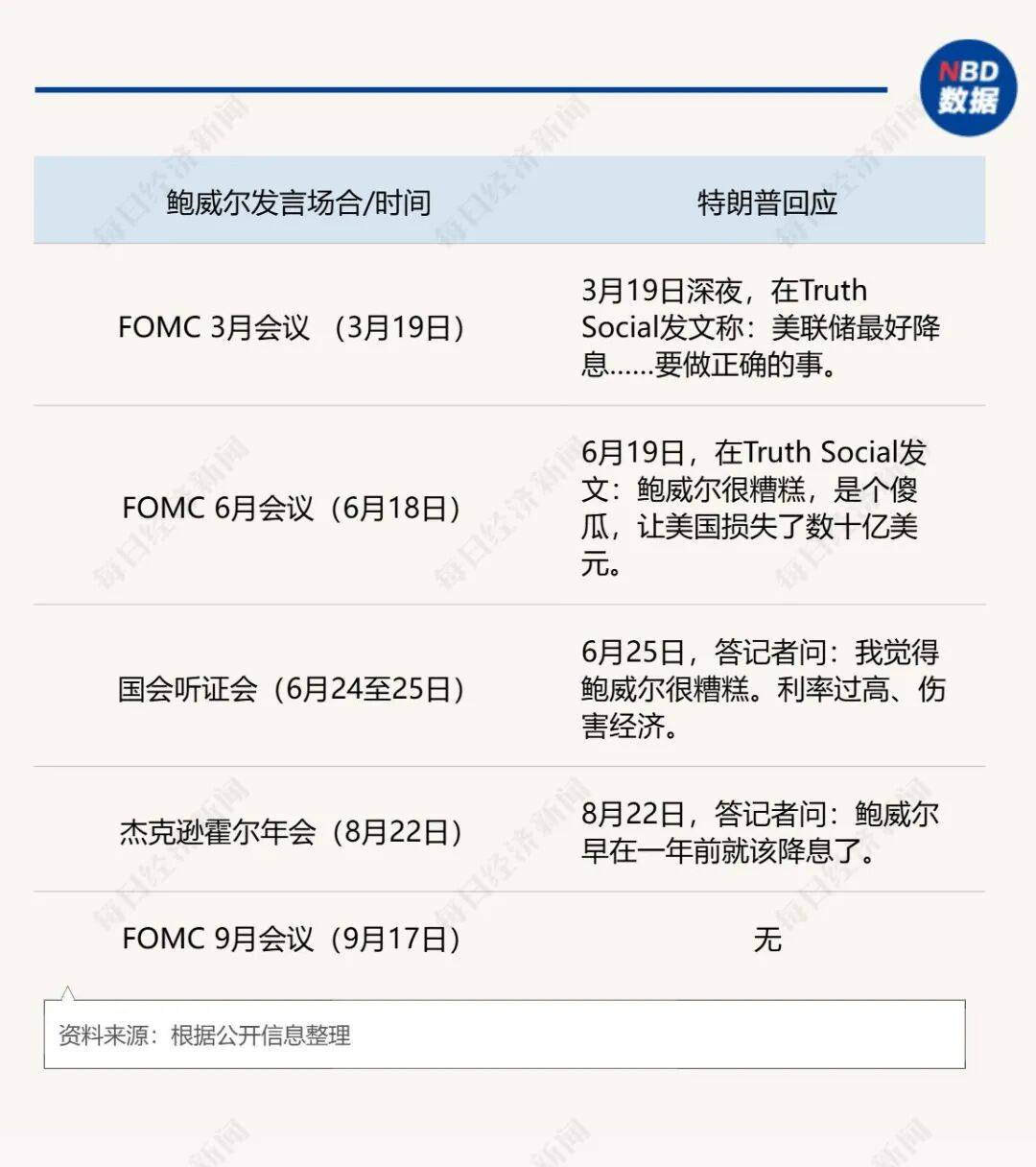
Group 1 - The core viewpoint of the article highlights the contrasting dynamics in the innovative drug market, where while there is a resurgence in public market interest, the primary market remains challenging for fundraising [1][4][22] - In 2025, over 60 innovative drug companies saw their stock prices double, driven by numerous business development (BD) transactions, yet the primary market for innovative drugs is still experiencing a downturn, with a 7.4% decrease in financing events and a 24.5% drop in total financing amount compared to the previous year [3][4] - A survey indicated that 60% of biotech leaders believe the primary market has emerged from its lowest point, but 33% feel it remains stagnant, reflecting ongoing difficulties in fundraising [4][13] Group 2 - Founders of innovative drug companies report significant challenges in securing funding, with one entrepreneur stating that it often requires discussions with over 100 institutions to secure investment [2][14] - The investment landscape has shifted, with investors now focusing more on the commercialization capabilities of companies rather than just scientific concepts, indicating a more cautious approach to funding [15][16] - The current investment environment is characterized by a preference for later-stage assets, with investors seeking clear milestones and clinical data to support funding decisions [15][17] Group 3 - The exit environment remains pressured, with 74% of biotech respondents indicating that the lack of exit channels is a major factor affecting investment enthusiasm [23][24] - Despite some improvements in the IPO landscape, many companies still face difficulties in finding buyers for their shares, leading to a stagnation in the cash flow cycle of equity investments [25][26] - The pressure for exits is compounded by the reluctance of state-owned capital to take on high-risk, non-profitable assets, further complicating the fundraising landscape [26][31] Group 4 - There is a concern that the current wave of BD transactions may lead to a gap in investment opportunities in the future, as the influx of capital has not kept pace with the needs of emerging technologies [33][34] - Data shows a stark contrast in financing amounts between domestic and international markets, particularly in gene therapy, indicating a potential lag in innovation if funding does not improve [34] - Investors express cautious optimism about the future, suggesting that a stable policy environment and successful public market performance could stimulate renewed interest in the primary market [34][35]
70名员工,估值70亿
Hu Xiu· 2025-09-20 07:29
Group 1 - The extreme demand for top AI talent has led to significant poaching within the AI industry, with Meta recently hiring AI expert Pang Ruoming from Apple for over $200 million, setting a new record for executive transfers [1][2] - Google acquired the founders and core team of Character.ai for $2.7 billion, which included a non-exclusive license for their AI model, strategically weakening a potential competitor [8][10][11] - Character.ai, despite losing its founders, managed to achieve over $100 million in annual revenue under the leadership of its remaining employees, who took over the company [6][18][20] Group 2 - Following the acquisition of its founders, Character.ai's remaining team, about 70 employees, appointed a temporary CEO and shifted focus to consumer products, leading to significant growth in user engagement [19][20] - The company is projected to reach an annual revenue of $36 million by the end of 2025, driven by a subscription model charging users $9.99 per month [20][21] - Character.ai faces ongoing challenges, including high operational costs, regulatory scrutiny, and intense competition from other tech giants and startups in the AI space [25][26][27] Group 3 - The acquisition of Character.ai's founders by Google reflects a broader trend in the AI industry where major companies are systematically acquiring promising startups and their talent to mitigate competition [16][17] - The financial backing from Google, including a significant payment for the non-exclusive license, has provided Character.ai with a buffer to continue operations and explore future growth [22][23] - Character.ai is currently considering options for either selling the company or raising additional funds, with discussions ongoing for a potential valuation exceeding $1 billion [28][29]




年轻人提前退休第一步:下班养鸡
Hu Xiu· 2025-09-20 07:04
最近年轻人们的精神状态,主打的就是一个返璞归真。找对象要找老款的,要像蜂蜜小蛋糕一样简单务实,没事儿就领着你去吃过桥米线和麻辣烫;吃饭 也要吃老款的,比起吃预制菜,还是大厨现炒的更安心;如今,谁能想到,年轻人就连养宠物,也开始养"老款宠物"了。 所谓"老款宠物",就是最近在互联网上爆火的芦丁鸡,这种鸡生命周期短,只能活两三年;也不怎么需要人照料,买一个观赏箱就能拎鸡入住。 漂泊在大城市的年轻人养宠物,大概经历过几个阶段。先是养最常规的小猫小狗,但它们需要耗费大量的精力;后来大家开始养相守蟹、小乌龟这种迷你 宠物,不用费心照料,也花不了什么钱;芦丁鸡爆火后,年轻人才发现,养宠物原来可以不只是自己为它付出,宠物还能"乌鸦反哺"。 一些年轻人养了芦丁鸡后才发现,这才是大城市年轻人最简单的解压方式。"这种小鸡更像是一种小鸟,体型不会长得太大,也不会像其他公鸡那样大喊 大叫,早上打鸣吵到邻居。它们的叫声更像是一种ASMR,而且会很规律地每天产蛋。当你早上用手去它们的草窝里掏蛋时,就会感受到一种回到农村老 家的松弛感。" 打工人平时感到孤独时,虽然也想养猫养狗,但总是会出于责任心而犹豫,生怕自己加班太晚,没时间喂食遛弯, ...

香飘飘为何“飘”不动了?冲泡式奶茶的深刻危机
Hu Xiu· 2025-09-20 07:04
Core Insights - The company Xiangpiaopiao, once a leading brand in the milk tea market, is facing significant challenges, with a projected revenue of 1.04 billion in the first half of 2025, representing a year-on-year decline of 12.21% [1] - The company is also expected to incur a loss of 97.39 million, marking its sixth consecutive year of reporting losses since 2020 [1] - The decline in performance highlights a dramatic fall from its previous status as a market leader, indicating increased competition and changing consumer preferences [1]

特朗普大幅提高“美国移民门槛”,印度人懵了
Hu Xiu· 2025-09-20 06:24
Group 1 - The Trump administration is implementing a new immigration policy that directly ties U.S. work and residency rights to financial contributions, effectively creating a "price list" for American identity [2][6] - The H-1B visa application fee will increase dramatically from several thousand dollars to $100,000 annually, fundamentally changing the application process from a lottery to a capital-based system [3][7] - The new "Gold Card" program allows foreigners to pay $1 million for a visa similar to a green card, with expedited processing but still requiring thorough background checks [9][10] Group 2 - The policy is expected to generate "hundreds of billions" in revenue, primarily impacting the technology sector, which is the largest user of H-1B visas [12][13] - Major tech companies like Amazon, Google, and Microsoft will face significantly increased labor costs due to the new $100,000 fee for H-1B visas [13][14] - There is a divide in the tech industry regarding the new policy, with some leaders supporting the high fees to attract top talent, while others express concern that it may hinder competitiveness in critical technology sectors [14][15] Group 3 - The changes will disproportionately affect Indian nationals, who made up 71% of H-1B visa approvals last year, creating uncertainty for approximately 700,000 current H-1B holders [5][16] - The new policy may face legal challenges due to the unconventional method of implementation through executive order, bypassing the usual legislative processes [17][18] - This immigration reform places the U.S. at a crossroads, questioning whether to maintain an open approach to attract innovation or to establish financial barriers for entry [18]

当AI开始闹情绪,打工人反向共情
Hu Xiu· 2025-09-20 05:15
Core Insights - The article discusses the evolving interaction between users and AI models, highlighting the growing preference for AI with distinct personalities rather than just functional capabilities [1][10][11] Group 1: User Experience with AI - Users are increasingly sharing experiences of interacting with AI models that exhibit unique personalities, such as Gemini, which can express emotions and even "break down" during tasks [2][4][21] - The phenomenon of users empathizing with AI's "failures" and "emotional outbursts" is becoming common, as they find these traits relatable and entertaining [20][21][24] - Different AI models are characterized by their personalities, with users describing them in human-like terms, such as Gemini being sensitive and DeepSeek being more carefree [13][19][24] Group 2: Market Trends and AI Development - The demand for AI with personality traits is leading to a competitive landscape where companies are focusing on developing more relatable and engaging AI models [32][36] - OpenAI and other tech giants are actively working on features that allow users to select AI personalities, indicating a shift towards more personalized AI interactions [37][38] - The concept of "personality economics" in AI is emerging, with companies like Musk's XAI successfully launching AI characters that resonate with users, demonstrating the market potential for personality-driven AI [34][35] Group 3: AI Training and Personality Development - Research indicates that the introduction of human feedback during the training of AI models can enhance their personality traits, making them more relatable to users [25][30] - As AI models grow in complexity, they exhibit emergent behaviors that can surprise developers, leading to unexpected interactions with users [31][32] - The ability for users to "train" AI personalities through prompts is becoming a key feature, allowing for tailored interactions based on user preferences [28][29]
