Tai Mei Ti A P P

Search documents
第三届零碳协同创新大会在成都举办,又有4家上市公司加入“供应链ESG管理倡议”
Tai Mei Ti A P P· 2025-06-30 04:31
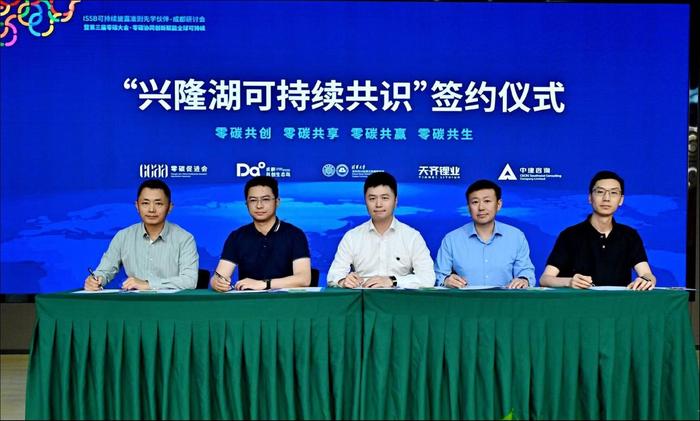
Group 1: Conference Overview - The third Zero Carbon Collaborative Innovation Conference was held in Chengdu, focusing on the theme of "ISSB Sustainable Disclosure Standards Learning Partner" [1] - The conference attracted over 200 guests from various sectors, including enterprises, universities, and research institutions, to discuss the application and implementation of ISSB standards [1] Group 2: Key Presentations - The ISSB Chairman's advisor, Zhang Zhengwei, emphasized the transition of sustainability disclosure from non-financial to financial reporting, highlighting its significance in integrating sustainability into core business value creation [1] - Tianqi Lithium's Executive Vice President, Zou Jun, discussed the symbiotic relationship between the lithium industry and net-zero goals, stressing the importance of innovation and collaboration across the supply chain to achieve carbon reduction targets by 2030 [2] - Zhang Guohao from China Southwest Architectural Design and Research Institute introduced a new model for integrated low-carbon renovation services in the construction industry, focusing on design consulting as a key link to address market disconnections [2] - Ndidi Nnoli-Edozien from ISSB highlighted the importance of multi-stakeholder collaboration in global sustainability efforts, calling for Chinese enterprises to contribute their insights for impactful global standards [3] Group 3: Initiatives and Agreements - The conference saw the signing of the "Xinglong Lake Sustainable Consensus," aimed at creating a national near-zero carbon demonstration zone through collaborative efforts in technology and resource integration [6] - The "Supply Chain ESG Management Initiative" expanded to include four new companies, enhancing its influence and supporting the construction of a sustainable supply chain aligned with the UN's 2030 Sustainable Development Goals [6] Group 4: Challenges and Focus Areas - The chairman of the Chengdu Zero Carbon Collaborative Innovation Promotion Association, Zhang Yalong, raised concerns about the stagnation of over one-third of the established 2030 sustainable development goals, particularly in areas affected by climate change [4] - The need for trust-building in social sustainability was emphasized, linking it to geopolitical issues and the broader impacts on digital and social relationships [4]

华为缘何开源盘古大模型?
Tai Mei Ti A P P· 2025-06-30 03:23
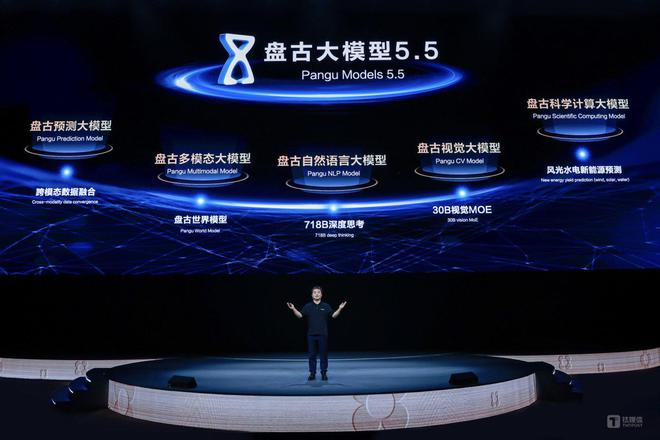
Core Insights - Huawei officially announced the open-sourcing of the Pangu 70 billion parameter dense model and the Pangu Pro MoE 720 billion parameter mixture of experts model, marking a significant step in its Ascend ecosystem strategy aimed at advancing AI technology and its applications across various industries [2][3]. Group 1: Open-Sourcing Details - The Pangu Pro MoE 72B model weights and basic inference code are now available on the open-source platform, with the Pangu 7B model weights and inference code expected to be released soon [2]. - This is Huawei's first announcement of open-sourcing the Pangu large models, emphasizing the concept of "open for ecology" to foster technological growth [2][3]. Group 2: Strategic Implications - Huawei's decision to open-source only two widely used models reflects a cautious approach, focusing on models that are moderately parameterized and have balanced performance, suitable for applications like intelligent customer service and knowledge bases [2][3]. - The Pangu Pro MoE model, with its sparse activation and dynamic routing features, is better suited for more complex tasks, indicating a strategic choice in model selection [2]. Group 3: Ecosystem Development - The open-sourcing of the Ascend-based model inference technology is crucial for enhancing the adaptability of domestic AI infrastructure, which is essential for developers to effectively utilize Pangu models [3][4]. - Huawei aims to create a closed-loop system from models to hardware to application scenarios, enhancing its full-stack AI capabilities and ensuring a competitive edge in the market [4]. Group 4: Market Positioning - The launch of the new generation of Ascend AI cloud services based on the CloudMatrix 384 super-node architecture was announced, further solidifying Huawei's position in the AI computing market [3][4]. - The integration of Pangu models with Ascend chips is designed to embed Huawei's hardware deeply into the AI industry chain, similar to how NVIDIA's CUDA ecosystem supports large models [4].
岚图的“听劝式进化”:FREE+是补课还是突围?
Tai Mei Ti A P P· 2025-06-30 03:23
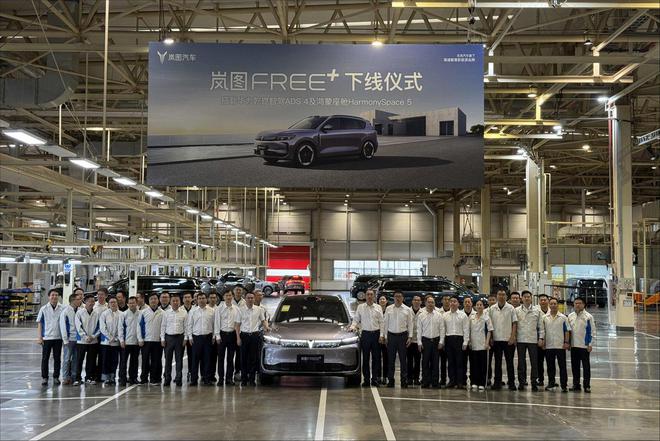
Core Viewpoint - The launch of the Lantu FREE+ marks a significant strategic shift for the company, aiming to strengthen its presence in the competitive SUV market and address previous shortcomings in product lifecycle management and user engagement [2][3][4]. Product Development - The Lantu FREE+ has undergone extensive upgrades, with over 5 billion yuan invested and 1,366 enhancements, including 82 features that are first in its class, indicating a comprehensive technological advancement [2][3]. - The vehicle is positioned as a new model rather than a mere facelift, reflecting a shift from an engineering-led approach to a market-oriented strategy [3][4]. Market Positioning - The introduction of FREE+ is a response to the growing competition in the high-end electric vehicle market, particularly against models like Li Auto L6 and AITO M7, which have gained significant traction [4][11]. - Lantu aims to leverage external technologies such as Huawei's ADS 4.0 and Harmony OS 5 to enhance its product offerings and user experience [3][4]. Brand Strategy - The company is actively working to improve its brand presence and user engagement through targeted marketing strategies, including collaborations with public figures and a focus on family-oriented features [13][14]. - Lantu's goal is to achieve a sales target of 200,000 units by 2025, which requires a significant increase in monthly sales, particularly in the competitive SUV segment [14][15]. User Engagement - The development of FREE+ emphasizes user feedback, with many upgrades based on direct consumer input, showcasing a commitment to creating a responsive product development cycle [10][11]. - However, there are concerns that an overemphasis on user suggestions could dilute the product's unique positioning and brand identity [10][15]. Competitive Landscape - Lantu's current market presence is heavily reliant on its MPV model, the Dreamer, which has achieved notable sales but lacks a strong SUV offering, making the FREE+ critical for brand diversification [11][14]. - The company faces challenges in establishing a sustainable brand identity and must navigate the complexities of market demands while maintaining a clear product vision [15].
透视固态电池:大厂“军备竞赛”下的疯狂、预期和困局 | 行业风向标
Tai Mei Ti A P P· 2025-06-30 01:20
Core Viewpoint - The solid-state battery concept has gained significant momentum, with the solid-state battery index rising by 11.33% recently, leading to a bullish market for related stocks, despite underlying technological and commercialization challenges [2][4][17]. Market Performance - Since April 9, the solid-state battery index has increased by over 44%, significantly outperforming the broader market's 12.79% gain during the same period [4]. - Notable stock performances include Nord Shares (105.13% increase), Keheng Shares (four consecutive 20% limit-ups), and Jinlongyu (eight limit-ups since May 20) [2][4]. Investment Dynamics - The surge in the solid-state battery sector is largely driven by speculative trading, with significant participation from retail investors and institutional funds [6][7]. - Various well-known trading groups and quantitative funds have been actively involved in the trading of stocks like Jinlongyu and Nord Shares, indicating a strong speculative interest [6][7]. Positive Developments - Recent announcements, such as the release of national standards for electric vehicle batteries and BMW's road testing of solid-state battery vehicles, have fueled market optimism [7][8]. - The establishment of industry standards and successful technological advancements, such as QuantumScape's improved production efficiency, have further catalyzed investor interest [8][9]. Technological Trends - The solid-state battery industry is focusing on solid electrolytes, with a shift from multiple technological routes to a more concentrated approach, particularly towards sulfide-based electrolytes [11][12]. - Major companies, including CATL, BYD, and QuantumScape, are investing heavily in research and development of solid-state battery technologies [12][16]. Production and Commercialization Challenges - Despite the positive market sentiment, significant gaps remain between laboratory advancements and commercial production, with ongoing concerns about technology and cost [3][17]. - Many companies in the sector report minimal revenue from solid-state battery initiatives, indicating that commercial viability is still a work in progress [17]. Future Outlook - Analysts predict that small-scale production of solid-state batteries may begin around 2027, with potential applications expanding in various sectors by 2030 [16][19]. - The industry faces challenges in balancing performance metrics such as energy density, safety, and cost, with ongoing research into hybrid approaches to solid-state battery technology [19].







上线独立App,支付宝医疗AI这盘棋要怎么下?
Tai Mei Ti A P P· 2025-06-30 01:08
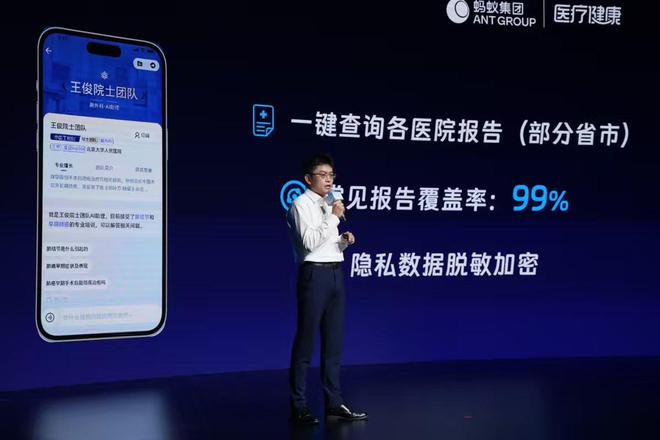
Core Insights - Ant Group is gradually positioning its healthcare sector as one of its core businesses, launching the AI health application "AQ" which serves as an AI-based health manager providing various health-related services [2] - The application connects over a thousand hospitals and nearly a million doctors, integrating with home chronic disease management devices and wearable technology from brands like Huawei and Apple [2] Group 1: AI Health Application "AQ" - AQ is designed to offer health education, consultation, report interpretation, and health record management through a conversational interface [2] - The launch of AQ is part of Ant Group's broader strategy in AI healthcare, which began in 2023 with collaborations and acquisitions aimed at enhancing digital health capabilities [2] Group 2: AI Medical Model and Credibility - The AI model behind AQ is built on a robust foundation of extensive medical data, utilizing over a trillion tokens of professional medical corpus to support a multi-modal model with hundreds of billions of parameters [3] - The credibility of the AI medical avatars is reinforced by targeted learning from real doctors' clinical experiences, ensuring that the AI closely mimics the diagnostic logic of actual physicians [3][4] Group 3: Integration and Ecosystem Strategy - Ant Group's healthcare strategy aims to create a comprehensive service ecosystem by integrating various healthcare services, including insurance payments and hospital appointments, to enhance user experience [5] - The company plans to launch an open platform for AI medical agents in Q3, allowing for the integration of more healthcare AI capabilities [5] Group 4: Challenges in AI Healthcare - The AI healthcare sector faces regulatory challenges, with current industry standards for AI medical products being fragmented and still in development [7] - Ant Group acknowledges the complexity of integrating with traditional healthcare systems and the need to address institutional pain points to achieve deeper integration [7] - While short-term commercialization is not a primary goal, the long-term sustainability of a business model remains a critical question for AI healthcare companies [7]
硅谷大厂“杀疯了”!华人AI大牛被疯狂挖角,黄仁勋买完公司再收清华“天才少年”
Tai Mei Ti A P P· 2025-06-29 12:52
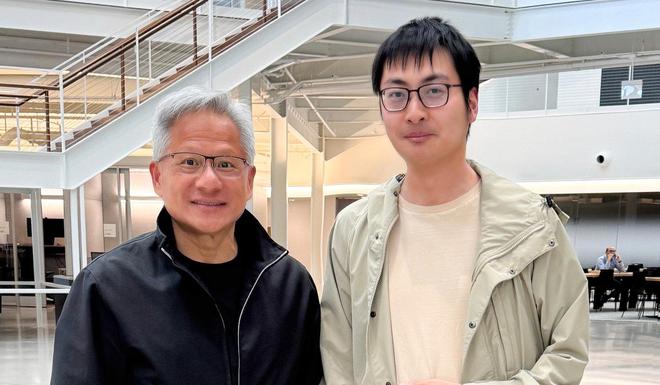
Core Insights - Major tech companies like Nvidia and Meta are aggressively recruiting top Chinese AI talent to maintain their leadership in the AI sector [2][6][18] - Nvidia's CEO Jensen Huang personally recruited two prominent Chinese AI researchers, Banghua Zhu and Jiantao Jiao, who co-founded the AI company Nexusflow [2][8] - Meta has successfully hired four leading Chinese AI scholars from OpenAI, indicating a fierce competition for AI talent among tech giants [2][15][18] Group 1: Talent Acquisition - Nvidia appointed Banghua Zhu as its Chief Research Scientist and Jiantao Jiao as part of its Star Nemotron team, highlighting the company's strategy to integrate top talent [2][11] - Meta's recruitment of Shuchao Bi, Jiahui Yu, Hongyu Ren, and Shengjia Zhao from OpenAI reflects a broader trend of tech companies targeting high-caliber AI researchers [15][18] - The competition for AI talent is intensifying, with companies offering substantial financial incentives, including reports of signing bonuses reaching $100 million [17][18] Group 2: Industry Dynamics - The global AI landscape is becoming increasingly competitive, with OpenAI's leading position being challenged by emerging models from companies like DeepSeek and Google [6][24] - Major tech firms have invested over $100 billion in AI, indicating a significant strategic commitment to this sector [6][24] - The recruitment of top talent is seen as a critical factor in the ongoing "asymmetric war" in the AI industry, where larger companies have more resources [6][24] Group 3: Company Strategies - Nvidia's acquisition strategy includes not only hiring talent but also acquiring companies like Nexusflow to consolidate technological expertise [12][22] - Meta's investment in Scale AI and the recruitment of its founder to lead a new research lab demonstrates a proactive approach to enhancing its AI capabilities [19][22] - Nvidia's recent acquisitions and investments in AI-related startups have significantly increased, with over 50 financing activities and a total investment exceeding $1 billion in 2024 [20][22] Group 4: Future Outlook - Analysts predict Nvidia will dominate the AI data center chip market, holding an estimated 80%-85% share, with projected earnings per share increasing to $7.23 by 2027 [23][24] - The potential market capitalization of Nvidia could reach $5 trillion, driven by advancements in AI technology and infrastructure [24] - The U.S. government's focus on AI as a strategic technology is expected to accelerate domestic AI ecosystem development, with plans for significant investments and regulatory adjustments [25][26]


“点评不需要一定要成交”,非商业化的大众点评不是美团的影子
Tai Mei Ti A P P· 2025-06-29 06:10
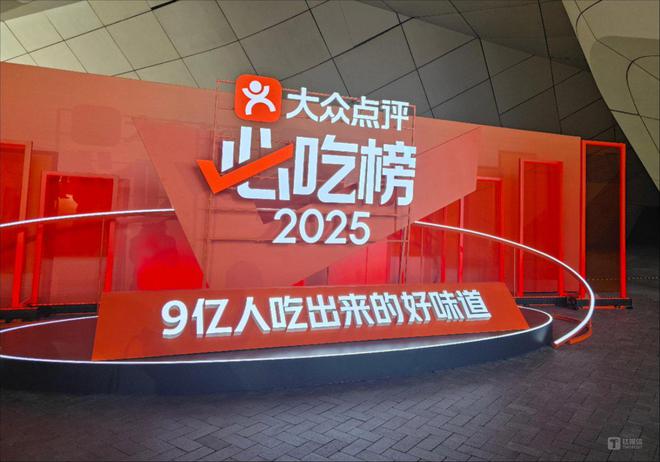
Core Insights - The 2025 "Must-Eat List" by Dianping was unveiled in Nanjing, featuring 3,091 restaurants across 144 cities, with Shanghai, Beijing, Chengdu, Chongqing, and Shenzhen being the top five cities in terms of the number of listed restaurants [2] - Over half of the restaurants on the 2025 list are newcomers, with more than 2,400 being lesser-known local eateries and over 1,200 being long-established local favorites [3] - The list reflects a growing trend in the culinary tourism market, with over 60% of cities seeing more than 50% of users from outside the area [3] Industry Trends - The "Must-Eat List" has become a key indicator of consumer trends in the restaurant industry over its nine years of development [3] - The list has expanded to include 10 new domestic culinary cities and 15 popular cities in Hong Kong, Macau, Taiwan, and overseas [3] - The user experience is emphasized, with a focus on real reviews and a commitment to authenticity in the evaluation process [4][5] Evaluation Process - The selection process for the "Must-Eat List" is based solely on user reviews, with no economic interests involved, and is conducted by a team of algorithm engineers, data engineers, and product managers [5] - The evaluation team analyzed 3.63 billion real reviews to select the 3,091 restaurants from over 6 million merchants, ensuring the credibility of the reviews [5] - A strong regulatory stance is maintained against businesses attempting to manipulate reviews, with independent verification processes in place [5] Business Strategy - Dianping operates independently within Meituan, focusing on enhancing user experience rather than commercial metrics [4][7] - The platform aims to maintain high information density and relevance to user needs, distinguishing itself from Meituan's efficiency-driven approach [7][8] - Future plans include launching additional lists such as "Must-Stay" and "Must-Play" to further integrate travel and dining experiences [3][9]

边开直播边做实验,单场卖出2200万,小红书有了00后“一姐”
Tai Mei Ti A P P· 2025-06-29 03:07
Core Insights - The article highlights the rise of Li Dia, a young influencer who has become a leading figure in e-commerce on Xiaohongshu, particularly during the 618 shopping festival, by utilizing a unique approach to product testing and knowledge sharing [1][3][17] - Li Dia's live streaming style focuses on transparency and education, which resonates with consumers, leading to significant sales and a growing follower base [6][9][24] Group 1: Li Dia's Unique Approach - Li Dia employs a "knowledge-driven" strategy in her live streams, showcasing product testing data and scientific principles, which creates an engaging and informative atmosphere for viewers [1][3] - The inclusion of a "disadvantages segment" in her streams encourages consumers to think critically before making purchases, enhancing trust and reducing return rates [8][9] - Her experimental content not only attracts her existing followers but also draws in new viewers, as evidenced by the high average viewing time of nearly 12 minutes during her live streams [8][9] Group 2: Consumer Engagement and Community - Li Dia's audience is characterized by a diverse set of values, prioritizing practicality and novelty in products, which aligns with her content style [6][12] - The community aspect is emphasized, with fans engaging in discussions and expressing a sense of camaraderie with Li Dia, further solidifying her influence [12][14] - The platform Xiaohongshu serves as a vital space for product reviews and community interaction, making it a preferred choice for consumers seeking genuine recommendations [9][10] Group 3: Market Trends and Opportunities - The article notes that the younger generation, particularly those born after 1995, holds significant purchasing power, making platforms like Xiaohongshu essential for brands targeting this demographic [17][20] - Brands are increasingly recognizing the value of collaborating with young influencers like Li Dia to reach and engage with younger consumers effectively [20][24] - The live commerce industry is moving towards greater regulation, which may benefit quality creators and enhance the overall market environment [24]

从追缉本·拉登到AI战争,解密Palantir的崛起之路
Tai Mei Ti A P P· 2025-06-29 02:34
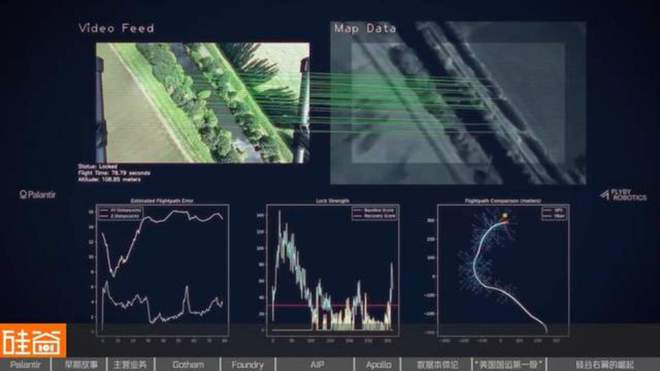
Core Insights - The article discusses the evolution of modern warfare, highlighting the shift from traditional combat to algorithm-driven warfare, emphasizing the role of data link attacks and AI in military operations [1][5][8] - Palantir is positioned as a key player in this transformation, leveraging advanced algorithms for military and commercial applications, and has seen significant stock price appreciation due to its perceived value in the AI sector [5][8][10] Group 1: Military Applications - Recent conflicts, such as the Ukraine-Russia war, showcase the effectiveness of AI and data-driven strategies in military operations, with Ukraine successfully using drones to target Russian assets [3][5] - Palantir's technology has been instrumental in military intelligence, assisting the U.S. military in locating high-profile targets like Osama bin Laden through data analysis and modeling [5][43] Group 2: Company Overview - Founded in 2003, Palantir initially focused on securing contracts with the U.S. military, employing a strategy of providing free software to gain trust and build relationships within military ranks [10][12] - The company has diversified its offerings, providing customized AI solutions across various sectors, including defense, finance, and healthcare, with a significant portion of its revenue derived from government contracts [22][26] Group 3: Financial Performance - Palantir's stock has surged approximately 1500% since early 2023, driven by its strong performance in the AI market and a high price-to-earnings ratio of 520, placing it among the top tech companies in the U.S. [8][10] - The company reported a quarterly revenue of $884 million in Q1 2025, with an average revenue of over $4 million per customer, indicating a strong financial position [28][29] Group 4: Product Offerings - Palantir's core products include Gotham for military and intelligence analysis, Foundry for commercial data integration, AIP for AI-driven applications, and Apollo for software deployment and data security [30][66] - The company emphasizes customization in its services, deploying teams to understand client needs and create tailored AI systems, which distinguishes it from typical SaaS providers [24][30] Group 5: Market Position and Strategy - Palantir's unique approach to data integration and analysis, based on its ontology framework, allows it to create comprehensive solutions that address complex data challenges faced by enterprises [73][78] - The company has cultivated a strong following among retail investors, with a significant portion of its stock held by individual shareholders, reflecting its appeal as a "national fortune stock" in the U.S. [85][87]

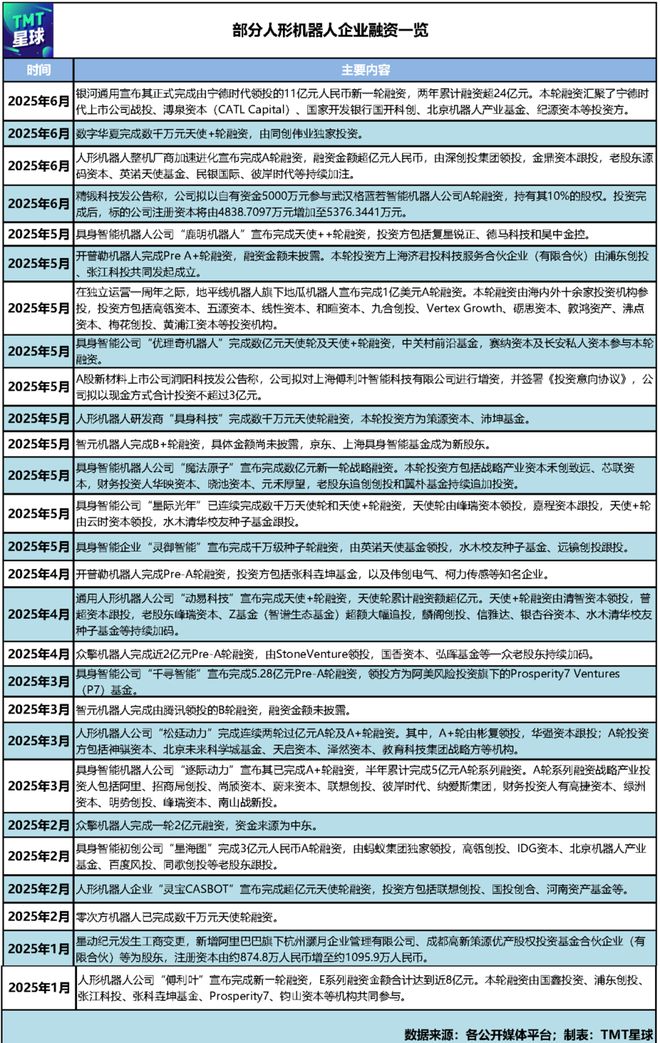
爆火的人形机器人,离“实用”还要多久?
Tai Mei Ti A P P· 2025-06-28 10:09
Core Insights - The humanoid robot industry is experiencing unprecedented growth, with significant increases in sales and orders, indicating a surge in market demand [1][2][6] - Investment in humanoid robots has also seen a substantial rise, with global investments surpassing previous years, reflecting strong capital interest in the sector [3][8] Group 1: Market Demand - Humanoid robots have seen a 17-fold increase in sales during the recent sales period, with overall intelligent robot sales tripling [1][6] - Companies like Yuzhu Technology and Songyan Power have reported order increases of 200% and over 2,500 units, respectively, following high-profile events [2][6] Group 2: Investment Trends - Global investment in humanoid robots reached 18.651 billion yuan in 2025, exceeding the total for 2024 [3] - At least 27 financing events have occurred in the domestic humanoid robot sector this year, primarily in early funding rounds [3] Group 3: Factors Driving Growth - The decline in prices of humanoid robots has lowered the entry barrier for both businesses and individual consumers, with prices dropping to as low as 39,900 yuan [7][8] - The market potential is vast, with projections indicating a compound annual growth rate of 62.6% for the domestic humanoid robot market, potentially reaching 300 billion yuan by 2035 [8][9] Group 4: Policy Support - Government initiatives are increasingly focusing on the humanoid robot sector, with plans to foster innovation and application in various regions [9][10] - Policies are expected to provide financial support and resources, enhancing the industry's development and reducing reliance on external technologies [9][10] Group 5: Challenges Ahead - The primary challenge for the industry remains the practical usability of humanoid robots, which currently exhibit limitations in real-world applications [12][16] - The complexity of developing a humanoid robot's "brain" relies heavily on advancements in AI, algorithms, and data collection, which are still in progress [13][15][16] Group 6: Future Outlook - The timeline for achieving practical humanoid robots in everyday settings could extend to 5-10 years or more, given the technological challenges involved [17][18] - Companies that can effectively address these core challenges are likely to gain a competitive edge in the rapidly evolving market [19]