Tai Mei Ti A P P

Search documents
OpenAI向美国政府发出“求救信号”意味着什么?
Tai Mei Ti A P P· 2025-11-10 04:09
Core Insights - OpenAI anticipates reaching $20 billion in revenue by the end of the year and aims to exceed hundreds of billions by 2030, indicating significant growth potential in the AI sector [1] - The company has requested the U.S. government to extend tax credits originally meant for semiconductor manufacturing to AI data centers and related infrastructure, highlighting a structural dilemma in AI infrastructure development [2] - OpenAI's capital expenditure plan of $1.4 trillion is unprecedented for a startup, raising questions about its financial sustainability and reliance on government support [6] Group 1: Government Support and Tax Incentives - OpenAI's request for the expansion of the Advanced Manufacturing Investment Credit (AMIC) to include AI infrastructure reveals a shift in focus from chip supply to power infrastructure, which has longer construction timelines [2] - The company is seeking to reclassify AI data centers as strategic manufacturing, which would allow it to benefit from the same tax incentives as semiconductor manufacturers, effectively socializing capital risks while keeping profits private [2][4] - OpenAI's CFO suggested that the government should provide guarantees for financing, which sparked controversy and was later retracted, indicating a sensitive relationship with public funding [3][4] Group 2: Financial Viability and Risks - OpenAI's financial model involves complex arrangements with partners like Oracle and Microsoft, where revenue generation is tied to the same infrastructure that requires significant investment, raising concerns about sustainability [5] - The company's ambitious infrastructure spending is compared to sovereign projects, suggesting that it may not be viable without substantial government backing [6] - The potential scenarios for OpenAI's future range from successful revenue growth to catastrophic failure, depending on market conditions and the company's ability to meet its infrastructure commitments [7][8] Group 3: Market Perception and Strategy - OpenAI's dual approach of projecting confidence in growth while simultaneously lobbying for government support indicates a disconnect between its public image and underlying financial realities [8] - The company's reliance on government intervention to support its infrastructure ambitions suggests that it may be struggling to secure private financing on favorable terms [8] - The urgency of OpenAI's lobbying efforts reflects an awareness of the risks associated with its current financial structure and the potential for a collapse if market conditions do not improve [8]
五发电巨头违规齐领罚,电力市场监管步入深水区
Tai Mei Ti A P P· 2025-11-10 03:34
Core Insights - The regulatory landscape for the electricity market is becoming increasingly clear, with recent penalties highlighting a shift in enforcement practices [1][3][10] - Five major power generation companies were fined 460,000 yuan each for not adhering to electricity market operation rules, indicating a strong regulatory stance [2][4][9] Regulatory Actions - The recent penalties were issued by the Central China Energy Regulatory Bureau and the Zhejiang Energy Regulatory Office, with each company receiving the same fine of 460,000 yuan [2][4] - The basis for these penalties is Article 31 of the Electricity Regulatory Ordinance, which mandates compliance with market operation rules [2][4] Historical Context - This is not the first instance of penalties for these major power companies; previous fines have been issued for similar violations, with a total of 1.624 million yuan in penalties announced earlier in 2025 [4][5] - Past violations included providing false capacity connection times by wind power companies under these major groups [4][5] Regulatory Environment - The tightening of regulations coincides with the critical phase of establishing a unified national electricity market, with a target to complete the initial framework by early 2025 [8][9] - The focus of regulation is expanding from safety issues to comprehensive compliance with market rules and connection standards [10][11] Future Implications - Power generation companies must adapt to the new regulatory environment, shifting from a production-oriented approach to one that emphasizes compliance with market rules [12][14] - Strict adherence to registration requirements and market principles is now essential for survival in the industry, marking a significant transformation in the regulatory landscape [15]

锋寻生物完成近6000万元种子轮及天使轮融资,加速体内CAR-T疗法临床转化 | 融资首发
Tai Mei Ti A P P· 2025-11-10 02:49
锋寻生物以"多维度"工程化病毒载体改造和T细胞特异性递送平台为核心,通过精准改造慢病毒载体, 在体内直接、高效、特异地转导T细胞,生成CAR-T细胞。公司首发管线以临床验证的靶点为基础,针 对血液瘤的研究者发起临床试验(IIT)预计于近期开展,同时进入准备IND阶段;自身免疫疾病及实 体瘤管线的IIT计划于2026年启动。未来,锋寻生物将进一步拓展多种免疫细胞靶向平台技术,探索抗 衰老等慢病领域的应用潜力。 锋寻生物的体内CAR-T技术由上海交通大学蔡宇伽教授实验室历经多年研发奠基。蔡宇伽实验室是全球 范围内最早将研究重点集中于以慢病毒载体为基础的"在体制造"CAR-T等基因治疗技术的实验室之一。 早在2017年,蔡宇伽教授即立项布局体内CAR-T研究,其研究课题于2017年12月荣获上海交通大学与香 港大学转化医学联盟颁发的银奖,彰显了其在该领域的技术前瞻性与学术影响力。凭借长期积累的技术 优势,蔡宇伽实验室在病毒载体优化、T细胞特异性靶向及体内基因递送方面建立了深厚壁垒,为锋寻 生物的技术平台提供了坚实支撑。 菡源资产(上海交大母基金):"体内CAR-T疗法代表了细胞治疗的未来,锋寻生物的突破性技术可潜 ...


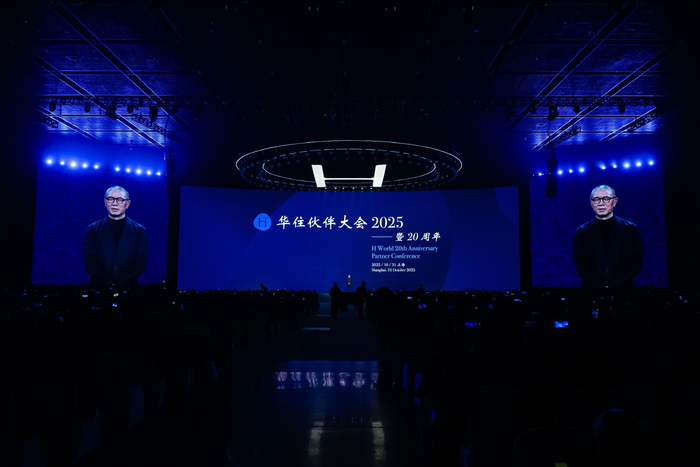
在不确定时代寻找确定回报,华住创始人季琦给了一份酒店投资指南
Tai Mei Ti A P P· 2025-11-10 00:24
Core Insights - The hotel industry in China, backed by a population of 1.4 billion, is seen as a promising investment opportunity despite current market challenges, including oversupply and increased competition [2][3] - The focus has shifted from "whether to invest" to "how to invest," emphasizing the need for systematic methodologies and clear transformation paths in hotel models [2][5] - The supply-side reform in China presents a significant opportunity for the hotel industry, with potential for brand standardization and operational efficiency improvements [5][6] Market Demand and Segmentation - The core logic of hotel investment is supported by a robust market demand driven by the 1.4 billion population, leading to increased travel and consumption [3][4] - The market can be segmented into three dimensions: geographical (first-tier, second-tier, and county-level markets), income (luxury, middle-class, and budget consumers), and age demographics (youth, middle-aged, and seniors) [3][4] Supply-Side Reform Opportunities - Supply-side reform is viewed as a critical driver for investment opportunities, with significant room for improvement in hotel scale and chain rates compared to the U.S. [5][6] - The potential for transforming underperforming hotels into branded, standardized operations is substantial, particularly in lower-tier cities [5][6] - Current economic conditions provide a "cost dividend," reducing property rental and construction costs, thus facilitating market entry for investors [6] Investment Criteria: Two "Three Goods" - Successful hotel investment hinges on two sets of "three goods": good location, good rent, and good product, where "good product" encompasses brand, property, and quality [7][8] - A strong brand is identified as a key variable for enhancing asset value, with emphasis on brand effect, membership systems, and technological capabilities [8][10] Competitive Landscape and Brand Strategy - The hotel market is characterized by increasing brand proliferation and homogenization, necessitating distinct positioning and unique value propositions for brands to stand out [10][11] - Leading brands within the industry, such as Huazhu, have demonstrated resilience and rapid recovery capabilities, supported by robust membership systems and technological advancements [10][11] - The head brand's competitive advantages have been validated, with Huazhu ranking fourth globally and its HanTing brand recognized as the largest single hotel brand worldwide [10][11]

科股早知道:兼具机械支撑与柔性,该细分材料在构建机器人“仿生皮肤”方面或有巨大潜力
Tai Mei Ti A P P· 2025-11-09 23:53
Group 1 - The article highlights the potential of polyurethane materials in developing robotic "bionic skin," emphasizing the need for materials that are soft, biocompatible, and durable as humanoid robots become more prevalent in everyday settings [2] - WanHua Chemical has recently obtained a patent for a high-rebound, low-melting-point thermoplastic polyurethane elastomer, which aligns with the requirements for robotic skin [2] - Thermoplastic polyurethane (TPU) is noted for its excellent mechanical properties, including a wide hardness range, temperature resistance, and strong elasticity, making it suitable for flexible tactile sensors in humanoid robots [2] Group 2 - The solid-state battery industry is experiencing significant advancements, with multiple leading companies announcing mass production plans [3] - Recent research breakthroughs in solid-state lithium metal batteries have been reported, including a new anion regulation technology that addresses contact issues between electrolytes and lithium electrodes [3] - Major battery manufacturers, such as CATL and EVE Energy, are actively pursuing solid-state battery projects, while several automotive companies are also accelerating the integration of solid-state batteries into their vehicles [3]





【钛晨报】国办发文,在数字经济、AI等领域加快培育和开放应用场景;京东合作首款车型正式发布,最低4.99万元;英伟达CEO已向台积电要求增加芯片供应
Tai Mei Ti A P P· 2025-11-09 23:34
【钛媒体综合】近日,国务院办公厅印发《关于加快场景培育和开放 推动新场景大规模应用的实施意 见》,围绕打造一批新领域新赛道应用场景、建设一批产业转型升级的新业态应用场景、推出一批行业 领域应用场景、创新社会治理服务综合性应用场景、丰富民生领域应用场景等5方面,提出22类场景培 育和开放重点领域。 其中,在数字经济领域,《实施意见》提出,深入挖掘数据要素潜能,支持数据分析挖掘、流通使用、 安全防护等领域技术创新,丰富数据产品和服务供给,在办公、社交、消费、娱乐等领域探索应用元宇 宙、虚拟现实、智能算力、机器人等技术创新应用场景,推动实体经济和数字经济深度融合。 11月9日消息,京东与广汽集团、宁德时代正式公布"国民好车"埃安UT super,电池租用购车价4.99万 元,整车购买价为8.99万元,远低于此前市场预测价格。 在人工智能领域,《实施意见》明确,加强关键核心技术攻关和推广应用,加快高价值应用场景培育和 开放,更好满足科技、产业、消费、民生、治理、全球合作等各领域发展需要。 在制造业领域,《实施意见》提出,聚焦智能制造、绿色制造、服务型制造、工业生物、工业智能等核 心技术应用,创新柔性生产线、智能工厂、 ...

Z时代的豪华,奔驰交出了高分答卷
Tai Mei Ti A P P· 2025-11-08 10:21
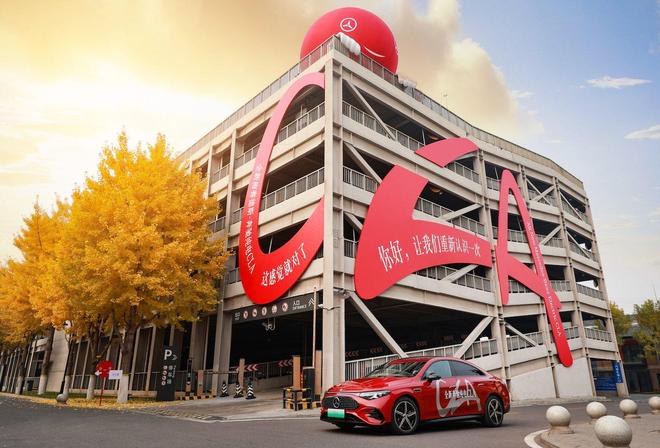
Core Insights - The launch of the all-new Mercedes-Benz pure electric CLA marks a significant cultural shift for the brand, moving from traditional luxury to a more relatable and interactive approach aimed at resonating with Generation Z [2][3][4] - Mercedes-Benz emphasizes that true luxury now encompasses long-term social responsibility and commitment, as demonstrated by its partnership with Wang Chuqin to provide educational resources to schools [3][4] - The CLA represents a transition from mechanical luxury to intelligent luxury, focusing on user experience and understanding rather than just technical specifications [5][19] Product and Technology - The new CLA features advanced engineering, including an 800V high-voltage system, dual-speed electric drive transmission, and a multi-source heat pump system, achieving a CLTC range of 866 kilometers and an energy consumption of 10.9 kWh/100 km [7][10] - The vehicle is equipped with the new MB.OS operating system, developed with significant input from Chinese teams, which enhances user interaction by understanding context and emotions [9][17] - The intelligent driving system reflects a philosophy of restraint, prioritizing a harmonious human-machine interaction rather than aggressive automation [10][11] Market Strategy - Mercedes-Benz adopts a "non-involution" strategy in the competitive Chinese market, opting for a transparent national pricing model instead of engaging in price wars [13][14] - The brand aims to simplify user experience and decision-making, focusing on pure luxury rather than excessive features [14][15] - The CLA's launch signifies a strategic shift towards understanding and integrating local market dynamics, positioning China as a key player in the brand's future [18][25] Cultural Transformation - The CLA embodies a new definition of luxury that transcends traditional materialistic values, emphasizing digital experiences, trust, and emotional connections [20][22] - The brand's collaborations with popular culture entities reflect a desire to engage with contemporary audiences and redefine luxury in a modern context [22][23] - Mercedes-Benz is evolving to become more attuned to Chinese consumer preferences, emphasizing speed, understanding, and warmth in its brand narrative [25][26]
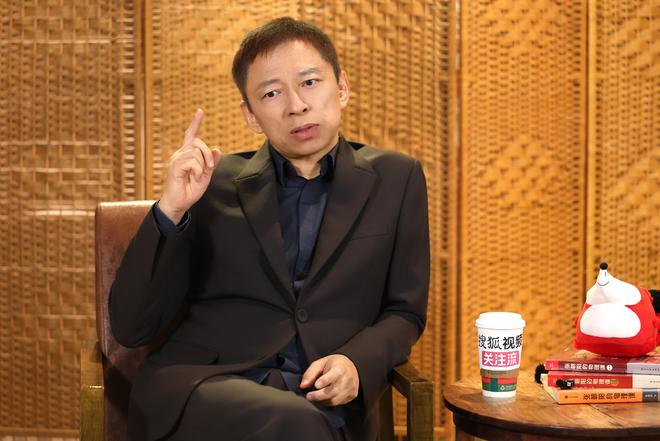
搜狐张朝阳:拒做大模型,要在AI狂热中坚守现金流 | 巴伦精选
Tai Mei Ti A P P· 2025-11-08 05:38
Core Insights - Zhang Chaoyang, founder and CEO of Sohu, emphasizes the importance of viewing AI as an efficiency tool rather than a strategic core, advocating for a return to the essence of social interaction in business [2][3] - Sohu is focusing on consumer internet and social media, particularly through its "Attention Flow" product, which prioritizes human relationships over mere content consumption [8][9] Group 1: AI and Business Strategy - Zhang believes that the key to long-term business success is prioritizing cash flow and rational investment decisions, warning against the dangers of excessive debt [3] - He argues that while AI can enhance efficiency, it should not replace human thought processes, as over-reliance on AI may hinder logical thinking and understanding [5][6] - The company does not engage in large model development, distinguishing its approach from competitors heavily investing in AI [2] Group 2: Evolution of the Internet - The internet has evolved from PC to mobile, with significant changes in content consumption methods, moving from text to video and AI-generated content [4] - Zhang highlights the shift from traditional content platforms to social media, where user-generated content is becoming increasingly important [4] Group 3: Challenges and Governance in AI - Zhang identifies significant challenges posed by AI, including defamation, extortion, and privacy issues, which could lead to a proliferation of false information [7] - He suggests that legal frameworks will need to evolve to address new forms of infringement and establish clear responsibilities for platforms [7] Group 4: Sohu's Strategic Focus - Sohu is committed to enhancing its media and video social sectors, with plans to restart its strategy for acquiring American TV shows and movies to enrich its "Attention Flow" ecosystem [8][9] - The company aims to create a social graph that emphasizes real human interactions rather than just content streams, positioning itself as a "real relationship platform" [9]

上市银行净息差悬于1.3%,银行传统盈利模式或宣告终结
Tai Mei Ti A P P· 2025-11-08 00:44
Core Insights - The A-share banking sector reported a total operating income exceeding 4.3 trillion yuan for the first three quarters, with the six major state-owned banks achieving a profit scale of 1.07 trillion yuan, indicating strong performance despite underlying structural issues [1][2] - The net interest margin (NIM) has shown signs of stabilization, yet remains at historically low levels, with retail loan delinquency rates continuing to rise, highlighting potential long-term challenges for the banking industry [1][4] Group 1: Net Interest Margin Trends - The banking sector's NIM showed a slight recovery in Q3 2025, with Jiangyin Bank reporting a NIM of 1.56%, up 2 basis points from Q2, and Ruifeng Bank at 1.49%, up 3 basis points, contributing to a 6.12% year-on-year increase in net interest income [1][2] - Despite short-term stabilization, the long-term trend of declining NIM persists, with the average NIM for commercial banks at 1.42% in Q2 2025, down 0.12 percentage points year-on-year [2][3] Group 2: Asset Quality and Retail Loan Risks - The overall asset quality of the banking sector appears stable, with most banks maintaining non-performing loan (NPL) ratios below 1.5%, but retail loans are becoming a high-risk area, with consumer loan NPL rates rising to 1.29% as of Q2 2025 [4][5] - The increase in retail loan delinquency is attributed to employment pressures affecting borrowers' income stability, leading to heightened "co-borrowing" risks, where clients with multiple loans face significantly higher delinquency rates [4][5] Group 3: Business Structure and Revenue Sources - Traditional lending remains a dominant revenue source for banks, but there is a growing need for diversification into intermediary services, as evidenced by a 4.60% year-on-year increase in net fee and commission income for A-share listed banks [6][7] - The shift towards a dual-driven model of "lending + wealth management" is essential for improving profitability in retail banking, requiring long-term customer cultivation and ecosystem development [6][7] Group 4: Non-Performing Loan Management - The improvement in NPL ratios is largely driven by increased asset disposal efforts, with a significant rise in the volume of bad debt write-offs and transfers, indicating a proactive approach to managing asset quality [7][8] - However, the reduction in NPLs does not eliminate long-term risks, particularly in the real estate sector, where NPL rates remain elevated, and smaller banks face greater challenges due to concentrated lending practices [8][9]
提前大涨复牌跌停,标榜股份一次充满争议的易主“七日游”
Tai Mei Ti A P P· 2025-11-07 14:03
Core Viewpoint - The abrupt termination of the control change plan for BiaoBang Co., Ltd. (301181.SZ) led to a 20% drop in stock price upon resumption of trading, disappointing investors who anticipated a change in control [2][3]. Group 1: Control Change Plan - The company announced the termination of the control change plan due to failure to reach consensus on key terms between the controlling shareholder and the transaction party [2]. - The control change plan was initiated just seven days prior to its termination, with no information disclosed about the identity of the transaction party [3]. - The controlling shareholder, Jiangyin BiaoBang Network Technology Co., Ltd., and the actual controller, Zhao Qi, were involved in the plan, which coincided with a significant unlock of restricted shares [3]. Group 2: Stock Performance and Market Reaction - Prior to the suspension, BiaoBang's stock price had surged by 56% over the month, with significant trading volume indicating speculative activity [2][6]. - The stock experienced a notable increase in trading volume, with daily trading amounts rising from around 10 million to between 400 million and 600 million [7]. - Following the announcement of the termination, the stock faced a limit down on its first trading day, reflecting a lack of fundamental support for the previous price increase [6][9]. Group 3: Financial Performance and Challenges - Despite the turmoil, BiaoBang is not considered a typical "shell company," as it has shown stable performance as a leading manufacturer of automotive nylon pipelines [3]. - The company faces challenges in transitioning to the new energy sector, with key projects lagging behind schedule, none of which have progressed beyond 50% completion [6].