Tai Mei Ti A P P

Search documents
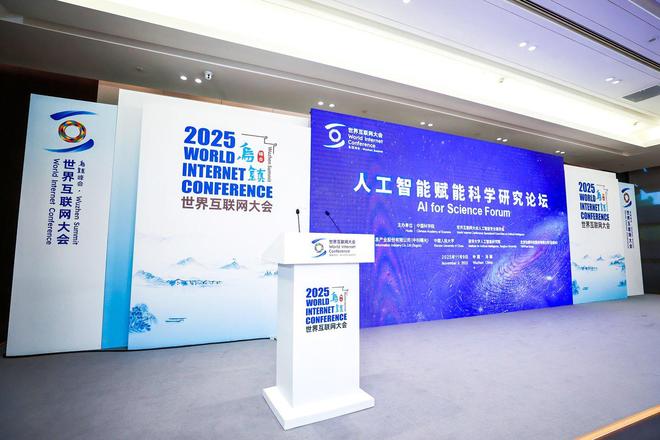
AI for Science驱动科研范式变革,青年科学家能力重构 | 巴伦精选
Tai Mei Ti A P P· 2025-11-11 03:37
Core Insights - The forum "AI for Science" held during the 2025 World Internet Conference focused on how AI is reshaping scientific research paradigms and stimulating new productivity [2][3][4] Group 1: AI Applications in Scientific Research - AI is becoming a crucial tool to overcome long-standing challenges in materials research, such as measurement limitations, as highlighted by Chen Lidong from the Shanghai Institute of Silicate [3] - AI models have shown significant potential in enhancing catalyst performance by 50% through iterative experimentation and modeling, demonstrating the efficiency of AI in material discovery [3] - The concept of "AI for Materials" and "Materials for AI" emphasizes a reciprocal relationship between AI and materials science [4] Group 2: AI in Healthcare - AI brain-machine interfaces are being applied in managing neurodegenerative diseases, with advancements allowing for quicker detection of seizures compared to traditional methods [5] - The accuracy of language decoding in AI has improved significantly, particularly in recognizing Chinese phonetics, achieving over 70% accuracy [5] Group 3: AI's Impact on Innovation - Generative AI is optimizing product design and team collaboration in open innovation, while its direct impact on disruptive innovation remains limited, underscoring the importance of human creativity [7] Group 4: Future Directions in AI and Science - The "scientific intelligence" concept is seen as a pathway to superintelligence, with significant advancements in drug design for diseases lacking clear targets, achieving a 50-fold improvement in molecular design [9][10] - The demand for computational power in AI for science is growing exponentially, necessitating a unique capability to couple high and low precision in scientific calculations [11] - The release of the "Global AI Standards Development Report" calls for collaboration among international organizations, governments, and industries to establish responsible global standards [13] Group 5: AI Infrastructure and Talent Development - The "Panshi V1.5" platform aims to empower scientific research across disciplines, covering the entire research process from hypothesis to discovery [18] - The forum concluded with discussions on the role of AI in empowering young scientists, emphasizing the need for interdisciplinary collaboration and the evolution of AI from a tool to a collaborator [25]

洋葱学园的解法:AI时代的自主学习革命
Tai Mei Ti A P P· 2025-11-11 02:00
Core Viewpoint - The concept of "academic excellence" is evolving to emphasize the importance of self-directed learning as a critical skill for adapting to future societal demands, moving beyond traditional academic achievements [2][3]. Group 1: Self-Directed Learning - Self-directed learning is identified as a high-level ability that cannot be directly taught but must be cultivated through environmental support, deliberate practice, and ongoing guidance [6]. - The process of developing self-directed learning is broken down into four progressive stages: awareness, action, ability, and value system [6][7]. - The current market lacks mature products that systematically cultivate self-directed learning abilities, with existing AI tools primarily focused on efficiency rather than fostering independent thinking [2][3]. Group 2: Onion Academy's Initiatives - Onion Academy has launched the "Self-Learning Breakthrough Plan 1.0," which aims to enhance students' goal orientation, judgment, and self-driven mechanisms, distinguishing itself from existing AI tools focused on efficiency [3][5]. - The upgraded AI learning companion system follows a structured approach to support students in transitioning from awareness to behavior shaping, ultimately forming a stable value system [7][9]. - The AI learning companion includes various intelligent modules designed to address specific learning scenarios, transforming them into opportunities for cultivating self-directed learning abilities [9][11]. Group 3: Data-Driven Insights - Onion Academy has built a substantial data foundation, comprising over 500 billion real learning behavior data points, which enhances the effectiveness of its educational models [14][15]. - This extensive dataset allows for a deep understanding of student learning patterns, enabling the AI learning companion to adaptively adjust learning paths and reinforce weak areas across different modules [15]. Group 4: Incentive Mechanisms - The company has developed a diverse incentive system to facilitate the transition from "learning to learn" to "voluntarily learning," addressing the varied motivations of students [16][17]. - Emotional support is integrated into the learning experience through the "Emotional Tree Hole" module, which provides timely responses to students' emotional needs, enhancing the overall learning environment [17]. Group 5: Role of Parents and Teachers - In the context of AI-enhanced education, the roles of parents and teachers are evolving; parents are encouraged to support and listen rather than directly intervene in teaching [19][20]. - Teachers are transitioning from knowledge transmitters to facilitators of learning, focusing on guiding students through the learning process rather than delivering content [20][21].

科股早知道:价格加速上涨,存储市场结构性缺货或将延续至2027年
Tai Mei Ti A P P· 2025-11-11 00:31
Group 1 - The commercial aerospace industry is entering a recovery phase, with institutions indicating that an acceleration period has begun [2] - The successful launch of the Lijian-1 rocket marks a significant milestone, with projections estimating that by 2028, the GW constellation will achieve the "Hundred Arrows and Thousand Stars" plan, leading to a substantial increase in rocket launch demand [2] - The industry is expected to see a rapid increase in satellite manufacturing and downstream applications, indicating a strong momentum in the commercial aerospace sector [2] Group 2 - The storage market is experiencing structural shortages, which are expected to persist until 2027, as indicated by industry reports [3] - SanDisk has significantly raised NAND flash contract prices by up to 50%, causing a ripple effect throughout the storage supply chain [3] - October saw a rapid increase in storage prices, with some models experiencing month-on-month price hikes ranging from 40% to 100%, driven by growing demand from AI server applications [3]
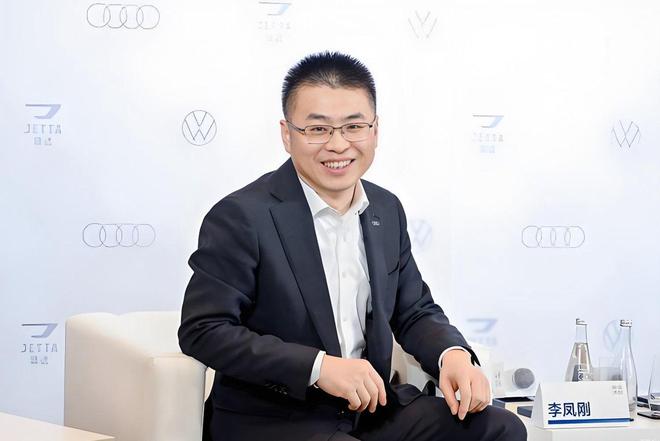
李凤刚执掌北京现代,韩系合资迎来首位本土掌舵人
Tai Mei Ti A P P· 2025-11-10 23:59
Core Insights - Beijing Hyundai appointed Li Fenggang as the new general manager, marking the first time a local Chinese executive has taken on this role, indicating a significant step in the company's localization transformation [2][5] Group 1: Leadership and Background - Li Fenggang graduated from Tsinghua University and has 20 years of experience at FAW-Volkswagen, covering the entire industry chain from R&D to strategic planning and sales operations [2] - Prior to this role, he served as the executive deputy general manager of FAW Audi, where he led the "oil-electric co-prosperity" strategy and aimed to regain market share in the luxury fuel vehicle segment [2] Group 2: Market Performance and Challenges - In 2024, Hyundai sold only 157,000 vehicles in China, with Kia selling 166,000, resulting in a combined market share of around 1%, while globally, Korean cars sold 7.23 million units [4] - The peak for Korean cars in China was in 2016, with Hyundai selling 1.14 million vehicles, but the current performance is significantly lower, with only 100,000 units sold in the first half of 2023 [4] Group 3: Strategic Direction - Beijing Hyundai aims to increase annual sales to 500,000 units by 2030, with plans to launch 20 new products over the next five years, including 7 fuel vehicles and 13 new energy vehicles [6] - The company is also developing an export system targeting 200,000 units annually by 2028-2030, emphasizing a dual-market strategy of domestic and international sales [6] Group 4: Localization and Future Outlook - The appointment of Li Fenggang reflects a strategic shift towards local talent to enhance decision-making and align with Chinese consumer needs, as evidenced by the successful models in other joint ventures [5] - The recent launch of the EO Yiyou, Beijing Hyundai's first SUV based on the E-GMP platform, is seen as a test of the company's localization efforts [5] - The automotive industry is entering a critical phase of transformation, with a focus on local talent and rapid adaptation to market demands being essential for success [7]
当AI走出屏幕,小鹏亮出物理AI这张牌
Tai Mei Ti A P P· 2025-11-10 11:14
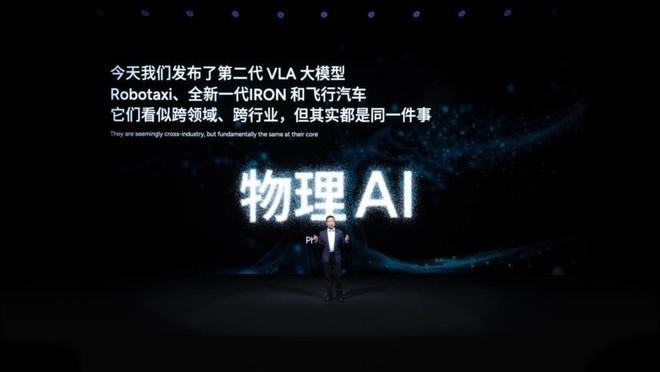
Core Insights - The article emphasizes the shift of AI from the virtual world to the physical world, marking the emergence of "Physical AI" as the next competitive frontier in technology [3][4][5] - Companies are adopting different strategies to capture the opportunities presented by Physical AI, with some opting for vertical integration while others focus on ecosystem empowerment [5][6][7] Group 1: Trends in AI Development - The consensus in the tech industry is that Physical AI is the next battleground, with leaders like Huang Renxun and Alibaba's CEO highlighting its significance [4][5] - Companies like Tesla and XPeng are pursuing vertical integration, creating a closed-loop system that encompasses chip design, sensors, software, and vehicle manufacturing [5][6] - Other players, such as NVIDIA and Huawei, are acting as ecosystem enablers, focusing on providing the necessary computational power and infrastructure for Physical AI [5][6] Group 2: XPeng's Strategy - XPeng aims to become a "Physical AI world explorer" by integrating multiple transportation scenarios, facing challenges in chip development, algorithm innovation, and commercialization [9][18] - The core of XPeng's technology is the second-generation VLA model, which allows for direct action based on visual signals, enhancing response speed and reducing information loss [9][10] - XPeng has invested heavily in computational power, achieving 2250 TOPS on its self-developed "Turing" AI chip, significantly surpassing industry standards [10][11] Group 3: Product Development and Market Positioning - XPeng plans to launch its Robotaxi in 2026, designed specifically for autonomous driving, which will reduce costs and improve reliability by not relying on expensive lidar and high-definition maps [11][15] - The company is also developing humanoid robots and flying cars, with the "Land Carrier" already receiving 7,000 orders, indicating a move towards scalable commercial applications [13][15] - These products are interconnected, forming a "capability ladder" that enhances XPeng's Physical AI capabilities through real-world applications [15][16] Group 4: Data Acquisition and Ecosystem Challenges - The success of Physical AI hinges on acquiring high-quality data, with XPeng emphasizing the importance of capturing valuable "long-tail and anomaly data" for model training [19][21] - The complexity of the physical world necessitates collaboration across the industry, leading to a paradox where companies must balance openness with maintaining core competencies [21][22] - XPeng's strategy involves a combination of core self-research and open collaboration, ensuring that it retains control over critical technologies while fostering partnerships [22][23]

AI 极限竞速,远不止一场比赛
Tai Mei Ti A P P· 2025-11-10 10:12
Core Insights - The Hitch Open World AI Championships aims to establish China as a global center for electric AI racing, with the first event successfully held in Zhangjiajie, Hunan [2][5] - The event featured a challenging 10.77 km course with 99 bends, known as the "King of Extreme Roads," which posed significant challenges for AI racing teams [3][5] - The competition highlighted the importance of real-world testing for AI systems, emphasizing that breakthroughs in AI driving safety must occur outside laboratory settings [6][7] Event Overview - The Hitch Open event was organized in less than a year, showcasing the capabilities of AI algorithms from participating universities, with Tsinghua University winning the championship [2][5] - The event took place under extreme weather conditions, demonstrating the robustness of AI systems in unpredictable environments [5][7] Technological Significance - The event's unique focus on natural environments and open data sets distinguishes it from traditional racing competitions, positioning it as a critical infrastructure for the future of intelligent industries [7][9] - The competition generated vast amounts of data, with each race producing approximately 3TB of physical data, necessitating advanced 5G networks for real-time data processing [9][10] Industry Collaboration - The event attracted significant interest from various sectors, including telecommunications and automotive industries, highlighting the potential for collaboration between academia and industry [9][11] - Companies like PIX Moving provided standardized platforms for the competition, ensuring a focus on algorithmic performance rather than hardware competition [10][11] Educational Impact - The Hitch Open serves as a platform for cultivating AI talent, fostering international collaboration among universities, and providing students with practical experience in real-world applications [13][15] - The event's data-sharing policy aims to create a valuable resource for academic research, enhancing the development of AI models [11][15] Future Directions - Future editions of the Hitch Open will introduce more complex racing formats, including multi-car competitions, to further challenge AI systems [12][19] - The event is envisioned as a catalyst for innovation in AI and autonomous driving, contributing to a comprehensive ecosystem that integrates education, research, and industry [19]


【产业互联网周报】马斯克:5年后手机彻底消失,AI 与机器人是“饭碗终结者”;Meta被曝靠海量诈骗广告赚取巨额利润;苹果AI入华计划再延期,研发过程面...
Tai Mei Ti A P P· 2025-11-10 08:16
Group 1 - Elon Musk predicts that AI will surpass human intelligence by 2026 and the total sum of human intelligence by 2030, indicating a significant shift in job markets due to AI and robotics [2] - Microsoft CEO Satya Nadella highlights that the AI industry faces a power supply issue rather than a surplus of computing power, emphasizing the need for infrastructure to support GPU operations [3][4] - OpenAI CEO Sam Altman claims that the company's revenue far exceeds the reported $13 billion, addressing concerns about profitability and potential public listing [6][4] Group 2 - South Korean President Lee Jae-myung stresses the urgent need for AI transformation to enhance national defense capabilities, with a significant increase in R&D funding for core technologies [7][8] - The Chinese intelligent robotics industry is experiencing substantial growth, with companies reporting average growth rates of 50%-100% [8] - Hong Kong's Financial Secretary proposes a "dual-engine strategy" for AI development, focusing on both AI-centric industries and traditional industry upgrades [9] Group 3 - Notable figures in the AI field, including Nobel laureate Michael Levitt, advocate for the importance of asking the right questions to harness AI's potential effectively [12][13] - Ant Group's Vice President discusses the application prospects of AI in sensitive data handling, particularly in finance and healthcare [15] - Alibaba's CEO outlines a three-stage development process for AI, emphasizing the transition from assisting humans to achieving superintelligence [16] Group 4 - The AI PC market is projected to see significant growth, with Intel estimating shipments of around 100 million units by the end of the year [14] - Nvidia's CEO Huang Renxun expresses confidence in China's potential to lead in AI development due to favorable regulatory environments and lower energy costs [14] - The AI application market in China is witnessing a shift from competition for traffic to deep exploration of vertical fields, with several apps surpassing 10 million monthly active users [24] Group 5 - The launch of various AI models and platforms, including the Qwen3-Max reasoning model and the FG-CLIP2 visual language model, showcases advancements in AI capabilities [23][20] - Companies like JD.com and Ant Group are investing heavily in AI infrastructure and applications, indicating a trend towards integrating AI into various sectors [33][38] - The global AI landscape is evolving with new partnerships and collaborations, such as the strategic cooperation between L'Oréal China and Alibaba Cloud [28]




封测龙头来了,连亏之下,芯德半导体能否获青睐?
Tai Mei Ti A P P· 2025-11-10 05:39
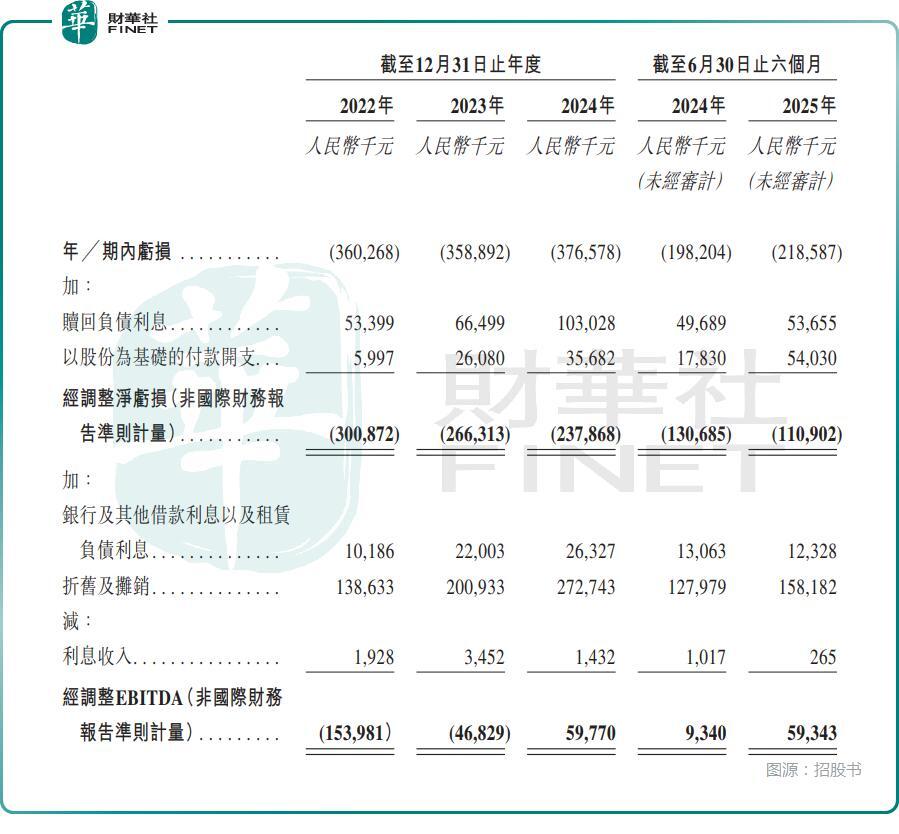
Core Viewpoint - The semiconductor sector in the Hong Kong stock market has experienced significant growth this year, with companies like Huahong Semiconductor and Shanghai Fudan seeing substantial stock price increases [1][2]. Group 1: Market Performance - The semiconductor sector in Hong Kong has seen a surge, with Huahong Semiconductor (01347.HK) rising over 260%, and Shanghai Fudan (01385.HK), InnoCare (02577.HK), and SMIC (00981.HK) also increasing by more than 130% [1]. - More semiconductor companies are entering the Hong Kong market, with Jiangsu Xinde Semiconductor Technology Co., Ltd. recently submitting its prospectus for a mainboard listing [2]. Group 2: Company Overview - Jiangsu Xinde Semiconductor focuses on advanced packaging technology and has accumulated extensive experience since its establishment in September 2020, covering various packaging types such as QFN, BGA, LGA, WLP, and 2.5D/3D [3][4]. - The company has established a comprehensive technology platform for advanced packaging, known as CAPiC, to continuously develop cutting-edge technologies [4]. Group 3: Client Base and Investments - Xinde Semiconductor has built a diverse client base in key chip areas, including major companies like MediaTek, Amlogic, and Broadcom [4]. - The company has received investments from various sources, including local state-owned assets and well-known institutions, with notable shareholders including Xiaomi and OPPO [4]. Group 4: Financial Performance - Xinde Semiconductor has reported continuous losses, with revenues projected to be RMB 269 million in 2022, increasing to RMB 475 million in the first half of 2025, while losses are expected to remain significant [5][6]. - The adjusted net losses for the same period are projected to decrease from RMB 301 million in 2022 to RMB 111 million in the first half of 2025 [5][6]. Group 5: Revenue Structure and Risks - The revenue structure is relatively balanced among different product lines, with QFN, BGA, LGA, and WLP contributing 31.0%, 31.8%, 20.1%, and 16.9% respectively in the first half of 2025 [6]. - The company relies heavily on a few major clients, with the top five clients accounting for approximately 60.5% of total revenue in 2022 [7][8]. Group 6: Financing and Future Plans - Xinde Semiconductor has seen an increase in financing costs, with bank borrowings rising from RMB 384 million in 2022 to RMB 824 million in the first half of 2025 [9]. - The company plans to use the funds raised from its IPO for building production facilities, enhancing R&D capabilities, and expanding its customer collaboration ecosystem [9].
过去几年,厂商押注“开放世界”是陷阱吗?
Tai Mei Ti A P P· 2025-11-10 05:08
Core Insights - The open-world gaming genre has evolved from being a niche market to a strategic necessity for major game developers, driven by the success of titles like Genshin Impact [2][6][8] - Many companies have misjudged the complexity and challenges of developing open-world games, leading to a wave of failures among those who attempted to replicate Genshin Impact's success without adequate preparation [5][7][8] Industry Trends - The demand for open-world games has been tempered by the rise of lightweight and fragmented entertainment options, making high-quality immersive experiences less appealing to some players [2][4] - Despite the challenges, there remains significant untapped potential in the open-world genre, particularly in enhancing replayability and catering to diverse player needs through innovative gameplay and themes [2][4] Competitive Landscape - The success of Genshin Impact has disrupted the industry, with its revenue reaching hundreds of billions, positioning it alongside major titles from companies like NetEase and Tencent [5][6] - Other major developers have struggled to produce comparable multi-platform open-world games, despite substantial investments and resources, highlighting the high barriers to entry in this genre [6][7] Development Challenges - The development of multi-platform open-world games requires overcoming significant technical hurdles, including latency, graphical fidelity, and user experience across different devices [5][6] - Many companies have attempted to enter the open-world space without the necessary experience or infrastructure, leading to project failures and a return to more traditional game formats [12][13] Strategic Implications - Open-world gaming is viewed as a critical strategic category that companies cannot afford to ignore, as the market dynamics shift and competition intensifies [7][8] - The industry's focus should shift from blind imitation of successful titles to a more respectful approach that acknowledges the complexities and long-term commitment required for successful open-world game development [8][9]
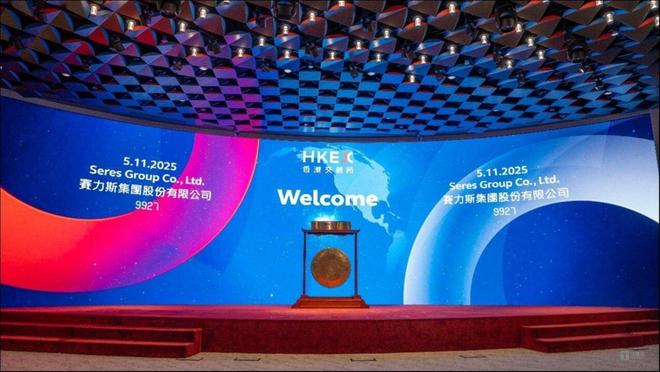
赛力斯成为首家A+H豪华新能源车企,张兴海开启高端制造出海新纪元
Tai Mei Ti A P P· 2025-11-10 04:32
Core Viewpoint - The successful IPO of Seres on the Hong Kong Stock Exchange marks a significant milestone, establishing it as the largest automotive IPO in China and the largest globally in 2023, with a net fundraising amount of HKD 14.016 billion and a closing market value of HKD 275.8 billion [2][4]. Group 1: IPO and Financial Performance - Seres' IPO is the largest in Chinese automotive history and the largest globally this year, reflecting strong market interest and confidence in its business model [2][10]. - The company plans to allocate 70% of the raised funds to R&D, 20% to new marketing channels and international market expansion, and 10% for working capital and general corporate purposes [4][13]. - For the first three quarters of 2025, Seres reported a revenue of CNY 110.534 billion, a year-on-year increase of 3.67%, and a net profit of CNY 5.312 billion, with a significant growth rate of 31.56% [6][9]. Group 2: R&D and Technological Advancements - The R&D focus includes upgrading the modular technology platform, enhancing smart cockpit and driver assistance systems, and iterating on power system technologies [6][15]. - The company aims to establish 100 experience centers in Europe and the Middle East by 2026 and collaborate with Huawei to build a supercharging network covering 80% of major international highways [4][12]. Group 3: Market Position and Strategic Partnerships - Under the leadership of Zhang Xinghai, Seres is transitioning from simple product exports to technology and brand exports, aiming for a comprehensive internationalization strategy [2][10]. - The company has formed a robust ecosystem with partners including Huawei and key suppliers, enhancing its competitive edge in the high-end electric vehicle market [2][12]. Group 4: Industry Impact and Future Outlook - Seres' listing and operations contribute to building global competitiveness in high-end manufacturing during China's "14th Five-Year Plan" period [3][14]. - The company is recognized as a benchmark for high-end manufacturing and is redefining global perceptions of Chinese manufacturing through technology leadership and standard-setting [15].