商业洞察

Search documents
被指控“二选一”,携程的大考来了
商业洞察· 2025-10-03 09:24
Core Viewpoint - The article discusses the potential implications of the "choose one from two" (二选一) accusation against Ctrip, highlighting the risks of monopolistic behavior in the OTA (Online Travel Agency) sector and its impact on market dynamics [4][5][19]. Group 1: Market Dynamics and Competition - Ctrip is currently facing scrutiny after being questioned by the Zhengzhou Market Supervision Bureau, with media focusing on its pricing strategies and potential monopolistic practices [5][19]. - The OTA industry is more complex than the food delivery sector, involving higher consumer decision costs and a longer supply chain, which could lead to greater risks if monopolistic behavior is established [9][10]. - Ctrip's market dominance is significant, with projections indicating it will hold a 56% market share in 2024, far surpassing competitors like Tongcheng (15%) and Meituan (13%) [16][18]. Group 2: Pricing Strategies and Merchant Impact - Ctrip's commission structure places significant financial pressure on hotel merchants, with basic commissions ranging from 12% to 15%, and total costs potentially nearing 30% [11][12][13]. - Merchants have reported that Ctrip's "price adjustment assistant" and "golden card" system may effectively force them into a "choose one from two" scenario, limiting their pricing autonomy and market choices [22][34]. - The article suggests that Ctrip's operational strategies may create a closed market where it dictates terms, impacting the competitive landscape for merchants [34][35].



40多万车主惨遭断网!又一国产车企凉凉?
商业洞察· 2025-10-03 09:24
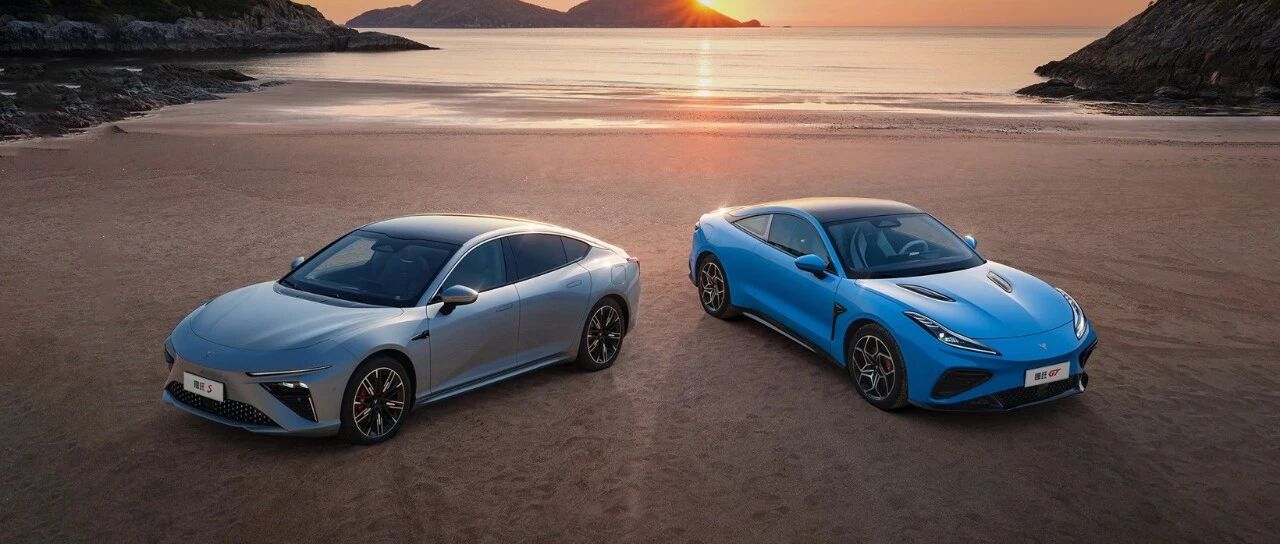
Core Viewpoint - The article discusses the financial crisis faced by Nezha Automobile, highlighting the company's inability to maintain its promised services and the severe implications of its financial mismanagement [3][5][10]. Financial Situation - Nezha Automobile's parent company, Hozon New Energy, revealed at a creditors' meeting that it has only 15 million yuan in available funds while facing confirmed debts of 5.1 billion yuan and additional claims totaling approximately 26 billion yuan [7][9]. - Over 5,000 employees are owed a total of 460 million yuan in unpaid wages and compensation, leading to significant talent loss [8]. - The company has 9.3 billion yuan in accounts receivable, but recovery is challenging due to many partners being on the brink of bankruptcy [9][12]. Service Disruption - Starting September 10, 460,000 Nezha car owners experienced service disruptions, including offline navigation and malfunctioning Bluetooth, due to a service cut by Lenovo Communications over unpaid bills [4][5]. - The promise of "lifetime free data" has turned into a monthly fee of 5.9 yuan, which many owners now feel is a "ransom" [5]. Market Position and Sales Decline - Nezha's sales peaked in 2022 with 152,000 units sold, but the company has since faced a drastic decline, with sales plummeting by 97.76% to just 110 units in January 2025 [10][11]. - The company's strategy of focusing on low-end markets has eroded its brand value, making it difficult to compete in higher-end segments [11]. Potential for Recovery - Despite the challenges, there is a possibility for recovery through bankruptcy restructuring, with management indicating that they have resumed full salaries for remaining employees and are negotiating with suppliers to restore services [12]. - The existing customer base of 460,000 domestic and 25,000 overseas users is viewed as a potential asset for future investment opportunities [12].
湖北首富的坠亡
商业洞察· 2025-10-02 09:23
Core Viewpoint - The sudden death of Wang Linpeng, the actual controller and CEO of Juran Zhijia, has sent shockwaves through the home furnishing industry, raising questions about the future of the company and the circumstances surrounding his demise [4][6][11]. Group 1: Background and Career of Wang Linpeng - Wang Linpeng was born in 1969 in a rural family in Hubei and showed academic promise from a young age [13][15]. - He graduated from Beijing Technology and Business University in 1986 and began his career in the Ministry of Commerce, quickly rising through the ranks in various state-owned enterprises [16][18][20]. - In 1999, he took over as president of Juran Zhijia after a devastating fire, transforming the struggling company into a successful chain [28][30]. Group 2: Business Strategies and Innovations - Wang implemented innovative strategies such as the "advance compensation" mechanism to build consumer trust, which became a hallmark of Juran Zhijia [36][40]. - Under his leadership, the company expanded rapidly, with over 300 stores by 2019 and plans to reach 407 stores by the end of 2024 [42]. - Wang's collaboration with competitors, such as the partnership with Red Star Macalline, showcased a unique "co-opetition" strategy to maintain market order [48][50]. Group 3: Financial Growth and Capital Market Engagement - In 2018, Juran Zhijia raised 13 billion RMB from investors including Alibaba, which significantly boosted its capital and digital transformation efforts [58][60]. - The company went public in December 2019, achieving a market value of 63 billion RMB on its first day, making it a leader in the home furnishing sector [64][70]. - By 2023, Juran Zhijia's digital platform "Dongwo" had a transaction volume of nearly 97.4 billion RMB, indicating strong growth in its digital services [71]. Group 4: Challenges and Future Outlook - Despite initial success, Juran Zhijia faced declining profits from 2022 to 2024, with net profits dropping significantly each year [84]. - The death of Wang Linpeng adds to the challenges facing the company, as it navigates a transition towards a digital and service-oriented model [85][86].

一张大嘴,毁了三个草根顶流
商业洞察· 2025-10-02 09:23
Core Viewpoint - The article discusses the recent downfall of several internet personalities, highlighting how their controversial and extreme expressions led to their bans from major platforms, illustrating the volatile nature of internet fame and the consequences of maintaining a provocative persona [5][11][50]. Group 1: Individual Cases - Hu Chenfeng, known for his divisive "Apple vs. Android" rhetoric, was banned across multiple platforms, reflecting the backlash against his extreme views and the creation of a social hierarchy based on technology preferences [12][20][26]. - Zhang Xuefeng, who gained popularity by providing blunt advice to students, faced criticism for his high consultation fees and controversial statements, leading to his ban as well [28][33]. - Lan Zhanfei, a gaming and travel streamer, was also banned, with speculation that his candid discussions about income and lifestyle choices contributed to his downfall [35][45][50]. Group 2: Themes and Implications - The article emphasizes the emotional value embedded in the content produced by these personalities, which initially attracts a large following but can later become a liability as their fame grows [51]. - It suggests that the very traits that drive their success—provocative speech and emotional engagement—can ultimately lead to their undoing in the highly scrutinized environment of social media [51][52].

比茅台还赚钱的生意,“印钞机”转不动了
商业洞察· 2025-10-01 09:24
Core Viewpoint - The article discusses the challenges faced by private universities in China, which were once highly profitable but are now struggling with enrollment and financial stability due to changing market conditions and perceptions of education quality [2][9]. Group 1: Enrollment Challenges - After the 2023 college entrance examination, many private universities in various regions are experiencing significant difficulties in enrollment, with some institutions failing to fill their quotas [3][6]. - In Guangdong, 14 out of 23 private undergraduate institutions did not meet their enrollment targets, while in Yunnan, there were unprecedented multiple calls for additional applications [6][40]. - The trend of declining enrollment is evident across the country, with some institutions reporting zero applicants during the first round of admissions [41]. Group 2: Historical Profitability - Over the past decade, private universities were considered "profit kings" in the capital market, with some institutions reporting net profits exceeding 1.43 billion RMB and gross profit margins as high as 73% [7][22]. - For instance, 中教控股 (Zhongjiao Holdings) has maintained a gross profit margin above 50% for six consecutive years since its listing [8][28]. - The business model of private universities was characterized by stable revenue from tuition fees, low operational costs, and high student retention rates, leading to substantial profitability [15][22]. Group 3: Market Dynamics and Policy Changes - The revision of the "Private Education Promotion Law" in 2016 allowed private universities to operate as legitimate businesses, leading to a surge in the establishment of such institutions [10][14]. - The number of students enrolled in private universities increased from 6.16 million in 2016 to over 10.52 million in 2024, reflecting a growth rate of over 70% [14]. - However, the changing job market and the devaluation of undergraduate degrees have led parents to reconsider the value of high tuition fees for private education [44][45]. Group 4: Financial Struggles and Tuition Increases - Recent reports indicate that some private universities are facing severe financial difficulties, with instances of salary suspensions and debt accumulation [34][36]. - To cope with declining enrollment, many institutions are resorting to raising tuition fees, with increases ranging from 15% to 50% announced for 2025 [50]. - This tuition hike is met with resistance from parents, who are increasingly unwilling to pay high fees for what they perceive as low-quality education [51][52].
中年人最爱的豪车,也扛不住了!
商业洞察· 2025-10-01 09:24
Core Viewpoint - The article discusses the significant strategic shift of Porsche from electric vehicles back to internal combustion engine models due to declining sales and financial pressures, reflecting broader challenges faced by luxury car brands in the evolving automotive market [4][5][15][16]. Group 1: Porsche's Strategic Shift - Porsche has announced a major shift in strategy, pausing its electric vehicle plans and refocusing on internal combustion engine models, including hybrids, in response to declining sales and profitability pressures [15][16]. - The company faced its most severe challenges since its IPO in 2022, including a continuous drop in stock prices, removal from the DAX index, and poor performance in key markets like China and the U.S. [16][17]. - Porsche's net profit for the first half of 2025 plummeted by 66.6%, with a sales return rate dropping to 5.5%, prompting a reevaluation of its earlier commitment to electric vehicle dominance [16][21]. Group 2: Market Context and Challenges - The luxury car market is undergoing a significant transformation, with traditional brands like Mercedes, Volvo, and Ford also retreating from their electric vehicle ambitions and increasing investments in hybrid and efficient internal combustion engines [23][24]. - The article highlights the competitive landscape, noting that domestic Chinese automakers are better aligned with consumer preferences, offering more value and features compared to traditional luxury brands [26][28]. - The overall automotive market is experiencing a shift, with China's new energy vehicle sales reaching 12.87 million units in 2022, marking a 35.5% increase, while traditional luxury brands struggle to maintain their market positions [31][32]. Group 3: Future Implications - The article suggests that the transition to electric vehicles is more complex and challenging than anticipated, as evidenced by Porsche's retreat from its electric ambitions [17][28]. - The future automotive market will not simply be a battle between fuel and electric vehicles but will involve a multifaceted competition based on technology, brand, and customer experience [38]. - The traditional automotive giants are at risk of losing their competitive edge as they face the reality of a rapidly evolving market dominated by new energy vehicles and changing consumer expectations [36][37].

娃哈哈彻底改名!一个时代结束了
商业洞察· 2025-09-30 09:25
Core Viewpoint - The article discusses the potential rebranding of Wahaha to "Wah Xiaozong" under the leadership of Zong Fuli, highlighting the risks and implications of such a move in a competitive beverage market [3][5][20]. Group 1: Rebranding Strategy - Wahaha is planning to change its brand name to "Wah Xiaozong" starting from the 2026 sales year, as indicated in a leaked internal notice [9][12]. - The rebranding is seen as a necessary step for Zong Fuli to gain absolute control over the brand, as the current ownership structure complicates trademark usage [12][14]. - Zong Fuli has previously attempted to transfer the "Wahaha" trademark to her personal company but faced legal obstacles, making the rebranding a strategic move to bypass these issues [13][14]. Group 2: Market Position and Challenges - Wahaha's brand value is estimated at 91.1 billion yuan, but changing the name could confuse consumers and lead to a loss of brand loyalty, especially in lower-tier cities [20][21]. - The company has been facing declining sales and increased competition from rivals like Nongfu Spring, which poses a significant challenge for the new brand to establish itself [30][34]. - The rebranding effort may lead to short-term sales impacts, as existing distributors are already struggling with profitability due to recent changes in sales strategies [21][24]. Group 3: Future Prospects - If the rebranding is executed, it represents a gamble on the future of the brand, with the potential for significant market share loss if not managed properly [26][27]. - The company aims to return to a revenue scale of 70 billion yuan in 2024, but faces skepticism about its ability to maintain this performance amid fierce competition [28][29]. - Zong Fuli's strategy includes focusing on product differentiation and maintaining distributor confidence to ensure the new brand can thrive in a competitive landscape [37].

雷军的敌人正在变多
商业洞察· 2025-09-30 09:25
Core Viewpoint - The article discusses Xiaomi's recent developments in the electric vehicle sector, highlighting both the successes and challenges faced by the company, particularly in terms of production capacity and product quality [5][10][29]. Group 1: Xiaomi's Automotive Business Performance - Xiaomi's automotive revenue reached 213 billion yuan in Q2 2025, marking a 234% year-on-year increase [15][18]. - The number of new vehicle deliveries in Q2 2025 was 81,302, a significant rise from 27,307 in the same period last year, representing a growth of 197.7% [16][19]. - The average selling price (ASP) of Xiaomi vehicles increased from 228,644 yuan to 253,662 yuan, attributed to the launch of the higher-priced SU7 Ultra [18][20]. - Xiaomi's gross margin for its automotive segment rose to 26.4% in Q2 2025, indicating improvements in cost control and product competitiveness [20][21]. Group 2: Production Capacity Challenges - Despite positive financial indicators, Xiaomi faces significant challenges in production capacity, with delivery times for the SU7 and YU7 models extending to 35-48 weeks [25][26]. - The long delivery times may lead to potential customers reconsidering their purchase decisions, especially as competitors offer quicker delivery options [25][26]. - Analysts suggest that Xiaomi's production issues stem from rapid expansion and the need for further optimization of its new manufacturing facilities [26][28]. Group 3: Quality Concerns and Recalls - Xiaomi initiated a recall of over 110,000 SU7 vehicles due to software issues that could increase collision risks, highlighting ongoing quality control challenges [29][30]. - Customer complaints regarding product quality, including reports of vehicles being sold as "test cars," have raised concerns about Xiaomi's manufacturing standards [30][33]. - The article notes that while Xiaomi's marketing efforts have been effective, they must ensure that product quality aligns with consumer expectations to maintain brand reputation [39].

隐瞒7亿收入,“中国鸭王”被盯上了
商业洞察· 2025-09-29 09:26
Core Viewpoint - The article discusses the recent regulatory issues faced by Juewei Foods, which has been penalized for information disclosure violations, leading to its stock being labeled as "ST Juewei," indicating potential financial difficulties and loss of brand reputation [5][7]. Summary by Sections Regulatory Issues - Juewei Foods has been fined 4 million yuan for information disclosure violations, with additional penalties totaling 4.5 million yuan for its chairman and several executives [5]. - The company has been placed under risk warning, which could hinder its financing and negatively impact sales [7]. Financial Misreporting - Juewei Foods is accused of underreporting revenue by not including renovation income from franchise stores, which accounted for a total of approximately 723 million yuan over five years [8]. - The company's revenue growth has been inconsistent, with significant fluctuations observed from 2019 to 2021, raising concerns about its operational stability [8]. Speculations on Financial Practices - There are speculations that the underreported renovation fees may have been diverted to personal accounts, indicating possible involvement from the company's management [11][14]. - The company may have aimed to create a false impression of profitability for franchisees to attract more investors and franchise partners [15]. Business Performance and Challenges - Juewei Foods has seen a decline in revenue and net profit in 2024, with a projected revenue drop of 13.8% to 6.26 billion yuan and a net profit decrease of 35.7% to 204 million yuan [18]. - The number of franchise stores has also decreased significantly, with a reduction of nearly one-third from its peak [19]. Market Position and Competition - Despite being the industry leader, Juewei Foods faces increasing competition from rivals like Huangshanghuang and Zhouheiya, which have shown significant profit growth [29]. - The company is struggling with consumer perception issues, particularly regarding pricing and food safety concerns, which have led to a decline in consumer trust [23][26]. Future Outlook - The potential for Juewei Foods to recover from its current challenges is uncertain, as it must address fundamental issues related to product quality and brand reputation to regain market share [29].


让张艺谋认罚748万的律师,把西贝告了!
商业洞察· 2025-09-29 09:26
Core Viewpoint - The trust crisis surrounding Xibei continues to escalate, driven by a lawsuit from a long-time customer alleging false advertising and a series of public relations missteps that have led to widespread criticism and ridicule [4][5][9]. Group 1: Lawsuit and Customer Allegations - A long-time customer, lawyer Guo Chengxi, filed a lawsuit against Xibei for alleged false advertising, seeking a public apology and compensation of 36,000 yuan [4][7]. - Guo's complaint highlights issues with Xibei's use of pre-prepared dishes and misleading marketing claims regarding food freshness and ingredient sourcing [9][10]. - The lawsuit includes demands for Xibei to publicly apologize for a week, disclose detailed information about pre-prepared ingredients, and pay 10,000 yuan in emotional damages along with punitive damages calculated at three times the consumption amount [9][10]. Group 2: Public Relations Missteps - Xibei's attempts to manage the crisis through emotional public relations campaigns have backfired, leading to further ridicule online [21][22]. - The company's initial strong response to criticism from public figures like Luo Yonghao transitioned to a series of poorly received emotional appeals, which were perceived as insincere [21][22]. - A specific public relations article about a child's emotional reaction to Xibei's potential closure was widely mocked, further damaging the brand's image [22][23]. Group 3: Crisis Management Recommendations - Experts suggest that Xibei should establish a synchronized "legal + public relations" response mechanism to address both the lawsuit and public criticism effectively [13][24]. - Recommendations include focusing on genuine communication and product quality improvements to rebuild consumer trust, rather than relying on emotional narratives that may appear scripted [24][26]. - The crisis serves as a cautionary tale for other brands about the importance of authentic engagement with consumers and the potential pitfalls of emotional marketing strategies [26][27].