汽车商业评论

Search documents
一份让人浮想联翩的文件
汽车商业评论· 2025-09-27 23:07
Core Viewpoint - The recent announcement by the Ministry of Commerce regarding the export license management for pure electric passenger vehicles aims to regulate the export market and ensure compliance, quality, and sustainability of exported products [4][10]. Group 1: Purpose of Export License Management - The export license management serves multiple purposes, including controlling low-quality products from being exported, preventing price dumping, requiring companies to have overseas service networks, enhancing user trust and brand image, and ensuring compliance and sustainability of export products [5][6]. - The management is based on an existing document from 2012, which outlines the conditions for production enterprises seeking export qualifications, including necessary certifications and service capabilities [6][7]. Group 2: Scope and Implementation - The new regulation, effective from January 1, 2026, specifically targets vehicles classified under the customs code 8703801090, which includes various types of pure electric vehicles such as sedans, SUVs, and low-speed electric vehicles [7][8]. - This move is seen as a routine operation to fill regulatory gaps in the management of electric vehicle exports, ensuring comprehensive oversight of the export of complete vehicles [8][9]. Group 3: Industry Implications - The regulation is expected to prevent companies without proper qualifications from exporting vehicles, thereby addressing concerns about the quality and service capabilities of exported products [9]. - The increase in regulatory measures is viewed positively by industry insiders, suggesting that it indicates a maturing market with established standards, which could lead to healthier export practices [10].

奔驰三大高管轮舞,留下最大悬念
汽车商业评论· 2025-09-27 23:07
Core Insights - Mercedes-Benz is undergoing a strategic leadership transition with the appointment of Jörg Burzer as the new Chief Technology Officer, succeeding Markus Schäfer, who is stepping down after a successful tenure [3] - The company is facing a slowdown in global electric vehicle demand, prompting a reassessment of its electrification strategy and cost optimization efforts [5] - The new management team aims to enhance operational efficiency and competitiveness through a series of reforms, including a 10% reduction in production costs and over 20% in fixed costs by 2027 [5][6] Leadership Changes - Jörg Burzer's role focuses on ensuring the company's technological advancement in electrification and digitalization [3] - Michael Schiebe will take over production, quality, and supply chain management, transitioning from his previous role at AMG [3][6] - The appointments are designed to combine continuity with fresh perspectives, leveraging the experience of seasoned managers to drive transformation [6] Strategic Adjustments - Mercedes-Benz is committed to enhancing efficiency and profitability while streamlining operations [5] - The introduction of the new electric CLA model will utilize the Mercedes-Benz Modular Architecture (MMA) and the proprietary MB.OS operating system to improve product competitiveness [5] - The company is also focusing on data-driven personalized services to increase customer engagement and brand loyalty [5] AMG's Challenges - AMG is at a critical juncture, facing backlash over its shift from traditional V8 engines to a four-cylinder hybrid system in the new C63 model, which has seen a significant drop in market prices [15][17] - The brand is also dealing with a recall of up to 80% of the AMG One vehicles due to safety issues, impacting its reputation [17] - Despite these challenges, AMG is developing a new V8 engine and electric models, aiming to balance traditional performance with future electrification [18][19] Future Outlook - The new leadership must navigate the complexities of maintaining the appeal of traditional engines while advancing electric vehicle offerings [19] - The upcoming AMG leader will face the challenge of redefining performance in a quieter automotive landscape, with the company committed to retaining high-displacement engines for the time being [19]

电动化狂踩刹车,欧美集体和中国“唱反调”
汽车商业评论· 2025-09-26 23:08
Group 1 - European and American automakers are gradually withdrawing from the electric vehicle market due to changing market conditions and reduced demand for electric vehicles [3][4] - In August, U.S. electric vehicle sales reached 146,000 units, accounting for 9.9% of the automotive market share, a record high, but the elimination of federal tax credits is expected to slow future adoption [3][4] - Tesla's sales in the U.S. fell by 6.7% year-on-year in August, with its market share dropping to 38%, the lowest in eight years, despite a 5.5% decrease in vehicle prices [3] Group 2 - Honda has ceased production of the Acura ZDX, citing "market conditions," with sales of the model being below 20,000 units in North America [6][8] - Stellantis has canceled plans for the Jeep Gladiator 4xe hybrid model, indicating a shift in consumer preferences towards traditional combustion engines [10][12] - Ram has announced the halt of the REV 1500 electric pickup production due to decreased demand for full-size electric trucks, focusing instead on hybrid solutions [14][16] Group 3 - Bentley has abandoned its plan to completely phase out internal combustion engine vehicles by 2035, citing a decline in demand for luxury electric vehicles [17][20] - Ford has postponed the release of two electric vehicles until 2028 due to a significant drop in demand, while also planning to focus on more affordable electric models [21][23] - Porsche is shifting back to internal combustion engine models, delaying the launch of several electric vehicles and extending the production life of existing gasoline models [24][26][28]


车企纷纷退出商超模式
汽车商业评论· 2025-09-25 23:08
作者 / 张霖郁 编辑 / 黄大路 设计 / 土 豆 9月中旬,在一家德系豪华品牌新车型的发布会上,《汽车商业评论》了解到他们已开始削减商超店的数量。 "新店的开店比例上,我们将把商超店控制在20%以下,尽管我们需要商超店曝光,但成本太高,效率又太低。"该品牌的营销负责人告诉《汽车商业 评论》。 2013年,特斯拉在北京侨福芳草地开设了国内首家购物中心直营店,这种线上下单、线下体验的新零售方式,引发"造车新势力"品牌如蔚来、小鹏、 理想等纷纷跟进,在城市核心商圈的购物中心设立体验店或展厅。 然而进入2023年后,这一趋势出现了明显下滑。 头部新能源车企开始收缩商场门店,中小品牌因资金压力缩减网点,消费者的新鲜感也有所下降。 一些高端购物中心发现,"车越来越多,客流却不增反降",曾经炙手可热的汽车体验店模式正在经历降温和转型。 《汽车商业评论》研究了从2019年至2024年各大车企公开的渠道信息,基本的结论是,商超店以及传统车企之前运营的直营模式,其规模正在缩减, 但即便传统车企更多回归到4S店模式,但整个的流程路径也已经发生变化。直面消费者,是本质。 新势力关闭部分商超店 新能源汽车和豪华品牌在购物中心开设门 ...



Robotaxi三国杀:Lucid交车了,特斯拉慌吗?
汽车商业评论· 2025-09-25 23:08
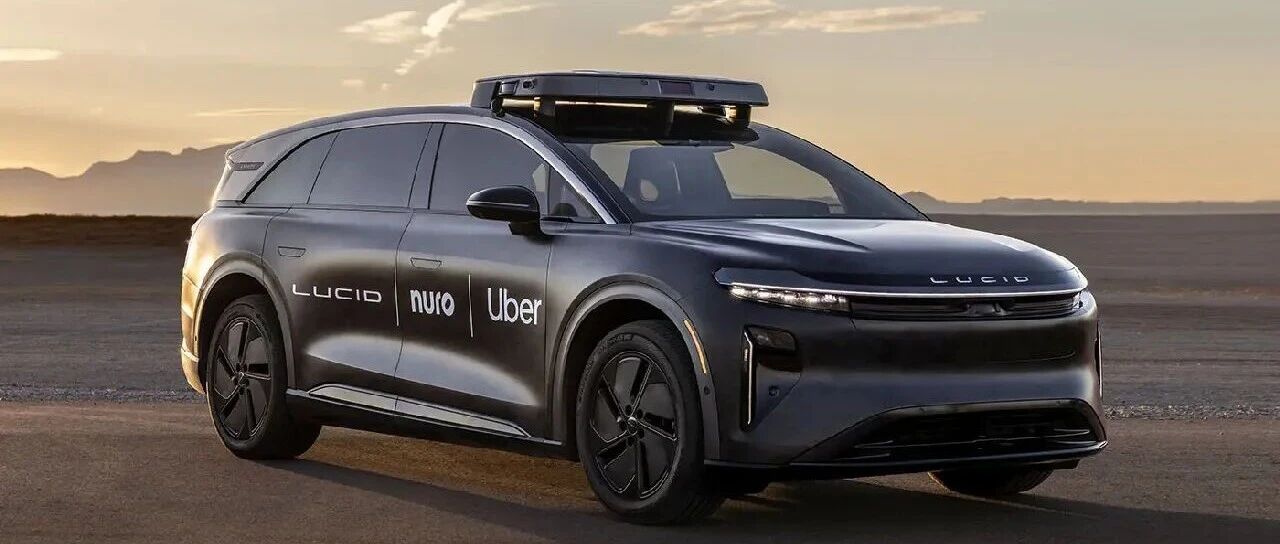
Core Viewpoint - Lucid has initiated its entry into the Robotaxi market by delivering its first engineering vehicle to Nuro for integration with the "Nuro Driver" system, marking a significant step towards operational deployment in partnership with Uber [4][5]. Group 1: Delivery and Partnership - The delivery of the first vehicle signifies the beginning of an exciting new chapter for Lucid, with plans to deploy at least 20,000 L4 Robotaxis over the next six years starting in 2026 [5]. - Uber has invested $300 million in Lucid, which has been completed as of September 4, providing initial funding for engineering prototypes and early-stage production [9]. - The vehicle will be exclusively available to passengers through the Uber app, with the first city launch planned for 2026 [9]. Group 2: Production and Regulatory Challenges - Lucid has faced production capacity challenges due to supply chain fluctuations, but claims these issues have been largely resolved, with the Gravity platform ramping up as planned [11]. - The company is extending the $7,500 federal tax credit through the end of the year to stabilize delivery expectations [12]. - Regulatory compliance is another hurdle, with updates from U.S. transportation safety regulators streamlining the temporary exemption application process for autonomous driving [13]. Group 3: Competitive Landscape - The entry of Lucid and other new players is reshaping the autonomous driving landscape, with Tesla recently reigniting interest in Robotaxis through pilot programs [17]. - Waymo is expanding its services in multiple cities, emphasizing a cautious and steady approach to growth [20]. - Uber is diversifying its partnerships and technology routes, moving towards a platform-based model rather than heavy asset ownership [22]. Group 4: Future Outlook - The period from 2026 to 2028 is anticipated to be critical for evaluating the operational capabilities of various autonomous driving models, including those of Lucid, Nuro, and Uber [22].
从小草房到港交所:奇瑞21年的资本破茧之路
汽车商业评论· 2025-09-25 03:26
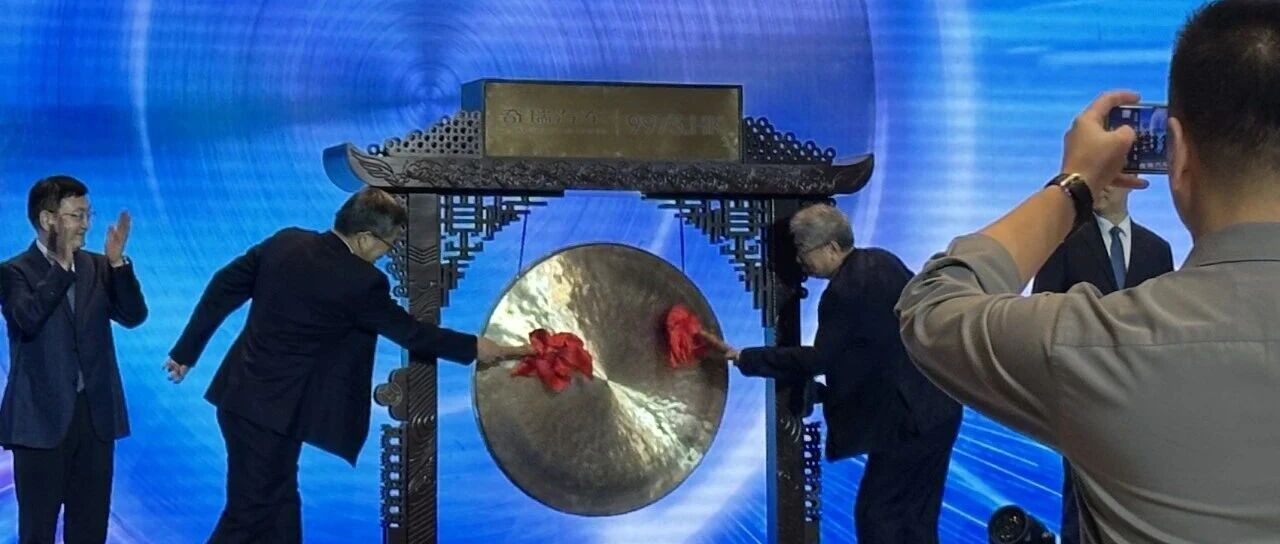
Core Viewpoint - Chery Automobile has successfully navigated a tumultuous journey in the capital market, culminating in its listing on the Hong Kong Stock Exchange, marking a significant milestone for the company and the Chinese automotive industry [3][4][29]. Group 1: Historical Journey - Chery was founded in 1997 in Wuhu, Anhui, with a registered capital of 1.752 billion yuan, primarily backed by local government entities, which laid the foundation for its complex equity structure [9]. - The company faced significant challenges, including the need for production qualifications, which led to a strategic partnership with SAIC in 2001 to gain access to necessary production licenses [11]. - Chery attempted to go public in 2004 through a reverse merger but faced difficulties due to conflicting interests among stakeholders, resulting in a failed listing [12][28]. Group 2: Strategic Shifts and Challenges - The company adopted a multi-brand strategy in 2009, which ultimately led to resource dilution and financial strain, causing it to miss several IPO opportunities [13][15]. - In 2019, Chery initiated a significant mixed-ownership reform, bringing in strategic investors to improve its governance structure and financial health, which was crucial for its eventual IPO plans [20][21]. - The introduction of Luxshare Precision as a strategic investor in 2022 provided a solid foundation for Chery's listing ambitions, despite the challenges posed by previous investors [21][29]. Group 3: Recent Performance and Market Position - Chery's revenue is projected to grow from 92.6 billion yuan in 2022 to 269.9 billion yuan by 2024, with a compound annual growth rate of 70.7%, and net profit expected to rise from 5.8 billion yuan to 14.3 billion yuan during the same period [25][26]. - The company has achieved significant sales growth in both the new energy and traditional fuel vehicle segments, with a 265% increase in new energy vehicle sales in 2024 [26]. - Chery's strategic focus on technology and product development, including a major push into smart and electric vehicles, positions it favorably in the competitive automotive landscape [24][25]. Group 4: Future Outlook - Chery's successful IPO on the Hong Kong Stock Exchange is seen as a transformative step towards becoming a global public company, enhancing its operational freedom and market competitiveness [29]. - The company aims to leverage its technological advancements and market position to continue leading in the automotive sector, particularly in the context of the ongoing transition to electric and smart vehicles [29].
又一汽车巨头“栽”在软件上
汽车商业评论· 2025-09-25 03:26
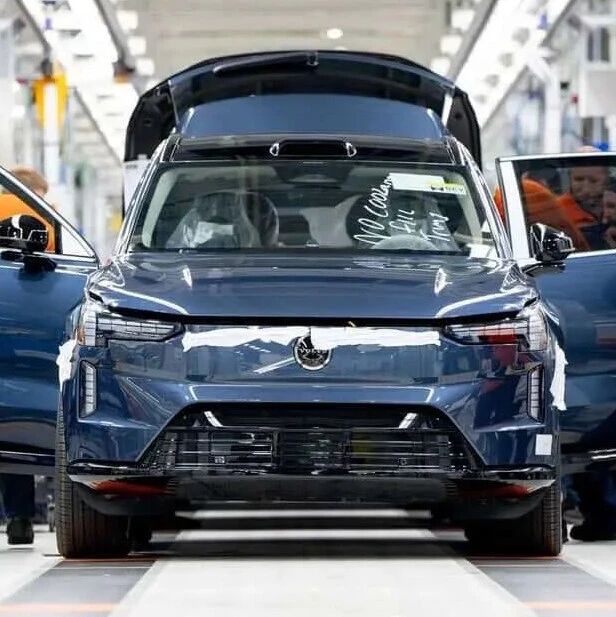
Core Insights - The article highlights the challenges faced by traditional automakers, particularly Volvo, in the transition to Software Defined Vehicles (SDVs), emphasizing the inadequacies of their current software systems and the need for a fundamental shift in their operational strategies [3][5][7]. Group 1: Volvo's Software Issues - Volvo's EX90 has been criticized for severe software problems, leading to a free upgrade offer for owners, which reflects the company's struggle to address these issues effectively [5][7]. - The software defects have resulted in a long list of malfunctions, including keyless entry failures and infotainment system issues, indicating a lack of readiness for the software-driven automotive landscape [5][7]. Group 2: Industry-Wide Challenges - The automotive industry is experiencing a collective struggle with digital transformation, as evidenced by the increasing number of software-related recalls, which have surged from 5.1% in 2015 to a record 41.6% in 2024 [13]. - Major automakers like General Motors and Volkswagen have faced significant setbacks due to software failures, leading to halted sales and delayed product launches, highlighting the industry's vulnerability in managing software complexities [16]. Group 3: Shift in Development Focus - The transition to SDVs necessitates a shift from hardware-centric development to a focus on software and service ecosystems, requiring automakers to rethink their relationships with suppliers and adopt integrated solutions [12][20]. - Collaborations between traditional automakers and specialized tech firms are becoming essential, as seen in partnerships like that of Volkswagen and Rivian, which aim to leverage external expertise for software development [20]. Group 4: Future Directions - The industry is moving towards a model where automakers focus on their core competencies while outsourcing software development to specialized partners, indicating a strategic shift in how vehicles are designed and maintained [20]. - The successful implementation of SDVs will require overcoming significant challenges, as the industry grapples with the complexities of integrating advanced software into traditional automotive frameworks [20].
叫板FSD?日产新智驾上街了
汽车商业评论· 2025-09-23 17:37
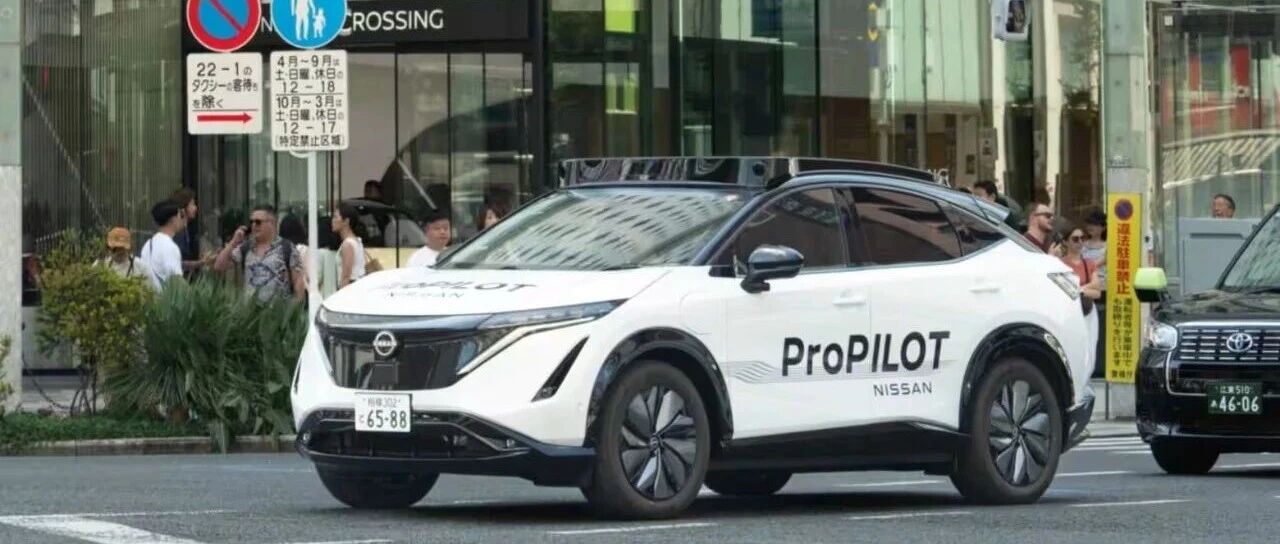
Core Viewpoint - Nissan aims to compete with Tesla by launching its next-generation ProPILOT driver assistance system, which utilizes technology from UK-based Wayve, with plans for implementation in mass production vehicles by the fiscal year 2027 [4][10]. Group 1: Technology Development - The new ProPILOT system, currently in L2 level, will require drivers to monitor the vehicle and road conditions at all times, similar to Tesla's Full Self-Driving (FSD) system [4][16]. - The ProPILOT system has evolved from its initial launch in 2016, with the latest version capable of handling complex urban environments using fewer sensors [7][9]. - Wayve's AI Driver software, which focuses on real-world data absorption and transfer capabilities, will be the core component of Nissan's next-generation ProPILOT [7][13]. Group 2: Strategic Partnerships - Nissan's collaboration with Wayve marks a significant step from theoretical partnerships to practical road testing, with a dedicated development center established in Yokohama to adapt to Japan's unique driving conditions [8][10]. - The partnership aims to deliver safer and smarter mobility technologies, leveraging Wayve's expertise in AI and real-world driving data [8][10]. Group 3: Market Positioning - Nissan's strategy emphasizes a "Japan first, then overseas" approach, showcasing its prototype's capabilities in Tokyo's urban settings [9][10]. - The company plans to initiate small-scale L4 autonomous services in Japan by the fiscal year 2027, starting with vehicles equipped with safety drivers [10][16]. - Nissan's focus on L2 capabilities in urban environments reflects a broader trend among Japanese automakers to explore diverse partnerships and regulatory pathways for autonomous driving [16].

大师是否算过,尚界H5上市居然呼风唤雨
汽车商业评论· 2025-09-23 17:37
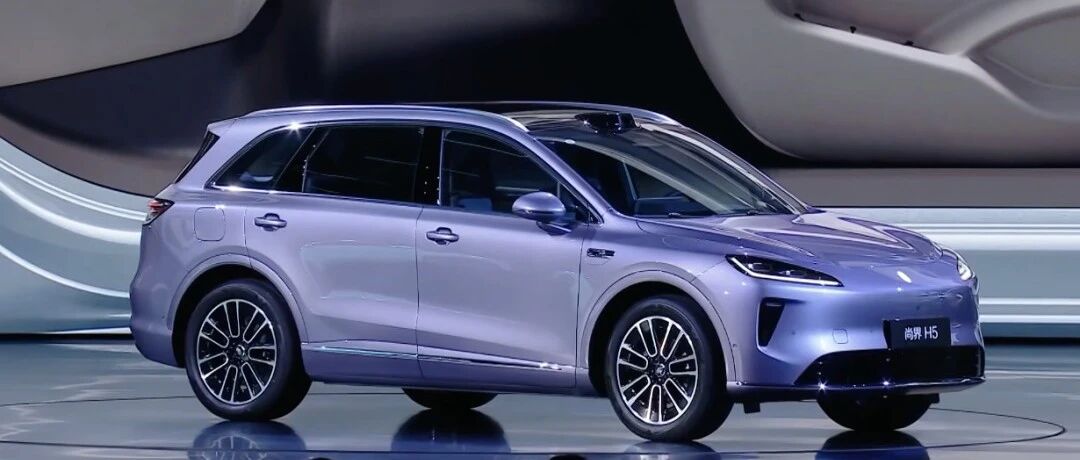
Core Viewpoint - The launch of the Shangjie H5 SUV by SAIC and Huawei represents a significant entry into the mainstream SUV market, combining advanced technology with competitive pricing, aiming to disrupt the current market dynamics [4][11][13]. Product Launch and Market Positioning - The Shangjie H5 was launched on September 23, 2025, amidst challenging weather conditions, yet it garnered significant attention with over 160,000 pre-orders since August 25, 2025, with more than 75% for the top Max version [6][16]. - Positioned as a B-class vehicle with C-class space, the Shangjie H5 claims superior interior space compared to competitors like the Mercedes-Benz GLC and Audi Q5L, despite being shorter in length and wheelbase [8][12]. Technical Specifications and Features - The Shangjie H5 boasts impressive specifications, including a cabin space of 1908mm, outperforming its competitors in comfort and quietness [8]. - It features advanced safety technologies, including all-around collision avoidance and unique rear cross-traffic braking, along with the latest Huawei intelligent driving technology [9][11]. Pricing and Variants - The starting price of the Shangjie H5 is set at 159,800 yuan, which is 10,000 yuan lower than the expected price, with six versions available ranging from 159,800 to 199,800 yuan [11]. - The vehicle offers both extended range and pure electric options, with the pure electric version achieving a maximum range of 655 km and a low energy consumption of 13.4 kWh per 100 km [11]. Competitive Landscape - Key competitors include the Leap C11, BYD Song PLUS DM-i, Tesla Model Y, and others, with the Shangjie H5 standing out in intelligent driving capabilities and overall value proposition [12]. - The market response indicates a strong potential for the Shangjie H5 to become a best-seller in its price segment, reflecting a shift towards more intelligent and technologically advanced vehicles [12][13]. Future Outlook - The Shangjie H5 is expected to pave the way for future models in the Shangjie brand, which will continue to target the 200,000 yuan market segment, with the initial model focusing on volume sales [13]. - The introduction of the Shangjie H5 signifies a strategic move by SAIC and Huawei to integrate advanced technology into affordable vehicles, potentially reshaping consumer expectations in the SUV market [13][14].

奔驰宝马们的一次集体“倒车”
汽车商业评论· 2025-09-22 23:07
编译 / 杜 咏 芳 编辑 / 黄 大 路 设计 / 杜 咏 芳 全触控的浪潮席卷而来,但梅赛德斯-奔驰却向用户承认,对不起,我们错了!是时候把物理按钮请回来了。 这一转变正从新款GLC和纯电CLA Shooting Brake开始——它们的方向盘上将重新出现摇杆、滚轮和实实在在的按键。 梅赛德斯-奔驰的软件主管马格努斯·奥斯特伯格(Magnus Östberg)在慕尼黑车展上向《Autocar》坦言:"如果你从配备触摸屏和较少实体按钮的CLA (轿车)换到重新配备滚轮和按钮的(新款)GLC,立刻就能感受到区别。" 而且,这不只是一两款新车的试验。目前,梅赛德斯-奔驰已确认将在其现有和即将上市的车型中增加更多物理按钮,而物理按钮也将成为梅赛德斯- 奔驰未来车型的标准配置。 值得注意的是,梅赛德斯-奔驰并非唯一一家选择让物理按钮回归的汽车制造商。宝马、法拉利、大众等多个汽车供应商都决定将物理按钮保留在汽 车上。 正如梅赛德斯-奔驰集团董事长兼首席执行官康林松(Ola Källenius)所言:"有时你必须后退两步,才能真正前进一步。" 将物理按钮重新请回驾驶舱的集体"倒车",倒退的是盲目追随潮流的冲动,进的则是 ...