汽车商业评论

Search documents
中国汽车,恶性循环还是大乱之后必大治?
汽车商业评论· 2025-05-28 15:55
5月21日,国务院反垄断反不正当竞争委员会专家咨询组全体会议强调,要紧扣加快构建全国统一 大市场、综合整治"内卷式"竞争、加强竞争监管执法等重点任务,为提升公平竞争治理能力、维护 公平竞争市场秩序贡献智慧力量。 撰 文 / 钱 亚 光 设 计 / 赵 昊 然 价格战一再成为近几年汽车行业的热议话题。价格战短期对消费者有好处,可以用较低的价格买到 心仪的汽车。但持续性、单纯地"卷价格"也会产生很多负面的影响,造成企业亏损、行业不振、质 量下降、研发停滞,最终恶果也会传导到消费者身上。 据中国汽车流通协会乘联会统计,2024年汽车市场降价规模显著扩大,涉及227款车型,远超2023 年的148款及2022年的95款。 据中国汽车流通协会统计,2024年全国乘用车市场中,新能源新车降价车型降价幅度达9.2%;燃油 车新车降价车型降价幅度达6.8%;总体乘用车市场新车降价车型的降价幅度达8.3%。 持续上演的价格战让国内汽车制造业利润进一步被吞噬。中国汽车工业协会数据显示,2024年汽车 行业利润率仅为4.3%,较2023年下跌0.7个百分点,远低于全国工业企业平均6%的水平。 最近,比亚迪以限时一口价或限时补贴形式 ...


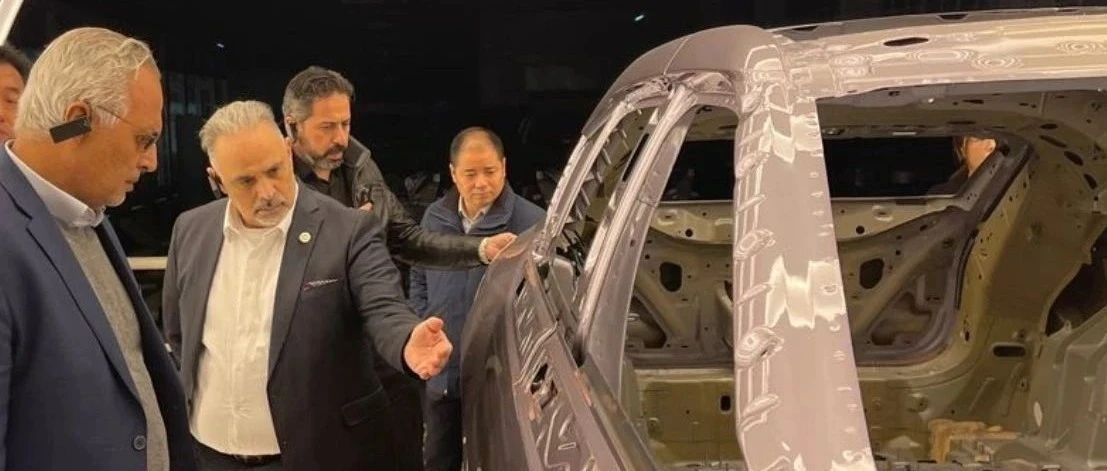
又一家豪华车企裁员3000人
汽车商业评论· 2025-05-27 13:54
Core Viewpoint - Volvo is undergoing significant restructuring, including a reduction of approximately 3,000 jobs, which represents about 15% of its white-collar workforce, as part of a cost-cutting initiative aimed at enhancing operational resilience amid rising costs and declining sales [1] Group 1: Job Cuts and Cost-Cutting Measures - Volvo plans to cut around 3,000 jobs, primarily affecting employees in Sweden, as part of a broader cost and cash action plan valued at 18 billion Swedish Krona (approximately 1.9 billion USD) [1] - The company reported a 60% decline in operating profit for Q1 2025 and an 11% drop in global sales in April compared to the previous year, highlighting the impact of tariffs and rising material costs [1] Group 2: Leadership Changes - In March 2025, Volvo's board reinstated former CEO Håkan Samuelsson, who had previously led the company from 2012 to 2022, to ensure stability during the transition period [2] - Samuelsson's appointment comes as the company seeks a long-term successor while navigating its electric vehicle (EV) strategy [2] Group 3: Electric Vehicle Strategy - Volvo has adjusted its 2030 target for electric vehicle sales, now aiming for 90% to 100% of total sales to be electric vehicles (including both fully electric and plug-in hybrid models) [3] - The company plans to launch seven new models in 2025, including three fully electric vehicles, three fuel models, and one hybrid SUV, as part of its ongoing electrification efforts [4]
合创汽车暴雷以后
汽车商业评论· 2025-05-27 13:54
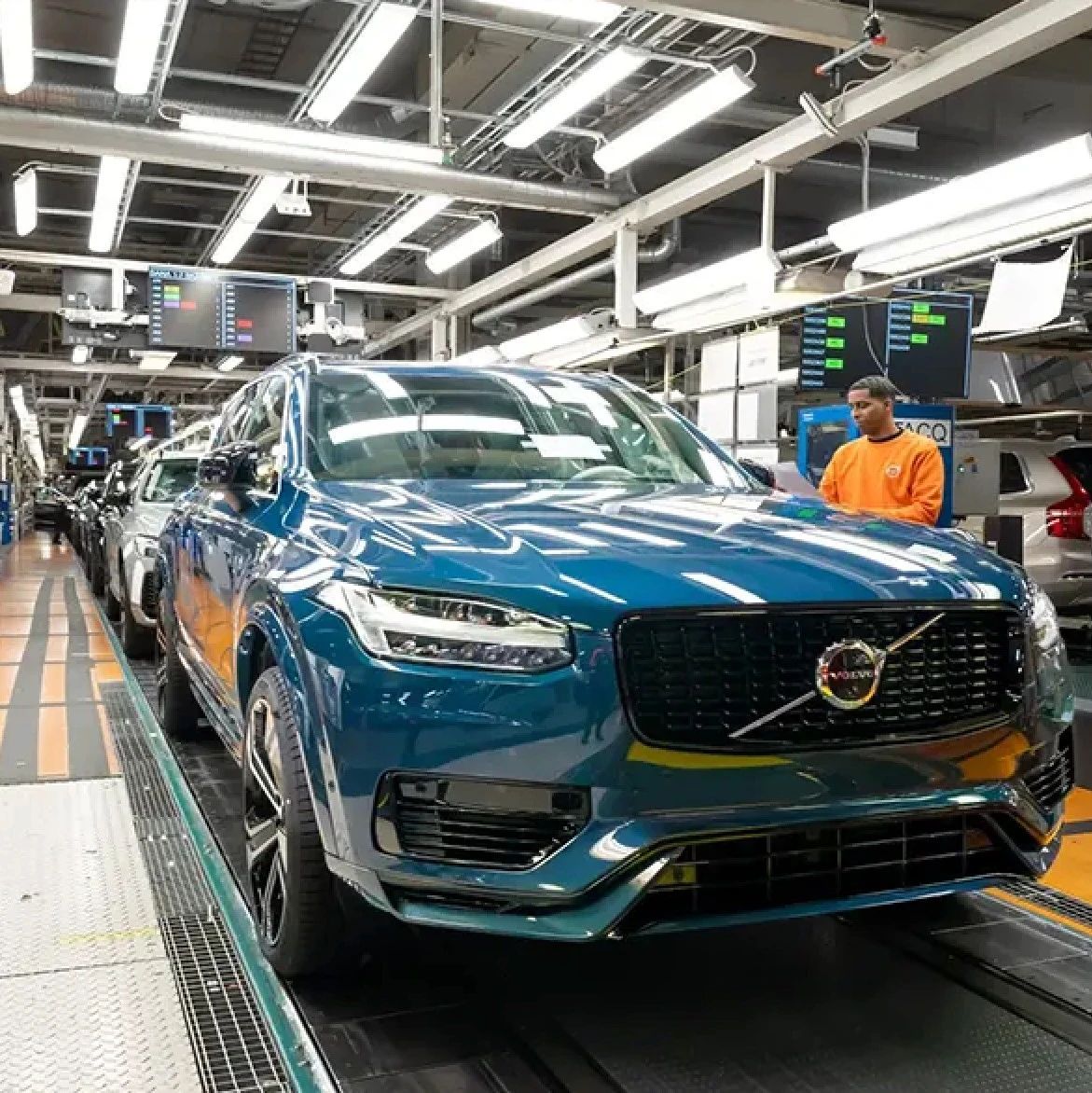
Core Viewpoint - The article highlights the ongoing struggles of HYCAN Automotive, including unresolved financial disputes with dealers, declining sales, and operational challenges, leading to significant concerns about the company's future viability [3][5][14]. Group 1: Company Background - HYCAN Automotive was established in April 2018 as a joint venture involving GAC Group, NIO, and other stakeholders, with GAC Group initially responsible for vehicle development and production [7][8]. - The company launched its first production model, HYCAN 007, in May 2020, but faced poor sales due to high pricing [11]. - Despite attempts to revitalize the brand with new models like HYCAN Z03 and A06, overall sales remained disappointing, with a reported 82.32% year-on-year decline in 2024 [12][14]. Group 2: Financial and Operational Challenges - By 2024, HYCAN Automotive's financial difficulties became evident, with significant layoffs, unpaid wages, and a halt in sales operations in Shanghai, involving over 100 million yuan in claims [12][13]. - The company reported a total revenue of 617 million yuan and a net loss of 1.13 billion yuan by November 2024 [12]. - GAC Group has been compelled to provide financial support to HYCAN, including a loan of approximately 23.8 million yuan for employee wages and compensation [13]. Group 3: Dealer Relations and Consumer Impact - Dealers have expressed frustration over unaddressed financial claims and lack of communication from HYCAN, leading to protests and calls for government intervention [3][5][6]. - The ongoing issues have resulted in significant consumer dissatisfaction, including failures in after-sales service and product support, raising safety concerns for vehicle owners [14][15]. - GAC Group has stepped in to manage after-sales services for HYCAN vehicles, but challenges remain in fulfilling prior service commitments [15].

马斯克:你们等着,我不会对你们客气
汽车商业评论· 2025-05-27 00:13
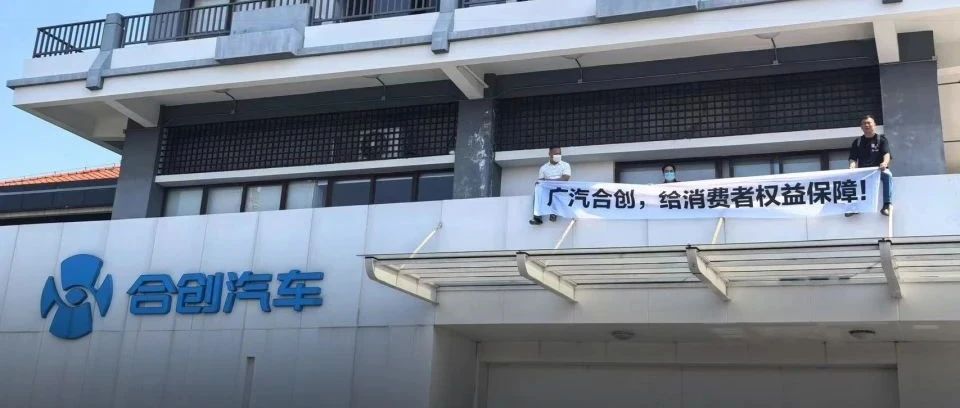
Core Viewpoint - The article discusses Elon Musk's recent interview at the Qatar Economic Forum, highlighting his frustrations regarding questions about his roles in Tesla and the government efficiency department (DOGE), as well as the controversies surrounding them [4][6][8]. Group 1: Musk's Role and Responsibilities - Musk continues to serve as CEO of Tesla while also working with DOGE, claiming to reduce his time commitment to one or two days a week [8][10]. - He emphasized the urgency of achieving the goal of "fully autonomous driving" by June 2025, indicating a return to focus on Tesla's core business [8][12]. Group 2: Sales Performance and Market Response - Musk acknowledged a sales decline in Europe but asserted that Tesla's performance in other regions remains strong, with the company's market value recovering to over $1 trillion [12][14]. - He noted that while some left-leaning consumers may have shifted away from Tesla, the company has gained support from right-leaning consumers, maintaining that overall demand is not an issue [14][16]. Group 3: Government Role and Potential Conflicts - Musk denied any significant conflict of interest arising from his dual roles, stating that his position as a government advisor does not grant him decision-making power [32][34]. - He argued that the transparency of DOGE's operations mitigates potential conflicts, emphasizing that any recommendations made are subject to ministerial approval [34][36]. Group 4: Future Plans for Starlink and IPO Considerations - Musk indicated that Starlink may go public in the future but expressed no urgency to do so, citing the burdens of operating as a public company [21][23]. - He highlighted the importance of regulatory reform in the context of potential litigation that could arise from an IPO [23][24]. Group 5: AI Regulation and OpenAI Lawsuit - Musk reiterated his call for a balanced approach to AI regulation, advocating for a regulatory framework that avoids overreach while ensuring safety [30][31]. - He confirmed ongoing legal action against OpenAI, criticizing its shift from a non-profit to a profit-driven model [28][30].


10年前特斯拉提出的充电机器人,现代汽车已开启实测
汽车商业评论· 2025-05-27 00:13
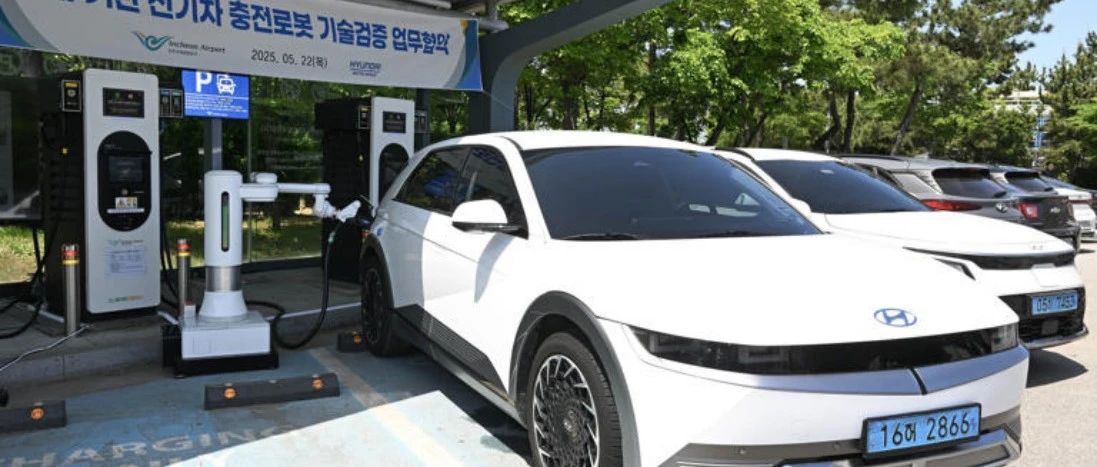
编 译 / 钱亚光 设 计 / 赵昊然 来 源 / k o r e a j o o n g a n g d a i l y. j o i n s. c o m , w w w. a u t o w e e k . c o m , w w w. h y u n d a i . c o m 最近,现代汽车宣布,已正式启动其搭载AI技术的电动汽车充电机器人(automatic charging robots, ACR)的实际测试。 据《韩国中央日报(Korea JoongAng Daily)》报道,这家韩国公司正与起亚汽车以及仁川国际机 场(Incheon International Airport)合作开展测试阶段的工作,它们立了一个演示站点,建立自动机 器人电动汽车充电服务,计划将该业务扩展到其他机场、海港、铁路以及其他交通热点地区。 仁川国际机场公司于4月20日宣布,根据国际机场协会(ACI)数据,2024年该机场国际航线旅客 达70669246人,跃居全球第3位。 该机场目前已拥有该国最大的环保型车辆基础设施,并计划到2026年安装1110个电动汽车充电器, 而且机场的整个车队实现了电气化。仁川国际机场以其 ...
多家车企电池工厂计划生变
汽车商业评论· 2025-05-25 14:55
Core Viewpoint - The automotive industry is adjusting its electric vehicle (EV) strategies due to slowing demand and rising costs, leading to a more cautious outlook on EV growth compared to previous optimistic projections [4]. Group 1: Industry Adjustments - Automakers are revising their EV production plans, with Nissan utilizing Ford's battery production facility in Kentucky to mitigate tariff risks associated with importing vehicles and parts [5][7]. - General Motors (GM) has sold its stake in a Michigan battery plant to LG Energy Solution, pausing construction due to a global slowdown in EV demand [9][10]. - Honda has reduced its planned investment in EVs and software from 10 trillion yen to 7 trillion yen (approximately $484 billion), postponing its Canadian EV production facility by two years [14][15]. Group 2: Market Dynamics - Ford's Model e division reported a loss of $850 million despite an increase in EV sales from 10,000 to 31,000 units, indicating challenges in meeting growth expectations [7]. - The U.S. market for EVs is experiencing a slowdown, with potential pressures from proposed tax credit eliminations for EV purchases [7]. - Honda anticipates that by 2030, pure electric vehicles may only account for about 20% of its total sales, down from a previous target of 30% [14]. Group 3: Strategic Partnerships - The collaboration between Ford and Nissan for battery production is seen as a strategic move for both companies, allowing Nissan to avoid tariffs while Ford adjusts its EV strategy [5][7]. - LG Energy Solution's acquisition of GM's stake in the Lansing battery plant is aimed at enhancing production efficiency and meeting market demand [10][13].


电车已过山海关
汽车商业评论· 2025-05-25 14:55
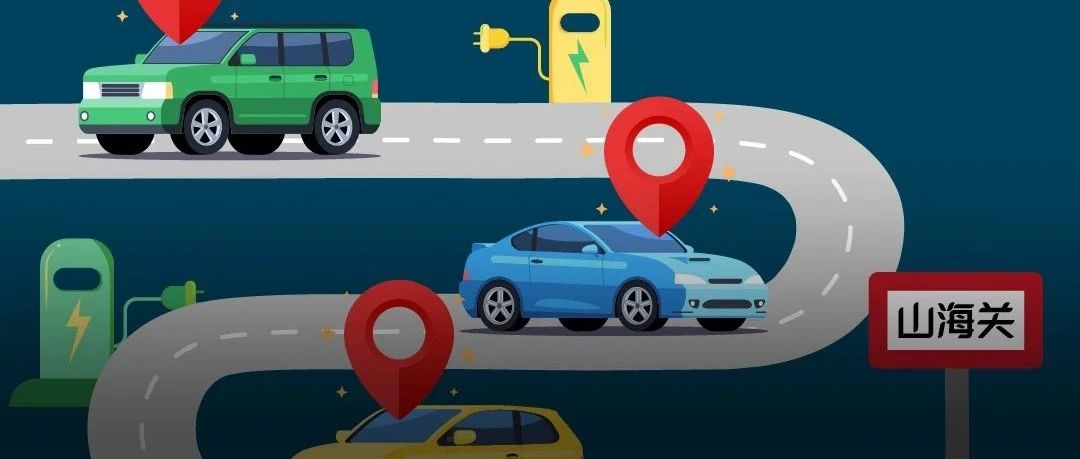
Core Viewpoint - The development of new energy vehicles (NEVs) in China has significantly progressed, overcoming previous limitations in cold and high-altitude regions, leading to increased market penetration and technological advancements [4][22]. Group 1: Technological Breakthroughs - Major advancements in battery technology have been achieved, allowing NEVs to perform effectively in low-temperature environments, with new systems maintaining up to 68% of their range at -7°C and functioning at -40°C [6][8]. - The introduction of innovative heating technologies, such as the wide-temperature micro-nuclear high-frequency pulse heating technology, enables rapid battery heating and efficient operation in extreme cold [9][20]. - Companies like BYD and Geely have developed advanced battery systems that enhance charging efficiency and reduce energy loss in low temperatures, with some batteries maintaining over 90% capacity at -40°C [18][19]. Group 2: Market Trends and Adoption - The market share of plug-in hybrid electric vehicles (PHEVs) in northern regions has exceeded 70%, driven by their ability to alleviate range anxiety and their lower dependency on charging infrastructure [12][14]. - In high-altitude areas like Tibet, NEVs are gaining traction due to the high cost of fuel and the availability of clean energy resources, making them more economically viable [14][15]. - The penetration rate of NEVs in regions such as Jilin and Inner Mongolia is increasing, with projections indicating significant growth in production and sales by 2026 [21][22]. Group 3: Infrastructure Development - The Chinese government is actively promoting the construction of charging infrastructure, aiming for a balanced and advanced network by 2025, particularly in remote areas [15][22]. - Recent initiatives have led to the establishment of numerous charging stations along key routes, enhancing the convenience of using NEVs in previously underserved regions [15][22].


比亚迪电车在欧洲销量首超特斯拉
汽车商业评论· 2025-05-24 14:20
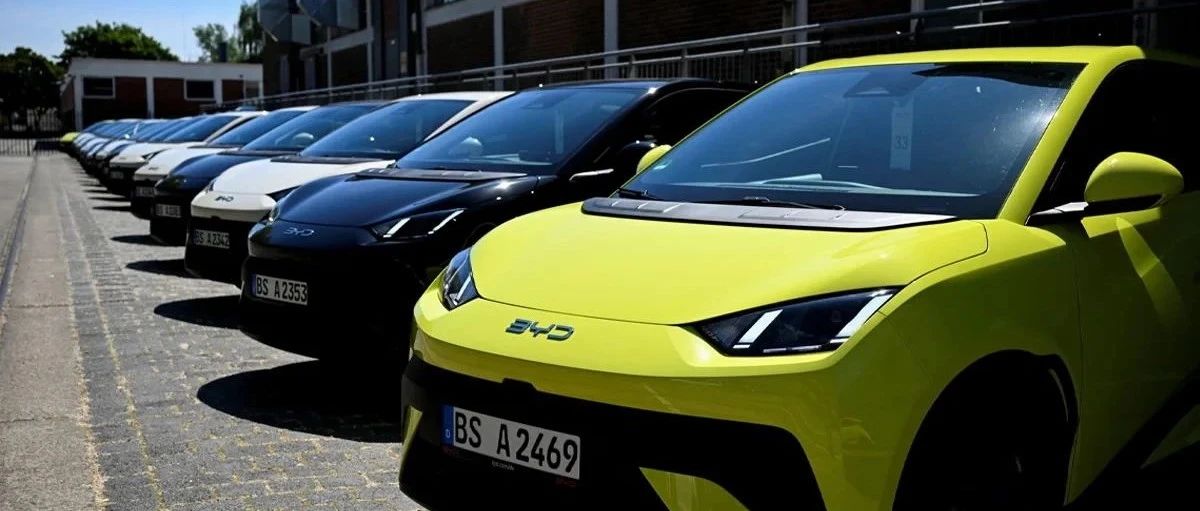
据市场研究机构JATO Dynamics的一份报告,比亚迪4月在欧洲销售的电动汽车数量首次超过了特斯 拉。原因在于其老旧的车型阵容以及首席执行官埃隆·马斯克(Elon Musk)的政治立场影响了这家 美国电动汽车制造商汽车的需求。 编 译 / 钱 亚 光 设 计 / 赵 昊 然 来 源 / w w w. j a t o . c o m , w w w. r e u t e r s. c o m , a r s t e c h n i c a . c o m | | | April | | | | --- | --- | --- | --- | --- | | | | 21122 | 21125 | | | | 总销量 | | 1,077,122 1,078,521 +0.1% | | | | 纯电动 | 144,200 | 184,312 | +28% | | | 汽车 | 13% | 17% | +3.7p | | | 描混 | 74,520 | 97,715 | +31% | | volume and market | 汽车 | 6.9% | 9.1% | +2.1p | | | SUV | 552,58 ...
小米YU7是雷军发的健忘药吗?
汽车商业评论· 2025-05-23 23:25
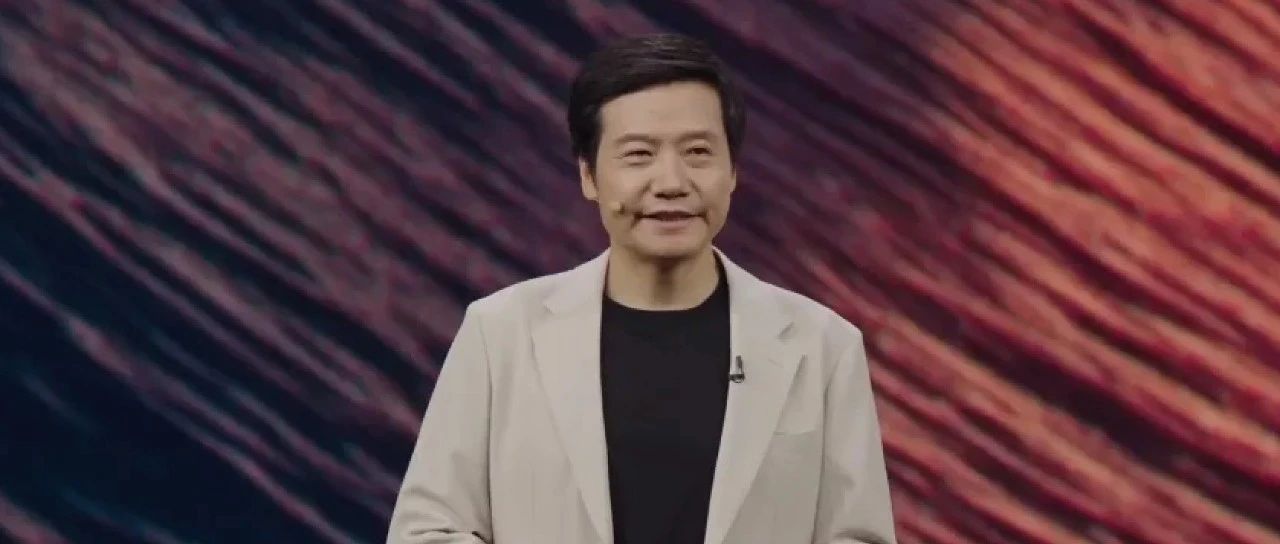
Core Viewpoint - Lei Jun is a significant competitor in the automotive industry, particularly with the launch of Xiaomi's SU7 and the upcoming YU7, which are positioned to challenge established players in the market [3][8]. Group 1: Product Launch and Sales Performance - The Xiaomi SU7 was launched on March 28, 2024, and has delivered a total of 258,000 units in 13 months, averaging nearly 20,000 units sold per month [4]. - In the Chinese market for electric mid-sized sedans priced above 200,000 yuan, only the Tesla Model 3 has surpassed this sales figure, while BYD's Seal, including hybrid versions, has also exceeded 20,000 units [6]. Group 2: YU7's Market Position and Potential - The YU7 has been unveiled but its price has not yet been disclosed. It is expected to sell no less than 20,000 units monthly, indicating strong potential for becoming a best-seller [7]. - The YU7 is positioned as a "luxury high-performance SUV" and is expected to impact the pricing strategies of traditional luxury car manufacturers [25]. Group 3: Competitive Landscape - The YU7 will compete directly with models such as the Li Auto L6, NIO ES6, and the upcoming XPeng G7, with its dimensions being 5 meters long, 2 meters wide, and 1.6 meters high, and a wheelbase of 3 meters [19]. - The YU7 offers three versions with varying battery capacities and ranges, including a single motor rear-wheel drive version with an 835 km range and a dual motor all-wheel drive version with a 770 km range [22]. Group 4: Technological Advancements - The YU7 features advanced technology, including a third-generation Snapdragon 8 cockpit SoC and a 700 Tops Sol chip for intelligent driving assistance, with all versions equipped with lidar for end-to-end driving assistance [24]. - The overall hardware configuration of the YU7 is claimed to surpass that of the Tesla Model Y, indicating a competitive edge in technology [24]. Group 5: Brand Influence and Marketing Strategy - Lei Jun's personal brand and public persona have a significant influence on Xiaomi's automotive strategy, with his approach to marketing emphasizing storytelling and relatability [11][26]. - Despite recent controversies, Lei Jun's absence of direct responses during the product launch suggests a strategic positioning to maintain focus on product strengths rather than personal issues [10][26].
神秘黎巴嫩商人接盘高合,是救星还是忽悠?
汽车商业评论· 2025-05-23 08:40
Core Viewpoint - The article discusses the potential revival of Jiangsu HiPhi Automotive Co., Ltd. (HiPhi) under new ownership by EV Electra Ltd., a Lebanese startup, and raises questions about the viability and legitimacy of this revival effort amid financial struggles and controversies surrounding the new management [4][5]. Group 1: Company Background - HiPhi Automotive was established in 2016 but has not produced any mass-market vehicles and has faced allegations of financial fraud and design plagiarism [4]. - The new major shareholder, EV Electra Ltd., holds a 69.8% stake in HiPhi, with the remaining 30.2% owned by its parent company, Huaren Yuntong [4]. - The new management team primarily consists of executives from EV Electra, with limited representation from HiPhi [4]. Group 2: Financial Situation - HiPhi's registered capital is approximately $143.26 million, with the new owner expected to fulfill this commitment by the end of 2025 [4][34]. - The company is reportedly in a precarious financial situation, with debts amounting to 15.781 billion yuan and total assets of 5.983 billion yuan across 52 companies [34]. - EV Electra is attempting to raise $1.2 billion through the issuance of NFTs, which will allow token holders to purchase vehicles at a discount [34]. Group 3: Production Plans - HiPhi's factory in Yancheng is preparing to resume operations, with plans to produce 150,000 vehicles annually, including models X, Y, and Z [26]. - The environmental impact report for the factory's upgrade project has been published, indicating a total investment of 17.96 million yuan [26][27]. Group 4: Controversies and Challenges - EV Electra has faced accusations of involvement in a cryptocurrency scam and has been criticized for using images of other manufacturers' vehicles on its website [22]. - The new management's strategy of selling vehicles through token investments raises concerns about the legitimacy and sustainability of the business model [34]. - The article draws parallels between the new owner and previous controversial figures in the automotive industry, suggesting skepticism about the new management's intentions [35].