汽车商业评论

Search documents
年轻人追求的松弛感,车企做不到
汽车商业评论· 2025-06-03 15:09
Core Viewpoint - The article discusses the ongoing price war in the Chinese automotive industry, highlighting significant price cuts by major players like BYD, Geely, and Chery, which are driven by sales pressure, high inventory, and market competition [4][22][30]. Group 1: Price Cuts and Market Reactions - BYD launched a "100 billion subsidy" campaign on May 23, 2025, with price reductions of up to 53,000 yuan for its models [4][10]. - Geely and Chery quickly followed suit with their own price reduction campaigns, with Geely's Star Wish model starting at 59,800 yuan and Chery's Tiggo 3X at 34,900 yuan [5][12]. - The price war has led to significant discounts, with some models seeing price drops of nearly 50% compared to their original prices [12][14]. Group 2: Reasons Behind the Price War - Sales targets are under pressure, with BYD aiming for 5.5 million units by 2025 but only achieving 1.38 million in the first four months of the year [22]. - High inventory levels are a concern, with the overall passenger car inventory reaching 3.5 million units by the end of April 2025, necessitating urgent clearance [22][24]. - Government policies, such as the vehicle trade-in program, have further incentivized price reductions among manufacturers [24]. Group 3: Industry Dynamics and Future Outlook - The article notes that the price war reflects deeper industry anxieties, including declining profit margins, which have dropped from 7.8% in 2017 to 4.1% in early 2025 [29][30]. - Companies are restructuring to improve efficiency and competitiveness, with several automakers adjusting their organizational structures to better respond to market changes [27][28]. - The article concludes that while consumers benefit from lower prices in the short term, the long-term implications for quality and safety in the industry are concerning, with calls for a return to more rational competition [30].


汽车巨头杀入机器人赛道
汽车商业评论· 2025-06-02 13:44
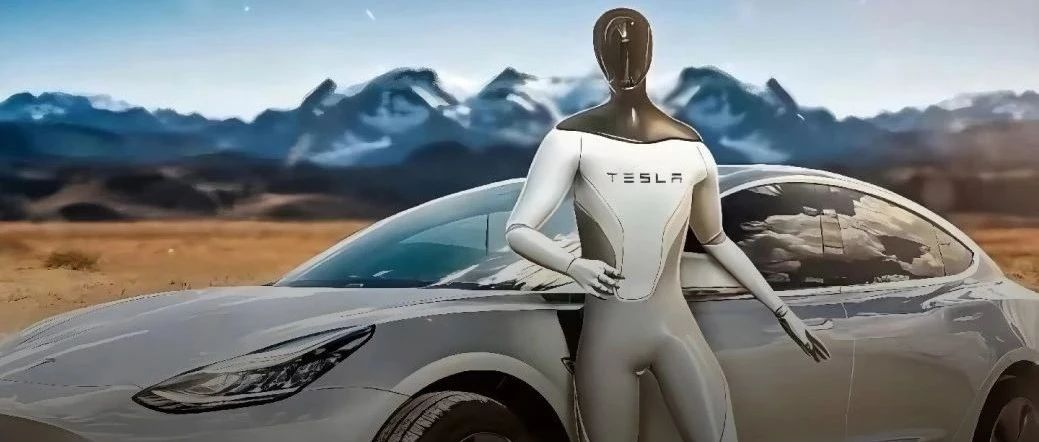
Core Viewpoint - The automotive industry's transition into humanoid robotics represents a significant shift from vehicle manufacturing to intelligent ecosystem builders, leveraging existing technological assets and supply chain capabilities to redefine competitive advantages in the smart era [4][50]. Group 1: Technological Reuse - The cross-industry movement from automotive to humanoid robotics is driven by the systematic migration of industrial capabilities to intelligent scenarios, highlighting the deep logic of technological reuse, supply chain sharing, and strategic restructuring [6]. - The technology architecture of smart cars and humanoid robots overlaps significantly in perception, decision-making, and execution, allowing for direct migration of algorithms from automotive to robotics [7]. - Tesla's Autopilot algorithms have been adapted for the Optimus project, demonstrating the effective reuse of technology and rapid development capabilities [9][12]. Group 2: Cost Advantages - The automotive industry's scale advantages are reshaping cost structures in the robotics sector, with automotive-grade components being significantly cheaper than their industrial counterparts [13]. - The stringent quality standards of the automotive industry are being applied to robotics, enhancing component reliability and reducing failure rates [13]. Group 3: Market Entry Strategies - Automotive companies are entering the robotics field through self-research and investment, reflecting strategic choices to address industry cycles and capture new growth opportunities [15]. - The differentiation in strategies has led to the emergence of two camps: the "self-research faction" focusing on building technology ecosystems and the "investment faction" aiming for rapid positioning through acquisitions [15][19]. Group 4: Talent Migration - The talent flow between the automotive and robotics industries is reshaping the human resource landscape, with many former automotive engineers transitioning to robotics roles [21]. - The emergence of startups led by automotive veterans is contributing to the evolution of the robotics sector, with many leveraging their automotive experience to innovate in robotics [23][29]. Group 5: Industry Restructuring - The entry of automotive companies into robotics is causing a deep restructuring of the robotics supply chain, with technology and materials being repurposed across sectors [37]. - The integration of automotive standards into robotics is raising industry entry barriers and redefining value distribution within the manufacturing ecosystem [39]. Group 6: Future Challenges - Despite the promising outlook, the robotics strategies of automotive companies face significant challenges, including high production costs and the need for technological breakthroughs in humanoid capabilities [42][44]. - The cultural clash between traditional automotive management practices and the agile development required in robotics is creating operational inefficiencies [46].




专用车蝶变
汽车商业评论· 2025-06-02 13:44
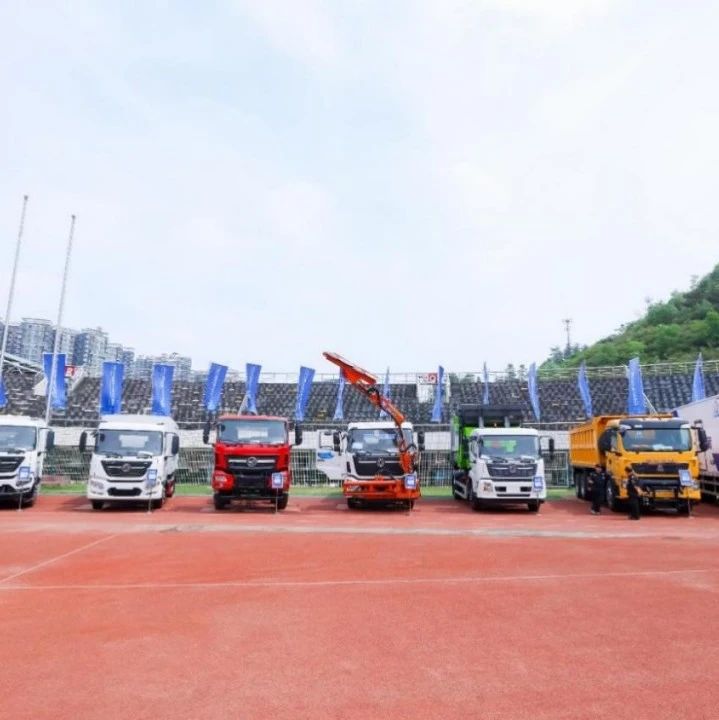
Core Viewpoint - The article emphasizes the significant transformation and growth potential in the specialized vehicle industry in China, highlighting the shift towards high-end, intelligent, and green vehicles, as well as the need for a new industrial ecosystem [4][9]. Group 1: Industry Overview - The specialized vehicle sector is gaining attention, with the city of Shiyan aiming to host a dedicated conference, reflecting its status as a hub for commercial vehicles [4][5]. - Shiyan has 56 specialized vehicle manufacturers, producing an average of 100,000 units annually, with a goal to reach 150,000 units by 2027 [7]. Group 2: Industry Transformation - The specialized vehicle industry is moving away from a fragmented and small-scale perception towards a more integrated and competitive landscape [8][10]. - The industry is being redefined as a "commercial vehicle+" sector, focusing on high value, high growth, and high technology content [9][11]. Group 3: Key Changes in the Industry - The traditional view of specialized vehicles as mere modifications of commercial vehicle chassis is evolving; they are now seen as value-added products that integrate external technologies and functions [11]. - Specialized vehicles are transitioning from basic transportation tools to high-end multifunctional equipment [12][13]. - The industry is accelerating its shift from fuel-based systems to green and intelligent solutions, with projections of over 300,000 new energy specialized vehicles sold in 2024, achieving a penetration rate of nearly 30% [14][16]. Group 4: Ecosystem and Business Model - The traditional ecosystem of specialized vehicles is fragmented, lacking a large-scale industrial approach; there is a need for integrated and large-scale production [17][18]. - The business model is shifting from selling vehicles to providing lifecycle value-added services, focusing on specific applications like cold chain and firefighting [19][20]. Group 5: Internationalization and Upgrades - The internationalization of the specialized vehicle market is evident, with an expected export of 50,000 new energy specialized vehicles in 2024, marking a 44% increase [21]. - There is significant potential for production upgrades by adopting new materials and technologies, aiming to create advanced manufacturing facilities [22]. Group 6: Management Optimization - The industry requires modernization of management systems and the establishment of advanced standards to eliminate outdated capacities and foster globally competitive enterprises [23][24].
电动汽车增速放缓,丰田重仓押注插混
汽车商业评论· 2025-06-01 15:18
Core Viewpoint - The article discusses Toyota's strategic focus on plug-in hybrid electric vehicles (PHEVs) amidst a slowing growth rate in electric vehicle (EV) sales, highlighting the company's diversified approach to achieving carbon neutrality and its cautious stance compared to other manufacturers [3][5][11]. Group 1: Market Trends and Predictions - Electric vehicle sales are still growing, but the pace has slowed compared to early 2020 [3]. - Analysts predict moderate growth for PHEVs in the next five years, with S&P forecasting a penetration rate increase from about 2% last year to 5% by the end of the decade in the U.S. [5]. - AutoPacific estimates that by 2030, the penetration rate for PHEVs will reach approximately 4.2%, while AutoForecast Solutions expects it to stabilize around 3.3% [5]. Group 2: Toyota's Strategy and Product Line - Toyota has been promoting hybrid vehicles globally since 1997, with PHEVs being a natural extension of this strategy [7]. - Currently, PHEVs account for 50.6% of Toyota's electric vehicle sales in North America [7]. - The company plans to expand its PHEV lineup, with a focus on increasing electric-only range [9][11]. Group 3: Sales Performance and Growth - Toyota and Lexus PHEV sales grew by 39% last year, with the Prius and RAV4 PHEV models increasing by 30% [13]. - Lexus PHEVs, including the new TX model, saw an impressive growth of 88.6% [14]. Group 4: Challenges and Consumer Education - PHEVs face higher manufacturing costs due to the dual powertrain system, making them more expensive than traditional hybrids or gasoline vehicles [16][18]. - Educating consumers about the benefits and operation of PHEVs is crucial for increasing market acceptance [20]. Group 5: Future Models and Innovations - Toyota is transitioning core models to offer only hybrid options, starting with the new Camry and RAV4 [23]. - The Grand Highlander is expected to feature a PHEV system, likely based on the RAV4's technology [25]. Group 6: Long-term Strategy and Production Capacity - Toyota's long-term strategy includes offering a variety of powertrain options, including hybrids, PHEVs, and EVs [27]. - The company is set to begin battery production at its new North Carolina plant, which will support the demand for PHEVs and EVs [31][32].


余承东:要打击吹牛 、瞎吹牛 ,要鼓励真牛
汽车商业评论· 2025-06-01 04:58
Core Viewpoint - The automotive industry is currently facing intense competition characterized by price wars and public relations battles, with major players like Great Wall Motors and Huawei leading the charge in quality and innovation discussions [3][4]. Group 1: Industry Dynamics - Great Wall Motors' chairman, Wei Jianjun, initiated a strong critique of competitors, likening the automotive industry to the situation faced by Evergrande in real estate [4]. - Huawei's executives, particularly Yu Chengdong, emphasized the importance of quality over cost-cutting, stating that many vehicles from other manufacturers do not meet Huawei's quality standards [7][8]. - The Future Automotive Pioneer Conference showcased significant participation from traditional automakers, indicating a shift towards more vocal and competitive strategies in the industry [4]. Group 2: Quality and Innovation - Yu Chengdong highlighted the need for the industry to avoid setting standards based on the lowest performers, advocating for a focus on quality and innovation [8]. - He criticized the marketing strategies of competitors that exaggerate product capabilities, asserting that Huawei's approach is more grounded and realistic [8]. - The emphasis on technological advancements was reiterated, with Huawei claiming leadership in several key areas such as smart driving and intelligent cockpit technology [8]. Group 3: Strategic Partnerships - Various automotive leaders expressed their commitment to collaboration with Huawei, indicating a trend towards partnerships that leverage Huawei's technological expertise [18][22]. - Chery's chairman, Yin Tongyue, stated that aligning with Huawei's vision has led to smoother operations and better market performance [18]. - Jianghuai Automobile's chairman mentioned significant investments in collaboration with Huawei, aiming to enhance innovation capabilities [22]. Group 4: Market Positioning - Executives from different companies, including SAIC and BAIC, discussed the necessity of moving towards high-end markets rather than engaging in price wars, which they view as detrimental to the industry [26]. - The sentiment across the industry is shifting towards creating more valuable and desirable products rather than competing solely on price [26].
小米卢伟冰:今天市面上哪款产品是SU7的对手?一款也没有
汽车商业评论· 2025-05-31 06:55
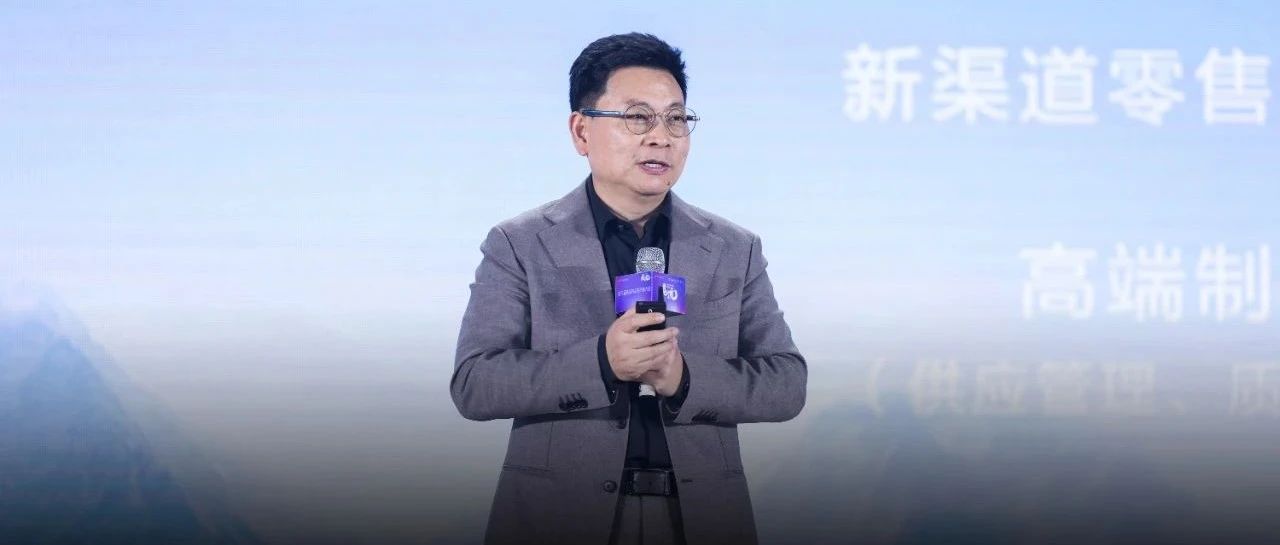
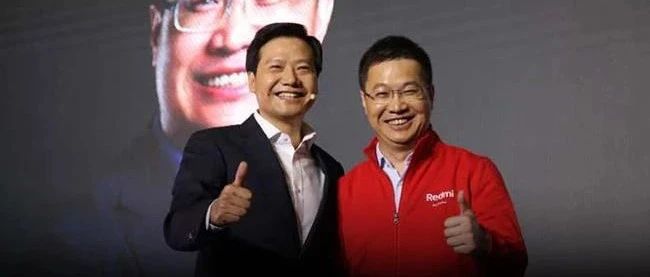
这一业绩已超过很多车企。 撰 文 / 张霖郁 设 计 / s h e l l y 舆论不断挑战雷军,但小米未来5年会不会成为汽车行业最强劲的对手? 2025年第一季度财报显示,小米汽车总收入达186亿元,其中汽车业务收入181亿元,如用一季度交 付量75869计算,小米单车平均售价为23.86万元,仅靠一款纯电轿车小米SU7就拿下此成绩。尽管 汽车业务当季整体亏损5亿元,但小米毛利率已实现23.2%。 何小鹏在多个场合表示,小鹏今年四季度目标是实现盈利。 5月27日的财报会上,小米官方称毛利率提升一是因为单款爆品带来的成本分摊,二是SU7没有降 价,三是Ultra版本的推出以及周边产品带来的收入。 小米合伙人兼总裁卢伟冰在回答分析师关于小米YU7将标配拉满是否会影响其定价策略时 说:"YU7你们也看到产品力很强,全系标配激光雷达、长续航、全屏幕显示等,产品竞争力是核 心。如果一个不强的产品力,想有好的盈利能力,我觉得是不可能的,盈利是结果,不能当目标追 求。SU7去年3月28日上市后,时隔14个月,今天市面上哪一个产品是它的对手?一款都没有,一 个能打的都没有。没有对手就能保证你的定价权,才能保证合理的利润率 ...

大厂都在做换电
汽车商业评论· 2025-05-30 09:10
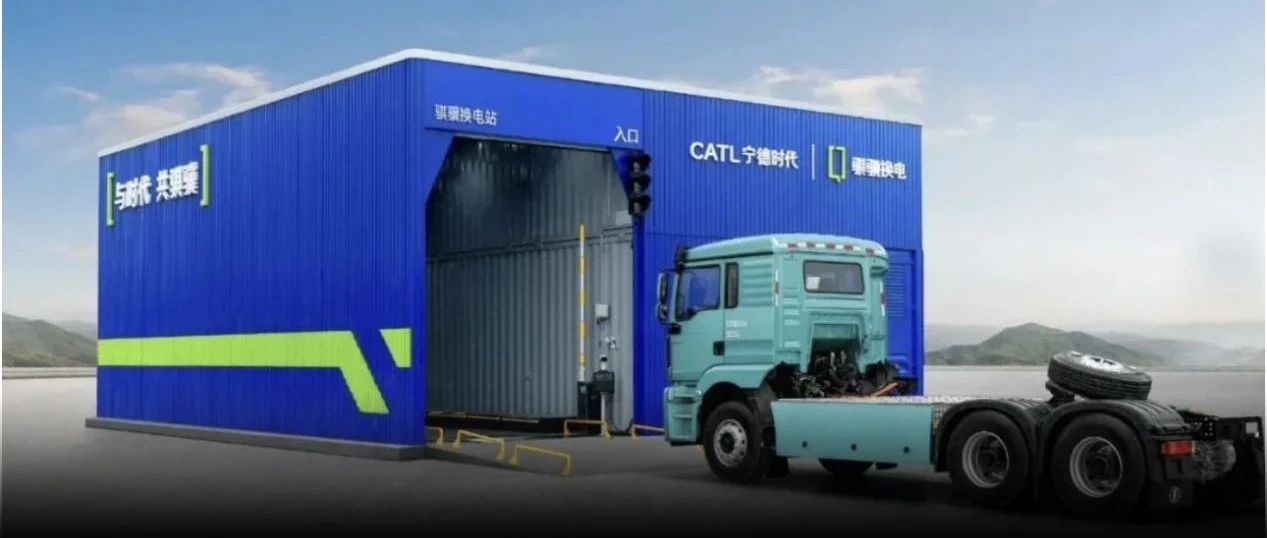
Core Viewpoint - CATL aims to redefine its identity from a mere battery manufacturer to a pioneer in the new energy sector, emphasizing its role in the development of battery swapping technology [4][5]. Group 1: Development of Battery Swapping - CATL has transitioned from a parameter-driven phase to a demand-driven phase in the battery market, highlighting its ambition to become a zero-carbon technology company [5]. - The company is constructing the world's largest and most advanced battery swapping network, targeting both passenger and commercial vehicles [7]. - The launch of the first battery-swapping model, the Changan Auchan 520, marks a significant step in the large-scale implementation of standardized battery swapping in the transportation market [8]. Group 2: Industry Challenges and Solutions - The lack of standardized battery swapping systems has been a major barrier to the widespread adoption of battery swapping technology [16]. - CATL has developed standardized battery blocks to address this issue, enabling compatibility across various vehicle models [17][19]. - The company plans to build 1,000 battery swapping stations by 2025, with a long-term goal of establishing 30,000 stations in collaboration with partners [25]. Group 3: Market Dynamics and Growth Potential - The battery swapping market is expected to experience significant growth, driven by policy support, technological standardization, and market cultivation [12][14]. - The market for battery swapping in heavy-duty trucks is projected to reach approximately 468 billion yuan by 2025 and 922 billion yuan by 2030 [43]. - CATL's initiatives in battery swapping are anticipated to enhance operational efficiency and reduce costs for heavy-duty truck operators, making it an attractive option for the logistics industry [38][41]. Group 4: Broader Ecosystem Impact - Battery swapping is not just a refueling method but a comprehensive ecosystem that includes technology, infrastructure, and commercial aspects [46]. - The integration of battery swapping stations with renewable energy sources can transform them into distributed energy nodes, contributing to grid stability [48]. - The establishment of a robust battery swapping network is expected to reshape urban energy infrastructure and planning, creating a multi-trillion yuan industry ecosystem [48].
马斯克不干了
汽车商业评论· 2025-05-29 13:43
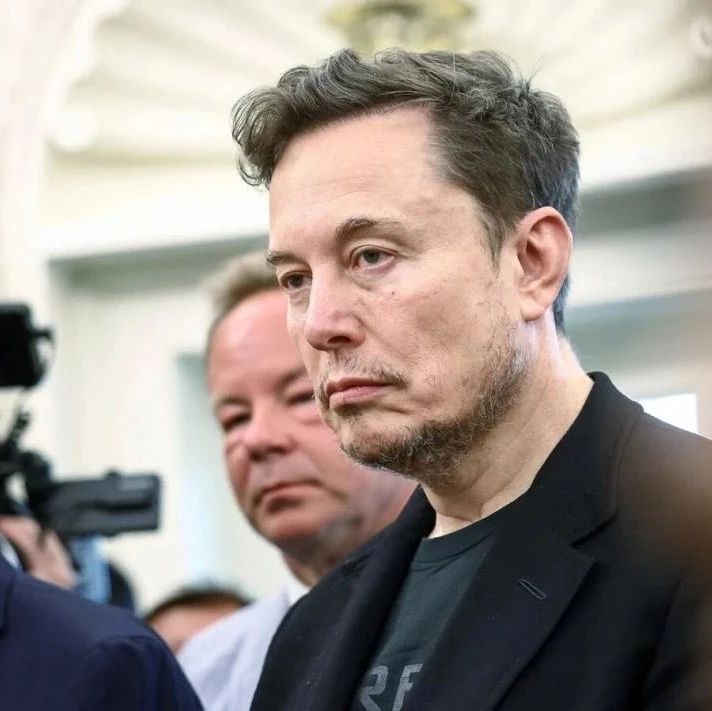
编 译 / 路 行 设 计 / 赵昊然 来 源 / 路透社、 C N B C 等 作 者 / N a n d i t a B o s e 、 D a v i d S h e p a r d s o n、N n a m d i E g w u o n w u等 埃隆·马斯克(Elon Musk)在白宫工作的日子结束了。 自1月特朗普(Donald Trump)第二任期开始以来,马斯克就领导政府效率部(Department of Government Efficiency,简称DOGE),负责削减联邦政府规模。 作为"特别政府雇员",马斯克每年最多可在政府部门工作130天(可分散进行)。白宫于2月3日首 次公开承认马斯克的职位,因此他的任期已接近尾声。 一位不愿透露姓名的白宫官员证实马斯克将离任,并表示他于美国时间28日晚开始办理离职手续。 马斯克此前批评了特朗普目前正在国会推进的一项支出法案,他表示这项法案"削弱了DOGE团队 正在推进的工作"。 他的离任过程迅速且没有任何仪式。据知情人士透露,马斯克在宣布退出前并未与特朗普进行正式 会谈,他的离开是在"高层幕僚层面"决定的。 "DOGE的使命将随着时间推移而愈 ...
设计一台世界级标杆的中国车
汽车商业评论· 2025-05-29 13:43
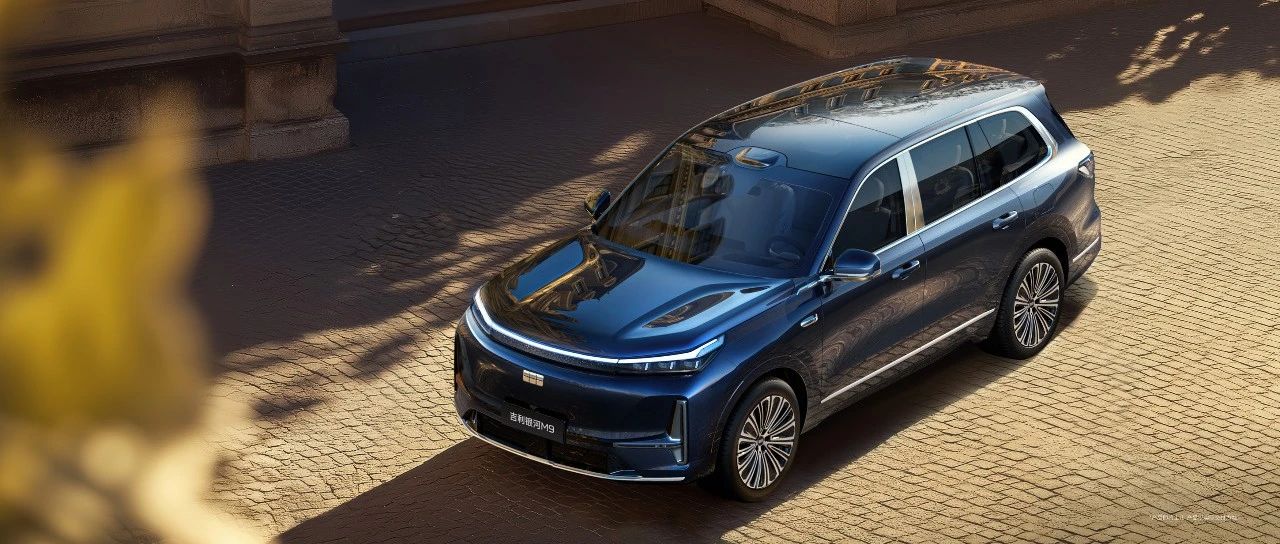
Core Viewpoint - The article discusses the design philosophy and strategic positioning of Geely's flagship SUV, the Galaxy M9, emphasizing the integration of global design principles with Chinese cultural values to create a competitive product in a saturated market [4][28]. Group 1: Product Launch and Market Context - The Galaxy M9 was globally unveiled in Milan, Italy, on May 22, 2023, and is positioned as a flagship SUV under the Geely Galaxy brand, which has rapidly achieved over one million sales in the new energy vehicle segment [4][6]. - The market for six-seat SUVs in China has become highly competitive, with at least 10 new models launched in 2023 alone, creating a "red ocean" scenario for manufacturers [4][6]. Group 2: Design Philosophy and Strategy - Geely aims for the Galaxy M9 to be a "world-class benchmark," which presents a significant challenge in a crowded market [6][28]. - The design team, led by Chen Zheng, focuses on creating a vehicle that appeals to a broad consumer base by balancing aesthetic appeal, market recognition, and technical innovation [7][10]. Group 3: Global Design Integration - The design process involved collaboration between Geely's Shanghai and Milan teams, leveraging the strengths of both Chinese and European designers to achieve a harmonious blend of aesthetics [15][17]. - The establishment of multiple design centers globally, including in Milan, supports a cross-cultural design ecosystem that enhances Geely's design capabilities [14][18]. Group 4: Aesthetic Principles - The design philosophy centers on the concept of "big is beautiful," reflecting cultural values that associate size with power and prestige, which is evident in the Galaxy M9's dimensions: 5205mm in length, 1999mm in width, and 1800mm in height [21][23]. - The vehicle's design incorporates a unique window-to-body ratio of 1:1.2, enhancing the perception of spaciousness and light within the cabin [23][25]. Group 5: User-Centric Design Features - The Galaxy M9 features a three-row seating layout inspired by traditional Chinese architecture, emphasizing comfort and social interaction among passengers [25][26]. - The design includes a focus on the third-row seating experience, addressing the needs of families and enhancing the overall user experience [25][26]. Group 6: Strategic Importance of Design - Chen Zheng emphasizes that design is a strategic lever for the company, aligning with the broader goal of transitioning from "Made in China" to "Designed by China" in the automotive industry [17][29]. - The successful design of the Galaxy M9 is expected to bolster Geely's brand positioning and competitiveness in the global market [28][29].

全球第四大车企新CEO,艰难上岗
汽车商业评论· 2025-05-28 15:55
Core Viewpoint - Stellantis has appointed Antonio Filosa as the new CEO after a six-month vacancy, facing significant challenges in the automotive market, particularly in North America and South America [4][5]. Group 1: Leadership Transition - Antonio Filosa, previously COO of the Americas and Global Chief Quality Officer, will officially take over as CEO on June 23 [4]. - John Elkann, the chairman, has been acting as CEO during the transition and praised Filosa's leadership capabilities [5]. - Filosa will announce a new executive team and drive a restructuring of the company [6]. Group 2: Financial Performance - Stellantis reported a net revenue of €156.9 billion in 2024, a 17% decline year-over-year, and a net profit of €5.5 billion, down 70% [6]. - Adjusted operating profit fell to €8.6 billion, a 64% decrease, with the adjusted operating margin dropping from 12.8% to 5.5%, marking a record low [6]. Group 3: Market Challenges - The company is facing a significant decline in market share in the U.S., with a nearly 2% drop and increased dealer inventory [17]. - Stellantis's sales in the U.S. heavily rely on its factories in Mexico and Canada, and the company exported approximately 58,000 vehicles from Europe to the U.S. last year [24][26]. - The company’s industrial cash flow is projected to be negative €6 billion in 2024, compared to €12.9 billion in 2023 [26]. Group 4: Tariff Impact - The Trump administration's tariffs on imported vehicles are expected to reduce Stellantis's profits by 75%, with an estimated loss of $7.1 billion in earnings due to these tariffs [23][21]. - The tariffs have disrupted Stellantis's global operations and encouraged regionalization, complicating the company's supply chain [28]. Group 5: Relationship Management - Filosa is focused on repairing relationships with dealers, suppliers, and the United Auto Workers (UAW) union, which have been strained under previous leadership [30][32]. - The company is implementing price reductions and more aggressive incentives to manage U.S. inventory issues [31]. - Filosa has expressed confidence in reaching a consensus with the UAW, addressing complex issues such as factory closures and layoffs [32].