36氪未来消费

Search documents
瑞幸在纽约两店同开,但不打折比星巴克还贵?
36氪未来消费· 2025-07-01 13:05
Core Viewpoint - Luckin Coffee has officially opened its first two stores in New York City, marking its entry into the U.S. market after five years of absence from Nasdaq. The company aims to attract a diverse customer base by strategically selecting locations in busy, multicultural areas rather than predominantly Chinese neighborhoods [2][5]. Group 1: Store Opening and Promotions - On June 30, 2025, Luckin Coffee opened its first two stores in New York, located at 755 Broadway and 800 Sixth Avenue, offering a promotional price of $1.99 for orders made through its official app [2]. - Prior to the official opening, Luckin conducted four pop-up events in high-traffic areas of New York City to promote its app and engage with potential customers [3]. Group 2: Marketing Strategy - The pop-up events were designed to encourage app downloads, with incentives such as free coffee and a chance to win a year of free coffee, successfully attracting a large crowd despite the heat [3]. - The company employed a diverse group of volunteers to help engage local consumers, with a significant portion of attendees being Chinese students and workers [4]. Group 3: Location Strategy - Luckin's choice of locations reflects its commitment to penetrating the U.S. market, focusing on areas with stable foot traffic rather than high-rent shopping centers [5][7]. - The two stores are situated in B+ grade locations, balancing cost and customer flow, indicating Luckin's confidence in its brand positioning and operational capabilities [7]. Group 4: Market Context - The U.S. coffee market is substantial, generating nearly $85 billion in revenue in 2023, with Americans consuming approximately 400 million cups of coffee daily [8]. - The competitive landscape in New York is intense, with numerous established coffee brands, including Starbucks, dominating the market [7][8]. Group 5: Challenges and Considerations - Luckin faces challenges in adapting its pricing strategy to the U.S. market, where its original pricing may not be competitive compared to local brands [9][10]. - The company must navigate local regulations, such as the prohibition of cashless businesses in New York, which could impact its app-based ordering model [14].



阅文独家战略投资毛绒潮玩品牌“超级元气工厂”|独家
36氪未来消费· 2025-07-01 11:46
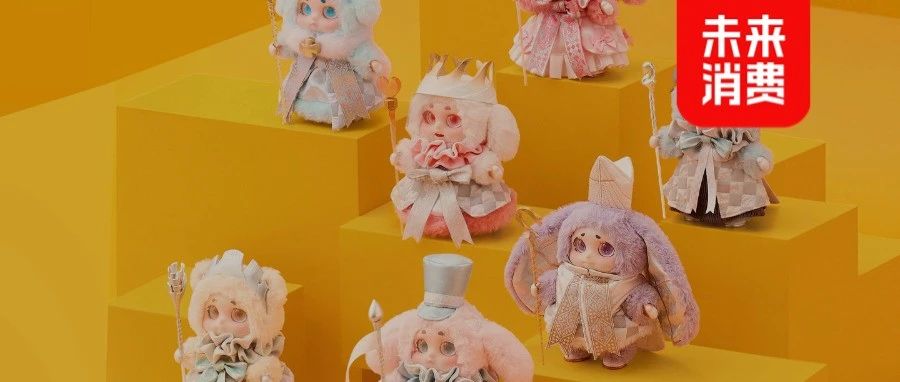
Core Viewpoint - The investment in "Super Vitality Factory" marks a significant expansion of the derivative product business for the reading culture group, indicating a strategic move towards enhancing its IP commercialization efforts [2][5]. Group 1: Investment Details - The well-known plush toy brand "Super Vitality Factory" has opened exclusive strategic investment to the reading culture group, granting it a 10% stake in the company [3]. - This investment is the first publicly disclosed case of mainstream investment in the vertical plush toy industry in China [3][4]. Group 2: Company Background - "Super Vitality Factory" originated as a plush toy supply chain company with its own factory, providing comprehensive plush product solutions for international events and major domestic brands [4]. - The company utilizes innovative composite materials in its products, which include various forms such as plush blind boxes and high-quality plush figures, and has developed original IPs like "Cino," "Adou," and "Alber" [4]. Group 3: Future Collaboration - Following the investment, both parties will engage in deep collaboration on original toy IP development, including joint incubation and creation of new IPs, with new product lines expected to launch in the second half of the year [5]. - The investment is part of the reading culture group's broader strategy to commercialize its IP through both self-built and investment avenues [5]. Group 4: Market Outlook - The "Trendy Toy Industry Development Report" predicts that by 2026, the retail market size for trendy toys in mainland China will reach 110.1 billion RMB, with a compound annual growth rate of 24% [6]. - The reading culture group aims to position itself in the trendy toy and card industries through its IP derivative product business, emphasizing "IP commercialization" as a key direction for the group [6].
人效碾压拼多多的椰子水上市:46人创11亿营收,钟睒睒「入股」
36氪未来消费· 2025-06-30 15:01
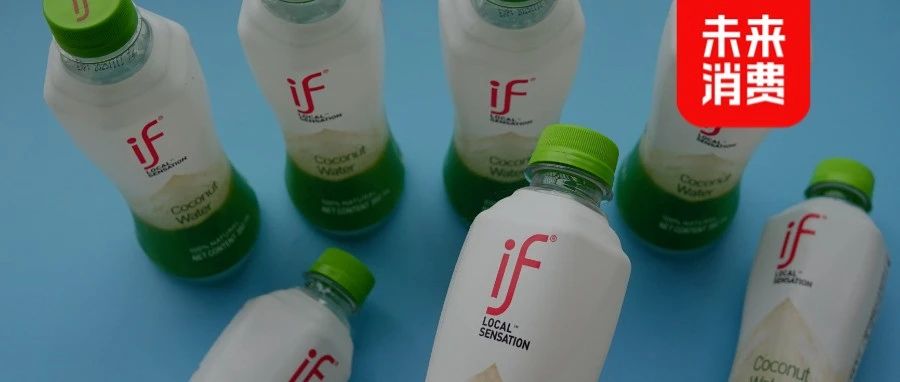
Core Viewpoint - IFBH Limited, the parent company of if coconut water, successfully went public on the Hong Kong Stock Exchange, achieving a market capitalization exceeding 10 billion HKD, showcasing the financial potential of coconut products [4][5]. Group 1: Company Overview - IFBH Limited was founded in 2013 by a Thai entrepreneur and primarily focuses on coconut water, which accounts for 96% of its total revenue [4]. - The company entered the Chinese market in 2017 through e-commerce channels, positioning China as its main growth driver [4]. - For 2024, IFBH is projected to generate revenue of 158 million USD (approximately 1.1 billion RMB), reflecting an 80% year-on-year growth, with 92.4% of this revenue coming from mainland China [4]. Group 2: Market Position and Performance - IFBH holds a market share of approximately 34% in mainland China, significantly outpacing its nearest competitor by over seven times, maintaining the top position for five consecutive years [4]. - The company achieved a record for the fastest approval for a food and beverage IPO in Hong Kong this year, completing the process in just over two months [5]. Group 3: Operational Efficiency - Despite generating over 1 billion RMB in revenue, IFBH operates with only 46 employees, resulting in an impressive revenue per employee of around 25 million RMB [6]. - In comparison, Pinduoduo, known for its operational efficiency, reported a revenue of 393.8 billion RMB with 23,465 employees, yielding a revenue per employee of approximately 16.78 million RMB [7]. Group 4: Investment Interest - During the IPO phase, IFBH was highly sought after by investors, with oversubscription reaching over 2,600 times [8]. - Notable cornerstone investors included Sequoia China, UBS Asset Management, and Jain Global, collectively subscribing approximately 310 million HKD [8]. Group 5: Marketing and Growth Strategy - The company has heavily invested in marketing, with expenditures increasing from 3.66 million USD to 7.36 million USD, representing over 100% growth [17]. - IFBH's marketing strategies include collaborations with popular brands and celebrities, enhancing its visibility and market presence [18]. Group 6: Industry Trends and Challenges - The coconut water market has seen a surge in demand due to its health benefits, particularly as a low-calorie and low-fat beverage option [13]. - However, the company faces challenges from rising raw material costs and increased competition from private label brands in the coconut water segment [22]. - The company must strengthen its supply chain and diversify its product offerings to maintain its competitive edge in the evolving market landscape [24].
钟睒睒“打新” if 椰子水;多地柠檬价格上涨;飞天茅台价格回升 | 品牌周报
36氪未来消费· 2025-06-29 15:28
Group 1: IFBH Coconut Water IPO - IFBH, the leading coconut water company in China, will be listed on the Hong Kong Stock Exchange next week, with a significant increase in its stock price during the dark market trading [2] - The company has maintained a market share of approximately 34% in the coconut water beverage market since 2020, according to a report by Zhi Shi Consulting [2] - IFBH operates with a light asset model, employing only 46 staff members, and has achieved a net profit of $16.75 million in 2023, projected to increase by 99% to $33.32 million in 2024 [2] Group 2: Lemon Price Surge - The wholesale price of lemons in China has risen from 9.94 yuan/kg in April to 12.83 yuan/kg in June, with specific markets like Beijing seeing prices double from 7.5 yuan/kg to 14 yuan/kg [5] - Global lemon production is expected to decrease by about 6% in 2025 due to extreme weather conditions affecting major producing regions [6] - The demand for lemons has surged, with China exporting 36,000 tons of lemons and lime juice in the first five months of 2025, generating an export value of 340 million yuan [6] Group 3: Bubble Mart's Expansion - Bubble Mart is reportedly hiring talent related to the home appliance sector, indicating a potential move into this industry, although the company has not confirmed this [7] - Analysts suggest that Bubble Mart may focus on designing and selling small appliances rather than competing in the mature home appliance market [7] Group 4: Moutai Price Fluctuations - The price of Feitian Moutai has shown volatility, with recent wholesale prices reported at 1,920 yuan/bottle for the 25-year version, reflecting a 50 yuan increase from the previous day [10] - Industry insiders note that the price drop below 1,800 yuan could trigger emergency interventions from Moutai to stabilize the market [11] Group 5: New Product Launches - Tea Baidao has launched a new lychee drink series, selling over 100,000 cups on the first day, highlighting the brand's strong cold chain logistics capabilities [17] - The company uses fresh lychees from Guangdong, ensuring high-quality ingredients for its products [17] Group 6: Market Entries and Investments - Nongfu Spring has officially entered the Hong Kong market, with plans to distribute its products across over 3,500 sales points [21] - Luckin Coffee has initiated the construction of a new coffee roasting factory in Xiamen, with an investment of 3 billion yuan, aiming to become the largest single coffee roasting facility in China [22]

4家消费公司拿到新钱;多个充电宝品牌的3C认证证书被暂停;抖音上线AI饭搭子“探饭”|创投大视野
36氪未来消费· 2025-06-28 08:12
Financing Activities - Micun Biotechnology (Shanghai) Co., Ltd. completed a Series A financing of 20 million RMB, with funds aimed at deepening core product development, expanding market channels, and accelerating its NASDAQ listing process [3] - Anxin Fresh Life completed a Series A financing of 28 million RMB, which will be used to enhance the intelligent supply chain system, upgrade the national warehousing network, and expand the "supermarket + station" integrated store model [4] - Linmi Technology completed a 15 million RMB angel round financing, which will add 500 smart terminals and is expected to serve over 200,000 households annually, while empowering over 300 community stores for digital upgrades [5] - OMOWAY announced the completion of several million USD in seed and angel round financing, which will accelerate the mass production of its self-developed smart motorcycles and deepen its localization strategy in Southeast Asia [6] Company Intelligence - Multiple 3C certification certificates for various power bank or battery brands have been suspended, including brands like Romoss, Anker, Ugreen, and Baseus, following recalls due to self-ignition risks [7] - Hong Kong's Da Ban Bakery announced its closure after 41 years of operation, citing unforeseen challenges and wage arrears as reasons for shutting down [8] - Fat Donglai's founder Yu Donglai announced the closure of several stores, including the Life Plaza store, which had sales exceeding 800 million RMB, due to the inability of older stores to meet quality standards [10] - Da Yao Beverage responded to rumors of KKR acquiring 85% of its shares by stating it would not comment, while previously indicating plans for a potential IPO in Hong Kong [11] Market Trends - DJI drones are experiencing severe shortages in the U.S. market, leading to speculation about the company's exit from the market, although DJI remains committed to resolving customs-related issues [13] - Pop Mart is reportedly hiring engineers for home appliances, suggesting a potential entry into the home appliance industry, with salaries ranging from 12,000 to 45,000 RMB [14] - Luckin Coffee's first store in the U.S. is set to open on June 30, with the company expressing intentions to enter the U.S. market [15] - Lucky Coffee has surpassed 6,000 stores nationwide, covering over 300 cities across 30 provincial-level regions [16] - The tea brand "Grandpa Does Not Brew Tea" has exceeded 2,200 stores nationwide, with an average of 2.7 new stores opening daily [17] Consumer Insights - LABUBU's auction price dropped from 510,000 RMB to 205,000 RMB within 12 days, highlighting volatility in the collectible market [18] - The new wealth ranking shows the founders of Mixue Ice Cream becoming the new richest in Henan with a net worth of 117.94 billion RMB, surpassing previous leaders [20] - The Civil Aviation Administration of China has prohibited passengers from carrying power banks without 3C certification or those that have been recalled on domestic flights [21] - The third batch of national subsidy funds for consumer goods replacement will be issued in July, with a focus on ensuring orderly implementation throughout the year [22]

为什么人人都爱COS?
36氪未来消费· 2025-06-27 06:05
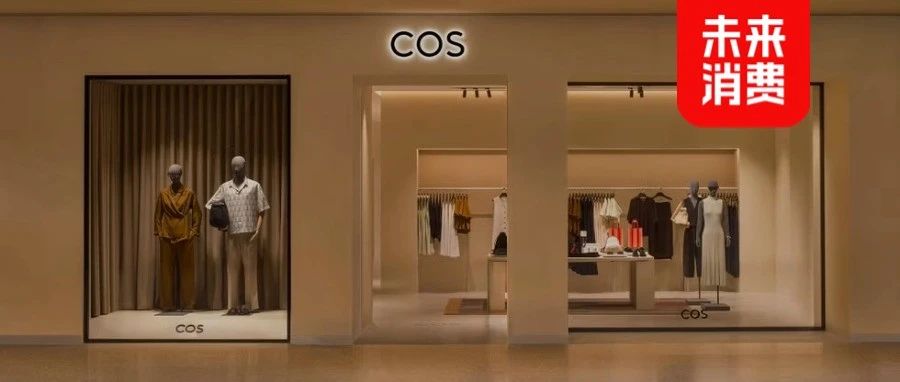
Core Viewpoint - COS, a brand under H&M, was launched in 2007 to create a distinct high-end identity separate from the main brand, aiming to mitigate risks and expand market reach [3] Group 1: Brand Development and Market Positioning - COS quickly gained recognition, with its U.S. launch in 2013 being highlighted by VOGUE as a highly anticipated brand [3] - In 2017, COS's revenue surpassed $1 billion, accounting for 5% of H&M Group's total income [3] - The brand faced challenges during the pandemic but has recently regained growth momentum as consumer trends shift back to rationality [3] - In Q1 2025, COS ranked sixth in the LYST's top ten hottest brands, being the only non-luxury brand on the list [3] Group 2: Pricing Strategy and Target Audience - COS's pricing strategy positions it between high street fashion and luxury brands, with products like a shearling collar jacket priced around £1,000 (approximately ¥9,770) [4] - The brand targets aspirational consumers who seek quality and design at a more accessible price point, filling a gap left by rising luxury prices [6] - COS is increasingly compared to high-end designer brands rather than mid-range ones, reflecting a shift in its market perception [6] Group 3: Expansion and Market Strategy - COS has accelerated its store openings in China, with new locations in major cities, indicating that China remains its largest market [7][9] - The opening of the first store in Xi'an marks a significant milestone in COS's expansion strategy in China [9] - The rise of brands like COS is partly attributed to the consolidation of luxury brands into a few major groups, which has shifted focus from product quality to profit [9] Group 4: Industry Trends and Designer Movement - Many designers are leaving traditional luxury brands for fast fashion groups, indicating a trend where creative talent is increasingly attracted to larger fashion companies [10] - COS's management emphasizes a lifestyle attitude rather than targeting younger generations specifically, focusing on cultural sensitivity and urban thinking [11]
美团高级副总裁李树斌:点评App会跟美团App越长越不同
36氪未来消费· 2025-06-26 03:13
Core Viewpoint - The article discusses the recent developments and strategic direction of Dazhong Dianping (大众点评) under the leadership of Li Shubin, emphasizing its role as a key player in the local consumption landscape and its integration into Meituan's core local business [2][3]. Business Performance and Market Position - Dazhong Dianping's "Must-Eat List" for 2025 was unveiled, featuring 3,091 restaurants across 144 cities, with food orders reaching 900 million in the past year [3]. - The competitive landscape for Meituan's local services has evolved into a normalized state, with increased user engagement and a significant year-on-year growth rate in in-store consumption [4]. Strategic Integration and Collaboration - The integration of Dazhong Dianping into Meituan's core local business has enhanced its operational capabilities, leveraging Meituan's extensive infrastructure and business development resources [4][5]. - Li Shubin emphasizes that Dazhong Dianping remains an independent entity with its own identity, focusing on user experience rather than solely on commercial objectives [5][21]. Content and User Engagement - Dazhong Dianping prioritizes "information density" to ensure users can easily find relevant content without feeling overwhelmed by unrelated information [4][10]. - The platform aims to balance its role as both a tool for searching and a content platform, adapting to user needs based on their engagement style [9][10]. Authenticity and Trust in Reviews - The "Must-Eat List" is based on genuine user reviews, with strict measures in place to prevent manipulation of ratings and ensure the integrity of the rankings [12][15]. - Dazhong Dianping's commitment to authenticity is reinforced by a robust algorithmic team and regular monitoring to maintain the credibility of its content [12][15]. Market Trends and Consumer Preferences - There is a noticeable shift in consumer preferences from efficiency to experience, with a growing recognition of small, local restaurants alongside larger chains [14][19]. - The platform is actively exploring new markets, including smaller cities and overseas locations, to enhance its reach and user engagement [22][23]. Future Directions and Innovations - Dazhong Dianping plans to introduce new marketing initiatives, such as "Must-Eat Packages," to help featured restaurants boost their sales and visibility [16][17]. - The company is also looking to integrate AI capabilities to improve the user experience in finding restaurants and managing information [28].

最新总门店数超过1.5万家,库迪缓了一口气?
36氪未来消费· 2025-06-25 13:05
Core Viewpoint - Kudi is engaged in a scale battle, with a current total of over 15,000 stores, including 3,000 pending openings, and aims to achieve a target of 50,000 stores by 2025 [2][3][5] Store Expansion and Profitability - Kudi's standard store net profit exceeded 10,000 yuan, with nearly 90% of stores achieving this profitability, indicating the effectiveness of recent delivery subsidies [3] - The average operating cash flow per store reached 27,000 to 28,000 yuan in May, a 40% year-on-year increase, reflecting improved financial health [4] Marketing and Collaboration - Frequent collaborations with popular IPs have boosted store sales, with a new collaboration every month since the beginning of the year [4] - Kudi's sponsorship of the Argentina national football team will continue until the 2026 World Cup, enhancing brand visibility [4] Challenges and Management Issues - Despite growth, Kudi faces management challenges, including inconsistent product quality and operational issues at some stores [7][10] - The company plans to implement stricter management with the introduction of 1,100 regional managers to oversee the 15,000 stores, aiming for a more standardized operation [8][9] Future Outlook - Kudi's growth is currently supported by delivery subsidies, but as these subsidies decrease, the sustainability of sales volume and operational efficiency will be tested [10] - The competitive landscape in the coffee industry suggests that Kudi may face a shakeout as market conditions evolve, emphasizing the need for effective management and operational strategies [10]
阿里虎鲸文娱旗下IP业务“锦鲤拿趣”关停|36氪独家
36氪未来消费· 2025-06-25 13:05
Core Viewpoint - The article discusses the challenges faced by the潮玩 (trendy toy) market, highlighting that not all brands can achieve the same success as Pop Mart, and it emphasizes the recent closure of Jinli Naju, a subsidiary of Damai Entertainment, due to poor performance and low revenue contribution [4][8]. Group 1: Company Developments - Damai Entertainment, formerly Alibaba Pictures, has decided to shut down its fully-owned subsidiary Jinli Naju, citing poor operational performance and minimal revenue contribution compared to its parent company, Tiger Whale Entertainment [4]. - Jinli Naju's revenue for 2024 is projected to be less than 500 million RMB, which accounts for only about 2% of Tiger Whale Entertainment's total revenue of 22.267 billion RMB for the 2025 fiscal year [5]. - The closure of Jinli Naju is part of a broader restructuring within Tiger Whale Entertainment, which is shifting its focus from film reliance to more profitable areas such as live performances and IP development [6][7]. Group 2: Market Context - The潮玩 market has gained significant attention, particularly following the success of Pop Mart, but the article notes that not all brands can replicate this success [8]. - Tiger Whale Entertainment's revenue from its film business has been declining, while its income from live performances and IP derivative products has been increasing, indicating a strategic pivot in response to market trends [7].
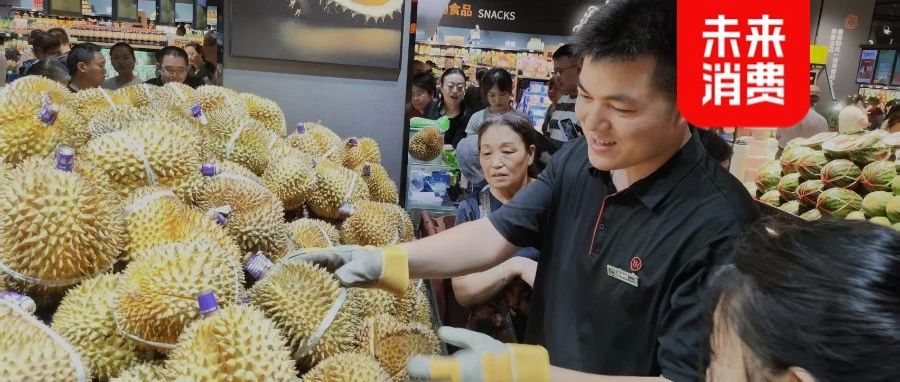
叶国富爆改永辉360天,首席商品官总结了10条经验
36氪未来消费· 2025-06-24 13:07
Core Viewpoint - Yonghui Supermarket is undergoing significant reforms inspired by the successful retail model of Pang Donglai, aiming to recover from past losses and enhance profitability through strategic adjustments and operational improvements [4][5][6]. Group 1: Reform Progress - Yonghui has completed the transformation of 100 stores under the Pang Donglai model, with 41 of these stores achieving a cumulative net profit of 14.7 million yuan and a total profit of 74.72 million yuan in the first quarter [6]. - The company plans to accelerate its reform efforts, targeting the transformation of 200 stores by September 30, with an average of one new transformed store opening daily in the third quarter [6][14]. - The appointment of a Chief Merchandise Officer, She Xianping, aims to enhance the supply chain and product quality, leveraging his extensive experience in procurement and supply chain management [15]. Group 2: Supply Chain and Product Strategy - Yonghui aims to establish a supply chain comprising 40% direct procurement products, 30% supplier products, and 30% private label products, although this transition may impact short-term performance [14][20]. - The company plans to develop at least 60 private label products this year, utilizing Pang Donglai's supply chain to ensure quality and meet consumer demand [18]. - Yonghui emphasizes the importance of product quality over low pricing in its private label strategy, aiming to build trust and a strong brand image [21][22]. Group 3: Learning from Pang Donglai - Yonghui is focused on enhancing its product offerings by adopting Pang Donglai's successful strategies while recognizing the need for adaptation to its national market presence [24][25]. - The company aims to understand the core value points of Pang Donglai's product selection and supply chain management, rather than merely replicating its model [26]. Group 4: Financial Performance and Challenges - The current financial performance reflects the challenges of transitioning during a reform period, with significant product turnover and cost implications as the company focuses on improving front-end profitability [28][30]. - Yonghui is committed to a long-term vision, expecting to see improved financial results within one to two quarters as the transformation progresses [33].