36氪未来消费

Search documents
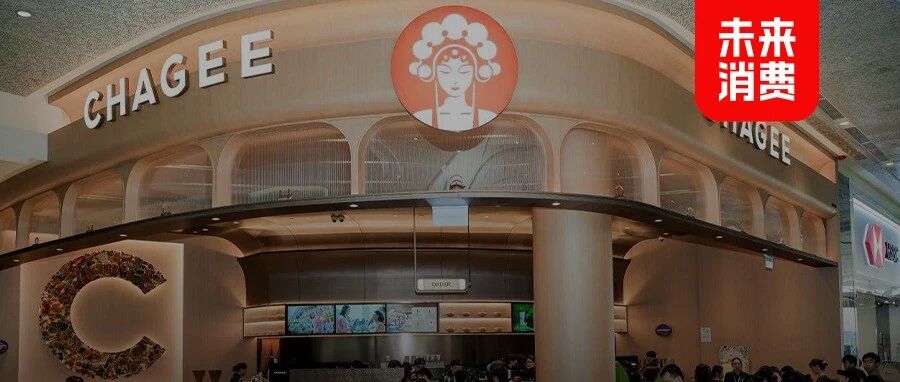
霸王茶姬的三道选择题
36氪未来消费· 2025-12-05 01:04
Core Viewpoint - The article discusses the strategic decisions made by the company BaWang Tea Ji in response to market challenges, particularly its choice to avoid participating in the intense food delivery competition, focusing instead on long-term stability and product development [3][4][32]. Financial Performance - In Q3 2025, BaWang Tea Ji reported an overseas GMV of 303 million yuan, a year-on-year increase of 75.3%, while domestic GMV decreased to 7.6292 billion yuan from 8.1301 billion yuan in the same period of 2024 [3]. Market Strategy - The company opted not to engage in the food delivery battle, which has led to significant financial strain on many competitors, with major platforms spending over 44 billion yuan in Q3 without clear winners emerging [4][9]. - BaWang Tea Ji's decision to refrain from the food delivery competition is seen as a protective measure for its franchisees, ensuring their profitability amidst rising costs associated with delivery services [8][10]. Franchisee Perspective - Franchisees have mixed opinions on the company's decision not to participate in the food delivery competition, with some believing it may lead to missed opportunities, while others appreciate the focus on maintaining profitability [7][8]. - The company has communicated that engaging in the food delivery battle would directly impact franchisee earnings, as the profit model heavily relies on in-store sales rather than delivery [8][9]. New Business Model - Starting January 1, 2026, BaWang Tea Ji plans to implement a new business model that includes significant discounts on raw materials and a shift from a supply chain model to a GMV sharing model, which aims to align the interests of the brand and franchisees [11][12]. - This new model is expected to enhance collaboration with franchisees, allowing for shared risks and potentially higher overall GMV [12][13]. Product Development - The company has been cautious with new product launches, focusing on maintaining brand integrity and operational efficiency, with a notable product iteration occurring in November 2025 [15][18]. - Despite a slower pace in national product launches, regional innovations have been successful, indicating a strategic focus on localized market needs [19][21]. Long-term Vision - BaWang Tea Ji is positioning itself as a stable player in the market, emphasizing the importance of product development, supply chain strength, and long-term profitability over short-term gains [32][31]. - The company aims to enhance its strategic framework across brand, product, experience, and channel dimensions, preparing for future market challenges [33][34].

茉莉奶白出海再提速:东方摩登茶如何触达全球消费者的心?
36氪未来消费· 2025-12-04 07:22
Core Viewpoint - The article emphasizes that globalization for brands like Jasmine Milk White is not merely about store expansion but involves a systematic capability that includes product strength, operational efficiency, and cultural expression [3][4]. Group 1: Global Expansion Strategy - Jasmine Milk White has chosen to enter the U.S. market as its first international destination, diverging from the common practice of starting in culturally similar Southeast Asian countries [1][3]. - The brand's approach to globalization is characterized by a gradual and systematic strategy, focusing on building a solid operational foundation before expanding to other markets [14][15][18]. Group 2: Market Performance in Indonesia - The brand opened two stores in Jakarta, Indonesia, achieving a revenue of over 7 billion Indonesian Rupiah (approximately 280,000 RMB) within three days, with total sales nearing 17,000 cups [6]. - The Indonesian non-alcoholic beverage market is projected to grow from $15.0167 billion in 2023 to $28.3949 billion by 2033, with tea expected to reach a market size of $10.7242 billion at a compound annual growth rate of 6.28% [6]. Group 3: Localization Strategy - Jasmine Milk White's success in Indonesia is attributed to its deep localization strategy, incorporating local cultural elements into its store design and product offerings [9]. - The brand has launched exclusive products for the Indonesian market, such as jasmine-themed souvenirs, enhancing emotional connections with local consumers [9]. Group 4: U.S. Market Insights - The U.S. market is crucial for Jasmine Milk White, with a population of over 330 million and a GDP per capita exceeding $70,000, indicating strong consumer spending potential [13]. - The brand has opened four new stores in the U.S., bringing its total to 12, and has achieved a monthly average GMV of around $500,000 in its first year [13][16]. Group 5: Brand Aesthetics and Cultural Expression - Jasmine Milk White aims to convey modern interpretations of Eastern culture through its branding and product offerings, emphasizing the importance of aesthetic appeal [20][24]. - The brand's name, "Jasmine," resonates with both Eastern and Western consumers, serving as a recognizable symbol that evokes a sense of elegance and cultural connection [22]. Group 6: Future Outlook - The article suggests that Jasmine Milk White's model could serve as a reference for other Chinese consumer brands aiming for systematic global expansion, highlighting the potential for "Eastern modern tea" to become a modern lifestyle choice across cultural boundaries [24].

Soul第四次冲击上市,AI+社交带来的金钱与挑战
36氪未来消费· 2025-12-04 07:22
Core Viewpoint - Soul is positioning itself as an "AI + immersive social platform," shifting from its previous branding as a "social metaverse" and aiming for a stable revenue stream through AI-driven emotional value services [3][4]. User Data and Engagement - As of August 31, 2025, Soul has 11 million daily active users, with 78.7% being Generation Z. The average monthly active user interaction rate is 86%, with users sending approximately 75 peer-to-peer messages daily [7]. - Soul has accumulated around 389 million registered users, with users spending over 50 minutes daily on the platform and creating or participating in over 323 million interest-based active "experience" scenarios monthly [7]. Revenue Growth and Structure - Soul's revenue has grown from 498 million in 2020 to 2.211 billion in 2024, with a 17.86% increase in revenue from 1.428 billion in the same period last year to 1.683 billion in the first eight months of 2025 [9]. - The revenue structure primarily consists of emotional value services, accounting for 90.8% of total revenue, with an average revenue per paying user (ARPPU) of 104.4 yuan [5][10]. Financial Performance - Soul's adjusted net profit turned positive in 2023 after a net loss of 21 million in 2022, with adjusted net profits of 360 million and 340 million expected in 2023 and 2024, respectively [14]. - The company has maintained a stable number of paying users between 1.5 million and 1.8 million over the past four years, with a low paying ratio of 6.5% [17]. AI and Technology Investment - Soul's technology and development expenses have significantly increased, from 187 million in 2020 to 546 million in 2022, with 407 million spent in the first eight months of 2023, representing 24.2% of revenue [11][12]. - The company plans to continue investing in technology infrastructure, including GPU computing platforms and data analysis capabilities [12]. Market Potential - The emotional economy market for AI + immersive experiences in China is projected to reach 7 billion yuan in 2024, with an expected growth to 90 billion yuan by 2030, reflecting a compound annual growth rate of 52.8% [22].

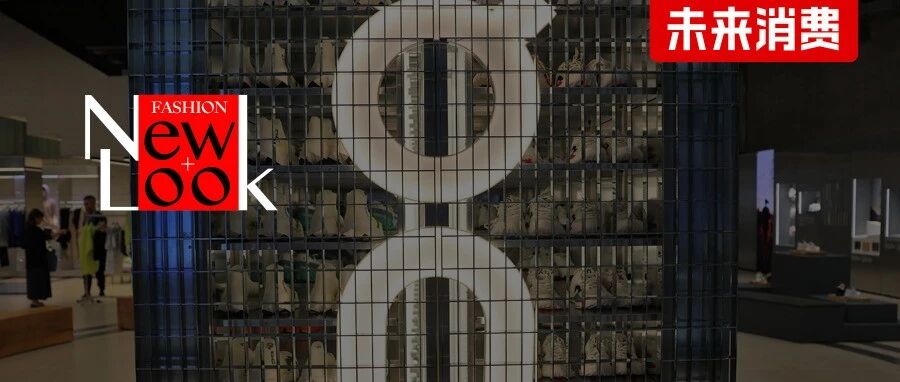
连续三季度超30%增长之后,On昂跑创始人说品牌需要“自律”|New Look专访
36氪未来消费· 2025-12-03 12:50
Core Viewpoint - The article discusses the growth and strategic positioning of On, a high-end sports brand, emphasizing its unique market approach and innovative technologies that differentiate it from traditional competitors [6][8][12]. Group 1: Brand Positioning and Strategy - On has positioned itself as a high-end brand, maintaining pricing power and avoiding discounting strategies, which is reflected in its gross margin consistently above 60% [8][9]. - The brand does not offer "downgraded" versions of its shoes, focusing instead on maintaining a premium product line that appeals to both elite athletes and everyday consumers [9][10]. - On's apparel segment has seen significant growth, with a 100.2% increase in sales, indicating successful market penetration and the attraction of new consumer demographics [12][13]. Group 2: Market Performance and Growth - Over the past three quarters, On's global revenue has increased by over 30%, with the Asia-Pacific region experiencing growth exceeding 100% [6][8]. - The company aims for a revenue target of 3.5 billion Swiss francs by 2026, with China identified as a crucial market for achieving this goal [8][12]. - On's strategy includes a controlled expansion of retail locations, with plans to open only 20 to 25 new stores globally in the coming year, reflecting a cautious yet confident growth approach [8][12]. Group 3: Innovation and Technology - On's innovative technologies, such as the LightSpray™ manufacturing process, allow for efficient production and high-quality products, enhancing its competitive edge [10][18]. - The brand's commitment to athlete feedback and product innovation is central to its growth strategy, ensuring that products meet the needs of both elite and casual runners [17][19]. - The introduction of new products, like the Cloudmonster Hyper, showcases On's focus on expanding its technology application across different shoe categories [10][12].
腾讯公司副总裁蒋杰:AI让广告每个环节都在提效,腾讯会更多启用AI人才
36氪未来消费· 2025-12-03 12:50
Core Insights - Tencent's advertising revenue growth reached 21% in Q3, marking the highest increase in six quarters, driven by improved ad loading rates and AI-driven ad targeting [2] - The AIM+ smart advertising product suite significantly reduces operational tasks for advertisers, with an 80% decrease in required actions for ad spending and a 47% reduction in creative operations [2] - Tencent's capital expenditure on AI is projected to grow by 221% in 2024, indicating a strong commitment to AI investments [2] Group 1: AI and Advertising Efficiency - AI is enhancing every aspect of advertising efficiency, including recommendation, creativity, and placement [7] - The current ad loading rate for Tencent's video ads is approximately 4%, significantly lower than the industry average of 10%-15%, reflecting Tencent's cautious approach to commercialization [6] - AI optimization has reportedly increased the click-through rate of some ad inventories to around 3.0%, a significant improvement from historical averages [10] Group 2: Talent Acquisition and Competition - The demand for AI talent is surging, with new AI job postings increasing over tenfold in the first half of 2025, highlighting a competitive landscape for skilled professionals [3][4] - Tencent ranked fifth in new AI job postings among companies, with ByteDance, Xiaohongshu, Alibaba, and Ant Group leading the list [4] - The "Tencent Advertising Algorithm Competition" attracted over 8,400 participants from nearly 30 countries, showcasing the company's efforts to recruit top talent [4] Group 3: Future of Advertising Roles - The role of advertising optimization specialists is evolving; they will focus more on creative aspects rather than traditional bidding and pricing tasks, as AI systems take over these functions [8] - Future advertising systems will incorporate generative AI to address cold start problems, moving away from traditional discriminative models [7] - The integration of AI in advertising will blur the lines between ads and native content, emphasizing the importance of original creativity [8] Group 4: Technological Advancements - Tencent is exploring advanced technologies, including large language models and multi-modal capabilities, to enhance advertising effectiveness [12][13] - The company is investing in refining AI models to improve efficiency and reduce costs in generating advertising content [10] - The future of advertising will involve real-time generation of interactive ad materials based on user interests, enhancing user engagement [11]


以“花丝镶嵌”立身,黄金品牌「寶蘭」完成过亿元A轮融资
36氪未来消费· 2025-12-01 00:07
Core Viewpoint - The high-end gold jewelry brand "寶蘭" has recently completed over 100 million yuan in Series A financing, led by Challenger Capital, with Kering Group and Shunwei Capital participating. The funds will be used for brand value enhancement, omnichannel layout, supply chain resilience upgrades, and core talent empowerment [3]. Company Overview - "寶蘭" was established in 1988 and has focused on the ancient gold crafting technique, particularly "flower silk inlay," which is a form of intangible cultural heritage. The brand emphasizes the ritualistic and heritage aspects of jewelry consumption through intricate craftsmanship, achieving significant recognition in the high-end jewelry sector [4][6]. Product Characteristics - The brand's products draw inspiration from traditional Chinese cultural patterns and objects, combining exquisite craftsmanship with auspicious meanings. Examples include the "Flower Silk Butterfly Brooch Pendant Series," symbolizing balance and harmony, and the "Flower Opens Treasure Pendant Series," representing wealth and purity [9]. Market Trends - According to the China Gold Association, gold jewelry consumption is expected to decline by 25% in 2024, while the market for "ancient gold" remains robust. The well-known "Lao Pu Gold" has seen rapid growth, achieving 12.354 billion yuan in revenue in the first half of 2025, a 251% year-on-year increase [12]. Brand Positioning - "寶蘭" has historically been less known to the public, but its luxury appeal has been consistent since its inception. The brand was invited to showcase at a high-end luxury product exhibition in Shanghai in January 2019, alongside prestigious watch brands [12]. Expansion and Future Potential - The brand's physical store expansion has been relatively slow, with its first store opening in Hangzhou and a second in 2020. It only opened its first store in Southern China in March 2025. There remains significant potential for channel and brand growth, indicating a promising future for "寶蘭" [13][16].

兰州走出的黄金品牌「琳朝」获亿元战略融资,日初资本独家投资|独家
36氪未来消费· 2025-11-30 11:10
Core Viewpoint - The article emphasizes that in the jewelry market, uniqueness and extreme craftsmanship are essential for standing out, as exemplified by the brand "Lin Zhao Jewelry," which has recently secured a significant investment for further development [3][5]. Company Overview - "Lin Zhao Jewelry" was established in 2006, with its founder, Ma Zhaoxian, having a long-standing family history in gold processing dating back to 1977 [4][8]. - The brand initially had a limited local presence in Lanzhou but gained significant recognition after pivoting to online live streaming during the pandemic in 2020 [4][5]. - As of November 2025, the annual sales of Lin Zhao are projected to exceed 500 million yuan [4]. Investment and Growth - The company has completed a strategic investment of over 100 million yuan from the exclusive investor, Rihou Capital, aimed at product innovation, brand upgrading, channel development, and production base construction [3][5]. - The investment reflects a shift in the jewelry industry towards cultural, product, and original design-driven models, moving away from traditional channel-driven approaches [5]. Unique Selling Proposition - Lin Zhao Jewelry focuses on extreme craftsmanship and originality, with 99% of its products being original designs, which creates a scarcity that drives demand [4][5]. - The brand's commitment to handmade artistry means that production is slow, with some pieces taking months or even years to complete, contrasting sharply with mass production [4][29]. Market Position and Challenges - The brand faces challenges in meeting high demand due to limited production capacity, which is a result of its dedication to craftsmanship and quality [4][30]. - The average gross margin is around 40%, with the company prioritizing reinvestment into research and development over high profit margins [21][22]. Cultural and Craftsmanship Focus - Lin Zhao emphasizes cultural expression and innovative design in its products, distinguishing itself from competitors who may only make minor modifications to existing designs [42][43]. - The brand's unique approach includes integrating various global craftsmanship techniques into its offerings, creating a distinctive identity in the jewelry market [19][20]. Future Outlook - The founder believes that the future of the jewelry industry will not be about having many brands but rather about having unique, standout brands that can influence the global market [5]. - Lin Zhao aims to become a cultural brand that originates from China and has a global impact, supported by a dedicated post-investment team from Rihou Capital [5].

传安踏参与竞购彪马;百胜中国2030年将开至3万家店;中国奢侈品市场有复苏迹象|品牌周报
36氪未来消费· 2025-11-30 11:10
Group 1: Anta's Acquisition of Puma - Anta has joined the bidding for Puma, competing with Li Ning, Asics, Authentic Brands Group, and CVC [3] - Puma's stock surged 18.91% following the news of Anta's interest, although its market value has decreased to €2.5 billion [3] - Puma has faced significant challenges, with a cumulative decline of over 50% in stock price this year and expected losses in 2023 [3][4] Group 2: Yum China Expansion Plans - Yum China aims to open 30,000 stores by 2030, significantly increasing from its current 17,000+ locations [6] - The company plans to double its store count by 2026, with KFC and Pizza Hut as core growth drivers [6][7] - Yum China's aggressive expansion is a response to increasing competition in the Chinese fast-food market, which is projected to reach ¥1.2 trillion by 2024 [7] Group 3: Recovery in Luxury Goods Market - Several luxury brands, including LVMH and Cartier, have reported positive growth in China for Q3 2025 [8][9] - The recovery is attributed to improved macroeconomic conditions and a resurgence in consumer spending, as indicated by rising stock indices [9] - The luxury sector's performance in Q4 will be crucial to determine if a sustained recovery is underway [9] Group 4: New Retail Strategies - Belle International has opened its first concept store in Shenzhen, focusing on immersive shopping experiences [11] - Dongpeng Beverage is launching a new sugar-free tea product, targeting the 3 yuan ready-to-drink tea market [12] - The multi-category strategy is essential for Dongpeng as it faces declining revenue from energy drinks, with energy drink sales dropping to 74.63% of total revenue [12] Group 5: Marketing Innovations - FamilyMart and Bright Dairy have collaborated on a short drama to enhance customer engagement and drive sales [14] - McDonald's "cat nest" marketing campaign has generated significant social media buzz, leveraging the popularity of pets to enhance brand appeal [15] Group 6: Corporate Developments - Skechers' acquisition negotiations have faced challenges, with a hedge fund seeking a reassessment of the company's valuation [17] - IFBH Limited, the parent company of if coconut water, has seen its stock price drop over 60% since its peak in July [17] - EssilorLuxottica is reportedly looking to acquire 5-10% of Giorgio Armani's shares following the founder's passing [18]



美团没有被彻底拖住
36氪未来消费· 2025-11-29 12:23
Core Insights - The article highlights the intense competition in the food delivery sector, indicating that there are no clear winners in the ongoing battle, particularly in Q3 2025, where major players like Alibaba, Meituan, and JD.com are facing significant challenges and losses [3][5][8]. Summary by Sections Food Delivery Battle - Alibaba's aggressive strategy led to a profit drop of approximately 30 billion yuan, gaining market share but lacking evidence of successful e-commerce synergy [3][8]. - Meituan experienced a decline in market share and reported an operating loss of 14.1 billion yuan, marking its first loss since Q4 2022 [3][5]. - JD.com has reduced its investment in food delivery, focusing on user experience optimization instead [3]. Financial Performance - Meituan's core local business saw a significant shift, with operating profit dropping from 14.6 billion yuan to a loss of 14.1 billion yuan due to increased user incentives and marketing expenses [7]. - Meituan's sales costs rose by 23.7%, and marketing expenses surged by 90.9%, indicating a heavy reliance on subsidies to maintain market share [7]. - Alibaba's total profit dropped by 30 billion yuan in Q3, with a substantial portion of its planned 50 billion yuan subsidy nearly exhausted [8]. Market Dynamics - The competition has led to a significant change in market dynamics, with Alibaba and Meituan nearly equal in market share, while JD.com has lost about 8% [8]. - Both platforms are now focusing on high-value orders, with Meituan holding over 70% market share for orders above 30 yuan [8]. - The article notes that the intense competition has led to a temporary decrease in subsidy levels, allowing Meituan to regain some market share [8]. New Business Ventures - Meituan's new business segment reported a 15.9% revenue increase to 28 billion yuan, despite a 24.5% rise in operating losses [15]. - The company is expanding its offline retail efforts, with new stores like Xiaoxiang Supermarket and the discount store Happy Monkey [15]. - Meituan's overseas expansion continues, with Keeta achieving profitability in Hong Kong and launching operations in Brazil [16][18]. Future Outlook - Meituan's management expresses confidence in maintaining efficiency and market share despite ongoing losses [5][13]. - The company is preparing for a winter campaign to boost various metrics, including new store openings and promotional activities [12]. - The article concludes that while the core local business faces challenges, Meituan is committed to exploring new opportunities and maintaining its operational rhythm [18].


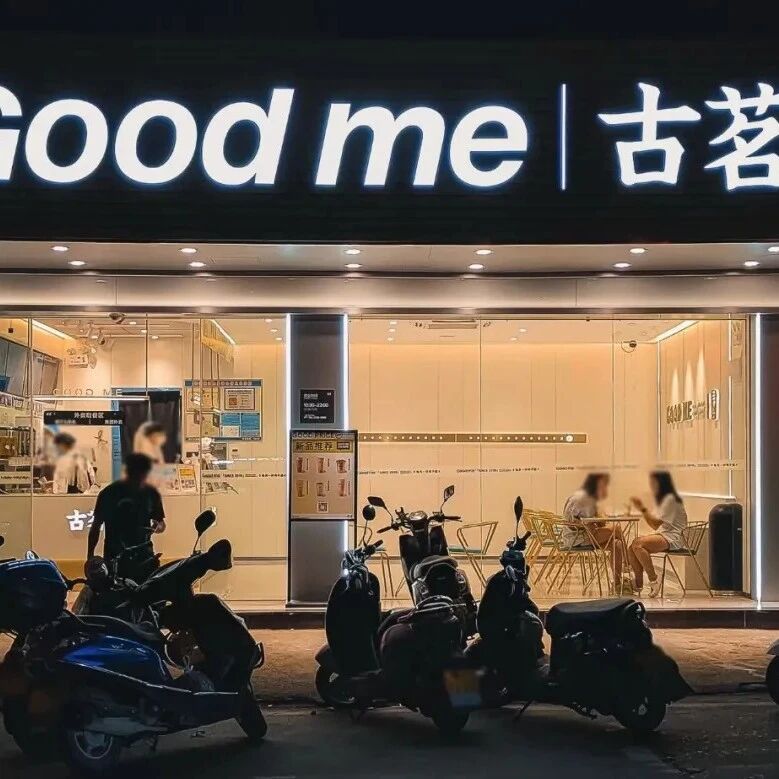
原娃哈哈常务副总经理潘家杰入职古茗,担任供应链高级副总裁 | 独家
36氪未来消费· 2025-11-29 12:23
Core Insights - The article discusses the recent appointment of Pan Jiajie as the Senior Vice President of Supply Chain at Guming, highlighting the company's ongoing expansion needs and strategic focus on supply chain management [4][6]. Group 1: Leadership Changes - Pan Jiajie, formerly a senior executive at Wahaha Group, has joined Guming to oversee new business incubation and supply chain operations [4]. - His extensive experience in supply chain management at Wahaha, where he held various leadership roles, is expected to benefit Guming as it continues to grow [5][6]. Group 2: Company Performance and Strategy - Guming has achieved the highest growth rate among six newly listed tea beverage companies in the first half of the year [6]. - The company plans to expand its brand store count by no less than 3,000 by 2025, with a target of reaching 20,000 stores by 2027 [6][7]. - Guming's strategy focuses on maximizing regional density and leveraging supply chain advantages to maintain cost control while rapidly introducing new products [6]. Group 3: Market Position and Challenges - Guming's expansion into first-tier cities is anticipated as a natural progression, necessitating the recruitment of more supply chain talent [7]. - Wahaha Group is currently facing internal turmoil due to ownership disputes and trademark issues, leading to a significant reduction in its workforce [7].