36氪未来消费

Search documents
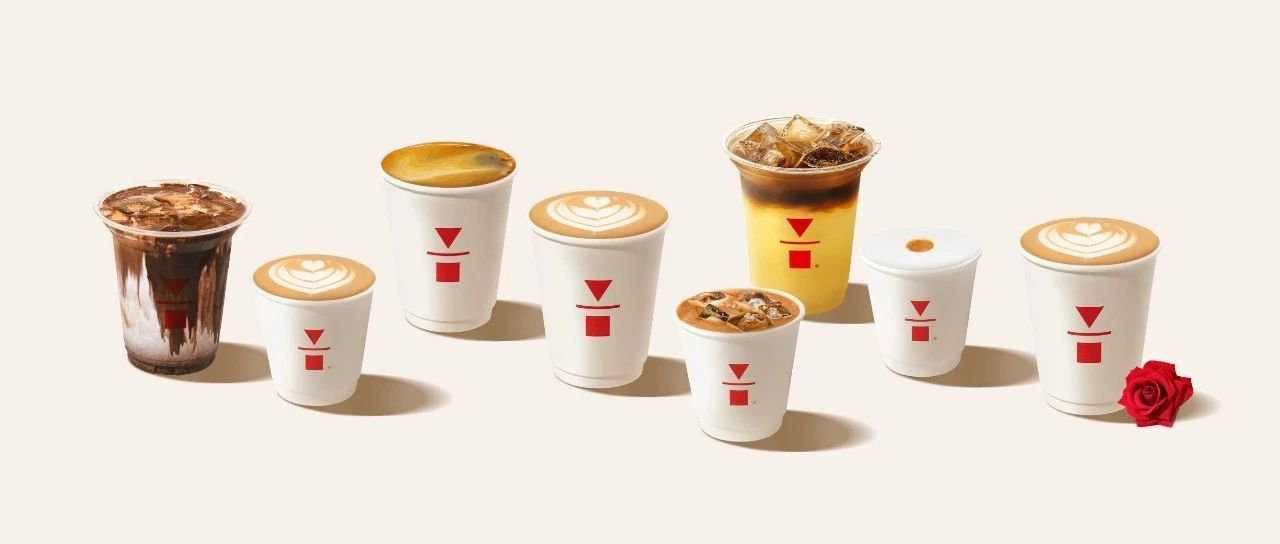
时隔四年再获新一轮融资,「代数学家咖啡algebraist coffee」比以往走得更稳了|首发
36氪未来消费· 2025-06-24 13:07
Core Viewpoint - The article discusses the evolution and current status of the specialty coffee brand "代数学家咖啡" (Algebraist Coffee), highlighting its journey through various financing rounds, market challenges, and strategic adjustments in response to changing consumer behavior and competition in the coffee industry [3][4][5]. Financing and Growth - Algebraist Coffee was founded in 2015 and has successfully completed four rounds of financing from 2019 to 2022, raising over 200 million yuan in total [3][4]. - The latest financing round, which occurred in early 2025, was led by Su Gao Xin Jin Kong, focusing on product and brand development rather than survival [4]. - The company achieved positive monthly financial profit and cash flow starting from Q3 2024, with consistent month-over-month growth [4]. Market Position and Strategy - The brand aims to position itself as a "mass-market brand for consumption upgrade," focusing on optimizing pricing, costs, and supply chain while maintaining product quality [5]. - Algebraist Coffee has maintained a product innovation frequency of once a month, with notable sales figures such as 117,000 cups sold in the first month of the "KIRI法酪拿铁系列" launch and over 650,000 cups of the "重瓣玫瑰布列夫" sold in 2024 [5]. Store Expansion and Business Model - The company has transitioned from a direct-operated model to a franchise model, with a stable monthly addition of 8 to 10 new stores, totaling over 150 locations [6]. - The focus remains on the Jiangsu, Zhejiang, and Shanghai regions, with cautious exploration of cross-regional opportunities [7]. Industry Context and Future Outlook - The specialty coffee market in China is expanding, and the company emphasizes the importance of staying relevant and prepared for future opportunities [7]. - The founder stresses the need for solid product quality and team building to create a brand that consumers trust and prefer [7].

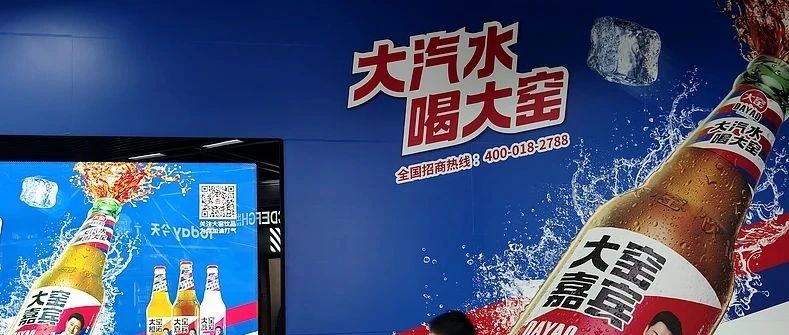
KKR拟收购一家中国饮料公司85%股权,猜测是大窑|独家
36氪未来消费· 2025-06-23 10:52
Core Viewpoint - The article discusses KKR's planned acquisition of an 85% stake in a Chinese beverage company, speculated to be Dayao Beverage, marking a significant buyout transaction in China's consumer sector after a long hiatus for dollar funds [2][3][11]. Group 1: Acquisition Details - KKR has been in discussions for this acquisition for about a year, indicating a strategic move into the Chinese market [3]. - Dayao Beverage is projected to generate revenue in the tens of billions in 2024, showcasing its growth potential [5]. - The company is preparing for an IPO in Hong Kong, potentially in the second half of 2025, diverging from the trend of many consumer companies seeking to go public amid favorable market conditions [6]. Group 2: KKR's Investment Strategy - KKR is recognized as a veteran private equity firm with a reputation for cautious and strategic investments, often referred to as the "King of Wall Street Acquisitions" [7]. - The firm has raised $30.54 billion in new capital in Q1 2025, increasing its total assets under management to $664 billion, reflecting a 15% year-on-year growth [11]. - KKR's investment philosophy focuses on aligning with China's industrial development stages, having previously invested in various sectors including agriculture and mobile internet [10]. Group 3: Dayao Beverage's Market Position - Dayao Beverage has rapidly grown by targeting the restaurant channel, which is traditionally challenging due to its fragmented nature [9]. - Over 70% of Dayao's sales come from the restaurant channel, with a significant presence of over a thousand distributors and retail terminals across China [10]. - The company has successfully challenged established brands like Coca-Cola in certain regions, indicating its competitive strength [10]. Group 4: Market Sentiment and Future Outlook - The acquisition may signal a shift in sentiment among dollar funds towards the Chinese consumer sector, which has seen limited large-scale mergers and acquisitions post-pandemic [11]. - Dayao aims to expand its market presence nationally within five years, and KKR's resources and management expertise could facilitate this transition from regional to national branding [12].
优选退出亏损城市,美团跳出内卷|独家
36氪未来消费· 2025-06-23 07:16
Core Viewpoint - Meituan's decision to shut down the majority of its "Meituan Youxuan" business and focus on the new "N Project" for Xiaoxiang Supermarket reflects a strategic shift towards offline operations and cost reduction amidst ongoing losses in the instant retail sector [4][5]. Group 1: Business Adjustments - Meituan Youxuan has undergone significant organizational restructuring, consolidating from 17 regions to 9 to enhance efficiency and reduce costs, with a focus on integrating operational and commercial divisions [5]. - The overall scale of Meituan Youxuan's business has decreased from over 1 trillion to a range of 700 to 800 billion, highlighting a shift towards profitability as a primary concern [5]. - The strategy has involved reducing reliance on loss-leading products and subsidies, with a notable withdrawal from white-label products and a push for higher profit margins across various categories [5][6]. Group 2: Competitive Landscape - Meituan Youxuan has shifted its focus away from closely monitoring competitors like "Pinduoduo" and its "Duoduo Maicai" service, indicating a strategic pivot to concentrate on its own market strengths [6]. - The competitive advantage of Pinduoduo lies in its platform model, which allows for multiple revenue streams, contrasting with Meituan's historically self-operated approach in a market that is unfamiliar to it [6]. Group 3: Future Directions - The launch of the "N Project" aims to establish a new offline business model that competes with Hema NB, emphasizing the importance of brand development and supply chain capabilities [7].

淘宝闪购联合饿了么订单峰值突破6000万单|独家
36氪未来消费· 2025-06-23 07:16
Core Insights - The article discusses the significant progress made by Alibaba in the instant retail sector, particularly through the collaboration between Taobao Flash Purchase and Ele.me, which saw peak orders surpassing 60 million during the 618 shopping festival [3]. Group 1: Order Volume and Growth - During the 618 shopping festival, Taobao Flash Purchase and Ele.me combined orders exceeded 60 million, with Taobao Flash Purchase accounting for nearly 40 million and Ele.me over 20 million [3]. - The order volume for Taobao Flash Purchase has seen rapid growth since its launch on May 2, with the initial target of 10 million orders reached in just 6 days, significantly faster than the expected timeline [3][4]. - By August 30, the order volume is projected to reach around 80 million, indicating strong growth potential in the instant retail market [4]. Group 2: Strategic Focus and Integration - Instant retail has become a top priority for Alibaba's e-commerce business, with various strategic moves made since Q2 to emphasize its importance [4][5]. - The integration of Ele.me and Fliggy into the restructured Alibaba e-commerce group aims to enhance resource collaboration and streamline decision-making processes [5]. - Alibaba's CEO has indicated a focus on saturated investment strategies to optimize business collaboration and leverage the strengths of different business units [5]. Group 3: Market Potential and Future Plans - The current market size for instant retail in China is estimated at 500-600 million people, with potential growth to 1 billion, suggesting significant room for expansion [5]. - A review of the instant retail strategy will be conducted at the end of summer to refine future approaches and investments based on performance data [6].

泡泡玛特股价震荡;老铺黄金开启全球化扩张;“日本宜家”在中国收缩关店丨品牌周报
36氪未来消费· 2025-06-22 12:23
Group 1: Labubu 3.0 and Pop Mart - Labubu 3.0 series has launched global pre-sales, with expected sales exceeding 500 million yuan based on a supply of 4-5 million units at a price of 99 yuan each [2] - The secondary market has seen a significant drop in prices for Labubu products, with resale values for blind box sets plummeting from 1500-2800 yuan to 650-800 yuan [2] - Pop Mart's stock price has dropped 12.11% to 239.60 HKD per share, marking a new low since June 3 [2][3] Group 2: Pop Mart's Strategic Response - Analysts have expressed concerns about Pop Mart's valuation, suggesting it lacks a competitive moat due to the short lifespan of its IP and weak pricing power compared to global operators like Disney [3] - In response to market challenges, Pop Mart is optimizing its sales mechanism to allow more genuine fans to purchase Labubu products [3] - The company has announced the establishment of a film studio to expand its IP beyond toys, with an animated series titled "LABUBU and Friends" in the pipeline [3] Group 3: Lao Pu Gold's Global Expansion - Lao Pu Gold is opening its first overseas store in Singapore, aiming to position itself as a luxury brand alongside established names like Louis Vuitton and Hermes [4] - The brand's strategy includes focusing on the Chinese cultural sphere in Southeast Asia, with plans to open four stores in the region by 2026 [5] - Lao Pu Gold plans to introduce localized products that incorporate local cultural elements, such as Christian-themed items in the Singapore store [5] Group 4: Walmart's Dominance in Retail - Walmart China has retained its position as the top supermarket chain with a sales figure of 158.845 billion yuan, equivalent to about two times the size of Hema [7] - Despite a reduction in the number of stores by 8.5% to 334, Walmart's sales have continued to grow, driven by the strong performance of Sam's Club [7] - In Q1 of the 2026 fiscal year, Walmart China's net sales reached 6.7 billion USD (approximately 48.3 billion yuan), reflecting a year-on-year growth of 22.5% [7] Group 5: NITORI's Market Challenges - NITORI has closed 21 stores in China, representing a 20% closure rate, as it faces challenges in the macroeconomic environment [10] - The brand has attempted to diversify its product offerings by introducing higher-frequency items like clothing and pet food, but competition in these categories is intense [11] - NITORI's rapid expansion plans have been curtailed due to the sluggish real estate market and overall consumer sentiment [10][11] Group 6: Three Squirrels' Acquisition Setback - Three Squirrels has terminated its acquisition of Love Snacks due to disagreements on core terms of the deal [13][15] - The company has been heavily reliant on online sales, with 69.73% of its revenue coming from online channels, highlighting its need to strengthen its offline presence [13] - The competitive landscape in the snack industry has intensified, prompting Three Squirrels to reassess its offline strategy amid slowing growth [14] Group 7: Marketing Innovations - Fujifilm's skincare brand ASTALIFT has launched a new sunscreen product that combines multiple functions, targeting young consumers [17] - Balenciaga has opened a flagship store in Beijing, introducing a limited-edition "Peking Duck" bag that sold out quickly, showcasing the brand's unique marketing strategy [19] - IKEA has released a new series of decorative lights designed in collaboration with Dutch designer Sabine Marcelis, emphasizing the role of light in home living [21] Group 8: Corporate Developments - Anta has appointed Yao Jian as the president of the Wolf Claw brand to oversee global operations following its acquisition [25] - The parent company of the Chinese makeup brand Orange has acquired the skincare brand Baizhi Cui, marking its entry into the skincare market [25] - Li Ning has hired Victor Herrero, a former executive from Zara, as the new CEO of Clarks, with a potential total compensation of up to 42 million yuan [26]

4家消费公司拿到新钱;if椰子水母公司即将上市;茉莉奶白推出咸酪乳新品|创投大视野
36氪未来消费· 2025-06-21 11:38
Group 1: Investment and Financing - Zhidai Technology, a food supplier focusing on low-burden oil substitutes, has completed over 100 million RMB in Series A financing led by Shenzhen Capital Group. The funds will be used for R&D base construction, second-phase production facilities, clinical efficacy research, and market sales channels [3] - New Goods Warehouse, a frozen food F2B supply chain service company, has secured tens of millions of RMB in Series A strategic financing led by Qif Capital, with participation from multiple institutions [4][5] - Qike Qilo Jewelry has announced the completion of a multi-million Pre-A round financing led by Tengxin Investment, aimed at enhancing 3D digital jewelry technology and expanding global market channels [6] - Flouris, a high-end flower chain brand, has received several million RMB in seed round financing, focusing on a two-tier supply chain system and efficient delivery methods [7] Group 2: Market Trends and Performance - Douyin e-commerce reported significant growth during the 618 shopping festival, with a 77% year-on-year increase in mall transaction volume and a 171% increase in super value purchases. The platform is shifting towards reducing reliance on top streamers and enhancing shelf e-commerce [8] - IFBH Limited, the parent company of if coconut water, is set to go public. The company is projected to achieve double-digit growth in revenue and net profit in 2024, with a market share of 33.9% in the coconut water beverage sector in mainland China [9][10] - The "old-for-new" consumption policy continues to expand, with 3,000 billion RMB in national bond funds allocated to support local initiatives for replacing old consumer goods [12][13] - The tourism sector is experiencing a surge in demand, with a 133% increase in searches for summer vacation destinations and a 150% rise in interest for overseas travel, driven by emotional consumption trends [14] Group 3: Industry Innovations - New product launches in the beverage sector include the introduction of "Mascarpone Salty Cheese Milk" by Jasmine Milk White, which combines various flavors to create a unique summer drink experience [11] - The summer film market has seen a total box office of over 1 billion RMB, with several films leading the box office rankings [15]

“舒适感”背后的商业战争,Vuori国际业务SVP揭秘如何押注中国|New Look 专访
36氪未来消费· 2025-06-20 03:13
Core Viewpoint - Vuori, a rapidly growing activewear brand, has achieved a valuation of $5.5 billion following significant investment and expansion strategies, particularly in the Chinese market, where it aims to capture a share of the growing demand for versatile and functional clothing [4][15][31]. Group 1: Company Overview - Vuori was founded in 2015 by Joe Kudla, who aimed to create activewear that could transition from workout to work settings [3][4]. - The brand's name, Vuori, means "mountain" in Finnish, reflecting its roots in outdoor and active lifestyles [4]. - Vuori has experienced rapid growth, with a reported revenue of approximately $7 million in 2017 and a compound annual growth rate of 140%-200% in subsequent years [4]. Group 2: Market Position and Strategy - Vuori's growth has been bolstered by the trend of "athleisure," where casual and functional clothing has become popular among young professionals, particularly in tech industries [8][11]. - The brand has identified a significant overlap in consumer bases with established competitors like Lululemon, with nearly 55% of Lululemon customers also purchasing Vuori products [6][9]. - Vuori's strategy includes a cautious and patient approach to market entry, focusing on high-traffic locations and gradually expanding its store presence in China [29][31]. Group 3: Product Offering and Design Philosophy - Vuori emphasizes versatility in its product offerings, catering to various activities from yoga to casual outings, which aligns with changing consumer preferences for multifunctional clothing [11][20]. - The brand's design philosophy prioritizes comfort and high-quality materials, aiming to provide an "ultra-soft" feel that appeals to consumers [18][19]. - Popular products include the Kore Short for men and the Halo Wide Leg for women, reflecting the brand's commitment to both performance and style [26]. Group 4: Consumer Insights and Localization - Vuori has noted a shift in consumer preferences in China towards understated and minimalist designs, moving away from bold logos and flashy styles [11][23]. - The brand's marketing strategy is heavily influenced by consumer feedback, allowing for rapid adjustments to product offerings based on local preferences [25][24]. - Vuori's target demographic in China is primarily young urban consumers aged 30-35, who value active lifestyles and mental well-being [37].

服装厂的“节能焕新术”:SHEIN赋能传统制造变绿
36氪未来消费· 2025-06-19 07:54
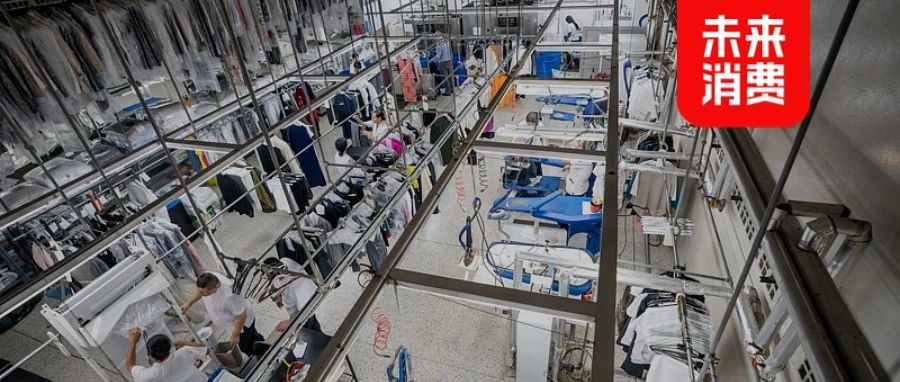
Core Viewpoint - The article highlights SHEIN's innovative approach to transforming the traditional fashion industry by focusing on energy efficiency and sustainability, breaking away from the conventional logic of prioritizing terminal image over source governance [2][25]. Group 1: SHEIN's Energy Efficiency Project - The energy efficiency project led by SHEIN has significantly benefited suppliers, enabling them to find new paths for cost reduction and efficiency improvement through equipment upgrades and process optimization [5][22]. - A specific textile factory, after participating in SHEIN's project, achieved over 6 million yuan in economic benefits and a notable reduction in energy consumption within a year [4][11]. - The project has resulted in a preliminary energy saving rate of 10%, water saving rate of 16%, and carbon reduction rate of 11% for the participating factory [11]. Group 2: Transformation of Traditional Manufacturing - The textile industry has faced challenges post-2020, with reduced orders and increased costs, making energy efficiency a critical factor for competitiveness [8][9]. - SHEIN's project has prompted a shift in mindset among manufacturers, encouraging them to adopt energy-saving measures and innovative practices [13][20]. - The article emphasizes that the transformation of traditional manufacturing is not just about cost savings but also about enhancing operational efficiency and sustainability [27]. Group 3: Broader Industry Impact - Since 2022, SHEIN has implemented over 650 energy-saving measures across its supply chain, resulting in significant cost savings for suppliers, amounting to nearly 100 million yuan [22][25]. - The article notes that SHEIN's green initiatives are part of a larger trend in the textile and apparel industry towards sustainable practices, which are essential for building a modern industrial system [25][26]. - The collaboration with universities and the integration of digital tools in manufacturing processes have further enhanced management efficiency and resource utilization [25][26].
刘强东打开自我,这里是他最希望被理解的20件事
36氪未来消费· 2025-06-18 05:04
Core Viewpoint - JD.com is strategically expanding into multiple sectors, including food delivery and travel, with a focus on supply chain innovation and internationalization [2][3] Group 1: Business Expansion - JD.com is entering the food delivery market and plans to launch its travel and hospitality services, aiming to create a new channel for these industries [10] - The company has over 120,000 full-time delivery personnel as of mid-June, with a daily onboarding of 3,000 to 4,000 new employees [7] - JD.com is developing a unique business model for its food delivery service that differs significantly from competitors like Meituan, focusing on food safety and cost-effectiveness [6] Group 2: Supply Chain Focus - The core of JD.com's business strategy revolves around supply chain management, with plans to enhance existing operations rather than create entirely new business models [14] - The company aims to reduce costs in the hospitality and restaurant sectors by 20% through its supply chain services [10] - JD.com has established a new division dedicated to supply chain services for the hospitality industry [10][11] Group 3: International Strategy - JD.com's international strategy emphasizes local e-commerce, infrastructure, and workforce, differentiating itself from Amazon's approach [15][16] - The company plans to bring 1,000 Chinese brands to international markets over the next five years, focusing on compliance and local certifications [17] Group 4: Financial Performance - JD.com has achieved a retail cost efficiency of only 10%, comparable to global leaders like Costco and Amazon [25] - The company's inventory turnover days are currently at 30, with potential optimization to 20-25 days, which could significantly enhance cash flow [26] - The net profit margin is approximately 1% of the total transaction volume, reflecting a balanced approach to profitability [27][28]


健康器械迎来品牌化突围期,天猫正在成为新锐品牌的加速器
36氪未来消费· 2025-06-17 13:16
Core Viewpoint - The brand dividend has not disappeared; it has simply changed its path [2] Group 1: Shift in Health Management - The focus of health management is shifting from "treatment" to "prevention" [4] - Health devices are rapidly integrating into daily life, with products like CGM and oxygen machines becoming commonplace [4] - Health equipment is one of the fastest-growing segments in the health industry, indicating a shift towards consumerization [4][6] Group 2: Trends in Health Equipment - Health equipment is transitioning from professional medical use to home use, expanding into new scenarios like fitness and travel [8] - Consumer products are becoming more medicalized, with higher standards attracting consumer interest [8] - Core technologies previously used in professional settings are now entering the consumer market, indicating a shift in positioning from "medical devices" to "daily health products" [9] Group 3: Brand Development Challenges - Many brands excel in product development but struggle with brand building and user communication [9] - The transition from "medical logic" to "consumer logic" presents challenges for brands in understanding user needs [9][10] - The "Treasure New Brand" mechanism on platforms like Tmall aims to support brands in overcoming these challenges by providing long-term assistance [10][11] Group 4: Case Studies of Successful Brands - Brands like Fuching have successfully transitioned from professional to consumer markets by restructuring their content and communication strategies [14][17] - Fuching's GMV exceeded 20 million yuan during the 618 event, showcasing the effectiveness of platform support [17] - International brands like Mepitel are also adapting to the Chinese market by focusing on consumer education and brand elevation [18][19] Group 5: Market Dynamics and Future Outlook - The health equipment sector is not a short-term trend but a long-term growth path, with evolving consumer behaviors and market dynamics [23] - The transition from supply-driven growth to value co-creation is essential for building a sustainable brand [23][24] - Tmall's role as a core platform for brand evolution emphasizes the importance of collaborative growth and resource sharing [25]