36氪

Search documents
《技能五子棋》血洗全网,加入AI好好玩,要爆了
36氪· 2025-10-12 02:08
Core Viewpoint - The article discusses the rise of AI-generated music, highlighting how platforms and tools are democratizing music creation, allowing non-professionals to produce songs easily and quickly, exemplified by the viral song "Skills Gobang" [6][12][21]. Group 1: AI Music Creation Tools - Various AI music creation platforms have emerged, such as Suno, which offers high-quality sound and detailed emotional expression, and Udio, which allows for style transfer in music [13]. - AIVA, an established AI music generator, uses mathematical models based on classical composers to create music, and has gained recognition from major companies [13]. - Domestic platforms like ByteDance's Sponge Music and Kunlun Wanwei's SkyMusic cater to the Chinese market, providing comprehensive music creation services [13]. Group 2: Case Studies of AI Music Success - The song "Seven Days Lover" gained popularity after being created by a programmer using AI tools, demonstrating the potential for non-musicians to succeed in music creation [16]. - The creator of "Seven Days Lover" capitalized on its success by launching a series of similar songs, although subsequent releases did not achieve the same level of popularity [16][20]. - The viral nature of AI-generated songs often stems from their catchy and simple melodies, making them suitable for short video platforms [20]. Group 3: Controversies and Challenges - The rise of AI-generated music has led to debates about copyright and competition, with some traditional musicians questioning the legitimacy of AI-assisted creations [20]. - Despite claims of proper copyright attribution, the creator of "Seven Days Lover" faced scrutiny and legal inquiries from music associations [20]. - The article emphasizes that while AI can help materialize creative ideas, the essence of music lies in the emotional connection it creates with listeners [21].


社交小能手,可爱温顺跟你走|萌宠寻人启事157期
36氪· 2025-10-12 02:08
Core Viewpoint - The article emphasizes the importance of adopting stray animals instead of purchasing pets, highlighting the plight of millions of stray animals in China and the need for stable homes for them [3][27]. Group 1: Stray Animal Statistics and Issues - China sees the addition of over ten million stray animals each year, with their average lifespan being less than three years due to lack of stable environments, food, and water [3]. - The article mentions the initiative "萌宠寻人启事" launched by 36氪 to help stray animals find new homes by regularly sharing information about animals available for adoption [4][29]. Group 2: Adoption Information - The article features five stray animals from Hefei, providing details about their backgrounds, health status, and personalities, encouraging potential adopters to reach out if they meet the adoption criteria [7][10][14][18][21][24]. - Adoption conditions include being a local resident of Hefei, being at least 22 years old, having a stable residence and income, and agreeing to specific care protocols for the animals [11][14][18][21][24]. Group 3: Contact and Support - For those interested in supporting the initiative or adopting, contact information is provided, including a WeChat ID for inquiries related to the adoption process [12][15][19][22][25]. - The article encourages readers to visit the "宠安家领养平台," an online platform under the "它基金" for more information on available stray animals [25].

打司美格鲁肽的中年男人,困在「减肥羞耻」里
36氪· 2025-10-12 02:08
Core Viewpoint - The article discusses the increasing trend of middle-aged men using the drug Semaglutide for weight loss, highlighting the societal pressures and personal motivations behind this phenomenon [5][16][38]. Group 1: Usage of Semaglutide - Semaglutide, a GLP-1 receptor agonist, allows users to maintain a sense of fullness, leading to rapid weight loss, as exemplified by an individual who lost 20 pounds in 15 days [5][13]. - The drug is primarily prescribed to individuals with a BMI over 30 or those with obesity-related comorbidities, but many men use it without medical guidance, leading to potential misuse [9][10]. - The price of Semaglutide has decreased significantly over the years, making it more accessible, with the cost dropping from 1120 RMB to around 421.34 RMB for a 2mg dose [36]. Group 2: Societal and Psychological Factors - There is a societal stigma around men discussing weight loss, leading to a culture where they prefer terms like "body management" over "dieting" [6][17]. - Middle-aged men often experience a sense of shame and anxiety regarding their weight, which is compounded by societal expectations of appearance and health [11][22]. - The desire for a healthier appearance is often driven by professional and social pressures, as men in mid-level positions feel the need to present themselves well in business contexts [18][20]. Group 3: Health Implications and Challenges - Many men face health issues related to obesity, such as high blood pressure and cholesterol, which often serve as a wake-up call for weight management [19][18]. - The article notes that men generally have lower self-discipline in weight management compared to women, often requiring external motivation to maintain a healthy lifestyle [33]. - The long-term effects of using Semaglutide remain uncertain, with medical professionals advising caution and regular health checks for those using the drug [41]. Group 4: Market Trends and Future Outlook - The market for weight loss drugs is expanding, with numerous companies developing alternatives to Semaglutide, indicating a growing demand for effective weight management solutions [38]. - The introduction of oral versions of Semaglutide is expected to further increase accessibility and appeal to a broader audience [37]. - As societal norms shift towards valuing a fit appearance, the relationship between weight management and social status is becoming more pronounced, potentially linking obesity to economic and social factors [21][26].

每天200万人出境游,都去了哪里?
36氪· 2025-10-11 13:35
Core Insights - The article highlights the contrasting trends in outbound tourism from China during the National Day holiday, with Japan experiencing a surge in popularity while Thailand faces a significant decline in tourist interest [4][5][10]. Group 1: Japan's Tourism Boom - Japan has become the top destination for Chinese tourists during the National Day holiday, with search interest nearly doubling compared to the previous year [5]. - Data from JINTO indicates that from January to August 2025, the number of visitors from China to Japan reached 671.26 million, marking a 46.1% increase from the same period in 2024 [7]. - The overall inbound tourism market in Japan is diversifying, with significant growth from emerging markets such as Indonesia (77.8% increase) and Russia (100% increase) [6][8]. Group 2: Thailand's Tourism Decline - Thailand's appeal to Chinese tourists has waned, with only 3.3 million visitors from China from January to September 2025, a 35% drop compared to the previous year [10]. - Safety concerns, including fears of scams and crime, have been cited as major factors contributing to the decline in tourist confidence in Thailand [12]. - Despite promotional efforts by the Thai tourism board, forecasts suggest a continued decrease in Chinese visitors during the holiday period [10]. Group 3: Changing Consumer Behavior - Chinese tourists are increasingly prioritizing value for money, leading to a shift from high-spending shopping sprees to more budget-conscious travel experiences [15][16]. - The average spending per tourist in Japan has slightly decreased, reflecting a change in consumer preferences towards more affordable shopping options [16]. - The trend towards rational consumption is expected to continue, with tourists focusing on experiences rather than luxury goods [19]. Group 4: Destination Decentralization and Experience - The rise of "decentralization" in tourism is evident, with travelers exploring lesser-known destinations in Japan, such as Fukuoka and Izu Peninsula, which have seen significant increases in search interest [21][23]. - The demand for deep experiential travel is growing, with destinations that offer unique cultural experiences gaining popularity [20][24]. - This trend is not limited to Japan, as similar patterns are observed globally, with travelers seeking more meaningful and personalized travel experiences [20][24]. Group 5: Opportunities for Chinese Enterprises - Chinese companies are increasingly establishing a comprehensive service ecosystem in Japan, covering all aspects of the travel experience from transportation to payment solutions [30][32]. - The restaurant sector is benefiting from the influx of tourists, with significant growth reported by local dining establishments due to increased group bookings [32]. - However, challenges such as labor shortages and high operational costs in Japan pose significant hurdles for Chinese enterprises looking to expand [37][40].

「反叛」的电动车:雅迪摩登如何把「通勤」变成「出片」?
36氪· 2025-10-11 13:35
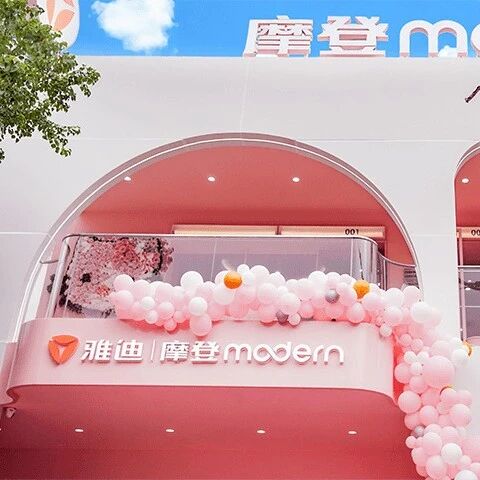
Core Viewpoint - Brand rejuvenation is a systematic transformation starting from product strength [38] Group 1: Brand Engagement with Youth - Young people use social media to showcase their experiences, creating a demand for brands to engage meaningfully [3][4] - Brands face challenges in standing out and avoiding aesthetic fatigue among consumers [4][5] - Yadea's innovative approach includes opening a creative store in a culturally rich area, integrating local culture and appealing to young consumers [6][9] Group 2: Unique Marketing Strategies - The opening event featured high-profile collaborations and interactive elements, attracting significant foot traffic and engagement [8][33] - Yadea's strategy emphasizes emotional connection and cultural relevance, moving beyond mere trend-following [9][16] - The brand's focus on aesthetics and safety in product design resonates with young consumers' desires for both functionality and style [39][42] Group 3: Product Innovation and Emotional Value - Yadea redefines electric scooters as fashion accessories and social tools, highlighting the importance of emotional value in purchasing decisions [22][23] - The brand's collaboration with Sanrio introduces beloved characters, enhancing emotional appeal and marketability [29][30] - Yadea's product design reflects a deep understanding of female consumers' needs, integrating safety and aesthetic preferences [43] Group 4: Retail Experience and Community Engagement - Yadea's creative stores serve as experiential spaces, transforming traditional retail into community hubs for interaction and engagement [44] - The brand's marketing efforts include participation in major events and collaborations with influencers to enhance visibility and emotional resonance [46][48] - Yadea's approach emphasizes understanding consumer pain points and fostering emotional connections to drive sales [48]

只用了3年,中国人就把磷酸铁锂捧上了王座
36氪· 2025-10-11 13:35
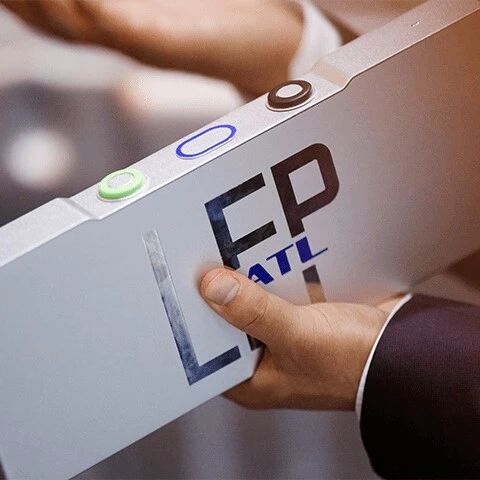
Core Viewpoint - The article discusses the significant shift in the electric vehicle (EV) battery market, highlighting the rise of lithium iron phosphate (LFP) batteries over ternary lithium batteries, driven by cost advantages and technological advancements [5][11][60]. Group 1: Market Dynamics - In 2019, ternary lithium batteries held a market share of 65% in new car sales, but by recent years, LFP batteries have surpassed 80% in installation volume, pushing ternary lithium batteries down to less than 20% [9][11]. - The shift in consumer preference towards LFP batteries is attributed to their cost-effectiveness, especially as subsidies for EVs began to decline in 2022, prompting manufacturers to seek cheaper alternatives [27][30]. Group 2: Technical Comparisons - Ternary lithium batteries have higher energy density, allowing for larger battery packs and better performance in cold conditions, but they are also more sensitive to overcharging and can be prone to safety issues [32][40]. - LFP batteries, on the other hand, are more stable, have longer cycle lives, and can handle charging and discharging more robustly, making them more user-friendly in practical scenarios [42][45]. Group 3: Supply Chain and Production - China dominates the LFP battery market, accounting for over 95% of global production, with nearly all key materials sourced from Chinese companies [63][64]. - Major international companies are now investing in LFP battery production, but many still rely on Chinese technology and materials, indicating a significant shift in the global supply chain [65][68]. Group 4: Future Outlook - The article suggests that the future of EV batteries may not solely depend on advanced chemical properties but rather on cost-effectiveness and durability, which LFP batteries provide [74][76]. - The success of LFP batteries is seen as a crucial factor in making electric vehicles more accessible to the general public, thus promoting broader adoption of renewable energy vehicles [75][78].


宗馥莉辞职,「大女主」剧本难演
36氪· 2025-10-11 13:35
Core Viewpoint - The article discusses the challenges faced by Zong Fuli, the former chairwoman of Wahaha Group, following her resignation and the ongoing legal disputes regarding the inheritance of the company's founder, Zong Qinghou. The situation has led to significant risks for the brand and its future operations. Group 1: Resignation and Legal Challenges - Zong Fuli resigned from her positions as the legal representative, director, and chairwoman of Wahaha Group on September 12, following approval from the shareholders and board [4] - Zong Fuli is facing multiple challenges, including the investigation of a core member, Yan Xuefeng, for disciplinary violations, which complicates the company's leadership dynamics [5][15] - The Hong Kong High Court recently rejected an appeal by Zong Fuli regarding a summons, indicating ongoing legal troubles [8][19] Group 2: Brand and Trademark Issues - Zong Fuli faces the risk of losing the right to use the "Wahaha" trademark due to unresolved historical issues following the founder's death [9][23] - An internal document revealed plans to rebrand to "Wawa Xiaozong" starting in the 2026 sales year, as the company seeks to mitigate legal risks associated with the "Wahaha" brand [10][35] - The "Wahaha" trademark is currently owned by Wahaha Group, which has initiated transfer procedures for numerous related trademarks, indicating a potential shift in branding strategy [24][25] Group 3: Inheritance Disputes - The inheritance dispute involving Zong Qinghou's estate has intensified, with Zong Fuli's half-siblings claiming equal rights to the trust funds established by their father, totaling $2.1 billion [20][21] - Legal actions have been taken to prevent Zong Fuli from disposing of assets related to the trust, highlighting the contentious nature of the inheritance battle [21] - The ongoing disputes could harm the "Wahaha" brand's reputation and market position, as seen in similar cases within the industry [45]

降价卖车这事上,特斯拉已经尽力了
36氪· 2025-10-11 09:10
以下文章来源于36氪财经 ,作者丁卯 张帆 36氪财经 . 36氪旗下官方账号。洞见市场,比99%的投资者更聪明。 "以价换量"是特斯拉巩固领先优势、 支撑"能源科技巨头"叙事逻辑的基础。 文 | 丁卯 编辑 | 张帆 来源| 36氪财经(ID:krfinance) 封面来源 | IC photo 国庆假期期间,特斯拉在北美市场推出两款平价版车型。分别为售价39990美元的Model Y Standard和36990美元的Model 3 Standard。 相比之前的长续航版本,这两款平价版车型分别便宜了5000和5500美元,直接将特斯拉的起售价格拉入了3.5万-4万美元的区间。 在售价下探的同时,平价版特斯拉的配置也做了一些减法。例如,标准版取消了车头与车尾的光条灯、内饰使用织物材质、方向盘与外后视镜需手动调 节、且仅前排座椅支持加热等。而在辅助驾驶配置上,两款车型也仅搭载了交通感知巡航控制系统,而均未配备特斯拉的Autopilot自动辅助驾驶。 对于特斯拉此次的"降价+减配"措施,市场似乎并不买账。消息发布后,特斯拉股价下跌近5%,市值一度蒸发约670亿美元。 那么,特斯拉能否凭借平价版车型延续高销量神 ...


东鹏特饮冲刺港股,谁与「广东富豪」共享资本盛宴?
36氪· 2025-10-11 09:10
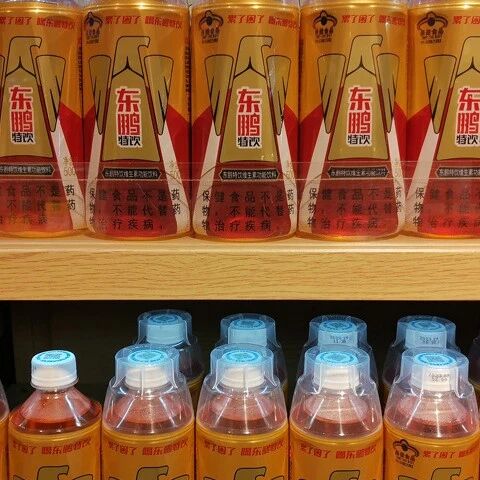
Core Viewpoint - Dongpeng Beverage is seeking a dual listing on the Hong Kong Stock Exchange after its initial application was invalidated earlier this year, aiming to leverage its market position and expand its capital base [5][18]. Company Overview - Dongpeng Beverage, established in 1987, has become a leading player in China's functional beverage market, with its flagship product, Dongpeng Special Drink, gaining significant market share [11][19]. - The company achieved a market capitalization of approximately 162.08 billion yuan as of October 10, 2025, with its stock price reaching 311.68 yuan per share [6][16]. Financial Performance - In 2024, Dongpeng Beverage reported a revenue of 15.83 billion yuan, a 40.62% increase from the previous year, and a net profit of 3.36 billion yuan, up 63% year-on-year [19]. - For the first half of 2025, the company continued its growth trajectory with revenues of 10.74 billion yuan, a 36.37% increase, and a net profit of 2.38 billion yuan, reflecting a 37.22% growth [20]. Market Position - Dongpeng Beverage has maintained its position as the top player in the Chinese functional beverage market for four consecutive years, with its market share increasing from 15% in 2021 to 26.3% in 2024 [19][22]. - The company's core product, Dongpeng Special Drink, accounted for 84% of total revenue in 2024, highlighting its dominance in the energy drink segment [20]. Product Diversification - To mitigate risks associated with product concentration, Dongpeng Beverage has initiated a diversification strategy, launching new products such as electrolyte drinks and coffee-flavored beverages since 2022 [22][23]. - The revenue contribution from other beverage categories increased from 3.3% in 2022 to 6.5% in 2024, with the electrolyte drink "Dongpeng Water" becoming a significant growth driver [23]. Marketing Strategies - The company has invested heavily in marketing, utilizing various channels including television, social media, and sponsorships to enhance brand visibility and consumer engagement [29][30]. - Promotional activities such as "Scan to Win Red Packets" and "One Yuan Enjoyment" have been implemented to stimulate consumer purchases, although they have faced criticism for complex rules and customer complaints [30][31]. Shareholder Dynamics - Following the lifting of lock-up periods, several major shareholders, including Kunpeng Investment and Junzheng Investment, have initiated share reductions, indicating a potential capital realization strategy [7][40]. - The company has distributed a total of 6.6 billion yuan in cash dividends since its IPO, benefiting major shareholders significantly, including approximately 3.28 billion yuan received by the controlling shareholder Lin Muqin [43][45]. Future Prospects - Dongpeng Beverage plans to raise approximately 10 billion USD (about 71.23 billion yuan) through its Hong Kong listing, primarily for overseas expansion and research and development [45][46]. - The successful listing could further enhance the wealth of the Lin family and associated investors, positioning them for continued capital gains in the beverage market [46].

为什么大家走哪儿都要买冰箱贴?
36氪· 2025-10-11 09:10
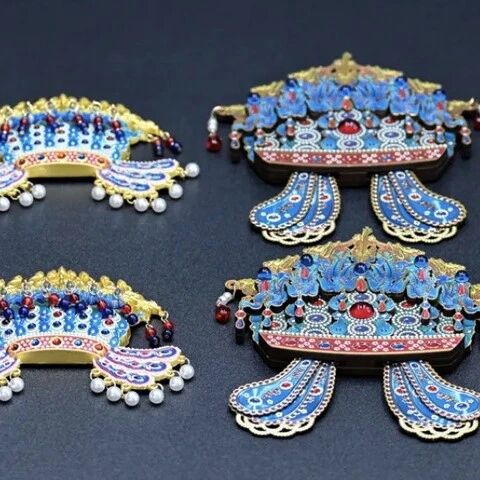
Core Viewpoint - The rise of refrigerator magnets as cultural symbols reflects a shift in cultural consumption and an upgrade in the cultural and creative industry ecosystem [5][10][19] Group 1: Cultural Consumption Trends - The recent surge in cultural tourism consumption, particularly during the Mid-Autumn Festival and National Day, has made cultural and creative products, such as refrigerator magnets, popular among tourists [6][10] - Refrigerator magnets have evolved from mere souvenirs to symbols of culture, aesthetics, and emotional expression, appealing to modern consumers [6][10] Group 2: Successful Cultural Products - The refrigerator magnet inspired by the crown of Empress Xiaoduan from the Ming Dynasty has sold over 1 million units, generating over 100 million yuan in sales, setting a record for the National Museum of China [8] - Other successful designs include magnets inspired by traditional Chinese clothing and historical figures, which have resonated well in the market and on social media [8][10] Group 3: Consumer Behavior and Preferences - Young consumers are shifting their spending from functional items to those that offer aesthetic and meaningful value, seeking products that resonate with their lifestyle and cultural identity [12][13] - The popularity of these magnets is driven by their affordability and emotional significance, allowing consumers to express personal taste while fulfilling commemorative needs [12][13] Group 4: Social Media Influence - Refrigerator magnets possess strong "social currency" attributes, with platforms like Xiaohongshu and Douyin facilitating widespread sharing and engagement, enhancing product visibility and appeal [14] - The lifecycle of these products extends into the sharing phase, where consumers showcase their collections, further promoting cultural engagement [14] Group 5: Industry Transformation - The success of refrigerator magnets indicates a broader transformation in the cultural and creative industry, where museums are evolving from mere content providers to cultural IP operators [16][19] - The shift from single product offerings to a comprehensive IP ecosystem allows cultural institutions to create long-term brand value and engage consumers more deeply [19] Group 6: Digitalization and Future Trends - Digitalization is driving the cultural and creative industry towards more refined operations, enabling institutions to better understand audience needs through data analysis and content marketing [19] - Future developments may include AR interactions, virtual exhibitions, and limited digital collectibles, expanding the reach and impact of cultural IP [19]