36氪

Search documents
内陆省份,正在悄咪咪变成「海鲜」大省
36氪· 2025-10-03 13:37
Core Insights - Xinjiang, an inland province, is emerging as a significant player in the seafood industry despite its geographical distance from the sea [4][6] - The total aquatic product output in Xinjiang has increased from 85,000 tons in 2006 to 192,500 tons in the previous year, establishing it as a leader in the fishing industry among the five northwestern provinces [6][11] Water Resources and Conditions - Xinjiang has a water area of 11.45 million acres, ranking fourth in the country, which provides a foundation for its aquatic farming [6] - The province's unique salt-alkali land allows for the cultivation of marine species through artificial adjustments to water salinity and temperature, making it suitable for species like the South American white shrimp [7] Challenges in Seafood Production - The variety of fish species in Xinjiang is limited, but efforts have been made to introduce 32 different species, including those from major rivers and international sources [8] - Transportation remains a significant challenge, with live seafood requiring air transport to minimize loss, which increases costs [10] - Distribution channels for seafood from Xinjiang to other regions are still underdeveloped, affecting market access for individual farmers [10] Industry Growth and Future Potential - The number of enterprises in Xinjiang's aquaculture sector has been increasing, with over 300 new fisheries-related companies established between 2023 and 2024 [11] - The influx of investment and technology from coastal regions indicates a promising future for the development of Xinjiang's blue economy [11]


OKX视角下的Web3新周期:万物上链、资产自管与创新合规
36氪· 2025-10-03 13:37
Core Viewpoint - Singapore has established itself as a significant player in the global financial system, leveraging its favorable business environment and effective management to become a "safe haven" for global capital [1] Group 1: Event Overview - TOKEN2049 summit took place in Singapore, focusing on Web3, DeFi, AI, and RWA, attracting over 25,000 participants from around the world [1] - OKX was the main sponsor of the event, with its branding prominently displayed [3] Group 2: Key Themes from Star Xu's Speech - Star Xu emphasized that the future of finance lies in users truly controlling their assets on-chain rather than relying on institutions [5] - The concept of "Everything Onchain" extends beyond digital tokens and NFTs to encompass the tokenization of real-world assets, data, and identities [8] - Stablecoins like USDT and USDC are currently the most significant on-chain assets, facilitating cross-border payments and surpassing traditional banking channels in some emerging markets [9] Group 3: Technological Advancements - The infrastructure for on-chain finance is now robust, with Layer-1 blockchains processing thousands of transactions per second, and Layer-2 solutions handling tens of thousands [10] - OKX's partnership with Grab allows users to pay for services using cryptocurrencies, indicating the practical application of on-chain payments in everyday transactions [11] Group 4: Asset Management and Transparency - The importance of self-custody in asset management was highlighted, with a focus on user control over private keys to enhance security [19] - The rise of self-custody aligns with the fundamental principles of cryptocurrency, emphasizing the relationship between private keys and asset ownership [19] Group 5: Compliance and Regulation - The trend towards compliance in the cryptocurrency industry is growing, with OKX obtaining various licenses and adhering to regulatory standards [23] - The establishment of a regulatory framework for stablecoins in the U.S. and Singapore's new regulations for digital token service providers are pivotal for the industry's future [24] Group 6: Industry Growth Indicators - TOKEN2049's rapid growth from 7,000 participants in its first year to over 25,000 this year reflects the maturation of the blockchain industry [25] - The evolution of cryptocurrencies into more systematic and regulated entities marks a new era in finance, with Web3 technologies becoming increasingly integrated into daily life [25]

「定制」男友、情趣机器人、老中医……AI还有什么不可能? | 国庆特别策划②
36氪· 2025-10-03 04:08
Group 1 - The core viewpoint of the article emphasizes that AI is not expected to completely replace humans but will redefine the concepts of work and creativity, similar to past technological revolutions like electricity and the internet [3] - OpenAI's CEO Sam Altman suggests that by the end of 2030, the development of superintelligent models capable of tasks beyond human reach is anticipated, marking a significant milestone in AI evolution [2] - The article discusses the increasing integration of AI into various sectors, including mental health, where individuals are turning to AI for emotional support amid traditional therapy's limitations [4] Group 2 - The article highlights the emergence of AI in roles traditionally held by humans, such as psychological counseling and companionship, indicating a shift in how people seek emotional and social interactions [4][10] - AI tools like DeepSeek and others are being utilized in educational settings, raising concerns among teachers about the authenticity of student submissions as AI-generated content becomes more prevalent [13] - The narrative also touches on the commercialization of AI, particularly in the context of emotional companionship through AI-enhanced products, which are gaining traction in the market [10][12]

预制的中华料理,正包围日本人的餐桌
36氪· 2025-10-03 04:08
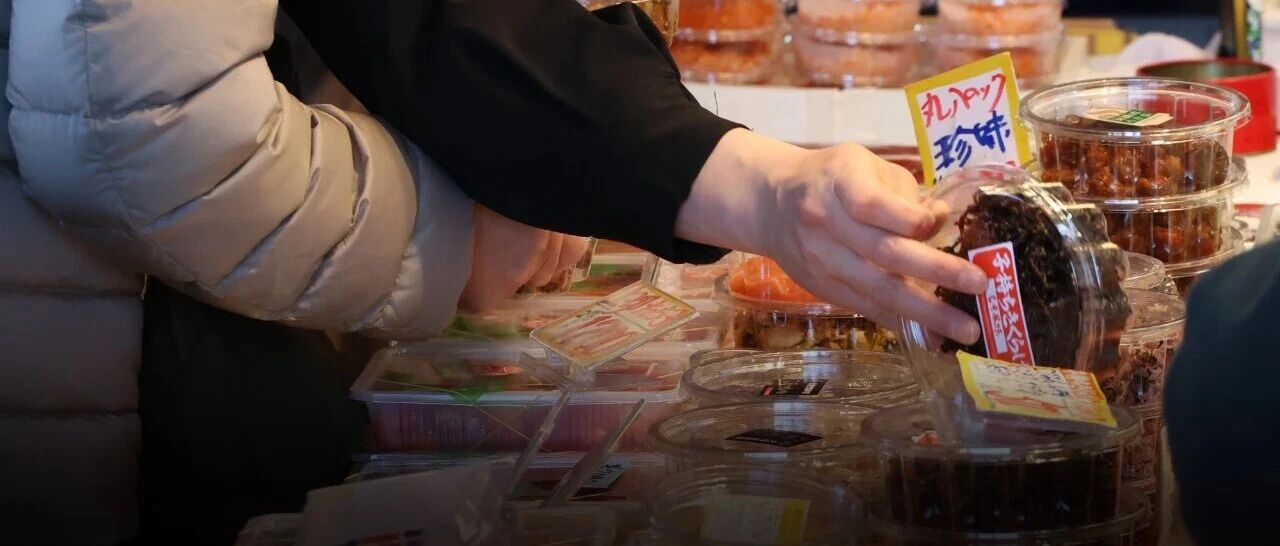
Core Viewpoint - The article discusses the rapid rise of Chinese cuisine, particularly pre-made dishes and street food, in Japan, highlighting the cultural acceptance and adaptation of these foods by Japanese consumers [4][5][129]. Group 1: Chinese Cuisine in Japan - Chinese pre-made dishes, especially items like 麻辣烫 (spicy hot pot), have become extremely popular in Japan, with many restaurants and food stalls emerging [16][61]. - 麻辣烫 has transformed into a high-end dining experience in Japan, with Japanese consumers showing a strong preference for it, often waiting in long lines to enjoy it [26][30][31]. - The average cost of a bowl of 麻辣烫 in Japan is around 2000 yen, approximately 95 RMB, which is significantly higher than other local dishes [26]. Group 2: Cultural Adaptation - Japanese consumers have embraced the ritual of eating 麻辣烫, which includes a strong emphasis on the broth, made from over 20 spices, and is often referred to as a health tonic [35][39]. - The popularity of 麻辣烫 among Japanese youth reflects a deeper cultural integration, with many expressing emotional connections to the dish [22][43]. - The article notes that the adaptation of Chinese dishes in Japan often involves modifications to suit local tastes, such as the use of sweeter flavors in 麻婆豆腐 [78][91]. Group 3: Pre-made Dishes Market - The growth of Chinese pre-made dishes in Japan is supported by a robust supply chain, with companies in China rapidly exporting frozen vegetables and prepared foods [119][127]. - The acceptance of pre-made dishes in Japan is high, with many young people preferring convenience foods, such as pre-peeled shrimp [127]. - The article emphasizes that while China’s pre-made food industry is still developing, it has already made significant inroads into the Japanese market, indicating a trend towards industrialized food production [130][131]. Group 4: Future Outlook - The success of Chinese cuisine in Japan is not just about flavor but also reflects the industrial capabilities of Chinese food production, which is becoming a key driver for the international expansion of Chinese fast food [129][132]. - The article concludes that the cultural crossover of street food like 麻辣烫 demonstrates that with a solid consumer base, any well-prepared dish can become a global culinary sensation [133].
第一批丁克夫妻离世,遗产留给谁?
36氪· 2025-10-02 13:18
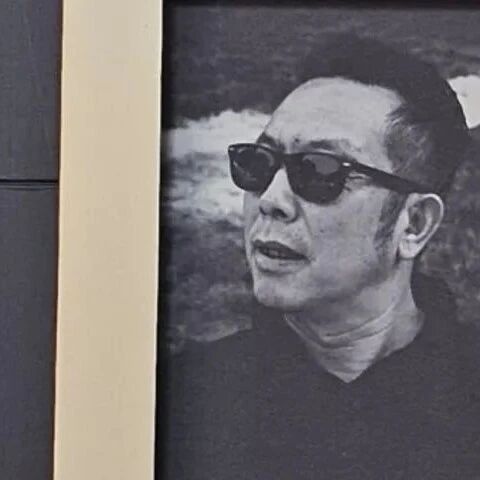
Core Viewpoint - The article discusses the issue of inheritance for elderly individuals without legal heirs, highlighting the complexities and legal implications surrounding unclaimed estates in China [4][10][16]. Group 1: Inheritance Issues - The number of elderly individuals without heirs is increasing, leading to cases where their estates remain unclaimed [4][21]. - A notable case involved an elderly man in Shanghai, whose estate included approximately 1.3 million yuan in savings and insurance, with no legal heirs to inherit it [6][12]. - Legal disputes arise when distant relatives claim inheritance based on their caregiving roles, as seen in the case of the elderly man whose cousin sought to inherit due to his support during the man's life [7][11]. Group 2: Legal Framework - The Civil Code of the People's Republic of China stipulates that if there are no first-order heirs, second-order heirs may inherit, but distant relatives may claim a share if they provided care [10][11]. - Courts assess the caregiving contributions of relatives, considering both material and emotional support when determining inheritance rights [18][19]. Group 3: Changing Elderly Care Models - The article highlights a shift towards non-traditional elderly care arrangements, such as contractual agreements for care in exchange for inheritance, as exemplified by the case of an elderly man who arranged for a neighbor to care for him in exchange for his estate [20][24]. - This trend reflects a broader societal change where younger generations are exploring diverse options for elderly care, moving away from traditional family-based models [25][26].

低腰裤翻红,时髦人都在忙着「露内裤」?
36氪· 2025-10-02 13:18
Group 1 - Fabrique opened its first boutique in Beijing, La Salle, showcasing a collection of exclusive limited fashion designed by globally recognized designers [7][9][11] - The brand emphasizes a diverse design approach, allowing for a "salon-style" fashion expression that caters to various buyer styles since its establishment in 2019 [9][12] - Fabrique hosted a major fashion show in Beijing, gathering over 350 designers to present a contemporary narrative that reflects Eastern aesthetics [14] Group 2 - The CREATIVE X conference in Shanghai focused on urban commercial and cultural development, attracting attention from both industry insiders and outsiders [15][17] - The event featured over 20 leaders from various fields discussing local culture and brand innovation, with creative experiments transforming traditional spaces into community hubs [21][23] Group 3 - The Sagging fashion trend, popularized by the K-pop group cortis, emphasizes relaxed and low-waisted styles, reflecting a rebellious attitude towards mainstream fashion [24][26] - The trend has historical roots in American prison culture and has evolved through street culture, gaining traction among contemporary fashion icons [28][29] Group 4 - Gucci's new creative director Demna launched his first collection, "La Famiglia," presented in a portrait-style format, blending heritage with modern reinterpretation [36][38] - Jonathan Anderson's debut collection for Dior at the Venice Film Festival showcased a contemporary take on historical designs, although it received mixed reviews from the public [40][43] Group 5 - The "Underconsumption Core" lifestyle trend among Gen Z promotes low-consumption practices, focusing on durable goods and sustainability rather than consumerism [44][46] - MoMA opened its first overseas bookstore in Seoul, reflecting the trend of merging art and commerce in a space designed for discovery and engagement [47][49] Group 6 - FamilyMart launched its own clothing brand "Convenience Wear" in Tokyo, aiming to compete with established brands like Uniqlo by offering comfortable and accessible fashion [50][52] - The brand's creative director, known for his work on Olympic uniforms, emphasizes quality materials and design, positioning it within the casual wear market [55] Group 7 - The "Telosa" project in Nevada aims to create a sustainable city managed by artificial intelligence, highlighting advancements in eco-friendly urban planning [60][62] - The city will utilize 100% renewable energy and innovative waste management systems, setting a precedent for future urban developments [66]

面包、打印店与情趣内衣,中国城市不为人知的产业「底色」|国庆特别策划①
36氪· 2025-10-02 04:09
Core Insights - The article highlights the unique industrial characteristics and cultural identities of various Chinese cities, showcasing how local industries shape the urban atmosphere and contribute to the economy [3][5][10]. Group 1: Unique Industries - Zixi, Jiangxi, known as the "bread capital," has produced nearly 50,000 baking professionals and is home to popular chains like Bao Shifu, which sells 100 million small buns annually [2][8]. - Lianyungang's Guanyun County is a hidden champion in the niche market of intimate apparel, with over a thousand factories producing 60-70% of China's intimate wear, primarily operated by local women [5][10]. - Hunan dominates the printing and copying market, with local entrepreneurs accounting for 85% of the national market share [2][10]. Group 2: Cultural and Economic Impact - The article emphasizes that each city has a distinct "urban temperament" shaped by its industries, customs, and daily life, contributing to a more comprehensive understanding of contemporary China [3][4]. - The rise of the "Zhengzhou Gang," a group of middle-aged men leveraging platforms like Xiaohongshu for significant revenue, illustrates the evolving dynamics of internet marketing in urban settings [3][4]. - The article also notes the economic implications of local industries, such as the substantial revenue generated by Hunan's snack food sector during festive seasons [10].

贾国龙删号「退网」?我们存好了他的「语录合订本」
36氪· 2025-10-02 04:09
Core Viewpoint - The article discusses the contradictions and inconsistencies in the statements and actions of Jia Guolong, the founder of Xibei, highlighting the challenges faced by restaurant entrepreneurs in balancing efficiency, quality, scale, and original intentions [4][5][42]. Group 1: Contradictions in Business Strategy - Jia Guolong transitioned from promoting pre-made dishes to denying their existence, claiming "Xibei is 100% not pre-made" despite evidence of his involvement in the pre-made dish industry [9][10]. - His stance on going public shifted from "never" to a goal of completing an IPO by 2026, aiming for a market value exceeding 100 billion yuan, despite current revenues of only 6.2 billion yuan [12][14][15]. - The ambitious goal of opening 100,000 stores was drastically reduced to approximately 370 stores by 2024, showcasing a significant gap between aspiration and reality [16][19]. Group 2: Employee Management and Corporate Culture - Jia Guolong exhibited a dual approach to employee management, promising substantial bonuses while simultaneously imposing a demanding work schedule of 105 hours per week [21][22][23]. - His commitment to employee welfare was contradicted by a harsh work environment, leading to confusion among staff regarding the company's true values [24][43]. Group 3: Pricing and Consumer Relations - The pricing strategy of Xibei has been characterized by a cycle of price increases followed by public backlash and apologies, indicating a lack of consistency in pricing policies [25][28]. - Jia Guolong's statement "customers abuse me thousands of times, I treat customers like my first love" reflects a disconnect between the company's service philosophy and its actual customer relations [30][31]. Group 4: Dependency on Delivery Platforms - Jia Guolong criticized delivery platforms for undermining pricing power while simultaneously relying on them for 40% of Xibei's revenue, revealing a contradiction in his business strategy [33][35][36]. Group 5: Failed Brand Expansion - The attempt to diversify into multiple sub-brands has resulted in significant failures, with numerous projects being launched and quickly abandoned, indicating a lack of strategic focus [39][40]. - The rapid turnover of new brands and the chaotic management style have led to wasted resources and missed opportunities for growth in the core business [40][41]. Group 6: Overall Leadership Style - Jia Guolong's leadership style is described as autocratic, with decisions made unilaterally, often leading to ineffective strategies and a lack of accountability within the organization [43][44]. - The article suggests that many restaurant entrepreneurs share similar traits of disconnection from consumer needs and market realities, leading to a collective struggle in the industry [44].
「鸡排哥」的商业秘密,西贝花6000万咨询费都没学会
36氪· 2025-10-01 13:06
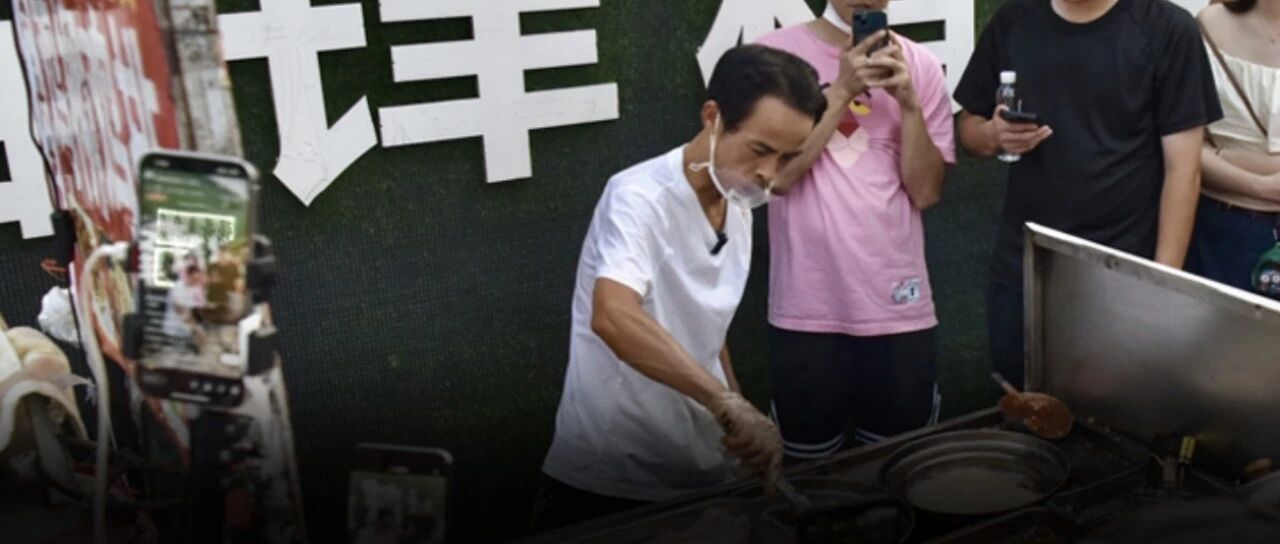
Core Viewpoint - The article highlights the rise of a street vendor known as "Chicken Chop Guy" in Jingdezhen, who gained popularity due to his humorous service and emotional value offered to customers, contrasting with the rigid and impersonal nature of larger restaurant chains [4][12][51]. Group 1: The Rise of "Chicken Chop Guy" - "Chicken Chop Guy," a vendor selling chicken chops for 6 yuan, became a viral sensation, with people noting the emotional value of his service as being worth 600 yuan [7][12]. - His approachable demeanor and unique marketing style, such as humorous remarks and prioritizing students, have attracted a large following, leading to long queues at his stall [6][20]. - The local government has taken measures to support him, reflecting the significant public interest and the need for a more personal touch in the dining experience [7][12]. Group 2: Consumer Sentiment and Market Dynamics - The popularity of "Chicken Chop Guy" reflects a broader consumer dissatisfaction with the impersonal nature of chain restaurants, as exemplified by the negative reception of the chain "Xibei" [8][9]. - Consumers are increasingly seeking transparency and sincerity in their interactions with vendors, desiring a return to simpler, more genuine business practices [12][28]. - The article suggests that the success of "Chicken Chop Guy" is a response to a market environment that has become overly mechanized and detached from human warmth [50][51]. Group 3: The Contrast with Modern Business Practices - The article contrasts "Chicken Chop Guy" with the "mainstream" restaurant culture, which often prioritizes branding and exclusivity over customer service [29][33]. - The "mainstream" approach often leads to a disconnect with consumers, who feel undervalued and overlooked, while "Chicken Chop Guy" embodies a more egalitarian and customer-centric philosophy [34][36]. - The success of "Chicken Chop Guy" serves as a reminder of the importance of maintaining a human touch in business, especially in an era where many businesses are moving towards standardization and efficiency [46][50].
这个南部自治区,奶茶店密度远超京沪
36氪· 2025-10-01 13:06
Core Insights - The article highlights the rapid rise of tea brands from Guangxi, indicating a shift in the competitive landscape of the tea beverage industry, traditionally dominated by Guangdong [3][12]. Industry Overview - The tea beverage market is experiencing a trend similar to the smartphone industry, with brands increasingly focusing on ingredient variety and quality, leading to a "stacking" trend in product offerings [7][12]. - Guangxi's tea brands, such as 阿嬷手作, 煲珠公, and 萃茶师, are capitalizing on this trend by utilizing unique local ingredients, which enhances their competitive edge [5][7]. Market Dynamics - In Nanning, Guangxi, there is a high density of tea shops, with over 7,500 stores for a population of approximately 8.97 million, resulting in a ratio of one tea shop for every 1,000 residents, significantly higher than major cities like Beijing and Shanghai [9]. - The competitive environment in Guangxi is described as a "battlefield," where only the most resilient brands survive, referred to as "卷心菜" [9][12]. Supply Chain Advantages - Guangxi benefits from a robust supply chain for tea ingredients, being a major producer of water buffalo milk (85% of national output), jasmine flowers (60% of global production), and a variety of fruits, which supports the innovative product development of local tea brands [11][12]. - The region's sugar production has also been the highest in China for 34 consecutive seasons, further solidifying its position as a key player in the tea beverage market [12].