36氪

Search documents
韩剧女主穿火的鞋,这回真成美国足力健了
36氪· 2025-11-25 00:09
Core Viewpoint - Skechers is shifting its focus from targeting younger consumers to appealing to the middle-aged and elderly demographic, as evidenced by its recent marketing strategies and brand endorsements [4][22][30]. Group 1: Company Performance - In the first half of 2025, Skechers achieved global sales of $4.85 billion, a year-on-year increase of 10%, with the Asia-Pacific market growing by 15.8%. However, the Chinese market saw a decline, with sales dropping by 12.1% [6][22]. - Skechers' sales in China rose from 74 million yuan in 2008 to 10.43 billion yuan in 2017, averaging a remarkable annual growth rate of 73% over ten years [17]. Group 2: Market Positioning - Skechers has historically positioned itself as a "comfortable alternative" in the footwear market, focusing on practicality rather than competing directly with high-end brands like Nike and Adidas [12][34]. - The brand has been criticized for its aesthetic appeal, with many consumers perceiving its designs as unattractive compared to competitors [20][32]. Group 3: Target Demographic Shift - Skechers is increasingly targeting middle-aged consumers, with 60.17% of respondents aged 36 to 45 expressing a desire for easy-to-wear shoes [24][26]. - The brand's recent marketing campaigns, including the endorsement of actor Tony Leung, are aimed at appealing to older consumers, which has led to a perception of Skechers as "American elder shoes" [8][22]. Group 4: Competitive Landscape - The rise of domestic brands like Anta and Li Ning has intensified competition, challenging Skechers' market share and forcing it to reconsider its strategies [18][38]. - Skechers faces challenges in maintaining its market position as competitors invest heavily in research and marketing, with leading brands allocating 3% to 4% of their annual revenue to R&D [36].



杭州网红大撤退:下坠的电商,过剩的人
36氪· 2025-11-24 14:19
Core Viewpoint - The article discusses the decline of the live streaming industry in Hangzhou, highlighting the challenges faced by streamers and the overall market downturn, while some still believe in the potential of the industry in the city [4][6][7]. Group 1: Industry Overview - The live streaming industry in Hangzhou, once thriving with nearly 20,000 active streamers, is now experiencing a significant downturn, with rising vacancy rates in commercial properties and reduced rental prices [6][7]. - Major companies and influencers are leaving Hangzhou, contributing to a narrative of a mass exodus from the live streaming scene [7]. - The industry is facing challenges such as declining traffic, increased competition, and high return rates on products, leading to reduced incomes for streamers and pressure on e-commerce businesses [7][26]. Group 2: Personal Experiences - Streamers like Liu Hui and Cheng Xingtong share their experiences of initially thriving in the industry but later facing burnout and declining incomes, with some choosing to leave the profession altogether [11][17][24]. - The pressure to maintain high performance and the constant influx of new, lower-paid streamers have created a highly competitive environment, making it difficult for many to sustain their careers [14][26]. - Despite the challenges, some individuals still view Hangzhou as a city of opportunity, believing that the potential for high earnings and skill development remains [11][38]. Group 3: Market Dynamics - The article notes that the live streaming market is becoming increasingly saturated, with many new entrants willing to work for lower wages, which drives down overall compensation in the industry [14][32]. - E-commerce businesses are struggling with high inventory costs and low profit margins, exacerbated by new taxation policies that further strain their operations [26][27]. - The competitive landscape has shifted, with companies now seeking streamers who can deliver immediate results, leading to unrealistic expectations and job insecurity for many [29][30]. Group 4: Future Outlook - Despite the current downturn, there is a belief among some industry participants that Hangzhou will continue to be a key player in the live streaming sector, offering unique opportunities compared to other regions [38][39]. - The article suggests that while the environment is challenging, the potential for growth and development in the live streaming industry still exists, particularly for new entrants [38][40].


本周在哪儿投资你的「商业注意力」?WISE 2025为你划重点!
36氪· 2025-11-24 14:19
Group 1 - The WISE 2025 Business Conference will take place on November 27-28 in Beijing, focusing on the integration of technology and business in 2025, highlighting the strengths of Chinese brands and technology on the global stage [2][3] - The conference will feature a new format using "tech short dramas" to illustrate how disruptive innovations are reshaping the Chinese business landscape, with a focus on AI, overseas expansion, and branding [2][3] - Keynote speeches will include discussions on the role of hardware as a medium connecting people to the world, the evolution of robotics, and the potential of AI in enhancing human lifespan and life sciences [5][11][13] Group 2 - The conference will address the challenges and opportunities presented by the technological wave, emphasizing the transformation of devices into intelligent partners and the implications for user relationships [38][40] - Discussions will explore how AI can redefine logistics and the automotive finance industry, focusing on the shift from single-point technology competition to collaborative ecosystem development [61][66] - The event will also feature deep talks on the future of embodied intelligence and its impact on various industries, including logistics and manufacturing [56][64] Group 3 - The conference aims to foster a dialogue on the future of Chinese innovation and entrepreneurship, encouraging participants to rethink what types of companies will attract long-term capital investment in today's innovation environment [69][70] - The event will highlight the importance of building a robust entrepreneurial ecosystem to drive China's economic growth, leveraging technology as a foundation for consumer expansion [48][54] - The conference will conclude with insights on how to navigate the complexities of AI implementation in industries, aiming to bridge the gap between technology concepts and practical applications [51][66]
为什么贵州老板,爱把头像印在招牌上?
36氪· 2025-11-24 14:19
以下文章来源于不相及研究所 ,作者发财金刚 不相及研究所 . 咱老百姓自己的号 贵州人脸识别。 文 | 发财金刚 来源| 不相及研究所(ID: buuuxiangji ) 封面来源 | 网络 在贵阳,只要你愿意迈出酒店的第一步,五分钟内就会遭遇一种特殊的审视。 一张张庞大、鲜明、奇异的证件照,遍布西南的街头。 它们密集排布,注视精准,扫描着一个个行人,一旦对着了眼,你便无法逃脱。 别的地方开店做生意挂的是门神,是关公,是财神,而贵阳的老板们,挂自己就可以了。 烙锅 的老板,平头,背景白得刺眼,表情一本正经,像是刚从车管所办完科目二备案照冲出来。 就连长沙隐秘分布在贵州的臭豆腐果老板,斜叼着烟嘴,眼神都能从碗口照片迸发而出。 一切的迹象都表明,这个地方并不简单。 如此朴实。 "店家的意思很清晰的, 这碗粉,是我亲手端出来的,糍粑,是我亲手打的, 锅,也是我本人背的。 吃坏肚子,老板本人无处可逃的。 " 贵阳是那种城市,路再窄,八卦传播速度永远是声速的两倍。 有人说,这都是贵阳当地的主理人。 四姨可以上串串锅,六姑姥爷可以上酸汤鱼,三娘也没有理由不上厕所馒头。 还有人说,有些店根本就不挂店名、不挂品牌、甚至没有s ...

心路汇成新路:鸿蒙的中国速度与未来答案
36氪· 2025-11-24 14:19
Core Viewpoint - The article emphasizes the collective effort of millions of developers in building the HarmonyOS ecosystem, showcasing China's rapid technological advancement and collaborative spirit in innovation [3][5][23]. Group 1: HarmonyOS Ecosystem Development - The maturity and evolution of an operating system are achieved through continuous debugging, iteration, and optimization by developers, rather than through high-profile launch events [3][5]. - The HarmonyOS ecosystem has rapidly transitioned from technological independence to ecological prosperity, demonstrating remarkable "Chinese speed" [3][5]. - The upcoming "Harmony Starry Night Festival" symbolizes the collaborative spirit of the ecosystem, reflecting the strategic alignment between national direction and local government initiatives [5][6]. Group 2: Collective Efforts and Challenges - The development of HarmonyOS is characterized by a "one body, multiple faces" growth model, where speed, romance, and trust coexist and enhance each other [7][8]. - Developers have faced extreme challenges, such as high-pressure testing environments, which have contributed to the ecosystem's growth and resilience [8][10]. - The emotional connections formed during collaborative efforts, such as shared meals and team commitments, add a human touch to the technical achievements [10][11]. Group 3: Innovation and Experience Quality - The essence of HarmonyOS's acceleration lies in trust and collaboration among teams, which fosters a sustainable ecosystem [11][14]. - The ecosystem's maturity is not solely based on the quantity of applications but on the overall quality of user experience, transitioning from "usable" to "better usable" [14][21]. - HarmonyOS enhances operational efficiency and user experience through innovative features, such as WPS's "instant document opening" and seamless multi-device interactions [15][16]. Group 4: Cross-Device and Cross-Scenario Integration - HarmonyOS has evolved into a collaborative foundation that provides consistent experiences across various devices and scenarios, including travel, daily life, governance, finance, and entertainment [20][21]. - The system's distributed capabilities allow applications to deliver a unified experience across different devices, transforming isolated services into continuous life experiences [16][19]. Group 5: Long-term Commitment and Support - The HarmonyOS ecosystem represents a significant milestone in China's technological independence, supported by substantial investments in developer incentives and AI innovation [23]. - The ecosystem encourages participation from developers of all sizes and backgrounds, fostering an inclusive environment for innovation [23].

太平人寿,一次落袋65亿
36氪· 2025-11-24 10:14
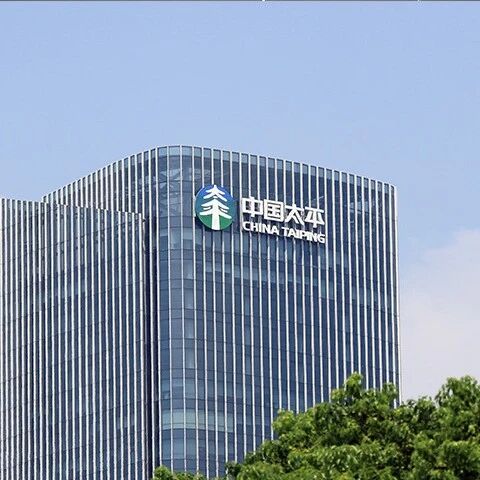
Core Viewpoint - China Taiping's subsidiary, Taiping Life, has sold equity stakes in four companies for 6.5 billion yuan, reflecting a strategic asset rotation amid a growing equity market for insurance capital [3][6][9]. Group 1: Asset Sale and Financial Impact - Taiping Life's sale of equity stakes will result in an influx of 6.5 billion yuan in cash, enhancing its liquidity for future investments [6][9]. - The investment in the four companies, made in December 2019, yielded a total return of approximately 2.35 billion yuan over nearly six years, indicating a successful exit strategy [9][10]. - The proceeds from the sale are intended for general operational funding, allowing for greater flexibility in future investments [11][12]. Group 2: Investment Performance and Strategy - In the first three quarters of 2025, Taiping Life reported a significant increase in investment income, totaling 16.71 billion yuan, up from 6.89 billion yuan in the same period the previous year, marking a 142.5% increase [13][14]. - The company has diversified its investments, appearing as a major shareholder in multiple stocks, with a focus on both traditional sectors and emerging technologies [14][15]. - The investment strategy has shifted from infrastructure-heavy allocations to a more balanced approach that includes equities, reflecting a response to changing market conditions and regulatory frameworks [28][29]. Group 3: Market Trends and Regulatory Environment - The insurance industry is experiencing a systemic trend towards increased equity market participation, driven by low interest rates and regulatory adjustments that allow for higher equity allocations [29][30]. - As of mid-2025, Taiping Life's equity investment weight was 13.6%, which is below the regulatory cap, indicating potential for further investment growth in equities [30][31]. - The shift in investment focus is seen as a rational response to market dynamics, aiming to enhance returns while managing risks effectively [28][29].


暴雷半年后,充电宝玩家们咋样了?
36氪· 2025-11-24 10:14
Core Viewpoint - The charging bank industry has undergone significant changes due to safety incidents and regulatory shifts, leading to a reshaping of market dynamics and the emergence of new leaders like Ugreen and Xiaomi, while others like Romoss have fallen behind [5][50]. Group 1: Industry Changes - The turning point for the charging bank industry was the June 2025 incident where multiple universities banned Romoss charging banks, followed by the Civil Aviation Administration's new regulations prohibiting non-3C certified products [5][8]. - The market share previously held by Romoss and other low-cost brands has opened up, with over 20% of the market available for redistribution [8][30]. - The industry has shifted from a low-price volume model to a focus on safety, quality, and brand reputation, marking the end of the "low-price" era [13][39]. Group 2: Key Players and Market Dynamics - Ugreen has emerged as a major beneficiary of the market reshuffle, with a 303% year-on-year sales increase on JD.com in July 2025, and a 2.3 percentage point rise in market share [34][36]. - Xiaomi, despite facing some challenges, has maintained its leading position in the global market with a strong user base and effective crisis management, recalling 147,000 units while quickly addressing safety concerns [37][38]. - Anker Innovation and Baseus, while also significant players, have struggled to capitalize on the market changes due to their pricing strategies and operational challenges [41][47]. Group 3: Regulatory Impact - The tightening of regulations, particularly the mandatory 3C certification, has led to a significant drop in the non-compliance rate from 44.4% in 2023 to 4.0% after the enforcement of the certification [28][29]. - The regulatory environment has effectively eliminated many low-quality brands from the market, pushing consumers towards safer and more reliable options [24][26]. Group 4: Future Outlook - The industry is expected to continue evolving, with a focus on compliance, technology as a competitive advantage, and the importance of distribution channels [51][53]. - By 2026, it is predicted that the top five brands will hold over 70% of the market share, leaving little room for low-quality brands [54].


中产疯抢的「液体黄金」,塌房了?
36氪· 2025-11-24 10:14
Core Viewpoint - The article discusses the rise of turmeric as a trendy "superfood" among the middle class, highlighting its popularity in products like turmeric oat milk and its significant sales growth during events like Double Eleven [4][5][9]. Group 1: Market Trends - Turmeric drinks have seen a remarkable increase in popularity, with sales rising 14 times compared to September since the Double Eleven sales began [9]. - The topic of turmeric drinks has garnered over 3.04 million discussions on social media platforms like Xiaohongshu [7]. - The product has a high customer satisfaction rate, with 99% positive reviews despite its challenging taste [21]. Group 2: Product Analysis - The turmeric drink is marketed as a health product, containing 38% ginger, 38% lemon, 21% honey, and only 3% turmeric, with a calorie count of approximately 106 kcal per bottle [37]. - However, the drink contains 19.6g of carbohydrates per 100ml, equating to a sugar content higher than that of regular cola, which raises concerns about its health claims [38][41]. - The article emphasizes that to achieve the anti-inflammatory benefits of turmeric, it must be consumed with black pepper or fats, which is often not the case in these drinks [51]. Group 3: Consumer Behavior - The article suggests that consumers are drawn to the concept of "superfoods" as a quick solution to health concerns, despite the lack of scientific backing for the term [70]. - The market for superfoods in China has reached several hundred billion yuan, with many consumers spending over 10,000 yuan annually on these products [67]. - The allure of superfoods lies more in the perception of health benefits rather than their actual nutritional value, leading to a phenomenon where consumers buy into the "health illusion" [75][82].

韩后创始人王国安:还清15亿债务,我当着全体员工嚎啕大哭
36氪· 2025-11-24 10:14
Core Viewpoint - The article discusses the journey of Wang Guoan, the founder of Hanhou, from facing significant debt and business challenges to revitalizing his company and personal brand through resilience and strategic actions [4][11][19]. Group 1: Personal Resilience and Recovery - Wang Guoan has transformed his physical and mental state, engaging in activities like basketball to maintain energy and enthusiasm, which he attributes to his recovery from financial difficulties [6][18]. - He emphasizes the importance of facing challenges head-on, stating that acknowledging and addressing negative situations can lead to a sense of certainty and the potential for improvement [14][15]. - Wang views his past failures as valuable experiences that have strengthened his resolve and provided new opportunities for growth [9][10]. Group 2: Business Strategy and Brand Building - The company has maintained profitability despite past challenges, with Wang focusing on rebuilding trust within his team and re-establishing a strong company culture [10][30]. - Wang has initiated a strategy to revitalize Hanhou by introducing high-end products, aiming to enhance the brand's market position and consumer perception [33][36]. - The concept of creating a personal brand (IP) has been pivotal for Wang, allowing him to connect with a new audience and rebuild trust, which is essential for the company's future success [21][25][26]. Group 3: Team Dynamics and Leadership - There is a noted lack of trust within the Hanhou team, stemming from past failures, which Wang acknowledges as a significant challenge to overcome [30][31]. - Wang's leadership approach involves engaging the team in a shared vision and encouraging them to embrace risk and innovation, contrasting with their current cautious mindset [32][39]. - The company is exploring new leadership models, such as hiring project CEOs based on their past successes, to foster a culture of accountability and shared goals [37][38].

智能派获大疆投资的更多细节:三年内年营收要超50亿|早起看早期
36氪· 2025-11-24 00:05
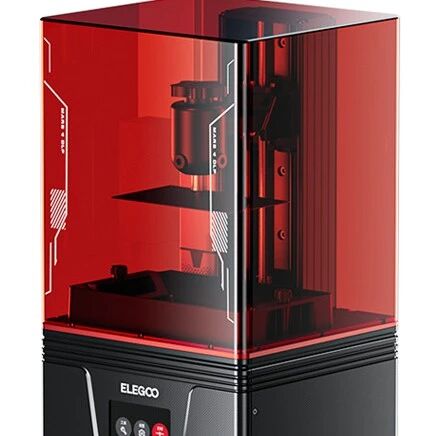
Core Viewpoint - Shenzhen Intelligent Technology Co., Ltd. (ELEGOO) has completed a new round of strategic financing worth hundreds of millions of RMB, with DJI as the investor. The company has achieved a compound annual growth rate (CAGR) of over 40% in the past three years and is projected to reach total revenue of 1.6 billion RMB in 2024, with an expected growth of 30% to 50% in 2025, potentially exceeding 2.5 billion RMB [6][10]. Company Overview - Founded in 2015, Intelligent Technology focuses on the research, production, and sales of consumer-grade 3D printers and laser engraving machines. The company's core goal is to lower the creative threshold for global users by providing high cost-performance and intelligent products [7][9]. - The company leverages China's integrated supply chain advantages and mature e-commerce operations to enter the market with a cost-performance strategy [7]. Product Lines - Intelligent Technology's core product lines include both light-curing (LCD/SLA) and fused deposition modeling (FDM) technologies, maintaining a leading position in global consumer LCD 3D printer shipments for several consecutive years [7][8]. - The Mars series, launched in 2019, was among the first in the global market to offer devices priced at $300 with 2K printing precision. The upcoming Mars 5 Ultra, set to launch in June 2024, features a partitioned exposure function to enhance printing efficiency and quality, winning the Red Dot Product Design Award [7][8]. Market Strategy - The light-curing technology has been an effective strategy for Intelligent Technology's early market entry and rapid growth. Despite consumer concerns about the odor from resin, the high precision of light-curing 3D printers has led to applications in dental medical fields [8]. - The FDM series, particularly the OrangeStorm Giga, represents the company's foray into industrial-grade 3D printing, successfully crowdfunding over $3 million on Kickstarter [8]. Software and Ecosystem - The company is also expanding its product matrix with laser engraving machines and is committed to providing integrated solutions. In November 2024, it will launch its first self-developed slicing software, SatelLite, designed specifically for light-curing 3D printing [9]. - In 2025, Intelligent Technology plans to introduce the Matrix APP for remote device management and launch the Nexprint 3D model platform, along with a $1 million support fund for original designs, completing its 3D printing ecosystem [9]. Global Expansion - Intelligent Technology has diversified its sales platforms, including independent sites and Amazon, with products sold in over 150 countries and regions, achieving cumulative shipments of over one million units [9]. - The company entered the cross-border e-commerce sector in 2015, capitalizing on the growth window for consumer-grade 3D printers overseas, becoming the leading brand in global consumer LCD 3D printer shipments [9]. Competitive Landscape - The 3D printing market has become increasingly competitive, transitioning from a blue ocean to a red ocean, with the market expanding from billions to trillions. With DJI's strategic investment, Intelligent Technology is expected to gain more resources and experience support for global expansion, technology integration, and supply chain optimization [10].