创业家

Search documents
“地派”创业者,一定要主动找钱
创业家· 2025-08-05 10:28
Core Viewpoint - Entrepreneurs in the "Di Pai" sector should actively seek investment to enhance business growth, as competitors will pursue funding, and appropriate capital can significantly accelerate development [1]. Group 1: Japanese Market Insights - The Japanese consumer market serves as a "future laboratory" for Chinese brands, providing predictive insights into the evolution of consumption over the next decade [6]. - Understanding the product survival wisdom derived from Japan's "lost thirty years" is crucial for Chinese brands to win over consumers [6]. - Key strategies from successful Japanese brands include supply chain-driven private label (PB) products, continuous iteration of major products, and defining lifestyles that resonate emotionally with consumers [7][8]. Group 2: Successful Japanese Brands - Kobe Bussan utilizes a supply chain-driven model with over 350 factories globally, achieving a sales scale of 200 billion RMB through its PB products [7][13]. - 7-11 leverages data from its extensive network of stores to develop PB products that meet latent consumer needs, enhancing store performance by 120% through single product development [7][11]. - Nitori, known as the "king of furniture" in Japan, applies automotive supply chain standards to achieve continuous revenue growth for 36 years [7][15]. - Kikkoman has expanded from soy sauce to over 2000 SKUs, demonstrating successful product diversification [7][16]. Group 3: Emotional Engagement and Lifestyle Definition - Brands like Bandai focus on developing products that tap into fundamental human desires, creating items that are both entertaining and addictive [9]. - Muji redefines user experience with its no-logo, affordable products, reflecting a shift in consumer lifestyle post-economic bubble [9]. - The concept of "loneliness economy" is explored, emphasizing the importance of emotional resonance in product development [9]. Group 4: Learning and Networking Opportunities - The event features prominent figures from the consumer sector, providing insights into retail strategies and product development [10][11]. - Participants will engage in hands-on learning experiences, including visits to successful Japanese retail stores and discussions on innovative supply chain practices [10][12]. Group 5: Event Details - The study tour is scheduled from September 21 to 26, 2025, in Tokyo, with a focus on understanding the evolution of Japanese consumer brands [20]. - The program is limited to 35 participants, specifically targeting company founders, with a fee of ¥ 59,800 per person [20].


朱啸虎:中国的财富密码,变了
创业家· 2025-08-04 10:11
Core Viewpoint - The article emphasizes the importance of recognizing market trends and the concept of "beta" (market-driven returns) over "alpha" (excess returns), suggesting that success in investment and entrepreneurship is largely driven by the prevailing market conditions and demographic shifts in China [5][6][9]. Group 1: Market Trends and Opportunities - The article identifies the aging population in China as a significant market opportunity, with 20 million new retirees each year who are willing to spend [12]. - It highlights that the current generation of retirees differs from previous ones, as they have both the financial means and the willingness to consume [13]. - The article suggests that the future market opportunities lie in sectors that cater to the elderly, indicating a shift in focus from previously popular sectors like maternal and infant products, which are now seen as negative "beta" [10][11]. Group 2: Learning from Japan's Market - The article discusses an upcoming study trip to Japan, aimed at understanding how Japanese brands thrive in a low-growth, aging society, which can provide insights for Chinese entrepreneurs [16][21]. - It outlines three core principles of successful Japanese brands: supply chain-driven private label products, continuous iteration of key products, and creating emotional resonance with consumers [22][23]. - The article emphasizes the need for Chinese brands to learn from Japan's experience in navigating economic challenges and consumer behavior changes, particularly in the context of the "loneliness economy" [24][30]. Group 3: Strategic Insights for Entrepreneurs - The article stresses the importance of controlling scale and enhancing safety margins as a key strategy for the next 5 to 10 years [14][15]. - It encourages entrepreneurs to focus on understanding market demands and consumer insights rather than solely pursuing innovative ideas that may not align with market realities [7][8]. - The article also highlights the significance of emotional value creation in products, as seen in successful Japanese brands, which can be a crucial factor for Chinese brands to win over consumers [23][30].

“湖北首富”难当?
创业家· 2025-08-04 10:11
Core Viewpoint - The article discusses the contrasting fates of various entrepreneurs from Hubei, particularly focusing on the recent tragic death of Wang Linpeng, the former "Hubei richest," and the challenges faced by other prominent figures in the region's business landscape [4][24]. Group 1: Wang Linpeng's Life and Death - Wang Linpeng, once the "Hubei richest," died by suicide at the age of 57, shortly after being released from detention [4][7]. - His company, Juran Smart Home, saw its stock price drop significantly following the news of his death, closing at 2.94 yuan per share, down 6.96%, with a total market value of 18.31 billion yuan [4][9]. - Wang's rise to wealth was marked by the successful listing of Juran Home in 2019, where he became the "Hubei new richest" with a net worth of 36.8 billion yuan [9][11]. Group 2: Financial Struggles of Juran Smart Home - Juran Smart Home reported a revenue of 12.966 billion yuan in 2024, a year-on-year decline of 4%, with net profit dropping 32% to 883 million yuan [11][12]. - The company's cash reserves decreased from 7.522 billion yuan to 2.661 billion yuan over five years, while short-term debt reached 4.63 billion yuan [11][12]. - In Q1 2025, the company achieved a revenue of 3.312 billion yuan, a 5.58% increase year-on-year, but the net profit fell by 42.84% [12]. Group 3: Broader Context of Hubei Entrepreneurs - The article highlights a trend of turmoil among Hubei entrepreneurs, with several facing legal issues or financial distress, including Ai Luming and the founder of Red Star Macalline [14][20]. - Ai Luming's company, the "Contemporary System," entered bankruptcy restructuring due to significant debts, and he faced regulatory scrutiny for financial misconduct [18][20]. - The narrative contrasts the fates of these entrepreneurs with those who have successfully navigated the market, such as Huang Sheng and his family, who lead a thriving technology company [30][35]. Group 4: Lessons and Insights - The experiences of these Hubei entrepreneurs serve as a cautionary tale about the risks associated with political connections and the management of state-owned enterprises [24][35]. - The article suggests that those who rely on market-driven strategies and maintain a distance from political entanglements tend to fare better in the long run [35].


180亿,刘强东买走了
创业家· 2025-08-02 10:03
Group 1 - JD.com announced the acquisition of CECONOMY, Germany's largest consumer electronics group, for approximately €2.2 billion, equivalent to over ¥18 billion [5][6] - This acquisition marks a significant step in JD.com's international expansion, aiming to set a new record for Chinese e-commerce entering the European market [6][10] - CECONOMY operates over 1,000 stores across 12 European countries, with its core brands MediaMarkt and Saturn holding over 30% market share in Germany [9][10] Group 2 - The acquisition is part of JD.com's strategy to enhance its local presence in Europe, providing a robust offline channel network and addressing cross-border logistics challenges [17][18] - JD.com plans to retain CECONOMY's existing management team and maintain its independent operations while accelerating its transformation into a leading omnichannel consumer electronics platform [10][17] - The deal reflects a broader trend in the consumer sector, where companies are increasingly pursuing mergers and acquisitions to strengthen their market positions amid rising competition [21][25] Group 3 - The consumer merger and acquisition landscape has been active, with notable deals such as the interest in Starbucks China and KKR's acquisition of a beverage company [22][23] - There is a growing trend of acquiring the Chinese operations of multinational companies, as seen with General Mills considering the sale of its Haagen-Dazs stores in China [24][25] - The current economic climate has made consumer assets more attractive, with many funds seeking acquisition opportunities due to lower asset prices [26]

朱啸虎:现在只有两类人能融到资
创业家· 2025-08-01 10:13
Core Viewpoint - The article emphasizes that only two types of individuals can secure funding in the current market: "White Horses" who have impressive resumes and align with trending sectors, and "Black Horses" who focus on solid business practices and product validation [2][4][6]. Group 1: Types of Entrepreneurs - "White Horses" are characterized by their strong backgrounds and ability to present compelling narratives [2][3]. - "Black Horses" are those who build their companies steadily, proving their products and market viability before seeking investment [4][5]. Group 2: Learning Opportunity in Japan - A learning trip to Japan is scheduled from September 21 to September 26, focusing on the operational secrets behind enduring Japanese brands [7]. - The program aims to explore how Japan has nurtured leading companies despite low growth, aging population, and other challenges [8]. Group 3: Insights on Japanese Brands - The article outlines three core philosophies of resilient Japanese brands: supply chain-driven private label (PB) products, continuous iteration of key products, and defining lifestyles that resonate emotionally with consumers [14]. - Examples include Kobe Bussan's integration of supply chain and product development, and Nitori's application of automotive supply chain standards to furniture [16][26]. Group 4: Consumer Behavior and Market Trends - The article discusses the shift in consumer behavior towards rational and emotional purchasing, highlighting the importance of understanding Japanese market evolution as a predictive model for China's future consumer landscape [12][18]. - It notes that the failure of traditional traffic-driven strategies will lead to missed opportunities in engaging with new consumer generations [12]. Group 5: Event Details and Structure - The event includes various expert sessions and company visits, featuring insights from industry leaders such as 7-11 and Shiseido, focusing on their successful strategies in the current market [23][28]. - The program is designed for 35 participants, specifically targeting company founders, with a comprehensive itinerary that includes lectures, company visits, and practical learning experiences [31].

如何成为独角兽公司?
创业家· 2025-08-01 10:13
Core Viewpoint - Companies that become unicorns must adhere to the "3S" principle: significant market, scalable growth, and sustainable competitive advantages [1] Group 1: Insights on Japanese Brands - Japanese brands have developed strategies to thrive in low-growth, aging, and declining birthrate environments, providing valuable lessons for Chinese consumer brands [7][8] - The concept of "loneliness economy" is highlighted, where emotional value creation becomes crucial for brands to resonate with consumers [10] Group 2: Key Strategies of Successful Japanese Companies - Supply chain-driven private brand (PB) products are emphasized, showcasing companies like Kobe Bussan, which operates over 1,000 stores with a scale of 20 billion RMB through integrated supply chains [8][16] - Continuous iteration of major products is a strategy used by companies like Kikkoman, which evolves from merely producing soy sauce to creating a soy sauce culture [8][19] - Defining lifestyles and evoking emotional resonance are critical, as seen in brands like Muji, which redefines user experience with no-logo affordable products [10][20] Group 3: Learning Opportunities - The article promotes a study trip to Japan, focusing on understanding the operational secrets behind successful Japanese brands and their adaptability in changing markets [3][4][21] - Participants will engage with industry leaders and explore innovative business models that can be applied to the Chinese market [12][14]

劝君不做孙正义
创业家· 2025-08-01 10:13
Core Viewpoint - The article discusses the investment journey of Masayoshi Son, highlighting his significant financial losses and remarkable recoveries, emphasizing the dual nature of his investment philosophy: taking bold risks and the potential for both great gains and substantial losses [5][6][34]. Group 1: Investment Philosophy - Masayoshi Son's investment strategy is characterized by a willingness to take significant risks, often leading to substantial financial losses, as seen in his history of both winning and losing large sums [6][26]. - The article contrasts Son's approach with the more conservative investment principles of Warren Buffett, suggesting that Son thrives in volatile environments where he can capitalize on opportunities others might avoid [7][50]. Group 2: Key Milestones - Son's career is marked by five pivotal moments: the rise of personal computers, the internet bubble, the rise of China, the global financial crisis, and the emergence of artificial intelligence [15][22]. - His early investments, such as in Yahoo, yielded significant returns, showcasing his ability to identify and capitalize on emerging trends [19][29]. Group 3: Recent Developments - In 2023, Son's investment in ARM, which went public, marked a significant recovery for SoftBank, with ARM's market value exceeding $150 billion, reflecting Son's ongoing influence in the tech sector [40][48]. - Despite past failures, such as the WeWork debacle, Son continues to pursue ambitious projects, including a $500 billion investment plan aimed at advancing AI and technology in Japan [9][44]. Group 4: Challenges and Future Outlook - The article highlights the challenges Son faces in the current investment landscape, particularly in the AI sector, where competition from major tech companies has intensified [41][48]. - Son's vision for Japan's role in the AI race is hampered by a lack of talent, prompting him to seek partnerships to bolster Japan's capabilities in this critical area [44][45].



日本经济衰退30年,为何仍有不少企业保持高速增长
创业家· 2025-07-31 09:52
Core Insights - The article draws parallels between Japan's past economic stagnation and China's current economic challenges, suggesting that China can learn from Japan's experiences [2][3] - It highlights the significant wealth held by the elderly population in Japan and the implications for consumer spending, indicating a similar trend in China [4][5] Group 1: Economic Insights - Japan's national wealth has increased significantly over the past 25 years, despite low economic growth, with elderly individuals holding substantial assets [3] - In Japan, over 60% of national wealth is owned by individuals aged 60 and above, a trend that is mirrored in China, where the elderly population is projected to reach 30% by 2035 [4] Group 2: Consumer Behavior - The article emphasizes the emergence of a wealthy, leisure-oriented consumer demographic in Japan, which presents opportunities for businesses to cater to their needs [5] - Companies like NIKKO TRAVEL have successfully targeted this demographic, achieving annual sales of 2 billion yen with a high customer retention rate [5] Group 3: Tourism and Leisure Industry - Japan's tourism sector, particularly theme parks like Tokyo Disneyland and Universal Studios Japan, has thrived, with significant visitor numbers pre-pandemic [8][9] - The article notes the success of Japan's rural tourism and cultural experiences, which have effectively combined various industries to meet consumer demand for "micro-vacations" [9][10] Group 4: Cultural and Entertainment Industry - Japan has leveraged its traditional culture and modern IPs to create successful tourism products, with events and festivals attracting large crowds [10] - The integration of popular culture, such as anime and music festivals, has positioned Japan as a global leader in entertainment, enhancing its tourism appeal [10]

创业公司的四种死法
创业家· 2025-07-31 09:52
Group 1 - The article discusses four main ways startups fail: social revolution, natural disasters, technological revolutions, and business cycle risks [1] - To survive and thrive, companies must focus on two key aspects: staying alive and performing well [1] Group 2 - The article promotes a specific event, the "Consumption Reconstruction Selected Course," which features top practical mentors from the consumer sector in Japan and China [2] - The event aims to provide insights into the methodologies of Japanese consumer giants and their localization strategies in China [2] - The course is priced at 12,800 yuan per person, with an early bird price of 9,800 yuan per person [3]

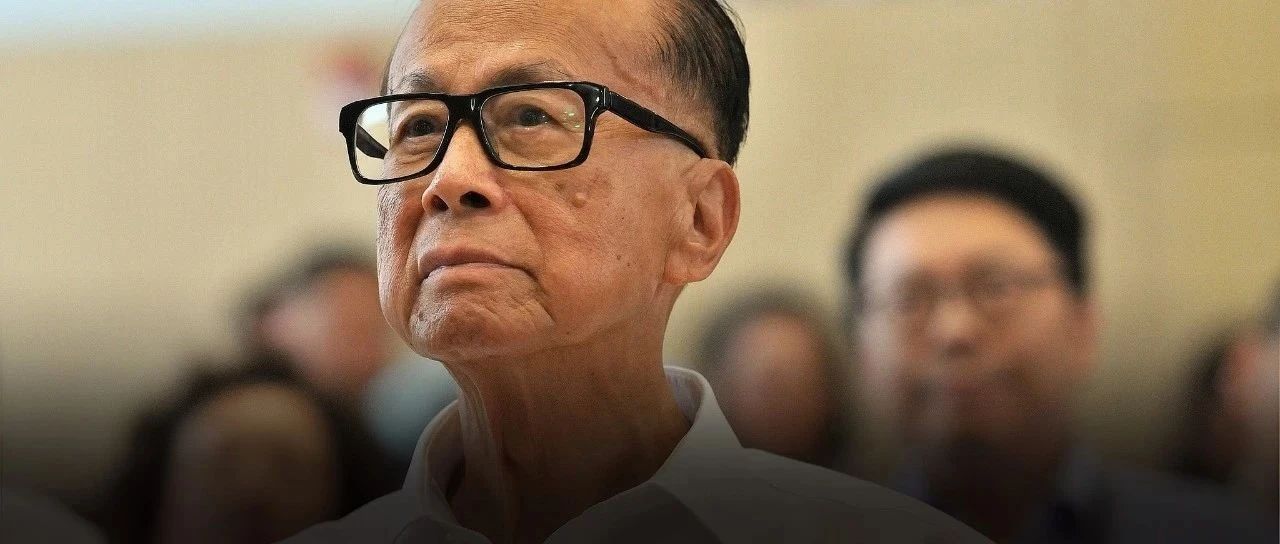
李嘉诚还是要卖港口
创业家· 2025-07-31 09:52
Core Viewpoint - The article discusses Li Ka-shing's decision to sell his global port assets to a U.S. consortium, highlighting the strategic entry of Chinese state-owned enterprises as a solution to facilitate the transaction and create a win-win situation for all parties involved [3][10]. Group 1: Transaction Details - On July 28, 2023, Cheung Kong Holdings announced plans to invite major mainland Chinese strategic investors to join the sale of its port assets, emphasizing that no transactions would occur without regulatory approvals [3][10]. - The deal involves the sale of 80% of Cheung Kong's port assets and 90% of its Panama port company, expected to generate $19 billion in cash for the company [8][10]. - The consortium led by BlackRock and Italian shipping magnate Gianluigi Aponte's "Port Investment Company" is involved in the transaction, which includes 43 ports across 23 countries [8][10]. Group 2: Market Context and Implications - The entry of China Ocean Shipping Group (COSCO) into the consortium is seen as a strategic move, providing a reference price for the deal and potentially enhancing the transaction's feasibility [10][11]. - The sale is positioned against a backdrop of geopolitical tensions, with initial criticism surrounding the decision to sell port assets during a sensitive period [9][10]. - The transaction could result in Cheung Kong Holdings receiving cash equivalent to its total market value, which was approximately HKD 148 billion ($19.03 billion) at the time of the announcement [10]. Group 3: Historical Background and Business Strategy - Li Ka-shing's business acumen is highlighted through his historical investments in Hong Kong's real estate and port sectors, which have been foundational to his wealth [13][21]. - The article outlines how Li Ka-shing built his port empire, starting from the acquisition of significant stakes in Hutchison Whampoa and expanding globally through strategic purchases [16][22]. - The complexity and lower revenue contribution of port operations compared to other sectors like telecommunications and retail may have influenced the decision to divest these assets [23][24].