半导体芯闻

Search documents
RISC-V盛会,日程曝光
半导体芯闻· 2025-08-14 10:41
Core Viewpoint - RISC-V is emerging as a key solution across various fields due to its extensive instruction set, modularity, controllable costs, and flexible architecture, with significant breakthroughs expected in AI computing, automotive electronics, and high-performance general processing by 2025 [1] Group 1: Industry Trends - The global shipment of RISC-V-based SoC chips is projected to reach 20 billion units by 2031, capturing 25% of the global market share [1] - The ongoing global tariff war is disrupting international trade, making RISC-V's open-source architecture a resilient solution in the current geopolitical climate [7] - The rise of the DeepSeek AI model is redefining the AI ecosystem, enabling lower-performance SoCs to achieve equivalent performance, thus unlocking potential for edge AI deployment [7] Group 2: Company Developments - Andes Technology is actively advancing its RISC-V processor IP, platform, and hardware-software ecosystem, offering a wide range of products from entry-level to high-end RISC-V solutions [5] - The company is collaborating with various partners to explore innovative applications and technological trends in high-performance computing [2] - Andes Technology will showcase its latest technological achievements and product roadmap at the upcoming annual technical seminar [1][2] Group 3: Security and Innovation - The increasing adoption of RISC-V in AI, automotive electronics, and IoT has heightened the focus on information security challenges [10] - PUFsecurity is introducing a hardware security module integrated with RISC-V CPU to establish a comprehensive trust foundation and security resilience [10] - The integration of RISC-V with trusted root technology is essential for enhancing the security level of SoC designs, particularly in automotive and data center applications [20]

下一代Macbook,用上自研无线芯片
半导体芯闻· 2025-08-14 10:41
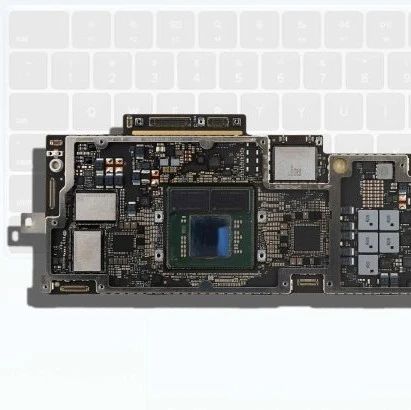
Core Viewpoint - Apple is transitioning to self-developed wireless chips, starting with the C1 chip in the iPhone 16e, and plans to expand this initiative across more product categories, including the entire iPhone 17 series and M5 MacBook Air models [2][3]. Group 1: Self-Developed Wireless Chips - The entire iPhone 17 series will feature Apple's self-developed Wi-Fi chips, indicating a strategic move to reduce reliance on companies like Broadcom and Qualcomm [2]. - Apple aims to enhance the efficiency of its self-developed wireless chips while saving space, with plans to integrate Wi-Fi, Bluetooth, and cellular communication chips into a single package [2][4]. - The first implementation of this self-developed chip is expected to coincide with the release of the iPhone 17 [2]. Group 2: M5 MacBook Air Series - The M5 MacBook Air series will also incorporate the self-developed Wi-Fi chip, maintaining the same 13-inch and 15-inch sizes as the M4 series, suggesting no changes in design [3]. - There is uncertainty regarding whether the M5 MacBook Air will feature only the self-developed Wi-Fi chip or if it will also include Bluetooth in the same package [3]. - It is anticipated that the M5 MacBook Air will initially only include the self-developed Wi-Fi chip, with more advanced integration reserved for future models [3][4]. Group 3: Performance and Efficiency - The self-developed chip is expected to achieve a balance between performance and energy efficiency, potentially improving battery life, although the M5 MacBook Air may not require significant enhancements in this area [4].

SK海力士,率先开发1c DRAM
半导体芯闻· 2025-08-14 10:41
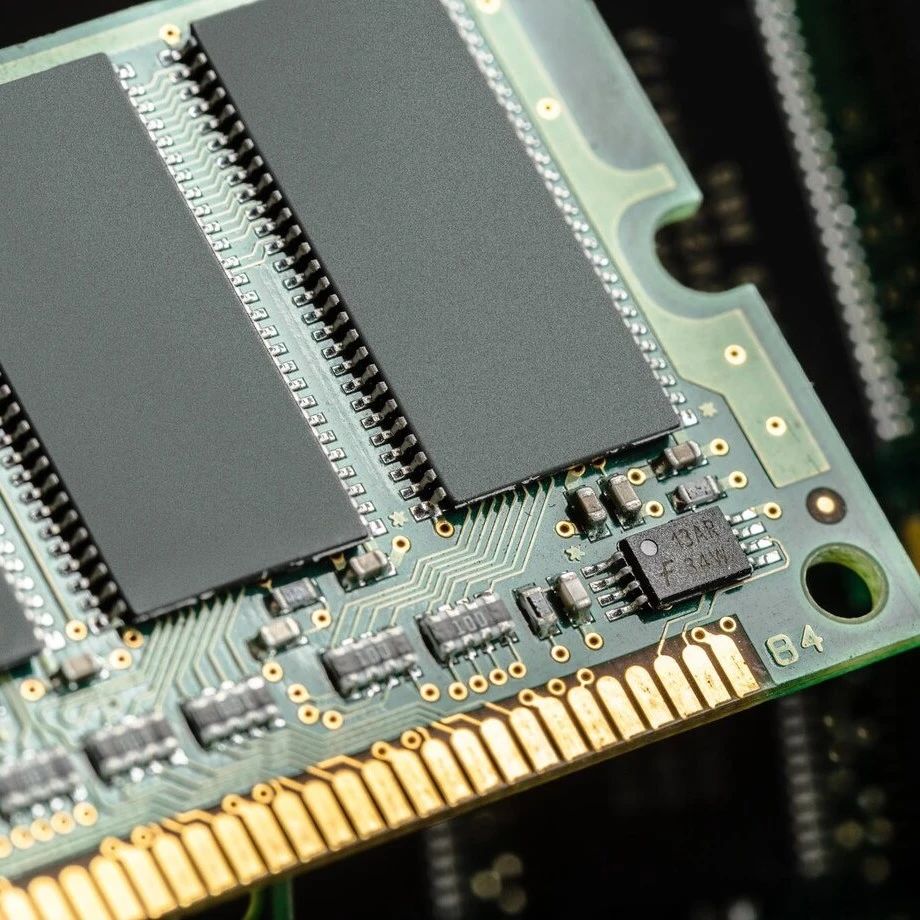
Core Viewpoint - SK Hynix has successfully developed low-power DRAM based on next-generation technology, targeting AI memory solutions to meet the demands of major tech companies like NVIDIA [2][3]. Group 1: Product Development - In the first half of the year, SK Hynix developed LPDDR5X based on the 1c (6th generation 10nm) process, which is more energy-efficient compared to standard DRAM [2]. - The LPDDR development sequence has progressed to the 7th generation, with LPDDR5X now in mass production [2]. - The company plans to start transitioning to 1c DRAM production in the second half of the year [2]. Group 2: Technical Specifications - The newly developed 1c 24Gb LPDDR5X product can achieve a maximum operating speed of 10.7Gbps and will be offered in SoCAMM and LPCAMM formats for AI servers and PCs [3]. - LPCAMM technology combines the advantages of traditional LPDDR modules and onboard solutions, reducing packaging area while enhancing energy efficiency [3]. - SOCAMM, similar to LPCAMM, features a higher number of I/O ports (694) compared to LPCAMM (644), making it attractive to major tech companies [3]. Group 3: Market Implications - The advancements in LPCAMM and SOCAMM have garnered attention from global tech giants and storage manufacturers, with NVIDIA expected to adopt these products in the next generation of AI PCs [3].
中国大陆最大12英寸硅片厂,IPO过会!
半导体芯闻· 2025-08-14 10:41
Core Viewpoint - Xi'an Yiswei Material Technology Co., Ltd. (referred to as "Xi'an Yicai") has successfully passed its IPO application on the Sci-Tech Innovation Board, marking it as the first unprofitable company accepted by the Shanghai Stock Exchange after the release of the "New National Nine Articles" and "Science and Technology Eight Articles" [2] Group 1: Company Overview - Established in 2016, Xi'an Yicai focuses on the research, production, and sales of 12-inch silicon wafers, which are critical materials in the semiconductor industry, accounting for over 75% of global silicon wafer shipments [2] - As of the end of 2024, the company has achieved a monthly shipment volume of 521,200 wafers, ranking first among manufacturers in mainland China and sixth globally [2][3] Group 2: Technology and Production Capacity - Xi'an Yicai has developed a core technology system encompassing five major processes: crystal pulling, shaping, polishing, cleaning, and epitaxy, with key indicators on par with the top five global manufacturers [3] - The company has a strategic plan from 2020 to 2035 to establish 2 to 3 core manufacturing bases and several modern intelligent manufacturing plants, with the first base already operational in Xi'an [3] - By the end of 2024, the combined production capacity is expected to reach 710,000 wafers per month, with a target of 1.2 million wafers per month by 2026, potentially meeting about 40% of mainland China's demand for 12-inch silicon wafers [3] Group 3: Financial Performance - Xi'an Yicai's revenue for 2022, 2023, and 2024 was 1.055 billion, 1.474 billion, and 2.121 billion respectively, with a compound annual growth rate of 41.83% [5][6] - Despite the revenue growth, the company reported net losses of 412 million, 578 million, and 738 million for the same years, totaling a cumulative loss of 1.728 billion [6] - The losses are attributed to high fixed costs from heavy asset investments, with total investments in the two factories exceeding 23.5 billion [6] Group 4: Market Position and Future Outlook - The global 12-inch silicon wafer market is dominated by a few foreign companies, with Xi'an Yicai holding a market share of approximately 6-7% [7] - The successful IPO approval signifies a growing acceptance of "hard technology" companies in the Chinese capital market, providing funding opportunities for tech firms that are not yet profitable [7] - Xi'an Yicai's future trajectory will be crucial for observing the development of China's semiconductor materials industry, as it faces challenges such as overcapacity and price declines [7]

会见特朗普后,英特尔放大招
半导体芯闻· 2025-08-14 10:41
Core Viewpoint - Intel has launched the "USAI" initiative, emphasizing its commitment to domestic manufacturing and AI solutions, coinciding with a meeting between CEO Lip-Bu Tan and President Trump [2] Group 1: USAI Initiative - The USAI campaign features advertisements highlighting Intel's 50 years of experience in U.S. manufacturing and its role as a trusted partner for public sector AI implementation [2] - Intel's new website for the USAI initiative outlines its dedication to supporting the U.S. public sector and collaborating with government and military [2] - The company emphasizes the importance of ethical AI solutions that are accessible, accountable, and secure, with built-in safety and privacy features [2] Group 2: Military Collaboration - Intel has announced plans to develop AI agents for the U.S. military in partnership with EdgeRunner AI, focusing on local AI solutions that do not require internet connectivity [2] - EdgeRunner AI confirmed its collaboration with Intel to deploy technology on Intel chips for military applications [2] Group 3: Semiconductor Manufacturing Landscape - President Trump is expected to make a significant announcement regarding U.S. semiconductor manufacturing and Intel, potentially launching a long-term initiative to boost domestic production [3] - Apple has committed an additional $100 billion to U.S. manufacturing, bringing its total investment to $600 billion, highlighting the competitive landscape for domestic chip production [3] - Despite Intel's capabilities, challenges remain with the yield issues of its latest 18A process node produced in the U.S. [3]

三星DRAM,大跌!
半导体芯闻· 2025-08-14 10:41
Group 1 - Samsung Electronics' DRAM market share has significantly declined to 32.7% in the first half of this year, down from 41.5% last year, a decrease of 8.8 percentage points, primarily due to competition in the high bandwidth memory (HBM) market driven by AI semiconductor demand [2] - In the smartphone market, Samsung's share increased to 19.9%, up from 18.3% last year, while its TV market share slightly rose to 28.9% from 28.3% [2] - The Americas represented the highest regional sales at 33.4759 trillion KRW, while sales in China decreased to 28.7918 trillion KRW, down approximately 11% from 32.3452 trillion KRW in the same period last year [2] Group 2 - In the device experience (DX) division, the average price of mobile application processors (AP) rose by 12% compared to last year's average, while camera module prices increased by 8% [3] - The average selling price of televisions decreased by 4% year-on-year, while smartphone prices increased by 1% [3] - The average selling price of memory decreased by 3%, and OLED panel prices for smartphones dropped by 12% compared to last year's average [3]
下一代GPU不延期!英伟达霸气回应
半导体芯闻· 2025-08-14 10:41
Group 1 - The core viewpoint of the article highlights potential delays in the production of NVIDIA's next-generation GPU chip, Rubin, due to redesign efforts to compete with AMD's upcoming MI450 [2][3] - Rubin was initially scheduled for mass production by the end of 2025 and sales to begin in early 2026, but the likelihood of delays is considered high by analysts [2] - The first version of Rubin completed tape out at the end of June, but NVIDIA is currently undergoing redesign, with the next tape out expected by the end of September or October [2] Group 2 - Nomad Semi analyst Moore Morris indicates that Rubin will replace NVIDIA's current Blackwell series, with projected shipments of 750,000 units in Q1 2025, increasing to 1.2 million in Q2, and further rising to 1.5 million and 1.6 million in Q3 and Q4 respectively [3] - Despite the anticipated growth of AMD and Broadcom in TSMC's CoWoS advanced packaging capacity, NVIDIA is expected to maintain a dominant market share of 51.4% in 2025, with AMD and Broadcom at 16.2% and 7.7% respectively [3] - By 2026, market share estimates suggest a slight decline for NVIDIA to 50.1%, while Broadcom and AMD's shares are projected to rise to 17.4% and 9.2% respectively [3]


2025中国工博会集成电路展区阵容揭晓!行业巨头齐聚,共绘“芯”蓝图
半导体芯闻· 2025-08-14 10:41
Core Viewpoint - The 2025 China International Industrial Expo will prominently feature the Integrated Circuit Exhibition, showcasing over 70 leading global companies across the entire semiconductor industry chain, highlighting China's advancements in "chip" technology [1][2]. Group 1: Industry Overview - The exhibition will gather leading enterprises from the entire integrated circuit industry chain, including chip design, manufacturing, testing, EDA/IP tools, and equipment materials, creating a high-profile technology event [2]. - More than 90% of the participating companies are national or provincial specialized and innovative enterprises, demonstrating China's innovative capabilities in the semiconductor sector [4]. Group 2: Key Participants - Notable companies in chip design include Anlu Technology, Fudan Microelectronics, and Ziguang Zhanrui, among others [2]. - In the EDA/IP and industrial software sector, key players such as Synopsys and Huada Jiutian will present cutting-edge technological achievements [2]. - The equipment and materials segment will feature technological pioneers like Shanghai Microelectronics and Zhongwei Company [2]. Group 3: Events and Activities - The exhibition will host the inaugural "Integrated Circuit Innovation Achievement Award," focusing on technological breakthroughs and industrial applications [9]. - A series of forums and industry matchmaking events will be organized to facilitate deep cooperation and integration within the industry [6][7]. - The third Shanghai International Forum on Integrated Circuit Industry Development will gather global experts and industry leaders to discuss cutting-edge technologies and future trends [9]. Group 4: Exhibition Highlights - The exhibition will showcase three major highlight areas: the secrets of computing power, AI-driven industrial software, and a comprehensive service ecosystem for manufacturing transformation [14][15]. - The event aims to empower the electronic information industry for high-quality development through a combination of exhibitions and conferences [16].

美国AI芯片,已被嵌入追踪器?
半导体芯闻· 2025-08-13 10:43
Core Viewpoint - The article discusses the secretive use of tracking devices by U.S. authorities on advanced chip shipments deemed at high risk for illegal diversion, highlighting the extreme measures taken to enforce export restrictions against China [2][3]. Group 1: Tracking Devices and Enforcement - U.S. authorities have installed tracking devices on specific shipments of advanced chips to monitor their potential diversion to restricted destinations [2]. - This enforcement action reflects a significant escalation in the U.S. approach to controlling semiconductor exports to China, despite some recent attempts to ease restrictions [2][3]. - Tracking devices have been used historically by U.S. law enforcement to monitor restricted goods, including semiconductor shipments [3][4]. Group 2: Industry Impact and Reactions - Major companies in the AI server supply chain, such as Dell and Super Micro, have been implicated in the use of these tracking devices during the transportation of servers containing Nvidia and AMD chips [2][3]. - Companies like Super Micro and Dell have refrained from commenting on the tracking practices, while Nvidia and AMD have also not provided responses to inquiries [3][4]. - The U.S. government has proposed that domestic chip manufacturers incorporate location verification technology in their products to prevent diversion to restricted countries [4].


设备巨头,决战400层刻蚀
半导体芯闻· 2025-08-13 10:43
Core Viewpoint - Lam Research and Tokyo Electron (TEL) are competing for orders from Samsung Electronics for the next-generation 400-layer NAND Flash manufacturing process, having both passed performance evaluations for new technology [2][3] Group 1: Competitive Landscape - Lam Research has successfully completed quality assessments for Samsung's 10th generation NAND Flash (V10) low-temperature etching equipment, which allows for finer circuit patterns [2] - TEL completed its performance evaluation approximately three months prior to Lam Research, receiving Process of Record (POR) approval in April [3] - Both companies are now in a competitive phase for supply, as Samsung is expected to consider both Lam Research and TEL when building production infrastructure for V10 NAND [3] Group 2: Technological Advancements - The low-temperature etching process operates at -60 to -70 degrees Celsius, which is 30 to 40 degrees lower than traditional methods, making it a highly specialized technology [2] - The increase in NAND layers necessitates deeper channel holes with a higher aspect ratio, prompting the need for new processing technologies [2] Group 3: Market Expectations - With the completion of equipment performance evaluations, Samsung is anticipated to initiate procurement orders soon, aiming to establish V10 NAND production lines in the first half of next year [3] - Following trial production, Samsung plans to commence mass production in the latter half of the year [3]