半导体芯闻

Search documents
MicroLED,全面开花
半导体芯闻· 2025-08-13 10:43
Core Insights - The MicroLED market is expected to enter a high growth phase starting in 2028, driven by the expansion of high-end televisions and various application fields [2][3] - Global MicroLED TV production capacity is projected to increase from 50,000 units in 2023 to approximately 6 million units by 2030, with an overall market size estimated at around $1.3 billion (approximately 18 billion RMB) [2] - MicroLED technology offers advantages such as high brightness, long lifespan, and excellent durability, making it a strong competitor to OLED, particularly in high-end TVs and next-generation wearable devices [2] Market Expansion Factors - Key drivers for market expansion include increased demand for high-end televisions, expansion of production infrastructure, and diversification of application fields [3] - Stability in mass production and decreasing costs are expected to enhance consumer acceptance [3] - The critical factor for the widespread adoption of MicroLED is the stable supply of epitaxial wafers, with expectations for a significant increase in wafer production by approximately tenfold by 2030 [3]


英特尔64位架构,走向消亡
半导体芯闻· 2025-08-13 10:43
如果您希望可以时常见面,欢迎标星收藏哦~ 来 源 :内容 编译自 tomshardware 。 继去年短暂复活之后,英特尔 Itanium IA-64 架构的支持再次面临被移除的命运,这一次是在 Linux GNU 编译器集合(GCC)16 版本中。 据 Phoronix 报道,Linux 开发者正在邮件列表中讨论,在下一版 GCC 中弃用所有剩余的 IA-64 编译器代码。 目前,Linux 编译器中的 Itanium IA-64 支持状况堪称一团糟。GCC 测试套件 reportedly 已经一 年多没有在该架构上运行,而且 IA-64 代码库没有任何活跃维护者。更糟糕的是,IA-64 指令的 仿真速度缓慢且不完整,硬件支持也极其稀少——毕竟英特尔在 2021 年就已经停产该架构。 这些因素使得开发者很难找到继续在 Linux 编译器中保留 Itanium 支持的合理理由。 在 GCC 15 发布之前,Linux 开发者就曾考虑彻底删除 IA-64 兼容性。不过,开源开发者 René Rebe 当时挽救了 IA-64 支持,而且据称他是目前唯一仍在维持其存活的人。事实上,Linux 内核 在两年前就已全面 ...

苹果芯片,转向新封装
半导体芯闻· 2025-08-13 10:43
Core Viewpoint - Apple's upcoming M5 chip for high-end MacBook Pro will feature a new Liquid Molded Plastic (LMC) supplied exclusively by Taiwan's Changxin Materials, which is expected to enhance performance and efficiency in the coming years [2][3]. Group 1: Chip Technology and Performance - The M5 chip will not fully utilize CoWoS technology initially, but the adoption of compatible materials is a strategic move for future iterations [3]. - LMC will provide advantages such as structural integrity, better heat dissipation, and higher manufacturing efficiency, contributing to stable performance and increased efficiency [3]. - Future M6 or M7 chips may fully adopt CoWoS or even CoPoS packaging technologies, allowing for larger and more complex processors capable of handling demanding workloads [3][4]. Group 2: Supply Chain and Procurement Strategy - Changxin Materials has outperformed Japanese suppliers Namics and Nagase to secure the contract, indicating a shift in Apple's procurement strategy towards greater reliance on Taiwanese suppliers [3]. - This change grants Apple more flexibility in control and R&D collaboration within advanced chip materials [3]. Group 3: Future Developments and Cost Considerations - Apple is exploring other packaging technologies to enhance chip performance and reduce costs, with the A20 series chips expected to transition from InFO to multi-chip module packaging (WMCM) by 2026 [6][7]. - WMCM will utilize Molding Underfill (MUF) technology, which integrates bottom filling and molding processes to reduce material consumption and improve yield and efficiency [7]. - Apple is also considering System on Integrated Chips (SoIC) technology for the M5 series, allowing for high-density connections between stacked chips to reduce latency and enhance performance [8].


AMD苏姿丰:从不靠天价薪酬挖人
半导体芯闻· 2025-08-13 10:43
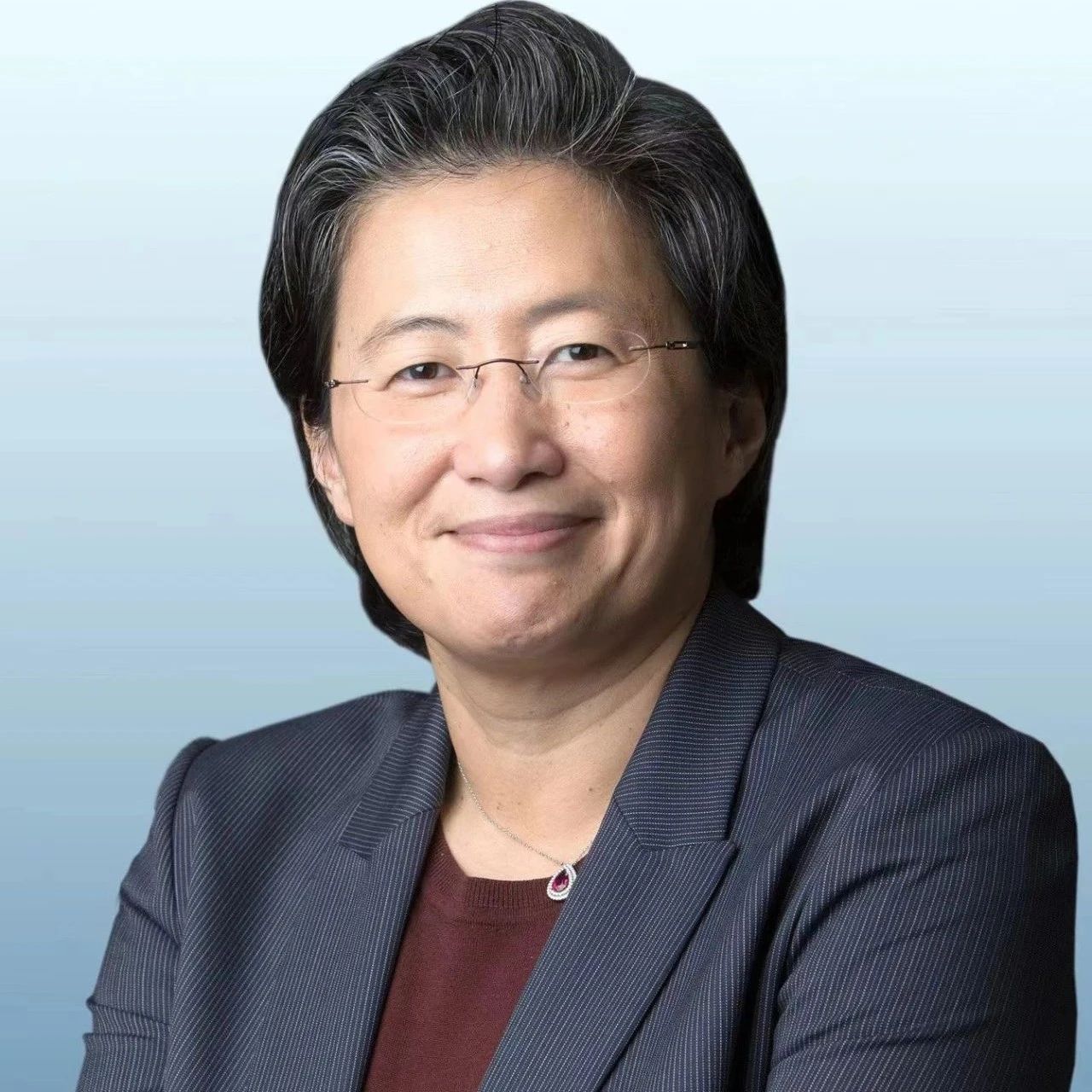
Core Viewpoint - The competition for top AI talent is intense, and while compensation is important, the mission of the company is deemed more crucial in attracting talent, as stated by AMD CEO Lisa Su [2]. Group 1: Insights from AMD - Lisa Su believes that she would never offer a compensation package at the level of $1 billion to attract potential recruits [2]. - Su emphasizes that while salary figures matter, finding individuals who genuinely believe in the company's mission is more important [2]. Group 2: Industry Context - Major tech companies like Meta and Microsoft are offering multi-million dollar salaries to attract AI talent, indicating a fierce competition in the industry [2]. - AI engineer Yangshun Tay reported receiving an email from Meta shortly after announcing an offer from OpenAI, highlighting the aggressive recruitment strategies employed by companies [3]. - OpenAI CEO Sam Altman criticized Meta's approach of offering large signing bonuses, suggesting that focusing excessively on money rather than the work and mission does not foster a good corporate culture [3].


杰理科技:无惧业绩波动,缩回来的拳头再打出去更加有力
半导体芯闻· 2025-08-13 10:43
Core Viewpoint - The article discusses the recent performance and future prospects of Zhuhai Jieli Technology Co., Ltd., highlighting its resilience despite a slight decline in net profit for 2025, and emphasizes the company's strong market position and potential for recovery in the consumer electronics sector [1][4][18]. Historical Performance - Jieli Technology has maintained overall growth over the past decade, with a slight decline in 2022 followed by a strong rebound in 2023 and 2024 [2]. - The company's net profit increased from 0.31 billion in 2014 to 7.91 billion in 2024, with a notable recovery from 3.36 billion in 2022 [4]. Market Environment - The consumer electronics market is gradually regaining confidence, with manufacturers adapting to changing trade policies [5]. - The U.S. has reduced tariffs on Chinese imports, which has positively impacted manufacturers' confidence and production capabilities [5]. - Government policies, such as subsidies for consumer electronics purchases, are supporting market recovery and boosting demand [6]. Industry Dynamics - Jieli Technology has crossed the 2 billion revenue threshold, indicating its maturity in the chip design sector, similar to other companies that have experienced temporary declines followed by strong recoveries [7]. - The article notes that many companies in the industry have shown robust rebounds after initial revenue fluctuations [7]. Technological Capability - Jieli's growth is attributed to its strong technical capabilities, with a diverse product line that includes various SoC chip products [9]. - The company has successfully introduced new products across its product lines, enhancing its market presence [10][12]. Market Position - Jieli maintains a significant market share in the Bluetooth audio chip sector, having achieved national recognition for its products [13][17]. - Despite a slight revenue decline in the first half of 2025, the company is expected to continue leading the market due to its competitive advantages [17]. Future Outlook - The company is anticipated to overcome current challenges and return to strong performance, reflecting its resilience and market leadership in the Bluetooth audio industry [18].
这家企业,靠AI网络过百亿美元
半导体芯闻· 2025-08-13 10:43
Core Viewpoint - Arista Networks aims to achieve $10 billion in annual revenue by 2026, driven by strong demand for AI backend Ethernet solutions, which was initially projected for 2028 [2][3]. Revenue Guidance - For Q3, Arista raised its revenue guidance to $2.25 billion, slightly above the previous quarter's $2.21 billion, indicating a potentially conservative estimate [3]. - Even with the loss of one major AI client, Arista expects to meet or exceed its $750 million sales target for AI backend network devices in 2025, with total sales from AI backend and frontend network devices reaching $1.5 billion [3]. Financial Performance - In Q2, Arista reported revenues of $2.2 billion, a year-over-year increase of 30.4%, with operating profit of $986 million (up 41%) and net profit of $889 million (up 33.6%), achieving a net profit margin of 40.3% [4][5]. - Product revenue for Q2 was $1.88 billion, a 31.9% year-over-year increase, while software subscription revenue was $31.6 million, up 4% [3][4]. Market Position and Strategy - Arista's strategy focuses on becoming the preferred hardware platform for critical workloads, allowing clients to install their own network operating systems, differentiating itself from white-box vendors [5]. - The company has seen significant growth in its market share against Cisco, particularly in the high-speed Ethernet port market, with Arista's revenue from 10GbE and above switches surpassing Cisco's since mid-2023 [6]. Future Outlook - Analysts have raised revenue expectations for Arista, projecting at least $8.5 billion in revenue by 2025, with service revenue potentially reaching $1.5 billion this year [5]. - The company is expected to benefit from the upcoming wave of AI investments and new product launches from major players like NVIDIA and AMD in 2026, which could drive hardware revenue growth [5][6]. - Future developments may include support for UALink switching technology and Broadcom's Scale Up Ethernet (SUE) solution, which could generate significant new revenue streams [7].
观众登记倒计时|电子与嵌入式年度大展8月26日开幕!热门展品和演讲人抢先看
半导体芯闻· 2025-08-12 09:48
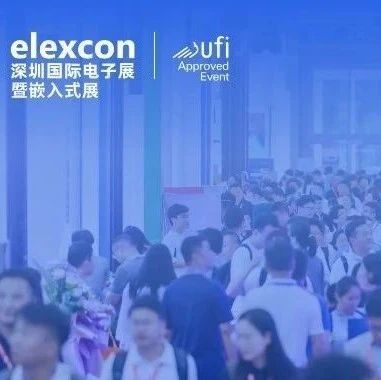
All for AI, All for GREEN 作为 电子与嵌入式技术年度大展 ,elexcon2025将汇聚全球超过 400 家优质技术提供商,发布有关 GPU、AI存算与边缘计算、AI存储与新型存储、高性能MCU/MPU、数字电源等嵌入式技术 ; GaN、 高速连接等高性能电子元件组件;chiplet、AI电源系统级封装、PLP与TGV等先进封测技术 等。海量 demo展示嵌入式技术、芯片和元器件在 消费电子、AI硬件、机器人、机器视觉、电动汽车与智能驾 驶、工业控制、物联网等领域 的应用! 专业观众火热抢票中 一键预约展会入场证+会议门票 elexcon elexcon 2025 热门展品 现场抢先看 | | | | 展位号: 1J39 | | --- | --- | --- | --- | | elexcon 深圳国际电子展 暨嵌入式展 一格見半导体 | WUTI Approved Event | 格见半导体 | C 博闻创意 Creativity Exhibition 展商推荐 | 滑动查看更多热门展品 | DOSILICON 东芯半导体股份有限公司 | | Kingston | Netac 朗 ...
华为发布AI推理创新技术
半导体芯闻· 2025-08-12 09:48
如果您希望可以时常见面,欢迎标星收藏哦~ 来源 :内容来自新浪财经 。 8月12日下午消息,在2025金融AI推理应用落地与发展论坛上,华为联合中国银联共同发布AI推 理创新技术UCM(推理记忆数据管理器),实现高吞吐、低时延的推理体验。 点这里加关注,锁定更多原创内容 *免责声明:文章内容系作者个人观点,半导体芯闻转载仅为了传达一种不同的观点,不代表半导体芯闻对该 观点赞同或支持,如果有任何异议,欢迎联系我们。 10万亿,投向半导体 芯片巨头,市值大跌 黄仁勋:HBM是个技术奇迹 Jim Keller:RISC-V一定会胜出 推荐阅读 喜欢我们的内容就点 "在看 " 分享给小伙伴哦~ 在当今数字化时代,AI发展日新月异。大模型训练的热潮尚未消退,AI推理体验却已悄然成为AI 应用的关键。在2025WAIC期间发布的白皮书指出,AI正从训练向推理的结构性转变而快速增长。 在这样的大背景下,AI推理体验的重要性愈发凸显。 推理体验直接关系到用户与AI交互时的感受,包括回答问题的时延、答案的准确度以及复杂上下 文的推理能力等方面。资料显示,国外主流模型的单用户输出速度已进入200 Tokens/s区间(时延 5m ...

SAECCE 2025初步日程首曝光,精彩亮点抢先看-开幕69天倒计时!
半导体芯闻· 2025-08-12 09:48
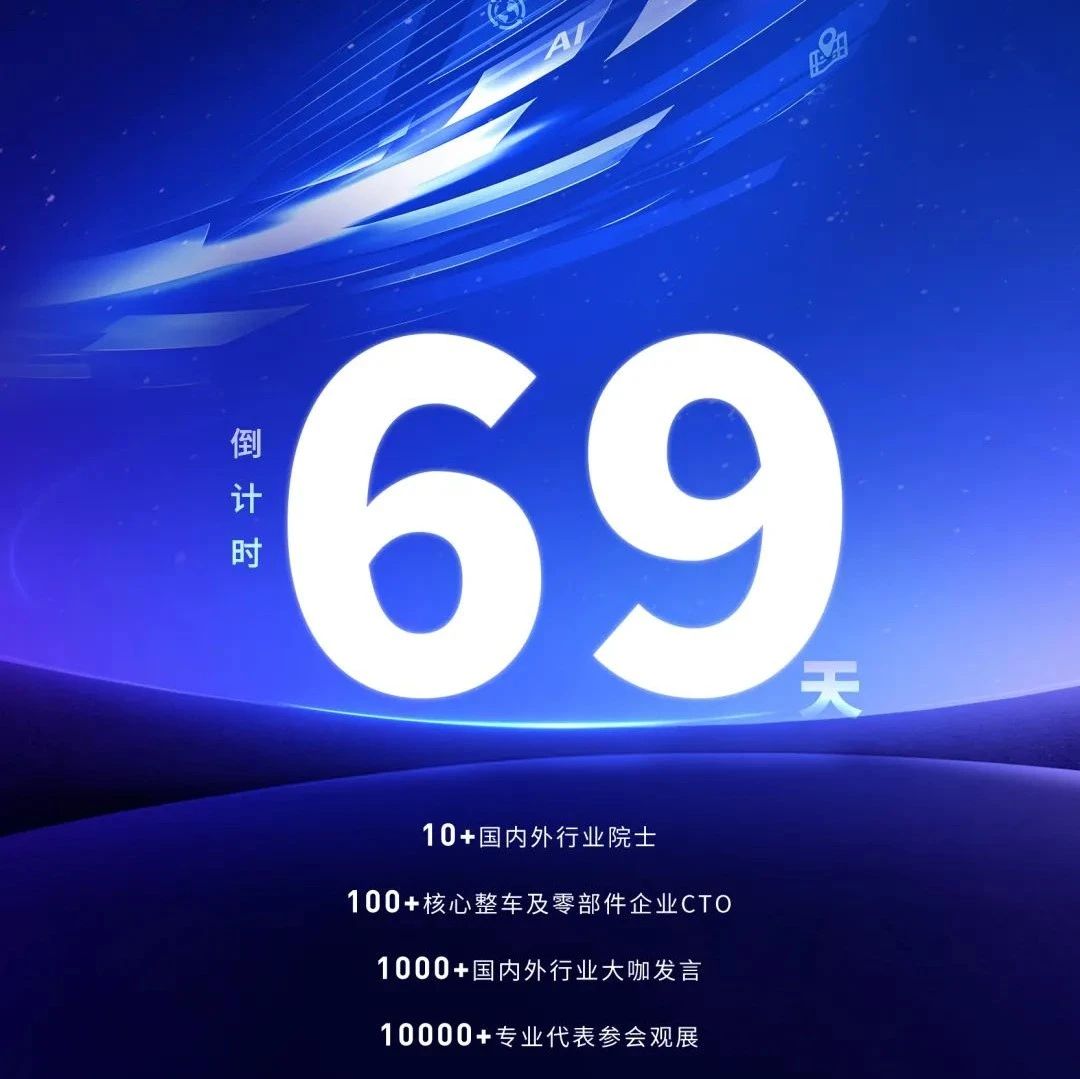
Core Viewpoint - The SAECCE 2025 event will take place from October 21 to 24, 2025, in Chongqing, China, focusing on advancements in the automotive industry, including digitalization, smart manufacturing, and new energy vehicles [1][3]. Event Overview - The event will feature a grand opening ceremony, award presentations, and various forums and conferences dedicated to topics such as intelligent connected vehicles, electric vehicle technology, and energy-saving automotive technologies [5][7][8]. - There will be a total of 12 main forums and numerous specialized meetings covering various technical fields, including 12 sessions on automotive energy-saving technologies and 16 sessions on new energy vehicle technologies [7][8]. Exhibition Details - The exhibition will cover an area of 25,000 square meters, with over 170 companies confirmed to participate, showcasing new technologies, products, and innovations in the automotive sector [15]. - More than 95% of the exhibition space has already been booked, indicating strong interest and participation from industry players [14]. Special Activities - The event will include various activities such as signing ceremonies, procurement matchmaking, and investment financing sessions, aimed at fostering collaboration and innovation within the automotive industry [15]. - There will also be a series of forums focused on specific themes, including autonomous driving technology and smart cockpit innovations [11][12]. Registration and Participation - Early bird registration is now open for attendees, including automotive technology professionals and students, to secure their participation in this significant industry event [18].
这些国家,芯片新贵
半导体芯闻· 2025-08-12 09:48
Core Insights - The article discusses the ambitions of Mexico, Malaysia, and India to enhance their semiconductor design and manufacturing capabilities, aiming to reduce reliance on imports and improve their positions in the semiconductor supply chain [2][3][4]. Group 1: Mexico's Semiconductor Ambitions - Mexico plans to establish a semiconductor center that will significantly reduce its annual chip import expenditure by $24 billion [2]. - The country aims to transition from merely assembling chips to designing and manufacturing them, with a target for local companies to produce traditional chips by 2030 [4][5]. - Currently, Mexico has only a few local chip design companies, and it lacks advanced manufacturing facilities, requiring substantial investment and participation from both government and private entities [5][6]. Group 2: Malaysia's Strategy - Malaysia has launched a national semiconductor strategy aiming to attract approximately $116.8 billion in investments by 2030, focusing on building a substantial local industry [3][4]. - The country has signed an agreement to pay $250 million to ARM Holdings for chip design blueprints, intending to create ten local chip companies with potential revenues of up to $2 billion each [4]. - Despite its ambitions, Malaysia faces challenges such as a shortage of skilled engineers, with the demand in the electrical and electronics sector being ten times higher than the annual output of engineering graduates [9]. Group 3: India's Challenges - India has faced difficulties in establishing a comprehensive semiconductor industry despite significant government support and investment commitments, with past initiatives failing to materialize [6][7]. - The only large-scale project currently in preparation is a collaboration between Tata Electronics and Taiwan's PSMC to build a chip manufacturing plant valued at $11 billion, set to begin operations soon [7]. - India also struggles with a shortage of manufacturing and packaging talent, which hampers its ability to develop a self-sufficient semiconductor ecosystem [9]. Group 4: Expert Opinions and Concerns - Experts express skepticism about the feasibility of these countries achieving a complete semiconductor supply chain, citing the complexity of the industry [3]. - The lack of qualified engineers is a significant concern for all three countries, with many companies relying on foreign talent to fill gaps in expertise [8][9]. - The article highlights the need for substantial investments in training and development to build a sustainable semiconductor workforce in these nations [9].