半导体芯闻

Search documents
美国芯片制造困境
半导体芯闻· 2025-08-12 09:48
Core Viewpoint - Trump's chip tariff policy may disrupt global electronics trade and increase product prices, but it is unlikely to revive advanced chip manufacturing in the U.S. [2] Group 1: Tariff Implications - Trump threatened a 100% tariff on "chips and semiconductors," but companies promising to produce in the U.S. may receive exemptions [2] - Major chip companies have already invested in U.S. production due to previous government incentives, and other tech firms may invest in non-advanced chip areas to gain exemptions [2] - The latest tariffs may not incentivize chip manufacturers to expand U.S. operations significantly, as they might only make moderate investments to appease politicians while continuing to import necessary products [3] Group 2: Manufacturing Costs - Rising manufacturing costs in the U.S. remain a core issue for foreign chip manufacturers, with TSMC projecting a 2-3 percentage point decline in overall gross margins due to increased costs [3] - Advanced chip manufacturing is complex, with only a few companies like TSMC, Samsung, and Intel capable of producing at the most advanced nodes [6] - Intel is struggling financially, leading to significant layoffs and cuts in capital expenditure plans to catch up with TSMC [6] Group 3: Impact on Non-Chip Companies - Tariffs may have a more significant impact on electronics companies that do not produce chips, as tariffs on key imported components could lead to substantial losses [6] - Apple has avoided potential costs that could harm its U.S. business by securing a tariff exemption through a $600 billion investment commitment [6][7] Group 4: Broader Manufacturing Trends - Apple's investments support advanced chip manufacturing in the U.S., but many initiatives were already in progress before the tariff threats [7] - The higher costs associated with U.S. manufacturing will ultimately be borne by American consumers and various supply chain segments [8] - Companies are motivated to expand U.S. production due to factors beyond tariffs, such as geopolitical considerations and the desire to avoid supply chain disruptions experienced during the pandemic [8]


寒武纪涨停,创历史新高
半导体芯闻· 2025-08-12 09:48
Core Viewpoint - The article highlights the significant growth and performance of AI chip companies, particularly focusing on Cambricon, which has seen a surge in stock price and market capitalization, reflecting the overall positive sentiment in the AI computing sector [2][3]. Group 1: Stock Performance and Market Sentiment - On August 12, multiple AI computing stocks in the A-share market rose, with Cambricon hitting a record high of 848.88 CNY per share and a market capitalization of 355.1 billion CNY [2]. - The CSI Artificial Intelligence Theme Index increased by 3.29% on the same day, indicating a broader market interest in AI-related stocks [2]. Group 2: Financial Performance of Cambricon - Cambricon reported a revenue of 11.11 million CNY in Q1 2024, a substantial increase from 0.26 million CNY in the same period last year, with a net profit of 3.55 million CNY [3]. - The company achieved its first quarterly profit since its listing, with Q4 2023 revenue at 9.89 million CNY and a net profit of 2.81 million CNY [3]. Group 3: Inventory and Prepayment Concerns - As of the end of 2024, Cambricon's inventory reached 1.774 billion CNY, a staggering increase of 1684% year-on-year, accounting for 26.41% of total assets [4]. - Prepayments also surged to 774 million CNY, up 423% year-on-year, making up 11.53% of total assets [4]. Group 4: Customer Concentration and Market Dynamics - Cambricon's top five customers accounted for 94.63% of total sales in 2024, with the largest customer representing 79.15% of total sales [5]. - The domestic AI server market is expected to see a decrease in the proportion of outsourced chips from 63% in 2024 to 49% in 2025, indicating a shift towards local chip suppliers [5].

天岳先进开启招股,拟募资约18亿扩张大尺寸SiC衬底产能
半导体芯闻· 2025-08-12 09:48
Group 1 - The core viewpoint of the article is that Tianyue Advanced is planning to issue H-shares globally, with a total of 47.7457 million shares, aiming to raise approximately HKD 19.38 billion (around RMB 1.77 billion) for expansion and R&D purposes [2][3]. - Approximately 70% of the raised funds will be allocated to expanding the production capacity of 8-inch and larger silicon carbide substrates, while 20% will enhance R&D capabilities to maintain innovation leadership [2]. - The company aims to accelerate its international strategy and overseas business layout, enhancing its overseas financing capabilities and building a global cooperation ecosystem [2]. Group 2 - Tianyue Advanced previously went public on the Sci-Tech Innovation Board in January 2022, initially planning to raise RMB 2 billion, but ultimately raised RMB 3.203 billion for silicon carbide semiconductor material projects [3]. - If the Hong Kong listing is successful, it will establish an "A+H" dual listing structure for the company [3].
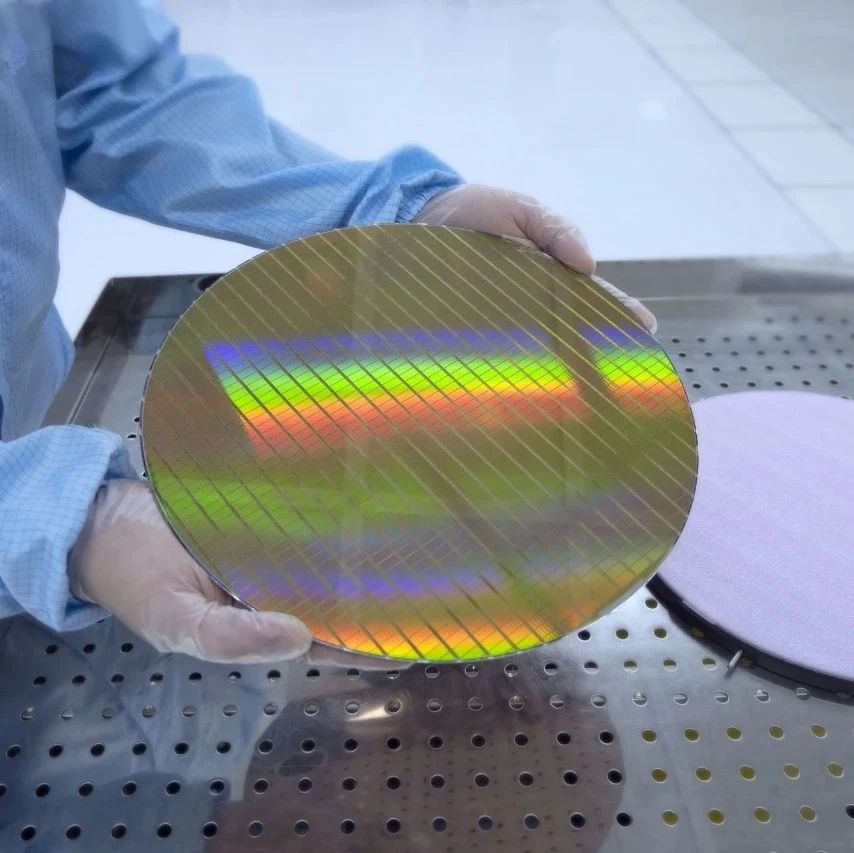
美光宣布:终止业务
半导体芯闻· 2025-08-12 09:48
Core Viewpoint - Micron Technology announced the cessation of future mobile NAND product development due to ongoing weak financial performance in the mobile NAND market, while continuing to support other NAND solutions and mobile DRAM products [2][3] Group 1: Company Actions - Micron will stop the development of mobile NAND products globally, including the termination of UFS5 development [2] - The company will continue to develop and support other NAND solutions such as SSDs and NAND for automotive and other end markets [2] - Micron's forecast for quarterly revenue has been adjusted to $11.2 billion, with a fluctuation of $100 million, up from a previous forecast of $10.7 billion with a fluctuation of $300 million [2] Group 2: Financial Performance - Micron raised its adjusted gross margin expectation for the fourth quarter to 44.5%, with a fluctuation of 0.5%, compared to a previous expectation of 42% with a fluctuation of 1% [2] - The revised forecast reflects improved pricing, particularly for DRAM products, indicating a strong pricing trend across various end markets [3] Group 3: Market Dynamics - The demand for high-bandwidth memory (HBM) chips has surged due to increased investments in AI data centers by major tech companies, allowing Micron to set higher prices for its products [2][3] - Supply constraints in HBM production and strong AI demand have contributed to a shift in profit margins for memory chip manufacturers, moving away from historically thin margins [3]

突发,美光中国裁员
半导体芯闻· 2025-08-12 04:46
Core Viewpoint - Micron Technology is experiencing a significant shift in its business outlook, with improved revenue and profit forecasts driven by pricing improvements in the DRAM sector and strong execution in various markets [3][4]. Group 1: Employment and Operational Changes - Micron has initiated layoffs in its China division, affecting embedded team R&D, testing, and support departments across multiple cities including Shanghai and Shenzhen [1]. - The company has slightly raised its adjusted operating expense forecast to $1.22 billion, up from a previous estimate of $1.20 billion [4]. Group 2: Financial Performance and Market Outlook - Micron has updated its Q4 FY2025 revenue guidance to $11.1 billion to $11.3 billion, an increase from the prior estimate of $10.4 billion to $11.0 billion [3]. - The adjusted gross margin is expected to reach 44% to 45%, up from the previous forecast of 41% to 43% [3]. - The earnings per share forecast has been raised to $2.78 to $2.92, compared to the earlier guidance of $2.35 to $2.65 [3]. Group 3: Market Dynamics and Strategic Investments - The increase in pricing is attributed to supply constraints in HBM production and strong demand from the AI sector, marking a turnaround from previous declining profit margins for memory chip manufacturers [3]. - Micron announced an additional investment of 4.3 billion RMB in Xi'an, which includes the construction of a new packaging and testing facility to enhance its DRAM packaging and testing capabilities [5]. - The new facility in Xi'an is expected to be operational by the second half of 2025, expanding the total area of the plant to over 132,000 square meters [5].

下一代DRAM争霸赛打响
半导体芯闻· 2025-08-11 10:09
Core Viewpoint - The global storage chip industry is witnessing a competitive battle in the 10nm sixth-generation DRAM sector, with Samsung Electronics and SK Hynix adopting contrasting strategies to regain market leadership [2][3]. Group 1: Company Strategies - Samsung is rapidly investing in new production facilities to recover from previous product setbacks, aiming to start mass production of 1c DRAM three to four months ahead of SK Hynix [2][3]. - SK Hynix is delaying large-scale expenditures until securing supply commitments from major clients like Nvidia, focusing on profitability before further investments [2][4]. - Samsung plans to utilize 1c DRAM in its HBM4 products, while SK Hynix will use the previous generation 1b DRAM for the same category [3][4]. Group 2: Market Position and Competition - Analysts predict that if Samsung successfully supplies Nvidia with the new DRAM, it could reclaim its market leadership lost for nearly 30 years [2][3]. - As of Q1 2025, SK Hynix is projected to hold a 36.9% share of the DRAM market, surpassing Samsung's 38.6% share, indicating a shift in competitive dynamics [3]. Group 3: Technological Developments - SK Hynix is implementing six layers of EUV (Extreme Ultraviolet) lithography technology in its 1c DRAM, a significant increase from the previous generation [5][6]. - The company is also developing high numerical aperture (High-NA) EUV technology, which poses challenges in mask development due to the complexity of the process [6][7].
新央企董事长,拜访任正非
半导体芯闻· 2025-08-11 10:09
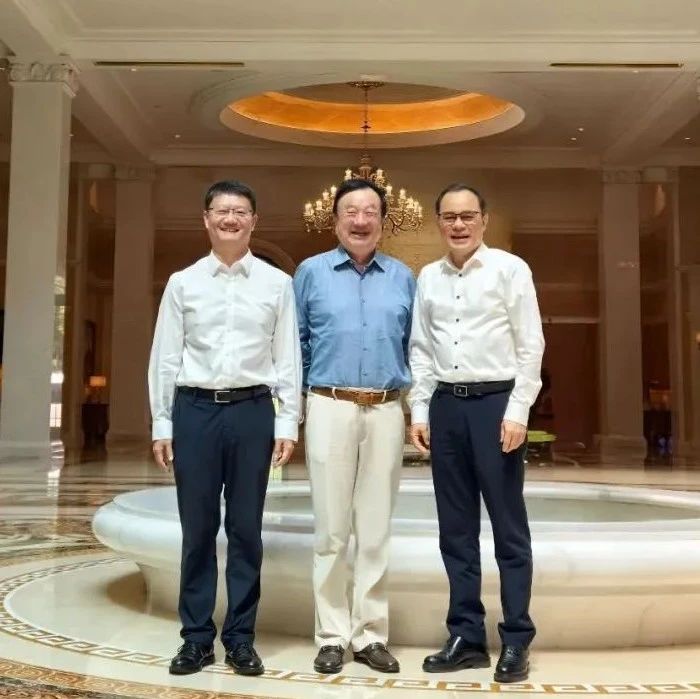
Group 1 - The core viewpoint of the article highlights the collaboration between Changan Automobile and Huawei, focusing on future competitive dynamics and strategic guidance provided by Huawei's leadership [2][4]. - Changan Automobile Group was recently established as a new central enterprise, with a focus on intelligent vehicles, flying cars, and exploring a multi-dimensional transportation ecosystem [4]. - The new central enterprise aims to accelerate globalization and expand into five major regional markets: Southeast Asia, Middle East and Africa, Central and South America, Eurasia, and Europe [4]. Group 2 - Changan Automobile Group is the third central automotive enterprise in China, following China FAW Group and Dongfeng Motor Group [4].

美国的芯片税,还能这样收?
半导体芯闻· 2025-08-11 10:09
如果您希望可以时常见面,欢迎标星收藏哦~ 来源 :内容来自半导体芯闻综合 。 英伟达发言人肯·布朗表示,该公司遵守美国政府的海外销售规定。 「虽然我们已经好几个月没有 向中国供应H20芯片了,但我们希望出口管制规则能让美国企业在中国和全球保持竞争力,」他 说。 英伟达与超威半导体(AMD)预计将把对华人工智能芯片销售额的15%支付给美国政府,这是与川 普政府达成的极不寻常的财务协议的一部分。 据三名知情人士透露,该协议在英伟达获准向中国销售人工智能芯片简化版一个月后达成的。由于 他们无权公开讨论此事,这三人要求不具名。 尽管川普政府一个月前公开宣布批准英伟达向中国销售名为H20的人工智能芯片,但并没有实际发 放销售许可。 知情人士表示,英伟达首席执行官黄仁勋上周三在白宫会见川普总统时,同意向联邦政府支付15% 的收入分成,这实质上使得联邦政府成为英伟达在华业务的合作伙伴。这些人士表示,两天后,商 务部开始发放人工智能芯片销售许可证。 尽管黄仁勋一直主导与白宫的谈判,但英伟达并非唯一向中国销售人工智能芯片的公司。 AMD也 在销售一款名为MI308的人工智能芯片,同样于今年4月被川普政府禁止向中国销售。 美国商 ...



中国工博会高效出行指南 Plan Your CIIF Visit
半导体芯闻· 2025-08-11 10:09
Core Insights - The China International Industry Fair (CIIF) is a significant platform for innovation and technology, gathering industry leaders to shape the future of manufacturing and technology [6][7]. Group 1: Event Overview - CIIF is the longest-running national-level industrial event in China, established in 1999, and has been held annually in Shanghai for over 20 sessions [6][7]. - The fair focuses on promoting emerging industries and the new economy, reinforcing its role in high-end sectors, and fostering an open and innovative industrial ecosystem [6][7]. Group 2: Event Details - The 25th CIIF will take place from September 23 to September 27, 2025, at the National Exhibition and Convention Center in Shanghai [34]. - The event will feature a Trade Visitor Day from September 23 to 26, followed by a Public Visitor Day on September 27 [7]. Group 3: International Participation - In 2025, China will expand its unilateral visa-free policy to include over 40 countries, facilitating international visitors to attend the CIIF [14]. - For citizens of countries without visa exemption, a visa is required to enter mainland China, and invitation letters can be requested for visa applications [10]. Group 4: Venue and Transportation - The venue for CIIF is the National Exhibition and Convention Center located at 333 Songze Avenue, Qingpu District, Shanghai [8][19]. - The venue is accessible via various transportation options, including metro lines and taxis, with a one-hour high-speed train covering a population of 76 million in the Yangtze River Delta [17][18].
HBM供过于求?SK海力士辟谣
半导体芯闻· 2025-08-11 10:09
Core Viewpoint - The HBM market is expected to grow at an annual rate of 30% until 2030, driven by strong demand for AI-specific storage chips, countering concerns about potential market slowdown due to oversupply [2][3]. Group 1: Market Growth and Demand - SK Hynix's HBM business leader predicts a robust demand for AI, stating that large tech companies' investments in AI infrastructure are directly linked to HBM demand [2]. - The AI-specific storage chip market, including HBM, is projected to grow at an annual rate of 30% until 2030, indicating a strong and sustained market growth [2]. Group 2: Competitive Landscape - Samsung Electronics may lower the supply price of HBM3E, potentially putting pressure on overall HBM market prices, while the sixth generation HBM (HBM4) is expected to see significant price increases due to customization [3]. - SK Hynix remains confident in the growing customized HBM market, with expectations that the market size will reach several hundred billion dollars by 2030 [3]. Group 3: Customization and Client Needs - The importance of base die in memory access and control is increasing, making customized HBM strategies essential for meeting diverse client preferences [3]. - SK Hynix is collaborating with TSMC to produce HBM4, addressing the complexities of base die production and enhancing their competitive edge in the market [3].