半导体芯闻

Search documents
英韧科技的进击之道
半导体芯闻· 2025-06-13 09:39
Core Viewpoint - Yingrun Technology has established itself as a significant player in the domestic storage market since its inception in 2017, evolving from a controller manufacturer to a comprehensive solution provider, with a focus on meeting the diverse needs of clients in various sectors, including consumer, industrial, and enterprise applications [1][3][4]. Group 1: Product Development and Market Strategy - Yingrun Technology has launched 10 main control chips covering consumer, industrial, and enterprise applications, with plans to introduce a 64TB QLC SSD and potentially expand to 128TB [1]. - The company has successfully transitioned from the consumer market to the enterprise-level storage market, leveraging its experience and technological reserves [7]. - The introduction of the IG5222 PCIe Gen4 DRAMless controller targets the consumer market, supporting storage capacities up to 8TB and optimizing performance, power consumption, and chip size [3][10]. Group 2: AI and High-Performance Storage Solutions - In response to the explosive growth in AI computing demands, Yingrun Technology has launched the Dongting-N3 series PCIe 5.0 SSD, designed for data-intensive AI scenarios, achieving sequential read speeds exceeding 14GB/s and low read/write latencies [5][6]. - The Dongting-N3X series enterprise SSD addresses the high-performance and low-latency storage needs for AI server inference, featuring extreme performance metrics such as 13μs read and 4μs write latencies [6]. Group 3: Technological Innovation and Differentiation - Yingrun Technology adopts an innovative strategy of hardware-software co-optimization, utilizing a self-developed hardware acceleration engine to enhance performance without solely relying on advanced process technologies [7][8]. - The integration of RISC-V architecture into storage controllers demonstrates the company's commitment to technological innovation and flexibility, providing customers with more options and improving product performance and reliability [8][9]. Group 4: Future Outlook and Strategic Goals - The company plans to continue product iterations, including the upcoming PCIe 6.0 products to meet the high bandwidth, low latency, and high-density deployment needs of AI-era data centers [13]. - Yingrun Technology is also focusing on collaboration with domestic ecological chains and global expansion, aiming to create differentiated overseas strategies while adapting to the evolving storage control market [13].

台积电,颠覆传统中介层
半导体芯闻· 2025-06-12 10:04
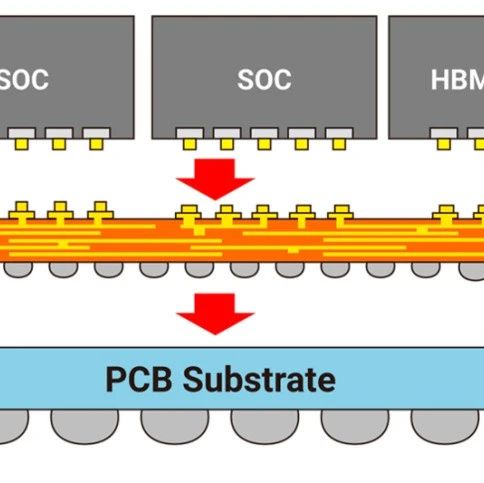
Core Viewpoint - The article discusses the significant rise of TSMC's CoWoS packaging technology, driven by the increasing demand for GPUs in the AI sector, particularly through its partnership with NVIDIA, which has deepened over time [1][3]. Group 1: CoWoS Technology and NVIDIA Partnership - NVIDIA has emphasized its reliance on TSMC for CoWoS technology, stating that it has no alternative partners in this area [1]. - TSMC has reportedly surpassed ASE Group to become the largest player in the global packaging market, benefiting from the growing demand for advanced packaging solutions [1]. - NVIDIA's upcoming Blackwell series will utilize more CoWoS-L packaging, indicating a shift in production focus from CoWoS-S to CoWoS-L to meet the high bandwidth requirements of its GPUs [3]. Group 2: Challenges and Innovations in CoWoS - The increasing size of AI chips poses challenges for CoWoS packaging, as larger chips reduce the number of chips that can fit on a 12-inch wafer [4]. - TSMC is facing difficulties with the use of flux in CoWoS, which is essential for chip bonding but becomes problematic as the size of the interposer increases [4][5]. - TSMC is exploring flux-free bonding technologies to improve yield rates and address the challenges posed by flux residue [5]. Group 3: Future Developments and Alternatives - TSMC plans to introduce CoWoS-L with a mask size of 5.5 times larger by 2026 and aims for a record 9.5 times larger version by 2027 [8]. - The company is also developing CoPoS technology, which replaces traditional wafers with panel substrates, allowing for higher chip density and efficiency [9][10]. - CoPoS is positioned as a potential alternative to CoWoS-L, targeting high-performance applications in AI and HPC systems [12]. Group 4: Technical Comparisons - FOPLP and CoPoS both utilize large panel substrates but differ in architecture; FOPLP does not use an interposer, while CoPoS does, enhancing signal integrity for high-performance chips [11]. - CoPoS is transitioning to glass substrates, which offer better performance characteristics compared to traditional organic substrates [12]. - The shift from round wafers to square panels in CoPoS aims to improve yield and reduce costs, making it more competitive in the AI and 5G markets [12]. Group 5: Challenges Ahead - Transitioning to square panel technology requires significant investment in materials and equipment, along with overcoming technical challenges related to pattern precision [14]. - The demand for finer RDL line widths poses additional challenges for suppliers, necessitating breakthroughs in RDL layout technology [14]. Conclusion - The future of TSMC's packaging technologies appears promising, with ongoing innovations and adaptations to meet the evolving demands of the semiconductor industry [14].


马来西亚:在多极芯片战争中,不要选边站
半导体芯闻· 2025-06-12 10:04
如果您希望可以时常见面,欢迎标星收藏哦~ 来源:内容编译自 theedgemalaysia 。 随着地缘政治紧张局势加剧以及全球半导体供应链发生重大调整,马来西亚在不断升级的中美科 技冷战中保持中立立场变得越来越困难。 自美国前总统乔·拜登于 2022 年 8 月签署《芯片与科学法案》以来,华盛顿推出了大量激励措 施,包括先进制造业投资信贷(第 48D 条)和制造业补助激励措施,旨在将芯片生产转移回国 内。 这些举措引发了半导体供应链投资浪潮,主要参与者包括英特尔公司、台积电、美光科技公司和安 靠科技公司。过去三年,这些投资为美国 28 个州宣布的 100 多个项目投资超过 5400 亿美元。 据美国半导体行业协会(SIA)估计,这些项目将创造超过50万个美国就业岗位,涵盖芯片制造、 建设和支持服务。迄今为止,美国商务部已批准32家公司48个项目的325.4亿美元拨款和高达58.5 亿美元的贷款。 最大的受益者之一是英特尔,该公司去年 9 月获得了高达 30 亿美元的直接资金,用于"支持微电 子制造"和"确保获得国内先进半导体供应链,保障国家安全"。 图注:Ta iwa n即中国台湾;Ch i n a即中国大 ...


研究表明:HBM将在决定AI性能方面超越GPU
半导体芯闻· 2025-06-12 10:04
如果您希望可以时常见面,欢迎标星收藏哦~ 来源:内容编译自 koreajoongangdaily 。 | | | | | FAAAAT | | --- | --- | --- | --- | --- | | HBM4 (2026) | HBM5 (2029) | HBM6 (2032) | HBM7 (2035) | HBM8 (2038) | | Data Rate 8 Gbps | 8 Gbps | 16 Gbps | 24 Gbps | 32 Gbps | | # of IVO 2,048 | 4.096 | 4.096 | 8,192 | 16,384 | | Bandwidth 2.0 TB/s | 4 TB/s | 8 TB/s | 24 TB/s | 64 TB/s | | Capacity/die 24 Gb | 40 Gb | 48 Gb | 64 Gb | 80 GP | | # of die stack 12/16-Hi | 16-Hi | 16/20-Hi | 20/24-Hi | 20/24-Hi | | Capacity 36/48 GB /HBM | 80 GB | 96/120 ...

267.3亿美元!半导体晶圆市场势头正盛
半导体芯闻· 2025-06-12 10:04
Core Viewpoint - The semiconductor wafer market is experiencing strong growth, with a market value of $17.57 billion in 2023, projected to reach $26.73 billion by 2032, driven by rapid technological innovation, expanding consumer electronics applications, and increased investment in advanced manufacturing processes [1]. Group 1: Technological Advancements - Continuous advancements in microelectronics and nanotechnology are benefiting the semiconductor wafer market, as the demand for faster, more efficient, and compact electronic devices increases [2]. - Innovations in wafer manufacturing technologies, such as extreme ultraviolet (EUV) lithography and 3D stacking, are enhancing production efficiency and chip performance, promoting long-term market growth [2]. - The transition from traditional 200mm wafers to 300mm wafers, along with exploratory developments in 450mm wafers, reflects the industry's pursuit of scalability and higher yields, directly enhancing profitability and market expansion [2]. Group 2: Expanding Consumer Electronics Applications - The growing demand for smart devices, including smartphones, tablets, wearables, and smart home appliances, is a major driver of the semiconductor wafer market [3]. - The proliferation of 5G technology, artificial intelligence (AI), and the Internet of Things (IoT) is increasing the integration of advanced chips in various devices, leading to a rising demand for high-quality wafers [3]. - Silicon wafers remain the cornerstone of chip manufacturing due to their cost-effectiveness and versatility, while compound semiconductor wafers like gallium arsenide (GaAs) and silicon carbide (SiC) are gaining popularity in high-frequency and high-power applications [3]. Group 3: Automotive Industry as a Key Driver - The increasing adoption of electric vehicles (EVs) and autonomous driving technologies is creating significant new opportunities for the semiconductor wafer market [4]. - Modern vehicles require a variety of semiconductor components, from sensors and microcontrollers to power management systems and infotainment units [4]. - The automotive industry's focus on electrification and advanced driver-assistance systems (ADAS) is driving demand for energy-efficient and heat-resistant wafers, with wide bandgap materials like SiC and GaN becoming more prevalent in EV powertrains, inverters, and charging systems [4]. Group 4: Regional Leadership in Production and Demand - The Asia-Pacific region continues to dominate the semiconductor wafer market, holding the largest share of global production and consumption [5]. - Countries and regions such as mainland China, Taiwan, South Korea, and Japan host some of the world's leading semiconductor manufacturers and foundries [5]. - Government-supported initiatives, a robust manufacturing ecosystem, and strategic investments in R&D are solidifying the region's position as a global semiconductor wafer production hub [5]. Group 5: Strategic Investments and Collaborations - Strategic partnerships, mergers and acquisitions, and capacity expansions are crucial in shaping the future of the semiconductor wafer market [6]. - Leading manufacturers are investing in next-generation manufacturing facilities (also known as "fabs") to meet growing demand and mitigate supply chain risks [6]. - Collaborations between wafer manufacturers and end-user industries are fostering innovation in wafer materials, design, and processing technologies, driving market growth [6]. Group 6: Outlook for Continued Innovation - The semiconductor wafer market has a bright outlook characterized by technological convergence, diverse demand, and geopolitical strategies aimed at enhancing supply chain resilience [7]. - The ongoing digital transformation across various industries ensures that the reliance on high-performance semiconductor wafers remains an integral part of innovation [7]. - The broad applications of semiconductor wafers, from consumer electronics and automotive to industrial automation and telecommunications, guarantee sustained market growth through 2032 [7].
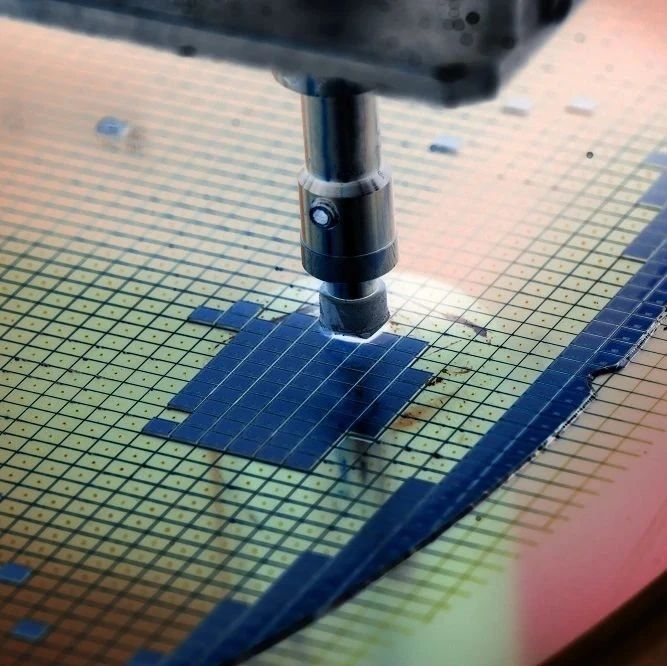
全球IC设计top10榜单,最新出炉
半导体芯闻· 2025-06-12 10:04
来源:内容转自 TrendForce,谢谢 。 根据TrendForce集邦咨询最新调查,2025年第一季因国际形势变化促使终端电子产品备货提前启 动,以及全球各地兴建AI数据中心,半导体芯片需求优于以往淡季水平,助力IC设计产业表现。 第一季前十大无晶圆IC设计业者营收合计季增约6%,达774亿美元,续创新高。 以下文章来源于TrendForce集邦 ,作者TrendForce TrendForce集邦 . TrendForce集邦咨询是一家全球高科技产业研究机构,研究领域横跨存储器、AI服务器、集成电路与半 导体、晶圆代工、显示面板、LED、AR/VR、新能源(含太阳能光伏、储能和电池)、AI机器人及汽 车科技等,提供前瞻性行业研究报告、产业分析 如果您希望可以时常见面,欢迎标星收藏哦~ | (unit: US$M) | | --- | | Ranking | Company | | Top 10 Fabless Revenue | | Revenue Performance | | Top 10 Revenue Share | | --- | --- | --- | --- | --- | --- | ...



台积电与东京大学合作建立芯片实验室
半导体芯闻· 2025-06-12 10:04
如果您希望可以时常见面,欢迎标星收藏哦~ 来源 :内容编译自 japantimes 。 东京大学和台积电开设了一个研究实验室,他们将共同研究芯片相关技术并支持教育和研发机会。 台积电执行副总裁 YJ Mii 周四在东京大学举行的新闻发布会上表示:"今天对台积电来说是一个 里程碑,因为这标志着我们与中国台湾以外的大学建立了第一个联合实验室。" 他们当时强调,开发节能专用半导体而非通用芯片的重要性,因为随着人工智能处理需求的增长, 数据量将进一步增加。 该大学和芯片制造商表示,该项目将主要侧重于研究、教育和人才孵化。在芯片领域,他们将致力 于材料、器件和设计的研究。他们还计划开展芯片原型设计教育。 东京大学工程研究生院教授池田诚表示,过去几年,美国和欧洲的大学一直在加大芯片原型教育力 度。 "我认为东京大学在这方面已经相当落后了。从这个意义上来说,我希望利用这样的机会赶上世 界,甚至超越世界,"将担任新实验室联合主任的池田说道。 东京大学校长藤井照夫 ( 左 ) 与台积电执行副总裁三井英机 (YJMi) 周四出席新闻发布会 YJ Mii表示,由于日本与中国台湾地理位置接近,台积电与该大学将能够有效沟通并顺利共享资 ...
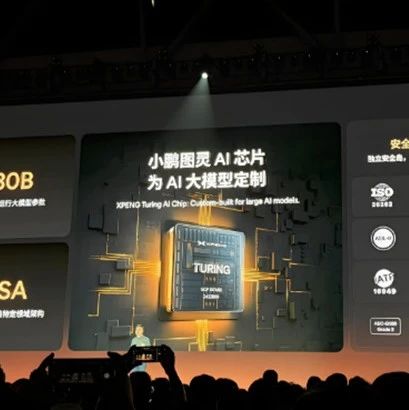
小鹏自研图灵AI芯片上车,一颗顶三颗?
半导体芯闻· 2025-06-12 10:04
如果您希望可以时常见面,欢迎标星收藏哦~ 来源:内容 转载自快科技 。 全球首款L3级算力的AI汽车小鹏G7已于昨晚开启全球首秀预售。预售仅46分钟,小鹏G7小订就突 破了10000台。 参考链接 https://news.mydrivers.com/1/1053/1053404.htm 点这里加关注,锁定更多原创内容 今日,小鹏G7也在香港车博会上亮相,引发大量用户围观。车辆最核心的亮点就是首发搭载了小 鹏自研的图灵AI芯片,并且一次性用上了三颗,带来了行业首个L3级算力平台。 在媒体提问下,何小鹏现场揭秘G7的三颗图灵芯片位置在哪里。 何小鹏打开小鹏G7车门后介绍,芯片加上内存后,被包装在域控制器里面。在车辆中控扶手下方 的域控制器内,配备有两颗图灵芯片,是用来跑自动驾驶的;副驾手套箱里面,还有一颗图灵芯 片,是负责语音控制和整车大脑。 据了解,小鹏自研图灵AI芯片拥有40核处理器、最高30B可运行模拟参数、2xNPU自研神经网络 处理大脑、DSA集成神经网络特定领域架构、2个独立图像ISP,拥有超2000Tops全本地算力支 撑。 目前行业主流算力约在80~700TOPS,但小鹏G7直接把行业旗舰的算力 ...

意法MCU,打的什么算盘?
半导体芯闻· 2025-06-12 10:04
Core Insights - The STM32 series from STMicroelectronics has established itself as a benchmark in the MCU/MPU market, with over twenty series developed since its launch in 2007, recognized for high performance, low power consumption, and ease of development [1][3] - STMicroelectronics plans to introduce 18 new product lines utilizing embedded non-volatile memory technology at 40nm and below by 2025-2026, aiming to double the proportion of products from advanced process nodes in the STM32 product line by 2025-2027 [4][6] Group 1: Market Position and Strategy - STMicroelectronics has maintained its leading position in the general microcontroller market, with market share continuing to grow since Q2 2024 [3] - The company has adopted a "In China, For China" strategy to enhance its local supply chain and manufacturing capabilities, including a joint venture with Sanan Optoelectronics for SiC production in Chongqing [6][7] Group 2: Product Development and Innovation - The STM32C0 series, launched in January 2023, offers the lowest price point in the STM32 lineup while providing superior performance compared to existing 8-bit architectures [11][12] - The STM32C0 series is designed to replace mid-to-high-end 8-bit platforms, featuring a 90nm process and Cortex M0+ core with a maximum frequency of 48MHz [12][15] - The STM32U3 series, recognized as the most energy-efficient MCU on the market, significantly extends battery life and enhances security features compared to its predecessor, STM32L4 [22][24] Group 3: Collaboration and Supply Chain - STMicroelectronics collaborates with Huahong Semiconductor for front-end manufacturing, ensuring consistent product quality across domestic and international production [7][9] - The first product from this collaboration, a 40nm MCU, is expected to enter mass production by the end of 2025, with dual supply chain options for wafer manufacturing [8][9] Group 4: Ecosystem and Development Tools - The STM32 ecosystem is a key asset, providing developers with tools like STM32CubeMX and STM32CubeIDE for easy project setup and configuration [17][30] - The introduction of the STM32WBA6 wireless MCU supports multiple wireless protocols, enhancing its applicability in smart home and industrial sensor applications [44][46] Group 5: Future Directions - STMicroelectronics plans to expand its MPU product line with the STM32MP23 series, which offers optimized costs and enhanced performance compared to the MP25 series [35][39] - The company is also set to launch a cost-optimized MP21 and a higher-performance MP27 by the end of the year, aiming to cover a wide range of industrial applications [43]


汽车大芯片,太难了
半导体芯闻· 2025-06-11 10:08
Core Viewpoint - The automotive industry is facing increasing challenges in ensuring the reliability and quality of integrated circuits and systems, particularly as vehicles become more reliant on advanced driver-assistance systems (ADAS) and software-defined functionalities [2][4][19]. Group 1: Challenges in Automotive Chip Development - The traditional development cycle for automotive chips is five to seven years, but the shift towards ADAS and complex infotainment systems has accelerated this process [2][4]. - Achieving automotive-grade quality with a defect rate below one part per million (DPPM) is a significant challenge, necessitating innovative testing methods [2][4]. - Manufacturers are under pressure to maintain low testing costs while ensuring high quality, creating a delicate balance [2][4][5]. Group 2: Advances in ADAS and Software-Defined Vehicles - ADAS has driven the automotive industry towards smaller technology nodes and more complex systems, transitioning to fully software-defined vehicles (SDVs) [4][5]. - The shift to advanced nodes below 5nm presents reliability and safety challenges, particularly for systems expected to operate for extended periods [4][5][19]. - Most new vehicles are currently at Level 2 or Level 3 automation, with increasing safety standards required for higher levels of automation [7][8]. Group 3: Testing and Quality Assurance - Automotive chips must undergo rigorous testing at three temperature extremes to simulate operational conditions, as defined by AEC-Q100 standards [9]. - Machine learning-based anomaly detection methods are increasingly used to enhance quality levels close to zero DPPM [9][10]. - Advanced fault models are being developed to better simulate common defects in silicon, improving testing accuracy [10]. Group 4: Virtual Testing and Predictive Maintenance - Virtual testing is becoming essential to reduce the complexity of real-world testing, allowing for parallel development and faster time-to-market [8][19]. - Continuous monitoring and feedback throughout the vehicle's lifecycle are critical, especially as more advanced nodes are introduced [19]. - On-chip monitoring and machine learning are being utilized to track performance degradation and predict failures [18][19]. Group 5: Future Directions in Automotive Testing - The industry is moving towards chiplet-based designs to improve yield and reuse rates while managing the complexity of advanced packaging [12][13]. - Acoustic and optical technologies are being employed to analyze inter-chip bonding characteristics, which are crucial for reliability [14]. - System-level testing is becoming a standard requirement to ensure that both hardware and software meet functional and non-functional requirements [16].